Persistent absence rarely has one cause, and improving attendance can involve whole-school systems, careful use of attendance data, family and community work, school refusal, mental health, behaviour, reintegration and the everyday conditions that make school worth attending. This selection of books for teachers about whole-school attendance improvement explores these areas from a range of educational, pastoral, clinical and leadership perspectives. They are aimed chiefly at attendance leads, pastoral and inclusion staff, teachers and school leaders. For schools buying for a team, pair a strategic handbook with a specialist text. For prices and ordering, click on the book cover.
Books on Whole-School Attendance Improvement – our recommendations
Understanding School Refusal by Karen J. Grandison, Louise De-Hayes and M. S. Thambirajah
This multidisciplinary guide explores school refusal through educational, clinical and social-care perspectives. It looks at anxiety and panic, parental support, assessment, home tuition, pupil referral units and planning a return to school. Case material and practical forms help connect theory with individual situations, making the book particularly useful for attendance leads, pastoral staff, educational psychologists and SENCOs supporting pupils experiencing significant barriers to regular attendance.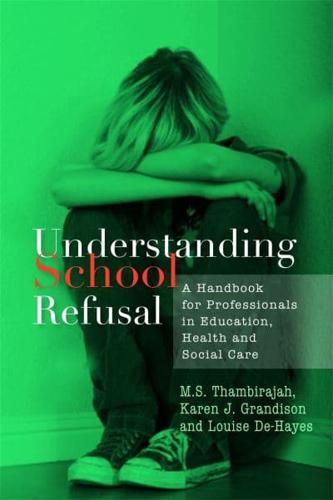
Improving School Attendance by Susan Hallam
Susan Hallam examines school attendance as an educational, family and policy issue, exploring patterns of absence, reasons pupils miss school and approaches used by schools and local authorities. The book provides useful background to the development of attendance thinking in the UK and supports professional discussion about the factors influencing engagement with school. It is particularly relevant to teachers, leaders and pastoral staff interested in the wider social and educational context surrounding attendance.
Improving School Attendance edited by Eric Blyth and Judith Milner
This edited collection examines attendance at several levels, from individual pupils to schools and local education authorities. Chapters consider the causes of non-attendance, attendance policy, data, intervention and preventive work, including approaches in primary settings. The breadth of perspectives can help trust, local-authority and school leaders explore how individual, institutional and wider system factors interact, making the book useful for professional discussion about coordinated approaches to attendance improvement.
Managing School Attendance: Successful intervention strategies for reducing truancy by Ken Reid
Ken Reid brings together research on non-attendance with practical discussion of intervention, school improvement, monitoring, case studies and home-school work. The book moves between national policy, local-authority practice, whole-school systems and individual pupil support. Its emphasis on connecting attendance information with practical action makes it particularly useful for senior attendance leads and headteachers considering prevention, intervention, family engagement and the organisation of effective attendance support.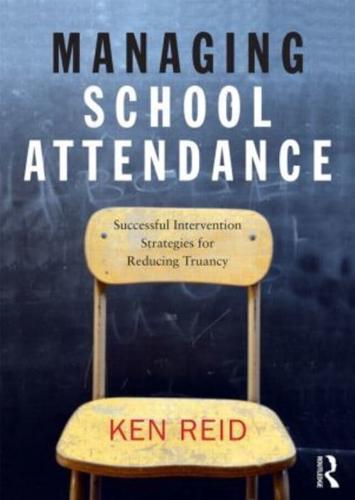
An Essential Guide to Improving Attendance in your School: Practical resources for all school managers by Ken Reid
Ken Reid provides a resource-led guide focused on the responsibilities of school managers, attendance policy, monitoring, planning and practical tools for reviewing provision. Its structured approach gives headteachers, deputies, attendance leads and trust improvement colleagues useful material for staff discussion, professional development and whole-school planning. The emphasis on practical resources makes it particularly helpful for teams examining how attendance responsibilities, monitoring systems and improvement priorities fit together across a school.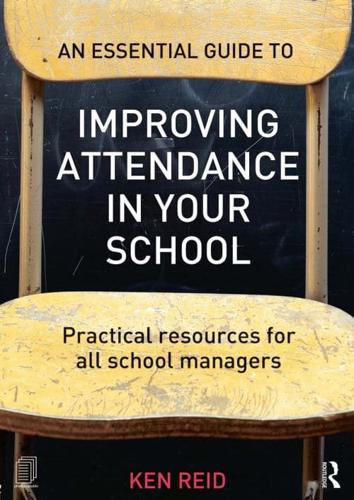
Managing and Improving School Attendance and Behaviour: New Approaches and Initiatives edited by Ken Reid
This edited Routledge collection connects attendance with behaviour, wellbeing, disaffection and inclusion. Contributions explore truancy, pupil absenteeism, educational psychology, emotional barriers, behaviour management, exclusion and reintegration, drawing on work from several countries including the UK. The range of perspectives makes the book particularly useful for pastoral teams and school leaders exploring how attendance relates to school climate, pupil experience, emotional wellbeing and wider approaches to inclusion.
Truancy and Schools by Ken Reid
Ken Reid examines truancy through social, educational and policy perspectives, exploring why pupils disengage and how schools and wider services respond. The book considers the consequences of non-attendance, different forms of intervention and the relationship between school and community responses. It is particularly relevant to pastoral leaders, attendance officers, local-authority colleagues and researchers interested in the broader educational and social factors that can influence attendance and engagement with school.
Tackling Truancy in Schools: A Practical Manual for Primary and Secondary Schools by Ken Reid
This practical manual for primary and secondary schools concentrates on the prevention, identification and response to truancy. It includes activities and planning ideas designed to help staff examine patterns of absence, communicate with pupils and families and organise a coordinated school response. Its direct format makes it useful for attendance leads and pastoral teams planning professional development, reviewing existing approaches or encouraging staff discussion about effective ways to support pupil attendance.
Truancy: Short and Long-term Solutions by Ken Reid
Ken Reid explores truancy and non-attendance through both immediate and longer-term responses. The book considers preventive work, school-based intervention, family engagement and wider policy approaches, giving readers several perspectives from which to examine persistent absence. Its accessible discussion of UK attendance practice can support professional conversations about why pupils disengage, how schools identify concerns and the different forms of support that can contribute to improved attendance.
Improving Behaviour and Attendance at School by Susan Hallam and Lynne Rogers
Susan Hallam and Lynne Rogers explore the relationship between behaviour, disaffection, learning and attendance, with particular attention to school-level analysis and improvement strategies. The connection between these areas makes the book useful where absence is linked with classroom experience, exclusion, relationships or a pupil’s sense of connection to school. It is particularly relevant to school leaders, pastoral staff and behaviour teams interested in coordinated approaches that bring attendance, behaviour and engagement together.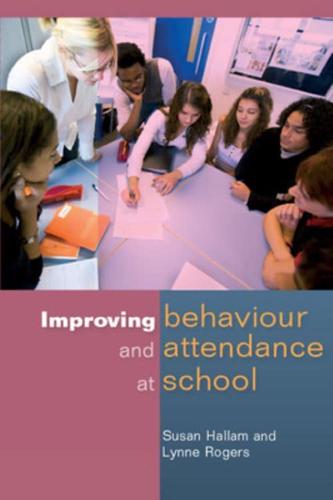
Managing Truancy in Schools by David Collins
David Collins approaches truancy as a school management and leadership issue, exploring causes, organisational responses, policy and the practical coordination of attendance work. The book helps readers consider how responsibilities, routines, communication and relationships fit together across a school. It is particularly relevant to school leaders and education welfare professionals interested in the systems that support consistent attendance and effective engagement with pupils and families.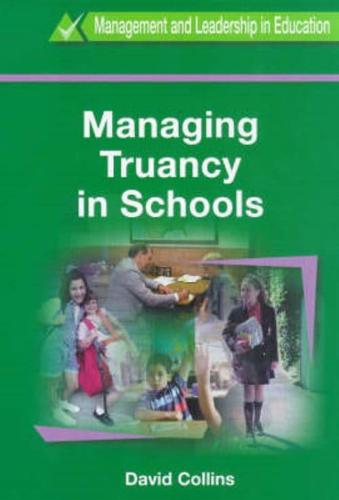
School Leader’s Guide to Tackling Attendance Challenges by Jessica Sprick and Randy Sprick
Jessica Sprick and Randy Sprick present a multi-tiered approach for school and district teams, moving from universal attendance culture and routines to targeted and intensive support. The book includes background explanations, planning tools and strategies for identifying barriers and responding with increasing levels of intervention. Its structured framework provides senior leaders with useful material for discussions about attendance culture, responsibilities, data, prevention and increasingly individualised support.
Teacher’s Guide to Tackling Attendance Challenges by Jessica Sprick and Tricia Berg
Jessica Sprick and Tricia Berg focus on the contribution classroom practice can make to pupil attendance. They explore everyday relationships, classroom culture, family communication and teacher routines, with practical strategies for identifying concerns and supporting pupils when attendance begins to become difficult. The accessible format makes the book particularly useful for tutors, class teachers, mentors and pastoral staff interested in actions that can strengthen pupils’ connection with school and encourage regular attendance.
Helping School Refusing Children and Their Parents: A Guide for School-Based Professionals by Christopher A. Kearney
Christopher A. Kearney provides a specialist guide to recognising, assessing and addressing school refusal. The book distinguishes different functions of school refusal and considers anxiety, family factors, consultation, graduated return and collaborative support around the child. Its structured approach makes it particularly useful for attendance leads, SENCOs, pastoral teams and educational psychologists working with pupils whose absence involves significant emotional or psychological barriers to attending school.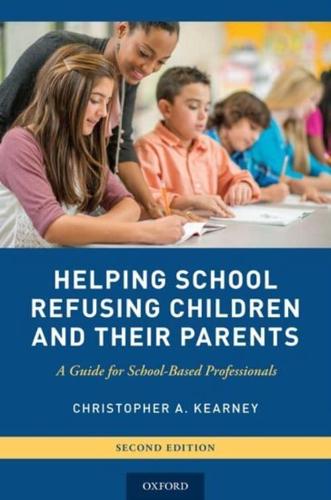
When Children Refuse School: Therapist Guide by Christopher A. Kearney and Anne Marie Albano
Christopher A. Kearney and Anne Marie Albano present a cognitive-behavioural approach to understanding and addressing school refusal. The guide covers functional assessment, treatment planning and intervention techniques tailored to the young person’s needs. It provides useful specialist background for educational psychologists, pastoral leaders and other professionals involved in coordinated work between schools, families and clinical services, particularly when attendance difficulties are connected with anxiety or other significant emotional barriers.
Managing School Absenteeism at Multiple Tiers: An Evidence-Based and Practical Guide for Professionals by Christopher A. Kearney
Christopher A. Kearney organises school absenteeism into a tiered prevention and intervention model, connecting universal school practice with targeted and intensive responses. The book brings together screening, functional assessment, consultation and case management, with an emphasis on matching the intensity of support to individual need. It is particularly relevant to attendance teams, school psychologists, counsellors and leaders interested in developing coordinated approaches to prevention, early intervention and more complex attendance difficulties.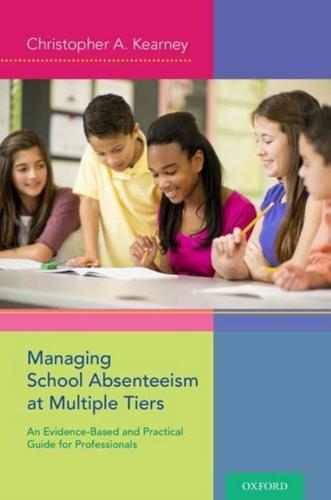
Helping Families of Youth with School Attendance Problems: A Practical Guide for Mental Health and School-Based Professionals by Christopher A. Kearney
This practical guide focuses on collaboration with families when a young person’s attendance difficulties are persistent or connected with wider needs. Christopher A. Kearney covers assessment, consultation, intervention planning and ways school-based and mental-health professionals can work effectively with parents and carers. It is particularly useful for attendance leads, pastoral managers, family-support workers and clinicians looking for structured approaches to partnership working and coordinated support around individual pupils.
Mental Health and Attendance at School edited by Katie Finning, Tamsin Ford and Darren A. Moore
Edited by three UK researchers, this multidisciplinary volume examines the relationship between mental health and school attendance. Chapters bring together epidemiology, mental-health conditions, neurodevelopment, school experiences, intervention and the perspectives of education and health professionals. It is particularly useful for SENCOs, pastoral leaders, designated mental-health leads and senior teams seeking a deeper understanding of the factors that can connect emotional wellbeing, educational experience and patterns of attendance.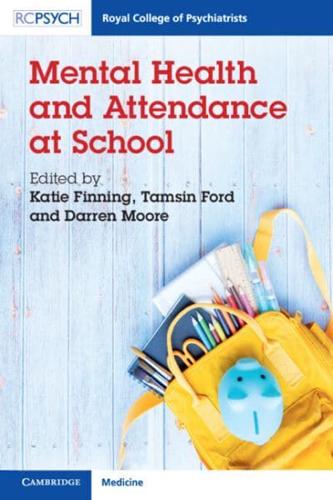
Absent from School: Understanding and Addressing Student Absenteeism edited by Michael A. Gottfried and Ethan L. Hutt
This edited research volume examines student absenteeism through perspectives including policy, economics, sociology, psychology and education research. It explores why absence matters, how it is measured, which groups are affected and what schools and education systems can learn from the evidence. The breadth of the collection makes it useful for trust leaders, governors, researchers and staff undertaking whole-school attendance reviews who want to explore the causes and consequences of absenteeism from several disciplinary perspectives.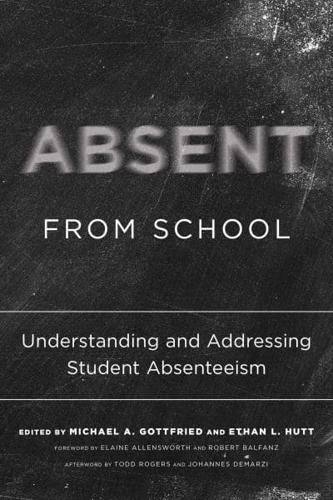
Supporting Students with School Attendance Challenges: A Collaborative Guide for Educators, Families and Therapists by Monica L. Mandell
Monica L. Mandell takes a collaborative, attachment-informed approach to students whose attendance difficulties may be connected with anxiety, disconnection, learning needs or strained relationships with school. The book is aimed at educators, families and therapists and emphasises listening, joined-up planning and individualised support. Its accessible format makes it particularly useful for pastoral and inclusion teams exploring how relationships, communication and coordinated support can help pupils experiencing significant challenges with school attendance.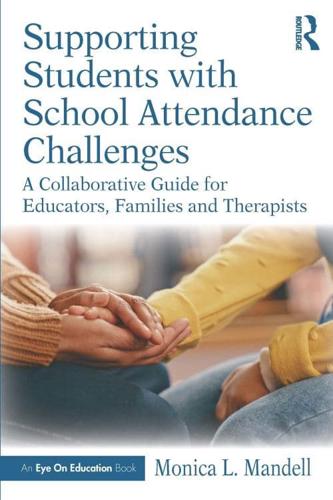
Books on Whole-School Attendance Improvement Resources
- Working together to improve school attendance – The current statutory framework for schools, trusts, governing bodies and local authorities in England, including support, registers and legal intervention.
- RISE attendance improvement – DfE links to attendance toolkits, family communication, data guidance, mental-health support and regional help.
- Supporting school attendance – Evidence-informed themes and a reflection tool for school leaders and attendance teams.
- Attendance toolkit for schools – Practical approaches, templates and case studies organised around data, culture, relationships, transition and other whole-school areas.
- Mental health issues affecting a pupil’s attendance – Responsibilities and examples of effective practice when social, emotional or mental-health needs affect attendance.
- Securing good attendance and tackling persistent absence – Ofsted’s research summary of common features in schools that improve attendance and reduce persistent absence.
Click the button below to purchase all of the books in this Books for Teachers about Whole-School Attendance Improvement guide from Amazon.
Buy from Amazon.co.ukDisclosure: as an Amazon Associate, School Reading List earns from qualifying purchases.