Supporting pupils with SEND is a whole-school responsibility, from classroom planning and adaptive teaching to assessment, provision mapping and strategic oversight. This guide to SEND books for teachers brings together practical reading for mainstream classrooms, professional handbooks for SENCOs and resources on inclusion, leadership and governance. Teachers, SENCOs, teaching assistants and school leaders can use the themes to develop shared language, purposeful provision and collaboration with families and colleagues across primary and secondary settings. For prices and ordering, click on the book cover.
SEND Books for Teachers, SENCO Practice, Leadership and Governance – our recommendations
The SENCO Handbook: Leading Provision and Practice by Sarah Martin-Denham and Steve Watts
The SENCO Handbook is organised around the statutory and regulatory context, leadership in the SENCO role, data, practitioner enquiry and professional learning. Further chapters address social, emotional and mental health, neurodiversity, learning and physical difficulties, person-centred approaches, coaching, mentoring and the management of support staff. Case studies, reflective activities, examples and adaptable templates connect theory with whole-school work. The intended readers include aspiring and practising SENCOs, teachers, headteachers and governors.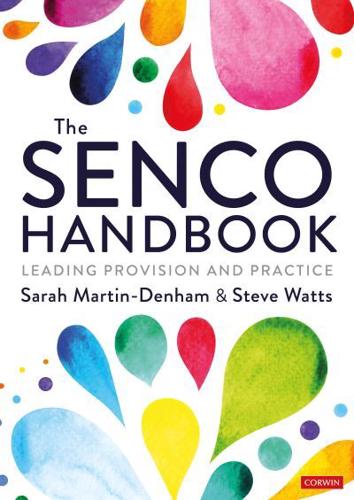
How to Be a Brilliant SENCO: Practical strategies for developing and leading inclusive provision by Helen Curran
How to Be a Brilliant SENCO explores the SENCO role in policy and practice, the SENCO as a leader, relationships with senior leadership teams and colleagues, and work with pupils and parents. The chapters also examine role management, professional influence and the future SENCO role. Practical strategies and case studies are woven through the discussion. The book is written for new, aspiring and experienced SENCOs, inclusion leaders and teachers developing their understanding of whole-school inclusive provision.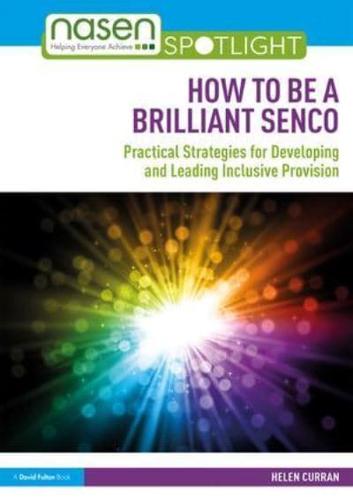
The SENCO Survival Guide: The Nuts and Bolts of Everything You Need to Know by Sylvia Edwards
The SENCO Survival Guide sets out a whole-school approach to inclusion across mainstream and special schools and all key stages. Sections cover high-quality teaching, SEN support, education, health and care plans, assessment, provision mapping, the SENCO role, personalised learning environments, pupil voice, parent partnership, teaching assistant deployment, equality and disability discrimination. It combines explanatory chapters, school-based examples and practical guidance for SENCOs, teachers, support staff and school leaders.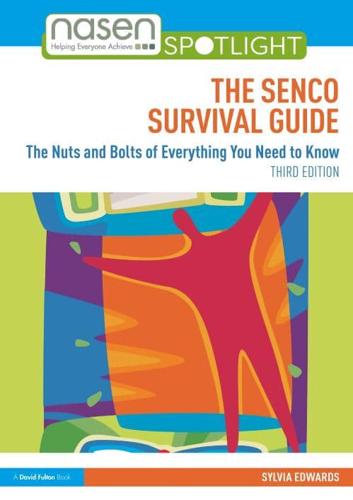
Starting Out as a Primary SENCo: Finding your first post, the first year and beyond by Lynn How
Starting Out as a Primary SENCo follows the journey into a first primary SENCO role. The structure moves from finding a post and preparing for the first day to the everyday life of a SENCO, paperwork, whole-school approaches, leadership, progression and wellbeing. Downloadable resources include one-page pupil profiles, workload overviews and annual review documents. The book is written for aspiring, new and developing primary SENCOs who are establishing routines and approaches for the role.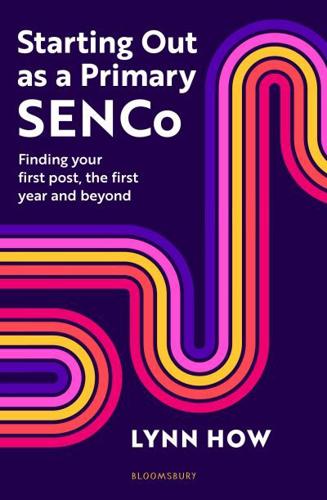
A Little Guide for Teachers: Being a SENCO by Lynn How
A Little Guide for Teachers: Being a SENCO is arranged as a short, interactive guide to day-to-day SENCO work. Chapters cover relationships and influence, good teaching as a whole-school foundation for inclusion, leading as a SENCO, statutory duties, paperwork, self-care and organisational strategies. Reflective activities invite readers to work with the material as they read. Its audience includes busy SENCOs, teachers moving into the role, aspiring inclusion leaders and colleagues who share responsibility for SEND.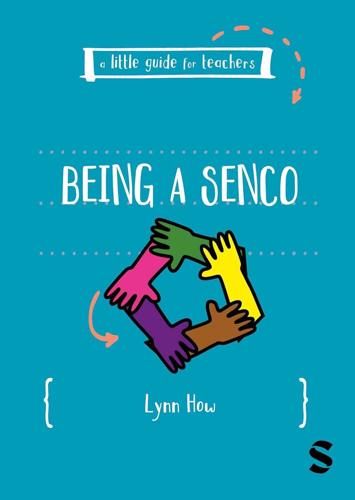
The Strategic SENCo: How to lead whole school inclusion with vision and purpose by Kenny Wheeler
The Strategic SENCo examines how SENCOs develop a vision for SEND, understand their school context and connect identification, referral systems, provision and tracking. Further chapters consider staff training, external services, high-quality teaching, teaching assistant deployment, leading teaching and learning, change management, coaching and leadership approaches. The book is structured around the strategic and operational questions faced by SENCOs and inclusion leaders working to shape whole-school practice.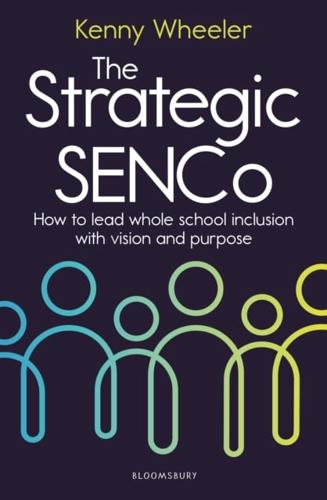
The School Leader’s Guide to SEND: Inclusive Leadership in Practice by Lynn How
The School Leader’s Guide to SEND is written for headteachers, senior leaders and other school leaders with responsibility for inclusive education. It sets out a strategic roadmap for SEND provision, with reflective questions, practical resources and a three-year approach to improving whole-school practice. Topics include cost-effective initiatives and interventions, leadership priorities, provision review and the relationship between strategic planning and everyday provision. The intended audience also includes SENCOs and MAT inclusion staff.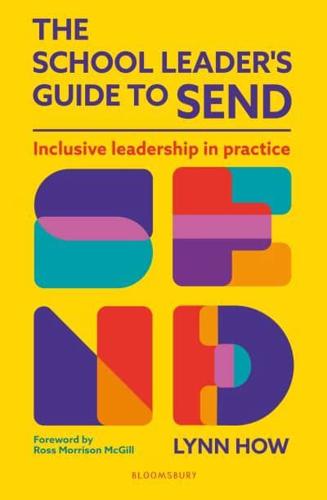
SEND Leadership: Quality Assuring Intent, Implementation and Impact by Judith Carter
SEND Leadership explores the three stages of SEND systems through intent, implementation and impact. It gives SENCOs and SEND practitioners a framework for leadership and quality assurance, with attention to purposeful monitoring, accountability, provision review and the use of information to understand how systems operate. The structure centres on the questions leaders ask when developing, checking and communicating whole-school SEND practice. Its professional audience includes SENCOs, senior leaders, teachers, teaching assistants and governors.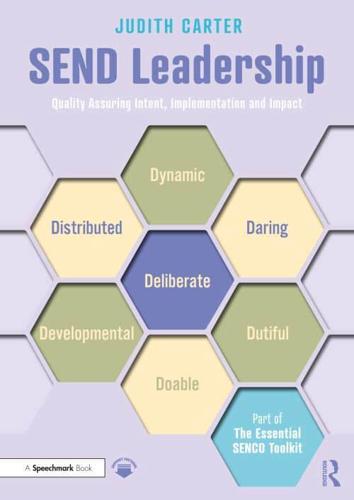
SENCO Leadership: Implementing Whole-School Practice edited by Gill Richards and Jane Starbuck
SENCO Leadership brings together chapters written by experienced SENCO school leaders. Each chapter presents a whole-school development, the work undertaken with colleagues, students and families, and the research evidence gathered during implementation. Themes include SEN policy, staff knowledge, classroom practice, belonging, exclusion and leadership for inclusive change. The collection is aimed at SENCOs, school leaders and inclusion teams looking for examples of strategic and practical work across a school community.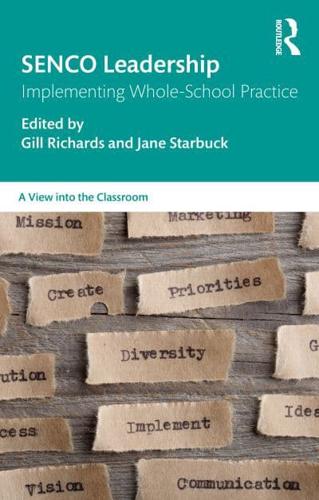
The Governance Handbook for SEND and Inclusion: Schools that Work for All Learners by Adam Boddison
The Governance Handbook for SEND and Inclusion focuses on the strategic role of governance in primary and secondary schools, multi-academy trusts and specialist settings. It explores the expectations of governors and trustees, the SEND Code of Practice, school information, funding, provision, pupil and parent voice, monitoring, challenge and support. Chapters use the recurring idea of thinking about SEND in governance decisions and connect board-level oversight with the work of headteachers, SENCOs, teachers and teaching assistants.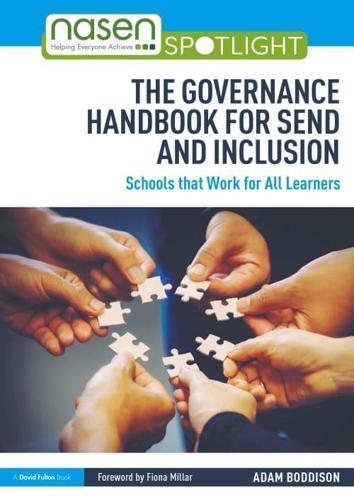
Leading on Inclusion: The Role of the SENCO edited by Mhairi C. Beaton, Geraldene N. Codina and Julie C. Wharton
Leading on Inclusion brings together perspectives on the principles and practice of SENCO leadership in England. Chapters explore professional learning for inclusive practice, person-centred planning, student voice, the future of SEND policy, relationships with parents and carers, and the lived experience of children and young people. The collection is written for SENCOs, inclusion leaders, teacher educators and school professionals engaging with the leadership dimensions of inclusive education.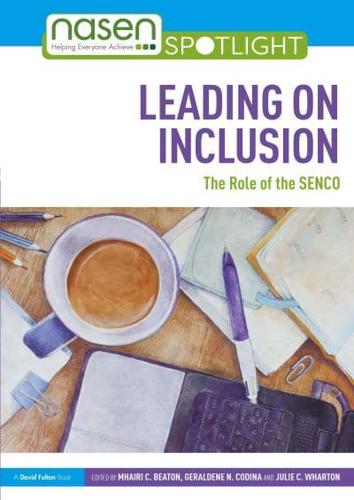
Outstanding Leadership in Special Educational Needs: Principles, Policy and Practice by Alison Ekins and Lorna Hughes
Outstanding Leadership in Special Educational Needs examines the leadership role of the SENCO alongside SEND policy, statutory guidance and the development of inclusive systems. The chapters consider professional relationships, school-wide approaches, planning and delivering interventions, collaboration with colleagues and the practical interpretation of policy in school settings. Its intended readers include new and experienced SENCOs, headteachers, senior leaders, governors and other education professionals with responsibility for SEND.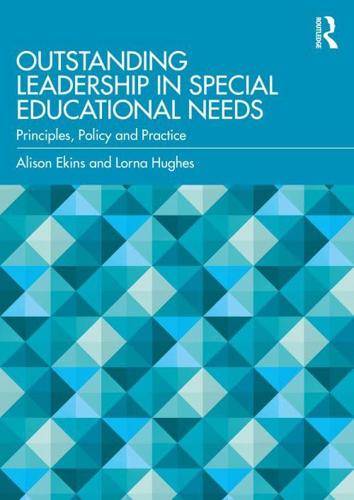
Provision Mapping and the SEND Code of Practice: Making it work in primary, secondary and special schools by Anne Massey
Provision Mapping and the SEND Code of Practice explains a school-wide system for identifying, implementing and tracking SEND provision. It follows the connection between the graduated approach, provision mapping, planning, monitoring and review, with examples for primary, secondary and special settings. The book is aimed at SENCOs, headteachers, senior leaders and staff who coordinate support, use information about provision and work with colleagues to organise inclusive school practice.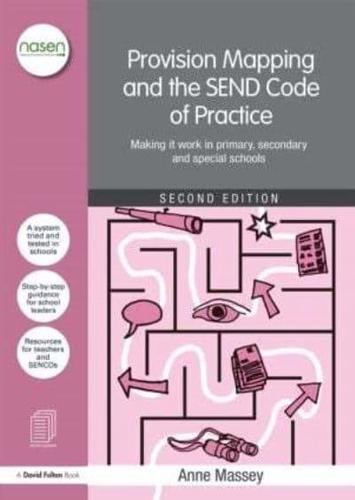
The Neurodiversity Handbook for Teaching Assistants and Learning Support Assistants: A Guide for Learning Support Staff, SENCOs and Students by Sarah Alix
The Neurodiversity Handbook for Teaching Assistants and Learning Support Assistants introduces neurodiversity and its relevance to classroom support. Chapters address autism, ADHD, anxiety, dyslexia, dyspraxia, dyscalculia, sensory differences, communication, assessment and learning strategies. The book includes chapter objectives, reflection activities, links to the Teaching Assistant Standards and case studies. It also covers support in one-to-one, group and intervention formats, making it relevant to teaching assistants, LSAs, SENCOs and colleagues who plan learning support.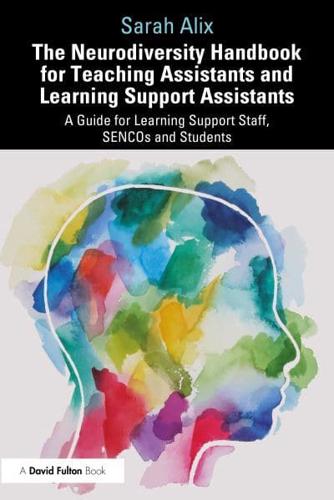
Special Educational Needs and Disabilities in Schools: A Critical Introduction by Janice Wearmouth
Special Educational Needs and Disabilities in Schools provides a UK-focused introduction to SEND in school contexts. It examines the historical and legal position, assessment, communication and interaction, cognition and learning, social, emotional and mental health, behaviour, sensory and physical needs, literacy, numeracy, assistive technology and relationships with families. The structure combines conceptual discussion with examples and professional questions for teachers, SENCOs and education students preparing for work in mainstream and specialist settings.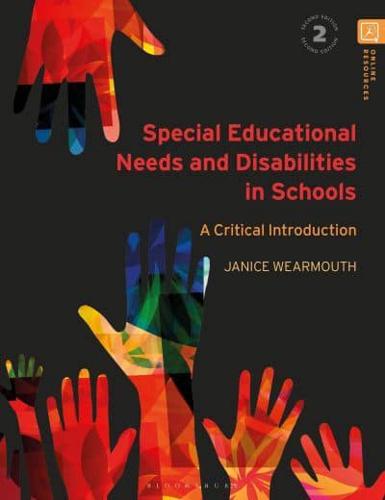
Inclusion for Primary School Teachers by Nancy Gedge
Inclusion for Primary School Teachers introduces inclusive practice through the daily work of the primary classroom. It addresses collaboration, differentiation, classroom management, identifying participation needs and planning support for pupils with SEND. The book uses classroom anecdotes, practical exercises and a jargon buster to connect professional language with decisions made in lessons. It is written for primary teachers, with relevance for SENCOs and inclusion leaders working alongside classroom staff.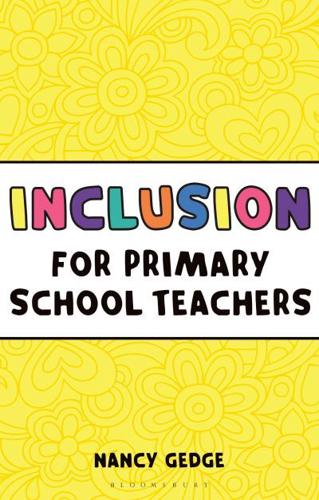
SEND Strategies for the Secondary Years: Practical ideas and expert advice to support and understand young people by Georgina Durrant
SEND Strategies for the Secondary Years is organised into seven areas of need. It covers numeracy, emotional regulation, sensory processing, autism, PDA, ADHD, dyslexia, DCD, dyscalculia and speech, language and communication needs. The book uses a neuro-affirmative approach and provides classroom techniques for secondary teachers supporting diverse young people. The intended professional audience includes secondary teachers, SENCOs, heads of department and pastoral teams.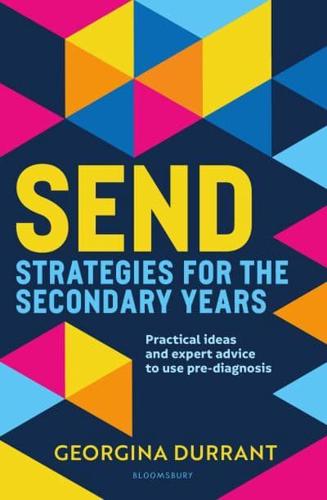
The Inclusive Classroom: A new approach to differentiation by Daniel Sobel and Sara Alston
The Inclusive Classroom guides primary and secondary teachers through the phases of a lesson, from starters to plenaries. Chapters set out actions for differentiation, classroom examples and ideas connected to strengths and participation needs. The book discusses pupils with SEND alongside other learners who may need accessible planning, including EAL pupils, looked-after children and young carers. Its lesson-based structure is relevant to teachers and inclusion leaders planning whole-class provision.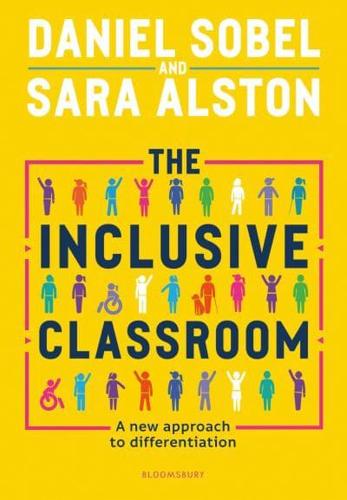
SEND Assessment: A Strengths-Based Framework for Learners with SEND by Judith Carter
SEND Assessment introduces a shared language of learning through seven components: cognition, communication, creativity, control, compassion, co-ordination and the curriculum. It explains a holistic assessment framework, a strengths-based progress tracker, baseline recording, collaboration with learners and families, and materials for primary and secondary settings. The intended readers include SENCOs, senior leaders, teachers, support staff, parents, carers and pupils involved in planning and reviewing SEND provision.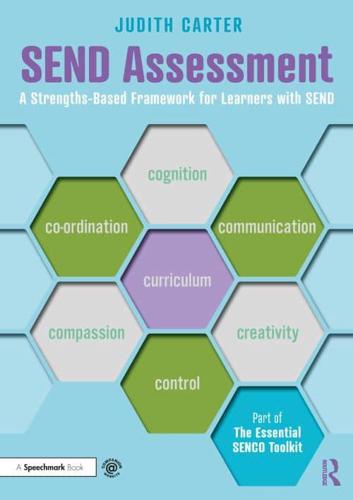
Good Teaching for Children with SEND: A guide for primary teacher trainees and early career teachers by Alison Silby and Ann Callander
Good Teaching for Children with SEND introduces adaptive teaching and classroom approaches for inclusive primary practice. Topics include curriculum planning, assessment, communication, relationships, behaviour, assistive technology, visual supports and teaching strategies for areas such as autism, dyslexia, speech and language needs, and mathematics. Reflective tasks and professional examples connect foundational knowledge with lesson decisions. It is aimed at trainee and early-career primary teachers, with relevance for mentors and SENCOs.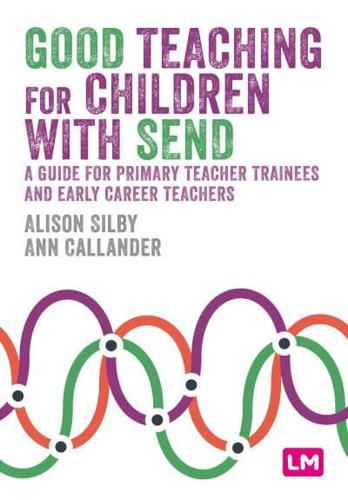
SEND Books for Teachers, SENCO Practice, Leadership and Governance Resources
- SEND code of practice: 0 to 25 years – Statutory guidance for the SEND system in England, covering duties for schools, local authorities, health bodies and other organisations working with children and young people.
- Special Educational Needs in Mainstream Schools – Five recommendations and practical ideas for reviewing and developing support for pupils with SEND in mainstream schools.
- SEND Governance Review Guide – A self-review guide for governing bodies, SEN governors and MAT trustees, structured around six features of governance.
- Every Leader a Leader of SEND Tool – A reflection tool for senior leadership teams examining how inclusion is communicated through policy, enacted in practice and experienced by stakeholders.
- Area SEND inspections: framework and handbook – The framework and handbook for area SEND inspection, including evaluation criteria and evidence across education, health and care partnerships.
- SEND and alternative provision improvement plan – The government plan and roadmap for SEND and alternative provision reform, providing policy context for leaders and inclusion teams.
- nasen SENCO Support Service – A professional support route for SENCO questions and SEND issues, with access to in-house education specialists.
Click the button below to purchase all of the books in this SEND Books for Teachers, SENCOs and School Leaders guide from Amazon.
Buy from Amazon.co.ukDisclosure: as an Amazon Associate, School Reading List earns from qualifying purchases.