School inspection preparation reaches beyond the inspection visit, touching school leadership, classroom practice, governance and the way a staff team understands its own provision. This selection of books for teachers about school inspections brings together practical Ofsted guides, self-evaluation titles, governance and inspection research, with separate options for early years and independent schools. It is intended for headteachers, senior leaders, teachers, governors and other education professionals choosing focused professional reading for an individual or school team. For prices and ordering, click on the book cover.
Books for Teachers about School Inspections – our recommendations
Taking Control: How to Prepare Your School for Ofsted Inspection by Paul Garvey
Paul Garvey’s handbook follows the Ofsted inspection journey from preparation and the initial call through evidence, school self-evaluation and the inspection visit. It discusses the language used during inspection, the role of data and the relationship between inspection and school improvement. Written around the experience of schools preparing for inspection, it is aimed at school leaders and education professionals working with inspection processes.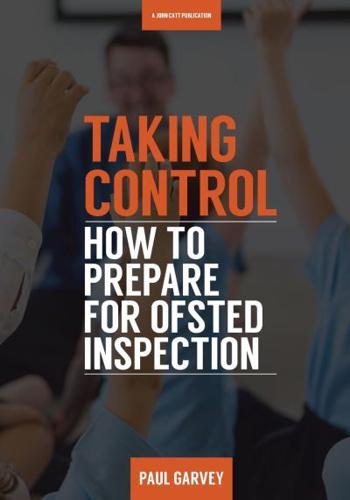
Taking Control 2: How to prepare for Ofsted under the Education Inspection Framework by Paul Garvey
This second Taking Control title is organised around the 2019 Education Inspection Framework. Paul Garvey covers deep dives, the planning call, inspector methodology, self-evaluation and dialogue during inspection, with examples for primary and secondary settings. The intended readers include headteachers, senior leaders, subject leaders, classroom teachers and governors in mainstream schools in England.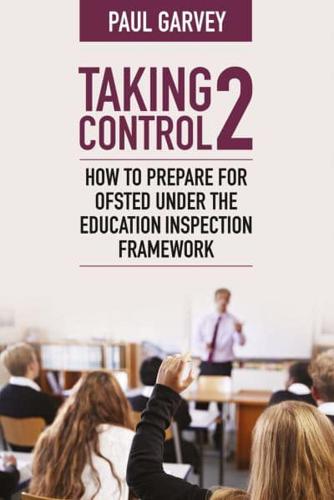
Taking Control 3: How to Prepare for Ofsted Under the Report Card Framework by Paul Garvey
The third Taking Control book addresses the Report Card Framework and explains changes from the Education Inspection Framework, including inspection commentary and the construction of a narrative for each inspection area. It also sets out preparation questions and dialogue for school staff and governors. It is written for headteachers, senior leaders, subject leaders and governors in mainstream schools in England.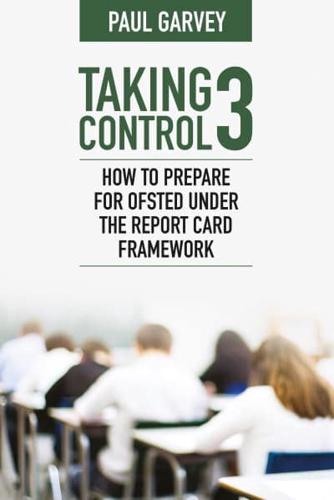
The New Teacher’s Guide to OFSTED: The 2019 Education Inspection Framework by Samuel Stones and Jonathan Glazzard
Written for new and trainee teachers, this guide introduces the 2019 Ofsted Education Inspection Framework and its school-level priorities. Samuel Stones and Jonathan Glazzard organise the book around Quality of Education, Behaviour and Attitudes, Personal Development, and Leadership and Management. It also includes examples of practice and mythbusting material, alongside explanations of the framework’s context and classroom implications.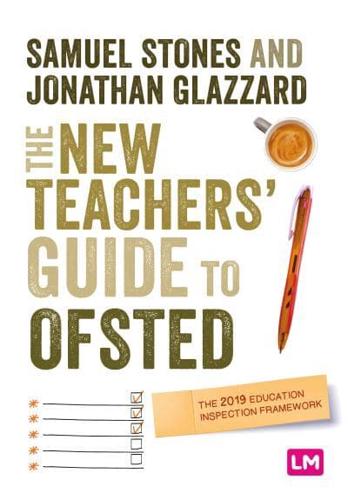
The Perfect (Ofsted) Inspection by Jackie Beere
Jackie Beere’s book connects Ofsted preparation with teaching, learning and school development. It discusses the inspection process and brings together case studies, checklists, summaries and guidance for teachers, middle leaders, senior leaders, governors and teaching assistants. The book is framed around the 2012 inspection framework and its place in a school’s wider improvement work.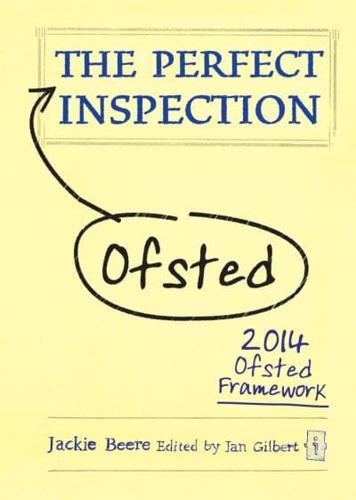
The Education Inspection Framework 101 AUDIT QUESTIONS to evaluate your practice and prepare for inspection by Pennie Akehurst
Pennie Akehurst uses 101 audit questions to help early years leaders and managers evaluate their provision against the 2019 Education Inspection Framework. The book explains the framework’s terminology and its implications for early years practice, with questions designed to identify strengths and areas for development, address weaknesses, manage risks and help practitioners evidence and justify their practice. Its structured self-evaluation format is aimed particularly at early years providers preparing for inspection.
Ofsted Inspections in Challenging Times: 101 AUDIT QUESTIONS to evaluate your practice and prepare for inspection after Covid-19 by Pennie Akehurst
This audit-question guide focuses on early years inspection after the impact of Covid-19. Pennie Akehurst covers safeguarding, systems of control, visitors, changing needs of children, staff wellbeing and risk management. The book is written for early years practitioners and providers evaluating their practice and preparing for inspection, with questions arranged around operational areas that leaders and managers can review with their teams.
Improving Schools and Inspection: The Self-Inspecting School by Neil Ferguson, Peter Earley, Brian Fidler and Janet Ouston
Neil Ferguson, Peter Earley, Brian Fidler and Janet Ouston examine the relationship between school inspection and school improvement. The book develops the idea of the self-inspecting school and discusses internal review, inspection, school development and the work of headteachers and other education professionals. Its chapters provide a research and practice context for readers exploring how a school can organise its own inspection-related evaluation.
Governing by Inspection edited by Sotiria Grek and Joakim Lindgren
This edited collection examines school inspection as a form of education governance across England, Scotland and Sweden. Its chapters address inspectorates, regulatory frameworks, policy learning, the vocabulary of inspection, inspection and emotion, and the role of media. Sotiria Grek and Joakim Lindgren bring together contributions that place school inspection within wider European policy and governance discussions.
OFSTED Inspections: The Early Experience edited by Janet Ouston, Peter Earley and Brian Fidler
This collection documents the early experience of Ofsted through perspectives from inspectors, teachers, researchers, parents, governors, policy analysts and policymakers. It covers the inspection handbook, inspector training, inspection reports, school responses, teachers’ perceptions, governors’ perspectives and political context. Its historical perspective places the development of school inspection in England within a wide range of professional and policy views.
School Inspectors: Policy Implementers, Policy Shapers in National Policy Contexts edited by Jacqueline Baxter
This edited study examines the role of school inspectors within inspection processes and wider accountability systems. It explores how inspectors interpret, implement and influence inspection policy across several OECD member states, with chapters on policy implementation, inspector practice and professional identity. The comparative focus places UK inspection questions alongside international policy contexts.
School Inspection & Self-Evaluation: Working with the New Relationship by John MacBeath
John MacBeath links school inspection with self-evaluation and the changing relationship between internal school review and external inspection. Written for heads and teachers, the book explores school self-evaluation, inspection evidence, school development and professional dialogue, with examples from primary, secondary and special schools. The focus is how inspection and self-assessment meet in day-to-day school work.
Schools Must Speak for Themselves: The Case for School Self-Evaluation by John MacBeath
John MacBeath makes the case for school self-evaluation as a way for schools to speak about their own work. The book brings together discussion of school-based review, professional judgement, evidence and improvement, and is written for teachers and senior managers working with self-evaluation. It places internal evaluation alongside wider discussions of school inspection and school improvement.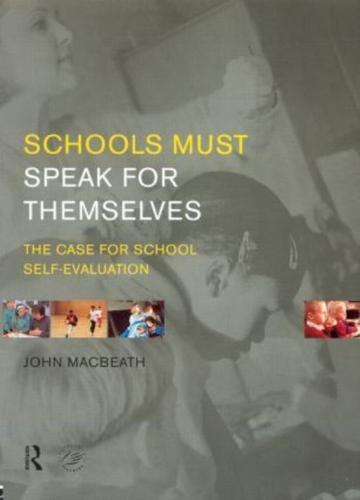
Self-Evaluation: What’s In It For Schools? by John MacBeath and Archie McGlynn
John MacBeath and Archie McGlynn focus on the place of self-evaluation within school life. The book discusses why schools evaluate themselves, how staff engage with the process and how review connects with professional learning and school improvement. Its focus is the practical meaning of self-evaluation for school leaders and teachers working with internal review and inspection-related reflection.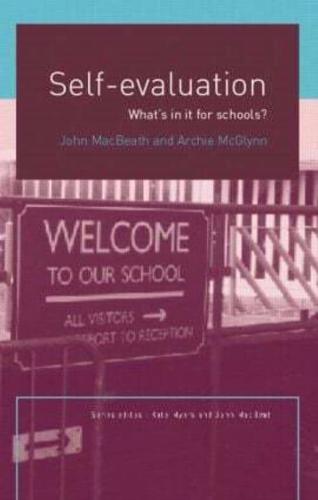
A Practical Guide to the Independent School Standards: September 2024 Edition by Sarah McKimm
Sarah McKimm’s guide is written around the Independent School Standards in England. It explains the regulatory framework and the responsibilities that independent schools address through leadership, governance, safeguarding, education and inspection preparation. It is aimed at professionals in independent schools, including leaders and governors working with the standards that sit alongside inspection and compliance activity.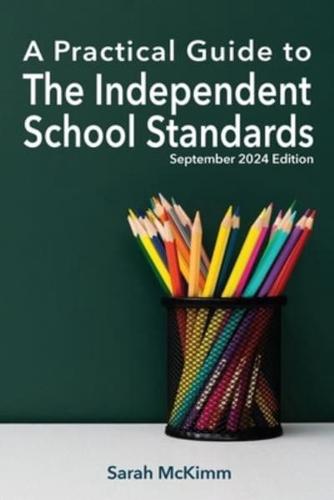
Successful Early Years Ofsted Inspections: Thriving Children, Confident Staff by Julian Grenier
Julian Grenier’s guide focuses on Ofsted inspections in early years settings and the relationship between inspection, the EYFS and provision for young children. It covers legal requirements, staff professionalism, practice review and inspection preparation, and includes downloadable forms and tables through the companion resources. This is a role-specific guide for early years leaders, nursery managers and other adults responsible for early years provision.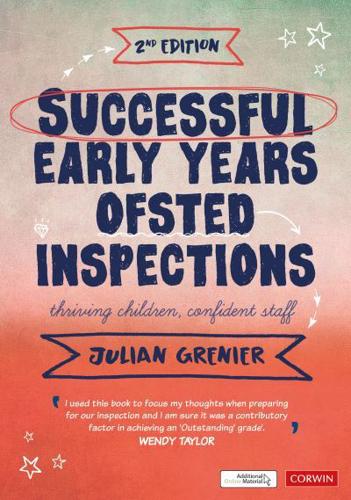
How to Survive an Ofsted Inspection by Sarah Findlater
Sarah Findlater organises this guide in four phases: building systems well before inspection, preparing immediately before the visit, working through the inspection days and using feedback afterwards. It covers classroom observation, areas inspected by Ofsted, practical templates and checklists, and the sequence from the notification call to the final report. The book is written for primary and secondary teachers preparing for an Ofsted inspection.
School Improvement after Inspection?: School and LEA Responses edited by Peter Earley
Edited by Peter Earley, this collection examines how schools and local education authorities respond after inspection. Its chapters consider school and governing-body responses, LEA support, case studies of change following inspection and differing perspectives on the longer-term relationship between inspection and school improvement. It provides a historical account of post-inspection activity for readers exploring how schools responded to Ofsted findings and connected inspection with subsequent development work.
The Perfect (Ofsted) School Governor by Tim Bartlett
Tim Bartlett’s guide focuses on the role of school governors in relation to Ofsted and wider school governance. It covers the history of education in England, inspection preparation, leadership and governance, complaints, governor meetings and the interpretation of school data. The book is written for governors, teachers and school boards, and places inspection within the day-to-day responsibilities of governing bodies.
The EYFS Inspection in practice: Your step by step guide to the Education Inspection Framework by Jenny Barber and Sharon Paul-Smith
Jenny Barber and Sharon Paul-Smith’s step-by-step guide explains Ofsted inspection in early years settings under the 2019 Education Inspection Framework. Written for early years practitioners, it covers preparation for inspection, what to expect on inspection day, evaluating provision, evidencing practice and responding to the inspection outcome. Its practical format provides a detailed guide to the inspection arrangements and expectations introduced with the 2019 framework.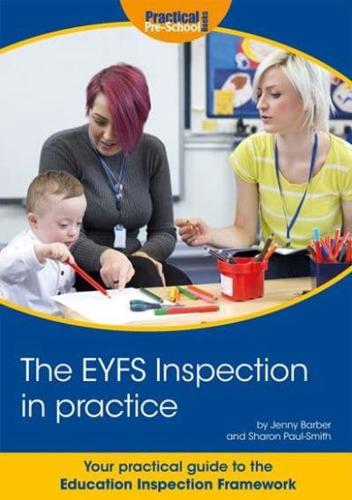
School Inspections Resources
- Education inspection framework (EIF) – Ofsted’s framework page sets out inspection principles and grades in England and links to framework documents for state schools, further education and skills, non-association independent schools and registered early years settings.
- School inspection: toolkit, operating guides and information – This GOV.UK collection brings together the current school inspection toolkit, operating guides and information for maintained schools and academies under the renewed framework.
- School inspections: frequently asked questions – Ofsted’s FAQ covers inspection timing, the nominee role, the planning call, case sampling, small schools, governance and how context is considered.
- School and ELC inspection guidance – His Majesty’s Inspectorate of Education brings together current school and early learning and childcare inspection guidance in Scotland, including the 2026/27 transition arrangements.
- Estyn inspection guidance – Estyn’s official inspection page is a starting point for current inspection information and guidance for education and training providers in Wales.
- Education and Training Inspectorate Northern Ireland – The Northern Ireland inspectorate site provides the inspection framework, current inspection reports, evaluations and links for schools, governors and education providers.
- Navigating Ofsted inspection: a tool for governing boards – The National Governance Association tool covers board self-evaluation, vision and strategy, school culture, quality of education, stakeholder engagement, disadvantage and statutory duties.
- Self-evaluation guidance for independent schools – The Independent Schools Inspectorate provides optional guidance for school leaders, including a summary prompt table for self-evaluation and planning.
Click the button below to purchase all of the books in this Books for Teachers about School Inspections guide from Amazon.
Buy from Amazon.co.ukDisclosure: as an Amazon Associate, School Reading List earns from qualifying purchases.