Schools hold safeguarding, assessment, attendance and family information across systems used every day, so a cyber incident is also a data protection and continuity problem. This guide to books for teachers about cyber security and data protection for schools brings together school-specific GDPR advice, UK data protection law, practical cyber resilience, incident response and technical standards. School leaders, DPOs, governors and digital or IT leads will find a shared starting point here, although several titles are general organisational guides rather than school manuals. Current DfE, NCSC and ICO guidance should sit alongside any book. For prices and ordering, click on the book cover.
Books for Teachers about Cyber Security and Data Protection for Schools – our recommendations
A Practical Guide to GDPR for Schools by Forbes Solicitors
Written for schools and colleges rather than generic businesses, this is the most immediately relevant starting point for a headteacher, DPO, business manager or trust administrator. It works through pupils’, parents’, staff and governors’ data, processors, subject access requests, breaches, websites, email and social media, with practical examples and checklists. The 2019 publication date matters: use it to structure questions and procedures, then check every legal point against current DfE and ICO guidance, especially on newer technology and legislative changes.
Cyber Security for Educational Leaders: A Guide to Understanding and Implementing Technology Policies by Richard Phillips and Rayton R. Sianjina
Written specifically for educational leaders, this book examines the policies and decisions that underpin cyber security in schools. It covers areas including acceptable use, authentication, internet access, auditing, physical security and privacy, alongside a cyber-risk assessment checklist. The policy-led approach makes it particularly useful for leaders working with IT providers, governors or trustees and for schools developing clear, documented approaches to digital security.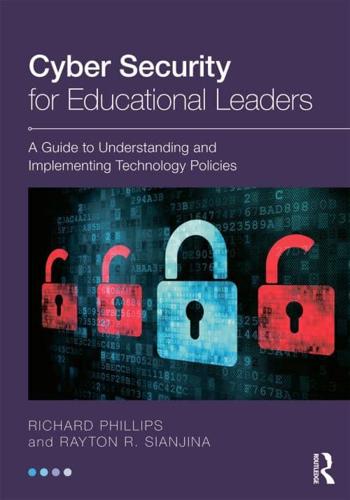
UK General Data Protection Regulation: A Guide to the Law by James Castro-Edwards
James Castro-Edwards provides a detailed guide to the UK GDPR and its relationship with the Data Protection Act 2018. The book covers controllers, processors, data-subject rights, breach notification, data protection officers, international transfers and remedies. Its substantial legal detail makes it particularly useful for trust DPOs, governance professionals and senior leaders who want a deeper understanding of the legislation underpinning school data-protection policies and procedures.
Data Protection Law and Practice, 5th edition by Rosemary Jay
Rosemary Jay’s fifth edition is a large practitioner reference covering UK data protection law, privacy, PECR, law-enforcement processing and related developments. It belongs with a specialist DPO, solicitor or trust information-governance lead rather than on every teacher’s desk. Its value is depth: it is the title to consult when a school’s question goes beyond a short explanation of consent, access or breach response. The 2020 publication date and substantial legal scope make current ICO materials essential companions.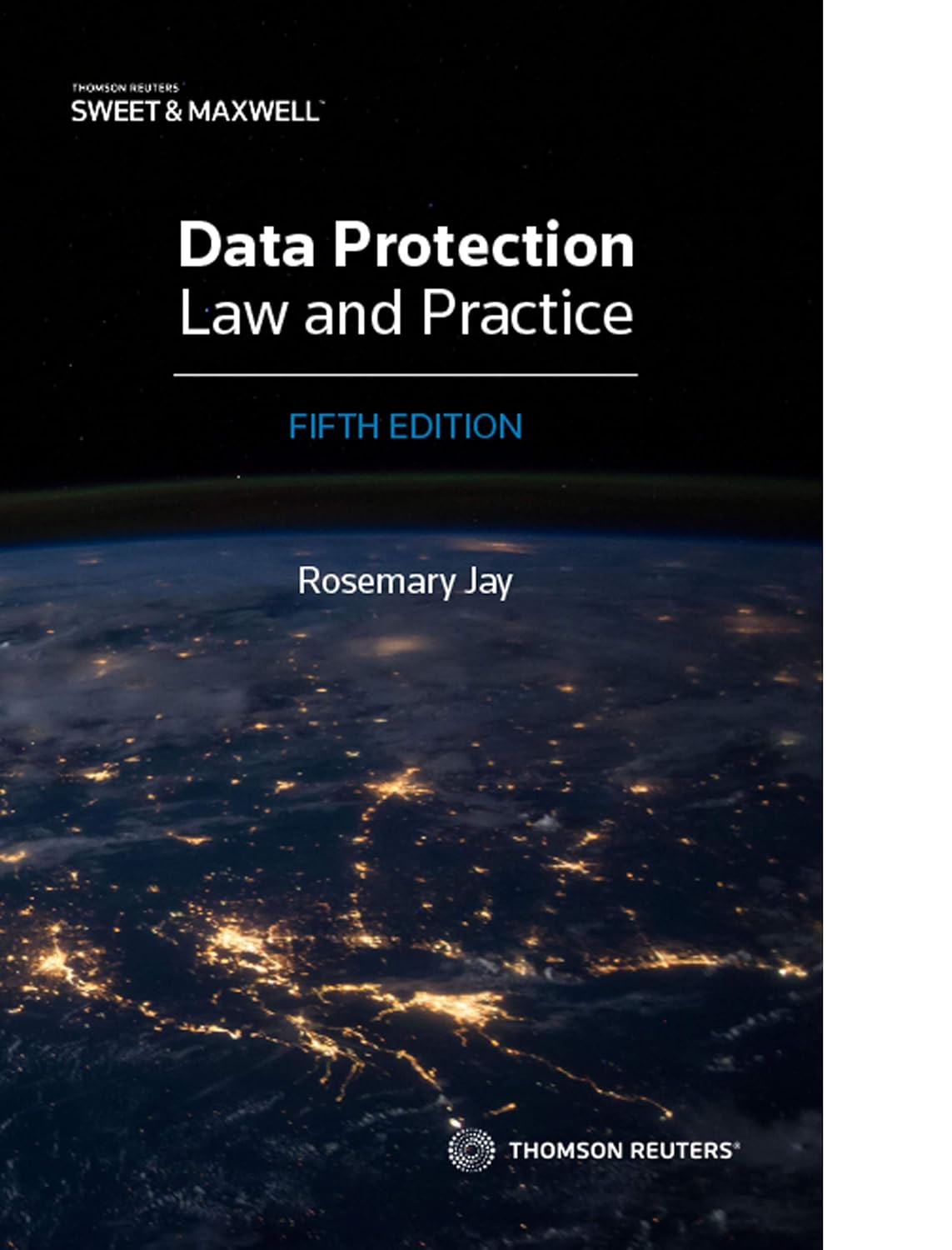
Data Protection, Privacy and Information Law: A Practical Guide by Leo Davidson, John Fitzsimons and Ben Mitchell
This practical guide brings together UK GDPR, the Data Protection Act 2018, privacy, PECR and wider information law in a single professional reference. Written from a practitioner perspective, it provides useful legal context for everyday questions about information governance and privacy. Trust governance teams, compliance staff and school leaders will find it particularly useful when exploring the legal principles behind data handling, communications and organisational responsibilities.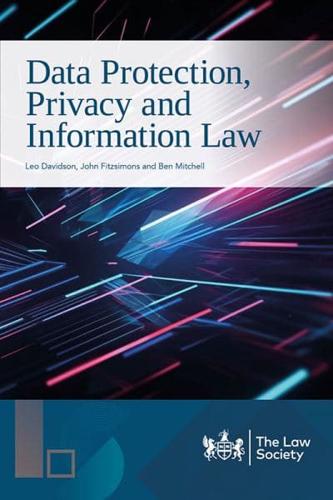
GDPR For Dummies by Suzanne Dibble
Suzanne Dibble’s accessible introduction is aimed at people who need to understand GDPR without beginning with a law textbook. It covers personal data, security, breaches, children, employee training and practical compliance tasks, which gives school staff a readable way into unfamiliar vocabulary. The examples and framing are principally small-business oriented, so school leaders should translate them rather than copy them. It suits induction, staff discussion or a first pass before the UK-specific titles, not final decisions about a complex data-sharing arrangement.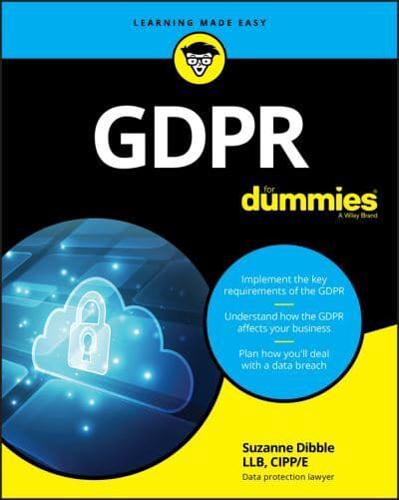
EU General Data Protection Regulation (GDPR): An Implementation and Compliance Guide, fourth edition by IT Governance Privacy Team
This fourth-edition guide is a structured compliance primer, organised around the EU GDPR and the duties of controllers and processors. It is useful for a digital lead or DPO who wants a clear route through accountability, security, breach handling and documentation, especially when a school buys services from organisations operating across Europe. The important limitation is jurisdiction: EU GDPR and UK GDPR are related but not identical. Treat this as comparative background and verify UK requirements through the ICO and DfE.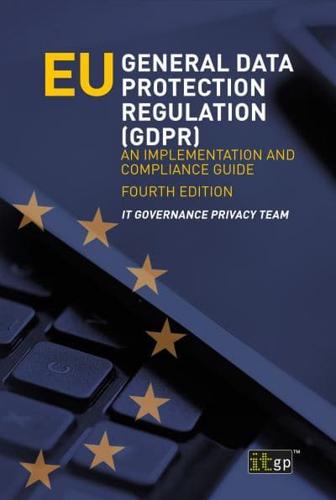
EU GDPR: An International Guide to Compliance by Alan Calder
Alan Calder provides a concise introduction to GDPR, international compliance and the terminology used by privacy and information-governance teams. Its compact format makes it useful for governors, trustees, procurement colleagues and digital leads who want an accessible overview of the subject. The international perspective is particularly relevant to discussions about cloud services, technology suppliers and organisations handling data across different jurisdictions.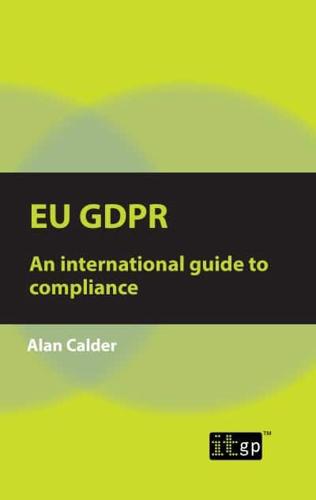
European Data Protection Law and Practice, edited by Eduardo Ustaran
Executive edited by Eduardo Ustaran, this multi-contributor reference offers a broad examination of European data protection law and professional practice. The book explores the principles, institutions and legal structures that shape privacy compliance across Europe, making it valuable for readers dealing with systems, suppliers or data flows that cross national boundaries. It is particularly relevant to legal, governance and information-security professionals who want substantial background to the wider European privacy landscape.
Cyber Security: Essential principles to secure your organisation by Alan Calder
Alan Calder’s pocket-sized guide concentrates on the foundations of cyber security, including human, physical and technical threats, security by design, risk and the relationship between information security and data protection. It is a sensible shared primer for a school business manager, governor or senior leader who needs to follow an IT conversation without pretending to be a network engineer. The framework is organisational rather than education-specific, so use it to shape questions and priorities, not to replace the DfE cyber security standard.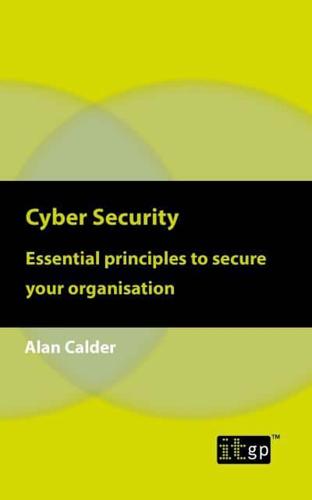
The Cyber Security Handbook: Prepare for, respond to and recover from cyber attacks with the IT Governance Cyber Resilience Framework (CRF) by Alan Calder
This is the more substantial Calder title for readers who need to think about preparation, response and recovery rather than isolated controls. Its Cyber Resilience Framework gives IT or digital leads a way to discuss governance, resilience, incident response and recovery with senior colleagues and suppliers. The approach is general organisational practice, not a set of UK school rules, and it needs to be mapped against a school or MAT’s risk register, continuity plans and DfE requirements. It is best suited to people with responsibility for operational security.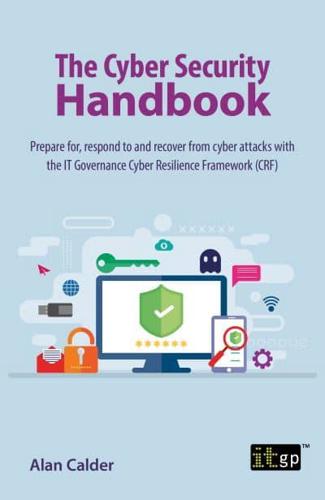
Cyber Resilience: Defence-in-depth principles by Alan Calder
Defence in depth is a useful way to move a school conversation beyond a single product or annual training session. This book explains how layered controls, people, processes and technology contribute to resilience, with attention to fundamentals rather than one named standard. It may suit a trust IT manager, digital lead or governor working through recovery and continuity questions. It is not school-specific, and the practical value depends on testing ideas against the school’s actual estate, outsourced services, backups and incident plan.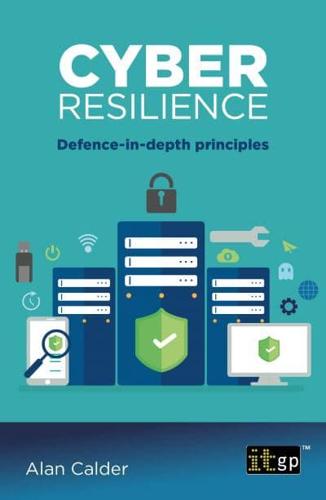
Cyber Risks for Business Professionals: A Management Guide by Rupert Kendrick
Rupert Kendrick approaches cyber security from a management and organisational-risk perspective. The book helps readers recognise cyber risks, consider their potential impact and understand the decisions involved in controls, suppliers and incident response. This management focus makes it useful for governors, senior leaders and school operations staff who have responsibility for organisational risk and want a clearer framework for discussing cyber security with technical colleagues.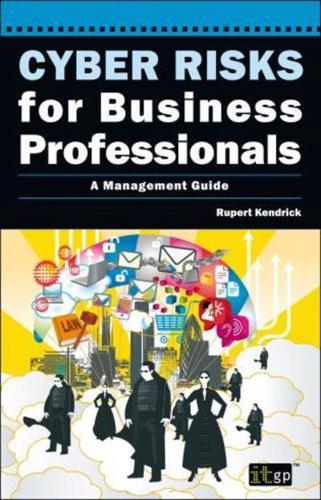
Cybersecurity For Dummies by Joseph Steinberg
Joseph Steinberg provides an accessible introduction to cyber security, covering threats, devices, accounts, privacy, scams and practical protective habits. The clear explanations make it a useful orientation text for governors, administrators and digital leads developing their understanding of common risks and security terminology. It can also help non-specialists build the vocabulary and confidence needed to ask informed questions when working with IT teams and managed service providers.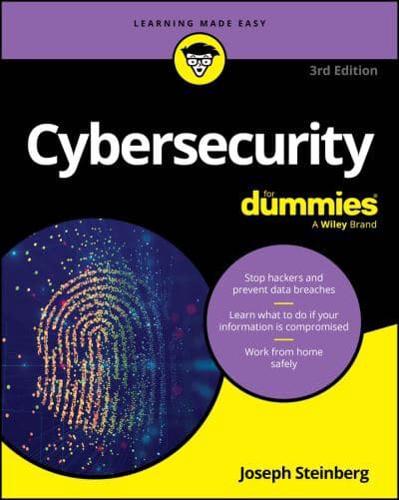
The Security Culture Playbook: An Executive Guide To Reducing Risk and Developing Your Human Defense Layer by Perry Carpenter and Kai Roer
People, not just settings and software, shape a school’s security culture. Carpenter and Roer focus on human risk, leadership, awareness, behaviour change and ways to develop a more deliberate security culture across an organisation. The executive perspective translates well to a headteacher, trust leader or staff-development lead planning cyber awareness, but the examples are corporate rather than educational. It is most useful alongside the DfE expectation for regular, role-appropriate training and clear reporting routes, not as a stand-alone compliance programme.
Ransomware Protection Playbook by Roger A. Grimes
Roger A. Grimes focuses specifically on ransomware and the organisational decisions involved in preparing for, detecting and responding to an attack. The book covers preparation, damage limitation, recovery and the difficult choices that can arise during an incident. For schools and trusts, it provides useful material for discussions involving IT leads, senior leaders, governors and incident-response specialists about resilience, continuity and recovery planning.
Incident Response & Computer Forensics, Third Edition by Jason T. Luttgens, Matthew Pepe and Kevin Mandia
This technical reference follows the incident-response lifecycle through preparation, data collection, analysis, investigation and remediation, with attention to evidence and reporting. It is aimed at the IT or forensic specialist who may support a school or MAT after a serious compromise, rather than at classroom staff. The detail can help leaders understand what an external responder is likely to need and why records matter. Published in 2014, it should be paired with current NCSC advice and the school’s own response plan.
ISO 27001 Controls: A guide to implementing and auditing, Second edition by Bridget Kenyon
Bridget Kenyon’s second edition is for readers who need to understand how ISO 27001 controls are selected, implemented and audited. It may be relevant to a large trust, outsourced IT provider or information-security lead building a formal management system, especially where procurement asks suppliers for assurance. ISO certification is not presented here as a general legal requirement for schools, and this is not a DfE checklist. Its place here is as a deeper reference for teams translating risk into auditable controls.
ISO 27001/ISO 27002: A guide to information security management systems by Alan Calder
Alan Calder’s concise standard guide explains the purpose of ISO 27001 and ISO 27002, including the 2022 updates and the relationship between a management system and its controls. It is a useful first technical reference for a trust IT lead or governance professional considering whether a standards-based approach would add discipline. The standards are voluntary frameworks, not replacements for UK data protection law or DfE expectations. Readers should confirm the current standard and certification requirements before planning a project.
ISO/IEC 27001:2022: An introduction to information security and the ISMS standard by Steve G Watkins
Steve G Watkins introduces the ISO/IEC 27001:2022 information-security management standard and explains its structure, terminology and risk-based approach. Topics include documented information, continual improvement and the principles behind an information security management system. The book is particularly useful for trust-level IT, compliance and audit professionals exploring structured approaches to information-security governance or working alongside specialist providers.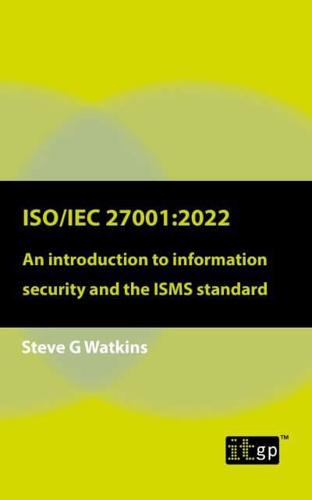
Cyber Security and Data Protection for Schools Resources
- Data protection in schools – Department for Education guidance on UK GDPR, responsibilities, breaches, subject access requests, AI and educational technology.
- Cyber security: core standard – The DfE’s school-specific expectations for risk assessment, access controls, awareness training, incident response and cyber resilience.
- Cyber Security for Schools – NCSC resources for governing boards, senior leaders, school staff, IT teams and incident reporting.
- Cyber security training for school staff – A free NCSC presentation pack and self-learning resource for staff awareness and school cyber resilience.
- NCSC services for schools – A DfE Cyber Security Hub overview of relevant NCSC initiatives, including training, response exercises and board resources.
- UK GDPR guidance and resources – The Information Commissioner’s Office gateway to current organisational guidance and data protection resources.
- Cyber Essentials – NCSC information about the five technical controls and the UK government-backed certification scheme.
- The UK’s data protection legislation – A concise GOV.UK explanation of UK GDPR, the Data Protection Act 2018 and the core data protection principles.
Click the button below to purchase all of the books in this Books for Teachers about Cyber Security and Data Protection for Schools guide from Amazon.
Buy from Amazon.co.ukDisclosure: as an Amazon Associate, School Reading List earns from qualifying purchases.