Behaviour management in UK primary schools is about more than responding to disruption: it means teaching routines, setting clear expectations, building positive relationships, planning engaging lessons and recognising when a pupil needs additional support. This guide to behaviour management books for primary teachers brings together concise classroom handbooks, practical strategies and reflective whole-school approaches for teachers, ECTs, teaching assistants, mentors, SENCOs, pastoral staff and senior leaders. For prices and ordering, click on the book cover.
Behaviour Management for Primary School Teachers – our recommendations
Practical Behaviour Management for Primary School Teachers by Tracey Lawrence
Tracey Lawrence provides a primary-specific guide covering a broad range of behaviour issues, from everyday classroom disruption to more persistent difficulties. The book links practical classroom strategies with wellbeing, mental health, targets, support and intervention, while case studies and exercises keep the focus firmly on school practice. Its accessible approach makes it particularly useful for ECTs, teaching assistants and primary teachers developing or refreshing their behaviour-management practice.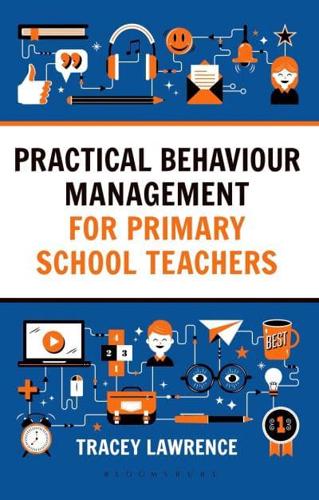
Positive Behaviour Management in Primary Schools: An Essential Guide by Liz Williams
Liz Williams offers an accessible introduction to positive behaviour management in primary schools. The book considers the reasons behind behaviour alongside the classroom environment, planning, working with parents and children’s personal, social and emotional development. Its clear sections make it easy to use in professional reading, lesson-planning discussions or coaching conversations, particularly for ECTs, teaching assistants and primary teams developing a shared approach to positive behaviour.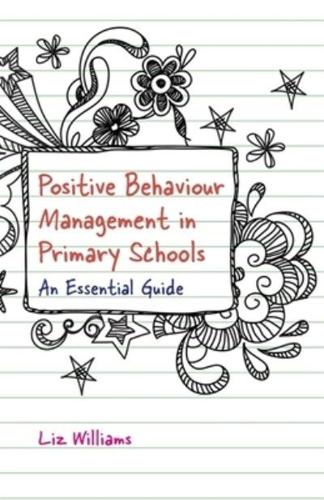
100 Ideas for Primary Teachers: Behaviour Management by Molly Potter
Molly Potter presents 100 practical ideas covering the learning environment, classroom procedures, communication, proactive strategies and responses to disruptive behaviour. The highly accessible format allows teachers to select individual ideas for immediate reflection, mentoring conversations or staff discussion. It is particularly useful for busy primary teachers and support staff looking for practical ways to strengthen routines, relationships, communication and expectations across everyday classroom situations.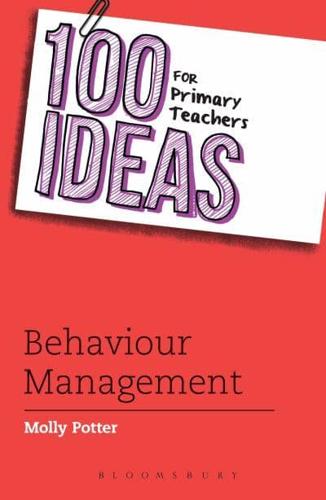
Be Brilliant at Behaviour Management by Caroline Bentley-Davies
Caroline Bentley-Davies explores rules, routines, teacher presence, motivation and classroom disruption through practical advice for teachers. Coaching-style questions encourage readers to examine their own responses, while case studies place the strategies in recognisable school situations. Primary teachers can use the book to reflect on expectations, classroom culture and everyday interactions, making it particularly useful for ECTs, mentors and staff teams developing consistent approaches to behaviour.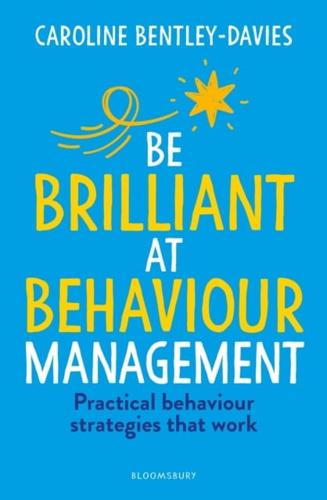
Getting Your Class to Behave: The must-have behaviour management bible by Sue Cowley
Sue Cowley’s classroom guide covers positive behaviour management, self-regulation and a wide range of everyday classroom situations. It moves from establishing basic routines to working with more challenging classes, with examples drawn from different age phases and teaching contexts. Primary teachers can use it as a practical reference for routines, expectations and classroom responses, while leaders and mentors will find useful material for professional discussion about consistent behaviour practice.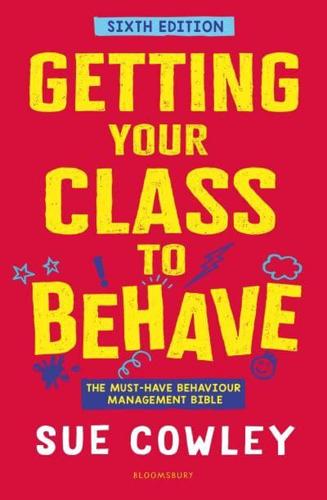
The Ultimate Guide to Self-Regulation in the Classroom: Helping teachers improve outcomes for every learner by Sue Cowley
Sue Cowley explores how learners develop self-regulation and how adults can support that process in the classroom. Chapters cover attention, impulse control, resilience, metacognition, co-regulation and behaviour as communication, connecting these areas directly with teaching practice. Primary teachers will find useful ideas for understanding pupils’ responses, supporting positive learning habits and creating classroom conditions that help children develop greater independence and control.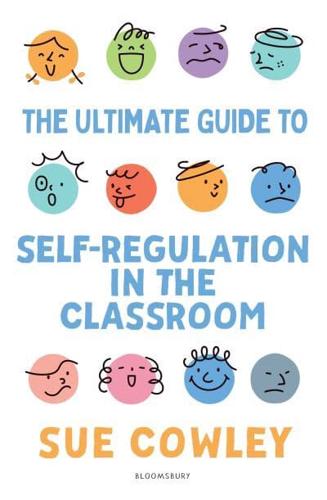
Running the Room: The Teacher’s Guide to Behaviour by Tom Bennett
Tom Bennett presents classroom management as a set of routines, habits and teacher decisions that can be deliberately taught and practised. The book brings together practical application with discussion of the social dynamics of the classroom, covering areas such as entry, transitions, expectations and independent learning. Its detailed approach makes it useful for primary teachers, ECTs and mentors who want to examine how consistent routines can contribute to calm and purposeful classrooms.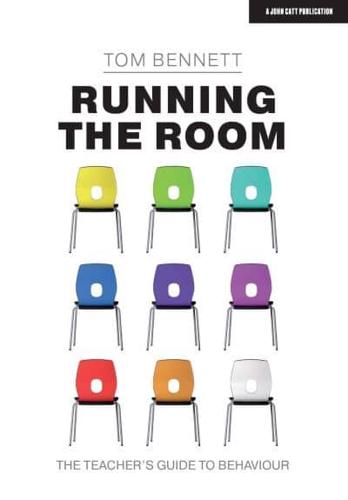
The Running the Room Companion: Issues in classroom management and strategies to deal with them by Tom Bennett
Tom Bennett’s companion to Running the Room explores common classroom-management problems and the practical decisions involved in addressing them. Examples and suggested responses help teachers move from general principles to specific situations, making the book useful for professional reflection and mentoring. ECTs, experienced teachers and mentors can use individual sections to examine recurring classroom challenges, discuss possible approaches and strengthen routines and expectations.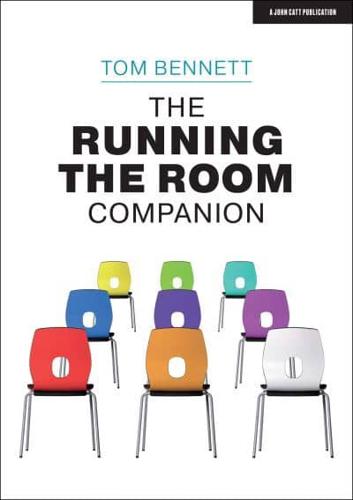
The Behaviour Manual: An Educator’s Guidebook by Sam Strickland
Sam Strickland provides a strategy-led reference covering a wide range of approaches to classroom behaviour. Its short, practical sections lend themselves to staff meetings, coaching conversations and individual professional reflection, with attention to routines, relationships, expectations and teacher responses. Primary teachers, teaching assistants and leaders can use the book as a bank of practical ideas when discussing consistent behaviour practice across classrooms and wider school teams.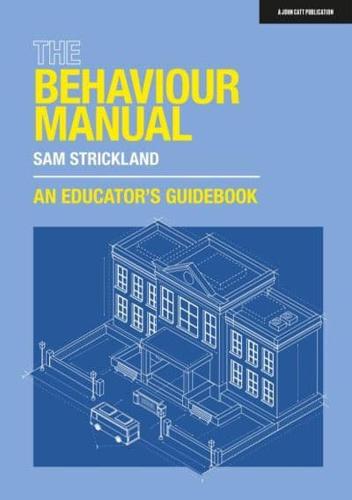
When the Adults Change, Everything Changes: Seismic shifts in school behaviour by Paul Dix
Paul Dix focuses on the influence of adult behaviour, routines and relationships on school culture. The book explores scripts, consistency, repair and restorative thinking, with particular attention to the ways adult language and responses can shape pupils’ experiences. It is useful for individual teachers reflecting on everyday interactions and for leaders considering how classroom practice and whole-school expectations can work together to create calm, consistent and relational approaches to behaviour.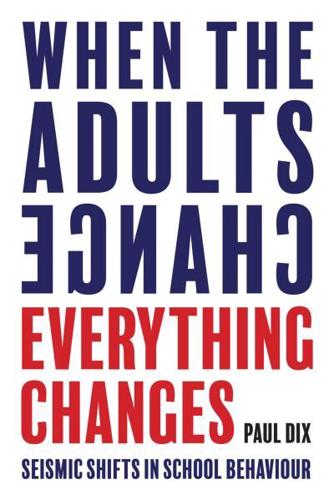
After The Adults Change: Achievable behaviour nirvana by Paul Dix
Paul Dix explores how schools can sustain relational practice, emotionally consistent teaching and changes to behaviour culture over time. The book considers consequences, coaching and the role of leaders and staff in embedding shared approaches across a school. It is particularly relevant to behaviour leads, headteachers and teams reviewing how agreed principles become part of everyday practice, while classroom teachers will find useful prompts for reflecting on their own interactions and routines.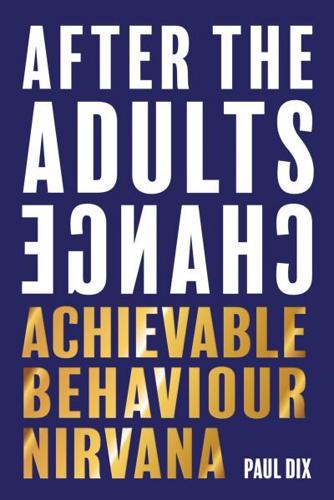
A School Without Sanctions: A new approach to behaviour management by Steven Baker and Mick Simpson
Steven Baker and Mick Simpson describe a sanction-free approach developed in a specialist setting for boys with social, emotional and mental health difficulties. The book explores belonging, relationships, trauma, motivation, engagement and exclusion, offering school staff a thought-provoking perspective on the experiences of pupils whose behaviour can present significant challenges. It is particularly relevant to inclusion teams, behaviour leads and school leaders interested in relational approaches and the conditions that support pupils’ engagement with learning.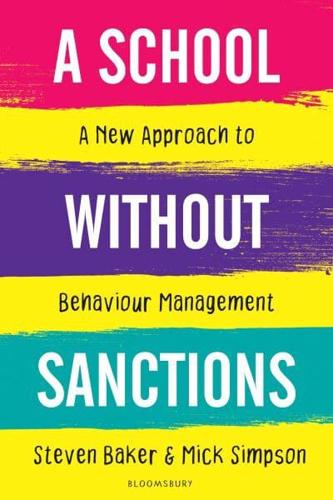
That Behaviour Book: The simple truth about teaching children by Steve Baker
Steve Baker combines anecdotes, practical strategies and reflective tasks in a book exploring the values behind classroom behaviour. Its emphasis falls on calm authority, routines, positive expectations, communication and the role relationships play in teaching behaviour. The direct and personal style makes it accessible to new teachers while also providing experienced staff with prompts for revisiting established practice and discussing the principles that underpin everyday classroom interactions.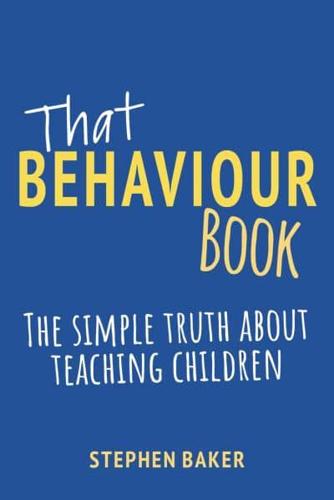
“Miss, I don’t give a sh*t”: Engaging with challenging behaviour in schools by Adele Bates
Adele Bates writes for educators working with pupils whose behaviour may be connected with social, emotional and mental health needs, disrupted relationships or disengagement from school. Her direct, practitioner-focused style combines practical suggestions with a strong emphasis on connection, communication and barriers to learning. The book is particularly relevant to teachers, pastoral teams, inclusion staff and behaviour professionals supporting pupils through challenging classroom and school experiences.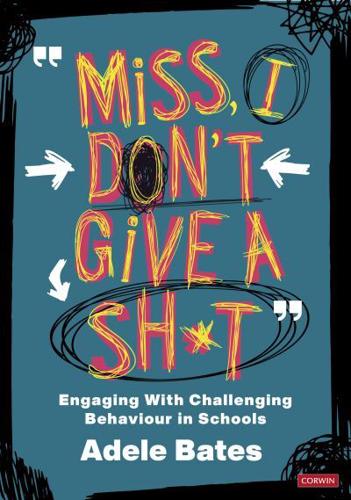
Behaviour for Learning: Promoting Positive Relationships in the Classroom by Simon Ellis and Janet Tod
Simon Ellis and Janet Tod place behaviour within the wider process of learning and explore the relationships pupils have with themselves, other people and the curriculum. Their Behaviour for Learning framework also considers whole-school policy, transitions, SEND and mental health. The book provides teachers with a useful conceptual structure for examining classroom strategies and is particularly relevant to mentors, SENCOs, leaders and staff engaged in sustained professional learning around behaviour and relationships.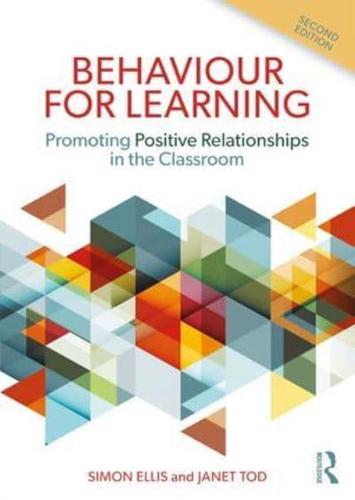
Classroom Behaviour: A Practical Guide to Effective Teaching, Behaviour Management and Colleague Support by Bill Rogers
Bill Rogers provides a detailed guide to everyday classroom behaviour, covering communication, correction, planning, colleague support and challenging situations. The book combines practical advice with underlying theory and includes approaches that can support discussion, role-play and professional development. Primary teachers, mentors and leaders will find plenty of material for exploring teacher language, classroom relationships and the ways colleagues can work together to promote positive behaviour.
Teaching the Unteachable: What Teachers Can Do When All Else Fails by Marie Delaney
Marie Delaney explores challenging classroom situations in which familiar responses have proved difficult to sustain. The book considers factors that can influence disruptive behaviour and offers practical strategies and case-based examples to help teachers reflect on possible next steps. Its focus on observation, professional reflection and practical action makes it useful for ECTs, experienced teachers and support staff working closely with individual pupils and considering different ways to strengthen engagement.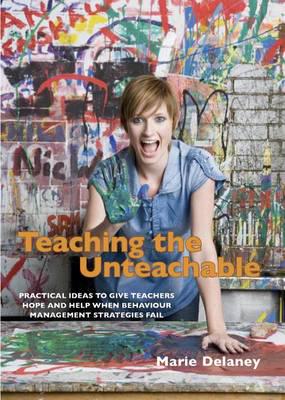
A Practical Introduction to Restorative Practice in Schools: Theory, Skills and Guidance by Bill Hansberry
Bill Hansberry introduces restorative practice through the mindset behind it, the emotions involved and the range of preventative and responsive work that can take place in schools. Case studies connect the ideas with school relationships, conversations, conflict and restorative meetings. The book is particularly useful for primary teachers, pastoral staff and leaders who want to understand restorative approaches and develop constructive ways of responding to difficulties while strengthening relationships across the school community.
Implementing Restorative Practices in Schools: A Practical Guide to Transforming School Communities by Margaret Thorsborne and Peta Blood
Margaret Thorsborne and Peta Blood focus on the organisational work involved in embedding restorative practice across a school. They explore the reasons for change, the practical and emotional factors staff may encounter and the conditions that support a genuinely whole-school approach. The book is particularly useful for behaviour leads, senior leaders and staff teams considering how restorative language, relationships and processes can become consistent features of everyday school culture.
Relationship-based Learning: A Practical Guide to Transforming Children’s Behaviour by Janet Packer, Nia MacQueen and Patricia Day
Janet Packer, Nia MacQueen and Patricia Day develop the Behaviour for Learning framework for children with social, emotional and mental health needs and pupils at risk of exclusion. The book combines classroom strategies with guidance on the organisational conditions that support relationship-based learning. It is particularly relevant to primary inclusion teams, SENCOs, outreach staff and school leaders coordinating consistent support across classrooms and settings.
Behaviour Management for Primary School Teachers Resources
- Further guidance and resources for supporting behaviour in schools – A useful DfE directory covering attendance, reasonable force, mental health, SEND, exclusions and case studies.
- Improving behaviour in schools – A Department for Education collection of audit tools, whole-school culture guidance, research and case studies for schools and trusts.
- Improving Behaviour in Schools – An Education Endowment Foundation guidance report summarising recommendations for primary and secondary senior leaders, with practical examples and an evidence review.
- Behaviour interventions – The EEF Teaching and Learning Toolkit entry on behaviour interventions, including evidence strength and guidance for applying professional judgement in context.
- Behaviour management in the classroom – A Chartered College of Teaching resource on routines, relationships, boundaries and calm responses, useful for classroom reflection.
- Behaviour and autism – National Autistic Society guidance on distressed behaviour, possible causes and supportive responses, with links to related advice.
Click the button below to purchase all of the books in this Books for Teachers about Behaviour Management guide from Amazon.
Buy from Amazon.co.ukDisclosure: as an Amazon Associate, School Reading List earns from qualifying purchases.