Effective behaviour management in secondary schools combines clear routines, consistent expectations, purposeful language, positive relationships and well-planned responses to challenging situations. This selection of behaviour management books for secondary teachers brings together practical classroom handbooks, research-informed guidance and relational approaches for ECTs, experienced teachers, pastoral staff, behaviour leads and senior leaders. Several titles also explore SEND, trauma, exclusion, restorative practice and whole-school culture, offering useful perspectives for professional development and school improvement. For prices and ordering, click on the book cover.
Behaviour Management Books for Secondary Teachers – our recommendations
Be Brilliant at Behaviour Management by Caroline Bentley-Davies
Caroline Bentley-Davies offers a concise and practical guide to rules, routines, teacher presence, motivation and classroom disruption. Case studies place the strategies in recognisable school situations, while coaching-style questions encourage teachers to reflect on their own practice and responses. The compact format makes it particularly useful for ECTs, mentors and secondary departments looking for an accessible professional-development text centred on everyday classroom behaviour.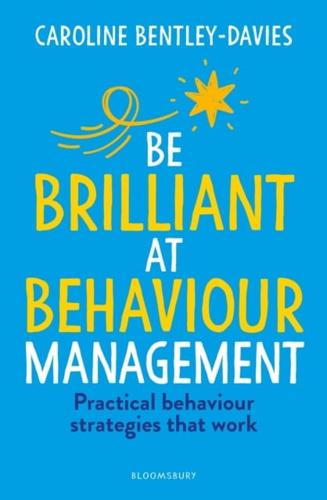
Running the Room: The Teacher’s Guide to Behaviour by Tom Bennett
Tom Bennett presents behaviour as something teachers can explicitly teach, practise and maintain through clear routines and expectations. The book explores relationships, motivation, classroom culture and the practical decisions that shape how a lesson runs. Its coherent framework makes it particularly useful for ECTs, experienced classroom teachers and mentors who want to examine the routines and habits that contribute to calm, purposeful learning.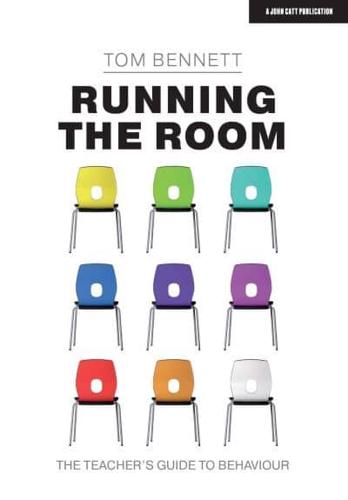
The Running the Room Companion: Issues in classroom management and strategies to deal with them by Tom Bennett
Tom Bennett uses familiar classroom-management scenarios to explore practical responses to situations including lateness, cover lessons, smartphones, seating plans, parents, lesson starts and low-level disruption. The scenario-led structure makes the book especially useful for mentoring, departmental coaching and professional reflection. Teachers can use individual examples to examine how classroom-management principles translate into specific decisions, routines and responses during everyday secondary-school life.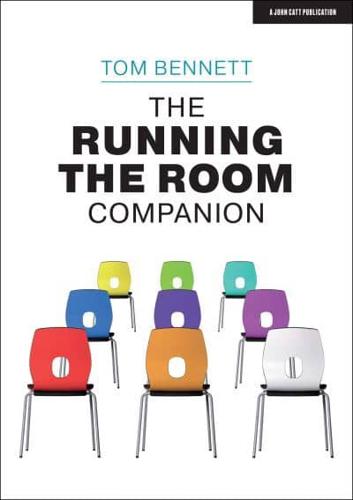
When the Adults Change, Everything Changes: Seismic shifts in school behaviour by Paul Dix
Paul Dix focuses on the influence of adult behaviour, routines, language and relationships on school culture. The book explores expectations, recognition, consequences, consistency and restorative thinking, with practical examples rooted in everyday school life. It is particularly useful for teachers and leaders examining how shared adult responses can strengthen relationships and create calmer, more consistent approaches to behaviour across classrooms and departments.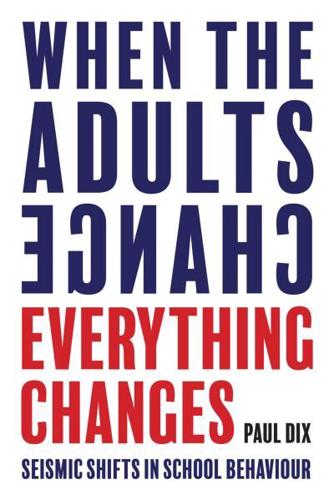
After The Adults Change: Achievable behaviour nirvana by Paul Dix
Paul Dix explores how schools can sustain a culture of calm, purposeful and respectful behaviour over time. The book considers relational practice, coaching, restorative approaches, exclusions, routines and leadership decisions, with an emphasis on embedding consistent approaches across a school. It is particularly relevant to behaviour leads, pastoral teams and senior leaders reviewing implementation, while classroom teachers will also find useful prompts for reflecting on everyday interactions and routines.
The Behaviour Manual: An Educator’s Guidebook by Samuel Strickland
Samuel Strickland arranges more than 100 strategies, approaches and teaching methods across school-wide, middle-leadership and classroom concerns. The short entries make the book easy to consult during planning, mentoring or policy discussion, while its broad range gives staff plenty of ideas for professional reflection. It is useful for ECTs, middle leaders and senior colleagues seeking practical ways to discuss routines, expectations and responses across a school.
They Don’t Behave for Me: 50 classroom behaviour scenarios to support teachers by Samuel Strickland
Samuel Strickland organises this practical book around 50 classroom behaviour scenarios. The situations include familiar classroom incidents, serious events, bullying, fights and wider school behaviour challenges, with attention to both immediate responses and appropriate next steps. The scenario-based structure makes it particularly useful for ECTs, mentors and secondary behaviour leads who want realistic material for coaching, professional discussion and preparation for challenging situations.
100 Ideas for Secondary Teachers: Managing Behaviour by Johnnie Young
Johnnie Young provides 100 practical ideas specifically for secondary teachers, covering classroom organisation, expectations, relationships, disruption and consistent routines. The concise format allows staff to browse quickly, select an idea and use it as the focus for classroom experimentation, mentoring or departmental discussion. It is an especially accessible choice for ECTs and secondary departments building a practical professional-reading collection around behaviour management.
Secondary Behaviour Management: The Essentials, edited by Lizana Oberholzer
Edited by Lizana Oberholzer, this Routledge Teacher Training Hub title keeps the secondary phase at the centre of its discussion. Contributors explore expectations, teacher standards, language, routines, positive feedback and the theory and research underpinning behaviour management. The combination of practical guidance and professional context makes it particularly useful for trainees, ECTs and mentors developing a deeper understanding of the decisions that shape classroom behaviour.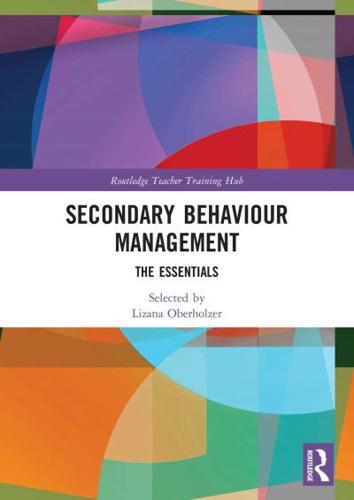
Behaviour Management: An Essential Guide for Student and Newly Qualified Teachers, edited by Eleanor Overland, Joe Barber and Mark Sackville-Ford
This Routledge guide brings together chapters on routines, planning, subject knowledge, relationships, mental health, technology, SEND and reflective practice. Tasks and case material support professional learning and help connect behaviour management with wider aspects of teaching. It is particularly useful for student teachers, ECTs and mentors building structured professional-development programmes, with its coverage of inclusion and wellbeing adding useful breadth to discussions about classroom behaviour.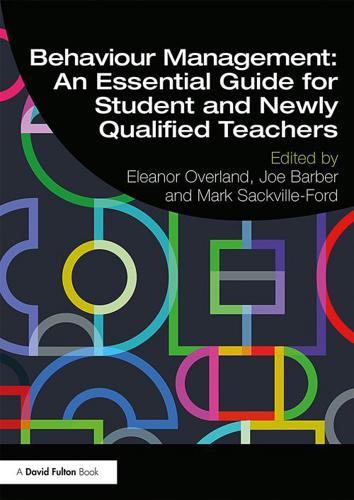
Better Behaviour: A Guide for Teachers by Jarlath O’Brien
Jarlath O’Brien combines psychological research with practical discussion of relationships, bullying, parents, support staff and SEND. The book encourages teachers to consider behaviour as part of a pupil’s wider experience and to reflect on the different factors shaping classroom interactions. Its thoughtful, humane approach makes it useful for teachers and trainees who want to deepen professional reflection around relationships, inclusion and responsive classroom practice.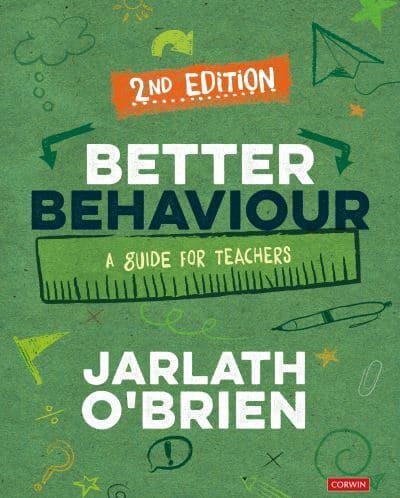
Leading Better Behaviour: A Guide for School Leaders by Jarlath O’Brien
Jarlath O’Brien turns his attention to the role school leaders play in shaping behaviour culture. The book explores expectations, support for colleagues, responses to behaviour concerns and the systems that help create consistency across a school. It is particularly relevant to heads of department, pastoral and behaviour leads, deputies and headteachers reviewing how leadership decisions, staff development and shared expectations influence everyday classroom practice.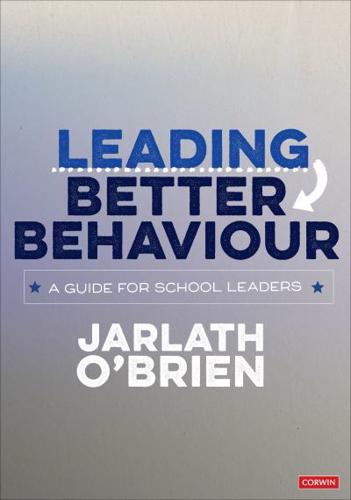
A School Without Sanctions: A new approach to behaviour management by Steven Baker and Mick Simpson
Steven Baker and Mick Simpson explore a relational and inclusive approach to behaviour management developed through specialist educational settings. The book considers belonging, trauma, motivation, engagement and exclusion, giving schools substantial material for thinking about the purpose of behavioural responses and the experiences of pupils with SEMH needs. It is particularly relevant to secondary inclusion teams, behaviour leaders and staff working with alternative or specialist provision.
The Kindness Principle: Making relational behaviour management work in schools by Dave Whitaker
Dave Whitaker places relationships, values and acceptance at the centre of behaviour management while also exploring high expectations, structures, routines, rewards and sanctions. Restorative approaches and unconditional positive regard sit alongside reflections on resilience and challenging school environments. The book is particularly useful for pastoral teams, behaviour leads and school leaders examining how relational principles can contribute to a positive, respectful and consistent school culture.
Classroom Behaviour: A Practical Guide to Effective Teaching, Behaviour Management and Colleague Support by Bill Rogers
Bill Rogers provides a detailed guide to effective teaching, classroom management and professional support between colleagues. The book explores real classroom dilemmas, rapport, emotional literacy, whole-class strategies and the professional conversations surrounding challenging behaviour. Secondary teachers will find useful material on the relationship between teaching and conduct, while mentors and leaders can use its examples to support observation, coaching and professional development.
Teaching without Disruption in the Secondary School: A Practical Approach to Managing Pupil Behaviour by Roland Chaplain
Roland Chaplain focuses specifically on the secondary classroom and the practical conditions that support positive behaviour. The book explores planning, routines, teacher responses, relationships and the organisation of learning, giving teachers a structured way to consider how classroom practice can reduce disruption. Its secondary-specific focus makes it useful for teachers, ECTs and mentors interested in strengthening everyday routines and creating productive learning environments.
Creating a Trauma-informed Classroom by Sarah Lathan
Sarah Lathan introduces trauma-informed teaching through relationships, classroom environment, learning design, collaboration and emotional regulation. The book brings together summaries of literature, research and policy with pupil voice and case studies from Scotland. Its exploration of how stress and adverse experiences can influence participation and regulation makes it particularly relevant to secondary teachers, pastoral teams and inclusion staff seeking thoughtful approaches to supportive classroom practice.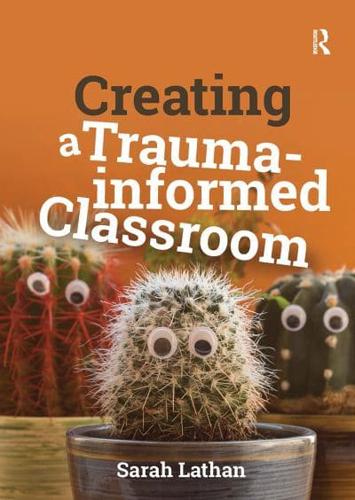
Implementing Restorative Practices in Schools: A Practical Guide to Transforming School Communities by Margaret Thorsborne and Peta Blood
Margaret Thorsborne and Peta Blood focus on the organisational work involved in embedding restorative practice throughout a school. The book explores the potential of restorative approaches, managing change, involving staff and the wider community, implementation challenges and an eight-step route towards developing a restorative culture. Templates and practical tools make it especially useful for behaviour leads and senior teams planning sustained whole-school development.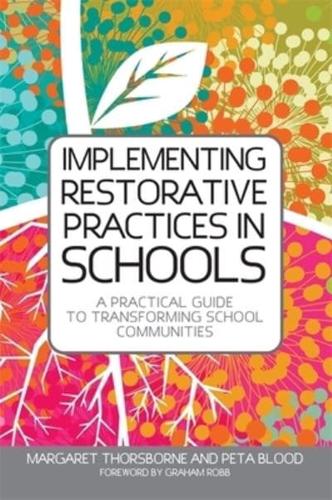
“Miss, I don’t give a sh*t”: Engaging with challenging behaviour in schools by Adele Bates
Adele Bates writes for educators working with pupils whose behaviour may be connected with social, emotional and mental health needs, disrupted relationships or disengagement from school. Her direct, practitioner-focused style combines practical suggestions with a strong emphasis on connection, communication and barriers to learning. The book is particularly relevant to secondary teachers, pastoral teams, inclusion staff and behaviour professionals supporting pupils through challenging classroom and school experiences.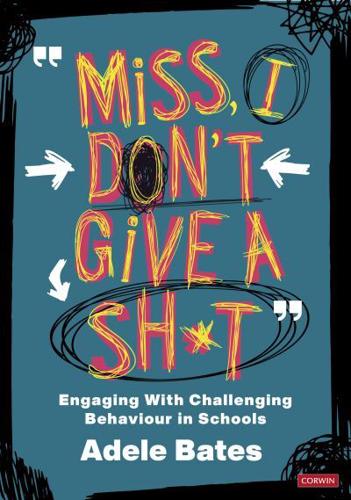
The New Teacher’s Survival Guide to Behaviour by Sue Roffey
Sue Roffey provides new teachers with a practical introduction to behaviour and relationships in the classroom. The book explores classroom organisation, expectations, teacher responses and common challenging situations while keeping the everyday experience of beginning a teaching career firmly in view. Its accessible structure makes it well suited to ECT professional reading, mentor discussions and early-career reflection on creating positive and productive classroom environments.
Behaviour Management Books for Secondary Teachers Resources
- Behaviour in schools – Department for Education advice for trusts, governing bodies, leaders and staff developing behaviour policy in England.
- Further guidance and resources for supporting behaviour in schools – A useful DfE directory covering attendance, mobile phones, reasonable force, mental health, SEND, exclusions and case studies.
- Improving Behaviour in Schools – The EEF’s guidance report for primary and secondary senior leaders, with recommendations to support better-informed behaviour decisions.
- Behaviour interventions – The EEF toolkit summarises evidence, costs and implementation considerations across universal, whole-school and targeted approaches.
- School suspensions and permanent exclusions – Current statutory guidance for England on the responsibilities and procedures surrounding suspension and permanent exclusion.
- SEND code of practice: 0 to 25 years – The statutory SEND framework for England, useful when behaviour intersects with special educational needs, disability and reasonable support.
Click the button below to purchase all of the books in this Behaviour Management Books for Secondary Teachers guide from Amazon.
Buy from Amazon.co.ukDisclosure: as an Amazon Associate, School Reading List earns from qualifying purchases.