When a pupil, parent or colleague is already angry, the next few words and the adult’s manner can help reduce tension and create space for a constructive response. This selection of books for teachers about de-escalation in schools brings together classroom behaviour, restorative practice, attachment-aware support and difficult conversations with families and staff. It includes accessible titles for teachers and pastoral teams alongside more substantial books for SENCOs and school leaders, with practical ideas for prevention, communication, relationships and responding calmly when situations become difficult. For prices and ordering, click on the book cover.
Books for Teachers about De-escalation in Schools – our recommendations
When the Adults Change, Everything Changes: Seismic shifts in school behaviour by Paul Dix
Paul Dix focuses on the influence of adult behaviour, routines, relationships and consistency on school culture. The book provides practical reflection points for teachers and leaders examining how adult language and responses can shape difficult interactions and help establish calmer environments. It is particularly useful for headteachers, behaviour leads and staff teams developing shared approaches to relationships, expectations and preventative behaviour practice.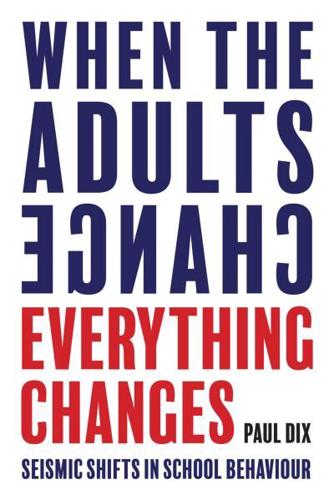
Running the Room: The Teacher’s Guide to Behaviour by Tom Bennett
Tom Bennett explores the everyday classroom mechanics that can help teachers create calm, predictable environments. Entry routines, teacher presence, clear instructions, correction and consistent follow-through all feature prominently. The practical emphasis makes this useful for classroom teachers, ECTs and mentors working on routines and responses that reduce uncertainty, strengthen expectations and support purposeful relationships between teachers and pupils.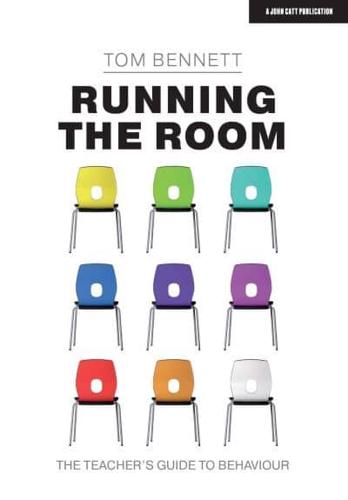
The Running the Room Companion: Issues in classroom management and strategies to deal with them by Tom Bennett
The companion volume applies the principles of Running the Room to recurring classroom situations including lateness, smartphones, seating, transitions and persistent disruption. Tom Bennett uses practical examples to explore the small decisions that can help teachers keep expectations clear and interactions calm. The case-led format makes it particularly useful for departments, mentors and behaviour teams discussing classroom responses and planning consistent approaches.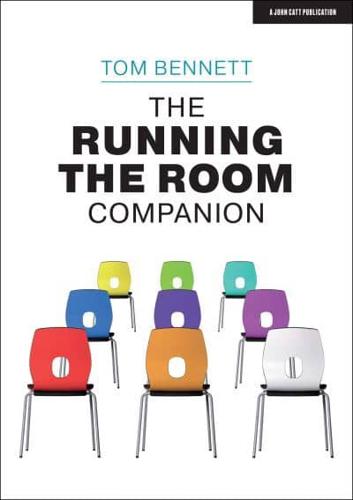
The Behaviour Manual: An Educator’s Guidebook by Samuel Strickland
Samuel Strickland organises more than 100 behaviour approaches across whole-school, departmental and classroom practice. The structure makes the book easy to use when staff are comparing routines, leadership choices or responses to recurring situations. It provides teachers and leaders with a broad bank of practical ideas that can support staff discussion, professional development and planning around consistent approaches to behaviour.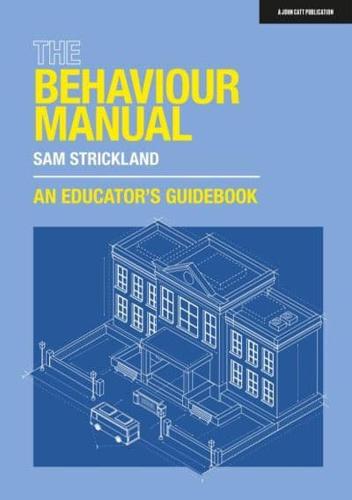
Behaviour for Learning: Promoting Positive Relationships in the Classroom by Simon Ellis and Janet Tod
Simon Ellis and Janet Tod place relationships and learning at the centre of behaviour management, connecting classroom practice with wider school systems. The second edition explores positive correction, challenging behaviour, SEND, transitions and the conditions pupils need in order to participate successfully. Its conceptual depth makes it particularly useful for mentors, leaders and teachers who want to connect everyday classroom decisions with broader thinking about relationships and learning.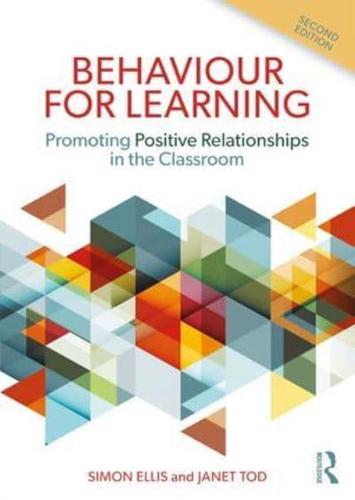
Classroom Behaviour: A Practical Guide to Effective Teaching, Behaviour Management and Colleague Support by Bill Rogers
Bill Rogers combines real classroom dilemmas with practical guidance on language, tone, body language, consequences and colleague support. The book considers early intervention alongside more challenging situations, including anger and difficult exchanges between adults and pupils. Teachers, mentors and leaders will find useful material for examining how communication, classroom routines and professional support can contribute to calmer and more constructive responses.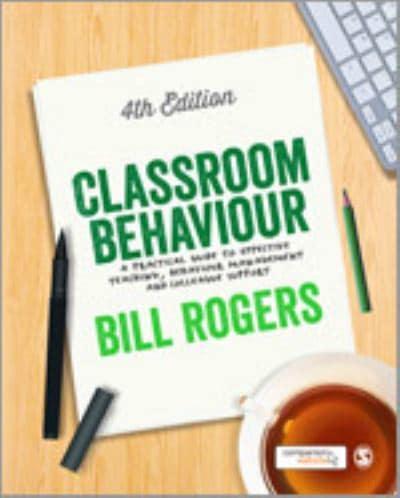
The New Teacher’s Survival Guide to Behaviour by Sue Roffey
Sue Roffey offers an accessible guide for teachers developing confidence in behaviour management and classroom relationships. The book explores classroom climate, teacher responses, common behaviour difficulties and preparation for situations that may become confrontational. Its practical structure makes it particularly useful for ECT induction, mentoring and individual professional reading focused on building a calm, thoughtful and reliable repertoire of responses.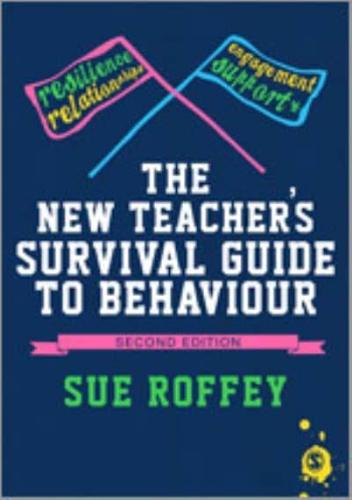
Teaching Without Disruption in the Primary School: A practical approach to managing pupil behaviour by Roland Chaplain
Roland Chaplain examines behaviour across individual pupils, classes and whole-school practice in primary settings. The book covers authority, assertiveness, self-control, coping strategies, positive relationships and cognitive-behavioural approaches to responding to difficult situations. Its attention to the adult’s own behaviour makes it particularly useful for primary teachers and teaching assistants considering how communication and self-awareness can help when a child becomes distressed or oppositional.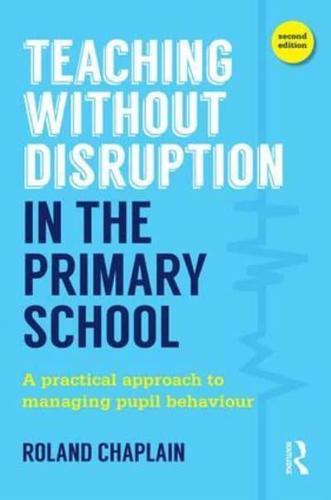
Teaching without Disruption in the Secondary School: A Practical Approach to Managing Pupil Behaviour by Roland Chaplain
Written for secondary settings, this guide connects behaviour management with teacher confidence, relationships, classroom organisation and staff development. Roland Chaplain uses examples and practical strategies to show how theory can inform everyday responses across different classes and groups of pupils. It is particularly useful for subject teachers, heads of department and pastoral leaders who want shared language for discussing correction, consistency and the handling of difficult classroom situations.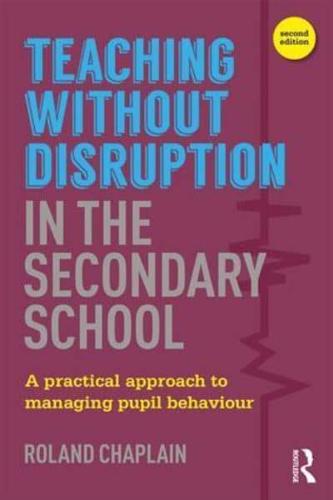
The Complete Guide to Behaviour for Teaching Assistants and Support Staff by Chris Lee
Chris Lee focuses specifically on the important role teaching assistants and support staff play in understanding, preventing and responding to challenging behaviour. The concise guide considers situations in which pupils may leave lessons, become overwhelmed or refuse instructions, providing useful material for staff induction and team discussion. It is particularly relevant to support staff developing confidence, shared language and clear approaches to working alongside teachers during difficult moments.
How to Manage Children’s Challenging Behaviour edited by Bill Rogers
Edited by Bill Rogers, this collection brings together practical perspectives on understanding and responding to children whose behaviour can be challenging for adults and classmates. It explores classroom practice, emotional and behavioural difficulties, relationships and the choices adults make as situations begin to build. The school-focused material makes it useful for primary teachers, inclusion teams and pastoral colleagues looking for ideas that support thoughtful and constructive responses.
The Restorative Classroom: Using Restorative Approaches to Foster Effective Learning by Belinda Hopkins
Belinda Hopkins explains how restorative approaches can support classroom relationships, dialogue, repair and learning after conflict. The book explores circles, restorative conversations, responsibility and the ways adults can help pupils rebuild relationships following difficult incidents. It is particularly useful for teachers, pastoral staff and restorative-practice leads who want to embed constructive communication and relationship repair within everyday school life.
The Continuum of Restorative Practices in Schools: An Instructional Training Manual for Practitioners by Margaret Thorsborne and Dave Vinegrad
Margaret Thorsborne and Dave Vinegrad present restorative practice as a continuum, from everyday relationship-building to more structured responses when conflict or harm is serious. The book covers preparation, meetings, conferencing and the conditions that support constructive restorative work, with relevance to bullying and repeated conflict. Its training-focused approach makes it useful for pastoral teams, behaviour leads and schools developing a shared understanding of restorative practice.
The Kindness Principle: Making relational behaviour management work in schools by Dave Whitaker
Dave Whitaker explores relational behaviour management through acceptance, high expectations and a commitment to understanding children’s behaviour. The book considers policy, rewards and sanctions, routines, trust, restorative approaches and adult resilience, with short prompts that encourage professional reflection. It is particularly useful for teachers and leaders interested in how relationships, consistency and school culture can help prevent conflict and support calmer interactions.
Why are you shouting at us?: The dos and don’ts of behaviour management by Phil Beadle and John Murphy, illustrated by Lisa Marie Hall
Phil Beadle and John Murphy examine the role adults play in classroom interactions, with particular attention to tone, self-control, understanding pupils and the use of humour. A specific chapter on de-escalation techniques adds practical relevance, while self-assessment questions encourage professional reflection. The lively, accessible approach makes it useful for ECT mentoring, staff discussion and teachers examining their responses during the first moments of a difficult exchange.
When the Parents Change, Everything Changes: Seismic Shifts in Children’s Behaviour by Paul Dix
Paul Dix adapts the behaviour principles familiar from his work with schools for parents and carers, focusing on how calm, consistent adult responses can influence children’s behaviour at home. He considers routines, boundaries, emotional regulation and the ways adults respond when situations become difficult. Although primarily a parenting book rather than a guide to school practice, it offers teachers and pastoral staff a useful perspective on adult self-regulation and the approaches families may be using beyond the classroom.
Dealing with Difficult Teachers, Third Edition by Todd Whitaker
Todd Whitaker focuses on the adult-to-adult relationships that influence school culture and consistency. The book explores how leaders can understand difficult staff situations, communicate clearly and follow through effectively while keeping pupils and colleagues in view. It is particularly relevant to line managers and senior leaders preparing for challenging professional conversations and considering how adult behaviour affects the wider working and learning environment.
Inside I’m Hurting: Practical Strategies for Supporting Children with Attachment Difficulties in the School by Louise Michelle Bombèr
Louise Michelle Bombèr explores attachment-aware approaches for supporting children whose behaviour may be shaped by disrupted relationships, loss, fear or other difficult experiences. The book focuses on predictable relationships, adult responses and practical ways of maintaining connection with pupils who may find school relationships challenging. It is particularly relevant to pastoral staff, designated teachers, primary teams and other professionals supporting children with care or trauma histories.
Know Me to Teach Me: Differentiated discipline for those recovering from Adverse Childhood Experiences by Louise Michelle Bombèr
Louise Michelle Bombèr connects differentiated discipline with the experiences of children recovering from adverse childhood experiences. The book encourages adults to look closely at patterns of behaviour and consider how communication, expectations and relationship repair can support individual pupils. It is particularly useful for inclusion, pastoral and safeguarding teams interested in approaches that combine understanding of pupils’ experiences with thoughtful, responsive school practice.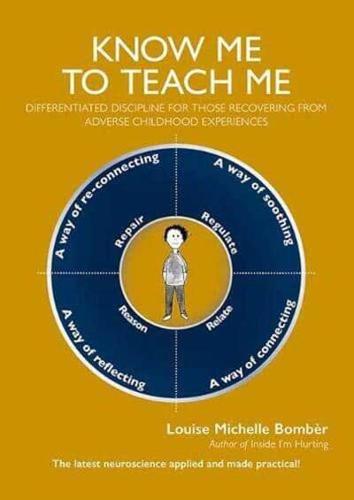
Teenagers and Attachment: Helping Adolescents Engage with Life and Learning edited by Andrea Perry
Edited by Andrea Perry, this collection brings together contributors with experience of working with teenagers affected by trauma, neglect and disrupted attachment. It explores trust, relationships and learning when adolescents may appear angry, withdrawn or difficult to reach. The focus on adolescence and the range of professional perspectives make it particularly useful for secondary pastoral teams, designated teachers and alternative-provision staff supporting young people with complex relational needs.
Books on De-escalation in Schools Resources
- Behaviour in schools – Department for Education advice for school leaders and staff on developing behaviour policy in England, including responding to behaviour and supporting pupils with SEND.
- Restrictive interventions, including use of reasonable force, in schools – Current Department for Education guidance for schools in England on restrictive interventions and the use of reasonable force, including prevention, de-escalation, recording and reporting. Read it before interpreting any book’s advice about physical intervention.
- Improving Behaviour in Schools – Education Endowment Foundation guidance for primary and secondary senior leaders, bringing research and practical examples into discussions about consistent, whole-school behaviour strategies.
- Supporting positive behaviour in education – Welsh Government resources linking relationships, learning environments, teaching and individualised learner needs.
- Team Teach Behaviour Support Training – A UK training resource covering positive behaviour cultures, communication, de-escalation and the relationship between preventative support and restrictive intervention.
- Restorative Justice Council – Professional information on restorative practice, standards and training, useful when a school is considering how to repair harm and rebuild relationships after conflict.
Click the button below to purchase all of the books in this Books for Teachers about De-escalation in Schools guide from Amazon.
Buy from Amazon.co.ukDisclosure: as an Amazon Associate, School Reading List earns from qualifying purchases.