Creating a genuinely phone-free school involves clear routines, consistent expectations and communication that pupils, staff and families can understand and support. These books for teachers about mobile phones in schools explore classroom distraction, attention, digital habits, school culture, online behaviour and the wider arguments surrounding children’s technology use. Several also offer useful perspectives on digital literacy, wellbeing, relationships and the experiences schools can encourage when personal devices are put away during the day. For prices and ordering, click on the book cover.
Books for Teachers about Managing Mobile Phone-Free Schools – our recommendations
The Anxious Generation by Jonathan Haidt
Jonathan Haidt examines smartphones, social media and the changing experience of childhood, bringing together arguments about technology, play, independence and adolescent wellbeing. His discussion of collective action is particularly relevant to schools, where consistent boundaries can involve pupils, families and staff working within the same expectations. The book provides leadership teams with substantial material for discussing the wider social context behind phone-free school policies.
Distracted by James M. Lang
James M. Lang explores the conditions that help people pay attention and considers how curiosity, community and classroom structure can support concentration. His discussion gives teachers and school leaders useful ways to think about attention as part of good teaching and learning. The book is particularly valuable for professional discussion about how classroom environments, relationships and lesson design can help pupils sustain focus in a world filled with competing demands on their attention.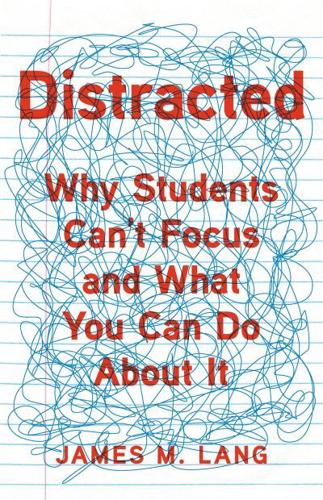
Screen Schooled by Joe Clement and Matt Miles
Teachers Joe Clement and Matt Miles examine the place of digital technology in education and ask how devices can affect learning, attention, multitasking and pupils’ expectations of constant connectivity. Their classroom perspective makes the book particularly relevant to staff discussing the role smartphones play across the school day. It provides useful material for conversations about learning, attention and the culture surrounding technology use in schools.
Teaching Surrounded by Smart Phones by Dinesh Kant Kumar and Peterjohn Radcliffe
Dinesh Kant Kumar and Peterjohn Radcliffe examine the challenges of teaching university students in classrooms where smartphones are constantly available. Drawing on their higher-education experience and research, they consider distraction, attention, learning and ways educators can respond to habitual device use. Although the book is written primarily about university teaching rather than schools, secondary teachers and leaders may find some of its observations useful when considering classroom expectations and the effects of smartphones on concentration and participation.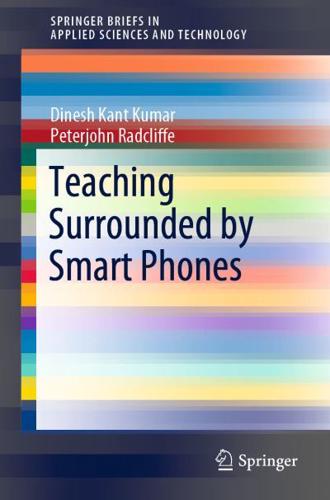
Beyond Digital Distraction by Kurt C. Schuett
Kurt C. Schuett examines digital distraction in education, including the experience of teaching adolescents surrounded by connected devices. The book explores why pupils turn to technology during learning, how teachers respond and what heavily digital environments can mean for classroom relationships. Its school-focused perspective makes it particularly useful for secondary teachers and leaders considering how expectations around smartphones can support attention, participation and purposeful classroom interaction.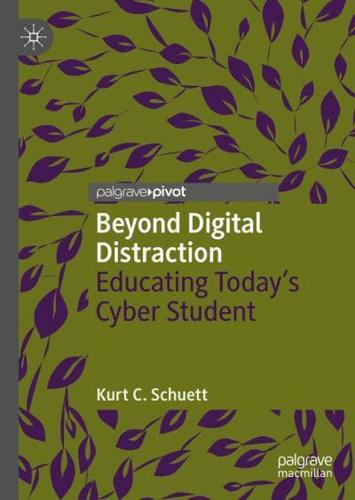
Teaching Surrounded by Smart Phones by Dinesh Kant Kumar and Peterjohn Radcliffe
Dinesh Kant Kumar and Peterjohn Radcliffe examine the challenges of teaching university students in classrooms where smartphones are constantly available. Drawing on their higher-education experience and research, they consider distraction, attention, learning and ways educators can respond to habitual device use. Although the book is written primarily about university teaching rather than schools, secondary teachers and leaders may find some of its observations useful when considering classroom expectations and the effects of smartphones on concentration and participation.Design Thinking for Digital Well-being by Fiona Chambers, Anne Jones, Orla Murphy and Rachel Sandford
Fiona Chambers, Anne Jones, Orla Murphy and Rachel Sandford explore ways educators can help young people think critically and creatively about technology. The book connects digital wellbeing with design thinking and encourages pupils to examine their relationship with digital tools rather than simply use them automatically. It is particularly useful for curriculum leaders, pastoral teams and staff responsible for digital literacy who want phone-free policies to sit alongside thoughtful education about technology.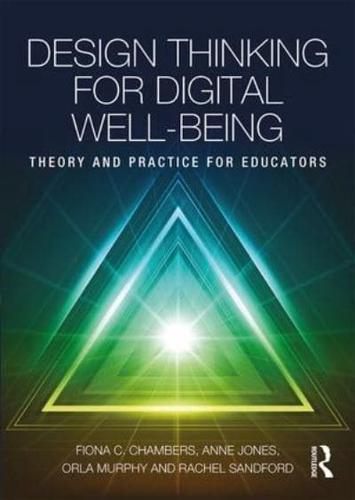
Balance Screen Time With Green Time by Emily Morgan
Emily Morgan explores how schools and educators can balance screen-heavy lives with meaningful contact with nature. The book offers practical ideas around outdoor learning, social time and experiences away from digital devices, making it particularly relevant to schools considering how phone-free breaktimes and lunchtimes can encourage different forms of activity and interaction. Its positive emphasis on the opportunities created away from screens gives leaders useful material for wider discussions about school culture and wellbeing.
The Phone Fix by Dr Faye Begeti
Neurologist Faye Begeti explores habitual smartphone use and practical ways people can develop healthier relationships with their devices. The book considers notifications, repeated checking, attention and everyday digital habits in an accessible way. It is particularly useful for staff wellbeing, parent communication and digital-literacy work, giving educators clear language for discussing how intentional boundaries around smartphone use can support attention and wellbeing.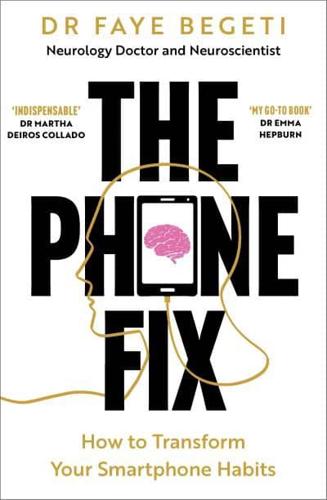
How to Break Up With Your Phone by Catherine Price
Catherine Price turns concerns about habitual smartphone use into a structured programme of observation and behaviour change. Exercises address notifications, repeated checking and deliberate periods away from devices, giving readers practical ways to examine their own habits. The book is particularly useful for staff wellbeing, parent discussions and conversations about adult modelling when schools are encouraging pupils to develop healthier boundaries around smartphones.
Digital Minimalism by Cal Newport
Cal Newport explores a deliberate approach to technology use in which digital tools are chosen according to the value they contribute. His concept of a digital declutter provides useful material for thinking about habitual connectivity, attention and purposeful technology use. School leaders may find the book particularly helpful when discussing staff modelling, digital culture and the distinction between valuable educational technology and everyday interruptions from personal devices.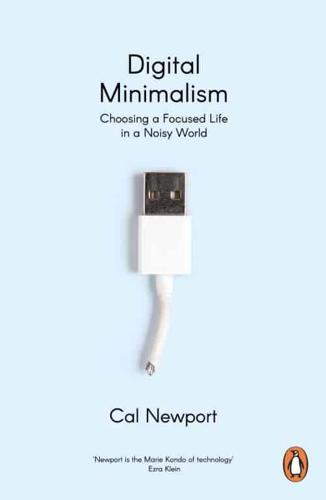
Irresistible by Adam Alter
Adam Alter examines the behavioural design of digital products and the mechanisms that encourage repeated engagement, including rewards and feedback loops. For teachers and school leaders, this provides useful context for understanding why smartphones can compete so effectively for attention. The book can support staff discussion about digital habits, persuasive technology and the value of creating parts of the school day where pupils can concentrate without repeated device prompts.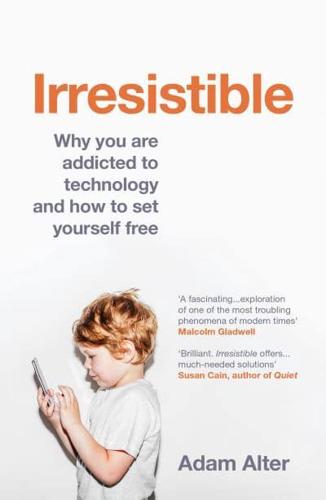
Stolen Focus by Johann Hari
Johann Hari explores attention as a social and environmental issue, looking at smartphones and digital platforms alongside sleep, stress, working patterns and other pressures on concentration. This broad perspective can help school leaders place mobile-phone policy within a wider discussion about attention and the conditions pupils need for sustained thought. It is particularly useful for stimulating professional conversation about concentration, school culture and everyday learning environments.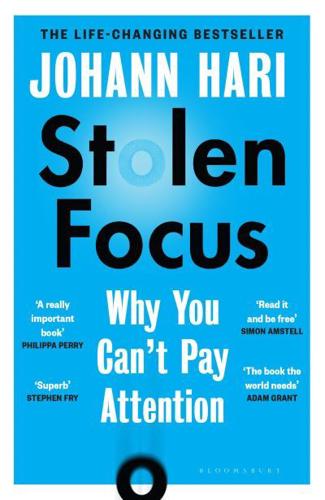
The Shallows by Nicholas Carr
Nicholas Carr explores the relationship between internet use, attention and sustained thought, with the tenth-anniversary edition also reflecting on smartphones and social media. Teachers interested in deep reading, concentration and uninterrupted learning will find the discussion especially relevant. The book provides departments and leadership teams with substantial material for thinking about the intellectual value of sustained attention and the effects of continual digital interruption.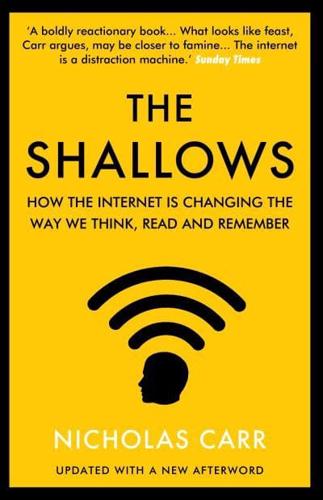
The Extinction of Experience by Christine Rosen
Christine Rosen examines the value of direct, face-to-face and unmediated experiences in a culture increasingly shaped by screens. Her discussion encompasses conversation, physical presence, boredom and unstructured time, all of which have clear relevance to phone-free lessons and social periods. The book offers school leaders a thoughtful cultural perspective on the experiences and relationships that a phone-free environment can help protect and encourage.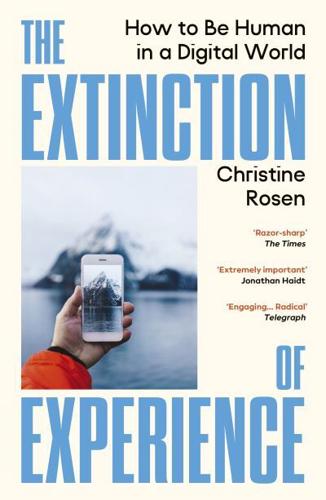
Reclaiming Conversation by Sherry Turkle
Sherry Turkle explores the importance of face-to-face conversation in families, education and workplaces, drawing on research and interviews about the effects of continual digital interruption. Schools considering phone-free breaktimes, tutor periods and communal spaces will find her focus on attention to other people especially relevant. The book provides useful material for discussions about how fewer device interruptions can support conversation, relationships and a stronger sense of presence within a school community.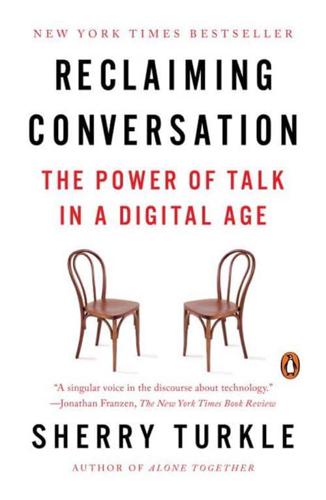
The Cyber Effect by Mary Aiken
Cyberpsychologist Mary Aiken examines how behaviour can change in online environments, including questions around children, risk, disinhibition and constant connectivity. The book gives safeguarding and pastoral staff useful context for understanding digital behaviour and the psychological effects associated with online spaces. Its broad exploration of cyberpsychology can support discussions about smartphone use, online safety and the importance of combining clear school boundaries with strong digital education.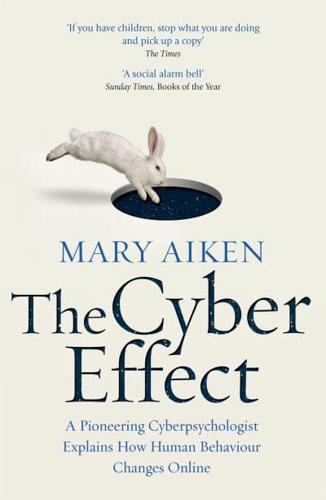
iGen by Jean M. Twenge
Jean M. Twenge draws on large US datasets to examine a generation that grew up alongside smartphones and social media. The book considers time use, face-to-face interaction, sleep and wellbeing, all of which have played an important role in discussions about adolescent technology use. For school leaders, it provides useful background to the development of arguments for stronger boundaries around smartphones and young people’s digital lives.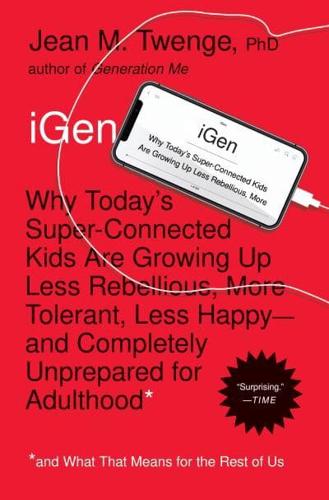
Smartphone Nation by Kaitlyn Regehr
Kaitlyn Regehr examines smartphone use, algorithms and digital literacy from a UK perspective. The book explores how platforms shape what users see and introduces the idea of developing healthier digital habits and stronger critical understanding. Its combination of discussion about school phone restrictions, online harms and digital education makes it particularly relevant to leadership and pastoral teams looking to connect clear boundaries with informed, thoughtful use of technology.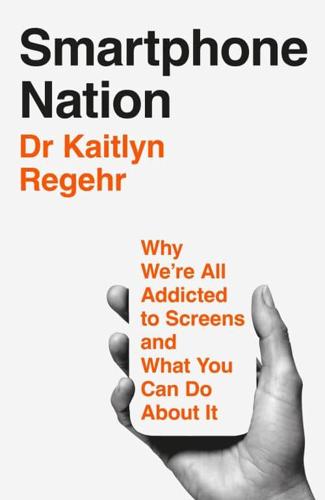
The Tech Exit by Clare Morell
Clare Morell explores ways families and communities can create childhood environments with stronger boundaries around smartphones and personal screens. Schools form an important part of that discussion, particularly where consistent expectations can reinforce the boundaries families are trying to establish at home. The book gives leaders useful material for thinking about collective action, parent communication and the wider social environment surrounding school phone policies.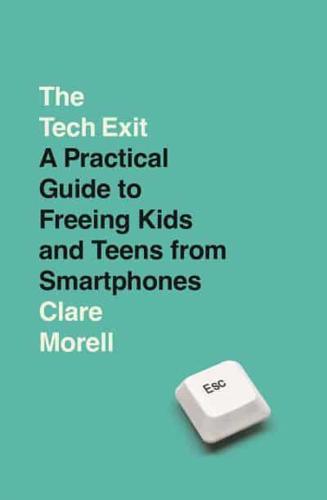
Screenwise by Devorah Heitner
Devorah Heitner focuses on helping adults mentor young people’s digital lives, with attention to social media, gaming, communication and school experiences. Her emphasis on dialogue and digital judgement makes the book particularly useful for schools that want clear phone boundaries to sit alongside thoughtful digital education. Teachers, pastoral staff and parents will find useful ideas for conversations about responsible technology use, online behaviour and the skills young people need beyond the school day.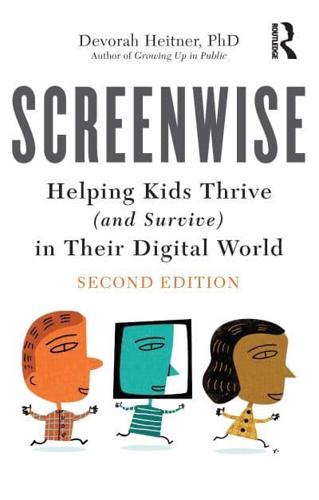
Books on managing mobile phone-free schools Resources
- Department for Education: Mobile phones in schools – Current statutory guidance for schools in England on developing and implementing a mobile phone-free environment.
- Department for Education: creating a mobile phone-free environment case studies – Examples of how schools have approached restrictions, communication and implementation.
- UCL: Smartphone Free Schools research – Research and pupil-centred work examining smartphone restrictions, digital use and the importance of involving young people in policy.
- Generation Focus Headteachers’ Toolkit – Practical material for school leaders considering smartphone policies and communicating change across a school community.
- Smartphone Free Childhood Schools Network – UK school-facing information and examples from the wider movement seeking stronger boundaries around children’s smartphones.
- Smartphone Free Schools Resources – Policy, implementation and communication resources focused specifically on creating phone-free school environments.
Click the button below to purchase all of the books in this Books for Teachers about Managing Mobile Phone-Free Schools guide from Amazon.
Buy from Amazon.co.ukDisclosure: as an Amazon Associate, School Reading List earns from qualifying purchases.