Top 13 Practical Ways to Implement the Education Committee’s Reading for Pleasure Report Proposals
The Education Committee’s Reading for Pleasure report calls for schools to protect reading time, improve libraries, train staff, involve families, widen access for pupils with SEND and work with libraries, authors, publishers and bookshops. It gives priority to boys, teenagers, pupils from low-income households and children with reading difficulties. The need is clear. The National Literacy Trust’s 2026 survey found that 36.1% of children and young people enjoyed reading in their free time. The Committee’s proposals can be put into practice without a new marking system, commercial reading scheme or large budget. The following list of actions uses existing lessons, communication systems, staff meetings, public services and school stock. Each action sets a measure and deadline and includes published evidence or a case study.
1. Establish a termly pupil reading pulse
SMART action: During the first 15 school days, ask every pupil six questions about reading enjoyment, frequency, interests, formats, access and barriers. Use an online form, show of hands or paper slip. Set a response target of 80%. Repeat the same questions in the final three weeks of each term. Compare the whole-school result with figures for year groups, pupils eligible for free school meals and pupils with SEND. Do not rank classes or individuals.
Published example: Miriam Lord Primary School used pupil and staff surveys to set its reading priorities. Its Open University case study reports that the share of KS2 pupils saying they loved reading rose from 44% to 60%. The proportion saying they were good readers rose from 46% to 64%.
Implementation and evidence: Use the School Reading List primary lists and secondary lists to answer pupil requests. Give governors a one-page termly table showing the baseline, action taken and change. This provides evidence of pupil voice, leadership review and response to barriers. It also gives parents a result they can see.

2. Protect reading and book talk three times a week
SMART action: From the next half-term, set aside 15 minutes on three days each week up to the end of KS3. Use registration, form time or an existing reading slot. Include independent reading, staff read-alouds, audiobooks and book talk. Record whether each session took place, not what each pupil read. Aim to deliver at least 90% of the planned sessions during a six-week trial.
Research and example: The Open University’s Teachers as Readers research identifies reading aloud, independent reading, informal book talk and social reading environments as connected parts of reading-for-pleasure practice. Dormers Wells High School provides a secondary example through its school reading podcast, which gives pupils and staff a place to discuss and recommend books.
Implementation and evidence: Use School Reading List’s timetabled reading ideas and book club resources. Evidence should include the timetable, six-week delivery rate and before-and-after pupil responses. There should be no worksheet, test or reading log. This limits workload and protects choice.
3. Give every pupil access to a library session
SMART action: By the end of the half-term, timetable one library or book-browsing session every two weeks for each class or form up to the end of KS3. A school without a library room can use a trolley, classroom shelves or a shared area. Appoint two pupil library representatives per class to collect requests and help with displays. Set a target for 90% of pupils to browse or borrow at least once each half-term.
Published success: The National Literacy Trust’s Libraries for Primaries evaluation found that teachers rating their school’s reading-for-pleasure provision as good or very good rose from 33.3% before participation to 95.9% afterwards. This involved books, space, staff training and work on reading culture, rather than stock alone.
Implementation and evidence: Use School Reading List’s free posters, book lists and challenge cards. Track visits, loans, requests and repeat use. Provide governors with figures by year group and disadvantage. Ofsted’s current school inspection materials focus on the impact of school systems. A timetable and use data show what pupils receive, not just what the school owns.

4. Build staff knowledge through short book-sharing CPD
SMART action: Deliver one 45-minute staff session during the first term. Cover pupil choice, read-aloud practice, book talk and current children’s or YA literature. Start one staff meeting each month with a five-minute book recommendation. Ask each teacher or tutor to read one current book for the age group they teach before the end of term. Repeat a staff confidence survey after 12 weeks.
Published success: At Dean Bank Primary and Nursery School, 18 of 20 staff strongly agreed that changes to reading practice increased pupil enjoyment and engagement. The Open University’s research finds that knowledge of texts helps teachers make recommendations linked to individual pupils.
Implementation and evidence: Staff can use School Reading List reviews, primary year-group lists, secondary year-group lists and new-book coverage instead of carrying out separate searches. Keep the slides, attendance figures, staff survey and examples of recommendations. Include teaching assistants, librarians, office staff, governors and lunchtime staff. This makes reading visible across the school without creating weekly planning.
5. Send families one reading action every two weeks
SMART action: Send one message through the school’s current email, text or app system every two weeks for one term. Each message should suggest one action that takes no more than ten minutes. Examples include choosing a book together, discussing a cover, taking turns to read, listening to an audiobook or sharing a magazine. Provide translations already used by the school. Set a target for 50% of families to open or acknowledge at least one message.
Research and example: The Education Endowment Foundation reports that parental engagement approaches produce an average of about four months’ additional progress, while warning that results vary and that schools must remove barriers to participation. BookTrust has also reported that parents attending shared-reading sessions enjoyed them and said they read more with their children.
Implementation and evidence: Link messages to School Reading List’s free home resources and age-based lists. Do not ask parents to teach phonics, sign a daily log or buy books. Report message reach, parent comments and public-library referrals to governors. Share one result in the newsletter so families can see their contribution.
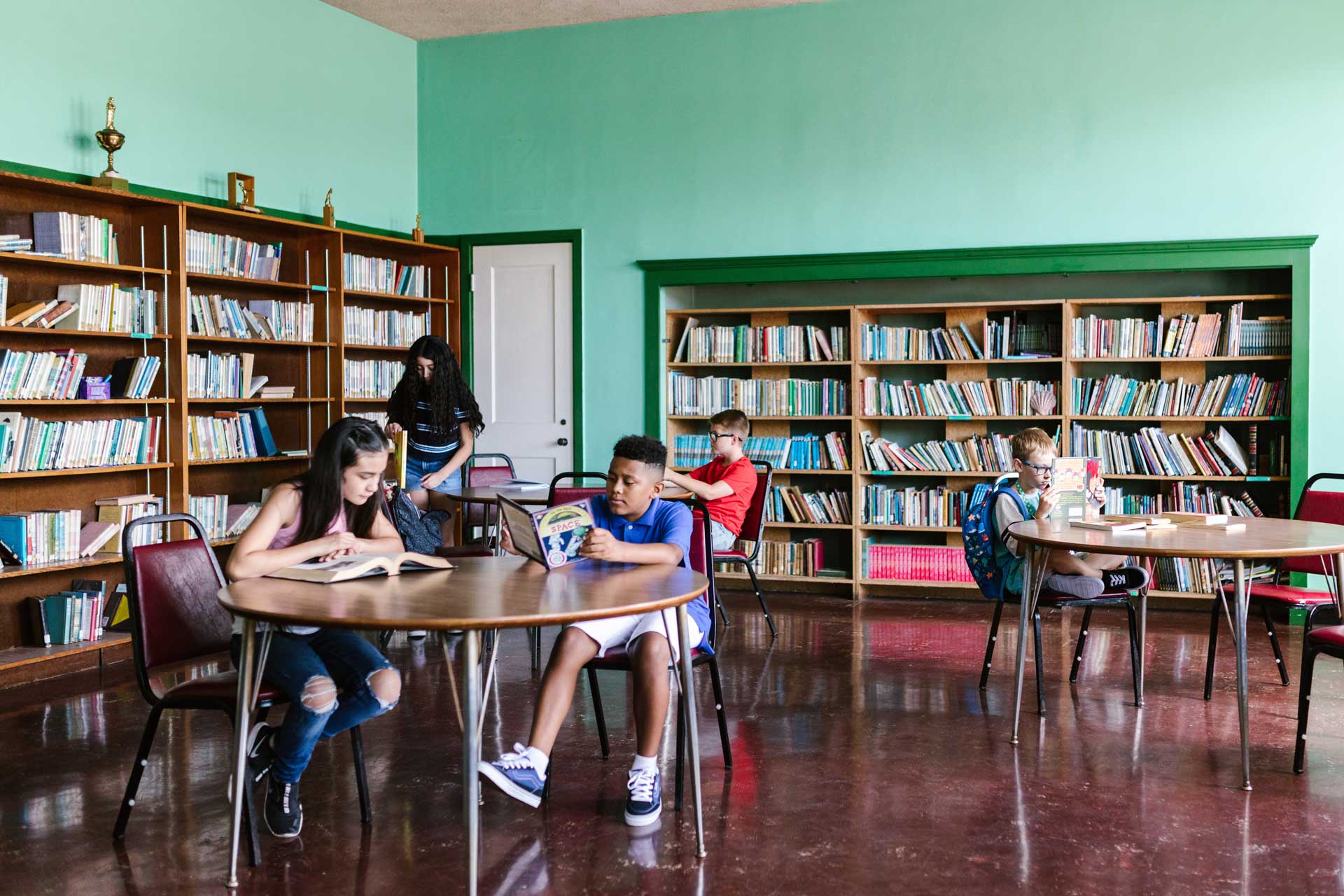
6. Put reading into breakfast club
SMART action: Within four weeks, place a box of at least 30 books, comics, magazines and puzzle texts in the existing breakfast club. Allow reading alone, paired reading and adult read-alouds. Invite parents to join one session each half-term where school arrangements allow. Count use for eight weeks. Set a target of 20 reading interactions per week or adjust the figure to the size of the club.
Published success: Magic Breakfast’s Breakfast Bookstars evidence reports that 91% of participating schools saw a benefit for attitudes to reading. The same proportion reported benefits for readiness to learn and wellbeing. Some 73% reported gains in parental engagement, attendance and punctuality.
Implementation and evidence: Use donated stock, library discards in suitable condition and School Reading List’s magazine guide. No written response is required. Record attendance, use of texts and short pupil comments. Breakfast staff can manage the activity within the current session, so teachers receive no marking or preparation.
7. Guarantee age-respectful access for pupils with SEND
SMART action: During the first half-term, ask the SENCO, librarian and pupil representatives to audit 30 texts used for independent reading. Check for audiobooks, graphic novels, illustrated fiction, high-interest books with accessible text and reading tools. By the next half-term, ensure that every pupil identified as needing reading support can name at least two texts or formats they can use and enjoy. Consider looking at Calibre Audio‘s offer.
Research and good practice: The National Literacy Trust’s audiobook evidence review states that audiobooks can remove decoding barriers and give pupils access to stories above their independent reading level. The Committee also records school practice in which assistive technology is available, staff understand reading difficulties and age-appropriate content is not withheld because decoding is slow.
Implementation and evidence: Use School Reading List’s audiobook list, KS2 graphic novels and teen graphic novels. Measure access, take-up and pupil confidence. Do not present alternative formats as lower-status reading.

8. Audit choice, interests and representation
SMART action: Before the end of term, audit the 100 texts most displayed, borrowed or read aloud. Record format, genre, publication period, main characters and links to pupil interests. Ask each class for five requests. By the next half-term, meet at least 75% of those requests through current stock, rotation between classes, the public library or planned purchases.
Research and example: BookTrust’s review of book choice links choice with motivation and reading frequency. CLPE’s Reflecting Realities research provides a basis for reviewing ethnic representation. Keyingham Primary School used surveys, book audits, new authors and picture-book assemblies as part of its reading plan.
Implementation and evidence: Search School Reading List’s genre and topic lists to fill gaps. Publish a “You asked, we found” display. Governors can review the audit, pupil requests and changes to stock. Parents and pupils can see that selection follows evidence rather than assumptions about age, gender or background.
9. Form a working link with the public library
SMART action: Name a school and library contact within four weeks. Arrange one public-library visit or librarian-led session for every year group each year up to the end of KS3. Record current library membership before the first visit and aim for a rise of 20 percentage points by the end of the academic year. Promote digital borrowing and the Summer Reading Challenge.
Published success: A ten-area Summer Reading Challenge pilot involved almost 100,000 children and produced more than 60,000 new library members. Analysis found increases in reading frequency, enjoyment and confidence among participants. Automatic membership and work through schools helped the programme reach families who had not used libraries.
Implementation and evidence: Use School Reading List’s free Summer Reading Challenge materials. Ask the library to supply membership figures rather than creating a school database. Report visits, sign-ups, challenge participation and family feedback. The link widens access without requiring the school to buy each requested book.

10. Arrange one author, illustrator or bookshop encounter each term
SMART action: Arrange one encounter per term, shared across a phase or the whole school. Use a library event, festival stream, virtual publisher session, local bookshop event or paid visit. Prepare pupils through a shared extract and collect one question from each class. After the event, ask pupils whether they intend to read a book by the visitor. Set a target of 70% positive responses.
Published success: National Literacy Trust research found that pupils who had experienced a writer visit reported higher reading enjoyment than those who had not, at 68.2% compared with 47.2%. Some 30.8% read above the expected level for their age, compared with 16.5% of pupils without a visit. The research shows an association rather than proof that visits caused the difference.
Implementation and evidence: Use the School Reading List UK and Ireland Author Visit Directory, children’s bookshop list and festival guide. Authors should receive payment when commissioned. Free events can be used where funds are not available. Record participation, pupil responses and subsequent loans of the visitor’s books.
11. Create “read around the subject” routes
SMART action: From the next half-term, each subject leader or primary phase team should add three optional reading choices to one curriculum unit per term. The choices should include different forms, such as fiction, narrative non-fiction, biography, poetry, a magazine article, a comic, a graphic text or an audiobook. In term one, a secondary school can start with English and two other departments. It should extend the model to every department by the end of the academic year. Primary schools can create one route for each half-term topic. At least 75% of the routes should use books and resources that the school, public library or staff already hold.
Published examples: Gateway Academy gave subject leaders responsibility for carrying reading and reading for pleasure through their subjects. They added subject material to the school reading spine, including PSHE texts for nurture spaces. During its wider reading project, the proportion of staff reporting that they sought books for particular pupils on a regular basis rose from 33% to 60%. Staff also reported more frequent pupil reading and no longer selected “rarely” or “never” in the follow-up survey. These figures relate to the school’s whole reading programme, so they do not show that cross-curricular routes caused the change on their own. The Gateway Academy case study does show how subject leaders can take part without placing all the work on the English lead.
A Children’s Hospital School case study gives a subject-level example. A science teacher at Great Ormond Street and University College Hospitals built knowledge of science fiction, biographies, factual books and accounts of scientific work. He used these texts to make recommendations and to discuss reading with primary, secondary and SEND pupils. The case study records a change in the teacher’s practice rather than a measured pupil outcome, but it shows how a subject specialist can act as a reader without turning the activity into another English lesson.
Implementation: Give each route a short title, three cover images or links and one sentence explaining the connection with the topic. Place it on the classroom wall, subject page or school library display. Do not set a written response, quiz or minimum number of pages. Pupils may browse, borrow or listen. Teachers can use the School Reading List genre, non-fiction and cross-curricular book lists, alongside its KS2 lists and secondary lists. These provide starting points for subjects including history, geography, science, PSHE, sport, art and music.
Evidence and benefit: Ask pupils one question at the end of each unit: “Did you use any of the optional reading?” Record the number of routes published, the formats offered and any borrowing linked to them. Add two pupil comments each term. Governors can then see whether reading reaches subjects beyond English and whether choices reflect pupil interests. Parents receive reading suggestions linked to work their children can discuss at home. The activity supports the Committee’s view that reading should contribute to engagement, identity and enjoyment rather than being driven only by assessment. It also answers its call for reading for pleasure to become part of school practice rather than a separate event.

12. Publish a termly one-page reading dashboard
SMART action: Create a baseline within the first 15 school days and publish the first dashboard by half-term. Update it once per term. Limit it to six measures: pupil reading enjoyment, reading frequency, access to protected reading time, library browsing or borrowing, parent participation and engagement among pupils with SEND or eligible for free school meals. Add the percentage of planned reading sessions delivered, two pupil comments, one action completed and one action for the next term. Set a target for at least 80% of pupils to complete the survey and for leaders to act on one finding each term.
Published example: Puss Bank Primary and Nursery School used baseline and final surveys to track a whole-school reading project. Among KS2 pupils, the proportion rating their enjoyment of reading at seven out of ten or above rose from 52% to 81%. The proportion saying their teacher read aloud to the class rose from 21% to 82%, while the proportion seeing their teacher as a reader rose from 72% to 86%. The school also recorded an increase from 83% to 90% in KS2 pupils saying they enjoyed reading. Its published case study shows how a small set of repeat measures can make a change in reading culture visible. The results relate to a group of actions, not to data collection itself.
Gateway Academy used an October baseline and a May impact survey, supported by pupil voice, observations, learning walks and records for selected pupils. One pupil who had avoided the book corner began choosing graphic novels and asking adults to read aloud. Another pupil moved from refusing to read to volunteering to read in assembly. This combination of figures and short cases gives leaders more information than a loan total or reading-age measure on its own.
Implementation: Use a spreadsheet or one presentation slide. Do not create a new data system. The pupil survey should contain the same five or six questions each term so that results can be compared. Library data can come from the existing issue system or a weekly tally. Parent participation can include message responses, event attendance or library-card applications. Report subgroup results only where the numbers are large enough to protect pupils’ privacy. Avoid individual targets, class league tables and rewards based on the number of books completed.
Evidence and authority: The Education Endowment Foundation’s implementation guidance asks schools to reflect, monitor and adapt rather than assume that a planned activity is taking place or having the intended effect. The current Ofsted school inspection toolkit and operating guide considers whether a reading culture is shown through pupils’ confidence, enjoyment and wider reading, and whether leaders understand their priorities and progress. The dashboard is not an Ofsted form. It gives the school a record of need, implementation, participation and response.
Benefit: Governors receive one page that allows them to ask what changed, which pupils were reached and what will happen next. Teachers can see whether protected time took place without completing individual reading logs. Parents receive evidence about access and participation rather than a list of events. Pupils can see that their survey responses lead to book purchases, timetable changes or new formats. The dashboard also prevents reading for pleasure from being judged only through test scores, which the Committee warns can displace enjoyment and engagement.
13. Run a whole-school adult reading-role-model campaign
SMART action: Run a 12-week campaign from the start of the next term. Invite teachers, teaching assistants, librarians, office staff, site staff, governors, coaches and other adults working in school to display an “Ask me what I’m reading” card. Each adult should name one text they have chosen, which may be a novel, comic, audiobook, magazine, newspaper, recipe book, sports book or other material. One adult should give a one-minute recommendation in assembly, form time or the newsletter each week. Invite one parent or carer recommendation every two weeks. Aim for 80% of school staff to take part and repeat a pupil question about whether they see adults reading at the end of the campaign.
Research and need: The Education Committee heard that reading can become viewed as a gendered activity and that the shortage of male teachers in primary schools can leave some boys with fewer visible male reading models. It records a call for male volunteers to model reading, while also making clear that pupils need a range of texts connected with their interests. The campaign should involve adults in different roles and backgrounds rather than treating reading as the work of English teachers, women or primary staff.
World Book Day reported in 2025 that 59% of parents who did not see themselves as readers said they read with their children, compared with 71% of parents who identified as readers. This does not prove that changing an adult’s label will change a child’s behaviour, but it supports work that helps parents take part without requiring them to read novels or present themselves as expert readers. The organisation’s guidance places sharing, access, choice, time, help and fun at the centre of reading-for-pleasure support.
Published success: Puss Bank Primary involved staff, pupils, parents and visiting authors in book talk and reading events. By the end of the project, the proportion of KS2 pupils who saw their teacher as a reader had risen from 72% to 86%, while the proportion rating reading enjoyment at seven out of ten or above rose from 52% to 81%. The school reported that staff began discussing books in the staffroom and that pupils started approaching teachers to talk about books they had chosen. These outcomes came from the wider programme, but they show that visible adult reader identities can form part of a change that pupils notice.
Whitefield Primary displayed the reading identities of pupils and staff in classrooms and used adults and children to recommend texts. Its Open University case study reports that 98.5% of surveyed upper KS2 pupils used the library on a regular basis and enjoyed reading. The school combined role modelling with pupil leadership, reading buddies, book groups and library provision, so the figure should not be attributed to the displays alone.
Implementation: Provide an editable card with three fields: “I am reading”, “I chose it because” and “Ask me about”. Change it once during the 12 weeks. Place recommendations at classroom doors, reception, the dining hall, the library and on staff email signatures. Parents can submit one sentence through the school’s current communication system. No photographs or personal information are needed. School Reading List’s reviews and book lists, genre pages and children’s literature podcast can supply recommendations when an adult needs a starting point.
Evidence and benefit: Record participation by staff role, the number of parent contributions and the number of weekly recommendations delivered. Ask pupils at baseline and after 12 weeks whether they can name an adult who talks to them about reading and whether adult recommendations helped them find a text. Share the result with governors and parents. The visible change can be seen at the school entrance, in classrooms and during assemblies. It also places responsibility for reading culture across the workforce and community without requiring lesson plans, marking or new book purchases.
What schools need before they start
- One named lead with a small amount of protected time, such as one hour each fortnight.
- A five-question pupil survey and a one-page termly dashboard.
- A fixed reading slot that replaces no core teaching and creates no marking.
- Access to mixed formats through school stock, the public library and free digital services where available.
- A public library contact, a parent communication route and a pupil group.
After implementation: Create a shared evidence file for governors, inspectors and parents
The reading lead should maintain one folder, not ten separate reporting systems. It should contain the pupil pulse, timetable, session delivery figures, library use, staff training record, parent reach, SEND access audit, stock audit, partnership activity and one termly summary. Ofsted does not grade a collection of documents or require a reading-for-pleasure file. Its inspection toolkit focuses on how leaders identify needs, act, check implementation and evaluate impact. The same evidence allows governors to test value, staff to see progress, parents to see access and pupils to see that their views lead to action. Schools should stop or change activities that produce no take-up after two review points. Reading for pleasure should remain based on access, choice, relationships and time, not rewards, tests or extra marking.
Final points to consider
- Reading for pleasure should not become another test.
- Avoid public reading-age labels, compulsory reports, sanctions for unfinished books and page-count targets.
- Check safeguarding guidelines before using volunteers or photographs.
- Check copyright before copying texts.
- Use subgroup data to find barriers, not to attach assumptions to pupils.
- Review the plan after one term, stop actions with low take-up and expand those that change access, choice, participation or enjoyment. A school can then show not only that reading events took place, but that pupils gained time, choice, access and a voice in what happens next.

Reading for pleasure implementation and case study resources for teachers
- The Department for Education’s Reading Framework provides guidance for schools in England from Reception to Year 9. Sections cover organising and promoting books, developing a reading for pleasure culture, reading across the curriculum, leadership and support for pupils entering secondary school with reading difficulties.
- The Education Endowment Foundation’s Schools’ Guide to Implementation helps leaders turn a reading for pleasure objective into a sustained change programme. Its guidance, planning tools, card-sort activity and evidence-to-decision framework support schools to explore needs, prepare staff, introduce approaches and review implementation.
- The Open University’s Whole School Development resources include pupil reading surveys for KS1, KS2 and KS3, tools for reviewing staff practice and guidance on building a shared reading culture. Schools can use the materials to establish a baseline, select priorities and measure changes in pupils’ attitudes.
- The Open University’s Reading for Pleasure Pedagogy section explains how reading aloud, independent reading, informal book talk and social reading environments work together. Linked pages include research summaries, practice audits, classroom strategies, staff-meeting materials and examples from schools.
- The Open University Examples of Practice archive contains teacher-led projects covering reluctant readers, reading aloud, book recommendations, pupil reading identities, libraries, family engagement and social reading. Teachers can use the archive to find approaches suited to different age groups and school contexts.
- The Open University and UKLA Teachers’ Reading Groups offer collaborative professional development for teachers, librarians and other education staff. Participants examine reading for pleasure research, extend their knowledge of children’s literature, test approaches in their settings and share the resulting practice.
- The National Literacy Trust’s early years reading for pleasure resources provide practitioner guidance, staff CPD slides, a self-reflection grid, an action-planning template and case studies. The materials support settings to review leadership, book choice, reading aloud, adult role modelling and family engagement.
- For primary schools, the National Literacy Trust’s Reading for Pleasure: Exploring Vision and Practice materials support professional discussion about a school’s existing culture and its next steps. They can be used by reading leads and senior leaders to review provision and agree a whole-school direction.
- For secondary schools, the National Literacy Trust’s Developing Volitional Reading briefings provide three linked professional-development sessions. The materials help staff examine pupils’ reading motivation, consider barriers to voluntary reading and plan action across departments rather than leaving reading promotion solely to English teachers or librarians.
- The National Literacy Trust’s Dormers Wells High School case study shows how a secondary school applied professional-development learning to a whole-school reading strategy. It includes the development of a pupil-facing reading podcast and demonstrates how book discussion and student participation can increase the visibility of reading.
- The Scottish Book Trust’s Reading Schools Framework sets out progressive Core, Silver and Gold actions for developing a whole-school reading culture. The framework covers leadership, learner participation, staff development, reading environments, book access, interdisciplinary work, family engagement and partnerships with libraries and communities.
- The Reading Schools articles and case studies archive brings together examples from primary, secondary, additional support needs, rural and Gaelic-medium settings. Schools share approaches to pupil leadership, staff role modelling, interdisciplinary projects, libraries, family involvement and sustaining reading activity after initial accreditation.
- Antonine Primary School’s Reading Schools case study describes the use of staff, pupil and family surveys, a pupil-inclusive reading leadership group and a woodland-themed Reading Forest. It also covers protected reading time, staff modelling, book conversations, home challenges and methods used to monitor participation.
- Braes High School’s case study provides a secondary example based on self-evaluation and learner involvement. The school worked with its librarian and pupils to create reading spaces, provide time for voluntary reading and make reading visible across the school while progressing towards Silver Reading Schools accreditation.
- BookTrust’s Paddox Primary School case study presents a year-long implementation plan involving a reading committee, library redevelopment, author visits, themed events and work with parents. It also explains the school’s starting concerns and how leaders secured support from staff, governors and families.
- The HarperCollins Reading for Pleasure Awards archive, developed with the Open University and UK Literacy Association, identifies research-informed work by teachers, librarians, whole schools and community reading champions. Its past winners provide leads for locating replicable projects from early years, primary, secondary and community settings.
Our latest reading national curriculum year group recommended reading lists:
- Books for EYFS | Books for Reception
- Books for KS1 | Books for Year 1 | Books for Year 2
- Books for KS2 | Books for Year 3 | Books for Year 4 | Books for Year 5 | Books for Year 6
- Books for KS3 | Books for Year 7 | Books for Year 8 | Books for Year 9
- Books for KS4 | Books for Year 10 | Books for Year 11
- Books for 6th Form