Books for teenage boys who don’t like reading
Books for teenage boys who don’t like reading need to get past the “not for me” feeling fast. That usually means a sharp opening, accessible and readable chapters, clear print, humour, sport, action, gaming, graphic storytelling or problems that feel close to home. Done well, they give boys a quick win. Reading stops feeling like a chore and starts to feel like something they can handle, enjoy and maybe come back to. This list features books by Marcus Rashford, Randall Munroe, Marjane Satrapi, Caitlin Doughty, Juno Dawson, Tom Palmer, Deborah Meaden, Dean Atta, Rashmi Sirdeshpande, Malcolm Duffy, and Nathanael Lessore.
Books for teenage boys who don’t like reading – our recommendations
HappyHead by Josh Silver
Seb just wants to make his parents proud. So he agrees to join a program that claims to help solve the ‘national crisis of teenage unhappiness’. However, as he grows closer to the mysterious Finn, Seb realises organisers of the ‘HappyHead’ retreat might have sinister motives. Can he escape before it’s too late? HappyHead is a convincing dystopia that turns the notion of happiness upside-down and might cause teens to question what society has decided is good for them. Highly recommended.

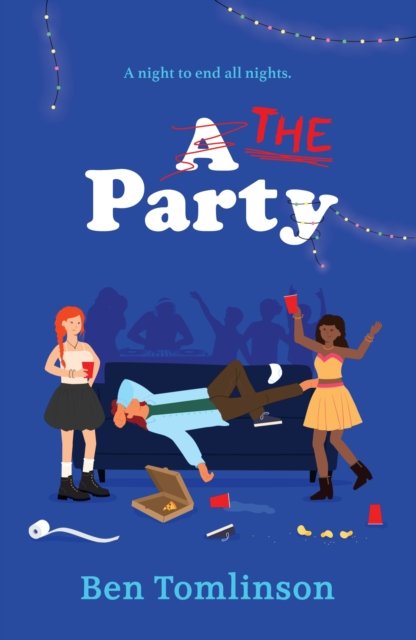
The Party by Ben Tomlinson
When Noah impulsively invites his crush Saskia to his seventeenth birthday party, one awkward problem stands in the way: his parents have banned parties. A weekend home alone with his fifteen-year-old sister Ruby seems to offer the perfect opportunity, until Saskia admits that the invitation has spread on social media and the night’s event begins to unravel. Combining relatable romance, cringe-worthy comedy and page-turning escalating drama, this unputdownable YA novel for 12+ year olds explores peer pressure, the desire to fit in and the challenge of working out who you want to be. Highly recommended for KS3 and KS4.
King of Nothing by Nathanael Lessore
Anton is the self-proclaimed leader of Year 9 and with his friends, rules the school. But he faces a dilemma when he strikes up an unlikely friendship after a life-changing event. Will he remain loyal to his new friend or his previous reputation? Suitable for teen readers, this compelling contemporary comedy explores themes of friendship and identity and offers relatable insights into peer pressure and personal growth. Highly recommended for KS3 and KS4.

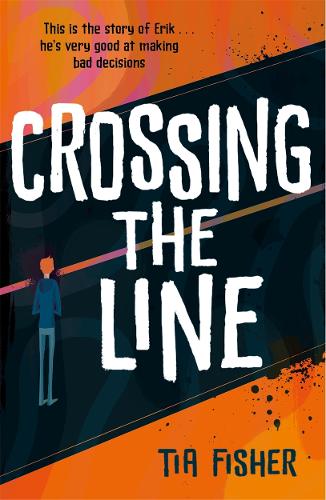
Crossing the Line by Tia Fisher
Written in verse, this gritty and visceral narrative follows teenaged Erik who juggles a difficult home life, school work and the consequences of being groomed by and owing money to a dangerous county lines gang. Crossing the Line is a memorable story of manipulation that will be useful to read and discuss alongside anti-exploitation resources in PSHE and book clubs. Highly recommended.
Read our full review.
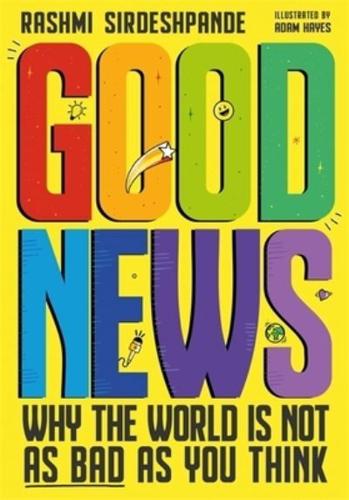
Good News! by Rashmi Sirdeshpande, illustrated by Adam Hayes
Bad news can make the world feel frighteningly bleak, but this illustrated non-fiction guide asks children to look at the fuller picture. Perfect for less confident teen readers, it gathers real examples of progress, kindness and problem-solving, from healthcare robots to planet-helping trees, while helping readers spot fake news and think critically about what they read. It is a hopeful, practical choice for classrooms and homes where children need facts, perspective and a little more confidence about the future.
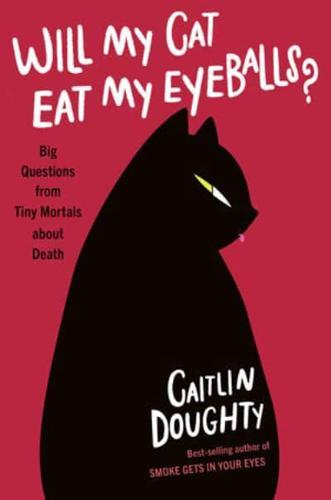
Will My Cat Eat My Eyeballs? by Caitlin Doughty
Questions about dead bodies get clear, funny and surprisingly direct answers from a mortician who takes children’s curiosity seriously. A lively non-fiction choice for teens, it tackles questions about decomposition, coffins, corpses, skeletons, funeral customs and what happens to bodies after death, with illustrations by Dianné Ruz. Will My Cat Eat My Eyeballs? is frank, addictively odd and genuinely informative, making it a strong pick for curious readers who prefer facts to fiction.
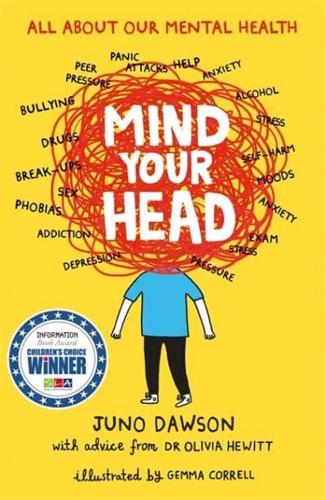
Mind Your Head by Juno Dawson and Olivia Hewitt
Anxiety, body image, self-harm, addiction, depression and difficult feelings are tackled head-on in this straight-talking guide to teenage mental health. A useful support book for more mature teen readers, it combines Juno Dawson’s accessible voice with clinical guidance from Dr Olivia Hewitt and illustrations by Gemma Correll, giving young people clear explanations without talking down to them. It’s ideal for KS4+ libraries and discussing in PSHE.
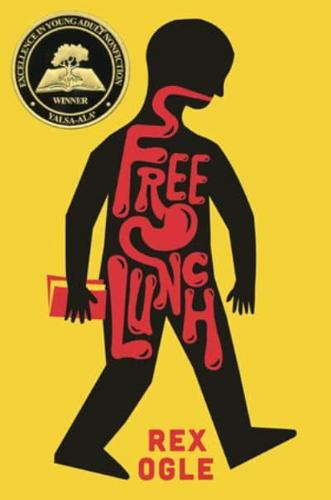
Free Lunch by Rex Ogle
Starting secondary school while hiding hunger, poverty and family stress gives Rex’s first term a raw honesty that many memoirs never reach. 12+ year olds can follow his life on the free lunch programme, where second-hand clothes, missing supplies and lunchtime humiliation sit alongside his longing for steadier care at home. It is short, direct and emotionally sharp, ideal for discussion around poverty, dignity and resilience.
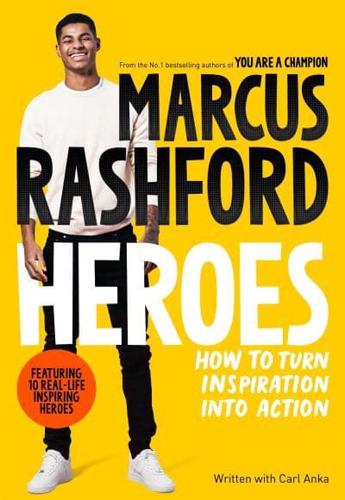
Heroes by Marcus Rashford, written with Carl Anka
Ten people who changed Marcus Rashford’s thinking become starting points for a practical guide to making a difference. KS3 readers will meet figures including Sir Alex Ferguson, Beyoncé, Muhammad Ali and Serena Williams, then see how their examples can lead to advice, reflective prompts and small actions. Football fans may arrive for Rashford, but the appeal is much broader than sport.
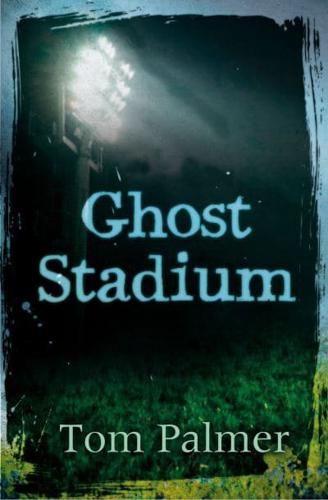
Ghost Stadium by Tom Palmer
Three friends sneak into an abandoned football stadium for a night-time dare, only to find that rumours of a haunting may not be just rumours. Designed for KS3 readers with a reading age of 8, this dyslexia-friendly thriller mixes football, secrecy and ghost-story tension in a short, accessible format. The pace and atmosphere make it especially useful for reluctant readers who like stories that get moving quickly.
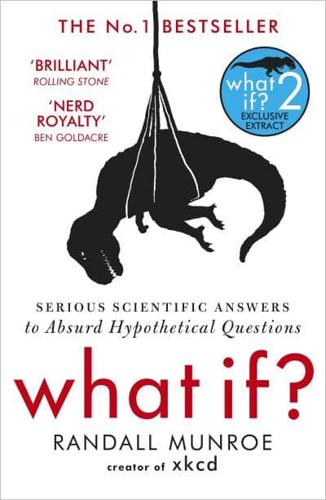
What If? by Randall Munroe
The daftest scientific questions are taken completely seriously here, from impossible disasters to wildly impractical experiments. Science-minded 13+ year olds can dip into Randall Munroe’s physics, maths, diagrams and sharp cartoon humour as he answers the odd questions sent in by fans of xkcd. It is a clever choice for fact-hungry teens who like science best when it begins with an unlikely “what would happen if…?”
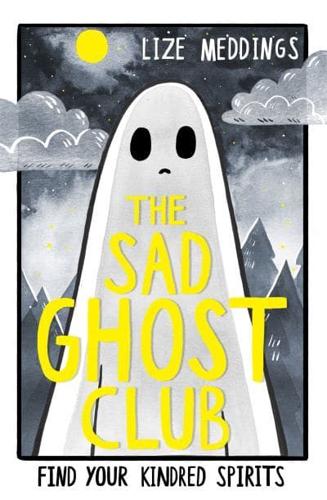
The Sad Ghost Club by Lize Meddings
Feeling invisible at a party is bad enough without also being an actual ghost. Perfect for 13+ year olds, this gentle YA graphic novel follows a lonely ghost through a day of anxiety and isolation before a meeting with another sad ghost changes everything. Its spare black-and-white artwork and quiet emotional honesty make it a thoughtful pick for readers who need friendship stories with softness.
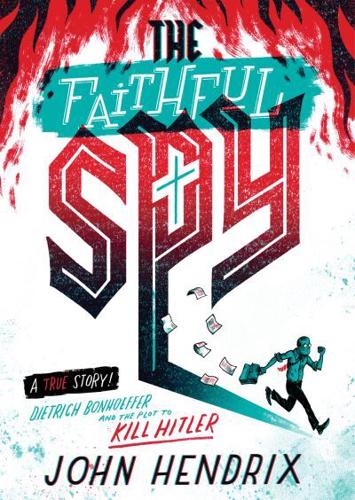
The Faithful Spy by John Hendrix
A German pastor’s decision to resist Hitler becomes a tense visual account of faith, conscience and moral risk. A gripping and immersive choice for 13+ year olds, this graphic biography follows Dietrich Bonhoeffer alongside the rise of Nazi power, showing how his beliefs led him towards dangerous resistance work. The combination of bold artwork, history and ethical questions suits readers ready for serious World War Two non-fiction.
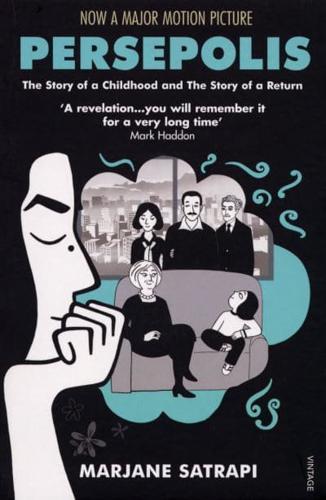
Persepolis by Marjane Satrapi
Growing up in Tehran during and after the Iranian Revolution gives Marjane Satrapi’s black-and-white memoir its rare mix of intimacy, humour and political force. More mature 13+ year olds can follow Marji from childhood into adolescence as family life, school, protest, war with Iraq and public restrictions all press in on her private world. It is graphic memoir at its most immediate, and a powerful bridge between personal story and modern history.
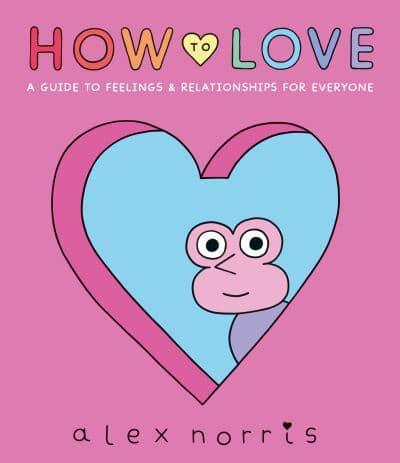
How to Love by Alex Norris
First crushes, jealousy, singlehood, break-ups and self-respect all get the comic-panel agony-aunt treatment in this inclusive guide to relationships. Ideal for 13+ year olds, the book answers questions about feelings and connection in a full-colour graphic format that is frank without being heavy. Its warm, funny approach makes it useful for teens working out how to understand themselves as well as other people.
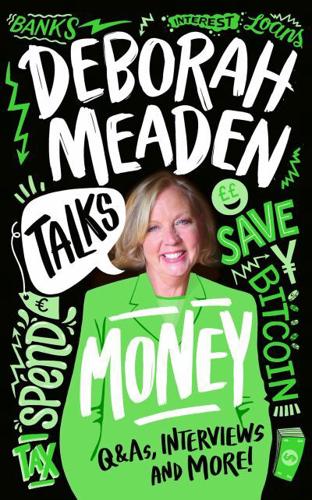
Deborah Meaden Talks Money by Deborah Meaden
Earning, saving, setting goals and understanding business are made much less intimidating in this practical guide to money. Deborah Meaden uses Q&As, quizzes, challenges and interview-style sections with young people and well-known figures to explain finance in everyday terms. It is especially useful for teen students who want real-world skills but prefer short, varied sections to dense financial advice.
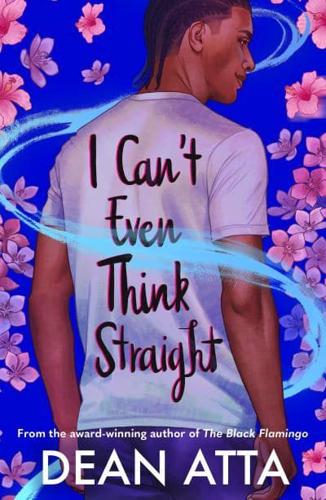
I Can’t Even Think Straight by Dean Atta
Kai begins a new school year with questions about coming out, future plans and first love pressing hard on every side. A thoughtful verse novel for 14+ year olds, it follows his promise to stay closeted with Matt, his decision to live more openly, and the messy feelings that follow when he starts dating Obi. The verse form keeps the story immediate, personal and easy to enter.
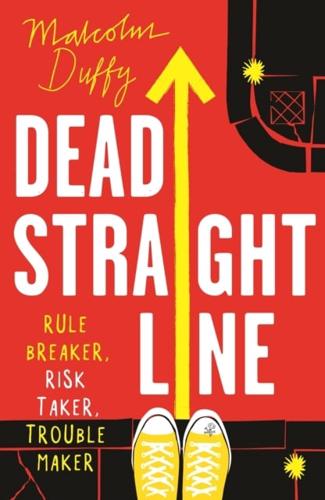
Dead Straight Line by Malcolm Duffy
It’s simple. Wherever you are, you have to get home in a Dead Straight Line. Never mind what’s in the way or which rules you have to break, the game 16-year-old Rory concocts is as enticing in the story as it is thought-provoking in real life. But what Rory cannot foresee is how it will change his world and wreck his friend Eliot’s life. After the accident, consequences hit hard at home and at school, and an angry Rory is sent to volunteer in a care home. There he meets Tanker, an outspoken war veteran who provides hope – slowly reshaping how Rory sees himself and his actions. Incredibly powerful, perfectly pitched and unerringly relevant, Dead Straight Line is an outstanding, sharp and pacey story that explores trust, responsibility and real lived experience. Every secondary-aged student should read it. Read our full review.
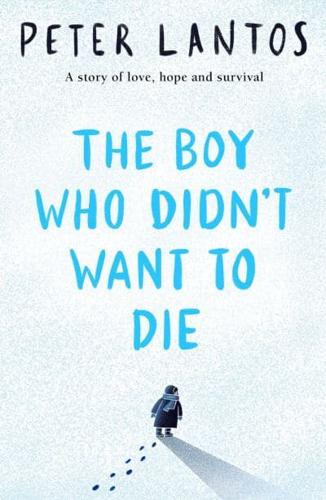
The Boy Who Didn’t Want to Die by Peter Lantos
A five-year-old boy’s journey across war-torn Europe becomes a child’s-eye account of terror, survival and love between mother and son. A deeply important and immediate true story for teens, it follows Peter Lantos from his Hungarian hometown through Austria and Germany in 1944 and 1945, including the nightmare of Bergen-Belsen and the long road home. Direct, humane and carefully told, it is a strong choice for introducing Holocaust testimony.
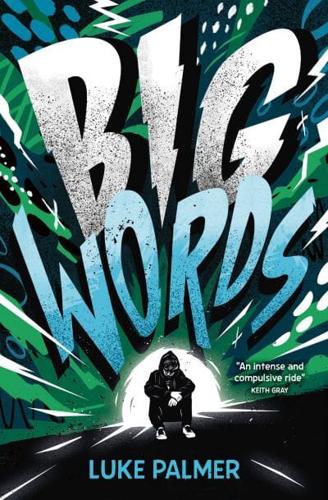
Big Words by Luke Palmer
On the forbidden wasteland called Kiln, the rule is simple: the biggest goes first. Particularly suitable for readers aged 12+ with a reading age of 8, this short dyslexia-friendly story follows Sam and his friends when a dangerous sledging stunt on a rusting car bonnet ends in disaster. It opens up friendship, pressure and masculinity in a way that feels tense, accessible and very discussable.
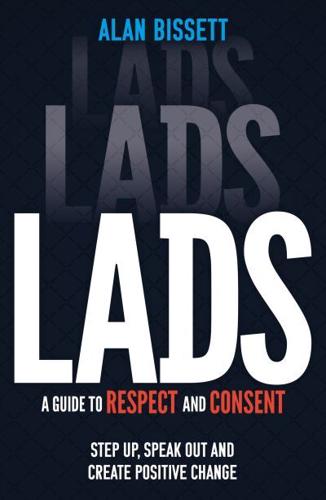
Lads by Alan Bissett
Respect, consent and the pressure to go along with harmful behaviour are handled directly in this guide for teenage boys. For 13+ readers, it offers practical ways to challenge bad behaviour, build healthier relationships and think about what being a decent lad can actually mean. Clear, current and deliberately readable, it is a useful PSHE and school-library addition for conversations that can be hard to start.
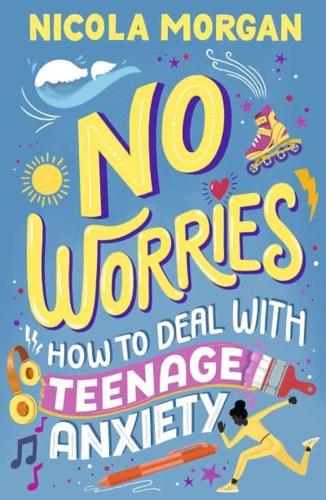
No Worries by Nicola Morgan
Teenage anxiety is explained as something to understand and work with, not something to feel ashamed of. Written for teens, this practical wellbeing guide breaks down how anxiety affects the brain and body, then offers strategies for calming worries and handling the pressures of modern life. It is reassuring without being vague, with enough science to be useful and enough warmth to feel accessible. Highly recommended.
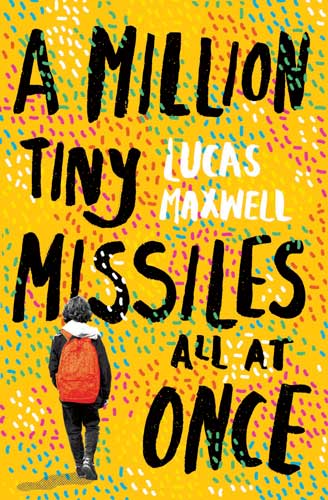
A Million Tiny Missiles All At Once by Lucas Maxwell
Elias’s family is coming undone. His brother’s caught up with the wrong crowd, and the pressure at home keeps building. Determined to put things right, Elias takes a risky leap – but his plan quickly unravels. Set against the bleak, wintry backdrop of Nova Scotia, this gripping debut from Lucas Maxwell explores addiction, family and neurodiversity with honesty and heart. Winner of the Times/Chicken House Competition 2024, it’s a powerful read for 14+ year olds.
Click the buttons below to purchase all of the books in this books for teenage boys who don’t like reading list, as well as class sets of any of these books and many more, from Bookshop.org UK. Or buy the 20 most popular titles from this list from Amazon – ideal for gifts or your classroom library.
Buy from UK.Bookshop.Org Buy from Amazon.co.uk
Disclosure: If you buy books using the buttons above: we may earn a commission from Bookshop.org, whose fees support independent bookshops; as an Amazon Associate schoolreadinglist.co.uk earns from qualifying purchases.
Schools & teachers: please respect copyright and don’t copy our books for teenage boys who don’t like reading list. If you find our book recommendations useful, please consider sharing on social media or linking to this page instead. Thanks.
Teenage boys who don’t like reading books resources for teachers
- The National Literacy Trust’s Teenage reading: (Re)framing the challenge report gives UK secondary schools current evidence on 11- to 16-year-olds, teenage boys, reading enjoyment, reading frequency, and the barriers that make reading harder to sustain in adolescence.
- National Literacy Trust reading for pleasure resources for schools include secondary CPD, classroom resources, booklists and National Year of Reading activities, with practical ideas for using audiobooks, comics, nonfiction, song lyrics and interest-led reading to re-engage pupils.
- The Open University’s Reading for Pleasure: Supporting Secondary School Students article discusses Barrington Stoke books and tactics for engaging reluctant readers at Key Stage 3 and beyond.
- The Open University Reading for Pleasure site also offers an independent reading research and classroom strategies page, with downloadable CPD materials, a practice audit, a classroom strategies PDF, and examples including football-based approaches and personalised text recommendations.
- Barrington Stoke publishes dyslexia-friendly and high-interest short novels designed for dyslexic and reluctant readers, with age and reading-level guidance, catalogues, accessible classics, contemporary fiction, sport, horror, humour and books by major UK children’s authors.
- Barrington Stoke’s Young Editors scheme lets schools download pre-publication manuscripts, use a reader-feedback questionnaire, and involve reluctant readers as editorial consultants whose responses help shape forthcoming books.
- Read for Good provides free Readathon downloads, secondary launch films, posters, reading trackers, a school book club guide, library resources and a short guide for encouraging reluctant readers to read for pleasure.
- Scottish Book Trust gives practical advice on motivating teenagers to read at school, including performance, reading aloud, book choice, reading communities and ways to reduce negative attitudes towards books.
- World Book Day’s educator resources include secondary activities, 11-16 reading celebration templates, reading suggestions, assemblies and classroom materials that support reading for pleasure without making book choice feel like another assessed task.
- The Reading Agency’s Reading Well for teens booklist is aimed at ages 13-18 and includes a range of reading levels and formats, making it useful for less confident readers who may respond to books linked to feelings, wellbeing, confidence and everyday pressures.
BISAC JUV005000, JNF009000, YAF007000, YAN009000, JUV086000, JNF079000, YAF081000, YAN066000, JUV008000, JNF062000, YAF010000, YAN012000. | Thema YFB, YFC, YFQ, YFR, YNG, YNW, XQ, 5AR.