Wordless picture books for children and teens
Wordless picture books tell stories through illustrations, inviting children and teenagers to interpret expressions, notice details and make connections between pictures. This collection ranges from playful adventures for younger children to sophisticated visual narratives about migration, identity, the environment, relationships and growing up. There are also silent graphic novels for sixth-formers, including adult crossover titles. These books offer unrivalled opportunities for storytelling, creative writing, inference, discussion and visual literacy across different age groups. This list features books by Raymond Briggs, Quentin Blake, David Wiesner, Shaun Tan, Aaron Becker, Jeannie Baker, Jerry Pinkney, Sophie Burrows, Frans Masereel, and Lynd Ward.
Wordless picture books for children and teens – our recommendations
Wordless picture books for 2-7 year olds
The Snowman by Raymond Briggs
A boy builds a snowman who comes to life during the night. Together they explore the house, enjoy a midnight feast and embark on a magical flight above the snowy landscape. Raymond Briggs tells this familiar winter story entirely through pictures, using softly coloured illustrations arranged in panels. The changing expressions of the boy and snowman convey excitement, friendship and the passing of time. This classic wordless picture book for 3+ year olds offers plenty of opportunities for children to describe events and create their own dialogue.

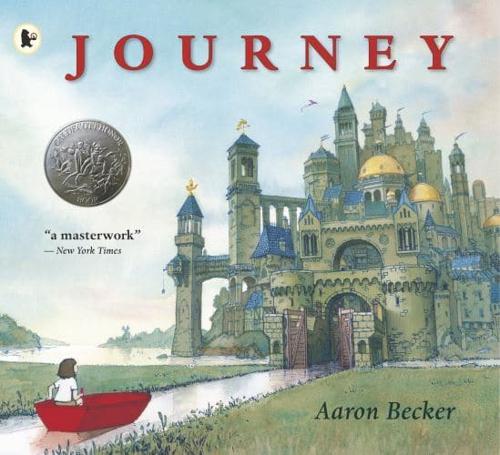
Journey by Aaron Becker
A lonely girl discovers a magical red crayon that allows her to draw doors, bridges and other objects into existence. Stepping through a doorway she has created, she enters a magnificent fantasy world filled with castles, canals and flying machines. When she encounters a mysterious purple bird, her adventure takes an unexpected turn. Aaron Becker’s detailed watercolour illustrations give children the chance to follow the action, anticipate dangers and explore how colour and composition shape a story. An imaginative introduction to wordless visual storytelling.
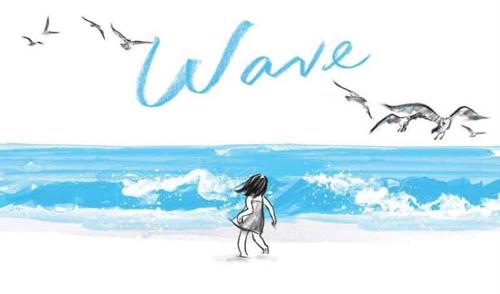
Wave by Suzy Lee
A little girl visits the beach and becomes fascinated by the waves rolling towards her. At first she approaches the water cautiously, then begins to play, splash and challenge the incoming surf. The sea seems almost to become another character as the two interact across the pages. Suzy Lee’s expressive charcoal drawings use blue to highlight the water and the girl’s encounters with it. This playful wordless book captures a recognisable childhood experience through movement, facial expressions and the changing relationship between a child and nature.
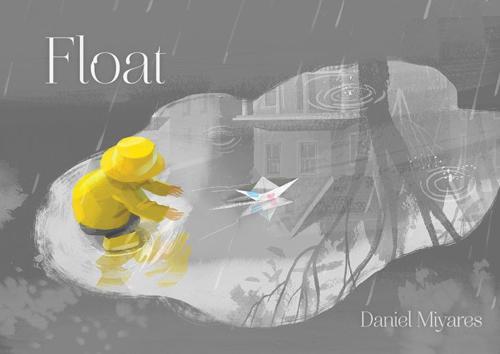
Float by Daniel Miyares
On a rainy day, a boy sets out wearing his yellow raincoat and carrying a paper boat. He places the boat in a puddle and follows it as the rainwater carries it through the streets. The journey becomes increasingly adventurous as the boat moves beyond his control. Daniel Miyares uses a restrained palette of greys and yellow to draw attention to the boy, the weather and the changing mood. Children can follow the movement from picture to picture and discuss how an ordinary afternoon becomes a miniature adventure.
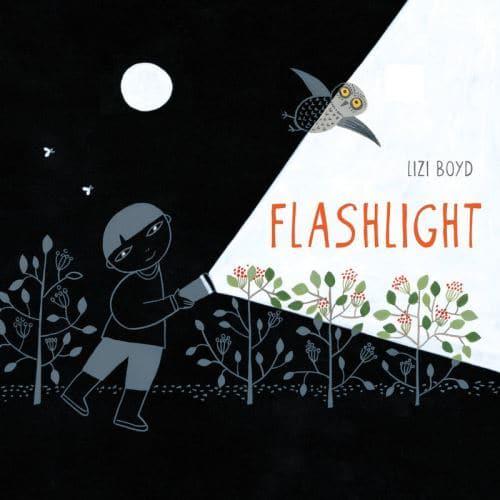
Flashlight by Lizi Boyd
A child ventures into the darkness with a torch, discovering the creatures and details hidden in the surrounding landscape. As the beam moves across the pages, nocturnal animals, plants and unexpected scenes emerge from the dark. Lizi Boyd combines intricate illustrations with carefully placed areas of light, inviting children to search each spread for discoveries. The torch beam becomes a way of directing attention, encouraging observation and speculation about what might appear next. It’s an atmospheric picture book that turns a night time walk into an adventure of discovery.
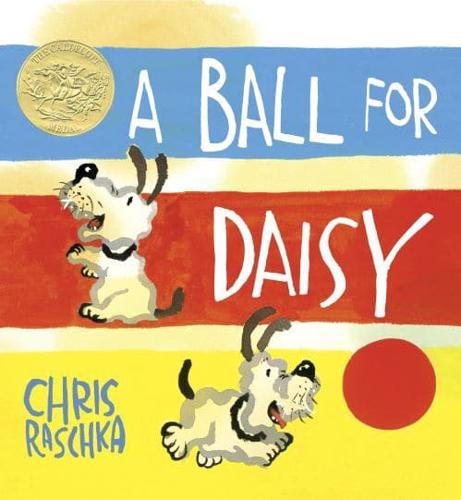
A Ball for Daisy by Chris Raschka
Daisy the dog loves her red ball. She plays with it, carries it around and enjoys every moment with her favourite toy. During a visit to the park, an encounter with another dog changes everything, and Daisy has to deal with the loss of something precious. Chris Raschka tells the story through loose, energetic watercolour illustrations that capture Daisy’s excitement, sadness and eventual happiness. The absence of written dialogue encourages children to interpret the dog’s body language and talk about friendship, disappointment and kindness.
Who’s Hiding by Satoru Onishi
Eighteen colourful animals appear in the same arrangement throughout this engaging visual puzzle board book. Short questions ask children to spot which animals are hiding, crying, angry, sleeping or facing backwards. Small changes in colour, expression and position make each page a new challenge. Although not completely wordless, Satoru Onishi’s bold illustrations do most of the work, encouraging careful observation and lively discussion. This highly interactive book is ideal for toddlers and EYFS children developing visual discrimination, emotional recognition and vocabulary. It is particularly useful for children who benefit from accessible picture-based activities. Highly recommended.

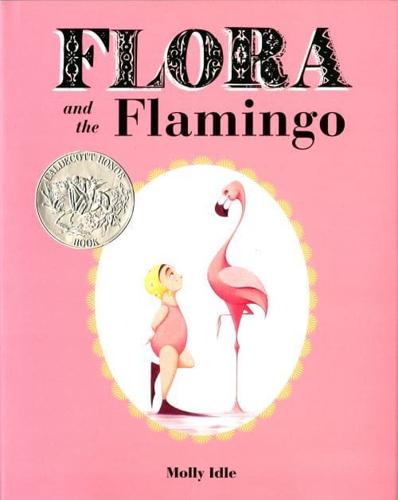
Flora and the Flamingo by Molly Idle
Flora meets a graceful flamingo and tries to copy its elegant movements. What begins as an awkward imitation develops into a delightful dance as the two characters discover how to move together. Molly Idle’s delicate illustrations use pink and white backgrounds to emphasise expression, gesture and movement. Interactive flaps reveal changes in the characters’ poses and help children anticipate what happens next. This wordless picture book offers an introduction to friendship, cooperation and the idea that feelings can be communicated through actions as well as words.
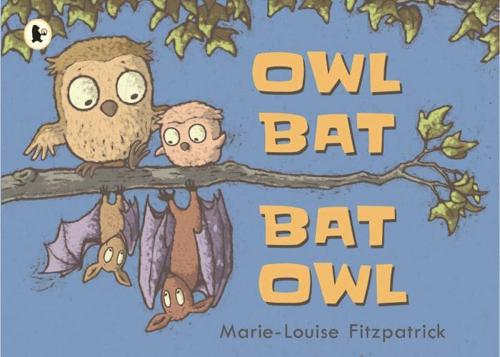
Owl Bat Bat Owl by Marie-Louise Fitzpatrick
An owl family is settled comfortably on a branch when a family of bats arrives and hangs beneath it. The new neighbours are initially wary of one another, although the younger animals are curious about their unexpected companions. When a storm threatens their shared home, circumstances bring the families together. Marie-Louise Fitzpatrick tells the story through expressive illustrations and changes in the characters’ positions. It’s a stunning wordless picture book for 2+ year olds about friendship, overcoming differences and discovering the value of helping others.
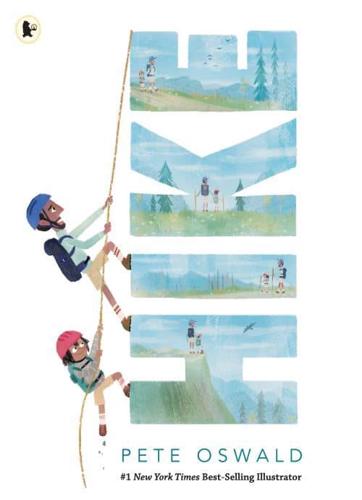
Hike by Pete Oswald
A father and son leave their home behind and travel into the mountains for a day outdoors. Their journey takes them through forests, across streams and up rocky paths as they share the pleasures of exploring nature. Pete Oswald’s illustrations convey the changing landscape and the warmth of the relationship between the two characters. Small visual details reveal how they prepare for their walk and respond to what they find. This largely wordless picture book celebrates time spent together and the lasting memories created through a shared experience.
The Midnight Fair by Gideon Sterer, illustrated by Mariachiara Di Giorgio
When the people leave a fairground at the end of the day, animals emerge from the surrounding forest to enjoy the attractions for themselves. Bears, rabbits, foxes and other creatures investigate the rides, food stalls and games under the cover of darkness. Mariachiara Di Giorgio’s atmospheric illustrations transform the familiar fairground into a magical night time setting. For 3+ year olds, this absorbing wordless story offers opportunities to identify different animals, follow several simultaneous activities and imagine what happens in places after everyone has gone home.

Pencil by Hye-Eun Kim
A single pencil takes centre stage in this sublime wordless picture book, tracing its journey from forest tree to everyday art tool and eventually back to nature. Through richly detailed coloured-pencil illustrations, imaginative 5–7-year-olds will see trees transformed into pencils, then watch a child sketch a forest that seems to welcome the animals home again. Subtle and thoughtful, Pencil stunningly highlights the cycle of creation and the connection between nature, creativity, and renewal, inviting readers to pause and reflect.

Afterward, Everything was Different by Jairo Buitrago, illustrated by Rafael Yockteng
A young girl travels with a group of prehistoric hunter-gatherers as they search for food, encounter dangerous animals and seek shelter from the elements. She carefully observes the world around her, eventually recording their experiences through drawings on the walls of a cave. Rafael Yockteng’s intricate black-and-white illustrations bring the Pleistocene landscape and its inhabitants vividly to life. Told without words until its concluding explanation, this atmospheric picture book imagines how prehistoric art and storytelling might have developed. An excellent resource for Stone Age topics and visual literacy activities in KS1 and KS2. Highly recommended.

Wordless picture books for children aged 7-12
The Dream by Gideon Sterer and Nik Henderson
A child witnesses the damaging effects of pollution and industrial activity before returning home to a woodland setting. That night, a mysterious gathering of wolves becomes an enormous animal, beginning a remarkable transformation. By morning, gigantic creatures appear across the world, challenging deforestation, pollution and other threats to nature. Inspired by the animals, children join together to form the outline of an equally enormous human figure. Told entirely through pictures, Gideon Sterer’s imaginative environmental story uses dramatic changes in colour and scale to explore the power of collective action. It’s an engaging wordless picture book for 5+ year olds, ideal for environmental discussions in KS1 and KS2.

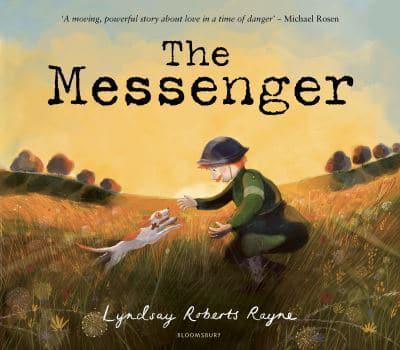
The Messenger by Lyndsay Roberts Rayne
Nell’s peaceful life on a rural farm changes when the young dog is taken for military training during the First World War. Sent to the trenches, Nell becomes a messenger dog, carrying vital communications through dangerous conditions while forming a close bond with a human companion. Lyndsay Roberts Rayne tells this moving story entirely through expressive, cinematic illustrations that capture the fear, courage and sacrifice experienced by animals during wartime. The wordless format encourages 7-12 year olds to interpret the action and consider the relationship between humans and animals. A powerful and sensitive introduction to the First World War for KS2 readers. Highly recommended.
Flotsam by David Wiesner
A boy exploring a beach discovers an old underwater camera washed ashore. When he develops the film inside it, he finds extraordinary photographs revealing a hidden world beneath the waves. One remarkable picture leads to another, connecting the present with children who visited the beach many years before. David Wiesner combines intricate realistic detail with imaginative underwater scenes, using sequences of images to reveal surprises. This wordless picture book is particularly rewarding for investigating visual clues, changes of perspective and stories nested within other stories.

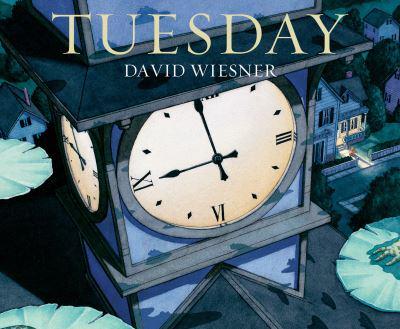
Tuesday by David Wiesner
Something extraordinary happens one Tuesday evening when frogs begin floating through the air on their lily pads. They travel across a town, passing houses, gardens and unsuspecting people while enjoying their unexpected freedom. David Wiesner presents the strange events through cinematic illustrations, occasionally marking the passage of time as the night unfolds. The contrast between realistic settings and impossible events creates opportunities for humour, prediction and imaginative explanation. Children can reconstruct the sequence of the night’s adventures and invent their own accounts of what might happen next.
Zoom by Istvan Banyai
Every page of Zoom changes the reader’s understanding of the picture before it. A scene that appears complete becomes just one small detail in a much larger image as the perspective moves steadily outwards. Istvan Banyai uses this visual technique to connect apparently unrelated situations and challenge assumptions about scale and context. Children must continually reconsider what they think they are seeing. This unusual wordless picture book supports discussion about observation, perspective, inference and the importance of looking beyond an initial impression.
Re-Zoom by Istvan Banyai
Istvan Banyai continues his exploration of visual perspective in this companion to Zoom. An image seems to reveal a recognisable setting, but the following page changes the scale and places everything in a surprising new context. The sequence moves between different environments and viewpoints, creating unexpected connections between people and places. Each illustration encourages careful examination before the next transformation. Re-Zoom is particularly useful for older primary pupils learning to question first impressions, explain evidence and understand how a change of viewpoint can alter meaning.
The Wanderer by Peter Van den Ende
A small paper boat sets off across an enormous ocean, encountering extraordinary creatures and increasingly mysterious environments. The journey unfolds through intricate black-and-white illustrations filled with imaginative marine life and strange transformations. Peter Van den Ende places the fragile boat amid vast underwater worlds, encouraging children to notice both the principal adventure and the remarkable details surrounding it. This sophisticated wordless picture book invites close observation, imaginative storytelling and discussion about exploration, uncertainty and the changing relationship between a traveller and the natural world.

The Lion and the Mouse by Jerry Pinkney
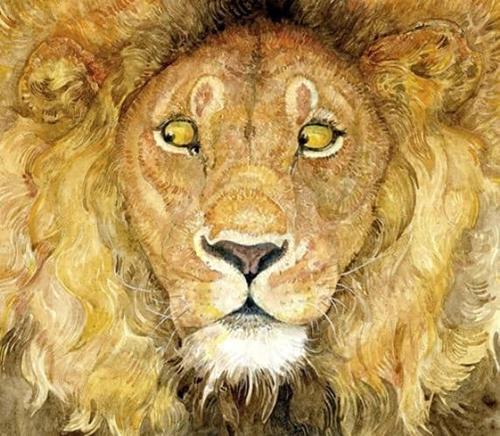
Jerry Pinkney retells Aesop’s familiar fable through richly detailed illustrations of the African landscape and its wildlife. A lion encounters a tiny mouse and allows it to escape. Later, when the lion becomes trapped in a hunter’s net, the mouse has an opportunity to repay the kindness. The expansive pictures emphasise the contrasting sizes of the animals and the importance of their actions. This nearly wordless retelling encourages children to interpret expressions, understand the sequence of events and consider how even a small creature can make a difference.
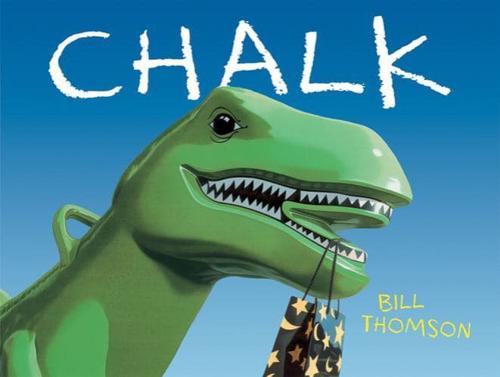
Chalk by Bill Thomson
Three children discover a bag of chalk during a visit to a playground on a rainy day. When they begin drawing, their pictures come to life, turning an ordinary outdoor space into the setting for a magical adventure. The consequences become especially exciting when one child draws a dinosaur. Bill Thomson uses realistic, richly coloured illustrations to capture the children’s expressions and the growing excitement. This wordless story gives pupils plenty to discuss about cause and effect, imaginative possibilities and how the pictures establish a sequence of events.
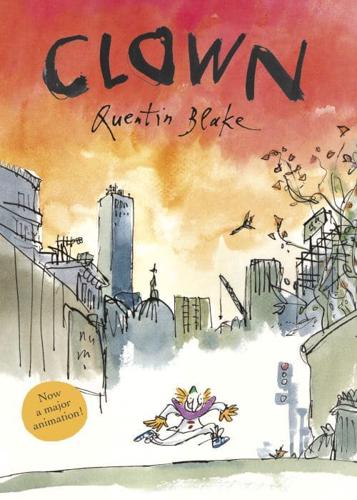
Clown by Quentin Blake
A small toy clown is thrown away with a collection of unwanted toys and sets out to find them a new home. His journey takes him through the streets, where he encounters a succession of people and unexpected situations. Quentin Blake’s energetic watercolour illustrations convey movement, emotion and humour as the clown tries to help his companions. The pictures encourage children to interpret the characters’ intentions and piece together a story of determination, friendship and kindness. The familiar urban setting makes the clown’s adventures especially memorable.
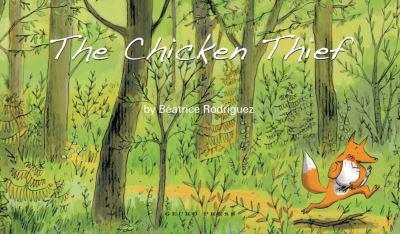
The Chicken Thief by Beatrice Rodriguez
When a fox carries off a chicken, her friends set off in pursuit. A rooster, bear and rabbit travel across forests, mountains and water in a determined attempt to bring her home. As the chase unfolds, the pictures gradually reveal a more surprising relationship between the fox and the chicken. Beatrice Rodriguez tells the story without words, relying on facial expressions, movement and the characters’ changing interactions. The result is a lively adventure that encourages children to reconsider assumptions and discuss how appearances can influence a story.
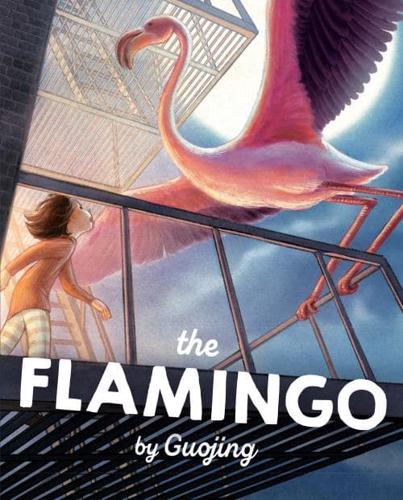
The Flamingo by Guojing
A young girl visits her grandmother, Lao Lao, beside the sea. When she discovers a beautiful flamingo feather, Lao Lao tells her about finding a flamingo egg during her own childhood and caring for the chick that hatched. As the bird grows, the story explores friendship, separation and the hope of reunion. Guojing’s exquisite illustrations shift between muted sepia tones and vibrant colour, distinguishing the present-day visit from the grandmother’s memories. This nearly wordless graphic novel celebrates intergenerational relationships, storytelling and the enduring bonds between loved ones. Its extended visual narrative offers plenty to explore and discuss with KS2 readers.
Scarygirl: The Origin Story by Nathan Jurevicius
Abandoned on a mysterious beach, Scarygirl embarks on a quest of discovery to find out who the strange man who appears in her dreams is, and what happened in her past. Alongside Blister the octopus, she faces enigmatic dreams and forest dwellers in a spectacularly realised fantasy world. With powerful and vibrant full-colour illustrations, this compelling wordless picture book is a visual feast. Perfect for less confident readers and imaginative children interested in art and adventure, Scarygirl is highly recommended for KS2 libraries. Read our full review.

Wordless picture books for teens aged 13+
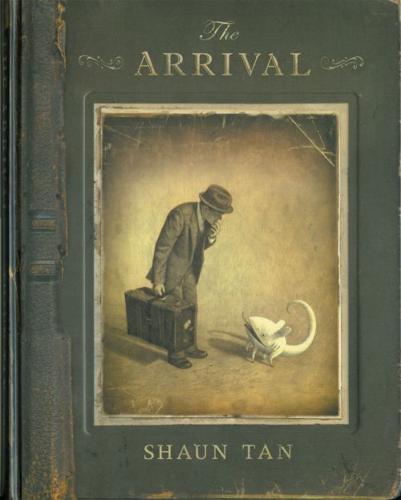
The Arrival by Shaun Tan
A man leaves his family and travels to an unfamiliar country, hoping to establish a new life. On arrival he encounters strange buildings, extraordinary creatures and an environment whose customs and language he cannot understand. Shaun Tan uses detailed sepia illustrations to place the audience in the position of someone learning to navigate a foreign world. The narrative explores migration, separation, resilience and the importance of human kindness. Its complex visual storytelling creates opportunities for secondary pupils to examine identity, belonging and the experience of displacement.
Small Things by Mel Tregonning
A boy struggles with feelings of isolation and anxiety as the demands of everyday life become overwhelming. His emotional difficulties take physical form in the illustrations as dark creatures surround him and increasingly affect his experiences at school and home. Mel Tregonning uses expressive black-and-white artwork to communicate emotions that can be difficult to describe. This wordless graphic narrative provides a starting point for thoughtful discussions about mental health, friendship, empathy and the importance of recognising when someone needs support.

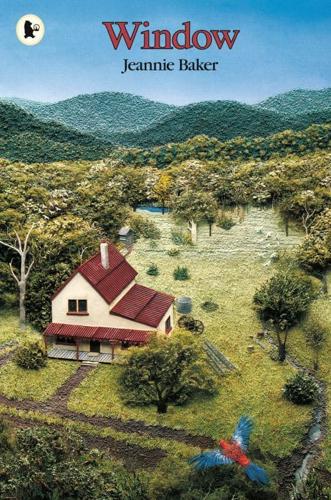
Window by Jeannie Baker
A boy grows from infancy into adulthood as the landscape outside his bedroom window changes around him. What begins as a natural environment gradually becomes a developed suburb, with roads, buildings and housing replacing the surrounding vegetation. Jeannie Baker tells the story through detailed collage illustrations viewed from the same window at different moments in time. The changing scene reveals both the passage of the boy’s life and the effects of human development. This visual narrative supports discussions about urbanisation, environmental change and the ways communities transform landscapes.
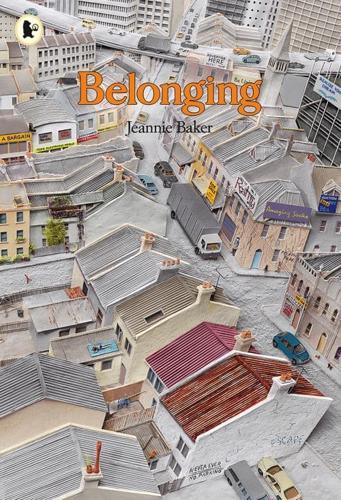
Belonging by Jeannie Baker
Jeannie Baker returns to the idea of observing a changing environment through a window, this time exploring how a neglected urban neighbourhood can gradually become greener and more welcoming. Across a series of intricate collage illustrations, gardens grow, buildings change and a community develops its shared surroundings. The passage of time is communicated through small details in the landscape and the lives of the people who inhabit it. Belonging invites older pupils to examine community action, regeneration, sustainability and the relationship between people and their environment.
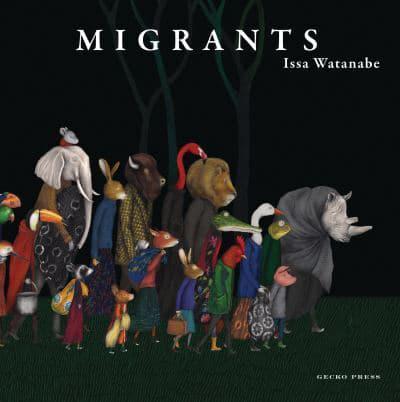
Migrants by Issa Watanabe
A breathtaking wordless picture book that depicts a group of migrants on a dangerous journey. The animal characters are illustrated in a stark, startling and colourful – almost camera obscura style. The Vermeer-like level of detail is such that children (and teachers) can pore over each image, each time picking out an unrealised nuance or secret message. This book is perfect for discussion in KS2, but I’d also be tempted to use it as a challenging visual comprehension for GCSE English literature students – particularly those studying As You Like It or The Tempest. Destined to be a modern classic.
The Tree and the River by Aaron Becker
A solitary tree stands beside a river while the world around it undergoes extraordinary changes. Over successive illustrations, settlements emerge, expand and transform into increasingly complex human environments. The passage of time brings new technologies, architectural developments and consequences for the surrounding landscape. Aaron Becker uses the continuous presence of the tree and river to connect the different stages of civilisation. This wordless picture book encourages detailed comparison, chronological reasoning and discussion about human progress, sustainability and the changing relationship between civilisation and nature.

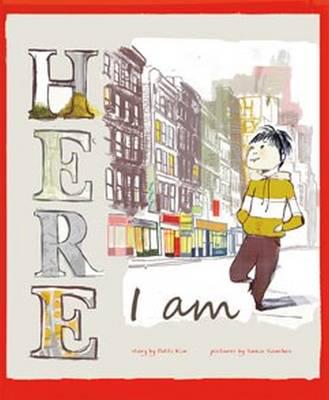
Here I Am by Patti Kim, illustrated by Sonia Sanchez
A young boy arrives in a new country and finds himself surrounded by unfamiliar sights, sounds and experiences. As he tries to understand his new home, he holds on to reminders of the place he has left behind. Gradually, encounters with other people begin to change his relationship with the city. Sonia Sanchez’s illustrations communicate the boy’s uncertainty and developing confidence through expression, colour and visual detail. This wordless story can support secondary discussions about migration, cultural adjustment, friendship and the emotional significance of home.
Wildful by Kengo Kurimoto
Following her grandmother’s death, Poppy struggles to connect with her grieving mother, who rarely leaves the house. When her dog Pepper chases a fox into a forgotten patch of woodland, Poppy meets Rob, a boy who helps her discover the wildlife hidden all around them. Through repeated visits, she learns to notice birdsong, animal tracks and the changing details of the natural world. Kengo Kurimoto’s atmospheric, largely wordless graphic novel explores bereavement, friendship and the restorative effects of spending time outdoors. Its sensitive visual storytelling offers older readers opportunities to discuss emotional wellbeing, family relationships and the importance of reconnecting with nature.

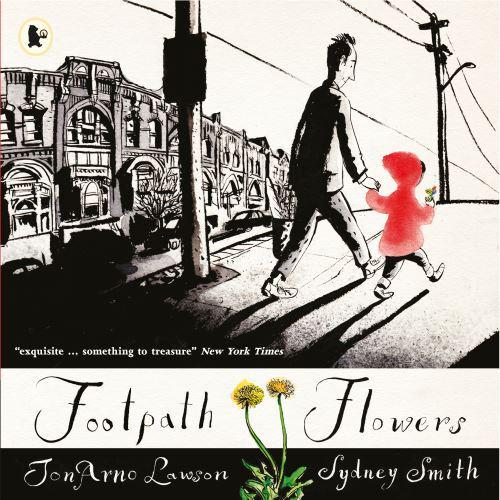
Footpath Flowers by JonArno Lawson, illustrated by Sydney Smith
A little girl walks through a city with her father, noticing flowers growing in unexpected places along the pavement. As she gathers the blooms, she begins giving them away to people and animals she encounters. Sydney Smith’s illustrations combine a predominantly monochrome cityscape with carefully placed touches of colour, drawing attention to the girl’s actions and changing surroundings. This wordless picture book offers opportunities for older pupils to discuss visual symbolism, generosity, urban environments and the different ways people observe the world around them.
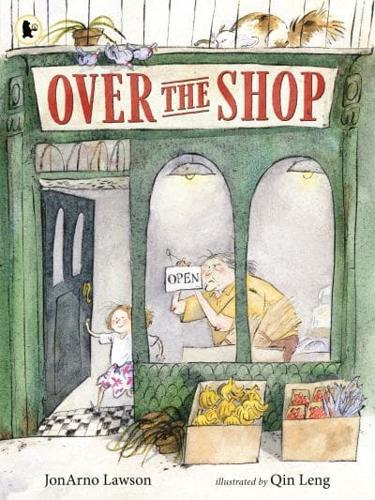
Over the Shop by JonArno Lawson, illustrated by Qin Leng
A young girl and her grandparent have an apartment above their shop that needs extensive repairs. Finding someone willing to make it a home proves difficult until a couple arrives who can imagine the possibilities of the neglected space. As the building is transformed, new friendships and a sense of belonging develop. Qin Leng’s detailed illustrations tell the story through the characters’ actions, expressions and changing surroundings. This wordless picture book offers a thoughtful starting point for discussing community, relationships, inclusion and the meaning of home.
Wordless picture books and graphic novels for sixth-formers aged 16+
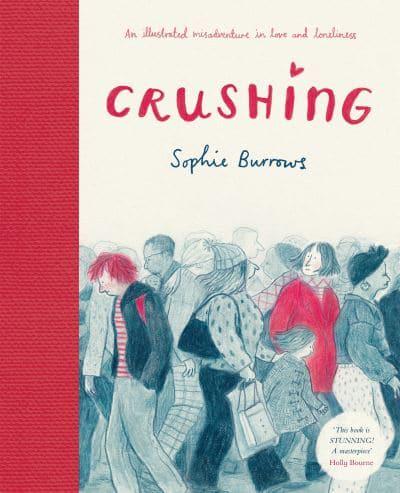
Crushing by Sophie Burrows
Two lonely people move through a crowded city, searching for friendship and meaningful human connection. Their lives unfold in parallel as they navigate public spaces, everyday routines and moments of isolation. Sophie Burrows uses a distinctive illustrated style to communicate the emotional distance that can exist between people even when they are surrounded by others. This wordless graphic novel invites sixth-form students to consider loneliness, relationships, urban life and the ways composition and visual repetition can develop characters without dialogue.
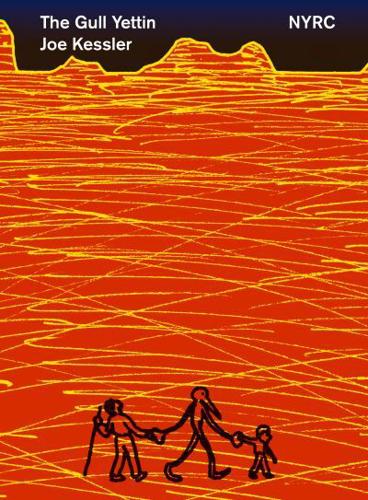
The Gull Yettin by Joe Kessler
A young boy encounters a mysterious creature known as the Gull Yettin in this unsettling visual narrative. Their relationship moves between moments of warmth, uncertainty and disturbing encounters, creating an atmosphere that combines folklore with psychological horror. Joe Kessler uses bold colours, unusual compositions and dramatic shifts in perspective to tell the story without written dialogue. The imagery invites several interpretations of the creature and the boy’s experiences. An absorbing adult crossover graphic novel for exploring symbolism, unreliable perception and ambiguity in visual storytelling.
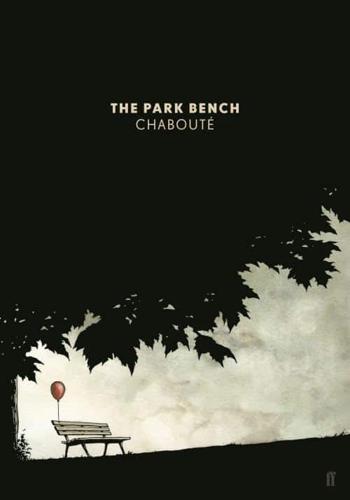
The Park Bench by Chabouté
A simple park bench becomes the centre of an extended visual narrative about the people who pass through a public space. Visitors sit, meet, wait, rest and return, gradually revealing fragments of their lives through their interactions with the bench and one another. Chabouté’s elegant black-and-white illustrations use repeated viewpoints to establish the passage of time and build connections between apparently separate encounters. This largely silent graphic novel is particularly rewarding for discussions about observation, narrative structure, character development and the significance of ordinary places.
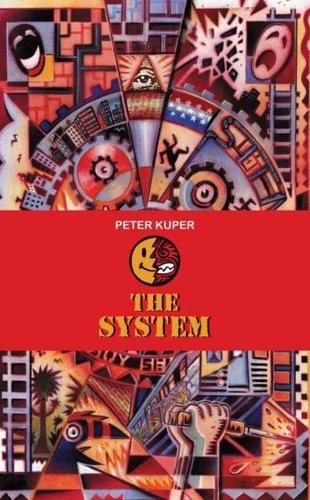
The System by Peter Kuper
Peter Kuper creates a complex portrait of New York through a series of interconnected stories involving people from different parts of the city. Crime, corruption, inequality and the unexpected connections between strangers emerge through detailed illustrations and carefully arranged sequences. The narrative moves between different viewpoints, asking the audience to assemble the relationships between characters and events. This silent graphic novel uses the visual language of comics to examine modern urban society and offers opportunities to analyse narrative perspective, social commentary and the communication of complex information through images.
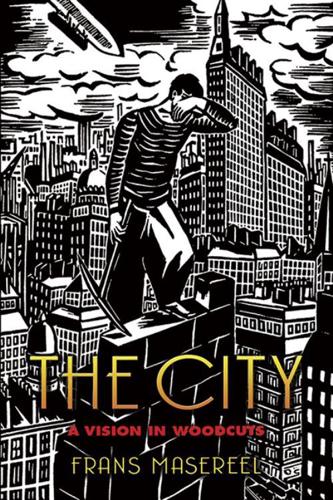
The City: A Vision in Woodcuts by Frans Masereel
Frans Masereel presents a vivid portrait of urban life through 100 woodcut illustrations. Originally published in 1925, the work moves between scenes of crowded streets, workplaces, leisure, poverty and social inequality. The stark contrasts of black and white give the images an expressive intensity while allowing individual moments to contribute to a wider picture of life in a modern city. This pioneering wordless graphic narrative can support studies of visual art, early twentieth-century society, expressionism and the development of graphic storytelling.
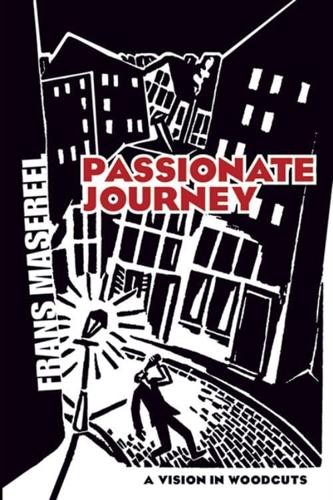
Passionate Journey: A Vision in Woodcuts by Frans Masereel
Frans Masereel’s pioneering wordless novel follows a man’s experiences as he moves through the modern world, encountering love, pleasure, hardship and social conflict. The story develops through a sequence of expressive woodcut images that use stark contrasts and dynamic composition to convey emotion and movement. Each picture contributes to a larger narrative about the possibilities and difficulties of human existence. Passionate Journey provides sixth-form students with a historical example of visual literature and opportunities to investigate expressionism, symbolism and storytelling before the modern graphic novel.
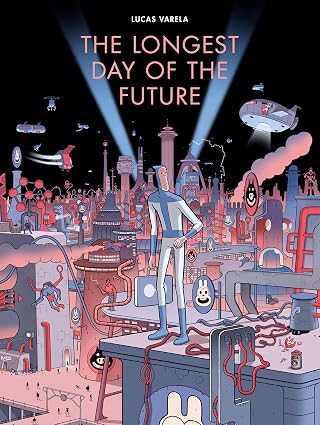
The Longest Day of the Future by Lucas Varela
An alien fleeing dangerous creatures arrives on a planet controlled by rival food corporations. The discovery of its technology intensifies a commercial conflict, drawing an employee and a robot into increasingly violent events. Lucas Varela creates a visually inventive science-fiction satire in which corporate branding, strange technology and exaggerated action reveal the workings of a dystopian society. This silent graphic novel combines absurd humour with darker observations about commerce and power. Its intricate narrative gives older students opportunities to interpret satire, visual symbolism and the construction of speculative worlds.
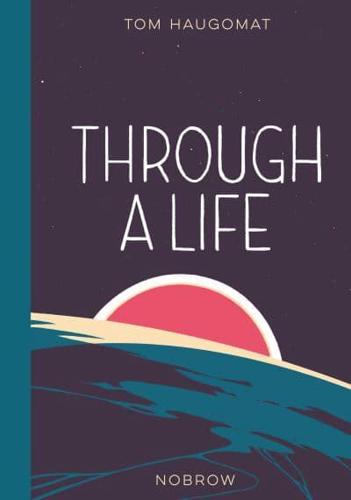
Through a Life by Tom Haugomat
Tom Haugomat follows the life of Rodney, whose childhood fascination with space shapes his ambitions and experiences as he grows older. The story moves through important moments in his life, connecting personal memories with the wider history of space exploration. Carefully composed illustrations and changes in perspective convey the passage of time, relationships and emotional turning points. This almost wordless visual narrative invites students to reflect on ambition, memory, loss and the ways a life can be represented through a sequence of significant images.
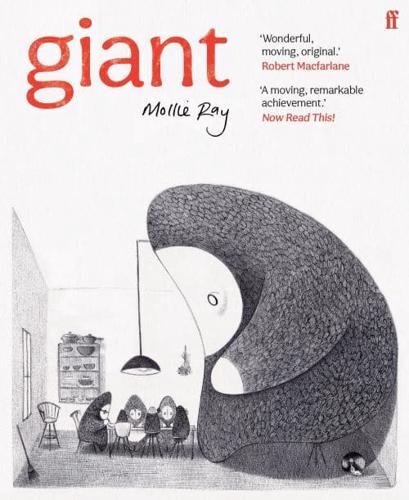
Giant by Mollie Ray
A teenage boy wakes one morning to discover that he has become a giant. His extraordinary physical transformation becomes a visual metaphor for the effects of serious illness on his life and family. As he undergoes treatment, the illustrations communicate changing relationships, anxiety, care and resilience. Mollie Ray draws on a personal family experience to create this wordless graphic novel about confronting a life-threatening condition. The story offers sixth-form students opportunities to consider how visual metaphors can communicate illness, emotional experience and the importance of family support.
Lynd Ward: Six Novels in Woodcuts by Lynd Ward
This two-volume collection brings together six pioneering wordless novels by American artist Lynd Ward. Created during the early twentieth century, the works use expressive woodcut images to explore social injustice, ambition, relationships and the pressures of modern society. Individual novels include Gods’ Man, Wild Pilgrimage and Vertigo. The collection also contains essays that provide historical and artistic context. For sixth-form students, Ward’s visual narratives offer opportunities to investigate expressionism, political commentary and the development of storytelling through sequential images.

Click the buttons below to purchase all of the books in this wordless picture books list for children and teens, as well as class sets of any of these books and many more, from Bookshop.org UK. Or buy 30 selected titles from this list from Amazon – ideal for gifts or your classroom library.
Buy from UK.Bookshop.Org Buy from Amazon.co.ukDisclosure: If you buy books using the buttons above: we may earn a commission from Bookshop.org, whose fees support independent bookshops; as an Amazon Associate schoolreadinglist.co.uk earns from qualifying purchases.
Schools & teachers: please respect copyright and don’t copy our wordless picture books for children and teens list. If you find our book recommendations useful, please consider sharing on social media or linking to this page instead. Thanks.
Wordless picture books resources for teachers
- Scottish Book Trust provides practical advice for sharing wordless picture books with children. Suggestions include using open-ended questions, encouraging children to notice visual details, developing storytelling vocabulary and exploring alternative interpretations of the same illustrations. Particularly useful for EYFS and KS1 teachers.
- The Scottish Book Trust Reading Schools resource for Journey by Aaron Becker includes free downloadable teaching activities covering creative writing, visual literacy, drama, music, art, critical thinking and problem-solving. The differentiated activities can be adapted for KS1 and KS2 pupils or used as part of a whole-school project.
- Oak National Academy offers a free Year 5 English lesson based on Jeannie Baker’s wordless picture book Mirror. Resources include lesson slides, a teaching video, worksheets and quizzes. Activities explore dual narratives, prediction, visual interpretation, collage techniques and how different readers understand the same images.
- Author and illustrator Aaron Becker’s website features a downloadable Journey Trilogy Activity Kit and a guide to reading wordless picture books. Teachers will also find author interviews, questions and answers, drawing activities and ideas for using Journey, Quest and Return to inspire creative writing, imaginative storytelling and artwork.
- The National Literacy Trust’s Reading the World resource explores using picture books to encourage discussion, critical thinking and interpretation. Its teaching prompts address identity, belonging, culture and community, with suggested texts for pupils from EYFS to KS5. The resource is particularly relevant to developing deeper responses to visual narratives. Access to the downloadable materials requires membership.
- Highland Literacy explains how wordless picture books can develop vocabulary, oral comprehension, sequencing, narrative skills and verbal reasoning. The guidance includes approaches for asking questions, encouraging children to describe illustrations and supporting pupils in retelling stories. Useful for primary teachers planning structured reading comprehension activities.
- Reading Rockets offers a practical guide to sharing wordless picture books, including examining covers, predicting events, discussing facial expressions, identifying visual clues and constructing stories through conversation. The activities can be adapted for individual reading, small groups or whole-class storytelling.
- The Reading Rockets guide to exploring wordless picture books examines how visual narratives develop inference, interpretation, comprehension and critical thinking. It discusses books including Flotsam, The Arrival, The Red Book and The Lion and the Mouse, with approaches suitable for primary and secondary classrooms.
- Scottish Book Trust’s resources for supporting children with English as an additional language include downloadable guidance on using wordless books to encourage participation, vocabulary development and collaborative storytelling. Activities involve describing illustrations, using sequencing language and adding speech or thought bubbles in English and pupils’ home languages.
- BookTrust’s guidance on picture books and English as an additional language discusses how illustrations can develop vocabulary, encourage conversation and help children interpret feelings and events. It specifically recommends exploring wordless stories such as The Snowman by Raymond Briggs and encouraging pupils to create their own narratives from the artwork.
- Reading Schools’ teaching pack for The Arrival by Shaun Tan provides free downloadable cross-curricular activities primarily designed for secondary pupils. The resources cover English, social studies, drama, art, design and technology, and health and wellbeing. The wordless narrative offers opportunities to explore migration, identity, unfamiliar environments and belonging through visual storytelling.
- Teach Primary’s KS2 book topic on The Arrival, written by Seven Stories, explores Shaun Tan’s wordless narrative through creative writing, character development and visual interpretation. Suggested activities include writing dialogue for illustrated scenes, inventing imaginary creatures, developing character backstories and creating models of the book’s unfamiliar city.
BISAC JUV008000, CGN000000. | Thema YBCS, XAB.