Picture books for KS2
Picture books for KS2 combine memorable stories with artwork that rewards careful looking. Across Years 3 to 6, they can inspire inference, discussion, poetry, creative writing and cross-curricular work. These twenty books range from wordless mysteries and richly illustrated adventures to stories about migration, memory, music and the natural world. They offer plenty to revisit together, even as children become confident independent readers. This list features books by Anthony Browne, Michael Rosen, Nicola Davies, Oliver Jeffers, David Almond, Robert Macfarlane, Jackie Morris, David Wiesner, David Litchfield, Joe Todd-Stanton, and Frenci Sanna.
Picture books for KS2 – our recommendations
Picture books for 7-11 year olds
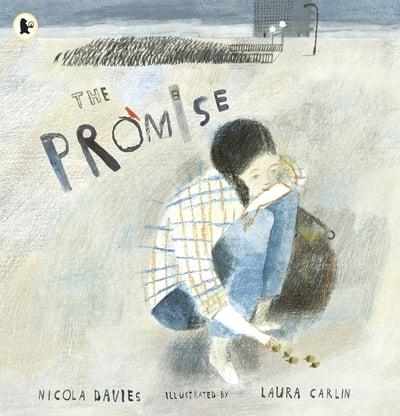
The Promise by Nicola Davies, illustrated by Laura Carlin
A girl steals an old woman’s bag on a bleak city street, but first she must make a promise: to plant everything inside it. The bag holds acorns, and her journey soon brings trees and colour to places that have lost their connection with nature. Laura Carlin’s artwork makes the transformation of each landscape especially striking. This fascinating illustrated fable opens up thoughtful conversations about caring for shared spaces, keeping promises and how a single action can inspire change.
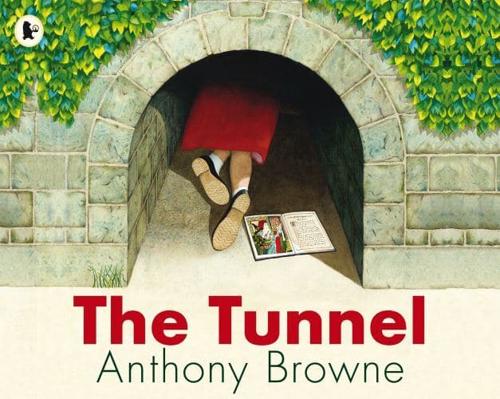
The Tunnel by Anthony Browne
A brother and sister have little in common. He enjoys playing outside; she prefers books, and their arguments lead them to a mysterious tunnel. When her brother disappears through it, the girl follows him into a forest that seems to belong to a fairy tale. Anthony Browne layers visual clues and familiar storybook imagery into the pictures, rewarding close observation. This highly imaginative story invites discussion about courage, sibling relationships and what illustrations can reveal beyond the written text.
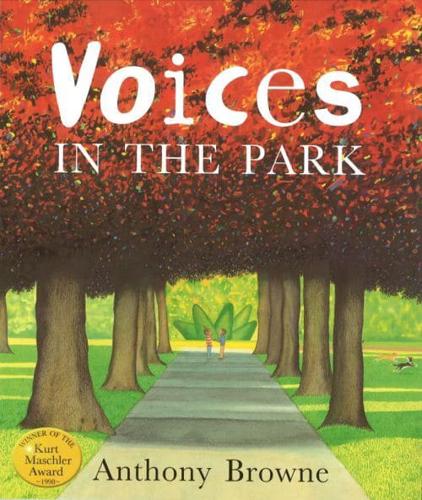
Voices in the Park by Anthony Browne
Four different voices recount a visit to the same park, but each narrator notices and feels something different. Anthony Browne’s human-like gorillas inhabit a world where changes in colour, lettering and background details enrich the story. Children can compare the accounts, investigate the characters’ assumptions and notice how the illustrations reflect their moods. It makes a particularly interesting starting point for work on viewpoint, inference and rewriting an event from another character’s perspective.
The Dam by David Almond, illustrated by Levi Pinfold
Before a Northumberland valley is flooded to create Kielder Water, a girl called Kathryn and her father return to its abandoned houses, where she plays her fiddle and he sings. David Almond’s lyrical prose and Levi Pinfold’s expansive paintings give this story a powerful sense of place. It brings together landscape, memory, community and music, making it a rich and expressive read-aloud. In KS2, the images and text can also prompt questions about how places change and what people carry with them when they leave.

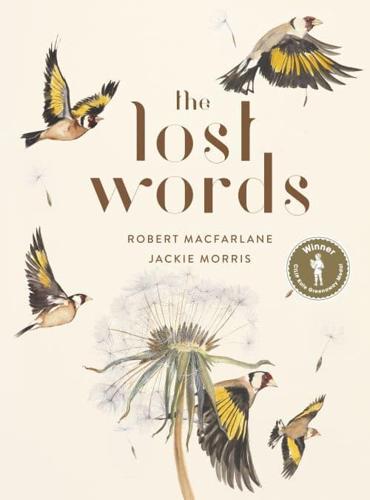
The Lost Words by Robert Macfarlane and Jackie Morris
Acorns, kingfishers, otters and other elements of the natural world return to the page through Robert Macfarlane’s acrostic spell-poems and Jackie Morris’s detailed paintings. Each word becomes an opportunity to look closely at the plants, birds and animals found across Britain. The generous format gives the artwork room to breathe and lets children revisit the poems at their own pace. It’s a rewarding book for linking outdoor observation, vocabulary, descriptive writing, art and the sound of words read aloud.
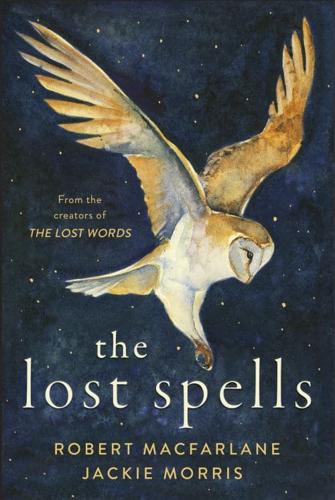
The Lost Spells by Robert Macfarlane and Jackie Morris
Small enough to hold comfortably, this collection pairs poems that sound like spoken spells with Jackie Morris’s pictures of the natural world. Barn owls, grey seals, jackdaws and silver birches are among the creatures and plants celebrated. The variety of poetic voices encourage children to experiment with rhythm, imagery and performance, while the artwork invites careful study of colour and movement. It is particularly useful alongside nature journals, poetry writing and classroom conversations about the living things around us. A stunning book.
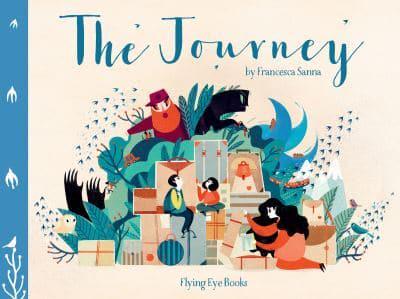
The Journey by Frenci Sanna
A mother and her two children leave their home when war makes it unsafe. Their long journey takes them across borders, through unfamiliar landscapes and towards the possibility of a new beginning. Frenci Sanna tells the story through a child’s eyes, using scale, shadow and colour to communicate fear as well as hope. This outstanding book offers a sensitive starting point for considering displacement, family relationships and the experiences of people searching for safety.
One Day: A True Story of Courage and Survival in the Holocaust by Michael Rosen and Benjamin Phillips
In One Day, Michael Rosen shares the remarkable true story of Eugène Handschuh and his father, who escaped a Nazi convoy bound for Auschwitz during WWII. After several failed attempts, they find freedom with help from the French Resistance. Illustrated by Benjamin Phillips, this exceptional large format picture book highlights courage, compassion, and resilience. Aimed at upper primary aged children, it offers a sensitive introduction to Holocaust history, with Rosen providing valuable historical context for deeper understanding and discussion. Highly recommended.

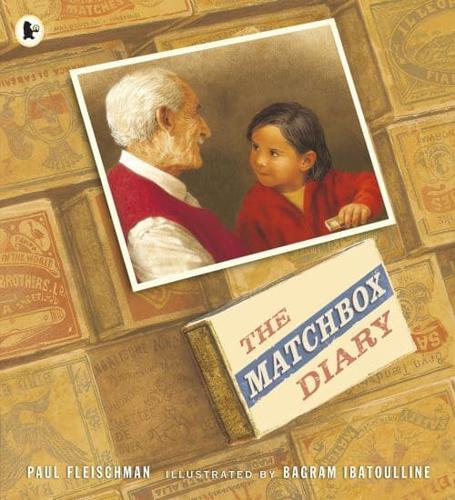
The Matchbox Diary by Paul Fleischman, illustrated by Bagram Ibatoulline
A young girl visits her great-grandfather and discovers an unusual diary: a collection of matchboxes, each containing a small object from his past. An olive stone, a hairpin and other keepsakes help him tell the story of leaving Italy for America as a child. Much of the narrative unfolds through their conversation, accompanied by Bagram Ibatoulline’s carefully observed illustrations. The idea of preserving memories through objects offers KS2 classes an inviting route into family histories, migration stories and personal storytelling.
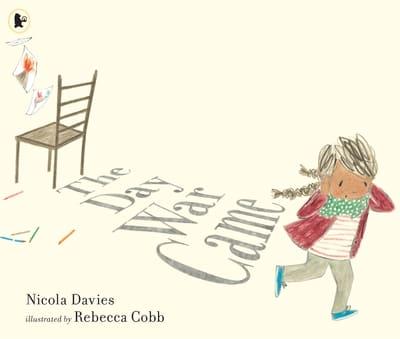
The Day War Came by Nicola Davies, illustrated by Rebecca Cobb
An ordinary school day changes suddenly when war reaches a young girl’s home. Forced to leave, she travels alone and looks for a place where she can continue learning. Rebecca Cobb’s illustrations carry much of the story’s emotion, and the image of an empty classroom chair becomes a symbol of welcome. Nicola Davies’s spare language makes space for children to reflect on kindness, refuge and the importance of education. This is a moving text for thoughtful, teacher-led discussion.
Flotsam by David Wiesner
A boy searching a beach for washed-up treasures discovers an old underwater camera. The photographs inside reveal extraordinary sea creatures and a sequence of images stretching back through generations of children. David Wiesner tells the adventure entirely through pictures, filling each spread with details to inspect and interpret. Children can create dialogue, order events, explain visual clues or imagine the stories behind individual photographs. It is an absorbing example of how a wordless picture book can sustain complex storytelling. Highly recommended.

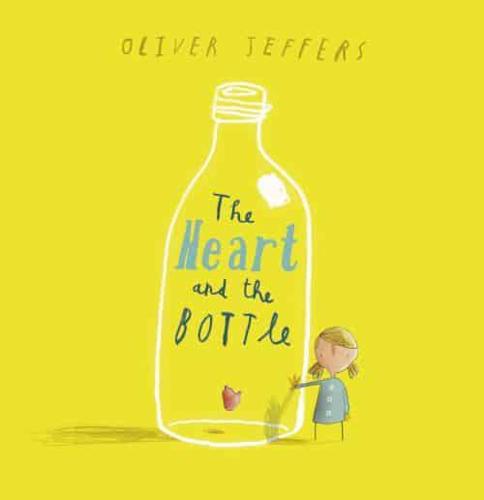
The Heart and the Bottle by Oliver Jeffers
A curious girl once delighted in discovering how the world worked. After a painful loss, she decides to protect her heart by putting it inside a bottle, and her sense of wonder fades. Oliver Jeffers uses an imaginative visual metaphor to tell a gentle story about grief, emotional protection and rediscovery. The spare text leaves plenty for children to interpret from the pictures. For classroom discussion, it can help introduce the language of feelings and encourage thoughtful responses to symbolic images.
Old Oak and the Wild Flowers by Elena Mannion and Erin Brown
When the hot summer changes the landscape, Old Oak and Mr Shield worry for the future. Deep down in Old Oak’s trunk, the insects have an important decision to make. Will the Barley Field return to normal by next summer? This enchanting and lyrical hardback story shows KS2 children how important nature and wildlife are to the countryside ecosystem. A work of art, Old Oak and the Wild Flowers is a beautiful and memorable picture book to inspire conservation and discussion about protecting rural England.

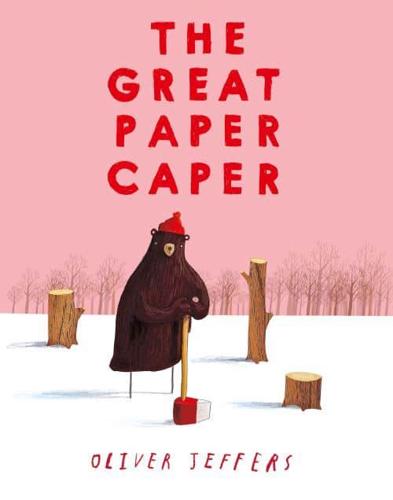
The Great Paper Caper by Oliver Jeffers
Something strange is happening in the forest. Branches are vanishing, trees are disappearing and the animals decide to investigate. Oliver Jeffers turns the mystery into a playful detective story, complete with suspects, clues and a wonderfully inventive explanation. Children can follow the trail of evidence, examine how humour works in pictures and text, and consider the consequences of using natural resources. The book lends itself to crime-scene reports, persuasive writing and environmental conversations in the classroom.
On the Small Hill Where the Girls Take Off Their Shoes by Jairo Buitrago, illustrated by Linda Wolfsgruber
This fascinating picture book explores the passage of time through a small hill’s historical significance. The story, beautifully illustrated by Linda Wolfsgruber, depicts a group of girls playing on the hill while revealing its past – from dinosaurs to modern-day events. Addressing themes of history and displacement, it will encourage readers to think about their own community history. The narrative blends past and present with artwork that sensitively depicts the gradual passage of time. Highly recommended for eliciting discussions with classes in lower KS2.

Hike by Pete Oswald
KS2 children can embark on a visual celebration of nature and relate to the special bond between a father and child. As the day begins, the duo sets off on a hike, exploring the wonders of the wilderness, overcoming challenges, and planting a tree together as part of a family tradition. Through detailed panels and textured panoramas, Oswald weaves a nearly wordless adventure, inviting readers to pause and savour the subtle wonders along the way. This touching tribute, with resonant themes for Earth Day, captures the essence of the father-child bond, creating a breath of fresh air in the world of picture books. Each page is a testament to the magic found in the great outdoors and the lasting memories made on a shared journey.

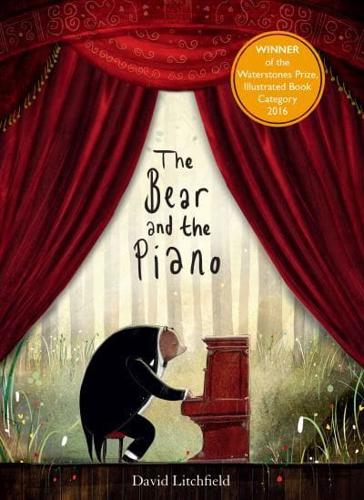
The Bear and the Piano by David Litchfield
Deep in a forest, a young bear discovers a piano and gradually learns to play. His music takes him all the way to New York, where he enjoys success but begins to miss the home and friends he left behind. David Litchfield’s luminous illustrations capture the contrast between woodland quiet and the bright energy of the city. Beneath the adventure is a story about ambition, loyalty and belonging. Children can respond through music, visual comparisons and writing from the bear’s point of view.
Tree Thing by Piers Torday, illustrated by Matthew Taylor Wilson
Marlo lives in a bleak valley where nothing grows, until his squirrel uncovers a glowing acorn that sprouts into Tree Thing and slowly brings the land back to life, in this outstanding and distinctive hybrid picture book chapter book for 9-11 with immersive illustrations on most pages. When a shadowy rider appears and threatens the new growth, Marlo must find the courage to protect the creature he helped nurture. Piers Torday’s mesmerising story leans into themes of nature and resilience, with Matthew Taylor Wilson’s enchanting artwork adding atmosphere and warmth throughout. Highly recommended.

The Tomorrow Tree by Maciej Michno and Danio Miserocchi, illustrated by Valentina Gottardi.
This beautifully illustrated nonfiction picture book explores what happens after a tree falls, and why that’s just the beginning of the story. From fungi and insects to birds and mammals, it shows how a fallen tree becomes a hub of life in the forest. Aimed at primary-aged children, it introduces big ideas like life cycles, biodiversity, and sustainability in a way that’s clear and engaging. Written by Maciej Michno and Danio Miserocchi, with a focus on nature’s hidden heroes. Highly recommended for 7-9 year olds.

The Night Creatures: Firefly by Robert MacFarlane and Luke Adam Hawker
When a child steps into the winter dark and stumbles on a meadow glowing with fireflies, Robert Macfarlane tells the story in lyrical, rhythmic verse in this timeless modern classic. Luke Adam Hawker’s detailed black-and-white etchings give each scene a quiet pulse, evoking light, hope, and the pull of the natural world which run throughout the book. Drawing 7+ year-olds into moments of calm and contemplation, the sparse words and evocative artwork intertwine beautifully to create a sense of awe and wonder.

Footprint by Phil Cummings
Embark on a magical and thought-provoking journey through nature’s wonders in this lyrical hardback picture book by Phil Cummings. With stunning illustrations by Sally Soweol Han, 7+ year-olds will be moved to think about the environment and the importance of conservation. Through beautiful prose and mesmerising artwork, Footprint will inspire both children and adults to appreciate the beauty of the world around them and take mindful steps to protect it. It’s an outstanding book which deserves to be in every primary school library.

The Enchantment of Golden Eagle by Margaret Wild and Stephen Michael King
Ella and her younger brother Leif discover a young golden eagle with a broken wing and nurse it back to health. Grateful for their kindness, the eagle promises to stay near their home at the edge of the forest. But when the wind calls, it cannot resist flying away, leaving the children frightened and disappointed. Angry at the broken promise, Ella tells the eagle it must fly for a year and a day. Its eventual return brings an opportunity for forgiveness and understanding. Beautifully illustrated by Stephen Michael King, this thoughtful picture book for 7-11 year olds explores love, loyalty, freedom and the difficult emotions that accompany letting go.

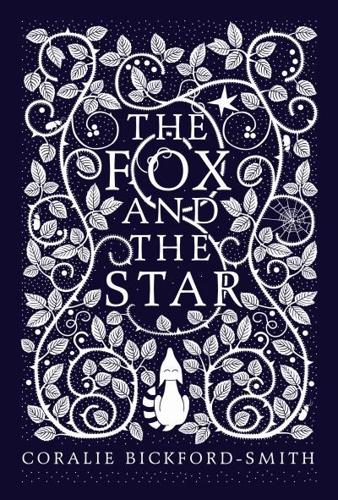
The Fox and the Star by Coralie Bickford-Smith
Fox lives in a forest and relies on the light of his beloved Star. When Star disappears, he must find the courage to venture beyond his familiar surroundings. Coralie Bickford-Smith’s distinctive illustrations use repeated shapes, decorative patterns and shifting light to convey the forest and Fox’s feelings. This beautifully designed fable encourages close visual reading as well as discussions about loss, change and independence. The striking use of pattern also makes it an interesting starting point for printmaking and illustrated storytelling.
Sketch by Jacques Goldstyn
A boy who sees the world differently grows up in a town that prizes order and sameness. At home and in art class, he’s encouraged, but mostly, he feels alone. That changes when he starts at a new school and meets others who share his creative spark. Originally published in French, this quietly powerful and emotive picture book for 7+ year olds follows an early artistic journey, showing how friendship and self-expression can flourish even in places that resist difference. Highly recommended.

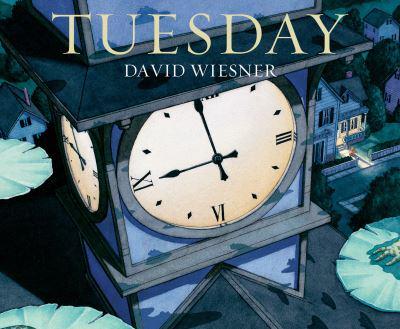
Tuesday by David Wiesner
On an otherwise ordinary Tuesday evening, frogs rise from their pond on floating lily pads and take to the skies. Their nocturnal journey through a town unfolds in a series of astonishingly detailed pictures. David Wiesner leaves children to work out the sequence, invent the sounds and explain the reactions of the people and animals below. The almost-wordless format makes it especially enjoyable for collaborative storytelling, comic-strip writing and exploring how changes in viewpoint create humour and suspense.
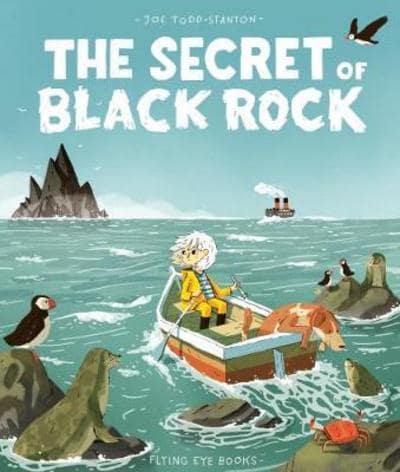
The Secret of Black Rock by Joe Todd-Stanton
Erin loves the sea and longs to discover what lies beyond the harbour, especially the mysterious Black Rock that local sailors fear. When she finally encounters it, she discovers a remarkable living world beneath the waves. Joe Todd-Stanton’s richly coloured illustrations fill the underwater scenes with creatures and intricate details. Erin’s curiosity and determination make the adventure an appealing way to discuss marine habitats, conservation and the difference between rumours and first hand observation.
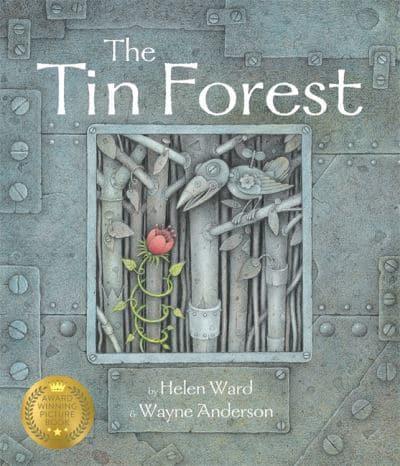
The Tin Forest by Helen Ward, illustrated by Wayne Anderson
An old man lives among heaps of discarded metal and dreams of a green forest filled with life. Using the materials around him, he begins to create the trees and creatures he imagines. Wayne Anderson’s detailed illustrations trace the changes in this unusual landscape, bringing Helen Ward’s hopeful fable to life. The story offers plenty to consider about ingenuity, imagination and caring for the environment. KS2 pupils could develop their own recycled-world artwork or write descriptions inspired by the contrasting scenes.
The Secret of the Bush by Grazia Caleo and Kremena Dimitrova
During the 2014–2016 Ebola outbreak in West Africa, 10-year-old Fatou and her grandmother, Grand Mammy Hawa, face the virus’s impact on their village. Inspired by Dr Grazia Caleo’s work with Doctors Without Borders, this story explores resilience, traditional healing, and the power of knowledge in a crisis. Aimed at readers seven and up, it offers a moving look at community strength and understanding during uncertain times. With immersive text and highly engaging artwork, this large format picture book is highly recommended for KS2.

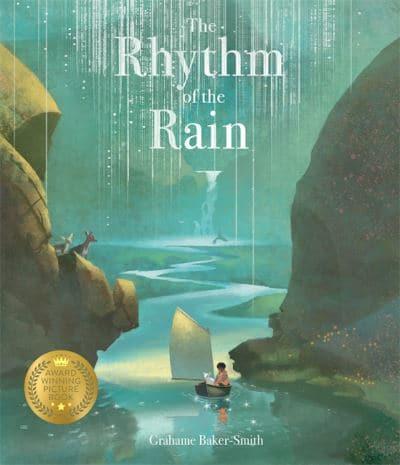
The Rhythm of the Rain by Grahame Baker-Smith
Issac plays beside a mountain pool and wonders where the water from his little jar might travel. From streams and rivers to the vast ocean and clouds, the illustrations follow water across the planet until rain reaches Cassi’s dry village. Grahame Baker-Smith’s picture book brings the water cycle to life through a continuous visual journey. Its detailed landscapes make an appealing companion to KS2 science work on evaporation, precipitation and rivers, while also inspiring descriptive writing about weather and place.
The Barnabus Project by Eric Fan, Terry Fan and Devin Fan
Under a pet shop called Perfect Pets, Barnabus and his friends live in a secret laboratory. They have been labelled Failed Projects because they do not match the shop’s idea of perfection. When they learn what awaits them, they work together on a daring escape. The Fan brothers build an intricate illustrated world filled with strange hybrid creatures and hidden spaces. This imaginative adventure opens up discussion about friendship, acceptance, cooperation and the value of being yourself.

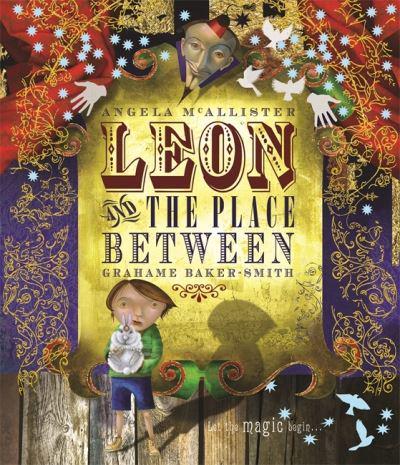
Leon and the Place Between by Angela McAllister, illustrated by Grahame Baker-Smith
Leon believes that magic is real, even when his brothers and sister are sceptical. At Abdul Kazam’s show, he volunteers to take part and finds himself transported into the extraordinary Place Between. Rabbits, playing cards and magician’s assistants populate this mysterious world, rendered in Grahame Baker-Smith’s sumptuous mixed-media illustrations. Die-cut pages add to the sense of stepping inside the performance. It is an enjoyable springboard for descriptive language, imaginative writing and examining how design shapes a story. An outstanding picture book.
Click the buttons below to purchase all of the books in this KS2 picture books list, as well as class sets of any of these books and many more, from Bookshop.org UK. Or buy all the titles from this list from Amazon – ideal for gifts or your classroom library.
Buy from UK.Bookshop.Org Buy from Amazon.co.ukDisclosure: If you buy books using the buttons above: we may earn a commission from Bookshop.org, whose fees support independent bookshops; as an Amazon Associate schoolreadinglist.co.uk earns from qualifying purchases.
Schools & teachers: please respect copyright and don’t copy our picture books for KS2 list. If you find our book recommendations useful, please consider sharing on social media or linking to this page instead. Thanks.
Picture books for KS2 resources for teachers
- The Centre for Literacy in Primary Education’s Power of Pictures programme provides picture book teaching sequences, author and illustrator videos, book recommendations and classroom activities for primary teachers. Resources explore how illustrations can develop inference, comprehension, storytelling and creative writing in KS2. Online materials are available with free registration, with additional professional development courses offered separately.
- Education Endowment Foundation: Power of Pictures – Information about a picturebook-based programme designed to develop writing through illustration and storytelling.
- A New Direction offers free downloadable teaching sequences and classroom materials developed with the Centre for Literacy in Primary Education. Resources include a KS2 Power of Pictures sequence for Tiger, It’s Snowing! by Daishu Ma, activities based on The Promise by Nicola Davies, and teaching ideas exploring illustration, storytelling, drama and creative writing.
- The National Literacy Trust’s Reading the World resource explores using picture books to encourage critical thinking, discussion and interpretation. It includes suggested books for 7-11 year olds and teaching prompts covering identity, belonging, culture and community. The resource is designed to support inclusive classroom discussions and is available to members.
- Scottish Book Trust’s Creating a Picture Book in Class resource helps older primary pupils plan, write, illustrate and produce their own picture books. The downloadable teaching pack includes activities for exploring story structures, developing characters and organising page layouts, together with printable planning worksheets. Completed books can be shared with younger classes as part of a paired reading project.
- The Scottish Book Trust Reading Schools resource for Journey by Aaron Becker includes free downloadable activities based on this wordless picture book. The pack covers creative writing, visual literacy, drama, art, digital storytelling, critical thinking and health and wellbeing. Differentiated tasks can support individual KS2 classes or a whole-school picture book project.
- Amnesty International UK’s teaching resources for The Journey by Francesca Sanna include a free activity pack and teaching notes for pupils aged 7-14. The materials use the book’s illustrations and narrative to examine migration, displacement, family and the experiences of refugees. Questions encourage pupils to interpret visual details, discuss different perspectives and develop empathy and critical thinking.
BISAC JUV000000, JUV029010, JUV039050. | Thema YBCS.