Suffragette books for children and teens
These suffragette books for children and teens bring the campaign for votes for women to life through historical fiction, illustrated biography and nonfiction. British and Irish suffrage stories sit alongside global and American perspectives for older readers, giving teachers routes into protest, political change, equality and the experiences of individual campaigners. This list features books by Sally Nicholls, Bali Rai, Sufiya Ahmed, Linda Newbery, Holly Webb, Iszi Lawrence, David Roberts, Anna Carey, Tonya Bolden, and Cat Winters.
Suffragette books for children and teens – our recommendations
Suffragette books for children aged 7-12
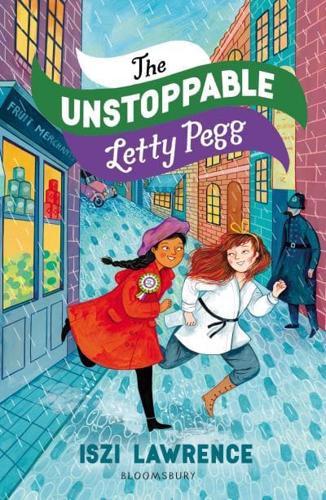
The Unstoppable Letty Pegg by Iszi Lawrence
Lettice Pegg is caught between two sides of the campaign for votes for women: her mother is a suffragette and her father is a policeman. School, roller skates and the music hall matter to Letty too, until violence at a protest pulls her closer to the movement. She discovers that some suffragettes are learning jiu jitsu to defend themselves and begins training alongside them. This lively historical adventure for 9+ year olds mixes family tension, friendship and campaigning.
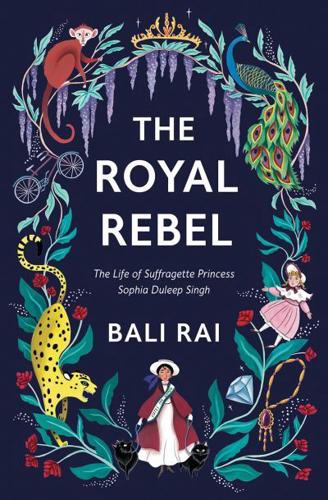
The Royal Rebel: The Life of Suffragette Princess Sophia Duleep Singh by Bali Rai, illustrated by Rachael Dean
Bali Rai tells the life of Princess Sophia Duleep Singh through an accessible historical narrative for 9+ year olds. The daughter of the last Sikh ruler of the Punjab and a goddaughter of Queen Victoria, Sophia grows up between the worlds of Britain and India before turning her attention to injustice and the campaign for women’s votes. Rachael Dean’s illustrations accompany a story that brings together royalty, empire, identity and political action.
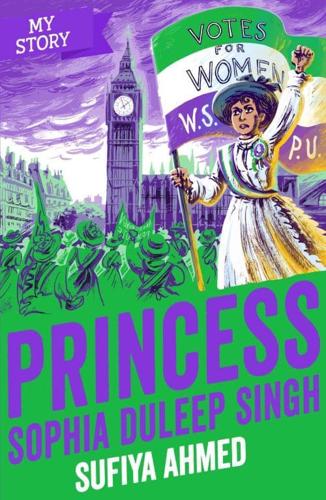
My Story: Princess Sophia Duleep Singh by Sufiya Ahmed, illustrated by Euan Cook
Princess Sophia Duleep Singh’s remarkable life is retold for 9-10 year olds in this illustrated My Story title. Born in London in 1876, Sophia was the daughter of Maharaja Duleep Singh, the last ruler of the Sikh Empire, and Bamba Müller, whose family background was German and Ethiopian. A goddaughter of Queen Victoria, Sophia grew up amid royal privilege and the legacies of empire before becoming a determined campaigner for women’s right to vote. With illustrations by Euan Cook, this engaging book introduces children to a fascinating figure in British history.
The Time Travellers: Adventure Calling by Sufiya Ahmed
Join Suhana, Mia, and Ayaan as they take an unexpected journey back to 1911 during a visit to Parliament. Suddenly in the middle of a women’s suffrage demonstration, they must navigate key historical events while finding a way to return to their own time. This highly researched, insightful and relatable story will appeal to children who enjoy finding out about history and teachers looking for diverse reading material about the Suffragettes. Highly recommended. Read our full review.

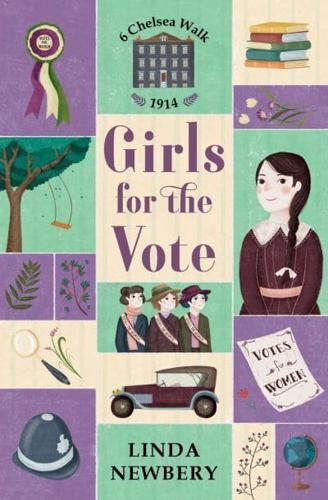
Girls for the Vote by Linda Newbery
Linda Newbery takes 9+ year olds into Edwardian Britain at a time when the campaign for women’s votes was becoming impossible to ignore. Through historical fiction, the book brings the suffragette movement into the lives and choices of young people, opening up questions about fairness, protest and the freedoms women were denied. The period setting gives children a story-led way to encounter demonstrations, changing attitudes and the determination behind the struggle for political representation.
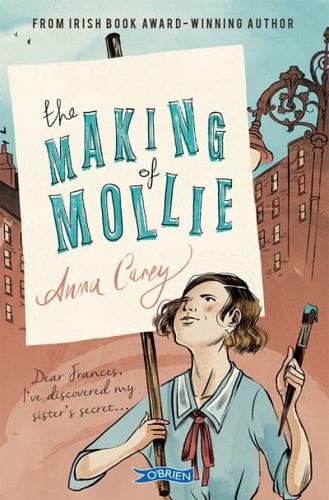
The Making of Mollie by Anna Carey
This epistolary historical novel for 10+ year olds opens in 1912 Drumcondra, where fourteen-year-old Mollie Carberry discovers that her older sister Phyllis is secretly involved in the suffrage movement. After attending a meeting, Mollie wants to help too and persuades her best friend Nora to join her. Told through Mollie’s letters to a friend, this moving novel brings school and family life together with the developing campaign for women’s votes in Dublin and the thrill of becoming involved in political change.
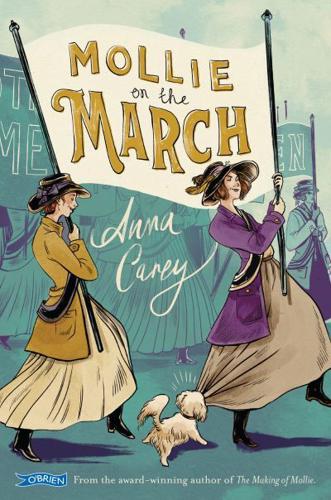
Mollie On The March by Anna Carey
Mollie Carberry and her best friend Nora are still trying to play their part in the campaign for women’s rights when news arrives of a major protest. They are determined to take part, even as family, school and everyday complications compete for their attention. Set in Dublin, this sequel continues Anna Carey’s lively view of teenage involvement in the suffrage movement and the choices young campaigners face. This emotive story for 11+ year olds keeps political action closely intertwined with friendship, home life and growing independence.
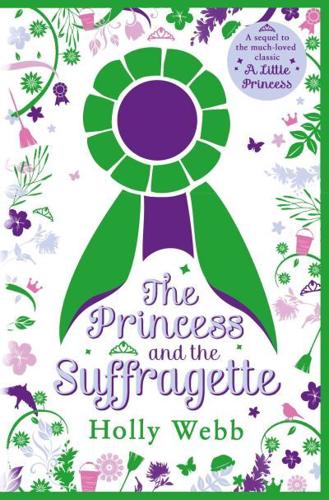
The Princess and the Suffragette: a sequel to A Little Princess by Holly Webb
In 1913, Lottie is still living at Miss Minchin’s school when Sara Crewe’s visits introduce her to the Suffragette movement. Curious and increasingly determined, Lottie slips out to attend a demonstration, while questions about her distant father and missing mother begin to surface. Holly Webb’s sequel to A Little Princess uses a familiar fictional world to open a new historical story about women demanding political rights. This UKS2/KS3 novel blends friendship, family secrets and the excitement of public protest.
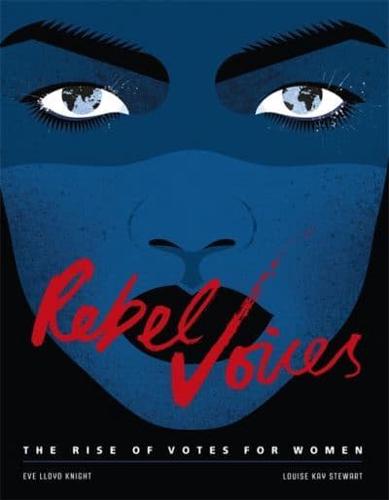
Rebel Voices: The Rise of Votes for Women by Louise Kay Stewart, illustrated by Eve Lloyd Knight
Beginning with New Zealand in the late nineteenth century, this illustrated history follows the campaign for women’s voting rights across continents and decades. Louise Kay Stewart introduces campaigners and tactics from Europe, the Americas, Africa, Asia and Oceania, showing how women challenged inequality in very different political settings. Eve Lloyd Knight’s bold artwork gives the book a distinctive visual identity. 9+ year olds can compare the British suffragette story with a much wider global history of women organising for a political voice.
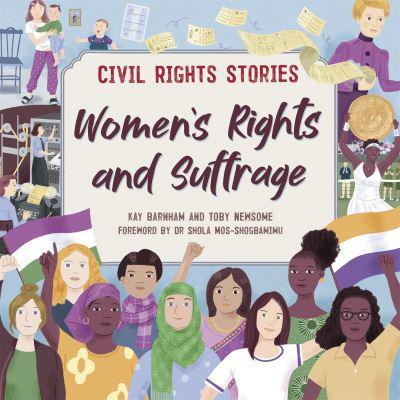
Civil Rights Stories: Women’s Rights and Suffrage by Kay Barnham, illustrated by Toby Newsome
This concise illustrated history places women’s suffrage within the larger struggle for civil rights. Kay Barnham traces landmark campaigns for voting rights in different countries and also considers barriers women have faced in education, work, sport and public life. The book acknowledges that racial inequality created additional obstacles for Black, Indigenous and other women of colour. Short, clear sections prompt discussion about rights, representation and social change.
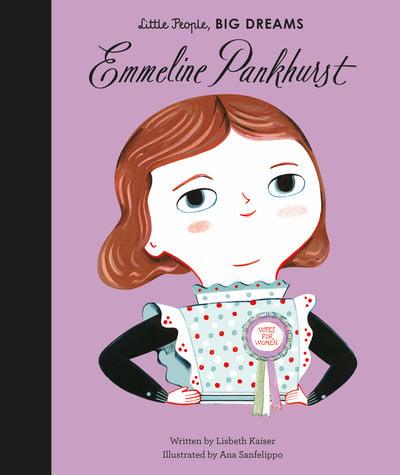
Emmeline Pankhurst by Lisbeth Kaiser, illustrated by Ana Sanfelippo
This picture-book biography for 5-8 year olds introduces Emmeline Pankhurst from childhood through to her leadership in the campaign for women’s voting rights. Lisbeth Kaiser presents the determination behind Pankhurst’s activism in short, direct text, accompanied by Ana Sanfelippo’s illustrations. Extra factual pages include a biographical timeline and historical photographs, giving children a bridge from the illustrated life story to evidence from the period. It can work particularly well for younger pupils within a mixed-age primary topic.
Suffragette books for teens aged 13+
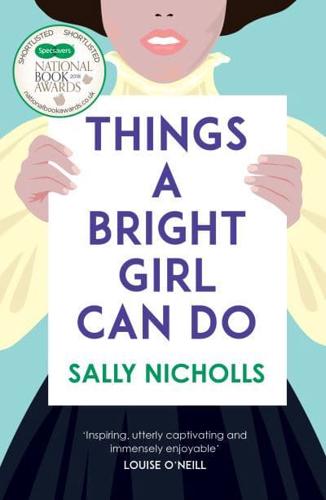
Things a Bright Girl Can Do by Sally Nicholls
Three young women experience the British suffrage campaign from sharply different starting points in this novel for 11-18 year olds. Seventeen-year-old Evelyn wants an education and joins the Suffragettes, while fifteen-year-old May supports the non-violent Suffragist cause and falls in love with Nell, who has grown up in poverty. Rallies, imprisonment, class divisions and the approach of the First World War shape their choices. Sally Nicholls uses their intersecting stories to connect political conviction with friendship, love and the everyday limits placed on women.
Suffragette: The Battle for Equality by David Roberts
David Roberts writes and illustrates this substantial history of the campaign for votes for women. 12+ year olds meet figures including Rosa May Billinghurst, Emmeline Pankhurst, Millicent Fawcett and Emily Wilding Davison, alongside a wider range of people from different social backgrounds. Detailed colour artwork sits alongside an account of protest, imprisonment and political change, while the book also looks beyond Britain to the wider struggle for universal suffrage. It works well as both a visual history and an immersive reference book.

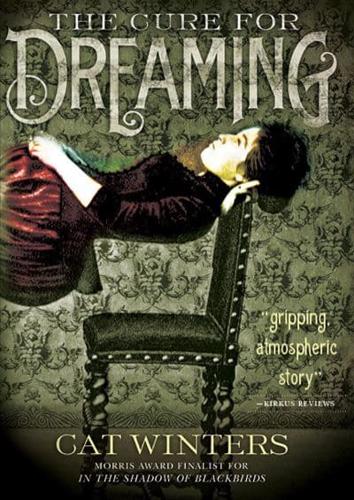
The Cure for Dreaming by Cat Winters
Oregon, 1900. Olivia Mead is a determined suffragist whose father hires stage mesmerist Henri Reverie in an attempt to suppress her rebellious ideas. The hypnosis has an unexpected effect: Olivia begins seeing people’s true natures as disturbing visions and struggles to say what she really thinks. This atmospheric historical fantasy for 12+ year olds links the fight for women’s rights with questions about voice, control and self-determination. Period photographs and artwork are woven through Cat Winters’ supernatural take on the suffrage era.
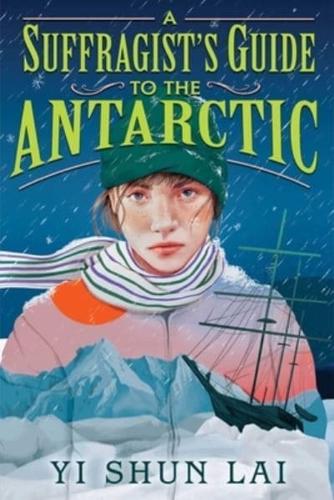
A Suffragist’s Guide to the Antarctic by Yi Shun Lai
In November 1914, eighteen-year-old Clara Ketterling-Dunbar is part of an Antarctic expedition when The Resolute becomes trapped in ice far from shore. Clara has already lied about her age and nationality to get aboard, bringing her suffragist convictions into an overwhelmingly male world. Told through journal entries, this historical survival novel for teens combines polar danger with the restrictions placed on women at the outbreak of the First World War. Yi Shun Lai gives the adventure a determined young female voice.
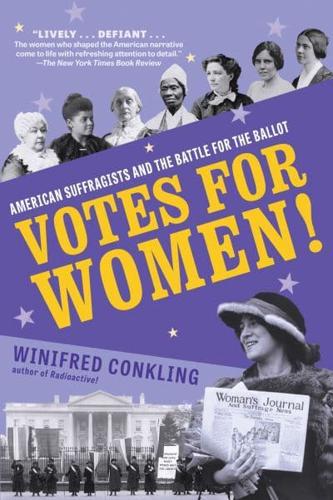
Votes for Women!: American Suffragists and the Battle for the Ballot by Winifred Conkling
This detailed history for 13+ year olds traces the American campaign for women’s suffrage from the Seneca Falls Convention through to ratification of the Nineteenth Amendment in 1920. Winifred Conkling introduces major figures including Susan B. Anthony, Elizabeth Cady Stanton, Sojourner Truth and Alice Paul, while following decades of marches, speeches, organising, arrest and imprisonment. The book connects public campaigning with the personal convictions of the women involved, giving teenagers a substantial nonfiction account of how a long political movement developed and changed.
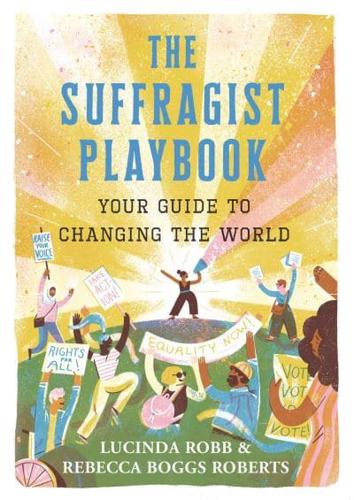
The Suffragist Playbook: Your Guide to Changing the World by Lucinda Robb and Rebecca Boggs Roberts
Part history and part guide to political action, this nonfiction book studies the tactics used by American suffragists and asks what later campaigners can learn from them. Lucinda Robb and Rebecca Boggs Roberts organise the story around practical ideas such as setting goals, telling a persuasive story, building support, lobbying and using publicity. The book also addresses racism within the movement, internal disagreements, imprisonment and hunger strikes, bringing figures including Ida B. Wells, Sojourner Truth, Alice Paul and Susan B. Anthony into a broader account of campaigning.
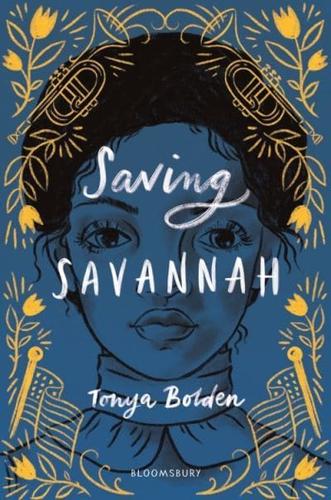
Saving Savannah by Tonya Bolden
In Washington, DC, in 1919, Savannah Riddle is growing up within an affluent African American family and beginning to question the expectations surrounding her. Meeting Lloyd, a young West Indian man from a working-class background, widens her view of the city and draws her towards suffragist lectures and socialist meetings. This historical novel for teens places Savannah’s coming of age alongside women’s rights activism, the Red Summer and political unrest, giving Tonya Bolden space to explore class, race, social responsibility and the desire to create change.
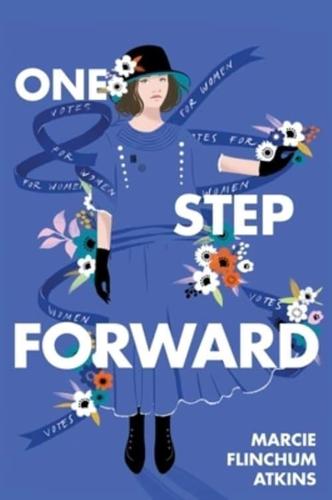
One Step Forward by Marcie Flinchum Atkins
Matilda Young becomes involved in the American fight for women’s votes and is imprisoned after picketing the White House. Told in verse, this historical novel for 13+ year olds draws on the life of the youngest suffragist jailed for that protest. Matilda grows up in a politically divided family and measures her own courage against the commitment of her older sister as the campaign becomes more confrontational. Marcie Flinchum Atkins uses a spare poetic form to bring protest, family disagreement and a teenager’s developing political voice close together.
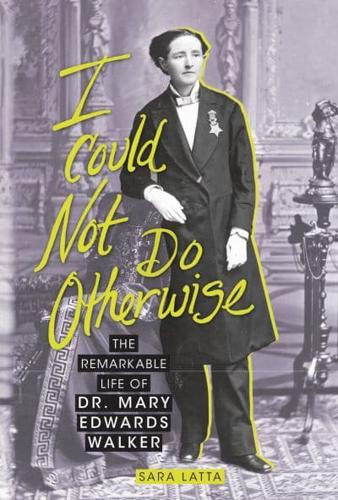
I Could Not Do Otherwise: The Remarkable Life of Dr. Mary Edwards Walker by Sara Latta
Sara Latta’s biography recovers the remarkable life of Dr Mary Edwards Walker, a physician, reformer and campaigner who challenged nineteenth-century expectations of women. Walker became a Civil War surgeon, was captured by Confederate forces, received the Medal of Honor and argued for women’s rights, dress reform and wider social change. Photographs, source notes, a bibliography and an index give the book useful depth for secondary-age research. Her story also opens discussion of divisions within the suffrage movement, including disagreements over racial equality and political strategy.
Click the buttons below to purchase all of the books in this suffragette book list, as well as class sets of any of these books and many more, from Bookshop.org UK. Or buy all the titles from this list from Amazon – ideal for gifts or your classroom library.
Buy from UK.Bookshop.Org Buy from Amazon.co.ukDisclosure: If you buy books using the buttons above: we may earn a commission from Bookshop.org, whose fees support independent bookshops; as an Amazon Associate schoolreadinglist.co.uk earns from qualifying purchases.
Schools & teachers: please respect copyright and don’t copy our suffragette book list. If you find our book recommendations useful, please consider sharing on social media or linking to this page instead. Thanks.
Suffragette resources for teachers
- The UK National Archives offers a detailed KS3-KS5 lesson exploring how the Suffragettes campaigned for votes for women. Original photographs, protest leaflets, newspaper reports and police records help pupils investigate demonstrations, militancy, Emily Wilding Davison and the government’s response to the movement.
- UK Parliament’s Votes for Women teaching pack features an audio drama following Lady Constance Lytton as she campaigns for women’s voting rights. Suitable for pupils aged 7-14, the accompanying downloadable activities include debating, letter writing and historical research, with curriculum links to history, citizenship and PSHE.
- The Historical Association’s Women’s Suffrage Resources project provides fully resourced history and citizenship lesson sequences for KS3, GCSE and A-level. Investigations explore why women wanted the vote, different campaigning methods, how historians interpret the movement, local suffragette history and which campaigners should be commemorated.
- Historic England has developed a six-lesson unit based on Leicester suffragette Alice Hawkins and the development of democracy in Britain. Downloadable PowerPoint presentations explore the fight for voting rights, Emily Davison, historical evidence, the First World War and the Representation of the People Act 1918.
- UK Parliament’s Emily Wilding Davison presentation introduces KS1 and KS2 pupils to the suffragette movement through the life of one of its best-known campaigners. The downloadable PowerPoint supports history and citizenship lessons, with English and Welsh versions available.
- LSE Library’s Suffrage 18 collection includes a downloadable suffrage timeline, a PowerPoint presentation and teachers’ notes using original sources from The Women’s Library. Suitable for KS3 and GCSE history, the materials investigate the campaign between 1908 and 1918, with additional podcasts examining working-class campaigners, Indian suffragettes and suffrage artwork.
- The National Archives’ Suffragettes on File collection brings together original documents, photographs, correspondence, police evidence and newspaper reports from the suffrage campaign. Teachers can use the sources and transcripts for KS3 and sixth form enquiries into protest tactics, imprisonment, public opinion and the treatment of campaigners.
- The Women’s Suffrage Resources database enables pupils to investigate approximately 3,000 individual campaigners using historical records from the 1866 suffrage petition and 1914 Home Office arrest records. Searchable by name and place, it is particularly useful for local history projects and researching lesser-known suffragettes and suffragists.
- LSE Library’s Change for People by People project provides free creative teaching resources inspired by historical campaigns for women’s rights. Originally developed for Year 5, the activities combine history, art, citizenship and PSHE, encouraging pupils to investigate suffrage banners, slogans and archive photographs before creating campaigns of their own.
- The National Archives’ Suffrage Tales features a stop-motion animation created by young people using original archive documents. A downloadable lesson pack includes questions about campaigning methods, working-class suffragettes, women’s imprisonment, political reform and the difference between suffragists and suffragettes. Suitable for KS3-KS5.
- The People’s History Museum in Manchester offers downloadable self-guided trails for school groups from KS1 to KS4. Younger pupils can explore a suffragette kitchen, printing press and other historical displays, while older students investigate how people campaigned for democracy, political rights and social change.
- Historic England’s 100 Years of Women in Politics resource focuses on female political pioneers from North East England. A downloadable teachers’ booklet profiles ten influential women and suggests history, literacy and art activities, including studying historical portraits, researching women’s working conditions and organising classroom debates.
- UK Parliament’s First Mass Petition resource investigates the 1866 petition for women’s voting rights through historical sources, videos, quizzes and regional worksheets. Designed for pupils aged 11-14, this interactive resource supports source analysis and local history research. An archived version is linked from the resource page while the interactive material is being redeveloped.
- The National Archives’ Suffragettes in Trousers lesson examines the often-overlooked men who supported the women’s suffrage movement. Original leaflets and archival evidence provide opportunities to compare different campaigning organisations, investigate parliamentary protests and discuss how political change was achieved.
- English Heritage’s twentieth-century teaching resources include a guide to the women’s suffrage movement, exploring influential campaigners, suffragette organisations, the impact of the First World War and the parliamentary reforms of 1918 and 1928. Useful for developing historical context and extending KS2 and KS3 history topics.
BISAC JNF023000, JUV016000, YAF024000. | Thema YNH, YFT.