Dystopian books for children and teens
Children’s and teen dystopian fiction explores imagined worlds where something has gone badly wrong, from oppressive governments and social inequality to environmental collapse or unchecked technology. Young characters are forced to challenge the rules, make difficult choices and work out what they are willing to fight for. These books tackle serious contemporary ideas, encouraging readers to question power, spot injustice and think about how society might be changed for the better. This list features books by George Orwell, Margaret Atwood, Suzanne Collins, Stephen King, William Golding, Kazuo Ishiguro, Ray Bradbury, Jordan Ifueko, Yoko Ogawa, and Patrick Ness.
Dystopian books for children and teens – our recommendations
Dystopian books for 7-12 year olds – our recommendations
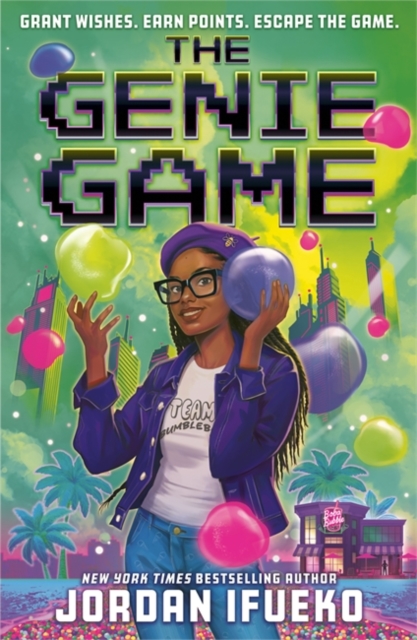
The Genie Game by Jordan Ifueko
When 13-year-old Valentine Adesanya follows a text about her missing sister, it leads her first to a boba shop, then into the mysterious and magical Genie Realm. In Gloss Angeles, three corporations control everything, using bottled genies to power a wish-based system. To get closer to the truth, Valentine enters the Genie Game, a contest where magic is banned, and starts following clues that connect the Trio Trust to her sister’s disappearance. In a looks-driven, populist and dystopian version of the world, the inspirational protagonist must fight a world where dreams can be hijacked and exploited. It’s a diverse, thought-provoking and fast-paced thriller for 10+ year olds. Highly recommended.
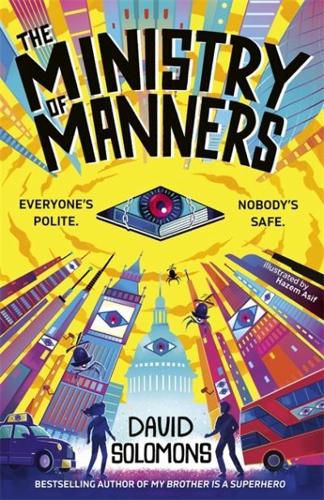
The Ministry of Manners by David Solomons
Under the Ministry of Manners, politeness is law and one wrong word can bring punishment. Alfie survives by keeping his head down, but Margot just will not play along. When she is taken to the Manners Retreat, she tries desperately to survive inside a system built to control speech, while Alfie is drawn towards the rebellious ‘Unsilenced’. Will they succeed in fighting back before the dystopian Ministry moves to crush resistance for good? David Solomons has come up with a distinctive, highly original and fascinating middle-grade novel. The perfect book for UKS2 book clubs, The Ministry of Manners will provoke lots of high-quality critical thinking and discussion in Year 6 classes. Highly recommended.
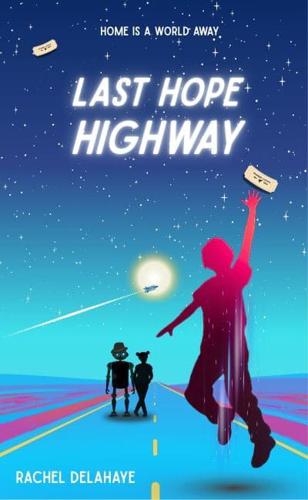
Last Hope Highway by Rachel Delahaye
Earth is dying, and Kip believes his future lies in Starlight, the newly colonised city where his family escaped without him. Stranded among thousands of people at the desperate settlement called Last Hope Highway, he waits for the monthly lottery that awards just one precious ticket away from the planet. New encounters gradually challenge his certainty that leaving is the only possible answer. This thought-provoking dystopian novel – ideal for KS3 – explores family, belonging, survival and the difficult choice between escaping a damaged world and fighting to restore it. Highly recommended, it’s perfect for book club discussion.
Pax and the Missing Head by David Barker
Twelve-year-old orphan Pax works on towering verti-farms in a future New London torn apart by civil war. After acing a tough exam, he earns a place at the Scholastic Parliament, a school filled with sharp minds and fierce competition. When the headmistress suddenly vanishes, Pax is drawn into a mystery that tests his courage and loyalty. It’s a clever blend of otherworldly authoritarianism, teamwork, and the struggle to tell right from wrong in a tightly controlled world.

Terra Electrica: The Guardians of the North by Antonia Maxwell
In a gripping post-melt Arctic, The Guardians of the North follows 12-year-old Mani as she confronts a world ravaged by a deadly force called Terra Electrica that eats electricity and threatens civilisation. Suitable for children aged 10-14 it’s filled with pertinent themes of resilience, environmental awareness, and survival, making it perfect for children and early teens who care deeply about dark ecological issues and the dangers of climate change. Read our full review.

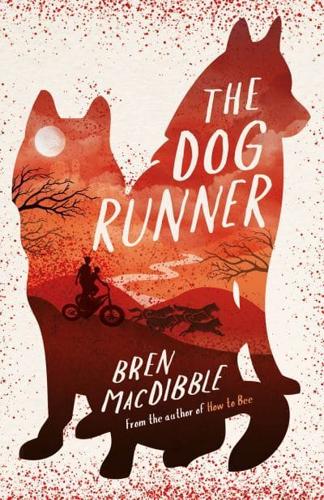
The Dog Runner by Bren MacDibble
After a red fungus destroys the grasses and crops that sustain people and animals, Ella and her brother Emery are left in a starving Australian city. Their best hope is to travel upcountry on a wheeled sled pulled by their dogs, but an injury leaves Ella responsible for navigating the dry, dangerous landscape. Children aged 9-13 will find an urgent survival story that also raises grounded questions about food security, environmental change and knowledge of the land.
After by Pádraig Kenny
After takes readers to a post-apocalyptic world where a catastrophic event called The Flood has wiped out much of civilisation. Jen and her father, an AI with human-like qualities, journey across the desolate landscape, keeping their secret while searching for a way to survive. As they meet others along the way, Jen grapples with trust and what it means to be human. A dystopian adventure that delves into technology’s impact, this thought-provoking dystopia is perfect for readers in UKS2 and LKS3. Highly recommended.

Dystopian books for teens – our recommendations
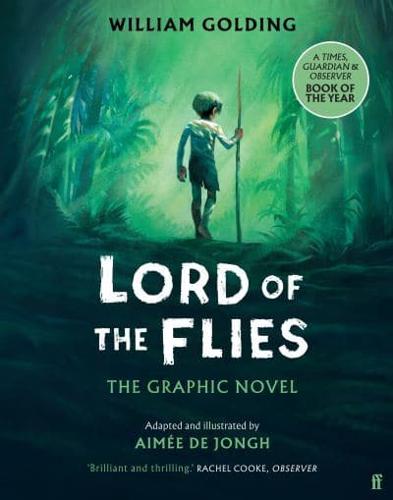
Lord of the Flies: The Graphic Novel by William Golding, adapted and illustrated by Aimée de Jongh
After a plane crash, a group of schoolboys are left stranded on an island and tries to build a society of their own. What begins as an attempt at order soon gives way to fear, division and violence. In this stunningly atmospheric graphic adaptation, Aimée de Jongh retells William Golding’s novel while keeping its central questions about power, group behaviour and what remains when social rules fall apart. It’s perfect for less confident readers studying Lord of the Flies in KS3 and KS4.
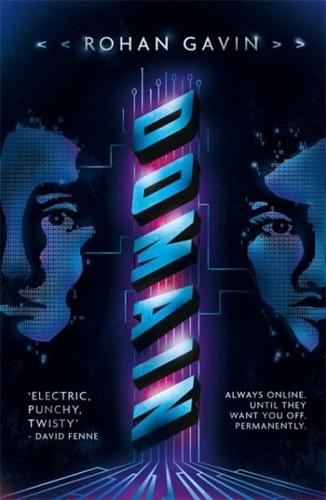
Domain by Rohan Gavin
Imagine being permanently online! Porter Simms is an orphan chosen to test a device that beams new skills straight into his brain. But when he becomes permanently hooked up to the system, things get complicated and each upgrade messes with his mind a little more. As Porter tries to uncover a looming threat from someone or somsething that wants to permanently shut him down, he’s forced to balance the dangers of staying online. It’s a relentless, fast-paced and shorter read – perfect for 11+ year olds who are fascinated by high stakes tech adventure, apps and smartphones. Highly recommened for KS3, the clever binary cover art graphic exudes library shelf appeal.
Within the Heart of Wicked Creatures by Rima Orie
Born with the power to manipulate souls, Priya finds herself in an elite military academy in a war-torn country. This unusually gripping story explores visceral themes of survival and self-discovery. Suitable for fiery children aged 14 and up, it will appeal to those interested in dark fantasy and complex characters.

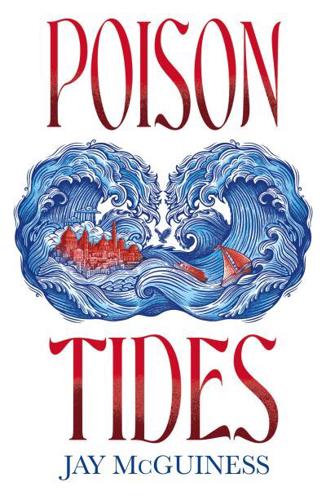
Poison Tides by Jay McGuiness
Poison Tides sees Bear leaving Calleston with three witches on a mission to save their sister. While Bear tries to keep his friend Felix safe, High Lady Meya deals with her own troubles – and some uneasy visions about Bear’s future. The story digs into survival, power, and loyalty, all set against a witchy dystopian backdrop. It’s perfect for 13+ year olds who enjoy intense dark romantasy.
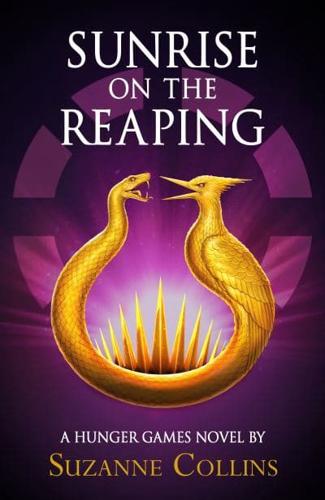
Sunrise on the Reaping by Suzanne Collins
Suzanne Collins’ second Hunger Games prequel follows 16-year-old Haymitch Abernathy as he competes in the 50th Hunger Games, a Quarter Quell with twice the usual tributes. The story examines power, control, and media influence, highlighting the Capitol’s grip on public perception. Haymitch discovers that survival depends on strategy as much as strength. His journey offers insight into his character and the early signs of rebellion, expanding the series’ world while functioning as a standalone narrative. Read out full review. https://schoolreadinglist.co.uk/childrens-book-reviews/sunrise-on-the-reaping/
The Kill Factor by Ben Oliver
In this gripping dystopian thriller, young criminals compete in a deadly reality TV show for a chance at freedom. Ben Oliver crafts a suspenseful narrative that delves into the dark truths of the criminal justice system, offering readers a thrilling ride filled with high stakes and unexpected twists. As contestants navigate treacherous challenges, the story raises thought-provoking questions about society, fame, and the concepts of consequences and justice. We think The Kill Factor will be a huge hit with students in KS4.

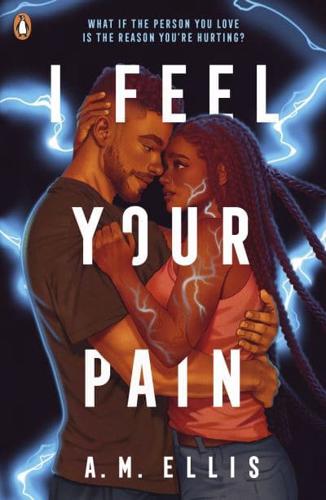
I Feel Your Pain by A. M. Ellis
A solar flare left Alta Bay plagued by Helical Disease, an incurable condition that causes agonising pain and blue light beneath the skin. Dominion Pharmaceuticals offers treatment by transferring the illness to paid Pain Carriers, but Nova Williams discovers that her connection with Castor Fox, heir to the company, is far more dangerous than either expected. As romance develops, secrets surrounding the procedure force them to confront who benefits and who suffers. This gripping dystopian romance is ideal for readers aged 12+.
The Virtue Season by L.M. Nathan
Friends to lovers, forced proximity and forbidden romance swirl together in this sharply written dystopian world where choice, freedom and women’s rights are curtailed. 18-year-old Manon Pawlak is set for a genetic matching process called The Virtue Season. But her best friend Agatha, marked by a scar due to seizures, faces ‘decommissioning’. The startling novel uniquely blends dystopian narratives with romance and social commentary. Your KS4 book clubs won’t run out of discussion points after reading The Virtue Season.

The Loop by Ben Oliver
Luka Kane is falsely accused of a crime and faces a grim fate in The Loop, a brutal and hi-tech juvenile prison. In this page-turning dark dystopia, he battles to survive and uses the prison’s sinister secrets to spark a daring rebellion against a society dominated by surveillance and control. Ideal for sparking debate in book clubs.

HappyHead by Josh Silver
Seb just wants to make his parents proud. So he agrees to join a program that claims to help solve the ‘national crisis of teenage unhappiness’. However, as he grows closer to the mysterious Finn, Seb realises organisers of the ‘HappyHead’ retreat might have sinister motives. Can he escape before it’s too late? HappyHead is a convincing dystopia that turns the notion of happiness upside-down and might cause teens to question what society has decided is good for them. Highly recommended.

Giften by Leyla Suzan
Ruthie is a ‘Giften’, born with the power to raise food from dead soil. But as she tries to protect her community, there’s a sinister regime that hunts people like her. Readers will relate to the prescient ecological themes and emphasise with the characters as they face danger and isolation. A clever post-apocalyptic dystopia, ‘Giften’ will challenge readers to think about survival, power, and how greed could destroy the world we live in. Perfect for KS3 book clubs.

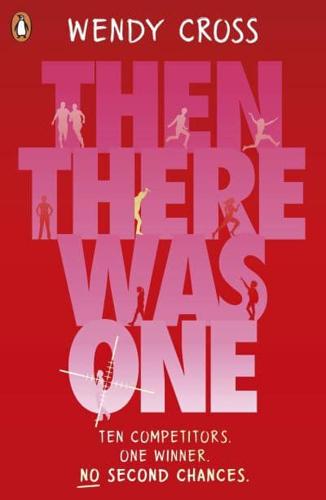
Then There Was One by Wendy Cross
14+ year old readers are thrust into a deadly future where The Pinnacle, a reality TV contest, becomes a survival battleground for relatable characters Zane, Bex, and Raya. With a plot that will appeal to fans of The Hunger Games, Wendy Cross’ deftly suspenseful dystopian tale is brimming with secrets and shocking twists. Highly recommended for KS4.
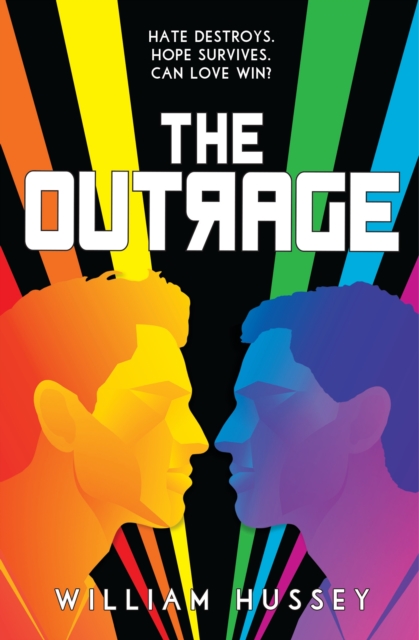
The Outrage by William Hussey
In this dark yet highly convincing dystopia set in the near future, England is now the Protectorate, where books are removed, free speech is monitored and “degenerate” behaviour is hunted down. Gabriel knows exactly what exposure would mean, so he hides both his sexuality and his relationship with Eric – whose father leads Degenerate Investigations. With danger immediate and gripping on every page, this outstanding YA novel reveals a relentlessly personal level of state control, with a laser focus on secrecy, fear, resistance and the price of being yourself.
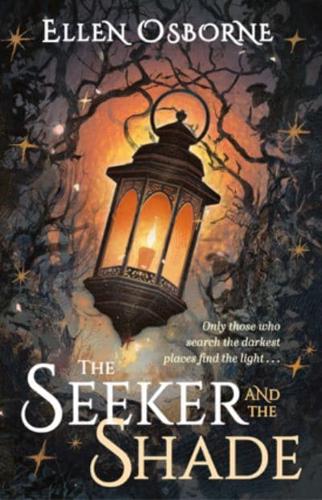
The Seeker and the Shade by Ellen Osborne
Connie wants to become a caster so she can protect her village from the Shade. But Jasper is set on qualifying as a seeker like his father and has no time for her. When Blackwood pairs them together, they learn to light oath lamps and face the spreading darkness. Dislike gives way to a bond neither can ignore, just as the vows begin to fail and the Shade closes in. With relatable characters in a dystopian world, it’s a tense, twisty, gripping and memorable enemies-to-lovers romantasy for 13+ year olds.
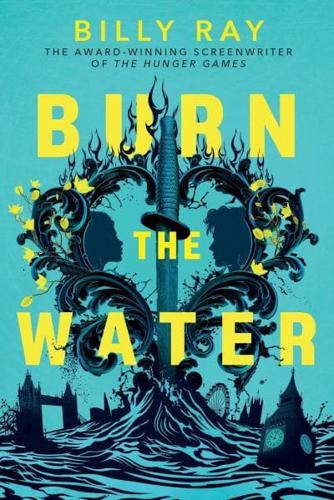
Burn the Water by Billy Ray
Billy Ray’s Romeo and Juliet-inspired YA novel dives into a waterlogged London in 2425, where the Crowns and the Rogues have been locked in battle for generations. Rafe, a Rogue captain, and Jule, a Crown soldier, are supposed to hate each other, yet their dangerous romance sparks in the midst of war. With shifting loyalties and foreign powers closing in, their story blends survival, conflict and forbidden love in a vividly dystopian world. It is a heady mix of climate science fiction and a reimagined world, threaded around an enemies to lovers plot that will captivate 12+ year old readers in KS3. Highly recommended.
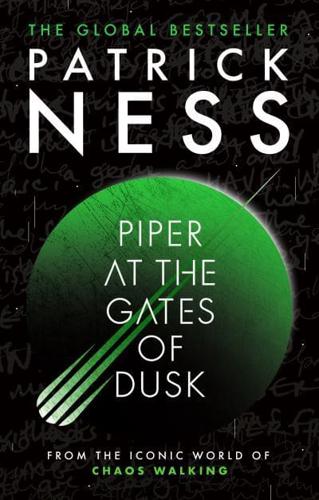
Piper at the Gates of Dusk by Patrick Ness
Two decades after Chaos Walking, New World is unsettled again. Teen brothers Ben and Max live on a remote farm while their mother, Viola, works in the city. Nightmares hint at the return of Noise, a vast shape hangs in the sky, and burning gods step out of the woods. Told through both brothers’ perspectives, this outstanding science fiction novel for 13+ year olds examines family strain, identity, misinformation, xenophobia, disability and the ongoing tension between settlers and the Land. Dystopian, with likely prescient contemporary parallels, it’s a must-read for students in KS3 and KS4. Highly recommended.
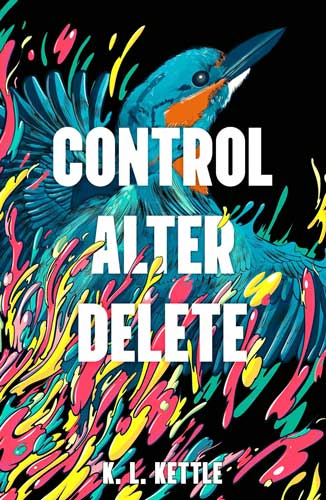
Control Alter Delete by K. L. Kettle
Hal lives in a world where virtual reality shapes almost everything, and winning the Knox Cup could earn her a meeting with tech icon Francis Knox. What begins as a high-pressure competition soon cracks open, revealing faults in the glossy system she has always trusted. As Hal pushes further, she is forced to question who holds the power and what she is willing to risk. It’s a deliciously sharp speculative YA story about technology, control and self. Highly recommended for KS4.
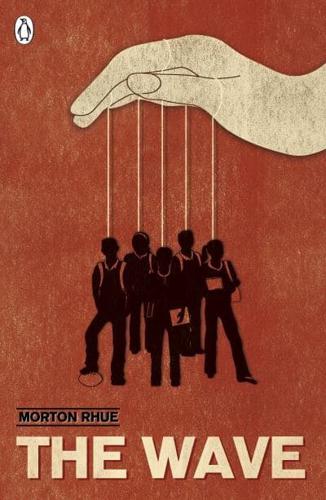
The Wave by Morton Rhue
A history teacher’s classroom experiment spreads through a Californian high school with alarming speed, turning lessons about propaganda and groupthink into a movement built on obedience. As her classmates begin chanting, saluting and silencing dissent, Laurie recognises the danger and tries to make others see it. Its clear, fast-moving narrative gives early teens a powerful starting point for discussing conformity and how readily individual judgement can be surrendered. Ideal for book clubs.
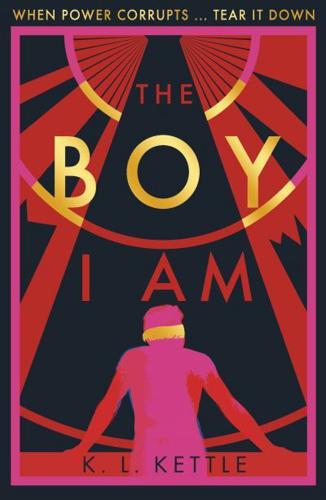
The Boy I Am by K. L. Kettle
Every year, young men at the House of Boys are auctioned to the female elite, and anyone still unchosen at seventeen is sent to work in the mines. Jude is grieving a friend killed by the Chancellor when he becomes entangled in an assassination plot that could bring revenge, freedom or both. For readers aged 13+, the reversed power structure opens up sharp questions about gender, privilege and the damage caused by unchecked authority.
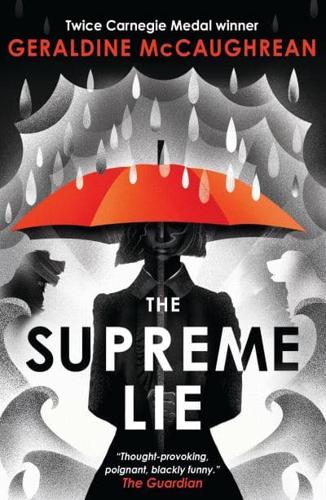
The Supreme Lie by Geraldine McCaughrean
Floodwater is engulfing Afalia when its tyrannical ruler, Madame Suprema, abandons the country rather than face blame for the crisis. Forced to impersonate her employer, fifteen-year-old maid Gloria must contend with corrupt politicians and decisions that could save or end thousands of lives. Dark humour runs through the political tension, giving 12+ readers an absorbing examination of lies, responsibility and the machinery that keeps a leader in power.
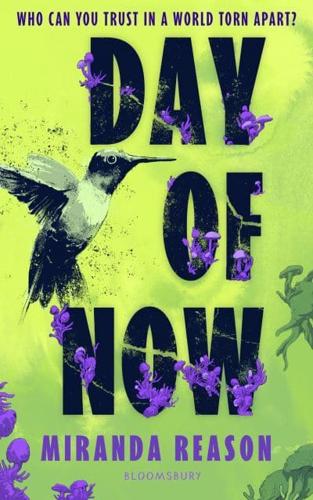
Day of Now by Miranda Reason
Dayna and Pax have grown up in the shadow of a fungal outbreak that has wiped out most of society. They live quietly with their father until he falls sick, and their call for help brings far more danger than relief. Forced out into a broken landscape, the siblings push on in search of people they can trust. This incendiary YA story, told in 55 short chapters, follows their shifting threats, uneasy alliances and the tough choices they must make to keep their family together. It’s a fresh, original and genuinely affecting dystopian novel for 13+ year olds. Highly recommended.
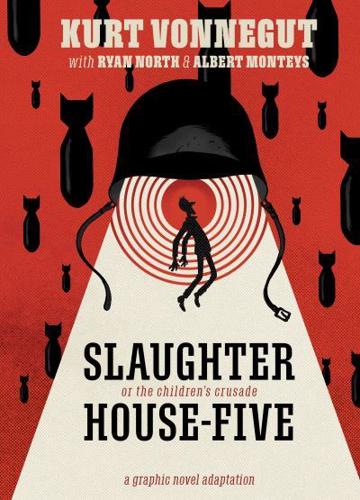
Slaughterhouse-Five: The Graphic Novel by Kurt Vonnegut and Ryan North, illustrated by Albert Monteys
Time refuses to move in a straight line for Billy Pilgrim, who shifts between family life, the firebombing of Dresden and captivity on the planet Tralfamadore. Ryan North and Albert Monteys translate Vonnegut’s fractured anti-war novel into a visually inventive narrative without smoothing away its bleak comedy or grief. more mature teen readers can follow the dramatic recurring images and changing timelines as the story questions war, memory and human vulnerability.
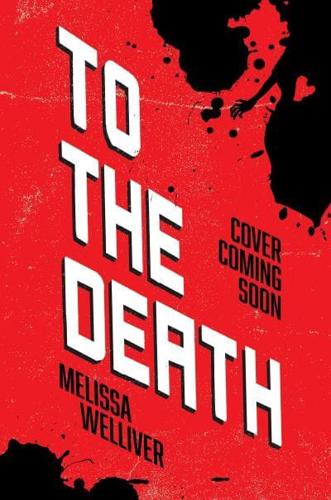
To the Death by Melissa Welliver
On Blood Island, a televised survival game forces contestants to fight the undead while millions watch. Astrid is teamed with newcomer Luke, and every move they make depends on public votes, fragile alliances and competitors who can be as deadly as the creatures chasing them. As the game twists around them, the story digs into media manipulation, trust and the cost of turning danger into entertainment, creating a sharp, utterly compelling and prescient dystopian thriller for 14+ year olds.
Dystopian books for sixth formers – our recommendations
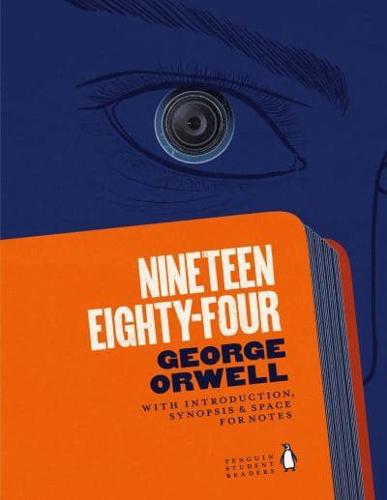
Nineteen Eighty-four by George Orwell
Winston Smith lives beneath the constant surveillance of Big Brother, rewriting the past while privately questioning the Party’s control over truth, language and thought. His secret relationship with Julia offers a glimpse of freedom, but rebellion in Oceania carries a terrible price. Created for detailed study and supplied with notes, summaries and discussion material, this edition works particularly well for sixth form students examining totalitarianism, propaganda and the deliberate destruction of objective reality.
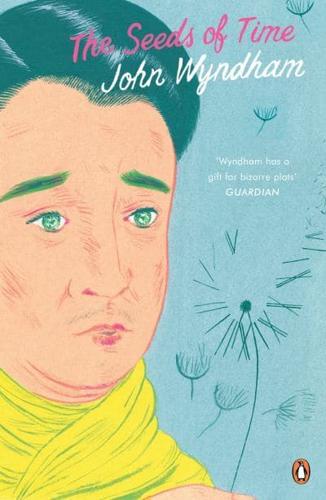
The Seeds of Time by John Wyndham
Ten speculative stories ask what might happen when a meteor conceals an unexpected discovery, a man is pursued by his own future and a robot develops an inconveniently powerful sense of compassion. Elsewhere, visitors from centuries ahead turn the past into a tourist attraction. The varied ideas, shifting settings and understated humour make this collection well suited to 16+ year olds who enjoy concise dystopian-tinged science fiction built around paradoxes, technology and unsettling changes to everyday life.
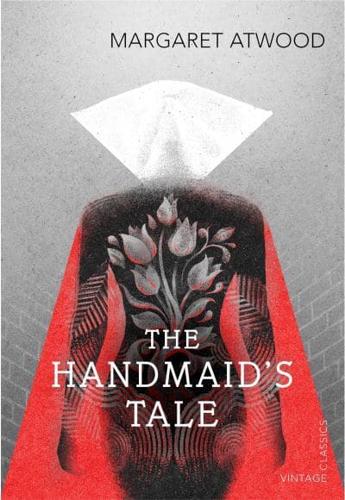
The Handmaid’s Tale by Margaret Atwood
Offred has been stripped of her name, family and freedom in the Republic of Gilead, where Handmaids are forced to bear children for powerful men. Memories of life before the regime make every private thought and small act of resistance dangerous. A demanding but important novel for more mature older teens, it examines how authoritarian rule controls language, bodies and memory.
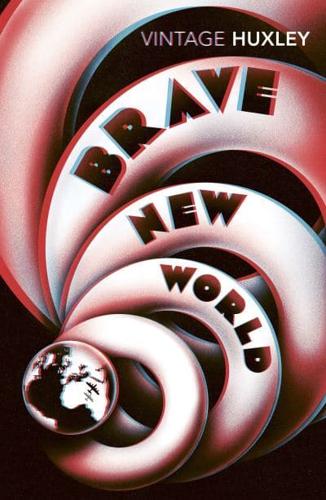
Brave New World by Aldous Huxley
Human beings are genetically engineered, conditioned for predetermined social roles and kept content through consumerism, recreational sex and the drug soma. Bernard Marx remains uneasy within this apparently perfect civilisation, and his visit to a Savage Reservation exposes him to a life beyond its carefully controlled boundaries. Sixth-form readers can think deeply about this provocative examination of individuality, scientific power and the disturbing possibility that freedom might be surrendered willingly in exchange for comfort.
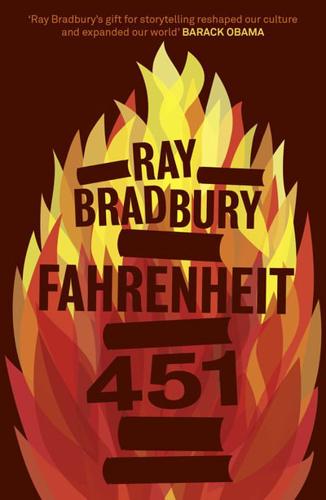
Fahrenheit 451 by Ray Bradbury
Guy Montag earns his living by burning forbidden books, but unease begins to replace certainty when he meets the questioning Clarisse and looks closely at his screen-filled home. Hiding books draws him into open conflict with the society he serves and the Mechanical Hound that enforces its rules. Readers will enjoy a tightly written dystopia about censorship, conformity and what is lost when independent thought becomes dangerous.
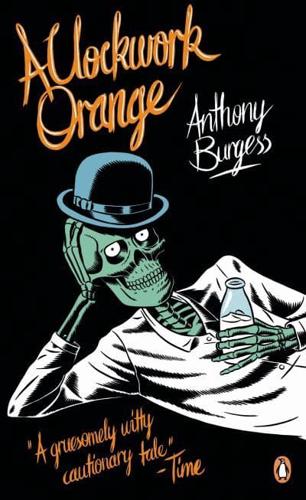
A Clockwork Orange by Anthony Burgess
Fifteen-year-old Alex delights in robbery, violence and cruelty until imprisonment places him at the mercy of a government determined to remove his ability to choose evil. His distinctive Nadsat slang draws readers into a disturbing argument about punishment, free will and whether enforced goodness has any moral value. Explicit sexual violence, brutality and demanding language make this an powerful and classic dystopian novel.
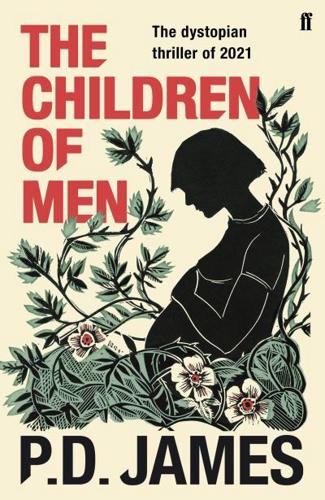
The Children of Men by P. D. James
No child has been born for twenty-five years, and an ageing population lives under the authoritarian rule of Xan Lyppiat, the Warden of England. His cousin Theo Faren has withdrawn from public life, but a meeting with a young woman draws him towards a group of dissenters carrying a secret that could transform humanity’s future. Sixth form readers will explore a sombre, politically detailed dystopia concerned with infertility, power, faith and the responsibilities created by hope.
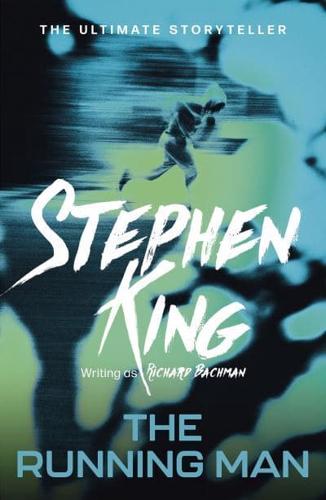
The Running Man by Stephen King, writing as Richard Bachman
Ben Richards enters a lethal television contest in which he must evade professional Hunters while viewers across the country are encouraged to report or kill him. Surviving thirty days would earn an enormous prize, but the programme is controlled by a powerful network that has no intention of letting its contestant win. Fast, violent and deliberately bleak, this memorable and pertinant read that exposes economic inequality, manipulated news and a public entertained by another person’s suffering.
On the Beach by Nevil Shute
A radioactive cloud is moving steadily south after a nuclear war has devastated the Northern Hemisphere, leaving the people of Australia to prepare for its arrival. When a faint Morse code transmission appears to come from the United States, an American submarine captain and his crew cross the empty ocean in search of survivors. Mature sixth form readers will encounter a restrained, deeply affecting novel about uncertainty, duty and the different ways people confront an ending they cannot prevent.

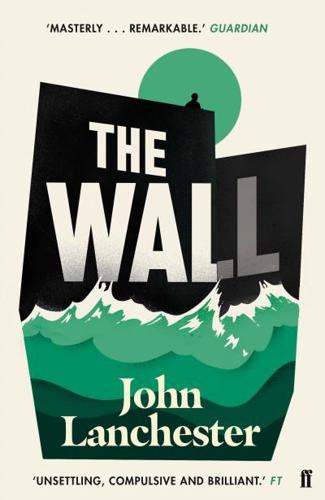
The Wall by John Lanchester
Joseph Kavanagh begins two years of compulsory service guarding the enormous concrete barrier that now surrounds Britain. His days as a Defender are dominated by bitter cold and monotony, but an attempted crossing by the people known as the Others could place every member of his unit in danger. This sharply realised novel turns climate catastrophe, closed borders and generational resentment into a tense examination of who receives protection and who is abandoned outside.
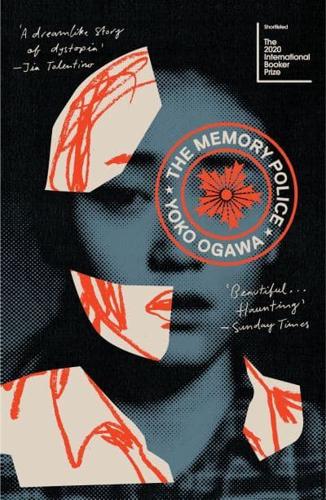
The Memory Police by Yoko Ogawa
On an unnamed island, hats, ribbons, birds and roses vanish, taking most people’s memories of them as well. A young novelist is among those who quietly obey until she discovers that her editor can remember everything the authorities have erased, forcing her to hide him from the Memory Police. A thought-provoking choice for 16+ year olds, this unsettling dystopia explores state control, personal identity and what remains when language, objects and memories are systematically destroyed.
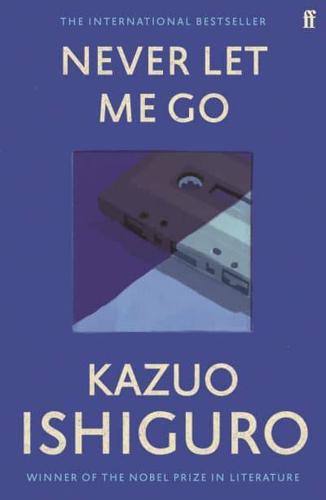
Never Let Me Go by Kazuo Ishiguro
Kathy looks back on her childhood at Hailsham, an apparently idyllic English school where the pupils are sheltered from the truth about the futures awaiting them. Her memories of Ruth and Tommy gradually reveal how completely their lives have been shaped by other people’s choices. The restrained storytelling and slow accumulation of ethical questions make this a challenging, rewarding novel for more mature readers.
Click the buttons below to purchase all of the books in this dystopian books list, as well as class sets of any of these books and many more, from Bookshop.org UK. Or buy the 20 most popular titles from this list from Amazon – ideal for gifts or your classroom library.
Buy from UK.Bookshop.Org Buy from Amazon.co.uk
Disclosure: If you buy books using the buttons above: we may earn a commission from Bookshop.org, whose fees support independent bookshops; as an Amazon Associate schoolreadinglist.co.uk earns from qualifying purchases.
Schools & teachers: please respect copyright and don’t copy our dystopian books for children list. If you find our book recommendations useful, please consider sharing on social media or linking to this page instead. Thanks.
Dystopian fiction resources for teachers
- Oak National Academy offers a free 16-lesson KS3 unit on dystopian settings. It includes lesson slides, worksheets, quizzes and activities covering genre conventions, atmosphere, imagery, sentence construction, planning and descriptive writing.
- Teachit has created a ten-lesson KS3 dystopian fiction scheme of learning, with a PowerPoint and student worksheets exploring genre structure, authorial purpose, atmosphere, themes and language analysis.
- The Orwell Foundation provides classroom material on Nineteen Eighty-Four and Animal Farm, including essays, historical context, analysis, adaptations and AQA-style GCSE English Language practice papers.
- The Royal Shakespeare Company features a downloadable teacher pack for Malorie Blackman’s Noughts & Crosses. Rehearsal insights and practical drama activities help pupils examine race, segregation, political violence, power and the challenges of adapting a dystopian novel for the stage.
- Faber’s Books for Schools section includes a free abridged GCSE and A-level study guide for Kazuo Ishiguro’s Never Let Me Go, with material to support pupils before and during their reading of the novel.
- The official Hunger Games discussion guide contains questions, research tasks and project ideas covering social control, inequality, propaganda, reality television, rebellion, identity and the normalisation of violence across Suzanne Collins’s series.
- Into Film’s The Hunger Games guide can be used alongside its resources for Never Let Me Go, Gattaca and Children of Men. The guides provide useful starting points for work in English, film studies, science, citizenship, PSHE and politics.
- For older secondary pupils, Teachit’s The Handmaid’s Tale collection offers chapter questions, close-reading activities, discussion prompts, revision tasks and essay preparation for A-level English Literature.
- HarperCollins provides a free Brave New World teaching guide containing guided reading questions, vocabulary work, debate and writing prompts, research projects and suggestions for comparing Aldous Huxley’s novel with other dystopian fiction.
BISAC JUV059000, YAF015000. | Thema YFE.