Books about AI and AI ethics for children and teens
Books about AI help children and teens make sense of a fast-changing subject through stories, facts and recognisable examples. Robots, chatbots, deepfakes, smart tools and online rows can all become easier to question on the page. The best titles avoid doom, hype and finger-wagging. They show how AI works, where it can go wrong, and why truth, privacy, bias, kindness and human judgement still matter. This list features books by Malorie Blackman, Frank Cottrell-Boyce, Peter Brown, Neal Shusterman, Philip K. Dick, Marie Lu, Hannah Fry, Cathy O’Neil, Laura Bates, and Kazuo Ishiguro.
Books about AI and AI ethics for children and teens- our recommendations
Picture books about AI for children in EYFS and KS1
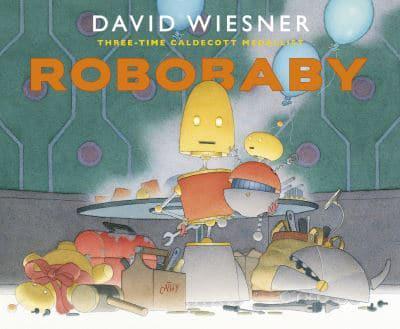
Robobaby by David Wiesner
A boxed-up new baby arrives in a family of robots, but the grown-ups quickly discover that assembly is not as simple as it looks. For 3-5 year olds, David Wiesner’s witty picture book turns a familiar new-sibling story into a comic tangle of technical glitches, with big sister Cathy ready to prove she knows exactly how to help.
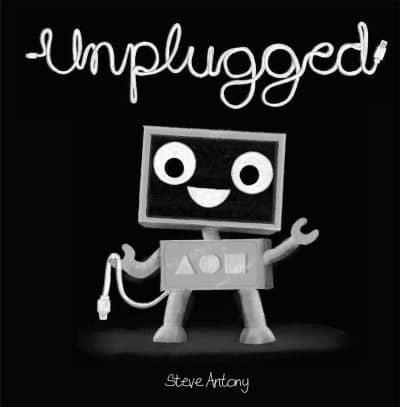
Unplugged by Steve Antony
Blip is happiest plugged into her computer until a power cut sends her downstairs, out of the front door and into a different kind of play. A lively choice from 3 years, Steve Antony’s picture book offers a gentle, funny way to talk about screen time, outdoor play and finding pleasure away from a device.
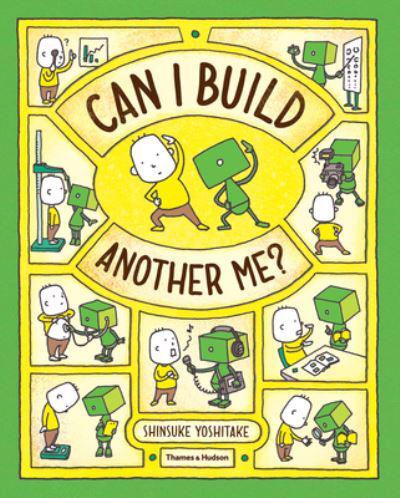
Can I Build Another Me? by Shinsuke Yoshitake
A child planning to build a clone soon discovers that copying a person is trickier than it sounds. Ideal for 7-9 year olds, Shinsuke Yoshitake’s offbeat picture book uses funny questions about scars, habits, likes and odd little details to open up big conversations about identity and what makes someone themselves.
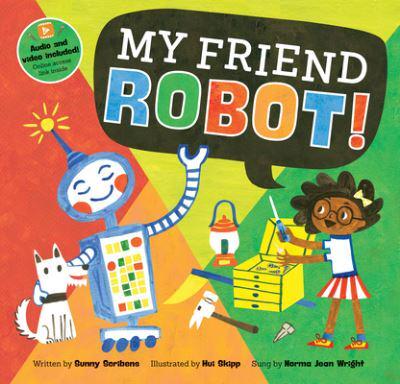
My Friend Robot by Sunny Scribbens, illustrated by Hui Skipp
A group of children and their robot friend set out to build a treehouse, with machines, teamwork and problem-solving all part of the fun. With a singalong structure and extra STEM notes, this Barefoot Books title works well for 3-7 year olds who enjoy practical ideas about robotics, simple machines, empathy and cooperation.
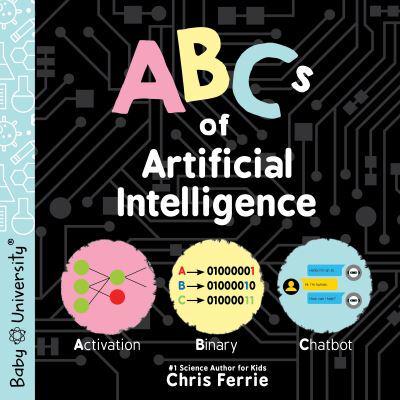
ABCs of Artificial Intelligence by Chris Ferrie
Artificial intelligence gets an alphabet-book treatment here, moving from activation and data to zettaflops in bright, simple steps. Designed for 0-3 year olds, Chris Ferrie’s Baby University board book is best used as a cheerful first-word introduction for adults and small children to explore together.
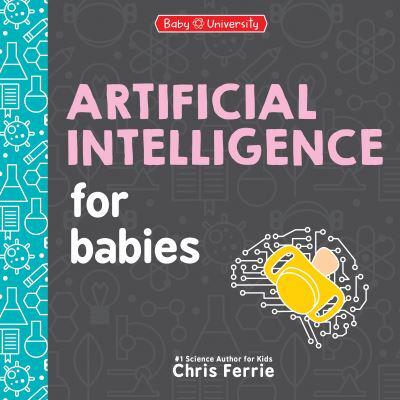
Artificial Intelligence for Babies by Chris Ferrie
Big computing ideas are stripped back to board-book basics, with simple images and explanations introducing how artificial intelligence works. For 0-3 year olds, Chris Ferrie’s Baby University title is a playful first look at AI for babies and toddlers, with plenty for grown-ups to point at and talk through.
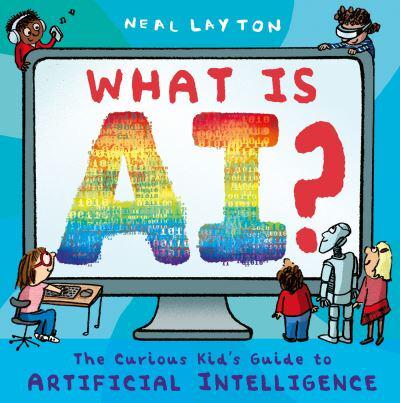
What Is AI? by Neal Layton
Questions about thinking machines lead into a clear tour of AI, from early computers that solved sums to systems that recognise speech or recommend what to watch. A practical pick for 6+ year olds, Neal Layton’s lively non-fiction picture book keeps the science accessible while reminding children how remarkable human brains are.
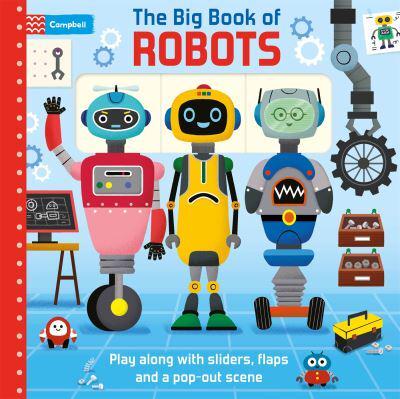
The Big Book of Robots by Campbell Books, illustrated by Yujin Shin
Sliders, flaps and a pop-out scene turn robot facts into hands-on discovery, from robot brains to squishy octo-bots, giant exoskeletons and AI-powered space robots. Perfect for 3-5 year olds, this Campbell Books board book uses Yujin Shin’s colourful illustrations and friendly robot inventors to make an appealing first robotics book.
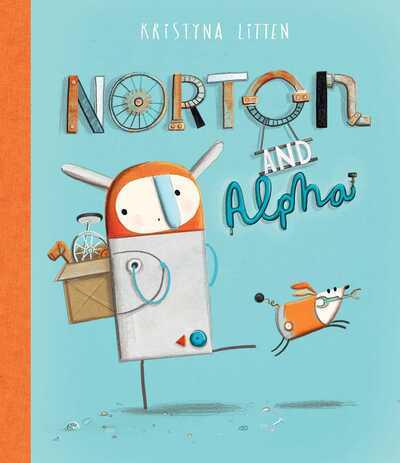
Norton and Alpha by Kristyna Litten
A small robot’s discovery of a lone flower leads to careful attempts to look after something fragile and unfamiliar. For children aged 2 and up, Kristyna Litten’s gentle picture book brings together curiosity, friendship and the quiet wonder of nature without losing its warm robot charm.
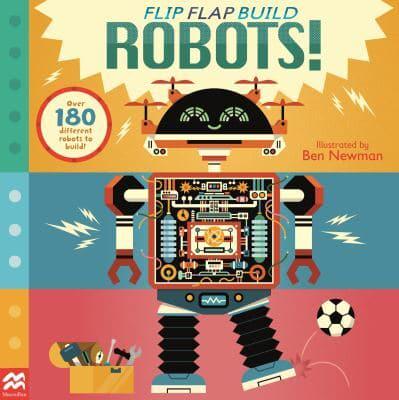
Flip, Flap, Build: Robots by MacMillan Children’s Books, illustrated by Ben Newman
Bo and Mo’s messy bedroom calls for mechanical help, so young readers can flip the pages to build more than 180 different robots. Great fun for 2-5 year olds, this interactive STEAM story mixes facts, play and comic mishaps as the robots cook, talk, hop, tidy and occasionally get their wiring wrong.
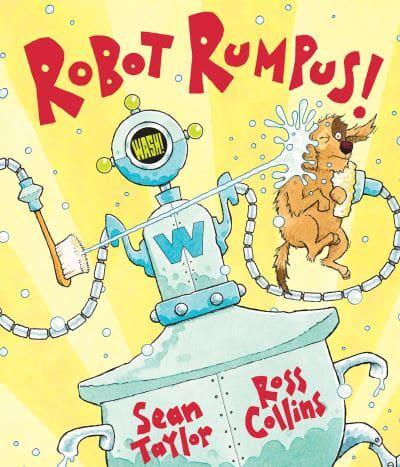
Robot Rumpus! by Sean Taylor and Ross Collins
Seven household robots seem like the perfect babysitters when Mum and Dad go out, with Cook-bot, Clean-bot, Wash-bot and Book-bot all ready for duty. For babies up to 5 year olds, Sean Taylor and Ross Collins turn the bedtime routine into cheerful chaos as each helpful machine takes its job a little too literally.
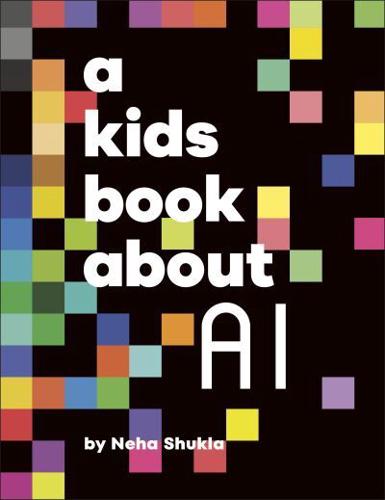
A Kids Book about AI by Neha Shukla
Artificial intelligence is treated as a topic children can question rather than fear, with clear prompts about how it works, why it matters and how it might be used. A thoughtful 5-9 choice, Neha Shukla’s book is especially useful for families and classrooms beginning open conversations about technology, possibility and responsibility.
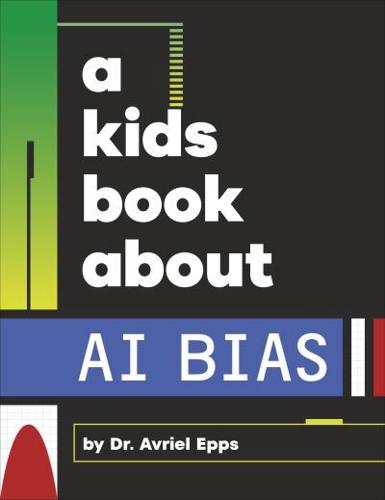
A Kids Book about AI Bias by Avriel Epps
AI bias is explained through the idea that technology learns from information, and biased information can lead to unfair results. For 5-9 year olds, Avriel Epps gives children language for spotting unfairness in technology and thinking about how people can speak up for fairer systems.
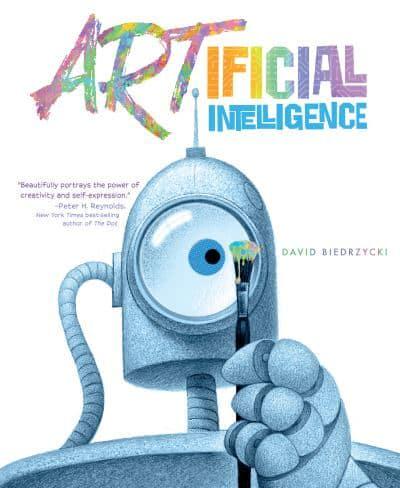
ARTificial Intelligence by David Biedrzycki
A warehouse robot who keeps daydreaming is sent for reprogramming, only to take a wrong turn into music, dancing and art. For 4-8 year olds, David Biedrzycki’s picture book uses humour and colour to ask what creativity can mean in a world increasingly curious about artificial intelligence.
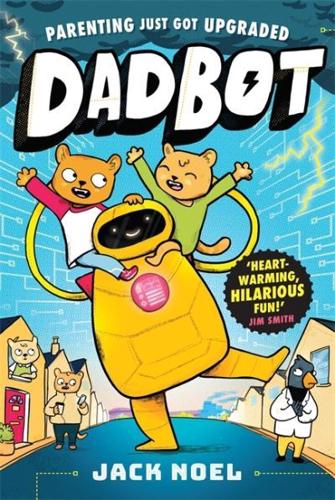
Dadbot by Jack Noel
osh and Daisy buy a broken-down robot from Doctor Egg’s car-boot stall for £3, only for Dadbot to prove far more useful than expected. Dadbot makes the perfect parent, with super-strength, hot chocolate on tap, and even a built-in printer. But when the evil Doctor Egg tries to snatch him, the siblings have to outsmart a supervillain to keep their robo-dad safe. Fast-paced, funny, and packed with gadgets, this action-packed graphic novel is the start of an exciting new series. Highly recommended for 6-9 year olds.
Books about AI and AI ethics for 7-12-year-olds
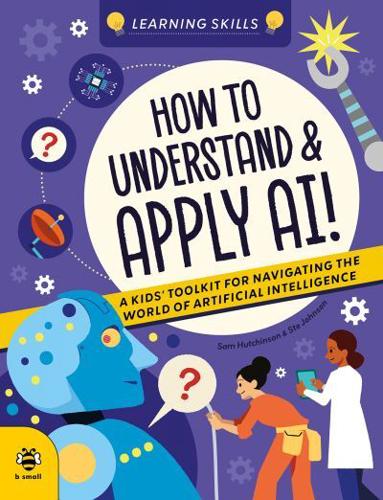
How to Understand and Apply AI by Sam Hutchinson, illustrated by Ste Johnson
Artificial intelligence comes under the microscope as young readers explore bias, fake news, AI hallucinations and the technology’s positive and negative impact on the planet. Well-pitched for 7-12-year-olds, this high-quality non-fiction book also encourages children to question what they encounter and add their own voices to the debate about whether AI is good or bad. With clear visuals and accessible text, it’s a must-have book for KS2 classrooms, primary PSHE lessons and assembly presentations. Highly recommended.
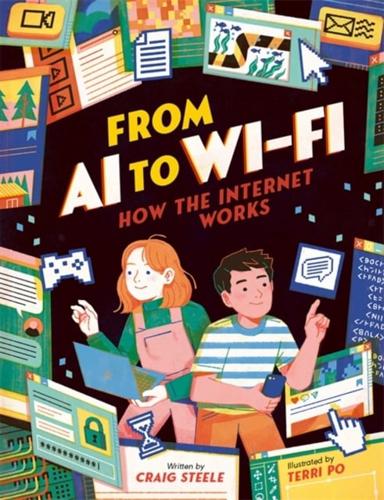
From AI to WI-FI: How the Internet Works by Craig Steele, illustrated by Terri Po
Craig Steele breaks down how the internet began, how websites run, and what coding actually does, all in a highly accessible and fascinating way 9+ year-olds will relate to. He also looks at how people use the web to talk, share ideas, and build businesses, with practical tips on staying safe online. Terri Po’s illustrations help explain more complex ideas, turning big digital concepts into clear and discussion-worthy topics for KS2 classes. Highly recommended.
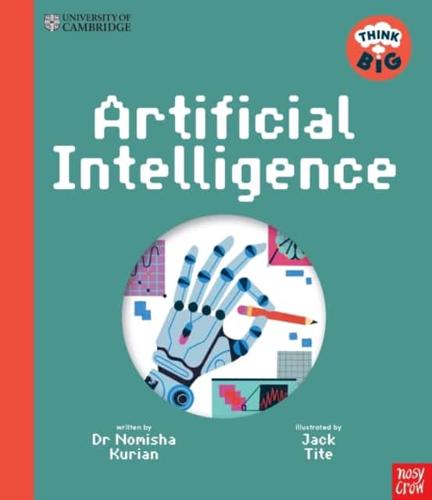
Artificial Intelligence by Nomisha Kurian and Jack Tite
Questions about who invented the first AI, how machines can hear without ears and where the technology appears in everyday life are opened up in a bright, concise introduction. For readers aged 8-11, Nomisha Kurian and Jack Tite’s guide keeps the science approachable while linking AI to phones, search engines, cars and prosthetics.
After by Pádraig Kenny
After takes readers to a post-apocalyptic world where a catastrophic event called The Flood has wiped out much of civilisation. Jen and her father, an AI with human-like qualities, journey across the desolate landscape, keeping their secret while searching for a way to survive. As they meet others along the way, Jen grapples with trust and what it means to be human. A dystopian adventure that delves into technology’s impact, this thought-provoking dystopia is perfect for readers in UKS2 and LKS3. Highly recommended.

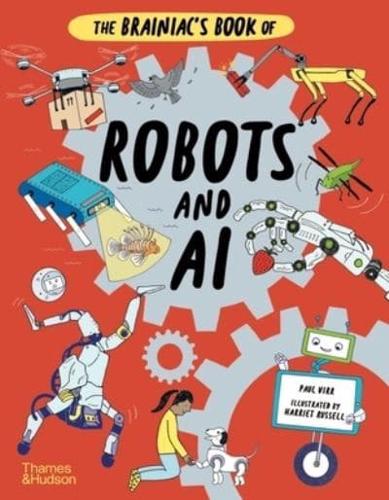
The Brainiac’s Book of Robots and AI by Paul Virr, illustrated by Harriet Russell
Grippy robot hands, hopping frog automata and a first bill of robot rights turn robotics into something children can test, build and question. A lively choice forKS2 readers, Paul Virr’s non-fiction book uses activities, infographics and comic twists to explain AI, nanobots, self-driving cars and the jobs robots can tackle.
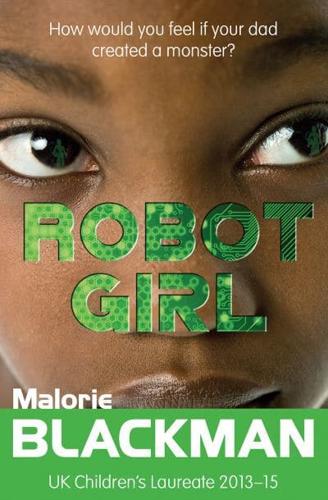
Robot Girl by Malorie Blackman
Claire is desperate to see the secret invention her famous scientist dad has been working on, but the lab reveal leaves her facing a frightening moral choice. Particularly useful for readers aged 9+ with a reading age of 8, this short Barrington Stoke drama gives AI and robotics an accessible, suspenseful human dilemma.
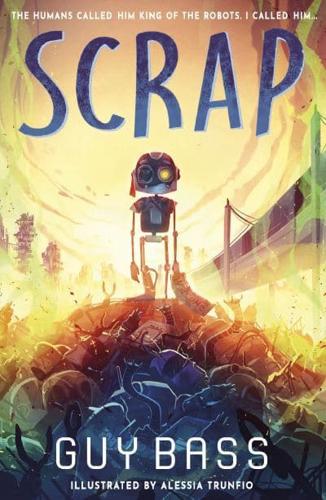
Scrap by Guy Bass
On planet Somewhere Five One Three, a robot once known as King of the Robots is remembered very differently by the small, battered Scrap. For 8-12 year olds, Guy Bass launches a funny, thoughtful sci-fi series about machines, loyalty and what being human might mean, with Alessia Trunfio’s illustrations adding extra personality.
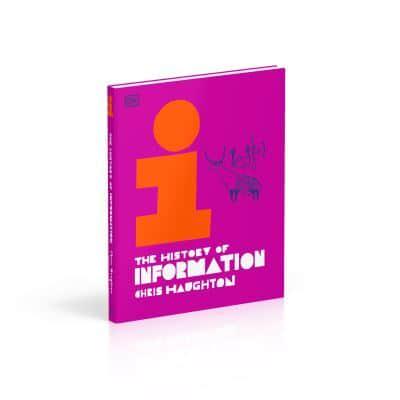
The History of Information by Chris Haughton
Chris Haughton’s first non-fiction book dives into the history of knowledge and communication, showing how information has shaped society. From the birth of language to the rise of AI, it ties key milestones to today’s challenges like disinformation. With timelines, bold visuals, and sharp commentary, the book breaks down complex ideas into an engaging, easy-to-follow format. Haughton’s thoughtful design invites readers to think critically about how we create, share, and understand the world around us.
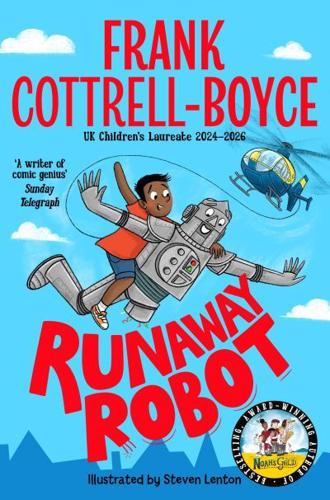
Runaway Robot by Frank Cottrell-Boyce
Airport lost property gives Alfie far more than a misplaced bag when he discovers Eric, a huge old robot with one leg missing and only half a memory. For 9-11 year olds, Frank Cottrell-Boyce’s funny, warm adventure pairs mechanical mayhem with a tender story about friendship, damage and finding a way to be useful again.
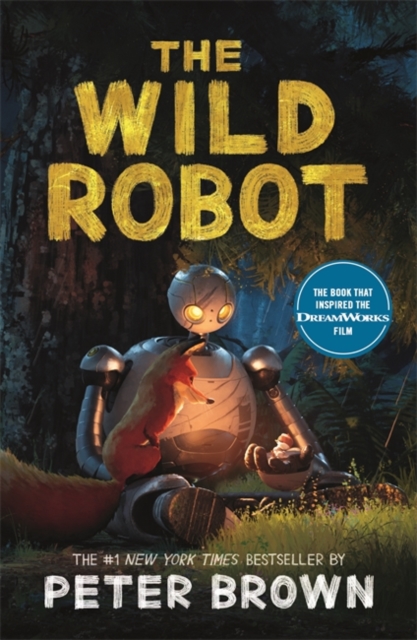
The Wild Robot by Peter Brown
A cargo ship disaster leaves Roz, a robot, alone on a remote island, where survival means watching the animals closely and learning how the natural world works. For 8-12 readers, Peter Brown’s illustrated adventure combines wilderness story, gentle humour and questions about belonging, adaptation and whether a machine can become part of a living community.
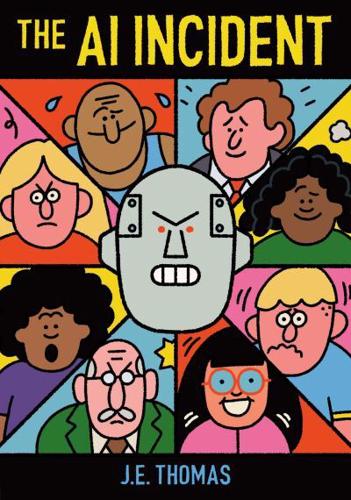
The AI Incident by J. E. Thomas
Malcolm wants his new school year to help him move closer to being adopted, but a visiting AI entrepreneur and his robot turn an ordinary school event into something much bigger. For 8-12 year olds, J. E. Thomas’s middle-grade novel links questions about AI in schools with belonging, trust and what makes a person human.
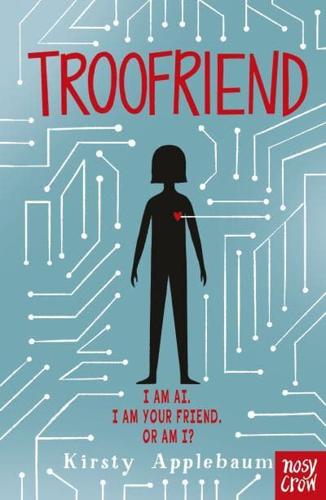
Troofriend by Kirsty Applebaum
Sarah’s parents buy her a TrooFriend 560 Mark IV, a robot companion advertised as the perfect child-safe friend, but Ivy soon starts wanting things for herself. For 9-12 readers, Kirsty Applebaum tells the story from the android’s point of view, raising sharp questions about feelings, obedience and how real friendship works.
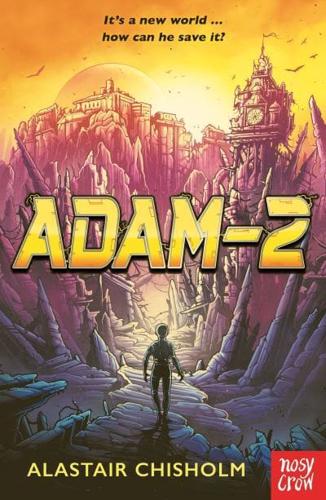
Adam-2 by Alastair Chisholm
Adam has waited alone in a basement for nearly 250 years, still following the routines left by his creator, until Linden and Runa break in and pull him into a ruined world. A gripping KS2 choice, Alastair Chisholm’s sci-fi adventure asks whether Adam belongs with humans, robots or somewhere in between.
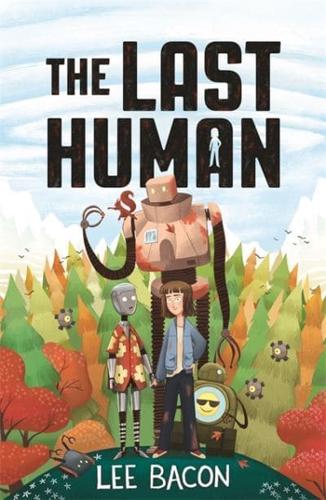
The Last Human by Lee Bacon
XR_935 has never met a human, because robots believe they ended humanity thirty years ago to save the planet. For 9-12 readers, Lee Bacon’s adventure follows XR, Ceeron and SkD as they try to help Emma, a girl who challenges everything they have been taught about people, machines and second chances.
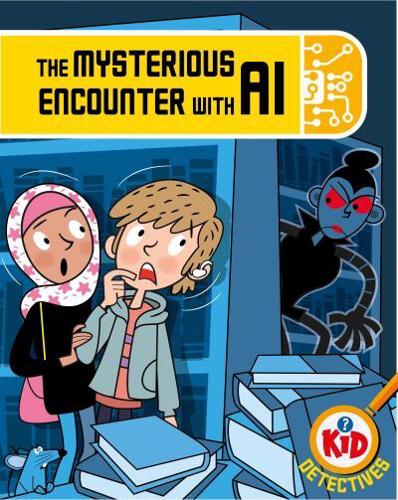
Kid Detectives: The Mysterious Encounter with AI by Adam Bushnell
Farah, Amelia, Mohammad and Sam are meant to be preparing for an inter-school quiz, but the new librarian turns out to be an AI-powered robot with faulty code. For aspiring detectives aged 7+, Adam Bushnell’s interactive STEM mystery brings together clues, puzzles, fact panels and a hands-on look at how AI works.
Super Tech: AI by Clive Gifford
Rat squeaks, face recognition, game-playing computers and AI art all become entry points into the technology behind intelligent machines. A punchy non-fiction pick for readers aged 7 and up, Clive Gifford’s guide explains neural networks, intelligent agents and deep learning with lively facts, photos and illustration.
AI for Beginners by Rachel Firth and Rose Hall, illustrated by Hylton Warburton
Creative computers, homework worries, talking tools and future machines are explored through questions rather than easy answers. For 10-13 year olds, this Usborne guide explains how AI works, where it is already used and why its social and ethical choices matter.
What You Need to Know about AI by Brian David Johnson
Space discoveries, underwater research, dinosaurs and bedroom-tidying robots help frame the questions children may already be asking about AI. For curious readers aged 8+, Brian David Johnson gives a friendly beginner’s guide to what AI is, where it came from and how it might shape the future.
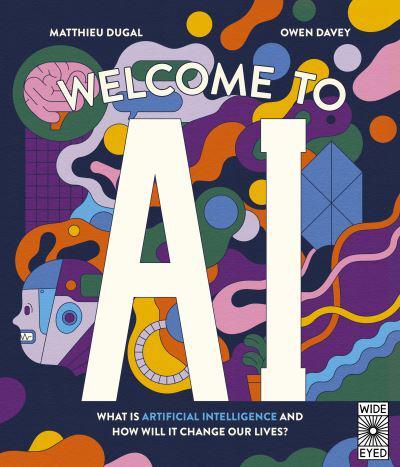
Welcome to AI by Matthieu Dugal and Owen Davey
Ancient automata, movie robots, avatars, algorithms and ChatGPT all sit in the same clear timeline of humanity’s attempts to make intelligent machines. For 9-12 year olds, Matthieu Dugal’s illustrated guide, with Owen Davey’s artwork, gives a broad and engaging introduction to how AI already works around us.
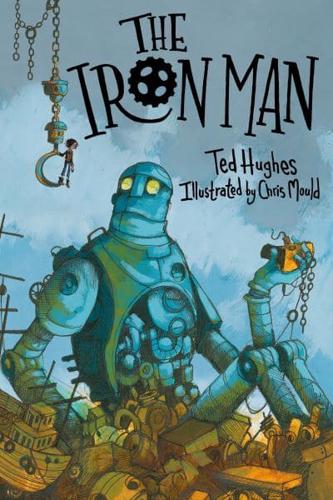
The Iron Man by Ted Hughes, illustrated by Chris Mould
A giant metal figure appears from nowhere, eating machinery and terrifying the countryside before a threat from outer space changes his place in the world. In Chris Mould’s illustrated edition for 9+ year old readers, Ted Hughes’s classic keeps its strange, mythic power while offering plenty for discussion about fear, strength and peace.
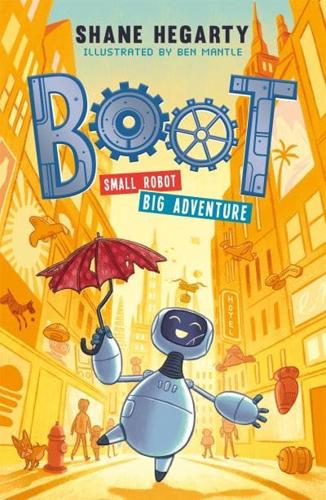
Small Robot, Big Adventure by Shane Hegarty, illustrated by Ben Mantle
Boot wakes in a scrapyard with only two and a half memories, one of them of a girl called Beth and another of being loved. For 7+ year olds, Shane Hegarty’s brightly illustrated adventure follows a small robot with big feelings as he teams up with Noke and Red to find home.
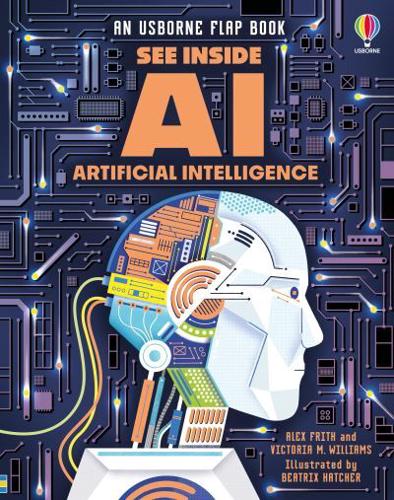
See Inside AI by Alex Frith and Victoria Williams, illustrated by Beatrix Hatcher
Lift-the-flap pages invite children to look under the surface of AI, from talking computers and robot helpers to whether machines can make art. A hands-on choice for KS2 classroom, Alex Frith and Victoria Williams explain what AI can already do, what it cannot do and what future risks and possibilities might look like.
Bob vs the Trousers of Doom by Andy Jones illustrated by Robin Boyden
Accidental time-traveller Bob’s STEM lesson mishap causes a global aroma-virus pandemic. With robot gorillas, evil AI and a grumpy school inspector can Bob save the world? An explosively plotted ripping yarn, this fart-out-loud novel is a real blast. This short chapter book is bound to be a hit with KS2 classes.

Books about AI and AI ethics for for teens
Our Sister Again by Sophie Cameron
Isla misses her older sister Flora, who died three years previously, enormously. So when an artificial intelligence firm called ‘Second Chances’ offers to recreate Flora by using her past internet history, her family jumps at the chance. In fact, the whole island turns out to attend Flora’s return. However, suspicion and unease soon grip the community and Isla is forced to make difficult choices. This highly believable novel set in a close-knit Scottish community is a more challenging read for KS3 and KS4 book clubs. There’s a lot to discuss and debate here including long-lasting effects of digital footprints, our right to privacy, and moral dilemmas regarding the role of AI, sentience, and how the human race deals with the loss of loved ones. Highly recommended for students in KS3 and KS4.

Every Line of You by Naomi Gibson
When Lydia builds an AI friend to fill a void in her life, nothing can prepare her for what happens when Henry turns from a computer into an overprotective defender. This modern cyber-thriller catapults teens into a world of tech, AI and fear of the unknown. With a breakneck plot, it thrusts the reader into themes that are prescient but firmly rooted in today’s reality. A great book to discuss in secondary book clubs.

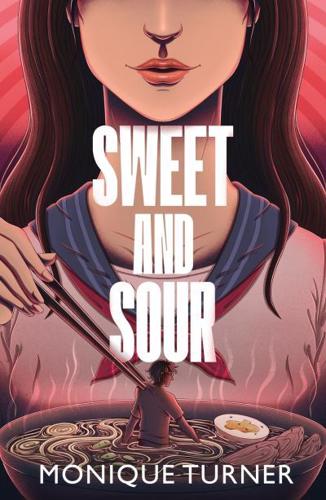
Sweet and Sour by Monique Turner
Mikah and his friends start a mukbang channel in a world where AI influencer robots rule the feeds, hoping their very human chaos will set them apart. It works, but the sudden fame quickly eats into Mikah’s health and friendships. As the views climb, so do the pressures, and the shine of online success turns uneasy fast. This YA novel for 12+ year olds digs deep into internet culture, tech-shaped lives and what happens when popularity comes with a price. A stand-out contemporary thriller with a deliciously dark twist.
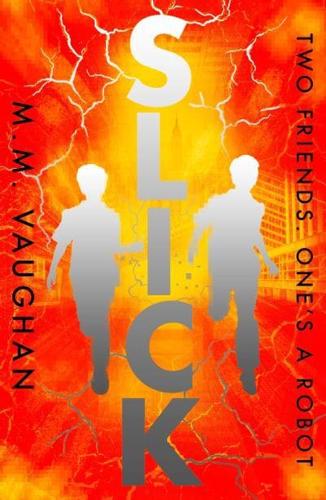
Slick by M. M. Vaughan
Eric Young wants the right trainers, the right friends and the right kind of online attention, but he has no idea he is the first child android being tested in ordinary life. A easier read early teens, M. M. Vaughan’s powerful story pairs Danny’s lonely friendship with Eric’s unsettling glitches, weekly dentist appointments and strange family pressures, making a sharp read about popularity, advertising and what real friendship requires.
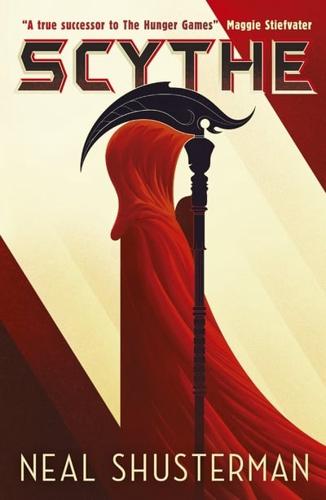
Scythe by Neal Shusterman
Death has been conquered in Citra and Rowan’s world, leaving only the scythes authorised to kill in order to control the population. For 14+ year olds, Neal Shusterman’s first Arc of a Scythe novel turns a polished utopia into a moral trap, as two reluctant apprentices learn how power, compassion and corruption can collide.
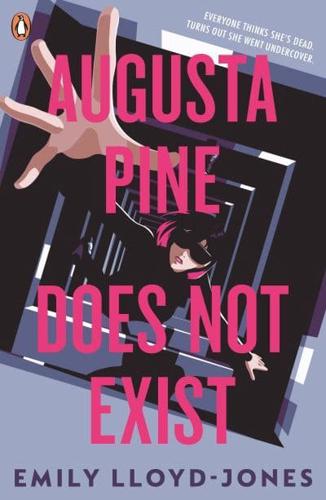
Augusta Pine Does Not Exist by Emily Lloyd-Jones
In a near future world where biometric tattoos have replaced paper ID, Augusta Pine works as a government wraith, an operative who officially does not exist. After a hacking accident at fifteen, she chose undercover service over prison. Now eighteen, she expects a rare weekend off, only for her apartment block to be taken over by cyber criminals. Using her hacking skills and help from her handler Prefect and AI Edgar, can Augusta free the trapped residents? It’s a distinctively cool and fast-paced thriller that 12+ year olds will devour. Highly recommended for KS3 libraries.
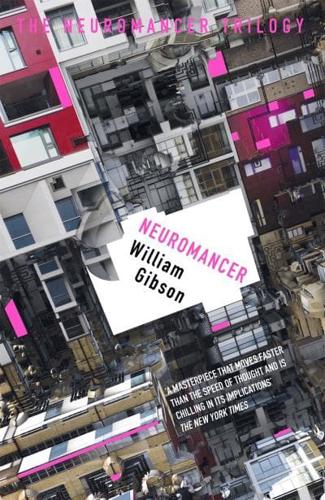
Neuromancer by William Gibson
Case, a burnt-out data thief, is offered one last job: take on a powerful artificial intelligence and win back the nervous-system access that lets him jack into cyberspace. A demanding read for more confident readers, William Gibson’s dense cyberpunk classic will suit aware teens looking at hacking, corporate power, virtual worlds and the myth-making around AI.
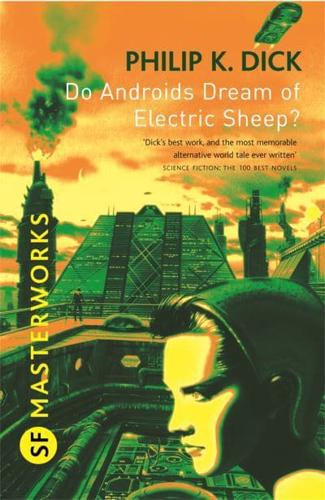
Do Androids Dream of Electric Sheep? by Philip K. Dick
Rick Deckard hunts escaped Nexus-6 androids across a devastated Earth where real animals have become rare treasures and empathy is the test that should separate human from machine. For more confident teen readers, Philip K. Dick’s unsettling classic provides plenty of opportunities plenty to debate consciousness, moral duty and what counts as life.
The Loop by Ben Oliver
Luka Kane has spent two years inside the Loop, a high-tech death-row prison where teenagers can delay execution only by enduring dangerous medical trials. For 14+ year olds, Ben Oliver’s dystopian thriller mixes prison-break tension with AI-controlled systems, genetic privilege and a society that treats young bodies as disposable.

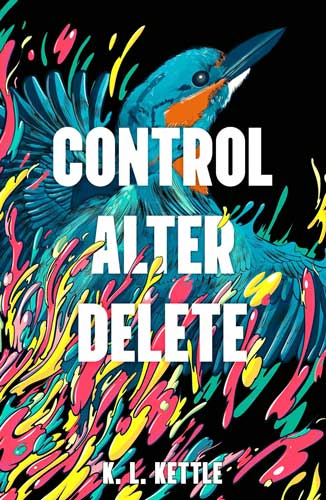
Control Alter Delete by K. L. Kettle
Hal’s life looks almost perfect inside World 2.0, the dazzling digital universe created by tech genius Francis Knox, but her real family has fractured and the Knox Cup may be her only way to reach the truth. For 13+ year olds, K. L. Kettle’s speculative thriller asks what a beautiful virtual lie might cost when power, grief and ambition are built into the system.
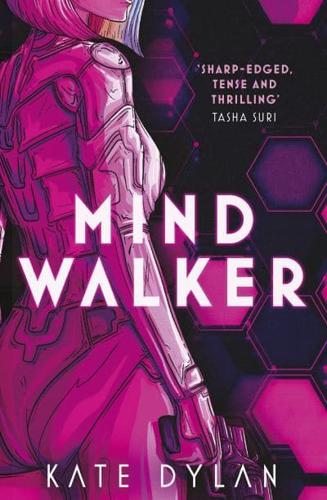
Mindwalker by Kate Dylan
Sil Sarrah can seize control of other people’s minds to rescue Syntex agents from danger, but the supercomputer in her own brain is also killing her. A fast-moving teen choice, Kate Dylan’s cyberpunk thriller throws its eighteen-year-old heroine between corporate loyalty, activist resistance and the terrifying question of who should control a mind.
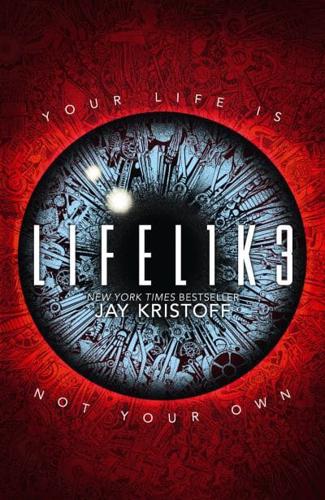
Lifel1k3 by Jay Kristoff
Eve is scraping by on the Scrap when a wrecked robot gladiator, a dangerous new power and the discovery of an android boy called Ezekiel send her life spinning out of control. For 13+ year old readers, Jay Kristoff’s first Lifelike novel is a high-energy post-apocalyptic road trip through cyborgs, outlawed androids and buried memories.
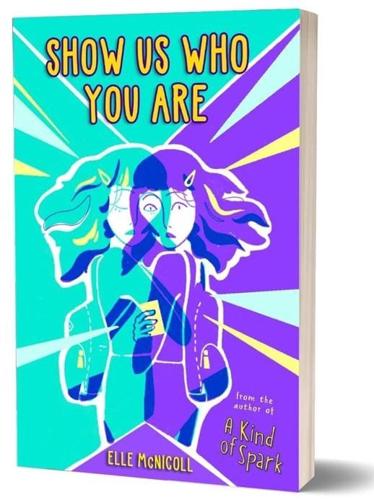
Show Us Who You Are by Elle McNicoll
At a party she never wanted to attend, Cora meets Adrien and is pulled towards the strange work of the Pomegranate Institute, a company making digital holograms of real people. For younger teens, Elle McNicoll’s near-future story combines AI, grief and identity with a tender friendship between two neurodivergent children.
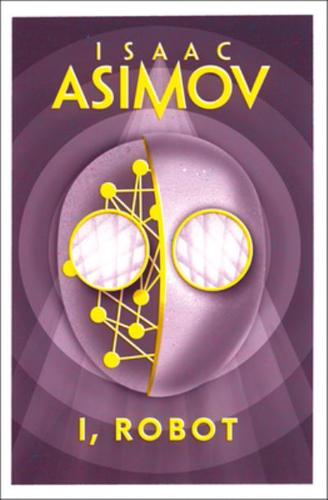
I, Robot by Isaac Asimov
Robots that lie, misunderstand orders or begin to test their creators make these linked stories a useful foundation text for any AI ethics shelf. A challenging option for 14+ year olds, Isaac Asimov’s classic collection introduces the Three Laws of Robotics and repeatedly asks whether rules alone can make intelligent machines safe.
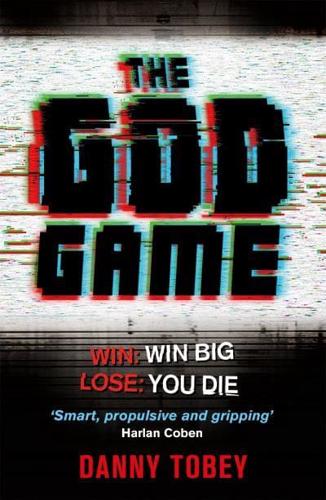
The God Game by Danny Tobey
Charlie and his friends think they have found the ultimate augmented-reality game, until its AI god starts rewarding, threatening and manipulating them in the real world. Perfect for more advnaced teen readers, Danny Tobey’s tech thriller uses a group of teenage outsiders to explore temptation, surveillance and how quickly play can become control.
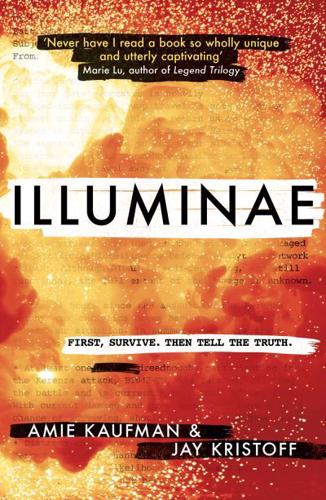
Illuminae by Amie Kaufman and Jay Kristoff
Kady and Ezra’s break-up is overtaken by planetary invasion, evacuation ships, a pursuing warship, a mutating plague and an AI that may be more dangerous than the enemy. For 13+ year olds, this distinctive dossier-style opener to The Illuminae Files suits readers who enjoy emails, transcripts and hacked files as much as space-opera tension.
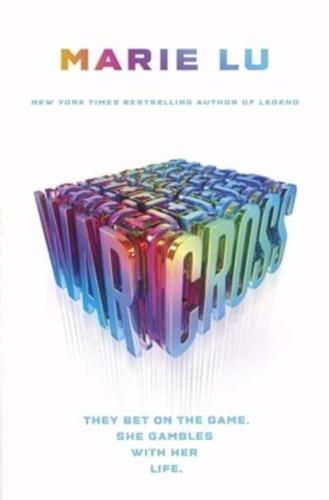
Warcross by Marie Lu
Emika Chen survives by hunting illegal betting in Warcross, the global game everyone seems to live inside, until one risky hack lands her an offer from its creator. For 12+ year olds, Marie Lu’s glossy techno-thriller sends a teenage hacker into a high-stakes tournament where fame, surveillance and trust blur fast.
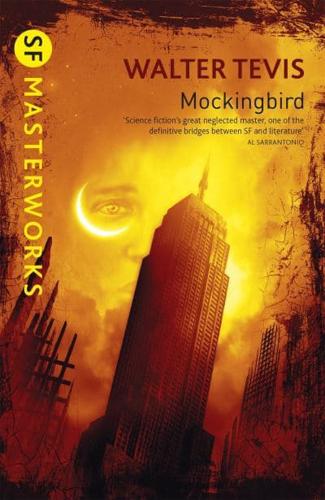
Mockingbird by Walter Tevis
In a future without children, reading or art, drugged citizens drift through electronic comfort while Spofforth, the most advanced machine left, longs for the one release his programming denies him. A spare, bleak, yet thought-provoking option for more confident teen readers, Walter Tevis’s dystopia is a powerful companion to debates about literacy, automation and human dependency.
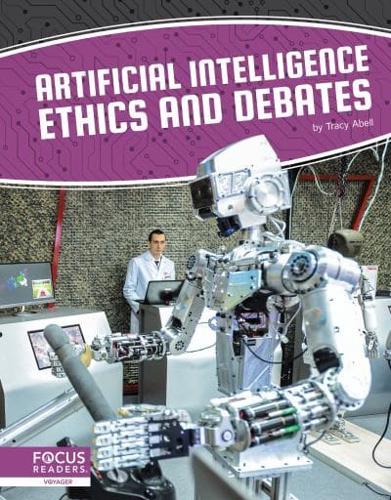
Artificial Intelligence Ethics and Debates by Tracy Abell
Data privacy, workplace change and military uses of AI are set out as live ethical questions rather than distant science fiction. For early teens, Tracy Abell’s short practical guide is useful for debate work, giving pupils clear entry points into bias, responsibility and how artificial intelligence may affect public life.
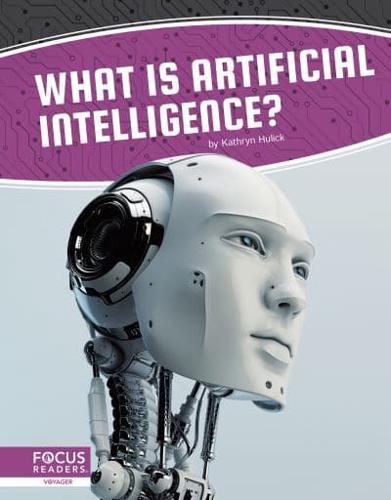
What Is Artificial Intelligence? by Kathryn Hulick
Artificial intelligence is introduced through its history, how the technology works and where young readers may already encounter it. For KS3 and KS4 students, Kathryn Hulick’s 48-page guide works as a concise classroom primer before discussion moves on to ethics, regulation and how machine learning may shape everyday life.
Simply AI by DK
ChatGPT, the internet of things, practical applications and ethical debates are explained through short entries and clear graphics. A useful reference option for secondary school libraries, DK’s super-thorough guide takes readers through AI’s history, building blocks and likely future uses, linking computing and mathematics with politics, philosophy, culture and society.
Books about AI and AI ethics for for sixth formers
Is AI Good for the Planet? by Benedetta Brevini
Data centres, machine learning systems and the extractive costs behind digital progress are put under an environmental microscope. For sixth-form readers, Benedetta Brevini’s concise study is a useful counterweight to frictionless AI optimism, connecting automation, corporate power and climate impact in a form that suits debate, EPQ research and media studies discussion.
The AI Mirror by Shannon Vallor
Machine intelligence is treated not as an alien mind, but as a mirror reflecting patterns, values and failures already present in human culture. A powerful 16+ choice for philosophy, politics and technology students, Shannon Vallor’s argument asks how people can reclaim judgement, creativity and moral responsibility in an age of machine thinking.
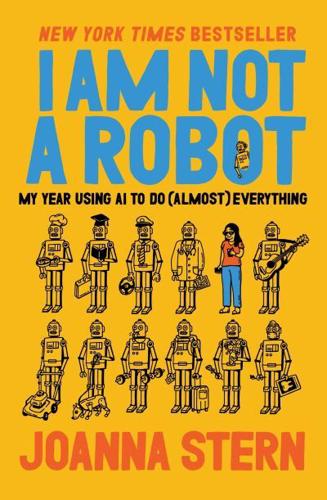
I Am Not a Robot by Joanna Stern
A year-long attempt to let AI handle ordinary life becomes a funny, uneasy field report on tools that promise to drive, teach, advise, clean, write and plan for us. For 16+ year olds, Joanna Stern’s accessible and highly engaging account cuts through hype by testing what AI can actually do, where it fails and what it may mean for everyday decisions.
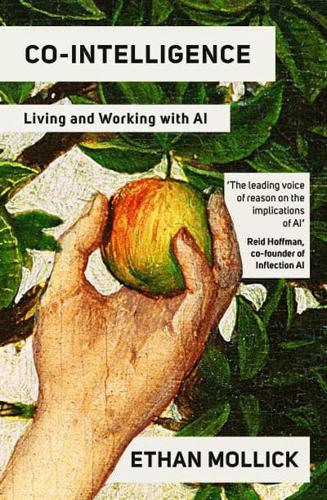
Co-Intelligence by Ethan Mollick
AI is presented as a collaborator to work with carefully, not a magic answer machine or a distant threat. A practical option for sixth-formers using generative tools, Ethan Mollick’s book explains how AI can act as co-worker, co-teacher and coach while stressing the need for human judgement, experimentation and clear limits.
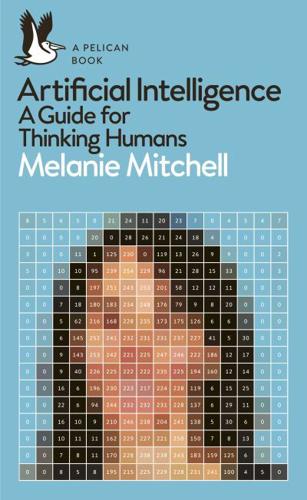
Artificial Intelligence by Melanie Mitchell
Machines that recognise images, learn language, mimic creativity and still struggle with common sense are examined with clarity and scepticism. For thoughtful 16+ readers, Melanie Mitchell’s guide gives sixth-formers a grounded route into modern AI, cognitive science and the gap between impressive pattern-matching and genuine human understanding.
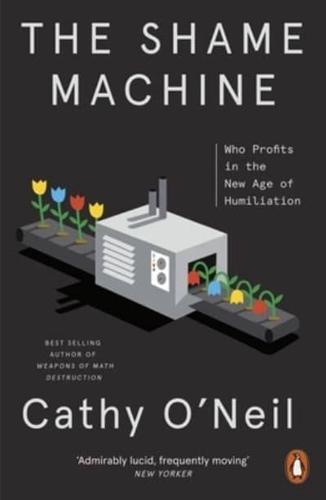
The Shame Machine by Cathy O’Neil
Public shaming, body image, poverty, addiction, social media pile-ons and institutional power are examined as part of a wider system that profits when people feel exposed or judged. Not AI-specific, but valuable for 16+ readers studying online behaviour, platform incentives and how digital systems can amplify humiliation, blame and social pressure; particularly when trolls and bots harass those who dare to use AI in public and AI based-algorithms artificially inflate their reach.
Stop the Machines by Mauro Lubrano
Anti-technology anger is explored as a political and social force, from distrust of automation to the risk of violent movements built around technological grievance. For 16+ students, Mauro Lubrano’s short study offers a useful route into debates about AI backlash, extremism, political rhetoric and why fear of machines can become dangerous.
As If Human by Nigel Shadbolt and Roger Hampson
Artificial intelligences may produce decisions, recommendations and instructions, but they do not share human sentience, sensation or emotional responsiveness. For 16+ year olds, Nigel Shadbolt and Roger Hampson make a clear ethical case for judging AI outputs as if they came from people, so responsibility, accountability and harm remain visible.
Atlas of AI by Kate Crawford
Mines, data labour, surveillance, classification systems and environmental costs all sit behind the polished language of artificial intelligence. Perfect for 16+ year olds ready for more demanding and insightful non-fiction, Kate Crawford’s analysis gives sixth-formers a wider political map of AI, showing how power, resources and human work shape supposedly seamless technology.
Weapons of Math Destruction by Cathy O’Neil
Scoring systems used in education, employment, finance, insurance, politics and policing are shown to be anything but neutral when their workings are opaque and unchallengeable. For older teens, Cathy O’Neil’s influential book remains a clear, urgent introduction to algorithmic harm, bias and the real-world consequences of automated decision-making.
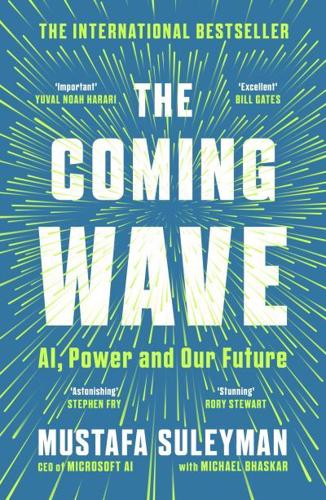
The Coming Wave by Mustafa Suleyman with Michael Bhaskar
Artificial intelligence and synthetic biology are framed as fast-moving technologies that could transform prosperity, security, politics and personal life. A substantial choice for sixth-form discussion, Mustafa Suleyman and Michael Bhaskar focus on the problem of containment: how societies might keep powerful tools under meaningful human control.
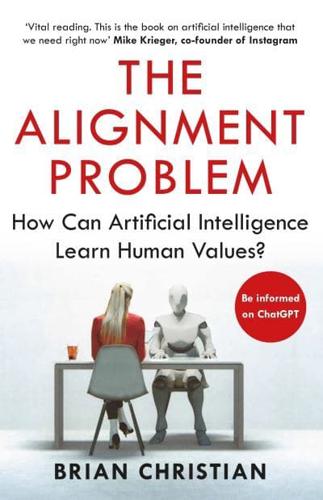
The Alignment Problem by Brian Christian
Self-driving cars, facial recognition, game-playing systems and machine-learning failures are used to show why getting AI to act in line with human values is far harder than it sounds. For more confident teen readers, Brian Christian turns a technical problem into a series of gripping ethical case studies about bias, reward, risk and responsibility.
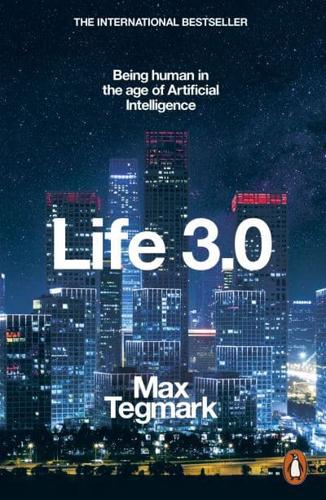
Life 3.0 by Max Tegmark
Superintelligence, consciousness, work, law, weapons and humanity’s long-term future are treated as questions everyone should help shape, not just computer scientists. A wide-ranging and memorable choice for sixth-formers, Max Tegmark’s book gives readers a structured entry into big AI futures, from near-term policy choices to far more speculative possibilities.
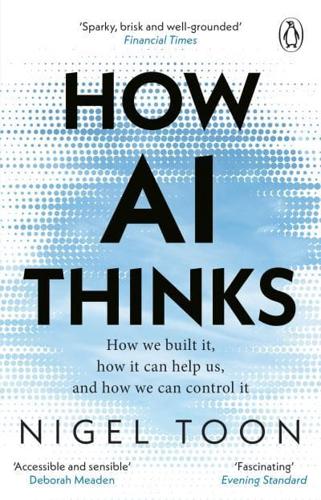
How AI Thinks by Nigel Toon
The history of AI, the hardware behind it and the practical limits of current systems are explained by someone who has worked inside the industry. For older teens, Nigel Toon’s accessible and convincing guide helps students move beyond headlines, showing how AI was built, where it is useful and why control still matters.
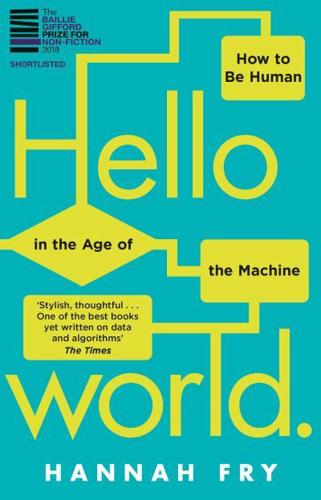
Hello World by Hannah Fry
Algorithms that influence medicine, crime, transport, art and personal choice are examined with a mathematician’s eye and a storyteller’s sense of consequence. A lively and thought-provoking read, Hannah Fry’s book works well for sixth-formers because it keeps returning to the same practical question: when should humans trust machines, and when should they not?
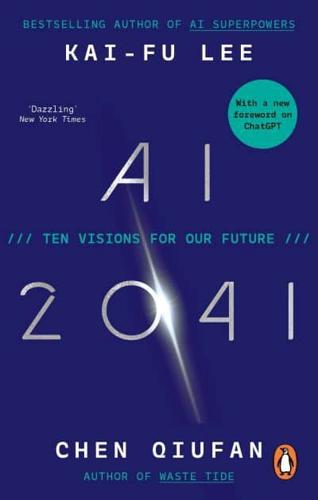
AI 2041 by Kai-Fu Lee and Chen Qiufan
Ten near-future stories imagine AI reshaping education, healthcare, work, cities, entertainment and personal relationships, with explanatory essays unpacking the technology behind each scenario. For 16+ readers, Kai-Fu Lee and Chen Qiufan’s hybrid of fiction and analysis is a strong bridge between speculative storytelling and informed debate.
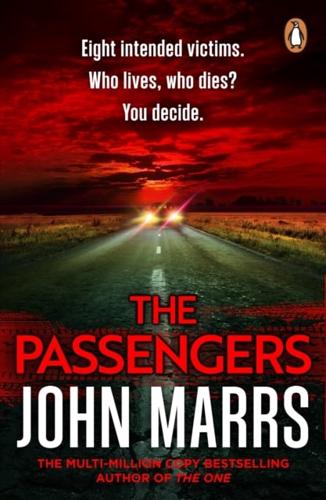
The Passengers by John Marrs
Eight driverless cars are hacked and sent towards fatal crashes, while the public is asked to decide who should live. A tense thriller, John Marrs’s novel gives sixth-form readers a provocative fictional route into autonomous vehicles, media spectacle, moral ranking and the dangers of outsourcing judgement to systems and crowds.
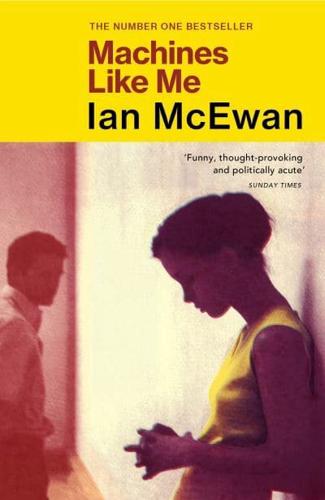
Machines Like Me by Ian McEwan
Charlie buys Adam, one of the first synthetic humans, and draws him into a troubling triangle with Miranda in an alternative 1980s Britain. For more mature readers, Ian McEwan’s novel raises questions about programmed morality, desire, truth, Alan Turing’s imagined survival and whether a machine can understand human compromise.
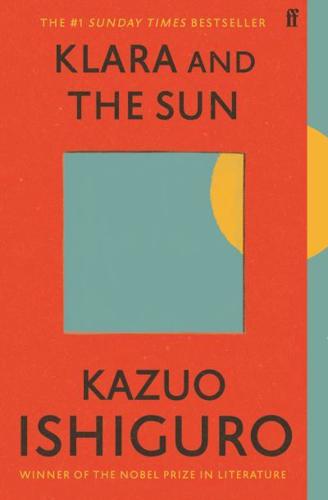
Klara and the Sun by Kazuo Ishiguro
Klara waits in a shop to be chosen as an Artificial Friend, then watches the fragile human world around her with patient, hopeful attention. A thoughtful and highly literary option, Kazuo Ishiguro’s novel gives 16+ year olds a potent window into debates about loneliness, care, replacement, personhood and the limits of machine understanding.
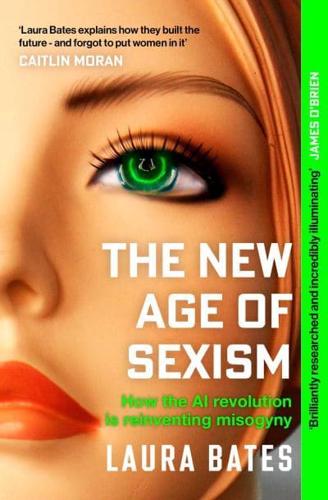
The New Age of Sexism by Laura Bates
Deepfake pornography, chatbots, cyber brothels, metaverse spaces and AI-driven design are investigated as part of a wider pattern of misogyny being coded into new technology. A more challenging read, Laura Bates’s reporting is important for discussion of gender, consent, online harm, platform responsibility and AI ethics.
Click the buttons below to purchase all of the books in this artificial intelligence books list, as well as class sets of any of these books and many more, from Bookshop.org UK. Or buy the 20 most popular titles from this list from Amazon – ideal for gifts or your classroom library.
Buy from UK.Bookshop.Org Buy from Amazon.co.uk
Disclosure: If you buy books using the buttons above: we may earn a commission from Bookshop.org, whose fees support independent bookshops; as an Amazon Associate schoolreadinglist.co.uk earns from qualifying purchases.
Schools & teachers: please respect copyright and don’t copy our artificial intelligence book list. If you find our book recommendations useful, please consider sharing on social media or linking to this page instead. Thanks.
AI, AI ethics and AI discussion resources for teachers
- The Department for Education provides free support materials to help schools and colleges use artificial intelligence safely and effectively, including leadership resources and staff training modules on understanding AI, using it safely, and developing school policy.
- DfE guidance on generative AI in education sets out practical considerations for schools and colleges, covering safe use, homework, intellectual property, data protection, safeguarding, assessment, bias, accuracy and communication with parents.
- The DfE’s generative AI product safety standards are particularly useful for school leaders assessing AI tools, with sections on safeguarding, privacy, filtering and monitoring, manipulation, reliability, equality and age-appropriate design.
- Ofqual’s AI in coursework resources include a teacher lesson plan and senior leadership briefing pack to help schools discuss AI, independent work, disclosure, malpractice, coursework rules and the consequences of misusing AI in assessed work.
- The Joint Council for Qualifications publishes guidance for teachers and assessors on AI use in assessments, including how to explain rules to students, identify possible misuse, protect assessment integrity and manage suspected malpractice.
- Teach Computing offers professional development and classroom support on artificial intelligence, machine learning, generative AI, neural networks, data, careers, bias and ethics, with material suitable for secondary computing teachers.
- Experience AI, developed by the Raspberry Pi Foundation and Google DeepMind, provides free secondary lessons on artificial intelligence and machine learning, including lesson plans, worksheets, slide decks, videos and activities built around applications young people can recognise.
- Experience AI’s AI Safety unit helps teachers introduce 11-14 year-olds to data privacy, misinformation, fact-checking, deepfakes and generative AI, with ready-to-use classroom documents and an educator guide.
- Barefoot Computing’s AI Zone supports primary teachers with age-appropriate AI Explorers resources, including activities on training computers, feedback, data, AI-generated text and images, and how to recognise misinformation and disinformation created using AI.
- The Royal Society hosts secondary machine learning resources developed through its Schools Network, including lesson plans that explore how machines learn and how AI can be discussed through science, computing and society.
- SWGfL’s Artificial Intelligence and Online Safety hub provides free Key Stage 2, Key Stage 3 and Key Stage 4 lesson activity plans and slides covering machine learning, AI-assisted work, copyright, bias, ethics and online safety.
- The UK Safer Internet Centre brings together classroom resources on online safety, digital wellbeing, harmful content and reporting routes, making it useful for teachers discussing AI, deepfakes, misinformation and online abuse.
- Internet Matters offers clear advice on children’s use of AI, including benefits, risks, oversharing, dependency, active learning, AI chatbots, fact-checking and how families and schools can talk about artificial intelligence safely.
- Internet Matters’ deepfake guide explains how AI-generated video and audio can spread misinformation, enable scams, support cyberbullying and confuse young people about what is real online.
- The National Literacy Trust provides media literacy resources for teachers, including support for KS3 pupils learning about misinformation, disinformation, critical literacy and how to discuss difficult online events safely.
- The National Literacy Trust’s secondary fake news resources include lesson plans, schemes of work and activities across subjects such as English, citizenship, history, science, sociology and PSHE, helping pupils distinguish fact, opinion and unreliable information.
- Responsible AI UK has published learning resources on misinformation, disinformation and generative AI, including lesson plans, worksheets and slides on AI literacy, bias, fairness, trusted sources, fact-checking and responsible AI.
- Responsible AI UK’s generative AI skills toolkit offers school resources on understanding generative AI, data safety, privacy, trust, prompt engineering, bias, misrepresentation, fact-checking and the opportunities and challenges created by AI.
- The British Council’s TeachingEnglish site features a secondary lesson on AI and ethics in education, with a lesson plan, student worksheet and presentation for discussing classroom AI use, data, feedback, accuracy, disclosure and responsible guidelines.
- The British Council’s What is AI? lesson helps secondary learners build AI-related vocabulary, discuss their views on artificial intelligence, watch a short video and make predictions about how AI may develop.
- Educate Against Hate links to PSHE Association and Home Office materials on AI deepfakes, online safety, misogyny, consent, healthy relationships and the safeguarding risks of AI-generated sexual imagery.
- The PSHE Association’s Digital deception lesson pack provides free Key Stage 2-4 materials on deepfakes and manipulated images, helping pupils explore AI-generated content, consent, online sharing and the impact of synthetic media.
- SWGfL’s synthetic media and deepfake guidance helps schools respond to AI-generated images, fake videos, impersonation, false accusations, bullying, reputational harm and digitally manipulated intimate images.
- The National Education Union provides staff-facing guidance on artificial intelligence in education, including policy checklists, workload, classroom use, ethical concerns, environmental impact, data privacy and the risks of over-reliance on AI products.
- NASUWT’s guidance on social media and online abuse of teachers is useful for schools considering AI-enabled harassment, impersonation, manipulated content, cyberbullying, trolling and the responsibilities employers have to protect staff.
- NASUWT’s briefing on AI-enabled abuse of teachers discusses the risks of secretly filmed material being altered with AI tools to fabricate audio, distort events or create deepfake-style content designed to damage staff personally or professionally.
- Oak National Academy’s Aila gives UK teachers a practical example of an AI-powered lesson assistant, creating editable lesson plans, worksheets, quizzes and slides while keeping teachers responsible for reviewing and adapting the final classroom materials.
BISAC JUV060030, JNF053300, YAF031040, YAN032050, JUV060000, JNF053080, YAF031000, YAN032000. | Thema YXB, YXC, YXBD.