Consent books for teens
Teen books about consent give young people a safe, readable way to think about boundaries, pressure, respect and personal choice. Through fiction, memoir, graphic novels and clear nonfiction, they cover dating, friendships, online behaviour, harassment, coercion and bystander choices. The most impactdul titles offer useful language for awkward moments, show that consent must be informed, freely given and reversible, and help readers spot unhealthy behaviour in ordinary relationships. This list features books by Laura Bates, Laurie Halse Anderson, Holly Bourne, Juno Dawson, Louise O’Neill, George M. Johnson, Non Pratt, Jennifer Mathieu, Alan Bissett, and Courtney Summers.
Consent books for teens – our recommendations
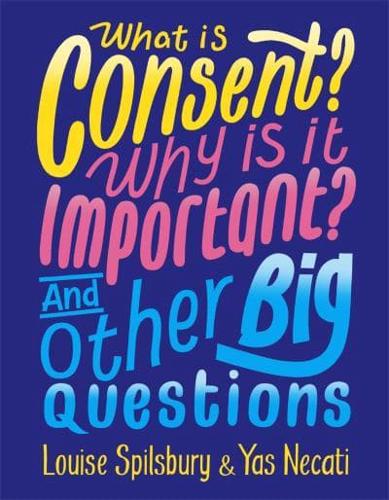
What is Consent? Why is it Important? And Other Big Questions by Yas Necati, Louise Spilsbury
Everyday questions about boundaries, choice and respect are unpacked in a clear, measured way, moving from personal relationships to wider areas such as healthcare and the law. For younger teens, this accessible and easy to read non-fiction title explains what consent means, why saying no matters and what young people can do if a boundary has been crossed.
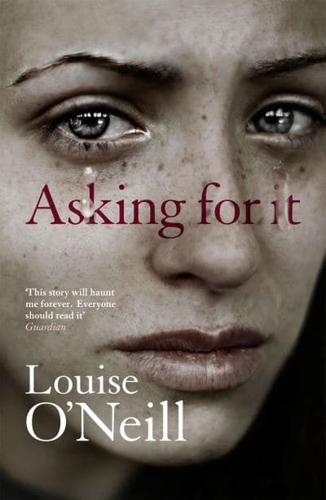
Asking For It by Louise O’Neill
After a party in a small Irish town, Emma O’Donovan wakes with no memory of what happened and finds that images of her have been shared. A powerful choice for 14+ year olds, this uncompromising novel looks at consent, social media abuse, victim-blaming and the damage caused when a community protects its own assumptions.
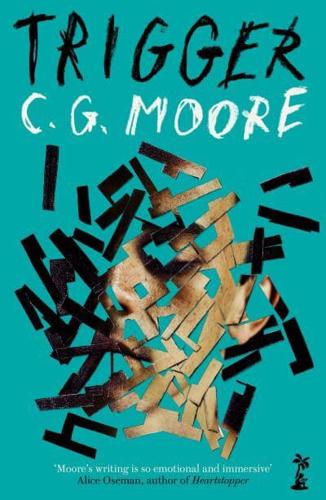
Trigger by C. G. Moore
Jay wakes in a park, bruised and unable to remember the night before, but his suspicions become harder to ignore. Written in verse, this hard-hitting YA novel follows his counselling sessions, his search for answers and the difficult questions raised by assault, trust, memory and justice.
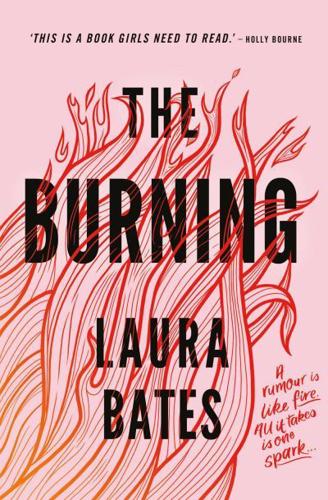
The Burning by Laura Bates
A new town, a new surname and erased social media accounts are meant to give Anna a clean break from the rumours that destroyed her old life. For 12+ year olds, this tense YA novel links online misogyny and school bullying with the story of Maggie, a local girl accused of witchcraft centuries earlier.
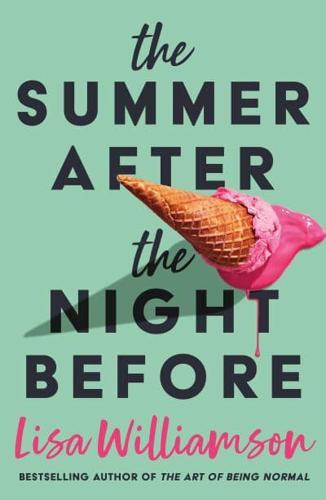
The Summer After the Night Before by Lisa Williamson
After a party kiss, Ben believes something has started between him and Molly. Molly says she cares about him – but not like that – and she cannot remember what happened next. As GCSEs end and summer begins, their friendship group is left reeling with conflicting memories, denials and pressure from all sides. This compelling contemporary YA story for 14+ year olds examines consent, blame and disclosure with care, prompting readers to think deeply about what happens when two people do not agree about the same events. It’s perfect for KS4 book clubs, and likely to be a popular and relevant reading choice in Years 10 and 11. Highly recommended.
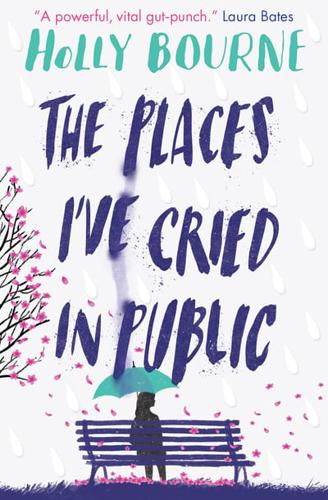
The Places I’ve Cried in Public by Holly Bourne
Amelie looks back over the places where she cried after falling for Reese, piecing together how a relationship that felt romantic became controlling and damaging. A thoughtful-provoking read for teens, it explores gaslighting, sexual relationships, love and friendship through a story that asks what real care should feel like.
Not Going To Plan by Tia Fisher
Marnie’s just been expelled; Zed’s all about grades. They meet through tutoring, hardly a natural match, but a fragile friendship begins to form. Then Marnie’s world shifts again: an unplanned pregnancy after non-consensual sex. Told in alternating voices, the story doesn’t shy away from the hard stuff, consent, trust, and what comes next. The visual verse format adds urgency and space to breathe, making it a powerful, relatable read for teens facing big questions. Highly recommended for KS4.

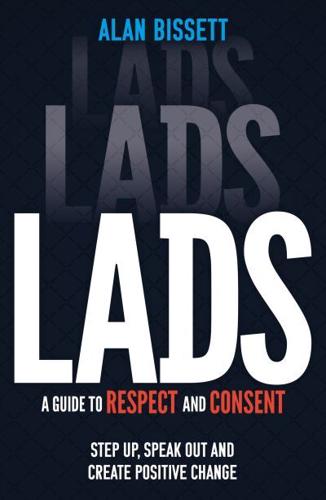
Lads by Alan Bissett
Jokes, pressure and awkward silences are treated as moments where teenage boys can choose respect instead of looking away. Perfect for 13+ year olds, this conversational guide explores consent, healthy relationships and calling out bad behaviour in a direct, non-accusatory style that works well for discussion.
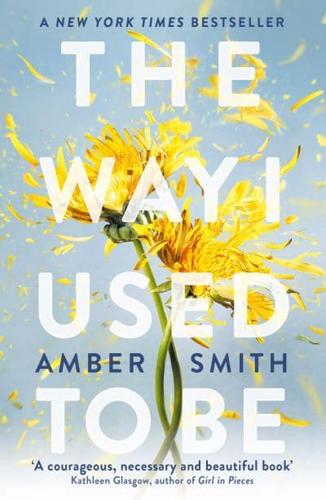
The Way I Used to Be by Amber Smith
Eden wants to rewind one devastating day, but instead she buries the truth and pushes friends, love and justice away. This powerful and emotionally direct YA novel follows the aftermath of assault and the painful distance between surviving something and being able to speak about it.
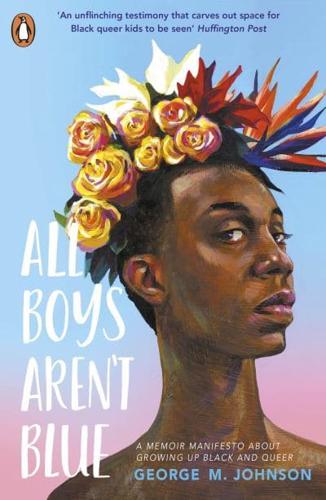
All Boys Aren’t Blue by George M. Johnson
Childhood, college and family memories are woven into a memoir-manifesto about growing up Black and queer in America. For 13+ year olds these personal essays cover gender identity, toxic masculinity, brotherhood, consent, family, inequality and Black joy with a lucid, reflective voice.
The Luis Ortega Survival Club by Sonora Reyes
Sonora Reyes explores the complexities of consent and identity in this unputdownable story. Ari, a selectively mute autistic girl, wrestles with her confidence, self-image, and vicious rumours after an encounter with the popular Luis. Deftly tackling pertinent issues of consent, predators, healing, and the value of real friendship, The Luis Ortega Survival Club is an original and valuable contemporary novel for teens to read and discuss. Highly recommended. Read our full review.

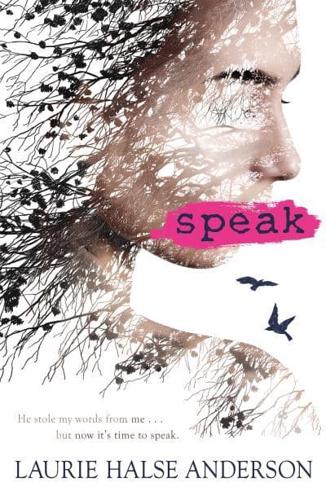
Speak by Laurie Halse Anderson
Melinda’s first day at Merryweather High begins with silence from everyone around her, all because she called the police at an end-of-summer party. A powerful choice for teens, this sparse, memorable and powerful novel follows trauma, isolation and the long process of finding a voice.
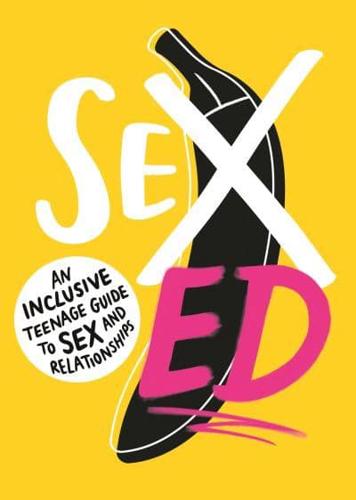
Sex Ed: An Inclusive Teenage Guide to Sex and Relationships by School of Sexuality Education
Consent, puberty, sexuality, contraception, porn and sexting are handled with a practical, inclusive tone that is useful well beyond one lesson. A frank guide, it gives teenagers clear information about bodies, relationships and choices without treating awkward questions as something to dodge.
Meat Market by Juno Dawson
Jana Novak is lifted from a south London estate into the high-pressure world of modelling after an unexpected scouting moment changes everything. This powerful and moving YA novel exposes the glamour, scrutiny and exploitation around fashion, with consent, body image and predatory behaviour built into the story.

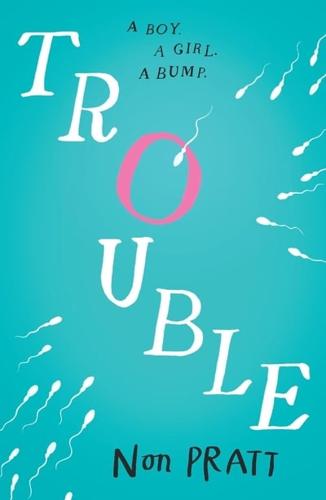
Trouble by Non Pratt
Fifteen-year-old Hannah is pregnant, and Aaron, the new boy who wants to keep his head down, makes the startling offer to pretend he is the father. A sharp contemporary novel, it deals with sex, rumours, toxic friendships and the messy business of growing up.
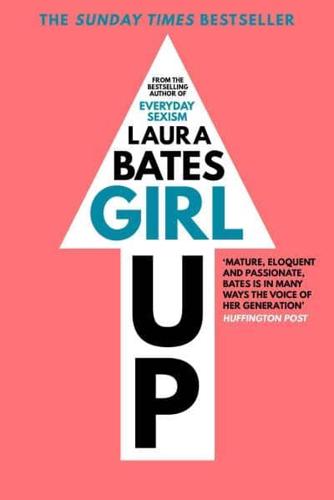
Girl Up by Laura Bates
Periods, bodies, sex, social media, street harassment and everyday sexism are tackled with blunt humour and practical advice. For 14+ year olds, this feminist guide encourages girls to question double standards, understand their rights and feel less alone when dealing with pressure, judgement or unwanted behaviour.
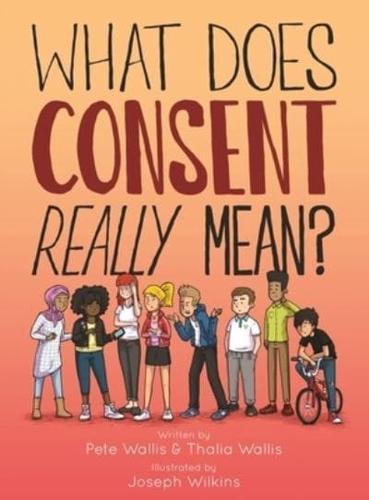
What Does Consent Really Mean? by Pete Wallis, Thalia Wallis, illustrated by Joseph Wilkins
Tia and Bryony’s after-school conversation becomes much bigger when news of a classmate’s sexual assault leads their friendship group into questions about pressure, boundaries and respect. With graphic-novel storytelling, it opens up an accessible discussion about consent, peer influence and healthy relationships in an accessible format.
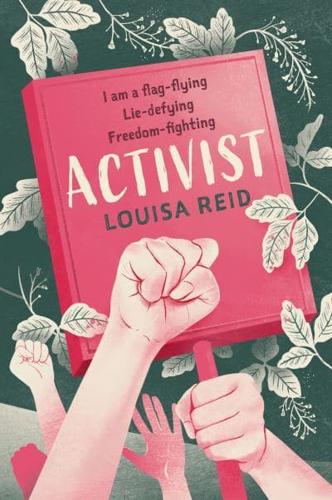
Activist by Louisa Reid
Hidden abuse and misogyny inside a secondary school push students towards protest, solidarity and the difficult work of speaking out. A gripping verse novel for 14+ year olds, it explores secrets, lies and activism through a school setting where young people have to decide what they are prepared to challenge. Highly recommended.
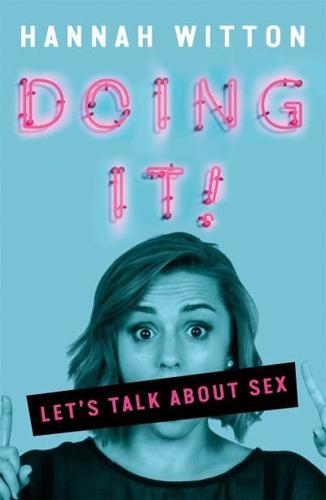
Doing It by Hannah Witton
Sexting, virginity, consent, porn, pleasure and healthy relationships are discussed with humour, honesty and a strong sense that everyone deserves clear information.This inclusive guide talks directly to teen readers about sex and relationships while leaving thinking space for readiness, safety and the choice not to do it.
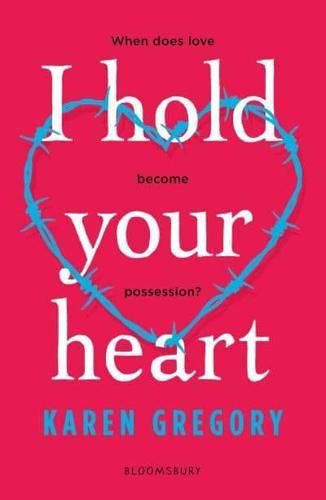
I Hold Your Heart by Karen Gregory
Gemma feels seen when Aaron arrives in her life, but the intensity of their romance slowly becomes something watchful and controlling. This stunning dual-voice YA novel explores gaslighting, coercive control and the way a relationship can narrow someone’s world before they recognise what is happening.
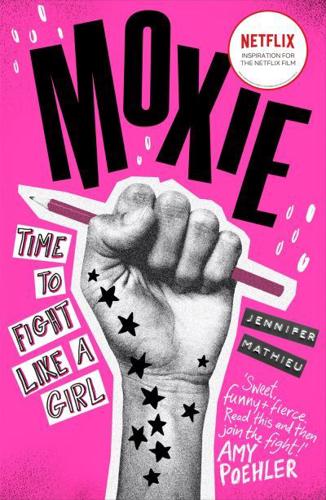
Moxie by Jennifer Mathieu
Viv Carter is tired of sexist rules, hallway harassment and teachers who excuse the football team, so she turns her anger into an anonymous feminist zine. Ideal for teen readers who enjoy a pacey read, this lively YA school-set novel follows how one small act of resistance grows into a wider challenge to everyday misogyny.
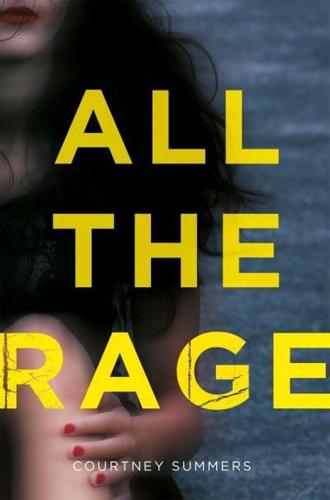
All the Rage by Courtney Summers
Romy Grey’s lipstick is armour after speaking up about Kellan Turner, the sheriff’s son, leaves her isolated and disbelieved. For older teens, this intense and thought-provoking novel follows the cost of silence when another girl goes missing and a community’s loyalty to a powerful figure is tested.
Click the buttons below to purchase all of the books in this consent books list, as well as class sets of any of these books and many more, from Bookshop.org UK. Or buy the 20 most popular titles from this list from Amazon – ideal for gifts or your classroom library.
Buy from UK.Bookshop.Org Buy from Amazon.co.uk
Disclosure: If you buy books using the buttons above: we may earn a commission from Bookshop.org, whose fees support independent bookshops; as an Amazon Associate schoolreadinglist.co.uk earns from qualifying purchases.
Schools & teachers: please respect copyright and don’t copy our consent books for teens list. If you find our book recommendations useful, please consider sharing on social media or linking to this page instead. Thanks.
Consent resources for teachers
- The PSHE Association has a dedicated consent education hub with teacher guidance, PDF and PowerPoint lesson plans, and materials covering key stage 1 through to key stage 5/post-16.
- GOV.UK’s relationships, sex and health education training materials include teacher modules on boundaries, privacy, communicating consent, sexual consent and the law, sexual harassment, abuse, coercion, pornography and online behaviour.
- The NSPCC’s Talk Relationships programme provides free lesson plans, editable PowerPoints, teaching guidance and training for secondary schools, including materials on personal space, boundaries, consent, pornography, unhealthy relationships and SEND provision.
- NSPCC Talk PANTS offers age-appropriate lesson plans, slides, videos, worksheets, posters and parent/carer resources for children aged 3-11, including SEND and Welsh-language versions.
- Childnet’s Step Up, Speak Up! toolkit gives secondary teachers lessons, quick activities, films, an audio story, workshops and an assembly presentation for tackling online sexual harassment with 13-17 year-olds.
- SARSAS Pause Play Stop is a free online consent tool for students aged 13+, with classroom discussion material on clear consent, recognising “no”, online situations, the law, pressure, coercive control and active bystanders.
- The Schools Consent Project provides consent workshops for 11-18 year-olds, including bespoke sessions, SEN and pupil referral unit provision, parent sessions and teacher training before and after workshops.
- Brook offers RSE courses, education sessions, free handouts, lesson resources, SEND-inclusive materials and teacher support on healthy relationships, pornography, contraception, gender, sexuality, misogyny, masculinity and stereotypes.
- Women’s Aid Expect Respect supports schools and universities to teach about healthy and unhealthy relationships, coercive and controlling behaviour, bystander action and support-seeking.
- AGENDA, from Cardiff University, NSPCC, Welsh Women’s Aid, the Children’s Commissioner for Wales and the Welsh Government, provides English and Welsh resources for ages 7-18 on consent, body image, gender equality, LGBTQ+ rights, bullying, street harassment, sexual exploitation and relationship violence.
- The NSPCC’s It’s Not OK resources use films, lesson plans and activities to help young people aged 11+ recognise abusive and exploitative behaviour, including grooming, sexting, harmful sexual behaviour, child sexual abuse and child sexual exploitation.
- NSPCC It’s Not Love includes three films, lesson plans, teacher notes, activities and curriculum mapping for 11-14 year-olds exploring healthy and unhealthy relationships, coercive control, domestic abuse, peer relationships and intervention moments.
- The CSA Centre provides free whole-school guidance, safety-planning tools and education-specific resources to help schools identify and respond to child sexual abuse concerns and harmful sexual behaviour.
- The Association of Colleges RSE toolkit supports post-16 educators with discussion activities, direct teaching and self-directed learning materials on consent, coercive control, identity, digital activity, personal safety, SEND and 14-16 learners in college settings.
BISAC YAN051290, YAN051040, YAN051150, YAN051160, YAN051220, YAN051000, YAF058040, YAF058160, YAF058170, YAF058240, YAF058000, JNF053320, JNF053020, JNF053110, JNF053120, JNF053170, JUV039190, JUV039100, JUV039010, JUV039210. | Thema YXAX, YXH, YXQ, YXR, YXD, YXB, YXC.