Children’s and teen books to help combat hatred and bigotry
Books about hatred and bigotry help young readers to understand and combat prejudice, discrimination and unfair treatment in age-appropriate ways. Through fiction, real histories, personal testimony or practical guidance, they can explore racism, antisemitism, Islamophobia, homophobia, transphobia, ableism, misogyny, bullying and exclusion. The strongest titles give children the language and context to discuss difficult subjects, while also showing courage, allyship, identity, community and the choices that can make schools fairer. This list features books by Michael Rosen, Malorie Blackman, Benjamin Zephaniah, Angie Thomas, Jason Reynolds, David Olusoga, R. J. Palacio, Lois Lowry, Elle McNicoll, and Nicola Davies.
Children’s and teen books to help combat hated and bigotry – our recommendations
Picture books to combat hatred and bigotry for children in EYFS and KS1
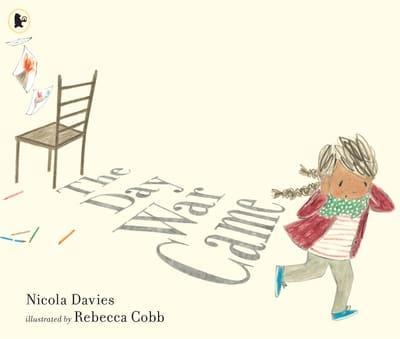
The Day War Came by Nicola Davies
A child who has been drawing birds and volcanoes at school is suddenly displaced when war reaches her town, leaving her to face a journey, a border and the refusal of welcome. For 5-7-year-olds, Nicola Davies and Rebecca Cobb use the image of a classroom chair to make refuge, exclusion and practical kindness clear without reducing the child’s experience to a lesson.
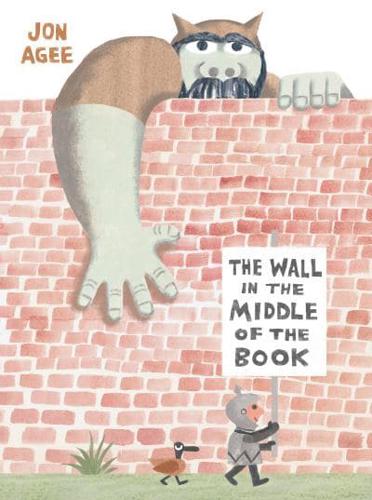
The Wall in the Middle of the Book by Jon Agee
A small knight trusts the wall that cuts through the book, certain that it protects him from whatever is on the other side. For 3-6-year-olds, Jon Agee’s spare comic setup gives children a sharp visual way to examine fear, false certainty and the assumptions people make about those they do not know.
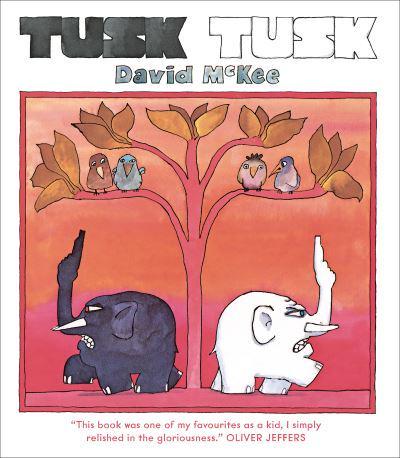
Tusk Tusk by David McKee
Black elephants and white elephants live peacefully with other animals but cannot accept one another, and their hatred eventually destroys them. For 3-5-year-olds, David McKee’s fable offers a stark, accessible way into discussion about prejudice, conflict and the danger of passing old divisions on.
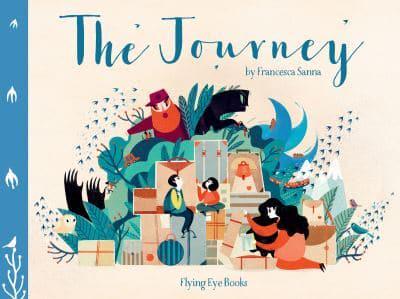
The Journey by Francesca Sanna
A mother and her two children leave home after war makes staying impossible, travelling through uncertainty as they search for somewhere safe. For 3-7-year-olds, Francesca Sanna’s picture book keeps close to a child’s view of migration, balancing fear, practical difficulty and hope in a form that supports careful classroom discussion.
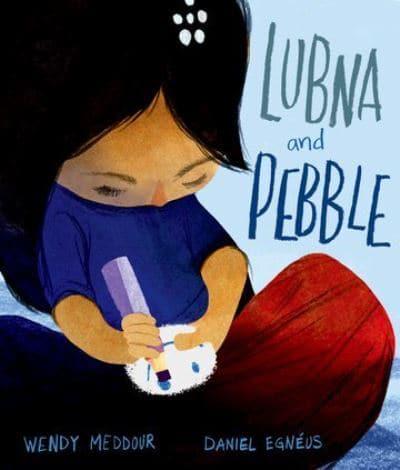
Lubna and Pebble by Wendy Meddour
Lubna arrives with her father in the World of Tents, where a pebble with a drawn-on face becomes the friend who listens when she is frightened. For sharing with younger children, Wendy Meddour’s story uses one small object to show displacement, comfort, friendship and the generosity of helping someone else feel safe.
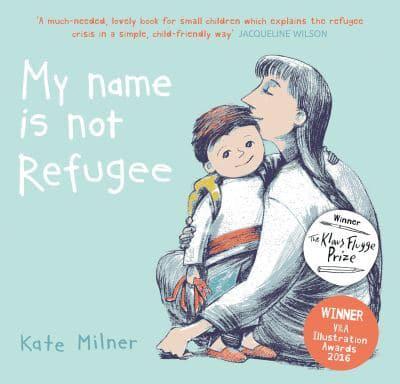
My Name is Not Refugee by Kate Milner
A mother explains to her young son that they must leave their town, say goodbye to familiar people and make a long journey towards safety. For 3-6-year-olds, Kate Milner’s picture book is direct and thoughtful, with page-by-page questions that help children consider refugee experiences as personal, practical and human.
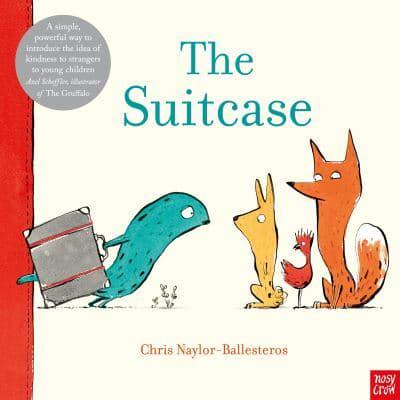
The Suitcase by Chris Naylor-Ballesteros
A tired stranger arrives with a suitcase and a story that the other animals find hard to believe, until their suspicion leads them to break it open. For 2-5-year-olds, Chris Naylor-Ballesteros gives young children a clear sequence of mistrust, harm, apology and repair, making welcome something visible and practical.
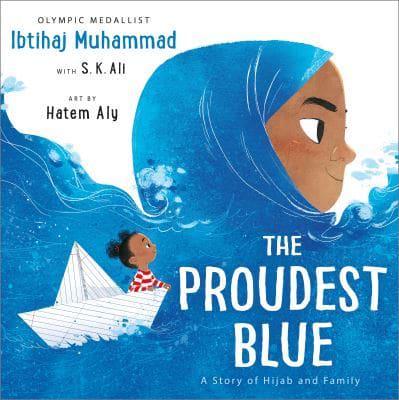
Ibtihaj Muhammad and S. K. Ali, illustrated by Hatem Aly
Faizah watches her older sister Asiya begin school wearing hijab for the first time, proud of its blue fabric even when other children respond unkindly. For 4-7-year-olds, this picture book brings Muslim identity, sibling loyalty and self-respect into a school setting where hurtful comments can be named and challenged.
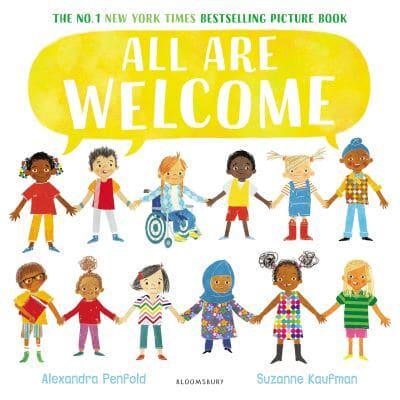
All Are Welcome by Alexandra Penfold
A class moves through a school day where children in patkas, hijabs, baseball caps and yarmulkes learn, play and share food together. For 2-5-year-olds, Alexandra Penfold and Suzanne Kaufman present inclusion as part of daily school life, giving early years settings a warm read-aloud about belonging, respect and community.
Books to combat hatred and bigotry for 7-12-year-olds
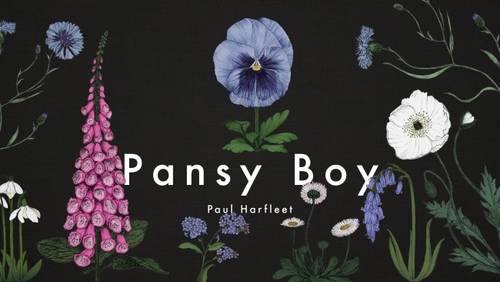
Pansy Boy by Paul Harfleet
A touching, sensitively illustrated picture book about a 7-year-old boy who loves nature, writing, art, flowers, butterflies, and birds in flight. Bullied at school because he is not like the other boys, he finds a way to answer the taunts and show that the world can be beautiful. Inspired by The Pansy Project, it tackles toxic masculinity, intolerance, and playground name-calling, while encouraging tolerance and acceptance of everyone’s interests and perspectives. Suitable for Y3-6 and ideal for KS2 PSHE discussion.
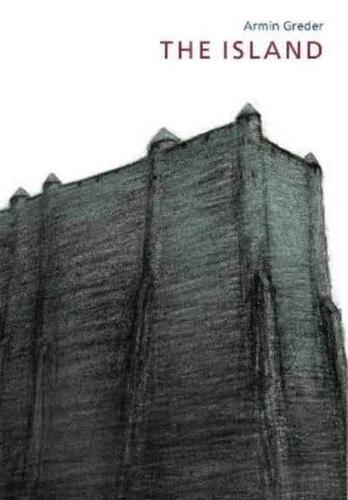
The Island by Armin Greder
A visually powerful picture story about a shipwrecked man who is at first treated with suspicion and fear, and then subjected to blame, prejudice, and hate. The clever progression and downward spiral of the village society’s behaviour are beautifully choreographed through the artwork and this is an ideal text to both discuss with 9-11-year-olds in KS2 and use as the basis for modelled writing. Highly recommended.
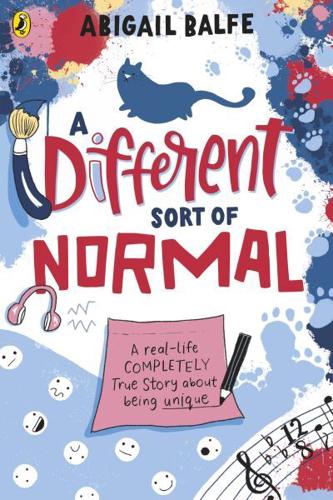
A Different Sort of Normal by Abigail Balfe
Growing up feeling out of step with the world, Abigail Balfe looks back on childhood, school, friendships, sensory overload and family life as she slowly comes to understand that she is autistic. Full of doodles, jokes, memories and clear explanations, this illustrated memoir is a warm, practical choice for 9-12-year-olds, helping readers challenge myths about autism and see difference with more curiosity and kindness.
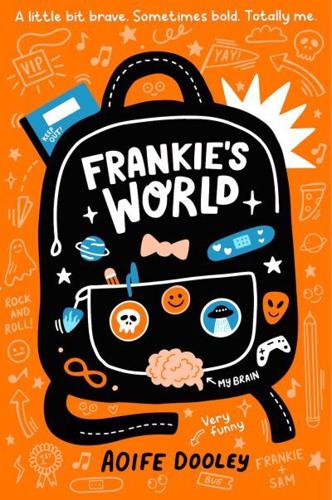
Frankie’s World by Aoife Dooley
Trying to work out why she never seems to fit in, Frankie wonders whether she might actually be from another planet. This funny, warm two-colour graphic novel follows her questions about school, friends, family and identity with honesty drawn from lived experience. For 9-14-year-olds, it offers an accessible way into conversations about autism, belonging and the pressure to seem “normal”.
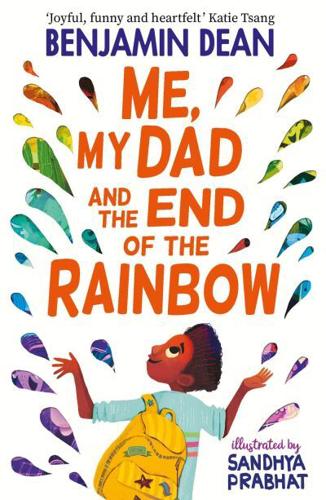
Me, My Dad and the End of the Rainbow by Benjamin Dean
Archie Albright knows his parents are keeping something from him, and a crumpled rainbow flyer in his dad’s pocket sends him and his friends Bell and Seb on a rule-bending search for answers. A joyful, funny family story for 8+ year-olds, it opens up positive conversations about Pride, identity, separation, secrets and loving people as they are.
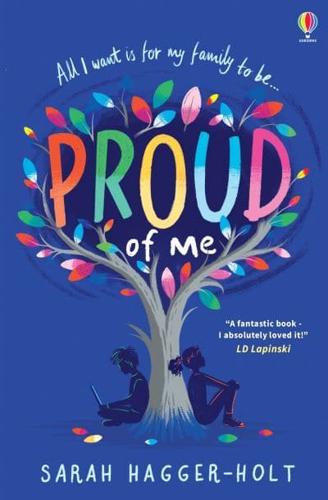
Proud of Me by Sarah Hagger-Holt
Becky and Josh are almost-twins, raised by two mums and linked by the same anonymous donor dad, but each is carrying questions they find hard to share. Josh is desperate to know more about his donor, while Becky is trying to understand her feelings for Carli. It’s a thoughtful read for 9+ year-olds about honesty, self-acceptance, rainbow families and wanting the people closest to you to be proud.
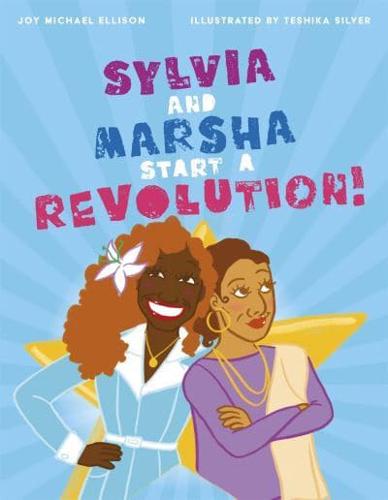
Sylvia and Marsha Start a Revolution! by Joy Michael Ellison, illustrated by Teshika Silver
Sylvia Rivera and Marsha P. Johnson’s friendship sits at the heart of this picture book biography, which introduces their part in the Stonewall uprising and their lifelong fight for LGBTQ+ equality. With Teshika Silver’s bold illustrations and a story shaped for younger readers, it gives primary classrooms a child-friendly route into trans history, activism, community and respect.
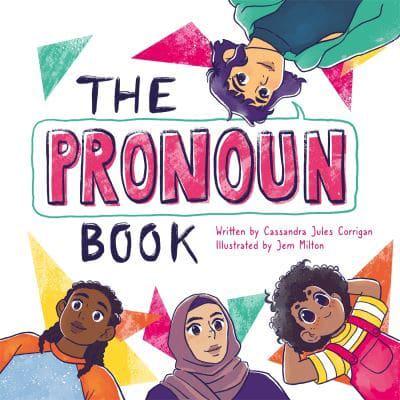
The Pronoun Book by Cassandra Jules Corrigan
Ellie and Casey guide readers through what pronouns are, why they matter and how to ask or correct mistakes with care. Designed for younger primary readers, this illustrated introduction explains she, he, they and neopronouns alongside ideas of gender diversity, trans and non-binary identities and misgendering. The adult notes make it especially useful for schools looking to build respectful everyday language.
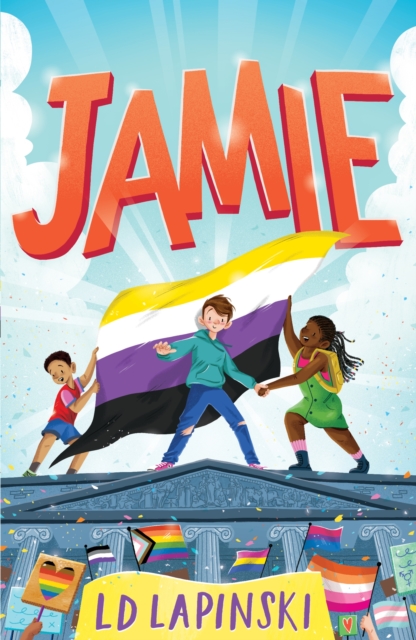
Jamie by L. D. Lapinski
Jamie Rambeau loves spending time with best friends Daisy and Ash, until the move to secondary school threatens to split them between separate boys’ and girls’ schools. For 9-11-year-olds, this hopeful story follows a non-binary child asking a simple but urgent question: where do they belong when every option is built around a binary that does not fit?
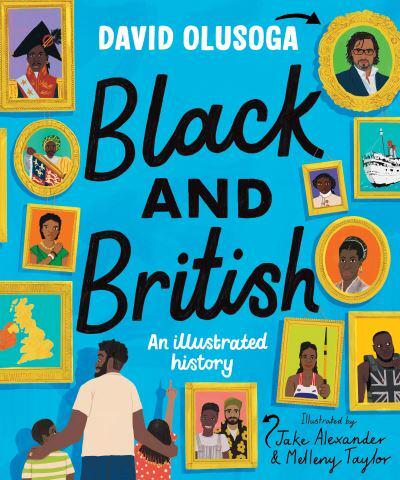
Black and British: An Illustrated History by David Olusoga
Roman soldiers at Hadrian’s Wall, Georgian portraits, abolition, world wars and Windrush all form part of this illustrated introduction to Black British history. Written for 8-11-year-olds, it gives young readers a broad, accessible account of how Black people have shaped Britain over centuries, making it a strong classroom starting point for history, citizenship and anti-racist discussion.
What Is Race? Who Are Racists? Why Does Skin Colour Matter? and Other Big Questions by Nikesh Shukla and Claire Heuchan
Big questions about skin colour, identity, stereotyping and representation are explored in a clear, discussion-friendly way, giving readers the context to understand how racist ideas develop and how they can be challenged. For 10+ year-olds, this accessible non-fiction title works well in upper KS2 and KS3 classrooms where pupils are ready to think carefully about racism, belonging and responsibility.
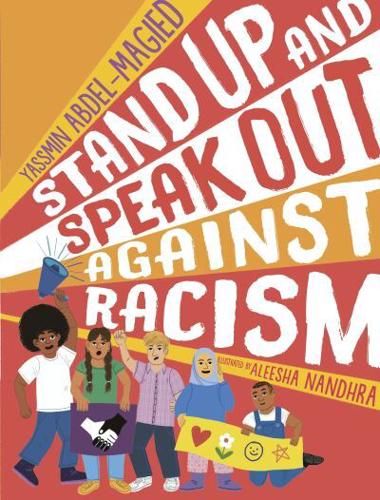
Stand Up and Speak Out Against Racism by Yassmin Abdel-Magied
Real questions from children shape this bright, direct guide to racism, anti-racism and speaking up when something is unfair. With illustrations and infographics by Aleesha Nandhra, it gives 9-12-year-olds practical ways to recognise racism, question prejudice and disrupt harmful conversations. The tone is calm and reassuring, making difficult classroom discussions feel possible rather than overwhelming.
Where? by Jordan Collins, illustrated by Phil Lesnie
Follow Jordan’s thoughts, fears and dreams in this book that invites readers to think about how we treat each other, how we feel about injustice and microaggressions and how we are all equal in the universe. Absolutely stunning, with atmospheric and awe-inspiring illustrations, this large-format picture book is a work of art. It’s imbued with awe and wonder and highly recommended for reading to children in Key Stage 1 and discussing in PSHE with KS2 students.

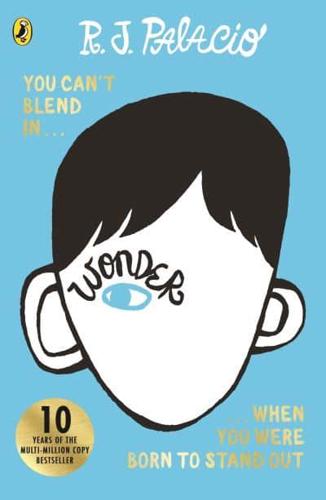
Wonder by R. J. Palacio
Auggie Pullman has been home-schooled for years because of his facial difference, but starting fifth grade at Beecher Prep means facing classmates who do not always know how to respond to him. A compelling choice for 9-11-year-olds, this modern classic is particularly useful for discussing bullying, bystanders, empathy and the everyday choice to treat people with kindness.
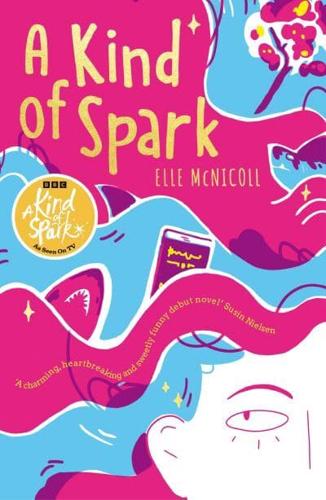
A Kind of Spark by Elle McNicoll
Addie, an autistic 11-year-old, is used to being misunderstood, but discovering that her Scottish town once punished women as “witches” gives her a cause she cannot ignore. For 9+ year-olds, this celebrated prize-winning novel links history, neurodiversity and activism with a strong child’s voice, offering rich discussion about prejudice, listening to young people and standing up for those misrepresented.
Resist by Tom Palmer
Nazi-occupied Netherlands is a place of hunger, fear and danger for Edda, whose family is torn apart by arrest and violence. Inspired by Audrey Hepburn’s childhood, this dyslexia-friendly Barrington Stoke novel gives 9-12-year-olds a tense, accessible story about resistance, courage and the risks ordinary people took to oppose fascism during the Second World War.

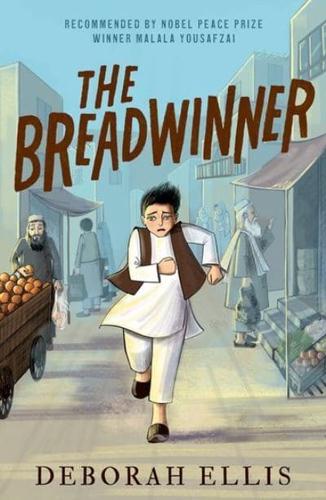
The Breadwinner by Deborah Ellis
When Parvana’s father is arrested by the Taliban, her family is trapped at home because women/girls cannot go out without a male relative after Parvana’s father is arrested. So, she cuts her hair, dresses as a boy and steps into danger to keep them alive. For 10-13-year-olds, this powerful novel introduces life under oppression through a child’s resourcefulness, loyalty and determination to survive.
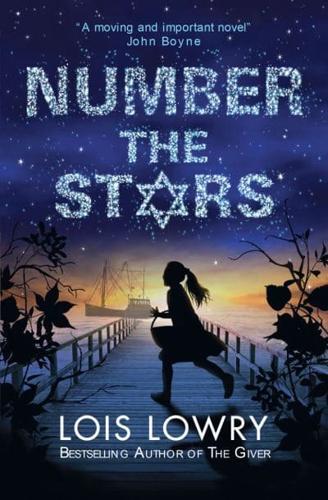
Number the Stars by Lois Lowry
Annemarie Johansen’s life in occupied Copenhagen becomes increasingly dangerous when her Jewish best friend Ellen needs help escaping the Nazis. Rooted in real events from Denmark during the Second World War, this Newbery Medal-winning novel gives 10-12-year-olds a tense but accessible story of friendship, secrecy and the courage of ordinary people resisting persecution.
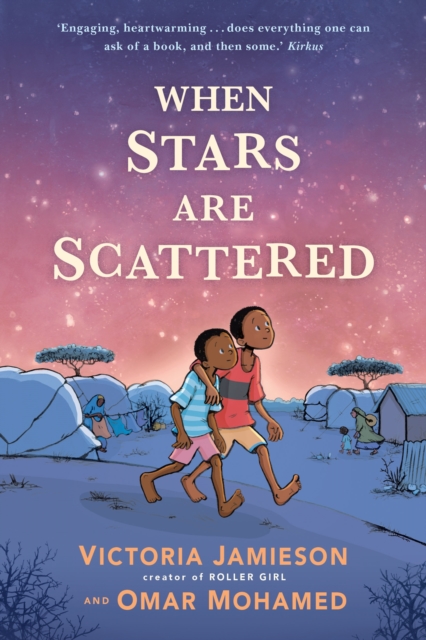
When Stars are Scattered by Victoria Jamieson and Omar Mohamed
Omar and his younger brother Hassan have grown up in Kenya’s Dadaab refugee camp after being separated from their mother in Somalia. Told as a graphic novel, this true story balances hunger, waiting and uncertainty with football, school and hope. For 8-11-year-olds, it is a moving, highly accessible way to discuss displacement and resilience.
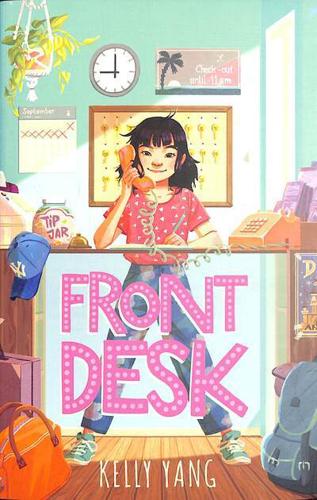
Front Desk by Kelly Yang
Mia Tang lives in a motel, helps her parents run the front desk and keeps some difficult secrets, including the fact that her family hides immigrants in empty rooms. A brilliant choice for 9+ year-old readers, this funny, serious and hopeful novel explores racism, poverty, bullying, immigrant family life and the courage needed to keep writing your own story.
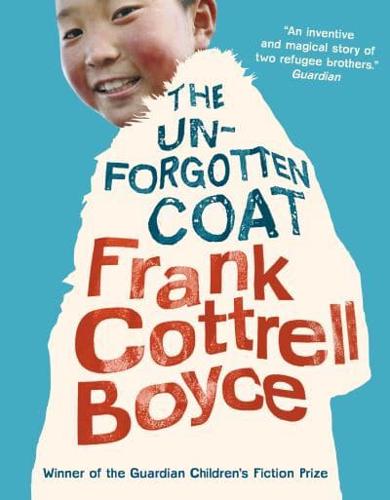
The Unforgotten Coat by Frank Cottrell Boyce
Two Mongolian brothers arrive at a school in Bootle determined to fit in, but they bring stories, photographs and mysteries that make their new friend Julie question what is real and what has been imagined. For 9-12-year-olds, this short and highly accessible novel offers a memorable route into refugee experiences, friendship, belonging and the fragile business of feeling safe.
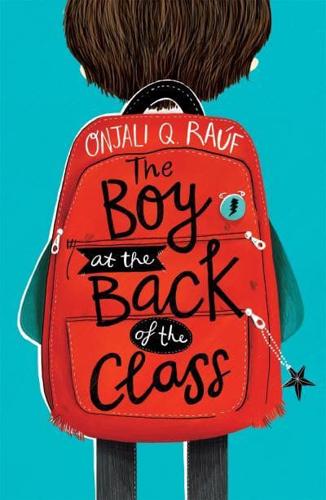
The Boy at the Back of the Class by Onjali Q. Raúf
A new boy, Ahmet, arrives in class with a red rucksack, little English and a label he never chose: “the refugee kid”. When rumours and bullying start, a classmate decides to help him find his family, even if the plan becomes wildly ambitious. For 8-10-year-olds, this warm, funny novel builds empathy around forced migration and friendship.
One Day: A True Story of Courage and Survival in the Holocaust by Michael Rosen and Benjamin Phillips
In One Day, Michael Rosen shares the remarkable true story of Eugène Handschuh and his father, who escaped a Nazi convoy bound for Auschwitz during WWII. After several failed attempts, they find freedom with help from the French Resistance. Illustrated by Benjamin Phillips, this exceptional large-format picture book highlights courage, compassion, and resilience. Aimed at upper primary-aged children, it offers a sensitive introduction to Holocaust history, with Rosen providing valuable historical context for deeper understanding and discussion. Highly recommended.

The Missing: The True Story of My Family in World War II by Michael Rosen
This moving collection of poems and recollections tells the story of what happened to the relatives of Michael Rosen who went missing during WW2. Powerful and accessible, these accounts will allow pupils to understand and relate to the effects of the Holocaust, and the poems provide opportunities for discussion and deeper thought. This is an important resource for teachers of KS2 and KS3 history. Highly recommended. Read our full review.

Fight Back by A. M. Dassu
13-year-old Aaliyah faces discrimination and bullying after a terrorist attack at a nearby concert changes how people see her. Choosing not to hide, she wears a hijab with pride and challenges stereotypes and misconceptions where she sees them. But when her resolve is tested, she has a decision to make – to lie low or ‘Fight Back’. This gripping young adult novel explores themes of identity, resilience, and unity in the face of Islamophobia. A powerful call to positive action, it’s ideal to discuss in book clubs.

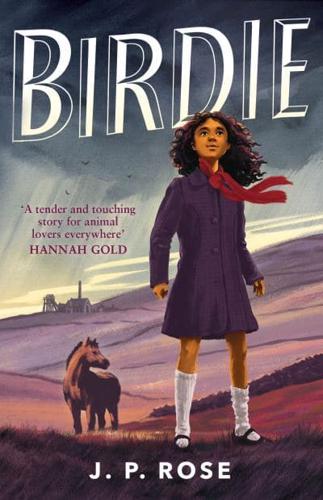
Birdie by J. P. Rose
Sent to live with her great-aunt in a Yorkshire mining village in the 1950s, Birdie arrives as an outsider and feels it straight away. She is isolated and met with suspicion, but finds companionship in Mr Duke, the village’s last pit pony. When the pony is threatened, Birdie pushes back in the only way she can. This stunning short chapter book sensitively examines racism, identity and community, drawing on real history and lived social experience.
The Awesome Autistic Guide to Other Humans by Yenn Purkis and Tanya Masterman
Friendships, family relationships and everyday disagreements are unpacked through clear advice, reflective activities and the small guiding presence of Min the meerkat. A practical choice for early secondary-aged children, it speaks directly to autistic young people about understanding other humans while staying true to themselves.
Do You Know Me? by Libby Scott and Rebecca Westcott
A school trip brings new routines, new people and a popular group whose kindness is not as solid as Tally first hopes. A thoughtful story for 11-14-year-olds, it follows an autistic girl learning when to stand up for herself and for others who feel pressured to hide who they are.
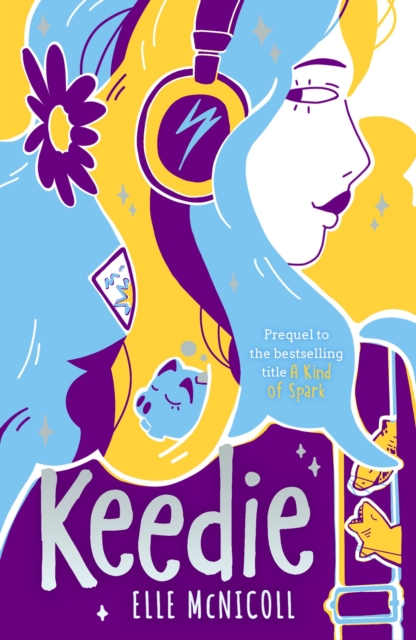
Keedie by Elle McNicoll
Five years before A Kind of Spark, nearly fourteen-year-old Keedie is already noticing how easily bullies slip past the rules in Juniper. A sharp, compassionate choice for 12+ year-olds, it follows an autistic teenager protecting others, looking out for young Addie and trying to stay unmistakably herself.
Books to combat hatred and bigotry for teens
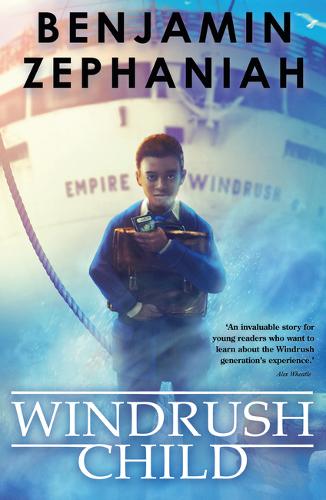
Windrush Child by Benjamin Zephaniah
Leonard’s journey from Maroon Town in Jamaica to Southampton is full of cold weather, strange food, a father he barely knows and racism at school and on the streets. A strong historical novel for 11+ year-olds, it brings the Windrush generation’s childhood experiences into focus through one boy’s homesickness, courage and determination to build a life in Britain.
Guard Your Heart by Sue Divin
Derry in the summer after exams is still shaped by old loyalties when Aidan, who is Catholic, Irish and Republican, meets Iona, who is Protestant and British, after a sectarian attack on the Peace Bridge. For 12+ year-olds, this stunning Carnegie-shortlisted debut traces a cautious friendship across family histories, faith, trauma and the hope that the Good Friday Agreement generation might choose differently.

Small Town Pride by Phil Stamper
When 13-year-old Jake comes out, his family and his friends at middle school are supportive. But the same cannot be said for the small-town mindset of Barton Springs, Ohio. When Jake’s father shows his support by planting an enormous pride flag in their front yard, the townsfolk feel threatened and raise concerns with the mayor. But Jake is not deterred and becomes determined to organise a town pride parade. In an era of book bannings and veiled homophobia, this heartwarming and positive book is a breath of fresh air.

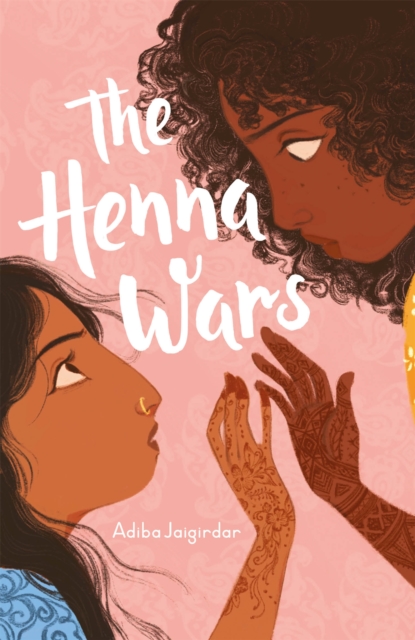
The Henna Wars by Adiba Jaigirdar
Nishat’s school business competition turns complicated when her crush Flávia launches a rival henna project, just as Nishat is trying to be honest with a family that struggles to accept she likes girls. For 12+ year-old readers, this tender YA romance threads first love through racism, cultural appropriation, family pressure and the need to be seen.
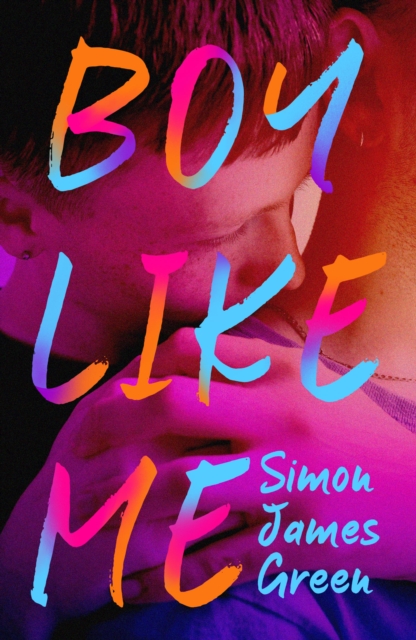
Boy Like Me by Simon James Green
A hidden library book becomes a lifeline for Jamie in 1994, when Section 28 means no one at his school can speak openly about gay relationships. For 14+ year-olds, this important story builds a tender, funny and painful romance through notes in the margins as Jamie tries to discover who else has been reading the same disguised novel.
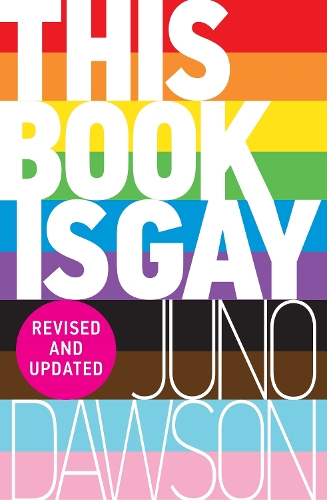
This Book is Gay by Juno Dawson
Sexuality, gender, coming out, stereotypes, politics and relationships are tackled with frank humour and real-life voices from across the LGBTQ+ spectrum. A useful and accessible non-fiction choice for 14+ year-old readers, it is open and explicit in places, making it best shared where honest questions can be discussed properly.
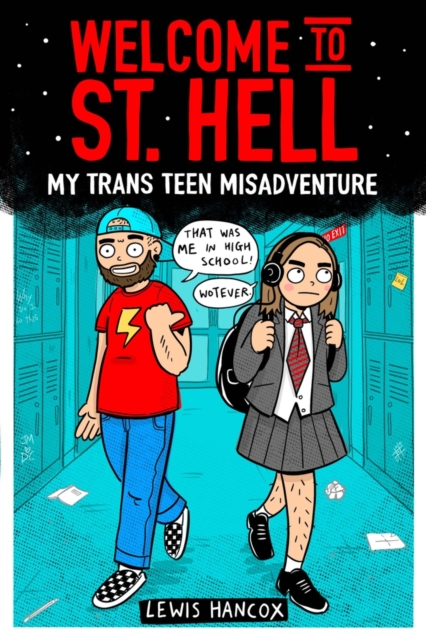
Welcome to St. Hell by Lewis Hancox
An adult Lewis speaks back to the confused teenager he once was, mixing cartoons, hindsight and hard-won honesty about dysphoria, trauma, crushes, family and bad fashion choices. Ideal for 16+ year-olds, this mesmerising graphic memoir is candid, funny and often raw in its insights about growing up trans and finding a way through.
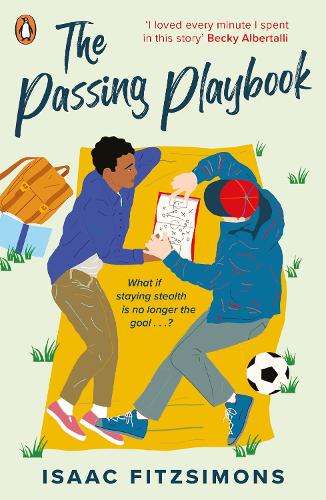
The Passing Playbook by Isaac Fitzsimons
A fresh start gives Spencer the chance to join the boys’ soccer team without anyone at school knowing he is trans, but keeping that privacy becomes harder as friendship, romance and team rules collide. For readers aged 12-17, it balances a warm sports romance with the pressure faced by a trans athlete deciding how much of his life is safe to share.
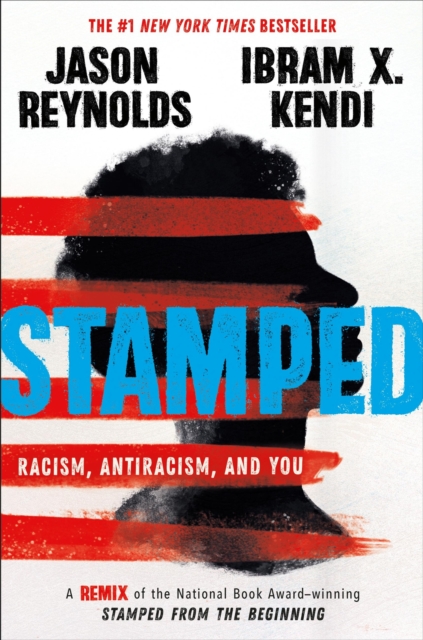
Stamped: Racism, Antiracism, and You by Jason Reynolds and Ibram X. Kendi
Racist ideas are traced across American history in a fast-moving remix of a major work of anti-racist scholarship. A powerful non-fiction choice for 12+ year-old readers, it explains how racist and anti-racist thinking developed without asking young people to treat the past as safely finished.
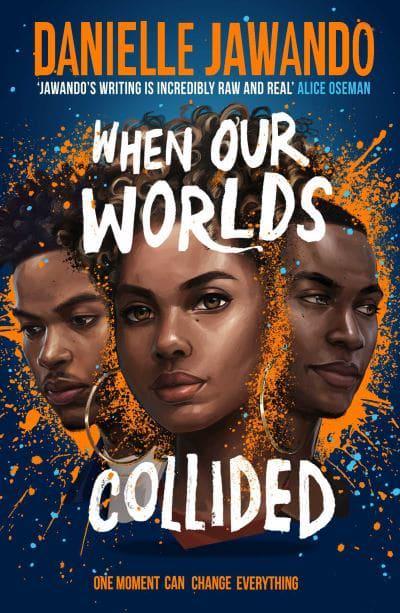
When Our Worlds Collided by Danielle Jawando
A stabbing outside a Manchester shopping centre throws Chantelle, Jackson and Marc together after they witness what happens to fourteen-year-old Shaq. For 14+ year-old readers, this award-winning YA contemporary novel looks at grief, chance connection and the racism and prejudice that shape responses from the police, media and wider society.
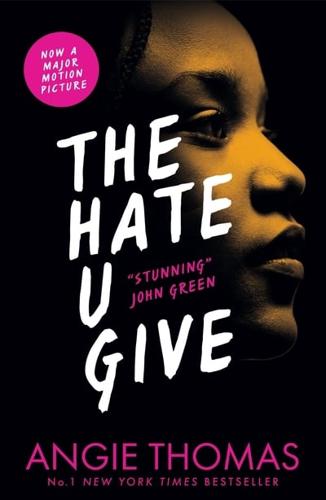
The Hate U Give by Angie Thomas
Starr Carter’s life is split between Garden Heights and her largely white private school, until she witnesses a police officer shoot her friend Khalil. For 14+ year-olds, this forceful YA novel follows Starr as grief, fear, family and public pressure push her towards speaking the truth.
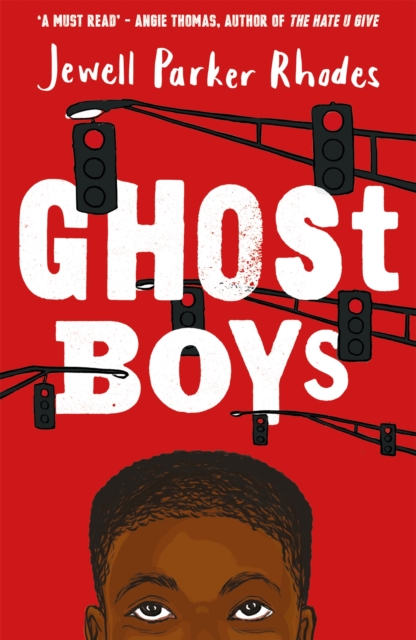
Ghost Boys by Jewell Parker Rhodes
Twelve-year-old Jerome is shot by a police officer who mistakes his toy gun for a real weapon, then watches as a ghost while his family tries to live with the loss. For 12-15-year-old readers, this memorable novel connects Jerome’s story with other ghost boys and the wider racism and fear surrounding their deaths.
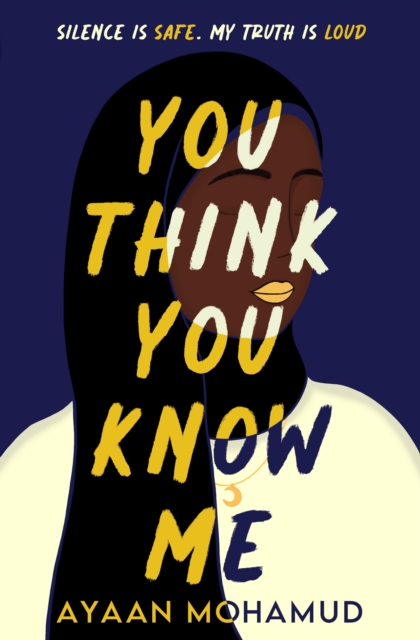
You Think You Know Me by Ayaan Mohamud
17-year-old Hanan Ali’s world changes in an instant when a dark and pervasive sense of fear, racism and prejudice leads some to blame Muslims for the murder of a local man. A high achiever working towards a career in medicine, Hanan is a model student. But how can she stay silent in the face of growing race hatred, family tension and injustice? Exploring the lives of teenage inner-city refugees, gang life and Islamophobia, ‘You Think You Know Me’ tempers a visceral urban storyline with richly realised vignettes of Somali tradition, culture and the healing powers of family and community. Highly recommended for students in KS4.
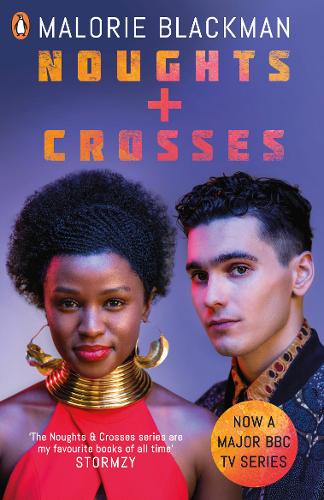
Noughts & Crosses by Malorie Blackman
Sephy lives with Cross privilege while Callum is a nought, expected to accept a world that treats him as less than equal. For 12-17-year-olds, the first book in Malorie Blackman’s powerful series turns a forbidden friendship into a stark story of racism, power, love and the danger of resisting a divided society.
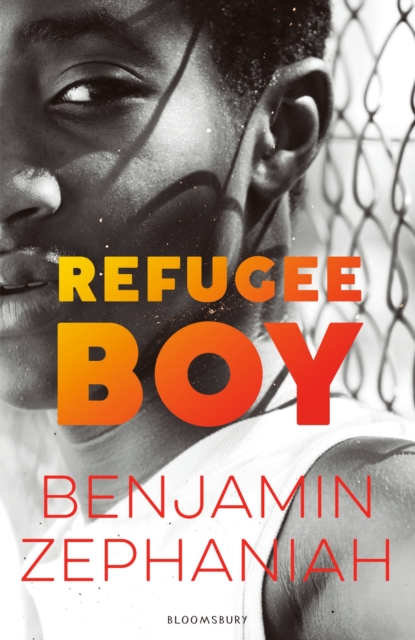
Refugee Boy by Benjamin Zephaniah
Alem arrives in London with his father believing he is on holiday, then wakes to find himself alone in a country he does not know. For 12+ year-olds, Benjamin Zephaniah’s unforgettable novel follows a boy with an Ethiopian father and Eritrean mother as war, asylum and family love force him to build a life far from home.
Click the buttons below to purchase all of the books in this anti-bigotry and anti-hatred books list, as well as class sets of any of these books and many more, from Bookshop.org UK. Or buy the 20 most popular titles from this list from Amazon – ideal for gifts or your classroom library.
Buy from UK.Bookshop.Org Buy from Amazon.co.uk
Disclosure: If you buy books using the buttons above: we may earn a commission from Bookshop.org, whose fees support independent bookshops; as an Amazon Associate schoolreadinglist.co.uk earns from qualifying purchases.
Schools & teachers: please respect copyright and don’t copy our books for combatting hatred and bigotry list. If you find our book recommendations useful, please consider sharing on social media or linking to this page instead. Thanks.
Combatting bigotry and hatred resources for teachers
- Educate Against Hate provides classroom resources for teachers and school leaders on extremism, radicalisation, online misinformation, hate crime, prejudice, stereotyping and safeguarding.
- Stand Up! Discrimination Today and Yesterday is a classroom resource for secondary pupils exploring discrimination, tolerance, antisemitism and anti-Muslim hatred, with a lesson plan, PowerPoint and video link.
- Show Racism the Red Card delivers anti-racism workshops for schools across England, Scotland and Wales, helping pupils from Year 5 to Year 13 recognise racism, understand its impact and challenge it safely.
- The British Red Cross offers free race, racism and anti-racism teaching resources for ages 3-18, with guidance and activities to help teachers handle classroom discussion with care.
- The Anti-Bullying Alliance provides school guidance on racist and faith-targeted bullying, at-risk groups, restorative practice, bullying surveys, anti-bullying strategy and Anti-Bullying Week activities.
- The Diana Award’s Anti-Bullying Resources include lesson plans, activities, videos, posters and guides covering racist and faith-based bullying, disablist bullying, LGBTQ+ targeted bullying, sexual and sexist bullying and online behaviour.
- UCL Centre for Holocaust Education offers research-informed classroom resources, teacher guidance and CPD to support accurate Holocaust teaching and help pupils address antisemitism, prejudice and misconceptions.
- The Holocaust Memorial Day Trust provides assemblies, lesson plans, life stories, worksheets and teacher guidance on the Holocaust, Nazi persecution of other groups, genocide and contemporary hatred.
- The Anne Frank Trust UK offers school programmes for young people aged 9-15, covering Anne Frank, the Holocaust, antisemitism and forms of prejudice including racism, Islamophobia, disablism, sexism, homophobia and prejudice against refugees and Roma and Traveller communities.
- Childnet’s Talk it Over gives teachers activities for 13-17 year olds to start evidence-based, empathetic conversations about online hate and how to challenge it.
- Childnet’s Exploring Online Experiences: Online Hate provides activities for young people aged 11-18 covering online hate, equality, diversity and respectful behaviour online.
- The PSHE Association’s guidance on misogyny and online influencers helps schools address misogynistic rhetoric, discriminatory attitudes, the manosphere, online stereotypes, sexual harassment and related classroom discussion safely.
- Solutions Not Sides offers teacher guidance and classroom materials on discussing Israel-Palestine in schools, including advice on avoiding antisemitic and Islamophobic hate speech.
- EqualiTeach runs workshops for pupils on challenging Islamophobia, rejecting racism, understanding migration, tackling sexism and sexual harassment, promoting LGBT equality, critical thinking and resisting far-right narratives.
- Stop Hate UK offers training for schools, colleges and youth settings on hate crime, prejudice, discrimination, online hate, fake news, inclusion, diversity and reporting hateful behaviour.
- Dimensions UK provides free KS3 teaching materials, quality assured by the PSHE Association, to help pupils tackle autism and learning disability hate crime through myths, facts, lived experience and stereotype-challenging activities.
- Kick It Out’s Academy offers teacher-led KS3 and KS4 resources using football to explore anti-racism, sexism, misogyny, celebrating difference and standing up to discriminatory behaviour.
- The Linking Network supports schools with training and curriculum resources to help pupils explore identity, belonging, diversity, equality and meaningful connections across difference.
- The Runnymede Trust publishes evidence-based resources on racial justice in Britain, useful for teacher CPD, curriculum review and whole-school work on structural racism.
- Get The Trolls Out offers resources on hate speech, antisemitism, anti-Muslim hate, anti-Christian sentiment, conspiracy theories and attempts to turn public opinion against migrants and asylum seekers.
- Stonewall’s ten-step guide helps primary and secondary schools prevent and tackle homophobic, biphobic and transphobic language through a clear whole-school strategy.
- Just Like Us provides free LGBT+ school resources for all key stages, including assemblies, videos, posters, lesson plans, classroom activities and teacher training.
BISAC JUV039120, JNF053140, YAF058190, YAN051180, JUV039290, JNF053270, YAF058280, YAN051270, JUV039230, JNF053220, YAF058020, YAN051020, JUV039180, JNF053210, YAF058270, YAN051260, JUV074000, JNF069000, YAF014000, YAN061000. | Thema YXN, YXP, YXQ, YXM, YXB, YXC.