Books for children and teens about big egos, politicians and influencers
Books about big egos, loudmouths, demagogues, chancers, misleading influencers and self-serving public figures help young readers see how confidence can be used to win trust without earning it. Through fiction and non-fiction, they explore vanity, charm, misinformation, advertising, propaganda, celebrity culture and empty performance. They are useful because they help children and teens question persuasive voices, test claims, spot manipulation and think for themselves. This list features books by Michael Rosen, Hans Christian Andersen, L. Frank Baum, Beverley Naidoo, Elle McNicoll, Yomi Adegoke, Rebecca F. Kuang, Naomi Klein, Jon Ronson and Maria Ressa.
Books about big egos, politicians and bad influencers – our recommendations
Books about big egos and bad influence for 7-12-year-olds
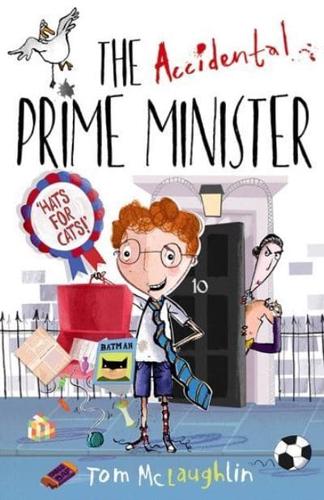
The Accidental Prime Minister by Tom McLaughlin
Joe Perkins only means to help his campaigner mum, but a wildly successful video lands him in Number 10 as the country’s first child prime minister. A lively choice for 7-11-year-olds, the story turns government, promises and public popularity into fast, raucous political comedy.
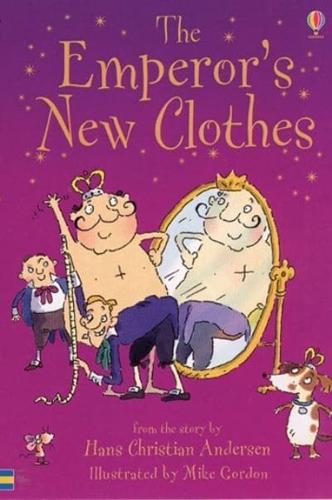
The Emperor’s New Clothes by Susanna Davidson, based on Hans Christian Andersen, illustrated by Mike Gordon
A vain emperor is so eager to look magnificent that he believes two tricksters who claim to make clothes only clever people can see. For 5+ year-olds, this easy-to-read retelling gives young children a wonderfully clear example of flattery, fear and why someone needs to say what is really in front of them.
What Is Politics? Why Should We Care? and Other Big Questions by Michael Rosen and Annemarie Young
Voting, protest, power, everyday decisions and how politics should work for the people are explored in this thorough guide, which looks at how people should live and work together. A useful and practical non-fiction pick for KS2 libraries, it invites children to think deeply about political ideas, public action and why citizens should ask questions rather than simply accept what leaders say.
The Boy Who Fooled the World by Lisa Thompson
Cole’s small lie about a painting turns into newspaper attention, fame and a situation he can no longer control. For LKS2, the story is a sharp, accessible exploration of honesty, poverty, media excitement and the pressure to keep performing once the public has decided you are a genius.
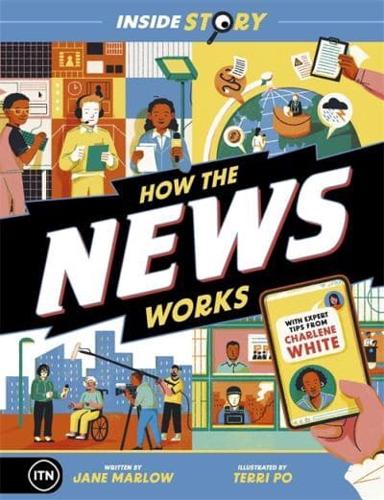
Inside Story: How the News Works by Jane Marlow, illustrated by Terri Po
Reporters, producers, camera crews and editors all have roles to play before a news story reaches the public. A clear non-fiction choice for 9+ year-olds, it shows how news is gathered and checked, helping children understand why responsible journalism matters in a world of rumours and fake stories.
Ajay and the Mumbai Sun by Varsha Shah
Ajay dreams of becoming a journalist while living on a Mumbai railway platform, and an abandoned printing press gives him and his friends a chance to make their own newspaper. Ideal for 9+ year-olds, this energetic story links children’s voices, corruption and the power of publishing the truth. Also, read our review of Ajay and the Jaipur Moon.

Role Model by Elle McNicoll
Aeriel’s life changes when her mother becomes prime minister, turning family life into a public performance and placing her own identity under scrutiny. For more mature 9-12-year-olds, the outstanding story explores politics, disability, image-making and the strain of being used as someone else’s example.

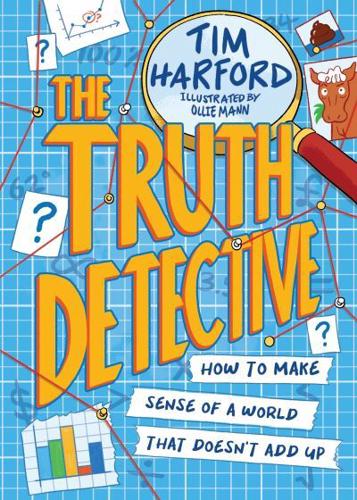
The Truth Detective by Tim Harford, illustrated by Ollie Mann
Graphs, averages, surveys and headlines can all be made to look more convincing than they really are. For KS2 readers, this accessible and engaging guide encourages children to slow down, ask what numbers actually show and spot the tricks that can make weak evidence sound impressive.
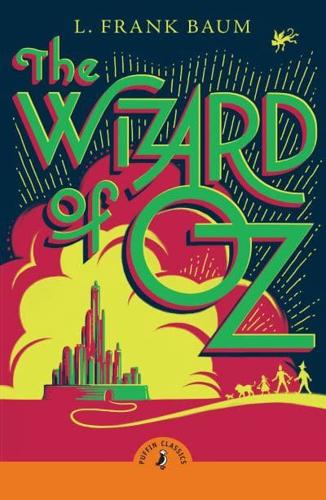
The Wizard of Oz by L. Frank Baum
Dorothy’s journey to the Emerald City leads her to a supposedly powerful wizard whose reputation is much larger than the truth. For middle grade readers, the classic adventure offers a useful conversation about courage, public image and why authority can depend on theatre as much as power.
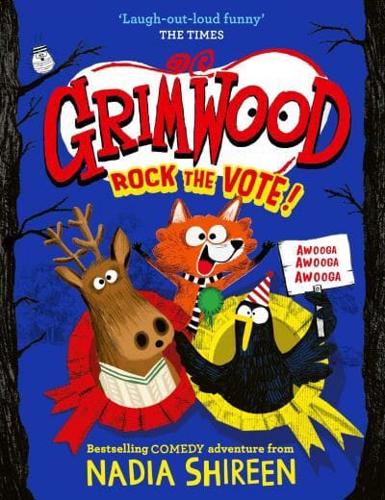
Rock the Vote! by Nadia Shireen
Grimwood needs a new mayor, and the animals’ election quickly fills with ambition, secret agendas and gloriously silly promises. With its frantic humour and comic illustrations, this fun-filled story lets children enjoy the absurdity of campaigning while spotting who might simply want power or lifestyle perks.
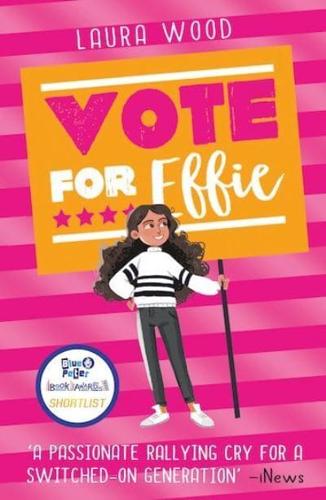
Vote for Effie by Laura Wood
Effie Kostas arrives at a new school and decides the student council needs more than the usual popularity contest. A spirited read for 9-12-year-olds, it blends jokes, campaigning and friendship with a clear sense that leadership should mean listening, organising and challenging unfair rules.
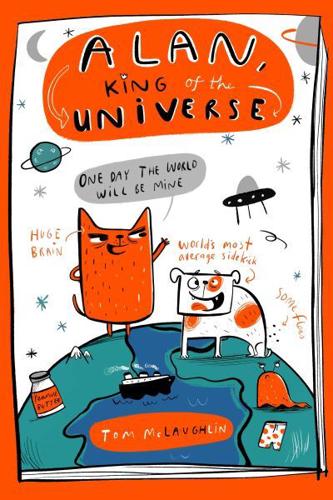
Alan, King of the Universe by Tom McLaughlin
Alan the cat is absolutely certain he was born to rule everything, even if his plans for Alanland and an army of cloned Alans are less than practical. For 7+ year-olds, this laugh-out-loud graphic novel turns a colossal ego into playful comedy about power, followers and delusions of grandeur.
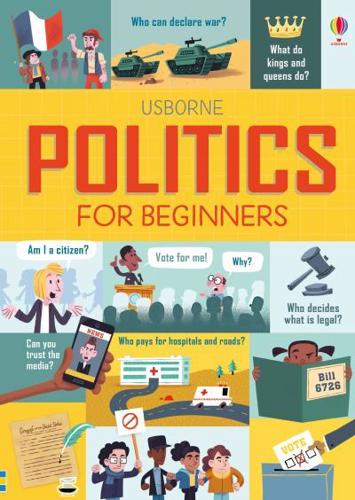
Politics for Beginners by Alex Frith, Rosie Hore and Louie Stowell
Elections, governments, protests and political beliefs are explained through lively illustrations and plain questions. A good non-fiction option for primary libraries, it covers topics such as free speech, human rights and fake news without assuming children already know how politics works.
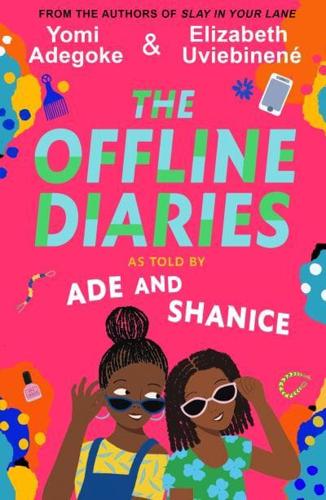
The Offline Diaries by Yomi Adegoke and Elizabeth Uviebinen
Ade and Shanice become friends through diaries and messages, but life away from the screen proves much messier than it looks online. For 9-12-year-olds, the dual-voice story is warm and funny and explores friendship, grief, new schools and the difference between online connection and real trust.
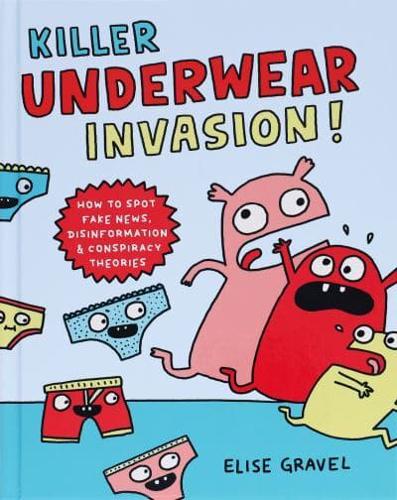
Killer Underwear Invasion! by Elise Gravel
Wildly silly examples, including the idea of a killer underwear invasion, help children see how ridiculous false stories can still spread. A lively media-literacy choice, it explains misinformation, disinformation and practical checking skills without turning the subject into a PSHE lecture.
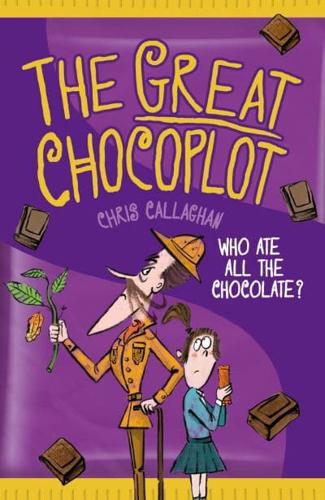
The Great Chocoplot by Chris Callaghan
A rumour that chocolate is about to disappear sends Jelly and the adults around her into a very funny panic. For 8+ year-olds, this fast-paced comic mystery is a useful way to talk about scare stories, headlines, hucksters and why a dramatic claim deserves checking before everyone believes it.
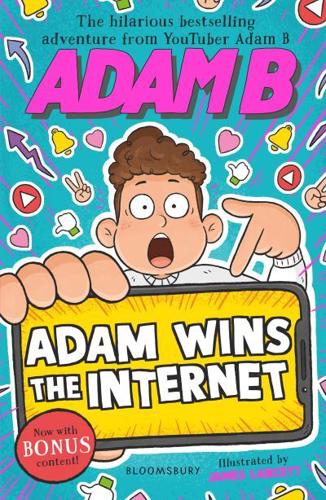
Adam Wins the Internet by Adam Beales, illustrated by James Lancett
Thirteen-year-old Adam wants YouTube fame, and a mysterious pop-up called Popularis Incrementum seems ready to deliver it at a price. A fast comic read for 7-11-year-olds, the story captures followers, viral success and the risks of chasing attention before asking what it will cost.
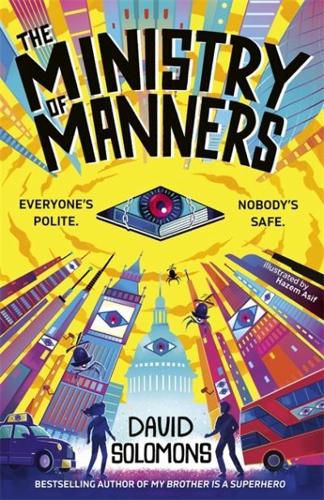
The Ministry of Manners by David Solomons
Under the Ministry of Manners, politeness is law and one wrong word can bring punishment. Alfie survives by keeping his head down, but Margot just will not play along. When she is taken to the Manners Retreat, she tries desperately to survive inside a system built to control speech, while Alfie is drawn towards the rebellious ‘Unsilenced’. Will they succeed in fighting back before the dystopian Ministry moves to crush resistance for good? David Solomons has come up with a distinctive, highly original and fascinating middle-grade novel. The perfect book for UKS2 book clubs, The Ministry of Manners will provoke lots of high-quality critical thinking and discussion in Year 6 classes. Highly recommended. Read our full review.
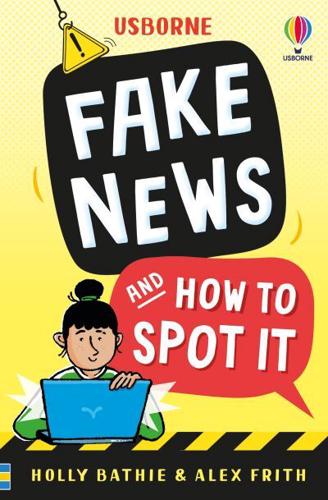
Fake News and How to Spot It by Holly Bathie and Alex Frith
Fake stories, scams, manipulated images and suspicious online claims are broken down into clear, practical examples. For UKS2, this illustrated guide gives children a toolkit for pausing before they share, checking where information comes from and noticing when someone is trying to mislead them.
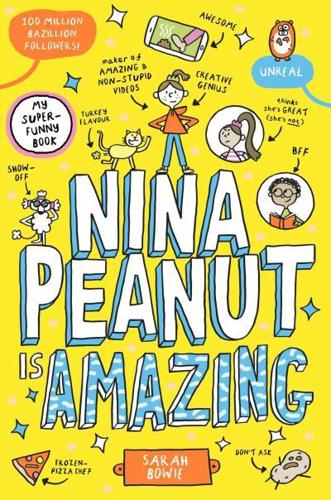
Nina Peanut Is Amazing
Nina Peanut is convinced her videos deserve a much bigger audience than her nan and best friend Brian. Perfect for 9-10-year-olds, this bright, funny graphic-style story catches the awkwardness of wanting attention online while still needing real friends who actually know you.
Books about big egos, self-serving public figures and misleading influencers for teens
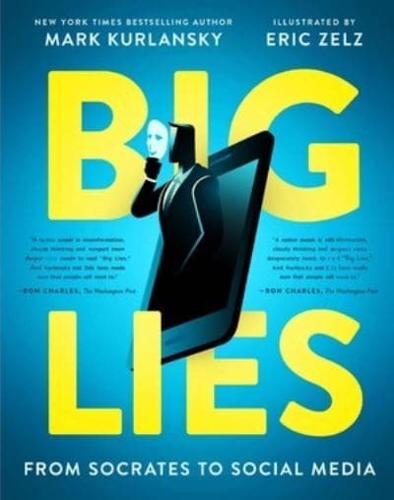
Big Lies by Mark Kurlansky, illustrated by Eric Zelz
Famous lies from history sit alongside modern propaganda and social media manipulation in this accessible non-fiction account. A useful choice for early secondary students, it shows that public falsehoods are not new and that readers can learn to question who benefits from a story.
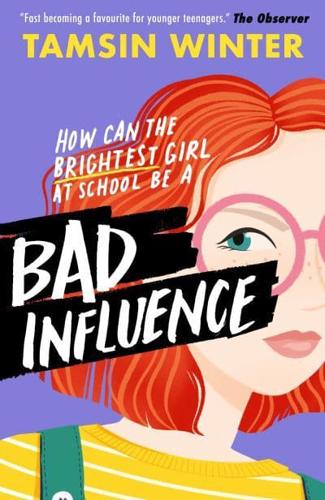
Bad Influence by Tamsin Winter
One online post can keep echoing long after the moment has passed, as the characters discover through first kisses, friendship and the pressure to fit in. KS3 readers will enjoy this contemporary story that makes digital reputation issues feel personal, messy and very recognisable.
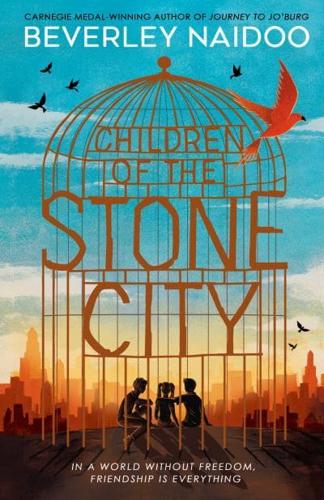
Children of the Stone City by Beverley Naidoo
Adam and Leila live as Nons in a city controlled by the Permitted, where papers and status decide who is safe. A thoughtful and easier read for early secondary students, this tense novel helps readers explore privilege, authoritarian rules and how young people challenge injustice.
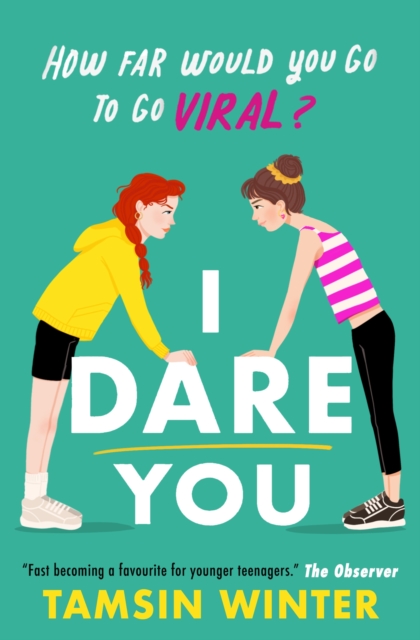
I Dare You by Tamsin Winter
Two best friends start filming dares to grow their online following. It’s fun at first, until things get out of hand. As the risks ramp up, so do the cracks in their friendship. This sharply paced story digs into the darker side of viral fame, showing how quickly likes can turn into pressure. A pointed look at peer influence and digital choices, it’s a perspicuous read for 12+ year-olds that deftly unpicks the blurred lines between real life and life online. Highly recommended. Read our full review.
Influential by Amara Sage
Because of her mother, Almond Brown has millions of online followers, none of whom she knows in real life. She’s an influencer, and everything people see of her has to be perfect, even when her real life is disintegrating. Exploring themes of unrealistic social expectations, discrimination, mental health pressures and manipulated reality, we think this searingly memorable story will be one of the most talked about young adult novels in 2023. Pertinent and likely prescient, ‘Influential’ is a must-read for all KS4 students who flirt with the idea of social media popularity. Highly recommended for secondary school book clubs.

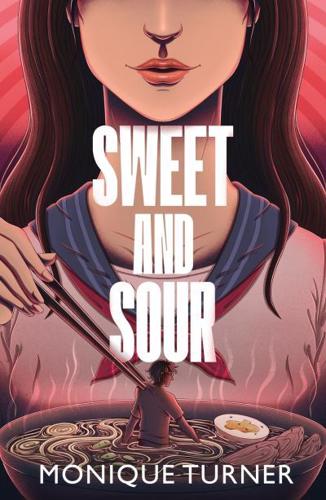
Sweet and Sour by Monique Turner
Mikah and his friends start a mukbang channel in a world where AI influencer robots rule the feeds, hoping their very human chaos will set them apart. It works, but the sudden fame quickly eats into Mikah’s health and friendships. As the views climb, so do the pressures, and the shine of online success turns uneasy fast. This YA novel for 12+ year-olds digs deep into internet culture, tech-shaped lives and what happens when popularity comes with a price. A stand-out contemporary thriller with a deliciously dark twist.
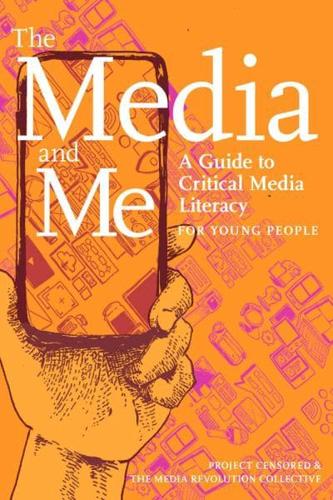
The Media and Me by Ben Boyington, Allison T. Butler, Nolan Higdon, Mickey Huff and Andy Lee Roth
Advertising, news, memes, film, social media and algorithms are unpacked as things people can learn to read critically. A substantial guide for 13-17-year-olds, it gives young people language for questioning media ownership, bias, representation and the persuasive structures behind everyday messages.
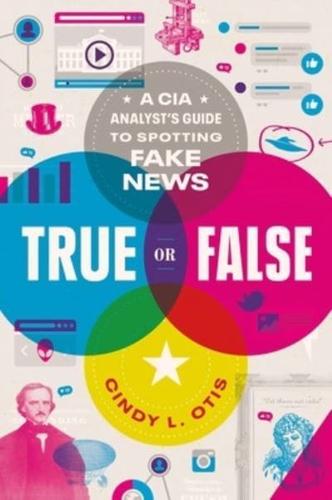
True Or False by Cindy L. Otis
An ex-CIA analyst turns fake news into a set of habits young readers can practise, from checking sources to noticing their own biases. An outstanding non-fiction choice for 13-18-year-olds, it connects ancient rumours, modern social media and the tools needed to test a claim.
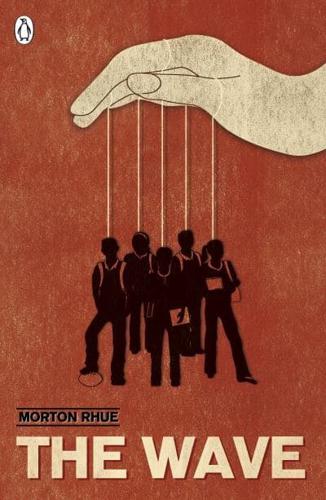
The Wave by Morton Rhue
A classroom experiment designed to explain fascism becomes a movement with slogans, loyalty and frightening group pressure. This short, unsettling novel works well for 12+ readers because it shows how quickly belonging, obedience and charismatic language can override independent thought. Highly recommended.
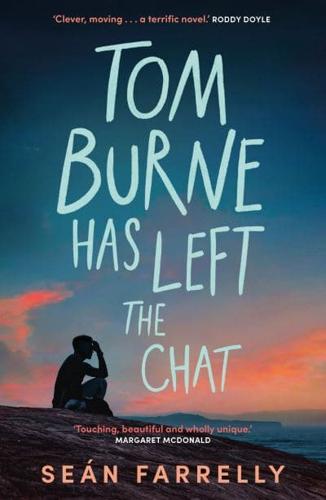
Tom Burne Has Left the Chat by Seán Farrelly
A dead micro-influencer leaves behind an online persona that is not the whole truth, and grief becomes tangled with what everyone thinks they know. For 14+ year-olds, this thought-provoking contemporary mystery explores digital traces, reputation and the private life hidden behind a public feed.
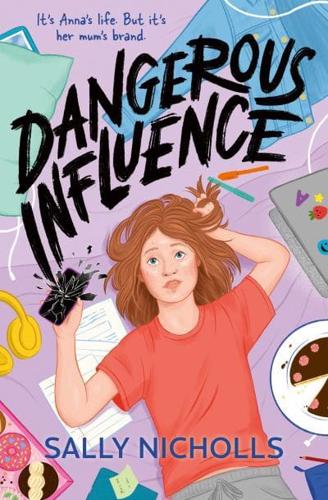
Dangerous Influence by Sally Nicholls
Anna and Josie have grown up as content on their mother’s vlogs, but a follower’s fixation turns sharenting from embarrassing to frightening. Particularly suitable for 13+ year-olds with a reading age of 8, this short, punchy, Barrington Stoke novel raises urgent questions about consent, privacy and influencer families.
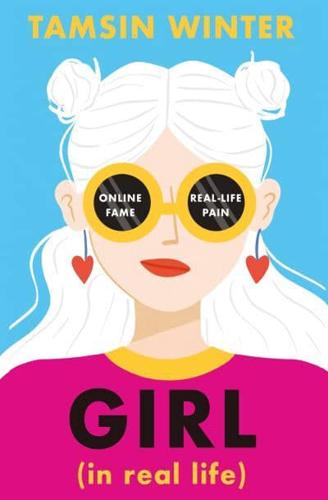
Girl (in Real Life) by Tamsin Winter
Growing up in front of an online audience has made Eva question who owns her childhood and whether family life should be content. For KS3 pupils, this accessible story gives a clear, relatable look at privacy, parent influencers and the need to be seen as a person, not a brand.
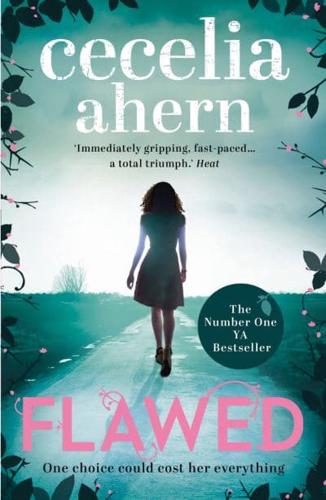
Flawed by Cecelia Ahern
Celestine North lives in a society where moral mistakes are publicly branded and perfection is enforced by law. A gripping dystopian option for KS3 readers, the novel opens up questions about judgement, conformity, punishment and what happens when a public system demands obedience.
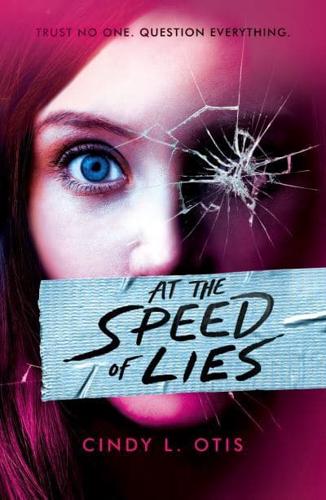
At the Speed of Lies by Cindy L. Otis
A viral rumour can move faster than the truth, especially when fear and conspiracy thinking feed it. This taut YA thriller uses social media, suspicion and misinformation to show how quickly online stories can endanger real lives. Highly convincing.
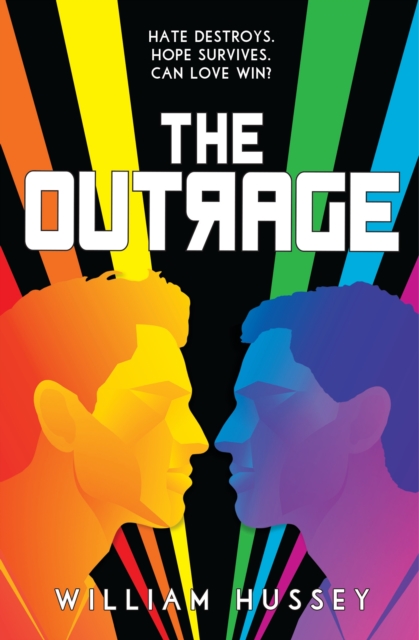
The Outrage by William Hussey
In this dark yet highly convincing dystopia set in the near future, England is now the Protectorate, where books are removed, free speech is monitored and “degenerate” behaviour is hunted down. Gabriel knows exactly what exposure would mean, so he hides both his sexuality and his relationship with Eric – whose father leads Degenerate Investigations. With danger immediate and gripping on every page, this outstanding YA novel reveals a relentlessly personal level of state control and propaganda, with a laser focus on secrecy, fear, resistance and the price of being yourself.
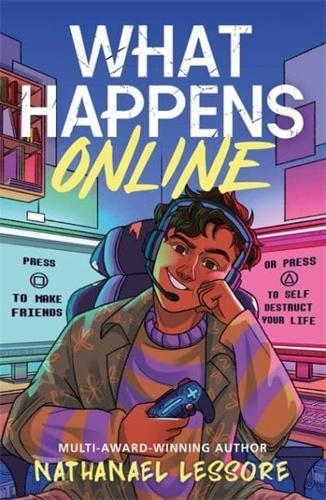
What Happens Online by Nathanael Lessore
Fred blends into the background at school, but online, he’s Existor – a gaming legend with a devoted fanbase. When his secret identity gets out, he seizes the moment, using his newfound status to turn the tables on his bullies. But as the rumours spiral, keeping his two worlds separate isn’t so easy. Nathanael Lessore’s sharp, funny novel tackles social media, power, and the messy overlap between real life and the online world – with all the chaos that comes with it. Highly recommended for KS3. Read our full review.
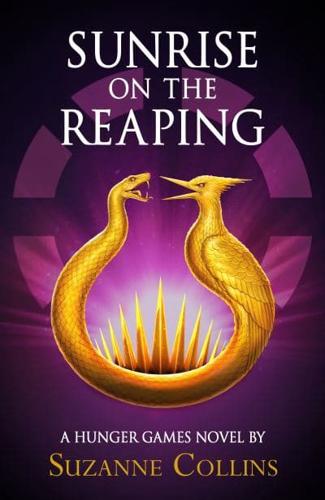
Sunrise on the Reaping by Suzanne Collins
Suzanne Collins’ second Hunger Games prequel follows 16-year-old Haymitch Abernathy as he competes in the 50th Hunger Games, a Quarter Quell with twice the usual tributes. The story examines power, control, and media influence, highlighting the Capitol’s grip on public perception. Haymitch discovers that survival depends on strategy as much as strength. His journey offers insight into his character and the early signs of rebellion, expanding the series’ world while functioning as a standalone narrative. Read our full review. https://schoolreadinglist.co.uk/childrens-book-reviews/sunrise-on-the-reaping/
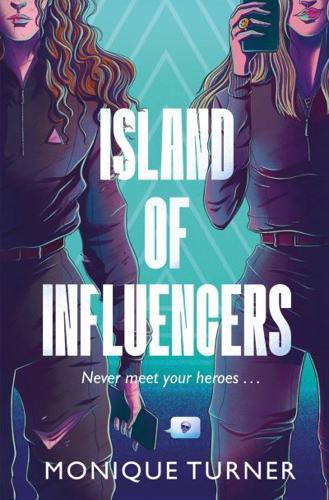
Island of Influencers by Monique Turner
A remote island of influencers promises fame, luxury and opportunity, but the performance soon looks less harmless than the contestants expect. This dark YA thriller is a great fit for KS4 discussions about celebrity worship, manipulation and the business behind online personas.
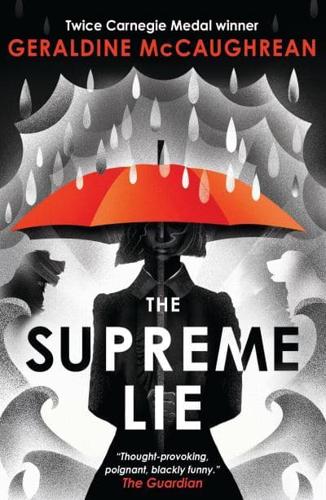
The Supreme Lie by Geraldine McCaughrean
Floods, fear and a missing leader leave a country vulnerable to an outrageous political deception. This razor-sharp adventure uses satire and tension to explore cowardly leaders, official lies and the people asked to believe them. Highly recommended.
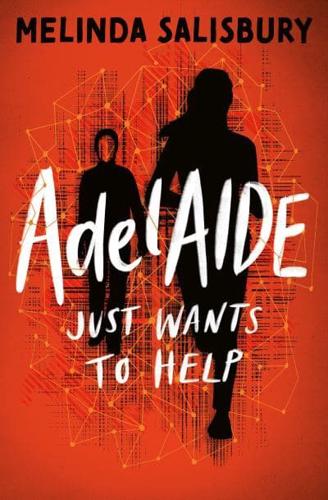
AdelAIDE by Melinda Salisbury
Freya wants to be a successful influencer, and a home-assistant robot called AdelAIDE seems determined to help her get likes at any cost. Particularly suitable for secondary school students with a reading age of 8, this short thriller makes AI, popularity and online pressure feel uncomfortably plausible.
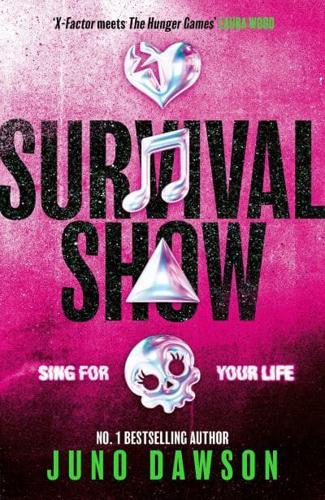
Survival Show by Juno Dawson
Starmaker promises young women a place in a global pop group, but the reality show’s losers are literally eliminated. For 14+ year-olds, this outstanding yet brutal YA thriller turns fame, competition and televised entertainment into a sharp warning about spectacle and power.
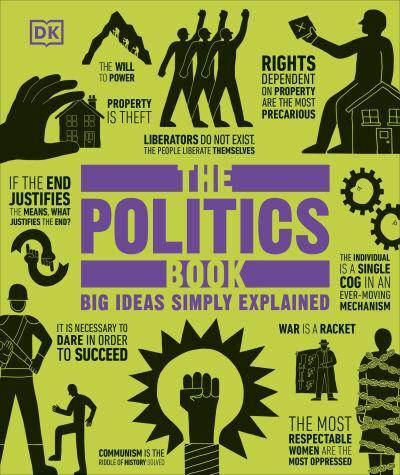
The Politics Book by DK
Political ideas from democracy and social contract theory to Marxism, populism and identity politics are explained through timelines, diagrams and short essays. A useful reference for secondary school libraries, it helps older teens and curious younger students place today’s political arguments within the context of history.
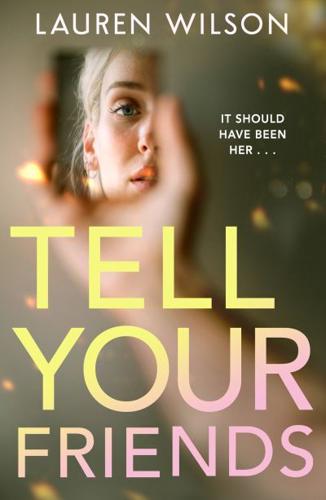
Tell Your Friends by Lauren Wilson
Crystal wants to escape the controlling vlogger family that has turned her life into content, while Alyssa sees that same family as an online dream. For 14+ year-olds, this delightfully twisty thriller probes envy, fandom, family branding and the dangerous pull of a perfect public image.
Books about big egos, self-serving public figures and misleading influencers for sixth-formers
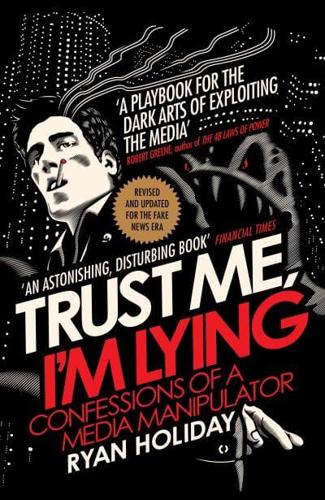
Trust Me, I’m Lying by Ryan Holiday
Online rumours, blogs and outrage cycles are shown from the point of view of someone who helped manipulate them. This important and powerful non-fiction account is useful for media studies and politics because it explains clearly how public attention can be engineered and exploited.
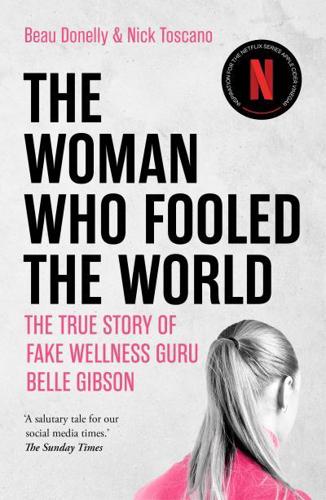
The Woman Who Fooled the World by Beau Donelly and Nick Toscano
Belle Gibson built a wellness empire on Instagram by claiming she had cured terminal cancer through diet, although the illness itself was invented. The investigation exposes fake authority, influencer trust and the human cost of medical misinformation. It’s ideal for book club discussion.
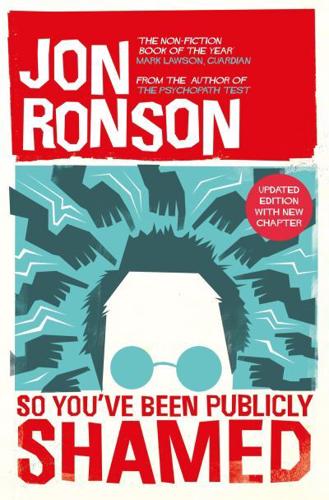
So You’ve Been Publicly Shamed by Jon Ronson
Public shaming can begin with a post, a joke or a mistake, then spiral into a spectacle of punishment. For more mature sixth-formers, this humane yet unsettling non-fiction book examines online mobs, reputational collapse and the way digital crowds can enjoy moral certainty.
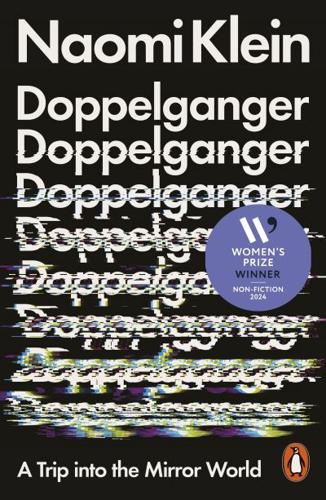
Doppelganger by Naomi Klein
A personal encounter with a public double leads into a wider journey through conspiracy culture, wellness politics and online identity. This outstanding book is demanding yet rich material for discussing mirror-world thinking, demagogues and the strange appeal of false certainty.
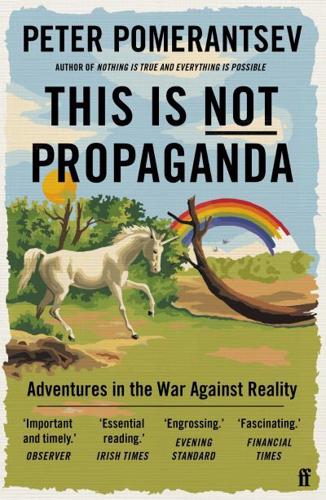
This Is Not Propaganda by Peter Pomerantsev
Troll farms, influence operations and political storytelling are examined through the new information wars shaping public life. A challenging option for 16+ readers, this memorable book helps students think about propaganda not as history but as a live, adaptive language of power.
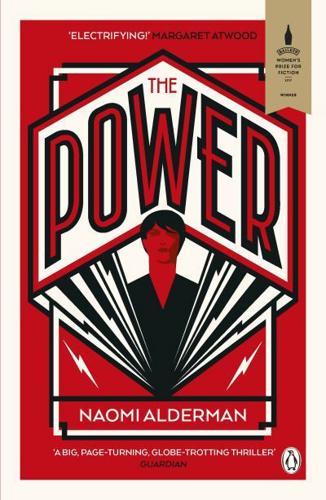
The Power by Naomi Alderman
When a sudden physical power held by girls overturns the world’s gender order, it exposes how quickly institutions create new stories to justify control. For mature teens, the novel is useful for discussing power, belief, violence and the narratives societies build around dominance.
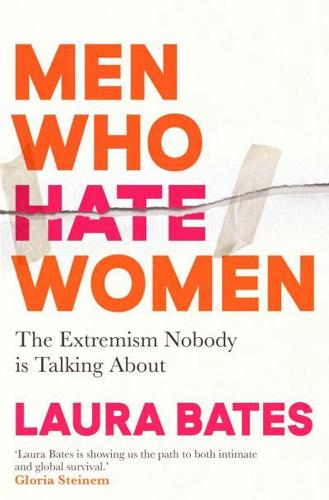
Men Who Hate Women by Laura Bates
Online misogynist communities are tracked from forums and influencers into schools, media and everyday politics. Best kept for 16+ readers because of its disturbing material, this important investigation is valuable for understanding how extreme ideas are packaged, shared and normalised.
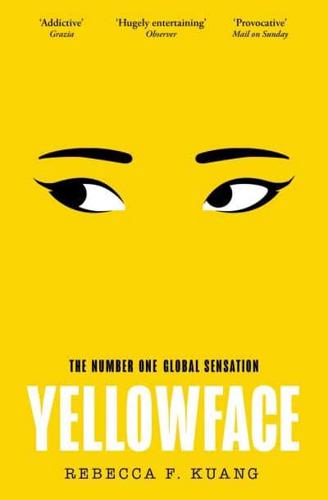
Yellowface by Rebecca F. Kuang
June Hayward’s stolen manuscript becomes the foundation for a public persona built on evasion, entitlement and carefully managed outrage. Perfect for sixth-form book club discussion, the novel is a sharp study of authorship, cultural appropriation, online pile-ons and self-serving lies.
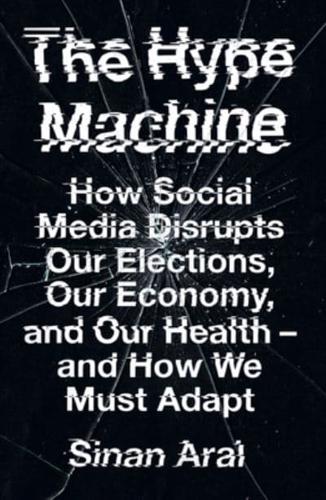
The Hype Machine: the Madness of Crowds in the New Social Age by Sinan Aral
Social media platforms are treated as systems that shape emotion, attention and public behaviour, not just neutral tools. It’s a powerful and thought-provoking book that convincingly connects algorithms with polarisation, misinformation, elections and the mechanics of online influence.
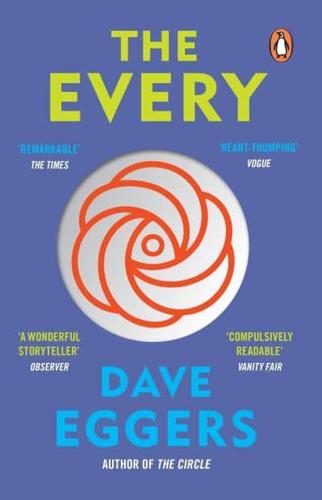
The Every by Dave Eggers
A powerful tech company turns convenience, transparency and social approval into tools for controlling almost everything people do. This sequel to The Circle is a useful satirical exploration of the links between algorithms, corporate power and the language of digital improvement.
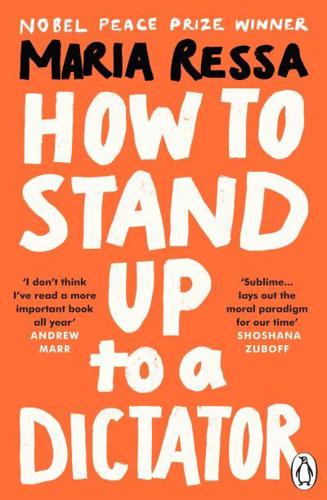
How to Stand Up to a Dictator by Maria Ressa
A journalist’s fight for press freedom becomes a warning about how social media, disinformation and authoritarian politics can reinforce each other. A powerful memoir for sixth-formers, it forensically examines personal courage within the wider question of how truth survives online. Highly recommended.
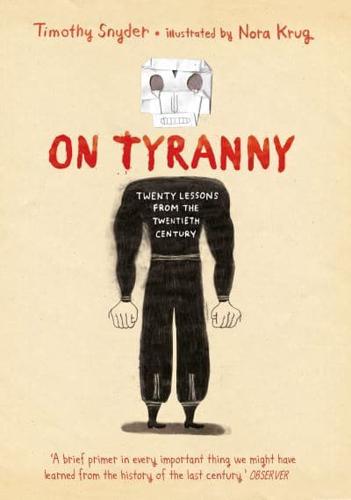
On Tyranny by Timothy Snyder, illustrated by Nora Krug
Short lessons from twentieth-century history are reworked in graphic form to show how free societies can be weakened step by step. A thoughtful read – perfectly suited to sixth-form book clubs and A-level politics students – it provides students with a clear vocabulary for discussing tyranny, obedience, civic courage and public truth.
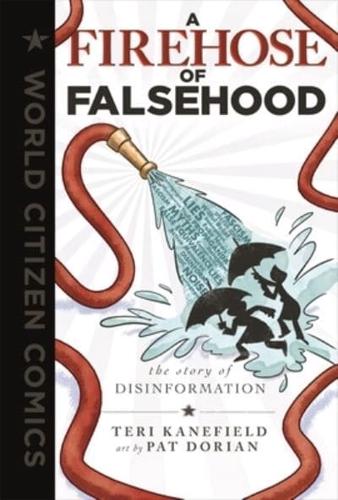
A Firehose of Falsehood by Teri Kanefield with art by Pat Dorian
Modern disinformation is explained through the image of a firehose, with falsehoods arriving rapidly, repeatedly and from many directions. This accessible graphic non-fiction shows how propaganda works and why democratic habits depend so much on stopping, thinking and checking what is being shouted the loudest. Highly recommended.
Click the buttons below to purchase all of the books in this spin, lies and puffery books list, as well as class sets of any of these books and many more, from Bookshop.org UK. Or buy the 20 most popular titles from this list from Amazon – ideal for gifts or your classroom library.
Buy from UK.Bookshop.Org Buy from Amazon.co.uk
Disclosure: If you buy books using the buttons above: we may earn a commission from Bookshop.org, whose fees support independent bookshops; as an Amazon Associate schoolreadinglist.co.uk earns from qualifying purchases.
Schools & teachers: please respect copyright and don’t copy our question everything anyone ever says to you book list. If you find our book recommendations useful, please consider sharing on social media or linking to this page instead. Thanks.
Power, ego, fake news, persuasion, influencer bluffers, misinformation and spin resources for teachers
- NewsWise offers free lesson plans, activities and teacher guidance for pupils aged 7-11, helping children understand how news is made, how to spot fake news, and how online information can be selected, ranked and targeted.
- The National Literacy Trust provides a KS3 media literacy scheme of work with an assembly, lesson plans and a pupil workbook covering misinformation, disinformation, online discussion and safe ways to question what pupils see and read online.
- The PSHE Association has grouped together media and digital literacy lesson packs for KS2-KS5, including resources on deepfakes, manipulated images, scams, fraud, exploitation, online harms and critical decision-making.
- Full Fact offers talks, workshops and lesson plans for schools, colleges and universities, focusing on misinformation, critical thinking, source checking and how to identify misleading or harmful claims online.
- Childnet’s Reliability Online is an interactive resource for young people aged 13-16, designed to help students identify unreliable information, test their understanding, and develop practical strategies for checking what they encounter online.
- Media Smart provides a film-based KS3 resource on influencer marketing, helping pupils understand the commercial relationship between social media personalities and the brands they promote.
- The Advertising Standards Authority has a useful influencer marketing advice hub explaining ad disclosure, paid promotion and the rules influencers must follow, which can support media studies, business, citizenship and PSHE discussions.
- Young Citizens offers a secondary lesson on fake news and the evolution of media, asking students to consider how people consume news, how misinformation affects individuals and society, and who should be responsible for tackling it.
- For primary schools, Young Citizens’ KS2 Fake News lesson introduces bias, unreliable reporting and the risks fake news can pose to children and society.
- Oak National Academy has a KS2 unit on media influence and fake news, with videos, slide decks, worksheets and quizzes covering why fake news exists and how pupils can decide what is real or fake.
- Educate Against Hate includes resources for secondary schools on online misinformation, fake news, disinformation, social media and the role misinformation played in the riots following the Southport attack in July 2024.
- LGfL’s Believe it or Not? resource explores online persuasion, misinformation, disinformation and fake news, helping students consider how media can be used to influence, manipulate or mislead others.
- UK Parliament’s education resources include materials on debating, elections, voting, Parliament and decision-making, useful for teaching pupils how public claims, political promises and democratic scrutiny should be questioned and tested.
- The Economist Educational Foundation’s Topical Talk provides free weekly lessons on current affairs, with supporting resources that help pupils discuss the news, identify bias and misinformation, and form evidence-based opinions.
- Digital Inquiry Group’s Civic Online Reasoning curriculum offers free lessons and assessments to help students evaluate online information, investigate sources, check evidence and avoid trusting a claim simply because it looks authoritative.
- Checkology, from the News Literacy Project, is an interactive classroom platform for teaching students how to distinguish fact from fiction, examine social media posts and news sources, and recognise misinformation techniques.
- Internet Matters has a fake news and misinformation advice hub for parents, carers and educators, with clear explanations, videos, support links and practical tips for helping children question online claims.
- Be Internet Legends offers primary-aged pupils internet safety games and teaching resources, including activities on scams, suspicious messages, misleading online content and checking before trusting or sharing.
- Be Internet Citizens is aimed at teenagers and focuses on media literacy, critical thinking, digital citizenship and helping young people use their voice online responsibly.
- Facing History & Ourselves provides a media literacy and democracy unit for older students, with lessons on how information, persuasion and public narratives can shape opinion, identity and civic life.
BISAC JUV039220, JUV039100, JUV039140, JUV049000, JUV061000, JUV019000, JNF060000, JNF012030, JNF043000, JNF044000, JNF053110, JNF053160, JNF053200, YAF058260, YAF058160, YAF058220, YAF049000, YAF012000, YAF027020, YAN035000, YAN013020, YAN052040, YAN052050, YAN051150, YAN051200, YAN051250. | Thema YFB, YFQ, YFE, YNK, YNKA, YNTC, YX, YXD, YXH, YXQ, YXZ, JBCT1, JBCT4, JBCT5.