Books for detentions
Detention reading books are brilliant, age-appropriate reads that also happen to have titles, covers or themes with a slightly rebellious edge. This tongue-in-cheek list is for books that would look amusingly irreverent on a detention desk, while still offering real literary value, strong storytelling and plenty to discuss. From rule-breakers and outsiders to dark humour, awkward situations and provocative premises, or just covers that look great in a detention setting, these books add a little mischief to quiet reading time without losing sight of what matters most: getting children and teens into excellent books. This list features books by Kate DiCamillo, David Baddiel, Liz Pichon, Jeff Kinney, Michael Rosen, Roald Dahl, Enid Blyton, Ravena Guron, Holly Jackson, and Karen M. McManus.
Detention books for children and teens – our recommendations
Detention picture books – our recommendations
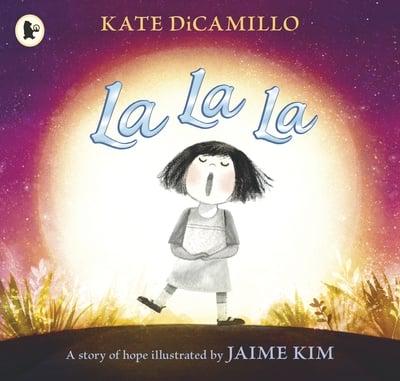
La La La by Kate DiCamillo, illustrated by Jaime Kim
When a little girl sings into the world, she hopes someone will answer, and her search takes her from trees, water and reeds into the darkness towards the moon. This mesmerising nearly wordless picture book for 4-8 year olds is a warm, open-ended story about loneliness, courage and being heard, bolstered by Jaime Kim’s soft, expressive narrative illustrations.
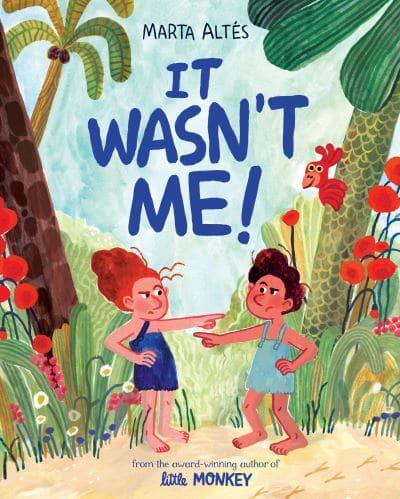
It Wasn’t Me! by Marta Altés
Ellis and Charlie share their island, their games and their things quite happily, until objects start disappearing and nobody wants to take the blame. Perfect for 3-7 year olds, this funny picture book turns a simple mystery into a warm story about friendship, falling out, saying sorry and spotting the real culprit that’s hiding in plain sight.
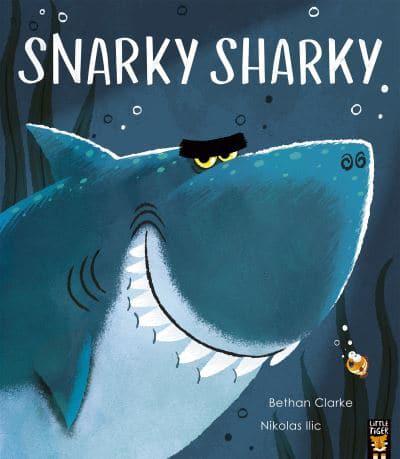
Snarky Sharky by Bethan Clarke, illustrated by Nikolas Ilic
A magnificently sarcastic shark with funky eyebrows gets fed up with his reef-mates and sets off to find a new home – one that appreciates just how fabulous he is. Narrated in his own super-confident voice and packed with ocean puns to appeal to parents, this picture book for 3-6 year olds delivers big laughs as Shark meets a series of other ocean creatures. Bright, cartoon-style illustrations match the energy of the text, while the story gently nudges readers to think about pride, community, and the value of not taking yourself too seriously. It’s an absolute winner as a bedtime story or EYFS read-aloud. Highly recommended!
Detention books for 7-12 year olds – our recommendations
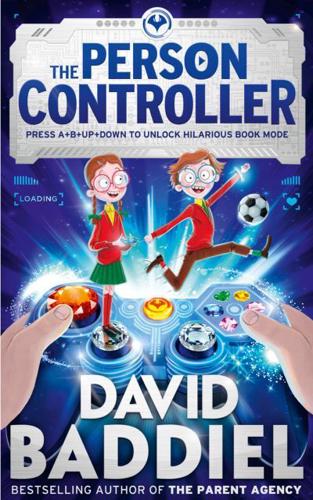
The Person Controller by David Baddiel, illustrated by Jim Field
Video-game-mad twins Fred and Ellie are brilliant with a controller, but less brilliant at football and dealing with the school bullies. When a mysterious stranger sends them a game controller that can affect the real world, every wish suddenly has consequences. A lively, funny adventure for 9+ year olds, Jim Field’s illustrations add pace and energy for pupils who like big ideas, playground drama and chaotic what-if stories.
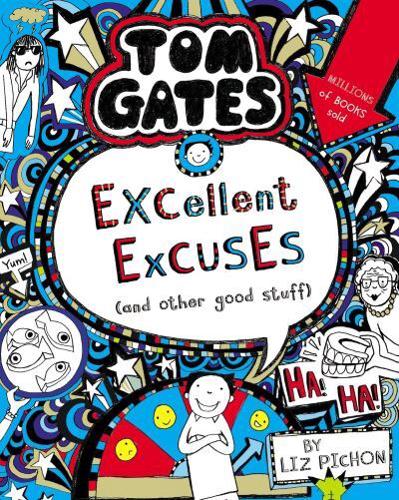
Excellent Excuses (and Other Good Stuff) by Liz Pichon
Homework, doodles, family distractions and Tom Gates’ endless attempts to explain himself keep this second diary-style adventure moving at speed. The mix of handwritten jokes, cartoons and school-life mishaps works especially well for 9-14 year olds who enjoy highly visual fiction and an engaging narrator who turns everyday embarrassment into comedy.
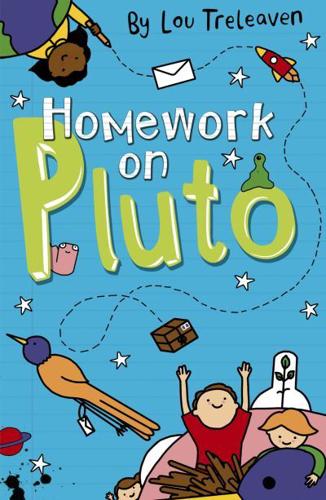
Homework on Pluto by Lou Treleaven
A holiday to Pluto sounds like a fair reward after saving an entire planet, but Jon’s break is soon interrupted by homework from Earth, mad Grans and handbag-stealing blue-headed skwitches. Told with the playful energy of the Penpals on Pluto series, this junior fiction sequel is a fun pick for 7-9 year olds who like letters, space silliness and short, highly accessible chapters.
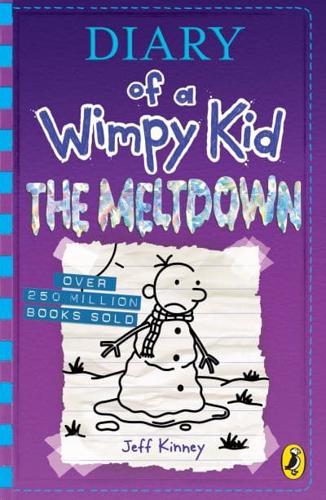
The Meltdown by Jeff Kinney
Snow days do not stay peaceful for Greg Heffley once his neighbourhood turns into a battlefield of snow forts, territory claims and epic snowball fights. Rowley is caught up in the chaos too, and the comic diary format keeps the wintry warfare fast and easy to read. A good choice for 8-10 year olds who already enjoy school-based humour and cartoon-led storytelling.
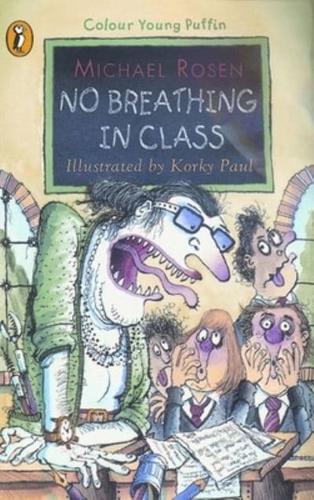
No Breathing in Class by Michael Rosen, illustrated by Korky Paul
School rules, friends and classroom absurdities become poems children can enjoy aloud, helped by Korky Paul’s lively full-colour illustrations. For readers aged 7-9, the short pieces and sharp comic timing make this a laugh-out-loud poetry choice, especially for classrooms looking for engaging performance pieces with relatable playground and lesson-time situations. Highly recommended.
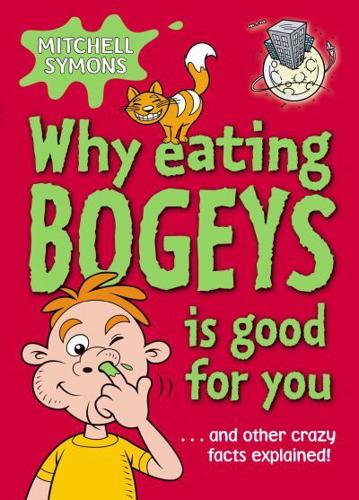
Why Eating Bogeys is Good for You by Mitchell Symons
Gross questions, odd facts and the kind of trivia children love are answered with cheerful curiosity, from tonsils and cream crackers to blue seas and kangaroo pouches. Although the humour is gloriously silly, the answers are clear and accessible enough to satisfy fact-hungry 7-9 year olds, making it a useful classroom library choice for reluctant readers.
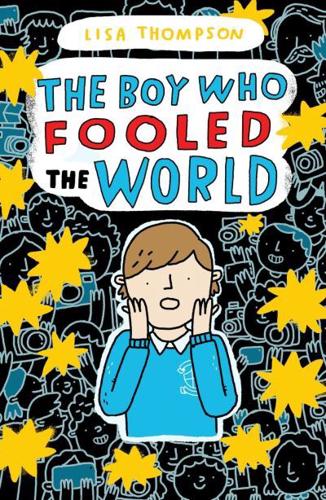
The Boy Who Fooled the World by Lisa Thompson, illustrated by Mike Lowery
A little white lie sends Cole from feeling like the odd one out at school to being celebrated as a boy-genius artist after one of his paintings sells for thousands at a London gallery. The problem is that fame rests on a secret that could bring everything crashing down. For 9-12 year olds, this is a thoughtful mystery about money worries, status and the pressure of being noticed.
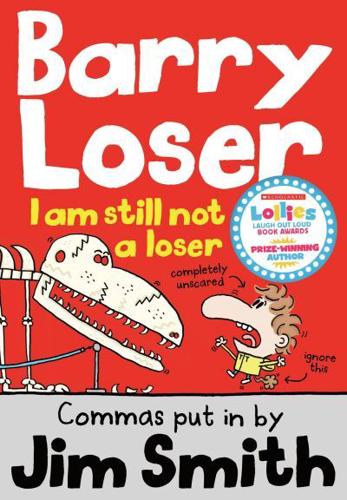
I Am Still Not a Loser by Jim Smith
Barry Loser wakes up angry with best friend Bunky after a dream, then finds he has a real-life rival in Gordon Smugly, who seems to have stolen Bunky away. Cartoon-heavy pages, funny spellings and Barry’s overconfident schemes make this second series entry a lively option for 7-12 year olds who like diary-style comedy with plenty of playground drama.
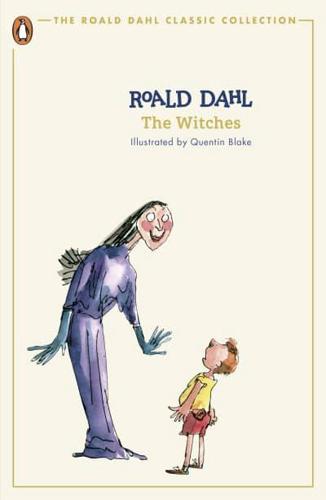
The Witches by Roald Dahl, illustrated by Quentin Blake
Real witches look ordinary enough to pass unnoticed, which is exactly what makes them so dangerous in this darkly comic classic. With the Grand High Witch plotting to make children disappear, the story balances menace, mischief and Quentin Blake’s instantly recognisable illustrations. The Classic Collection paperback is a great choice for adult-wary 7-9 year olds ready for a sharper, spookier Dahl adventure.
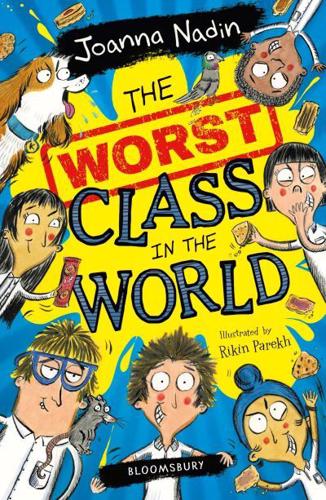
The Worst Class in the World by Joanna Nadin, illustrated by Rikin Parekh
Class 4B has a reputation problem, especially with Mrs Bottomley-Blunt insisting that school is for learning rather than footling, fiddle-faddling or fun. Stanley and Manjit’s plans involving homemade biscuits, Killer the dog and an escaped rat go spectacularly wrong in this highly illustrated chapter book. Children aged 7-9 will find it accessible, energetic and deliciously chaotic.
Art of Protest: What a Revolution Looks Like by De Nichols, illustrated by Diana Dagadita, Molly Mendoza, Olivia Twist, Saddo and Diego Becas
Protest art is treated as a visual language here, with examples ranging from the civil rights movement and Black Lives Matter to Keith Haring and Extinction Rebellion. De Nichols explains how colour, typography, symbolism and technique help campaigns communicate, while practical prompts invite readers to make their own work. A stimulating non-fiction choice for 11+ readers, particularly for art, citizenship and library shelves. It’s also ideal to help children construct persuasive arguments and organise opposition.

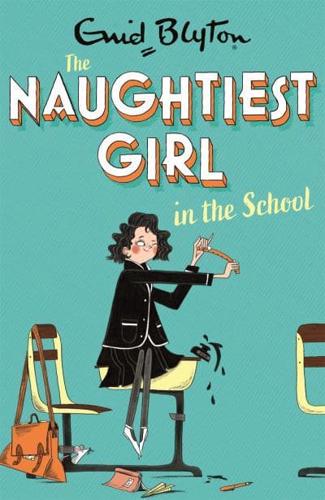
The Naughtiest Girl in the School by Enid Blyton
Elizabeth Allen arrives at Whyteleafe School determined to behave so badly that she will be sent home again. What she does not expect is a school where the children help make the rules, and where being naughty is much more complicated than simply causing trouble. For 9+ year old readers, this first Naughtiest Girl story offers a classic boarding-school setup with plenty of room for change.
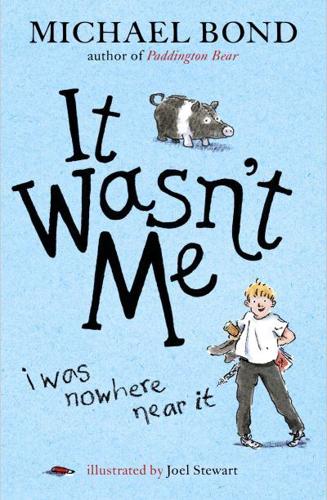
It Wasn’t Me! by Michael Bond, illustrated by Joel Stewart
Harry Manners is the sort of boy who can swallow a computer chip, nearly burn down school and still feel as if life is basically under control. Misunderstood by his family and teachers, he escapes into Max Masters comics and walks with his imaginary pet pig, Monty. This offbeat, comic story should appeal to 7-9 year olds who enjoy oddball trouble and a child’s-eye view of grown-up confusion.
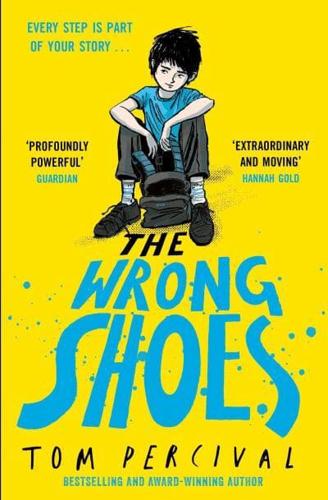
The Wrong Shoes by Tom Percival
Will knows his shoes are wrong before anyone says it: the wrong shoes, the wrong coat, the wrong feeling of standing out at school. As home pressures and classroom judgement close in, friendship and art begin to offer him a way to be seen differently. It’s a compassionate, timely novel for 9+ readers which explores themes of poverty, empathy and belonging.
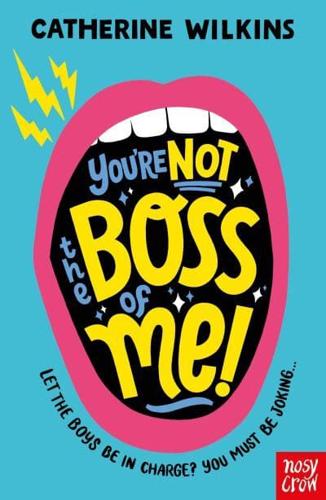
You’re Not the Boss of Me! by Catherine Wilkins
A fight for stage space turns into a wider battle about fairness, confidence and who gets to be heard. Catherine Wilkins’ light-hearted school comedy lets its young characters have plenty to say about being pushed aside. For 9-12 year olds, it is a sharp, funny choice for readers who like to read about friendship clashes, performance nerves and unfair assumptions that don’t go unchallenged.
Detention books for teens – our recommendations
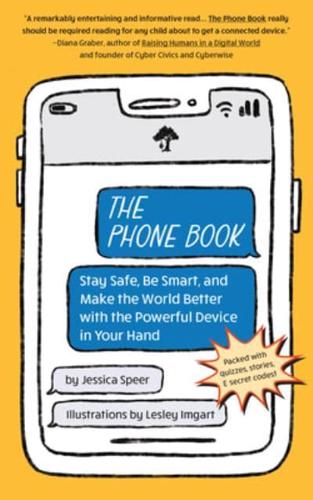
The Phone Book by Jessica Speer, illustrated by Lesley Imgart
Smartphone habits, online choices and digital wellbeing are treated as things young people can learn how to handle, rather than abstract dangers. Written for 8-13 year olds, this practical guide uses short explanations, prompts and real teen experiences to help readers think about privacy, kindness, screen time and the powerful devices in their hands.
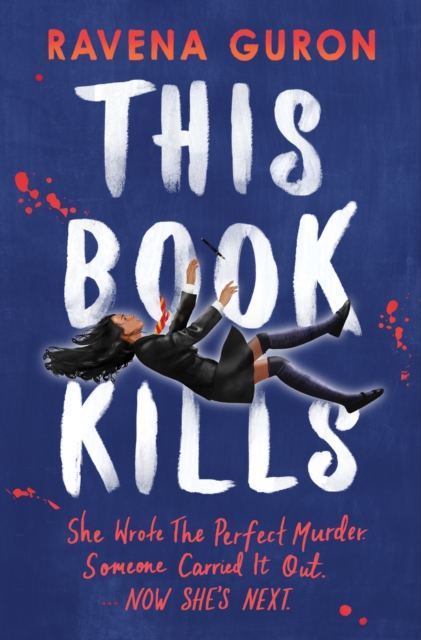
This Book Kills by Ravena Guron
When Hugh Henry Van Boren is found dead in the same way scholarship student Jess Choudhary killed a character in her short story, her private-school murder mystery becomes horribly real. For 12+ year olds, this edgy thriller folds class, privilege, school politics and suspicion into a page-turning case where Jess must solve the murder before she becomes the next victim.
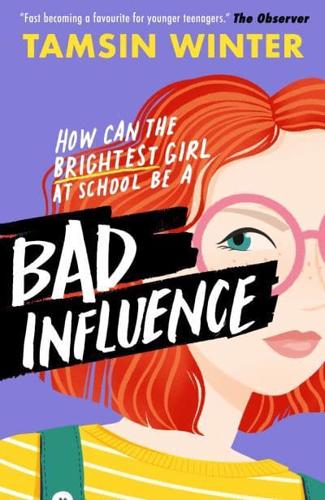
Bad Influence by Tamsin Winter
A hopeful attempt to escape a cruel nickname sends Amelia Bright into the messy world of popularity, first kisses and online humiliation. A thought-provoking read for 11+ year olds, it explores consent, reputation and peer pressure with the kind of school-life detail that makes the consequences of one viral moment feel painfully real. Highly recommended.
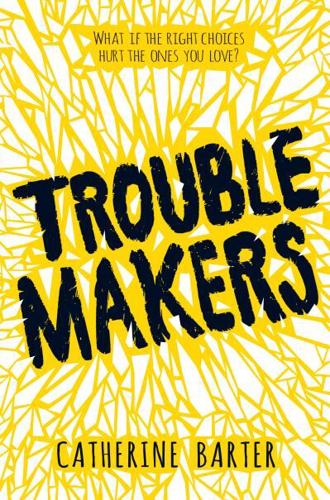
Troublemakers by Catherine Barter
Fifteen-year-old Alena has grown up in east London with her older half-brother Danny and his boyfriend Nick, knowing little about the political activist mother who died when she was a baby. For 12-17 year olds, this brilliantly layered YA novel brings together family secrets, grief, protest, fear and rebellion as bomb threats unsettle London and Alena starts to question where her own power lies.
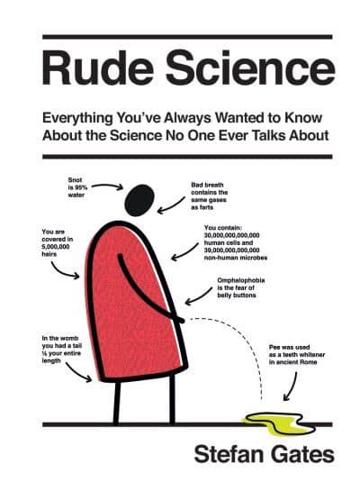
Rude Science: Everything You’ve Always Wanted to Know About the Science No One Ever Talks About by Stefan Gates
Snot, ear wax, nipples, phlegm, toe cheese and other rarely discussed body oddities get the full science treatment in this gleefully disgusting guide to human biology. For curious 10+ year olds, the mix of facts, humour and bodily-function awkwardness makes it an irresistible pick for children and teens who like their science funny, gross and microscopically informative.
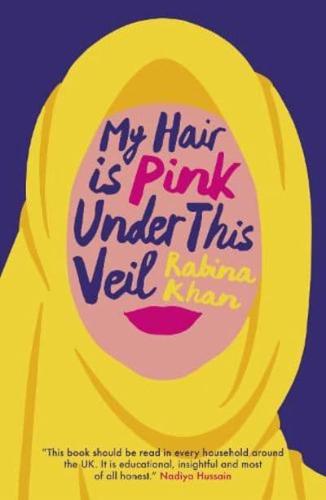
My Hair Is Pink Under This Veil by Rabina Khan
A sharply observed memoir looks at modern Britain through Rabina Khan’s experiences as a hijab-wearing Muslim woman, from her family’s life in 1970s London to questions of racism, politics, feminism and identity. More mature teen readers will encounter a powerful, personal and often sharp account of prejudice, self-belief and public life.
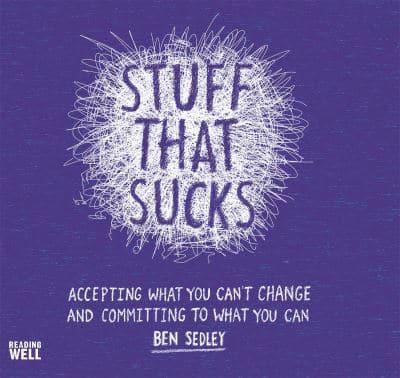
Stuff That Sucks: Accepting what you can’t change and committing to what you can by Ben Sedley
Worry, sadness, shame and anger are tackled with a brisk, no-nonsense approach that will appeal to readers who like practical and relatable self-help. For 12-18 year olds, this short guide introduces acceptance and commitment therapy through simple explanations, cartoons and practical mindfulness ideas.
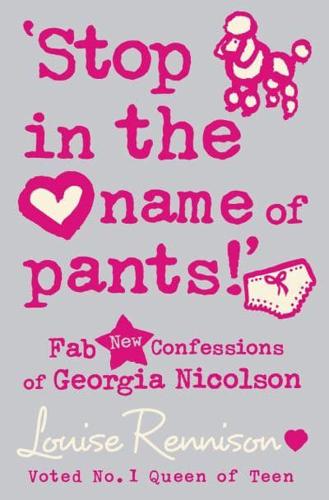
Stop in the Name of Pants! by Louise Rennison
Georgia Nicolson has finally won over Masimo, but the sudden return of Dave the Laugh makes romance feel gloriously, disastrously complicated again. An energetic teen read, this ninth Confessions of Georgia Nicolson diary entry is all about boy drama, friendship chaos, family mayhem and comic teenage anxiety.
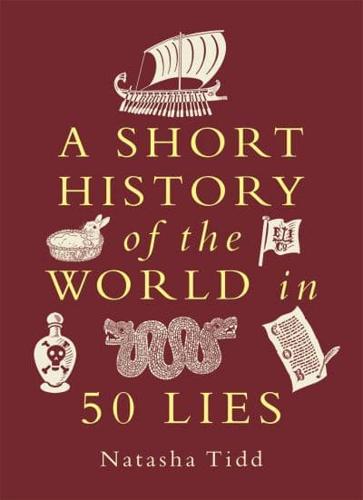
A Short History of the World in 50 Lies by Natasha Tidd
Forged documents, political cover-ups and deliberate distortions frame this quirky world history guide, from Julius Caesar’s image-making to Chernobyl and the Tuskegee Experiment. A thought-provoking choice for 15+ year olds, the short-chapter structure makes it useful for dipping into, debate work or prompting research into how misinformation shapes the past. Ideal for small group discussion.
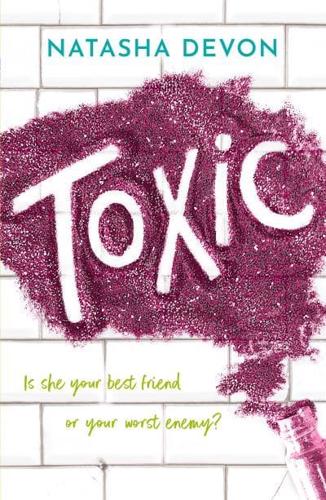
Toxic by Natasha Devon
Llewella’s grades, blog, prefect badge and school-play role all look impressive from the outside, but a new sixth-form friendship with glamorous Aretha quickly starts to reshape her world. For 14+ year olds, this contemporary YA novel explores toxic friendships, body image, anxiety and the inexorable, confusing way manipulation can masquerade as loyalty.
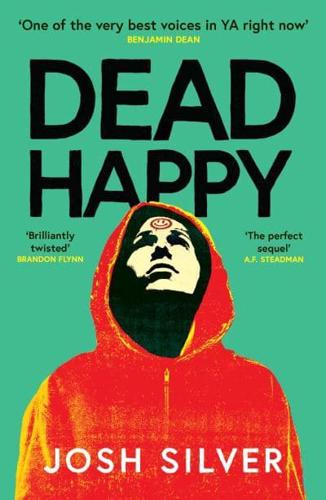
Dead Happy by Josh Silver
Seb has survived the HappyHead programme, only to end up on ElmHallow, a remote island where the chosen ten face a new set of disturbing trials. For 14-18 year olds, this sequel mixes dystopian pressure, queer romance, mental-health questions and a deepening conspiracy as Seb and Eleanor try to expose what HappyHead is really doing.
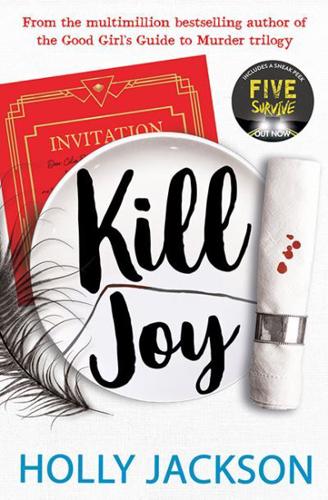
Kill Joy by Holly Jackson
A 1920s-themed murder mystery party is meant to be harmless fun, but Pip Fitz-Amobi cannot resist treating the make-believe death of Reginald Remy like a real case. For 14+ year old readers familiar with the Good Girl’s Guide to Murder series, it’s a neat prequel puzzle that shows Pip’s detective brain clicking into place before her famous school project.
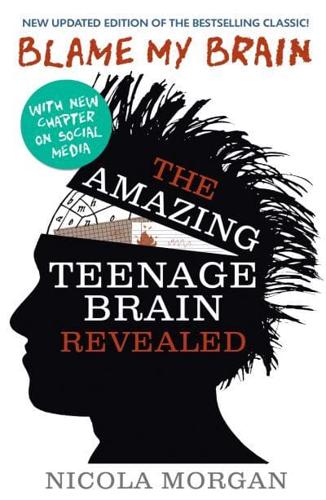
Blame My Brain: The Amazing Teenage Brain Revealed by Nicola Morgan
Teenage mood swings, risk-taking, sleep patterns and screen habits are explained through the science of the developing brain rather than blamed on bad attitude. Aimed at 10-25 year olds, this accessible non-fiction guide is useful for young people and adults who want clear explanations of emotions, mental health, social media and why adolescence can feel so intense.
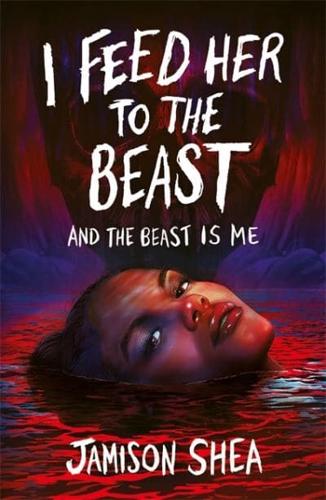
I Feed Her to the Beast and the Beast Is Me by Jamison Shea
At the Paris Ballet, Laure Mesny is talented, ambitious and furious at the way wealth, whiteness and favouritism shape who gets to shine. A dark read for older teens, this horror-tinged ballet story turns exclusion, desire and sacrifice into something visceral and supernatural as Laure reaches for the power the institution keeps denying her.
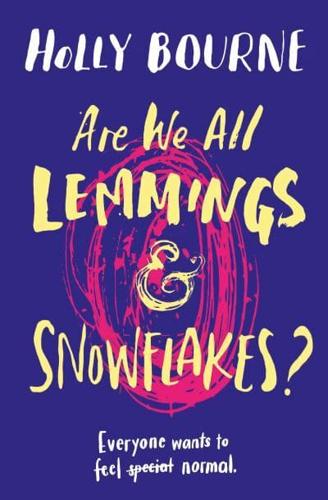
Are We All Lemmings & Snowflakes? by Holly Bourne
Olive arrives at Camp Reset hoping for a way to manage the difficult feelings that keep overwhelming her, but the other teenagers there make her question what it really means to be fixed. For 14+ year olds, this is a compassionate, funny and soul-searching novel about mental health, friendship and recovery.
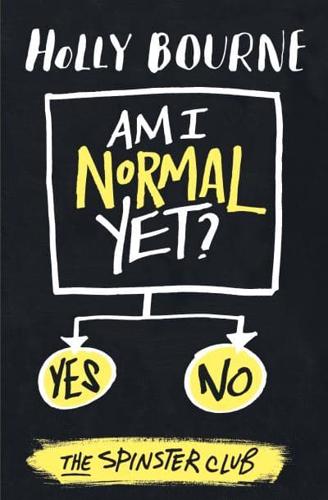
Am I Normal Yet? by Holly Bourne
Evie is desperate to be normal again: go to college, make friends, maybe kiss someone, and keep her OCD from taking over. This Spinster Club series opener balances feminism, friendship, relapse and recovery with striking honesty, making it a thoughtful pick where teen readers want a funny contemporary voice.
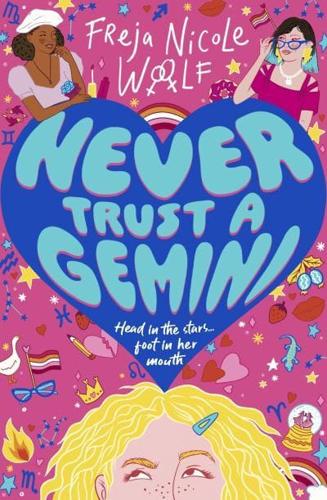
Never Trust a Gemini by Freja Nicole Woolf
Fourteen-year-old Cat trusts astrology more than her own judgement, which becomes a problem when crushes, friendship drama and a dangerously charming Gemini all collide. For 12+ year olds, this lively queer romcom has a lively blend of school awkwardness, zodiac obsession and first-love confusion.
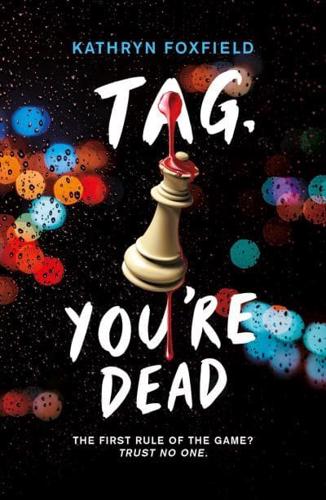
Tag, You’re Dead by Kathryn Foxfield
A citywide game of Tag becomes far more sinister when Anton Frazer livestreams the action across night-time London, complete with body cams, GPS and contestants who all have something to prove. Suitable for 13+ years, this fast YA thriller turns influencer culture, fame, revenge and survival into a tense urban drama.
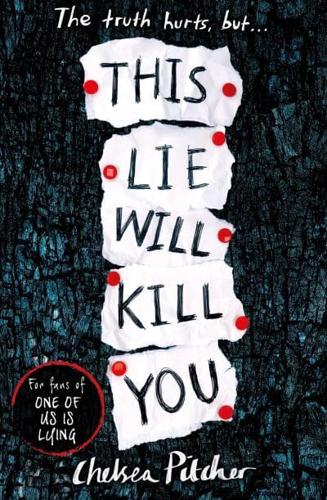
This Lie Will Kill You by Chelsea Pitcher
Five teenagers who were at a party where someone died are drawn to an isolated mansion by the promise of a cash prize and a game that knows far too much. A twisty choice for 14+ year olds, the gripping story uses a locked-room setup, dark secrets and delicious revenge to keep readers interested.
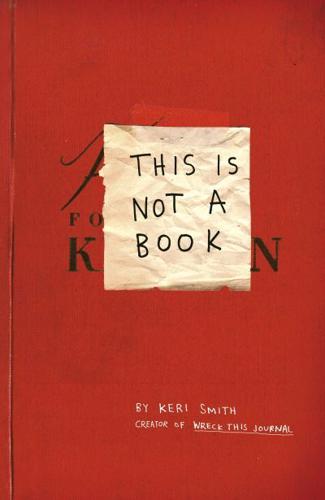
This Is Not A Book by Keri Smith
Secret messages, improvised sounds, public notes and offbeat assignments invite readers to treat the book as an object to use, alter, test and complete. This playful creative prompt book works well for teen pupils who enjoy art, journalling, rule-bending tasks and the idea that a page can become much more than something to read.
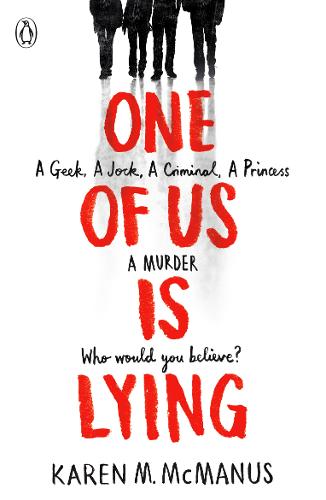
One of Us Is Lying by Karen M. McManus
A school detention at Bayview High becomes fatal when Simon, the creator of a notorious gossip app, dies before he can publish four classmates’ secrets. An 11+ thriller with a killer hook, it rotates between Bronwyn, Cooper, Nate and Addy as suspicion, reputation and hidden motives turn a classroom punishment into a compelling murder case.
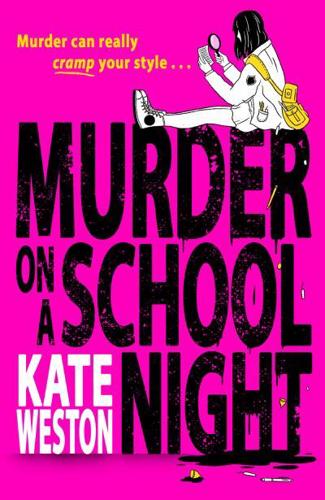
Murder on a School Night by Kate Weston
Kerry would rather be at home with rom-coms and her retainer, but Annie drags her to a sixth-form party to investigate cyberbullying and they find a body instead. For 14+ year olds, this very funny YA mystery mixes friendship, anxiety, crushes and murders with a detective duo who are far less cool than they are determined.
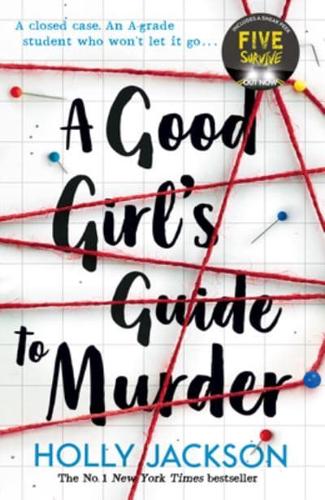
A Good Girl’s Guide to Murder by Holly Jackson
Pippa Fitz-Amobi chooses a closed local murder case for her school project and begins to question whether Sal Singh really killed Andie Bell. A gripping teen mystery, it works brilliantly for readers who like evidence, interviews, transcripts and a determined teenage investigator uncovering secrets that her home town would rather leave buried.
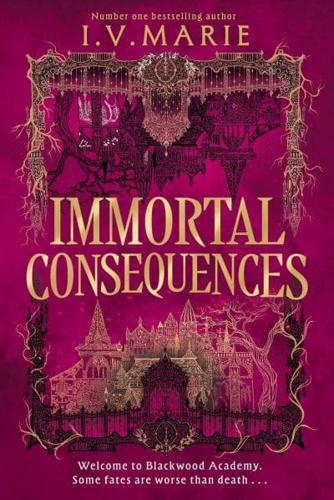
Immortal Consequences by I.V. Marie
At Blackwood Academy, dead teenagers are trapped in a purgatory school where the Decennial Festival offers a dangerous chance to change their fate. This dark-academia fantasy brings together Wren, August, Emilio, Olivier, Irene and Masika in magical trials, faction politics and a twisty mystery tied to shadow magic.
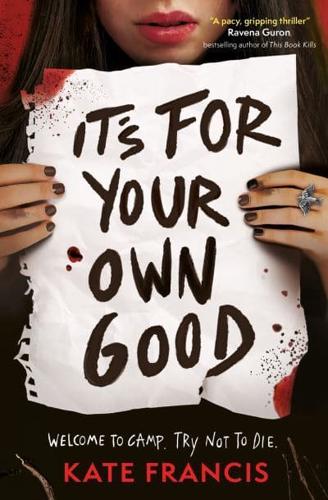
It’s For Your Own Good by Kate Francis
Liv Walker is taken from her bedroom in the night and delivered to Camp Smiling Skies, while her own family waves goodbye. This memorable thriller turns the idea of a wilderness therapy camp for troubled teens into a locked-in nightmare of cruel counsellors, family betrayal and a murderer hiding in plain sight among the campers.
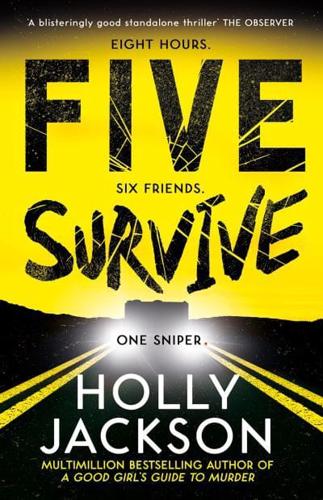
Five Survive by Holly Jackson
Red and five friends are driving to Spring Break in an RV when the trip turns into a night-long trap and a sniper makes it clear someone has a secret. This standalone thriller keeps the pressure tight, using one vehicle, six suspects and buried truths to create a super tense survival story.
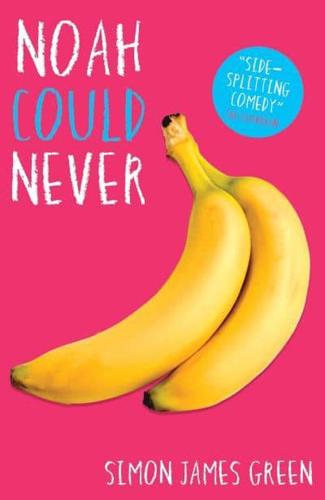
Noah Could Never by Simon James Green
Noah and Harry are officially boyfriends, but romance is not simple when French exchange students arrive in Little Fobbing and Pierre Victoire appears to be taking rather too much interest in Harry. Add in jealousy, embarrassment and Noah’s gift for making everything more complicated, and this sequel to Noah Can’t Even becomes a very funny, candid YA comedy for 14+ year olds who enjoy awkward relationships and razor-sharp and relatable school-life humour.
Click the buttons below to purchase all of the books in this great reads for dententions books list, as well as class sets of any of these books and many more, from Bookshop.org UK. Or buy the 20 most popular titles from this list from Amazon – ideal for gifts or your classroom library.
Buy from UK.Bookshop.Org Buy from Amazon.co.uk
Disclosure: If you buy books using the buttons above: we may earn a commission from Bookshop.org, whose fees support independent bookshops; as an Amazon Associate schoolreadinglist.co.uk earns from qualifying purchases.
Schools & teachers: please respect copyright and don’t copy our detention books for children list. If you find our book recommendations useful, please consider sharing on social media or linking to this page instead. Thanks.
Detention resources for teachers
- The Department for Education’s Behaviour in schools guidance sets out how schools in England can use sanctions, including detention, as part of a clear behaviour policy. It is useful for checking expectations around fairness, consistency, SEND, reasonable adjustments and supervision.
- GOV.UK’s school behaviour, sanctions and exclusions page gives a concise overview of detention rules for parents and schools, including the point that after-school detention does not require parental consent if the pupil can get home safely and individual circumstances are considered.
- The DfE’s school behaviour culture audit and action planning tools help school leaders review behaviour systems, staff consistency, pupil support and the wider culture around sanctions. This is a useful starting point if detention has become routine rather than purposeful.
- The Education Endowment Foundation’s Improving Behaviour in Schools report offers evidence-informed recommendations for primary and secondary settings, including prevention, routines, relationships, targeted support and whole-school consistency.
- IPSEA’s guide to school sanctions explains what schools need to consider when pupils with SEN receive detentions or other sanctions. It is especially useful for staff reviewing whether a behaviour response is lawful, proportionate and adjusted to the individual pupil.
- Child Law Advice provides a clear explainer on discipline within school, including detention, confiscation, exclusion, SEND considerations and when schools should look at underlying causes of behaviour.
- NASUWT’s restorative behaviour guidance gives teachers and leaders a careful overview of restorative behaviour, including how it can support accountability without being used as a token add-on after a sanction.
- Mentally Healthy Schools signposts a restorative practice course for school mental health leads, covering trauma-informed approaches, behaviour management, teaching, learning and action planning.
- Restorative Justice 4 Schools has downloadable materials including restorative conference scripts, shared vocabulary, reflection sheets, evaluation forms and other documents that can help make detention reflective rather than simply punitive.
- The National Literacy Trust’s reading for pleasure resources for schools include research, CPD, classroom activities and guidance on motivating children and teens to read. These are particularly useful if detention reading is intended to be calm, structured and genuinely engaging rather than a worksheet punishment.
- The Open University Reading for Pleasure site offers research, pedagogy and teacher reading group links to help schools build a stronger reading culture. It is a useful evidence base for giving pupils real choice, informal book talk and independent reading time.
- Reading Schools Scotland provides quick reading-for-pleasure activities, including book quizzes, treasure hunts and an escape-room style resource. Many of these ideas can be adapted for supervised reading sessions, library interventions or end-of-day catch-up time.
- EmpathyLab’s Read for Empathy collection offers book selections and guides designed to help young people explore empathy through stories. These resources work well where detention, reflection or restorative follow-up needs a thoughtful reading prompt rather than a lecture.
- World Book Day’s educator resources focus on reading for fun, pupil choice and inclusive book access. The ideas are helpful for schools wanting detention reading books to feel mischievous, appealing and age-appropriate, while still supporting a positive reading culture.
BISAC JUV019000, JUV039000, JUV039050, JUV039060, JUV039090, JUV039220, JUV039240, YAF027000, YAF058000, YAF058110, YAF058120. | Thema YFQ, YFS, YFC, YFN, YXD, YXE, YXH, YXT.