Titanic books for children and teens
Children’s and teen books about the Titanic bring the 1912 disaster to life through stories, survivor accounts, photographs, diagrams and historical detail. They can open up fascinating discussions about class, migration, engineering, safety and life at sea, while keeping the people behind the history firmly in view. For many young readers, the Titanic is a gripping way into history because the scale of the story is extraordinary, but the individual experiences make it feel very human. This list features books by Michael Morpurgo, Lauren Tarshis, Claudia Gray, Kate Messner, Stacey Lee, Adiba Jaigirdar, Hazel Gaynor, Alma Katsu, Walter Lord, and Tony Bradman.
Titanic books for children and teens – our recommendations
Titanic books for 7-12 year olds – our recommendations
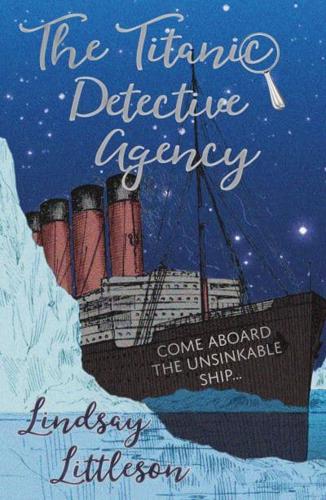
The Titanic Detective Agency by Lindsay Littleson
Bertha Watt is leaving Aberdeen for a new life in America when she boards the Titanic and quickly finds mysteries to investigate. With fellow passenger Madge, she begins looking into suspicious behaviour, a hidden treasure and the mysterious Mr Hoffman. Lindsay Littleson mixes fictional adventure with real passengers and events, giving children an engaging way to explore the maiden voyage and the human impact.
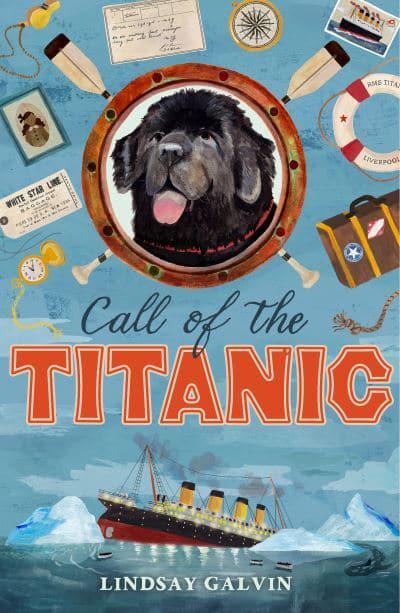
Call of the Titanic by Lindsay Galvin
Young steward Sid is proud to work aboard Titanic, while Clara has secretly stowed away on the Carpathia and befriended a remarkable dog called Rigel. Their separate adventures draw together on the night of the disaster, mixing survival, friendship and a touch of the unexpected. Ideal for 9+ year olds, this fast-moving historical adventure approaches the Titanic through both the doomed liner and the ship that raced to rescue its survivors.
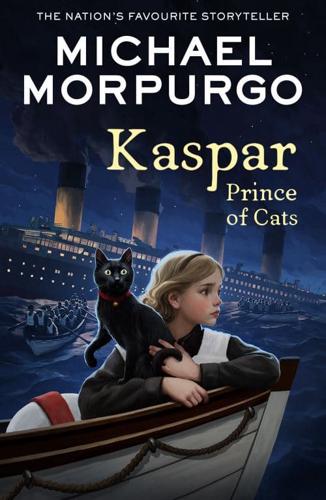
Kaspar: Prince of Cats by Michael Morpurgo, illustrated by Michael Foreman
Johnny Trott works as a bell-boy at London’s Savoy Hotel when the magnificent Kaspar comes into his life. Their adventures eventually take them aboard Titanic, where the luxury of the voyage gives way to a desperate fight for survival. Michael Morpurgo combines friendship, humour and historical drama in a story illustrated by Michael Foreman. Perfectly pitched for 8+ year olds it offers an unusual and memorable animal-centred route into the Titanic story.
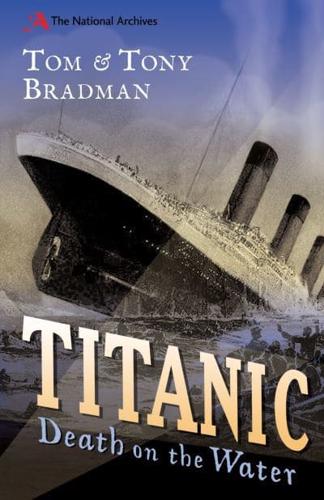
Titanic: Death on the Water by Tom Bradman and Tony Bradman
A Belfast boy dreads following his late father into the shipyard where Titanic is being built, so he finds work aboard the new liner instead. Rivalry with another ship’s boy soon becomes the least of his worries when the supposedly unsinkable ship strikes an iceberg. Based on material from the National Archives, this short historical novel links the construction of Titanic with the experiences of ordinary people caught up in its final voyage.
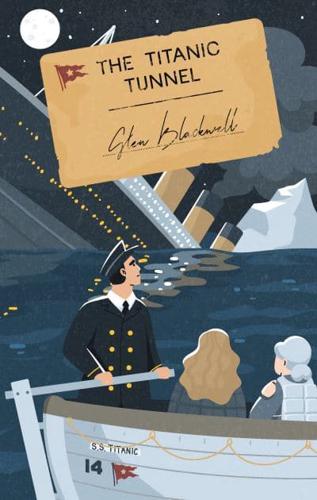
The Titanic Tunnel by Glen Blackwell
Jack and Emmie find themselves transported from the present day to 1912 and onto the Titanic, where history is suddenly happening around them. They know what lies ahead, but getting home again is another matter. Glen Blackwell’s time-travel adventure is written for 9-12 year olds and uses the children’s modern knowledge of the disaster to generate tension, while introducing details of the ship, its passengers and the dangers of its maiden voyage.
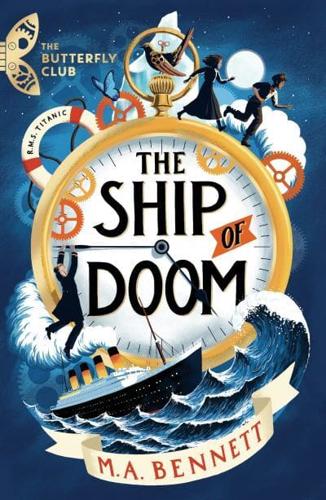
The Butterfly Club: The Ship of Doom by M.A. Bennett
Luna expects an evening at her aunt’s butterfly club to be dull, only to discover a society that uses time travel to collect inventions from the future. A journey to 1912 puts Luna, Konstantin and Aidan aboard Titanic in search of Guglielmo Marconi and his wireless technology. Written for 10+ year olds, the adventure mixes real history, invention and a playful time-travel puzzle in which changing one event can have consequences far beyond the ship.
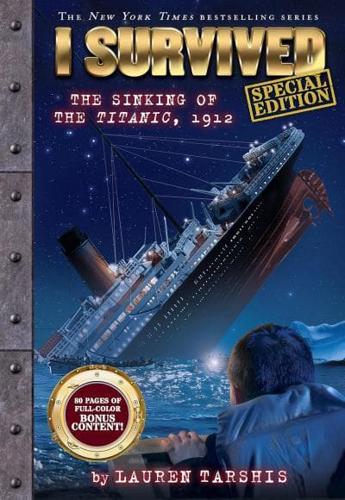
I Survived the Sinking of the Titanic, 1912 (special edition) by Lauren Tarshis, illustrated by Scott Dawson
George Calder cannot resist exploring Titanic while travelling with his aunt and younger sister, but his curiosity becomes frighteningly real when the ship hits an iceberg. The survival story is followed by substantial factual material, including historical photographs, the story of a child who survived and information about the search for Titanic’s wreck. It’s a useful bridge between historical fiction and non-fiction.
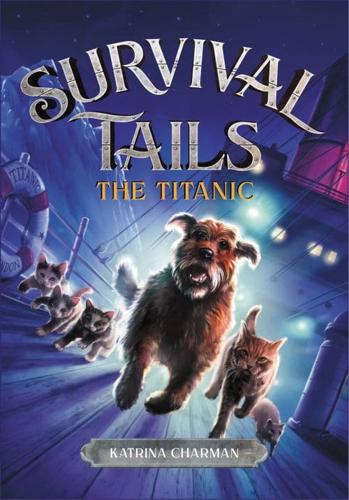
Survival Tails: The Titanic by Katrina Charman, illustrated by Owen Richardson
Mutt is determined not to be separated from his owner Alice, so with help from King Leon the rat he sneaks aboard Titanic. Captain’s cat Clara soon discovers him and recruits Mutt to help care for three abandoned kittens. When the iceberg strikes, the animals must find their humans and survive the sinking. This story for 8+ year olds combines an animal adventure with the historical setting, giving the familiar disaster an imaginative and accessible new viewpoint.
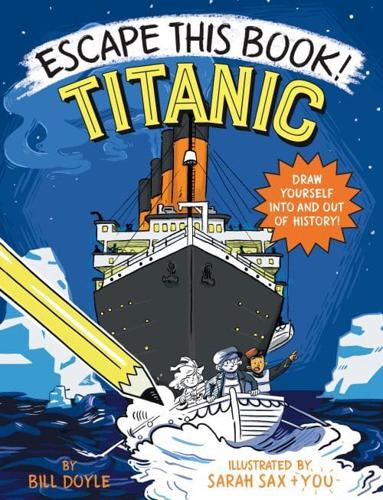
Escape This Book! Titanic by Bill Doyle, illustrated by Sarah Sax
This interactive Titanic adventure hands 8+ year olds three possible roles: passenger, crew member or stowaway. Each route presents decisions, drawing challenges and physical activities that can involve folding or altering the page as children try to escape the doomed liner. Bill Doyle and Sarah Sax turn historical survival into a playful problem-solving experience, making this especially useful for children who enjoy choosing their own path rather than following a conventional narrative.
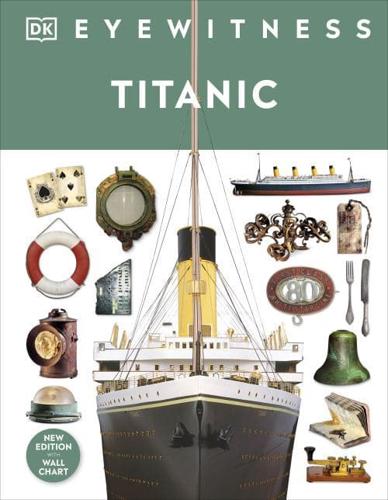
Titanic by Simon Adams
DK’s visual guide follows Titanic from its construction and Southampton departure through the collision, evacuation, rescue and later discovery of the wreck. Photographs, illustrations, objects, statistics, timelines and first-hand material help children examine what life was like aboard the liner and what happened when disaster struck. The Eyewitness format works particularly well for dipping in and out, researching school projects or following a specific interest in the ship, its passengers or maritime history.
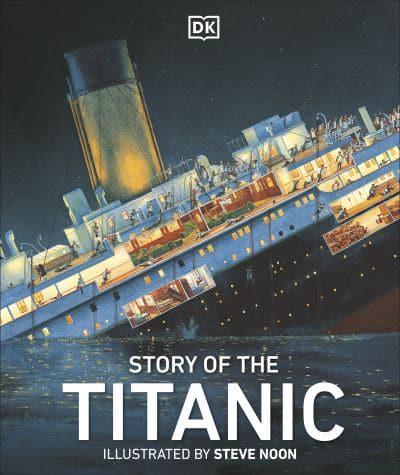
Story of the Titanic by DK, illustrated by Steve Noon
Steve Noon’s large illustrated scenes and cutaways take 8+ year olds through Titanic’s construction, fitting out, maiden voyage, collision and sinking. Along the way, children meet passengers and crew from different parts of the ship and see how spaces such as cabins, decks and working areas fitted together. The combination of detailed artwork and explanatory text is particularly effective for children who want to understand both the scale of the liner and the sequence of events. Highly engaging.
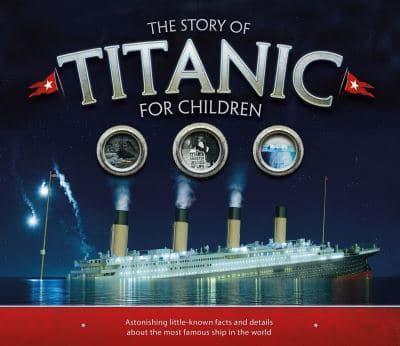
The Story of the Titanic for Children: Astonishing little-known facts and details about the most famous ship in the world by Joe Fullman
Joe Fullman gives 7+ year olds a broad introduction to Titanic, beginning with its construction and luxurious interiors before moving through the voyage, sinking and aftermath. Real-life stories, photographs and short sections of factual information make the book easy to explore without oversimplifying the subject. There is plenty here for children fascinated by the ship itself, and the passengers and survivors remain a key part of the story.
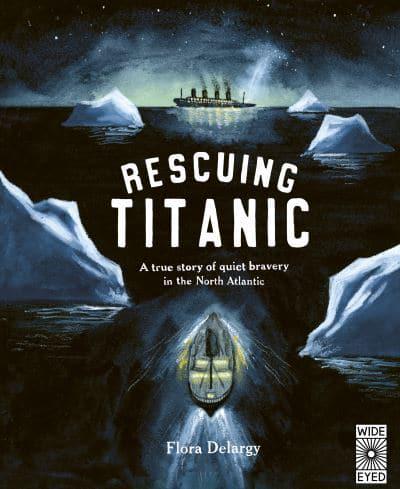
Rescuing Titanic: A True Story of Quiet Bravery in the North Atlantic by Flora Delargy
Rather than concentrating only on Titanic, Flora Delargy turns to the Carpathia and the people who responded to the liner’s distress calls. Detailed illustrations follow the rescue ship through dangerous ice fields as its crew prepares to receive hundreds of survivors. KS2 children can explore bravery, communication and rescue alongside the better-known story of the sinking. It is an especially worthwhile addition to a Titanic topic because it shows what happened beyond the stricken ship itself.
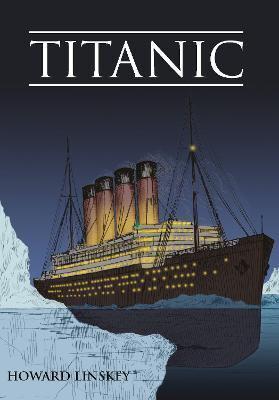
Titanic by Howard Linskey
Howard Linskey takes children from Titanic’s construction through life on board and the events that ended its maiden voyage. Photographs and bite-sized factual sections make the information easy to navigate, while generous spacing supports children who find dense non-fiction challenging. The book has an interest age of 9-14 and a reading age of 8-9, making it particularly useful where subject interest is ahead of reading confidence.
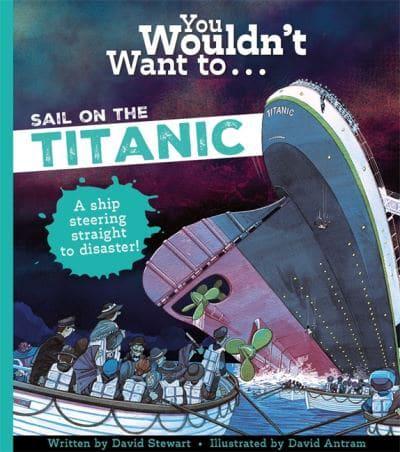
You Wouldn’t Want To Sail On The Titanic! by David Stewart, illustrated by David Antram
David Stewart and David Antram place children inside the Titanic story rather than simply describing it from a distance. The first-person approach begins with the planning and construction of the liner before following its voyage towards disaster, while cartoon-style illustrations keep a serious subject visually approachable. The combination of facts, humour and direct address makes this a lively curriculum companion, particularly for children who enjoy history when it feels immediate and slightly irreverent.
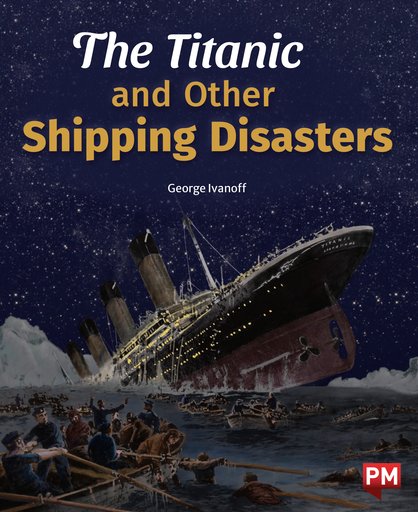
The Titanic and Other Shipping Disasters by George Ivanoff
Titanic is placed alongside other maritime disasters in this short non-fiction book, encouraging children to think about why accidents happen rather than viewing them as isolated historical events. Human error, poor decisions and their consequences provide a thread through the different examples. The guided-reading format makes it useful for discussion about evidence, cause and how disasters might have been prevented.
Titanic by Anna Claybourne, illustrated by Ian McNee
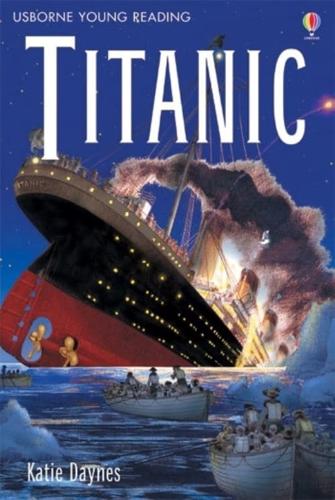
This illustrated retelling begins with Titanic in the Belfast shipyard before following the liner across the Atlantic to its collision with the iceberg and the rescue of survivors by Carpathia. The narrative style includes direct speech alongside photographs, maps and illustrations, giving the history plenty of momentum. Part of Usborne’s Young Reading Series Three, it suits children ready to tackle a longer factual narrative while still benefiting from strong visual support.
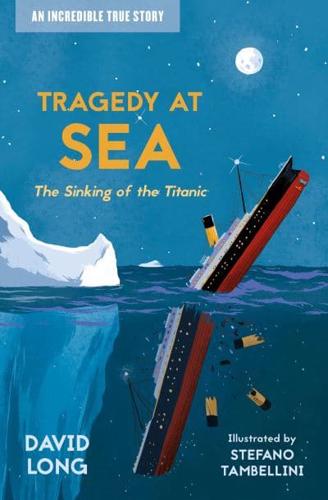
Tragedy at Sea: The Sinking of the Titanic by David Long, illustrated by Stefano Tambellini
How could a ship regarded as one of the safest and most impressive liners of its time sink on its first voyage? David Long follows Titanic from its design and construction to the collision, evacuation and loss of more than 1,500 people. Stefano Tambellini’s illustrations support an accessible, dyslexia-friendly layout. The book is particularly suitable for 9+ year olds, with a reading age of 8, so dramatic real-life history remains manageable for less confident readers.
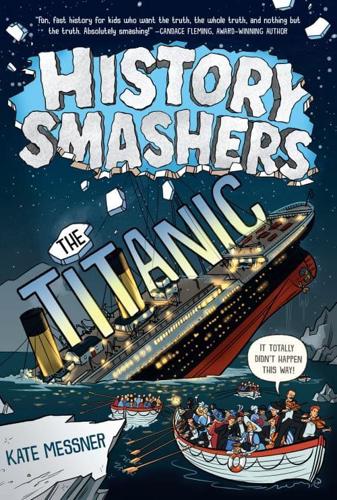
History Smashers: The Titanic by Kate Messner, illustrated by Matt Aytch Taylor
Kate Messner takes familiar Titanic stories and asks which ones actually stand up to scrutiny. Photographs, cartoons, diagrams and historical evidence tackle myths about the supposedly unsinkable ship, ice warnings, passengers and the sinking itself. 8+ year olds who enjoy questioning received wisdom will find plenty to investigate here. The myth-busting approach also makes the book useful for discussing how historical stories change over time and why checking sources matters.
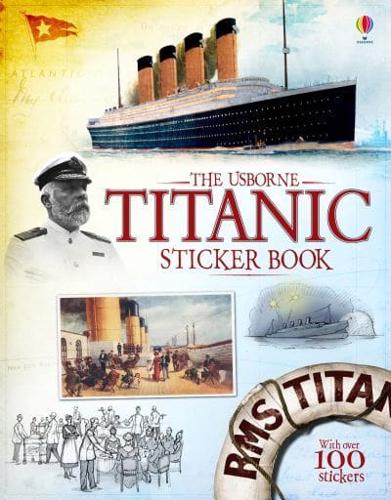
Titanic Sticker Book by Emily Bone and Megan Cullis, illustrated by Ian McNee
More than 100 stickers of photographs, posters and mementos help 7+ year olds explore Titanic from its construction to the people aboard and the circumstances of its sinking. Matching images to the pages adds an activity element without pushing the historical content into the background. Internet links extend the subject further with material including eyewitness accounts and images of the wreck, making this a useful option for children who like to learn through pictures and hands-on tasks.
Titanic books for teens – our recommendations
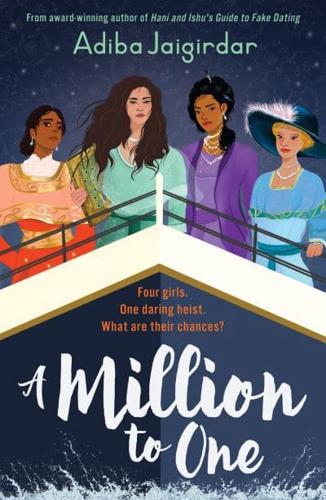
A Million to One by Adiba Jaigirdar
Four young women secretly board Titanic with an audacious plan to steal the Rubaiyat, a priceless jewel-encrusted book. Josefa brings the scheme together, but Hinnah, Violet and Emilie each have skills the heist depends upon. Class divisions, romance and old grievances complicate the job even before the ship heads towards disaster. Ideal for 12+ year olds, this YA novel brings a diverse group of characters into a fast-moving blend of historical fiction, crime and survival.
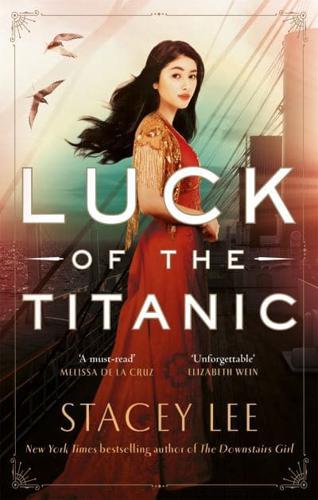
Luck of the Titanic by Stacey Lee
British-Chinese acrobat Valora Luck boards Titanic hoping to reunite with her twin brother Jamie and build a future as a circus performer in America. Her journey through different parts of the ship exposes divisions of class and race, including the discrimination faced by Chinese passengers. The combination of family, ambition and survival gives the familiar Titanic story a perspective that is still rarely represented in historical fiction.
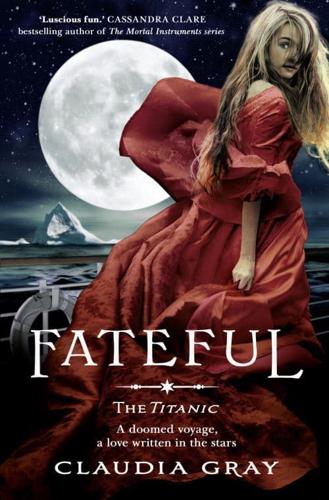
Fateful by Claudia Gray
Eighteen-year-old maid Tess Davies sees the Lisle family’s voyage to America as her chance to leave service and begin a new life. Meeting first-class passenger Alec changes those plans, particularly when she discovers the dangerous supernatural secret surrounding him. Claudia Gray places werewolves, romance and suspense against Titanic’s final voyage, using the contrast between the ship’s glittering interiors and its approaching fate to give a paranormal story an unusually dramatic historical setting.
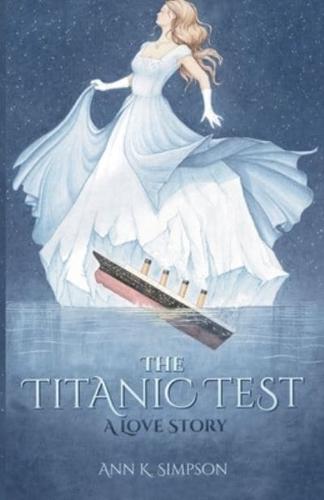
The Titanic Test: A Love Story by Ann K. Simpson
Seventeen-year-old Charlie attends a school where the junior-year test involves travelling into the past without changing history. Her destination is Titanic, and childhood friend Quinn is sent along to make sure she follows the rules. Knowing what will happen turns the assignment into a moral dilemma as romance, responsibility and survival collide. This time-travel novel sits perfectly in the YA fiction category and uses the disaster to ask what someone should do when history’s outcome is already known.
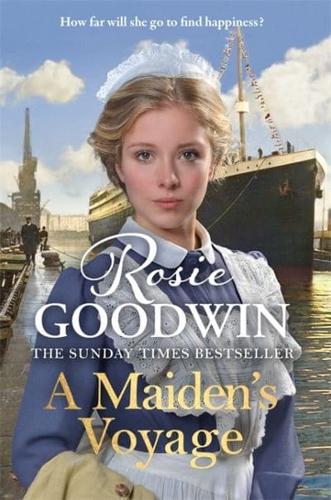
A Maiden’s Voyage by Rosie Goodwin
Eighteen-year-old Flora Butler works as a lady’s maid to Constance Ogilvie and helps support her family in London. When Constance is sent to live with an aunt in New York, Flora must decide whether to follow her across the Atlantic or remain at home. Her decision places both women aboard Titanic. Rosie Goodwin uses the voyage as the turning point in a wider historical saga about work, family, loyalty and the uncertain futures faced by young women in 1912.
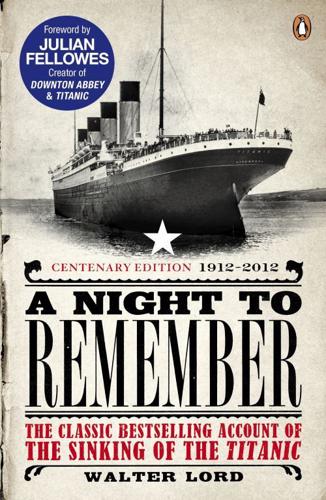
A Night to Remember by Walter Lord
Walter Lord reconstructs Titanic’s final night through detailed research and the experiences of passengers and crew, moving between different parts of the ship as the scale of the disaster becomes clear. First published in 1955, the book helped renew public interest in Titanic and remains notable for the immediacy of its narrative. Class divisions, individual decisions and acts of courage emerge through the testimony, making this an accessible route from popular interest in the disaster into serious historical non-fiction.
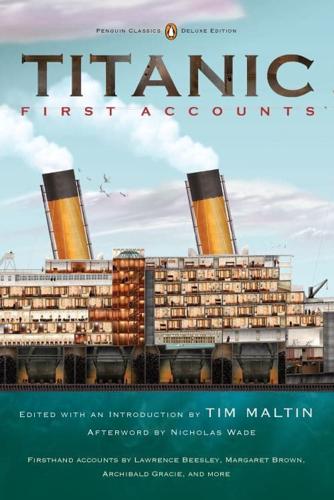
Titanic: First Accounts, edited by Tim Maltin
The people who actually experienced Titanic’s final voyage take centre stage in this collection of first-hand accounts, testimony and letters. Contributors include survivors such as Archibald Gracie, Lawrence Beesley, Elizabeth Shutes and Margaret Brown, allowing different perspectives on the same unfolding disaster to sit alongside one another. The collection is particularly useful for comparing memory and evidence, and for seeing how experiences differed according to a passenger’s position, circumstances and location aboard the ship.
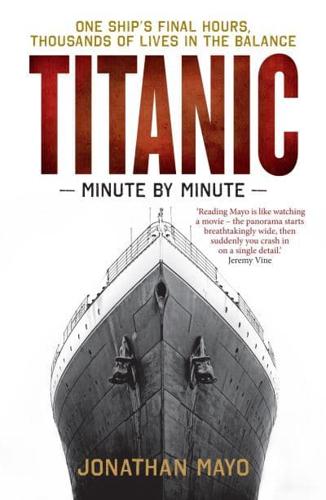
Titanic: Minute by Minute by Jonathan Mayo
Jonathan Mayo reconstructs Titanic’s final hours in chronological order, following events as they happen across the ship and surrounding Atlantic. Individual passengers, crew members, wireless messages, rescue efforts and decisions are woven into the timeline, giving the disaster an accumulating sense of urgency. Rather than starting with hindsight, the minute-by-minute structure shows how incomplete information and rapidly changing circumstances affected people at the time. It is an absorbing approach for anyone wanting to understand the sequence of the sinking in detail.
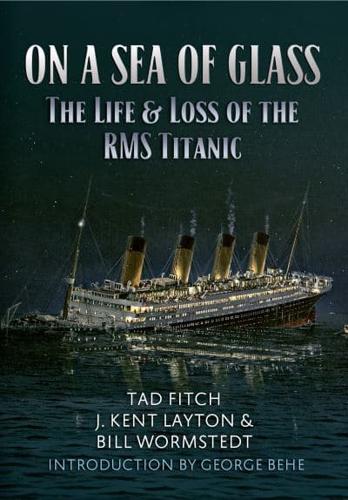
On a Sea of Glass: The Life & Loss of the RMS Titanic by Tad Fitch, J. Kent Layton and Bill Wormstedt
This substantial history follows Titanic from design and construction through the maiden voyage, collision, sinking, rescue and aftermath. Survivor accounts and lesser-known stories bring individual passengers and crew into a detailed examination of what happened and why. Photographs and technical evidence add further depth. It is a demanding but rewarding reference for anyone ready to move beyond introductory Titanic books and examine the ship, its people and the competing evidence surrounding the disaster in considerably greater detail.
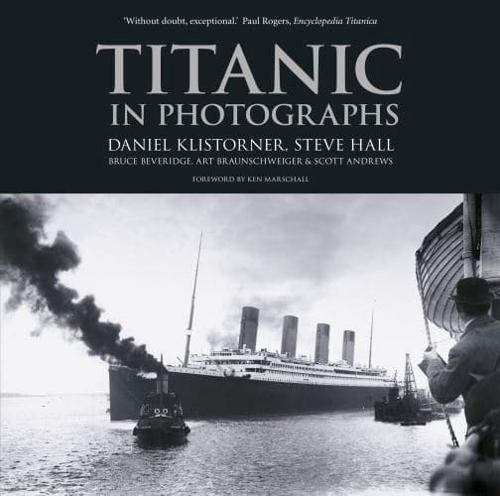
Titanic in Photographs by Daniel Klistorner, Steve Hall, Bruce Beveridge, Art Braunschweiger and Scott Andrews
Hundreds of photographs trace Titanic’s history from construction and fitting out to its brief life as a passenger liner and the aftermath of the sinking. Images of the ship are placed alongside photographs of passengers, crew, interiors and related objects, with detailed captions providing historical context. The visual evidence makes this more than a picture book: it allows careful comparison between surviving photographs and later popular images of Titanic, while revealing details that can be missed in narrative accounts alone.
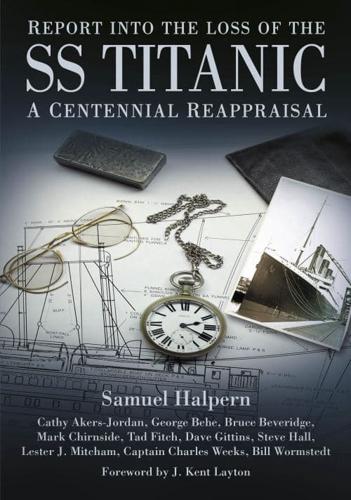
Report into the Loss of the SS Titanic: A Centennial Reappraisal by Samuel Halpern, Cathy Akers-Jordan, George Behe, Bruce Beveridge, Mark Chirnside, Tad Fitch, Dave Gittins, Steve Hall, Lester J. Mitcham, Charles Weeks and Bill Wormstedt
A team of Titanic researchers revisits the disaster using evidence unavailable to the original 1912 inquiries, including information obtained since the wreck was discovered. The book examines the ship, ice warnings, collision damage, lifeboats, rescue efforts, passengers and crew, and the roles of nearby vessels. Charts, diagrams and a detailed chronology support the investigation. This is specialist reading, but it gives determined students an excellent example of historians reassessing established conclusions as new evidence becomes available.
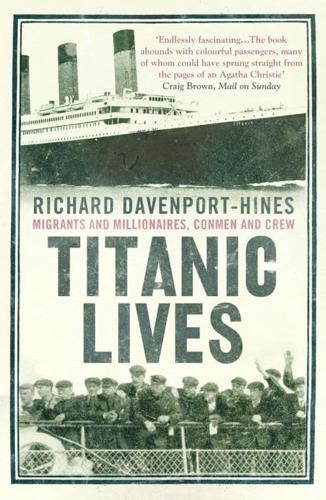
Titanic Lives: Migrants and Millionaires, Conmen and Crew by Richard Davenport-Hines
Richard Davenport-Hines approaches Titanic through the extraordinary range of people who travelled aboard it, from wealthy passengers to emigrants, crew members and individuals with more complicated pasts. Their stories reveal the social divisions of the early twentieth century as well as the ambitions that brought people onto the same ship. Rather than treating passengers as a list of victims and survivors, the book restores individual backgrounds, motives and personalities, making Titanic a starting point for wider social history.
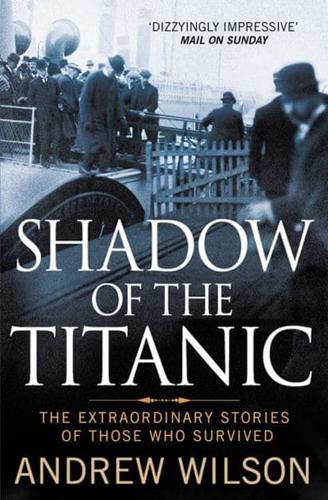
Shadow of the Titanic: The Extraordinary Stories of Those Who Survived by Andrew Wilson
Most accounts finish when Titanic’s survivors reach safety, but Andrew Wilson asks what happened afterwards. He follows people who escaped the sinking and examines how loss, guilt, publicity and memory affected their later lives. Some struggled with the psychological consequences of the disaster for decades. By extending the story beyond April 1912, the book challenges the neat idea that survival marked an ending and instead explores the long personal aftermath experienced by people who lived through an event the whole world wanted to discuss.
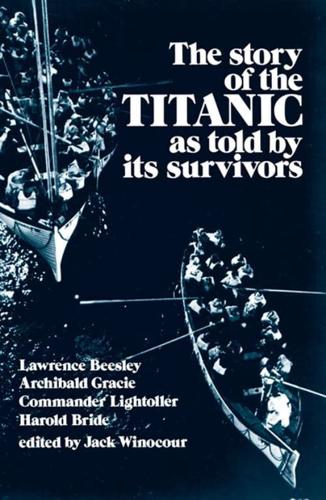
The Story of the Titanic as Told by Its Survivors, edited by Jack Winocour
Four survivor accounts provide direct perspectives on Titanic’s sinking in this classic collection. It includes Lawrence Beesley’s The Loss of the S.S. Titanic, Archibald Gracie’s The Truth about the Titanic, an account by surviving officer Charles Lightoller and wireless operator Harold Bride’s story. Reading these accounts together reveals where witnesses agree, where their experiences differed and how people tried to understand the disaster shortly after living through it.
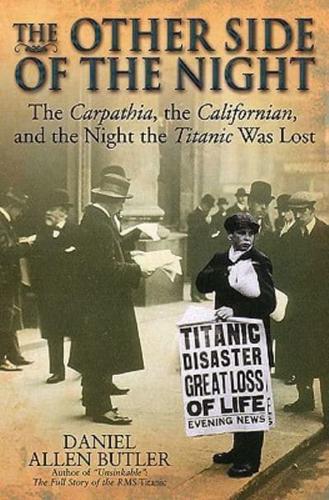
The Other Side of the Night: The Carpathia, the Californian and the Night the Titanic was Lost by Daniel Allen Butler
Daniel Allen Butler shifts attention away from Titanic itself to two ships closely connected with the disaster. Carpathia raced through dangerous waters to rescue survivors, while Californian became the subject of lasting controversy over what its crew saw and how they responded. By examining the actions of both vessels, the book opens up questions about leadership, communication, responsibility and hindsight. It is a useful next step for anyone who already knows the Titanic story and wants to investigate its wider context in more detail.
Titanic books for sixth-formers – our recommendations
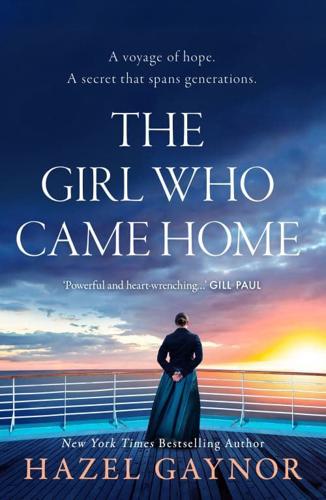
The Girl Who Came Home by Hazel Gaynor
Seventeen-year-old Maggie Murphy leaves Ireland aboard Titanic with a group from her village, hoping for a new life in America while mourning everything she is leaving behind. Decades later, Maggie’s great-granddaughter Grace begins uncovering the story she has kept private for years. Inspired by real events, Hazel Gaynor’s dual-timeline novel considers migration, survival, memory and the way one catastrophic night continues to shape families long afterwards.
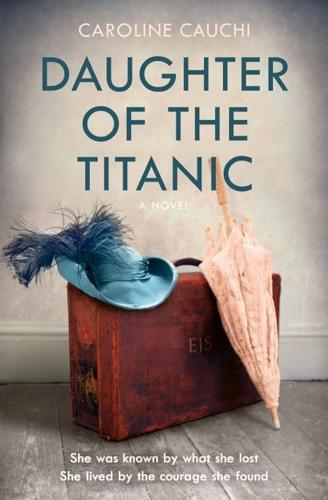
Daughter of the Titanic by Caroline Cauchi
Fourteen-year-old Helen ‘Melville’ Smith loses her father, Titanic captain Edward J. Smith, in 1912. The novel follows the effect of that legacy across her life as newspapers, public opinion and later generations repeatedly reinterpret the man she knew as her father. A second strand, set decades later, introduces an Oxford academic investigating forgotten papers. Inspired by real people, Caroline Cauchi explores grief, reputation, memory and what it means to live in the shadow of a famous disaster.
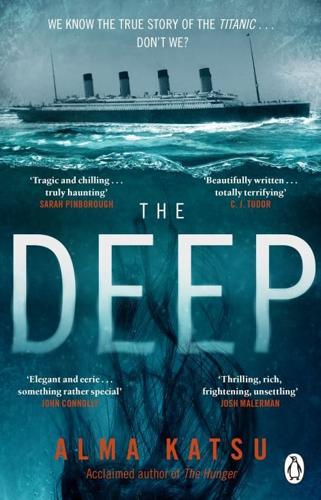
The Deep by Alma Katsu
Something disturbing seems to be stalking Titanic even before the iceberg appears. Maid Annie Hebley becomes caught up in unexplained deaths and disappearances, particularly around passenger Mark Fletcher. Years later, their paths cross again aboard Titanic’s sister ship Britannic, now serving as a hospital ship during the First World War. Alma Katsu blends two real maritime disasters with supernatural horror, creating a darker interpretation of Titanic in which memory, trauma and possible haunting are difficult to separate.
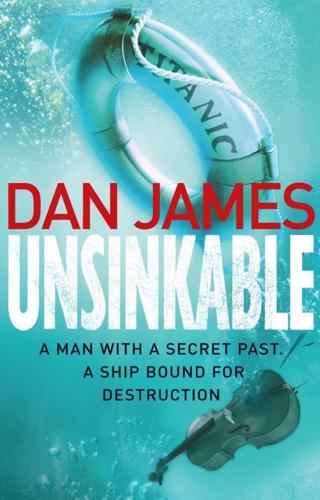
Unsinkable by Dan James
Former Special Branch officer Arthur Beck boards Titanic hoping to escape his past, while journalist Martha Heaton is determined to prove herself as a serious reporter. Their paths cross as they close in on a dangerous criminal somewhere aboard the liner. The reader knows the ship itself is running out of time, adding another layer of urgency to the investigation. Dan James turns Titanic into the setting for a historical thriller built around crime, pursuit and the approaching catastrophe.
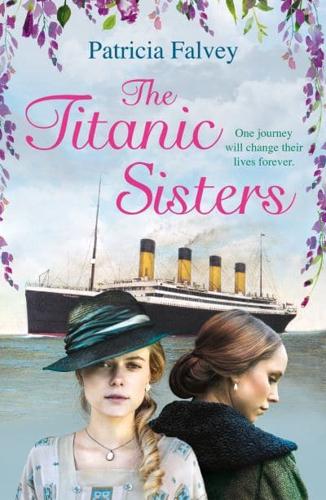
The Titanic Sisters by Patricia Falvey
Irish sisters Delia and Nora leave home aboard Titanic with very different hopes for their lives in America. The sinking tears up those plans and forces each woman onto a new path shaped by survival, identity and the expectations placed upon them. Patricia Falvey’s historical novel continues beyond the disaster itself, allowing the consequences of the voyage to unfold over time rather than ending with the rescue. Family tensions and the search for independence sit at the centre of the story.
Click the buttons below to purchase all of the books in this Titanic books list, as well as class sets of any of these books and many more, from Bookshop.org UK. Or buy the 20 most popular titles from this list from Amazon – ideal for gifts or your classroom library.
Buy from UK.Bookshop.Org Buy from Amazon.co.uk
Disclosure: If you buy books using the buttons above: we may earn a commission from Bookshop.org, whose fees support independent bookshops; as an Amazon Associate schoolreadinglist.co.uk earns from qualifying purchases.
Schools & teachers: please respect copyright and don’t copy our Titanic books for children list. If you find our book recommendations useful, please consider sharing on social media or linking to this page instead. Thanks.
Titanic resources for teachers
- The UK National Archives has an excellent source-based lesson for KS1, KS2 and KS3 using original Titanic passenger lists, photographs and a distress telegram. Activities explore social class, life on board and what historical documents can reveal about the people who travelled on the ship.
- The National Archives also offers a free Titanic online workshop for UK schools. KS2 and KS3 pupils examine photographs and witness testimony from the 1912 British inquiry before considering why so many lives were lost and weighing up the relative importance of different causes.
- Titanic Belfast provides downloadable classroom materials, including KS2 and KS3 activities, pre-visit and post-visit resources and tasks exploring subjects such as launching the ship and the work of the draughtsmen who designed it.
- Royal Museums Greenwich features a Titanic film with BSL and subtitles alongside shipwreck-themed literacy activities for EYFS, KS1 and KS2. There are downloadable writing activities, ideas for drama and soundscapes, and a suggested children’s booklist.
- SeaCity Museum in Southampton offers Titanic learning sessions ranging from an introduction to the ship and its passengers to upper KS2 and KS3 workshops investigating who was responsible for the disaster and the science behind the Titanic. Sessions include object handling, experiments and lifeboat activities.
- For classroom and home learning, SeaCity Museum’s online resources include Titanic activity sheets, museum videos and a printable and interactive Titanic trail around Southampton, which is particularly useful for exploring the disaster through local history.
- National Museums Liverpool’s Titanic teaching pack contains KS1 and KS2 activities linked to the city’s maritime history. It uses photographs, timelines and passenger stories to support historical enquiry, discussion, diary writing and work on migration and journeys.
- The Primary Science Teaching Trust’s Titanic Science resources use the story of the ship as a starting point for practical investigations involving forces, materials, electricity, animals and states of matter. Free videos accompany the activities, with curriculum grids available for England, Scotland and Wales.
- The Public Record Office of Northern Ireland provides a downloadable guide to the building and history of RMS Titanic in Belfast, together with details of relevant archive records. It is particularly useful for teachers developing local history or primary-source investigations.
- The Historical Association explores how the Titanic can be taught as a significant historical event at KS1, with ideas for enquiry, local connections and museum-based learning rather than simply learning a sequence of facts about the sinking.
BISAC JUV016000, JUV041020, JNF025140, JNF057020, YAF024000, YAF064000, YAN025140, YAN056020. | Thema YFT, YNH, YNTR.