Deafness and hearing loss books for children and teens
Children’s and teen books about deafness and hearing loss can cover everything from friendships, school and family life to hearing aids, sign language, identity and independence. Some put deafness at the heart of the story, while others simply include deaf or partially deaf characters and their lives. At their best, these books offer recognition, build understanding and spark useful conversations about communication, inclusion and Deaf culture without treating hearing loss as something that always needs fixing. This list features books by Ann M. Martin, Frances Hardinge, Cece Bell, Raymond Antrobus, Erin Entrada Kelly, Ross Montgomery, Yoshitoki Oima, Kacen Callender, Adib Khorram, and Sara Barnard.
Deafness and hearing loss books for children and teens – our recommendations
Deafness and hearing loss picture books – our recommendations
The Sound of a Smile by Louise Greig and David Litchfield
A girl who cannot hear the noisy world discovers intricate sounds hidden between a song’s notes, a wing’s beats and the quiet spaces other people miss. For 3+ year olds, this mesmerising and moving picture book explores deafness, friendship and communication through Louise Greig’s lyrical text and David Litchfield’s warm, expressive illustrations. Highly recommended.
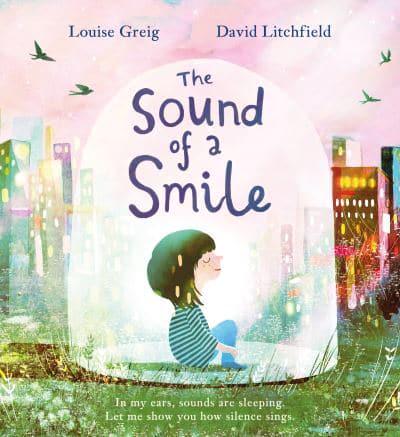
Listening to the Quiet by Cassie Silva, illustrated by Frances Ives
Jacki’s mum is gradually losing her hearing, so mother and daughter begin learning sign language and finding new ways to communicate. When Jacki worries about sharing her love of music, she discovers that vibrations can offer another way for them to experience it together. Inspired by Cassie Silva’s own childhood, this thoughtful picture book also incorporates practical adaptations for hearing loss into everyday family life.
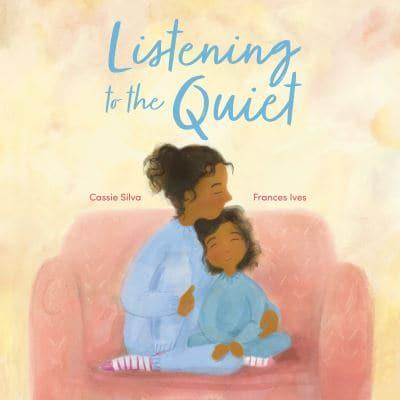
Dinosaur Friends: Dachy’s Deaf by Jack Hughes
Dachy wears a hearing aid, although sometimes the noise made by his friends becomes so much that he switches it off for some peace and quiet. That creates a problem when he falls asleep and drifts towards a waterfall and a hungry crocodile without hearing the danger. Read and approved by the National Deaf Children’s Society, this charming story for 4+ year olds combines dinosaur adventure with an accessible introduction to hearing aids, difference, friendship and supporting one another.
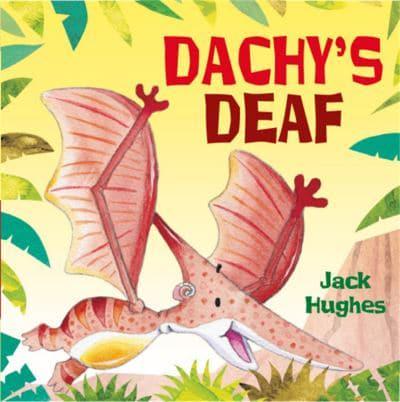
Can Bears Ski? by Raymond Antrobus, illustrated by Polly Dunbar
Boy Bear cannot always hear Dad Bear, his teacher or his friends clearly, and repeatedly thinks people are asking him, “Can bears ski?” With his father’s support he visits an audiologist, gets hearing aids and finally understands the question he has been mishearing. Raymond Antrobus draws on his own experience of deafness in this warm picture book about communication, isolation and family support. The paperback, which includes an illustrated BSL alphabet, is ideal 3-7 year olds in EYFS and KS1.
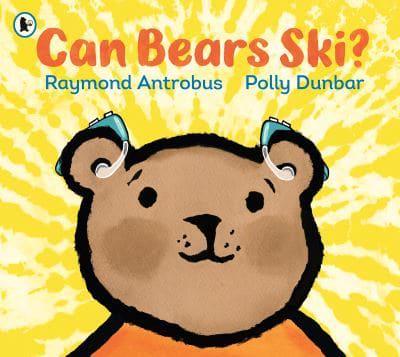
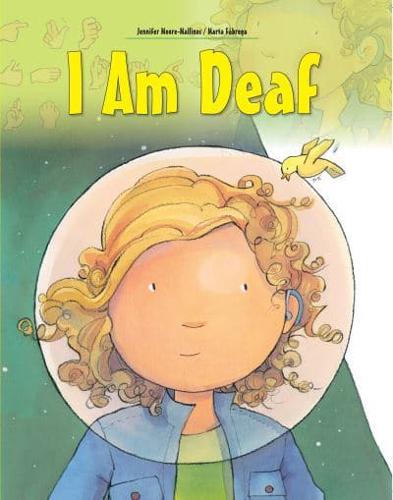
I am Deaf by Jennifer Moore-Mallinos, illustrated by Marta Fabrega
What can everyday life be like for a child who is deaf? This accessible introduction looks at hearing loss from a child’s point of view, explaining some of the ways deaf children can learn, communicate and participate in the world around them. Rather than defining children by hearing loss, the book encourages confidence and understanding between children with different experiences. Perfect for 4-7 year olds, it also includes activities connected with the story and guidance for adults.
Listen by Shannon Stocker, illustrated by Devon Holzwarth
As a child, Evelyn Glennie’s hearing began to deteriorate, but she remained determined to pursue her love of music. Instead of abandoning percussion, she discovered different ways to listen and experience sound, eventually becoming an internationally celebrated musician. Shannon Stocker’s picture book biography introduces 3+ year olds to Dame Evelyn’s determination, creativity and distinctive relationship with music, while Devon Holzwarth’s illustrations bring movement and rhythm to the story. Highly recommended.

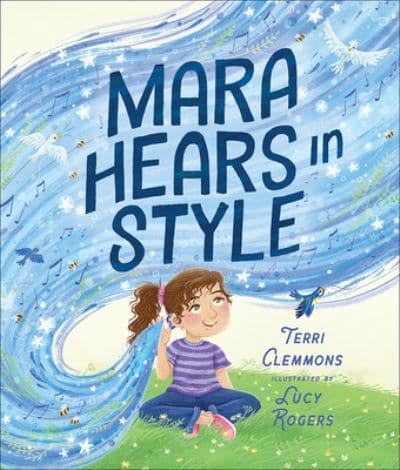
Mara Hears in Style by Terri Clemmons, illustrated by Lucy Rogers
Mara arrives at a new school wearing purple hearing aids and bright pink earmoulds, but quickly discovers how tiring it can be when classmates stare, the lunchroom is too noisy for lip-reading and her teacher forgets to switch on the microphone. A playground encounter gives her the chance to explain how she communicates and make new friends. This upbeat picture book for 4+ year olds explores hearing differences with confidence and humour. It also features American Sign Language.
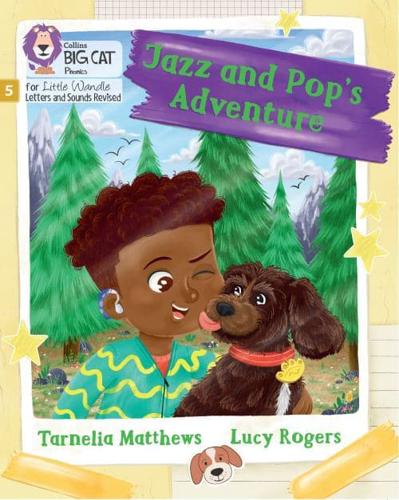
Jazz and Pop’s Adventure by Tarnelia Matthews, illustrated by Lucy Rogers
Pop is Jazz’s hearing dog, helping by alerting him to sounds that he cannot hear and providing support as they go about their day. When Pop suddenly runs off, Jazz has to work out how to find his missing companion. Written as part of Collins Big Cat Phonics for Little Wandle Letters and Sounds Revised, this short illustrated story combines early reading practice with natural representation of a deaf child and a working hearing dog.
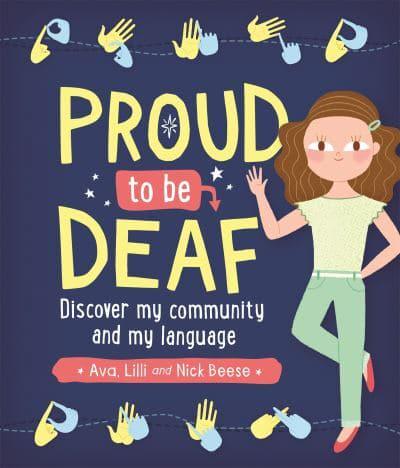
Proud to be Deaf by Ava Beese, Lilli Beese and Nick Beese, illustrated by Romina Martí
Seven-year-old Ava is deaf, bilingual and proud to be part of the Deaf community. Through photographs, illustrations and her own experiences, she introduces hearing children to school, friendships, communication, hearing technology and some common misconceptions about deaf people. She also introduces Deaf role models and teaches the BSL alphabet, numbers and useful phrases. This highly positive nonfiction book for 5+ year olds celebrates Deaf culture, making it particularly useful for classroom discussion.
Deafness and hearing loss books for 7-12 year olds – our recommendations
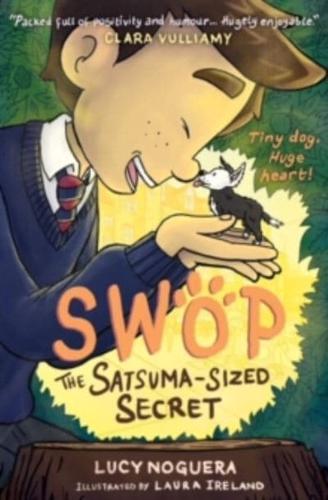
Swop The Satsuma-Sized Secret by Lucy Noguera, illustrated by Laura Ireland
After moving from the countryside to the city, Ernie discovers an impossibly tiny dog and names him Swop. Keeping his unusual new pet secret becomes much harder when Swop follows him to school. Ernie’s sister Ivy is deaf and wears hearing aids, while illustrations show her using sign language and a fingerspelling alphabet appears at the end. Combining family life, a new school and an increasingly complicated secret, this funny adventure gives 7+ year olds positive deaf representation alongside an engaging animal story.
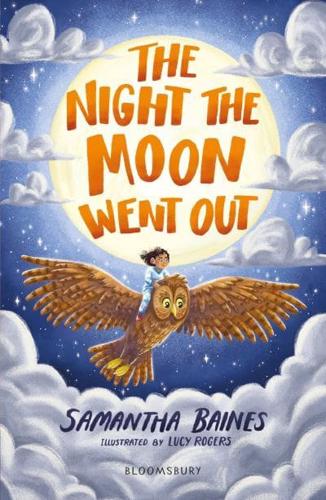
The Night the Moon Went Out by Samantha Baines, illustrated by Lucy Rogers
Aneira wears hearing aids and is frightened of the dark, so the night when the moon suddenly goes out presents a particularly alarming problem. Determined to switch it back on, she sets off with an owl companion on an adventure that challenges her fears. Written by hearing-aid wearer Samantha Baines and illustrated by deaf illustrator Lucy Rogers, this warm, accessible story brings disability representation naturally into a fantasy adventure.
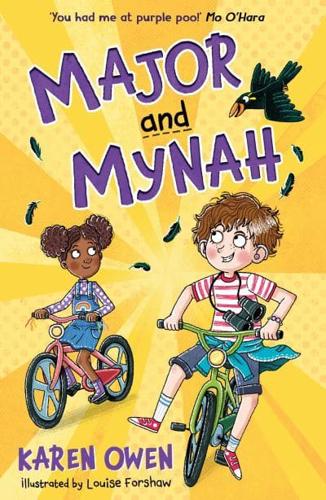
Major and Mynah by Karen Owen, illustrated by Louise Forshaw
Nine-year-old Callie is nervous about wearing her new hearing aids to school, but the devices she calls the Slugs turn out to have an extraordinary advantage: they allow her to understand Bo, a talkative mynah bird. Callie, Bo and her friend Grace soon form the Super Perceptive Undercover Detectives and investigate a local thief. Karen Owen draws on her own experience of partial deafness in this funny mystery for 7+ year olds, combining hearing-aid representation with friendship, sleuthing and a touch of magic.
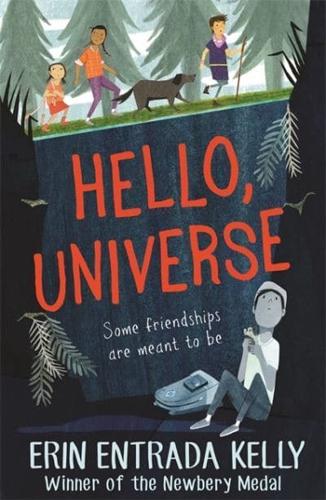
Hello, Universe by Erin Entrada Kelly
Four children’s lives collide after bully Chet’s prank leaves shy Virgil trapped at the bottom of a well with his guinea pig. Among those drawn into the search is Valencia Somerset, who is deaf, independent, fascinated by nature and struggling with loneliness. Erin Entrada Kelly gives each child a distinct perspective as an unlikely friendship begins to emerge from the crisis. This Newbery Medal-winning novel for 9+ year olds blends adventure, humour and emotional insight while allowing Valencia’s deafness to form one part of a complex character.
Max and the Millions by Ross Montgomery
Max is deaf and finds making friends difficult in the noisy environment of his boarding school, preferring the precision of building tiny models. When fellow modeller Mr Darrow disappears, Max discovers an extraordinary miniature civilisation filled with millions of tiny people. His hearing aids even enable him to hear their tiny voices, drawing him into a struggle to protect their world. Fast-moving, inventive and funny, this fantasy adventure for 8-12 year olds places a deaf protagonist at the centre of an enormous story about friendship and cooperation.

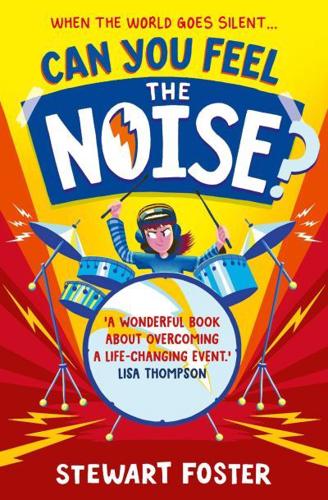
Can You Feel the Noise? by Stewart Foster
Sophie’s life revolves around friends and music until she wakes one morning completely deaf. Hospital appointments replace lessons, conversation increasingly depends on lip-reading and her hopes of performing in the Battle of the Bands seem to have disappeared. Then she meets another deaf musician and begins discovering how vibrations from drums can reconnect her with music in a different way. Drawing on Stewart Foster’s own hearing impairment, this hopeful novel for 8+ year olds explores sudden hearing loss, frustration, perseverance and adapting without giving up what matters.
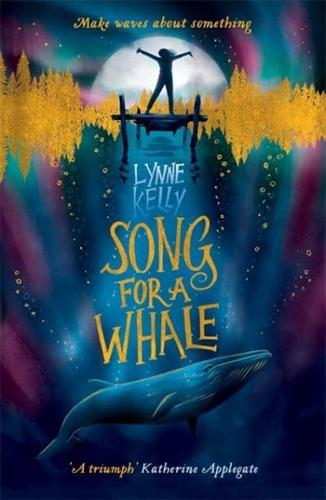
Song for A Whale by Lynne Kelly
Twelve-year-old Iris is deaf and often feels isolated as the only deaf pupil at her school. A science lesson introduces her to Blue 55, a whale whose unusual song prevents him from communicating normally with other whales, and Iris immediately recognises something in his isolation. Using her talent for electronics, she sets out to create a song he might understand and eventually embarks on a journey to reach him. This moving adventure for 9-11 year olds explores communication, family, grief, determination and finding ways to be heard.
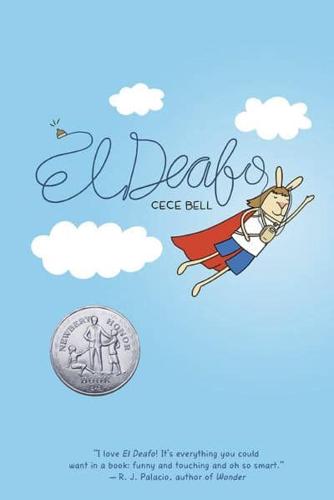
El Deafo by Cece Bell
Cece Bell’s graphic memoir turns her childhood experience of hearing loss into a funny, perceptive story about school, friendship and wanting to fit in. Cece’s powerful hearing equipment can make her feel conspicuously different, but she gradually imagines an alter ego, El Deafo, who transforms what embarrasses her into a kind of superpower. Told through expressive rabbit characters and full-colour artwork, this engaging book for 8-12 year olds explores hearing technology, communication, awkward friendships, self-consciousness and the gradual confidence to define yourself on your own terms. A modern classic.
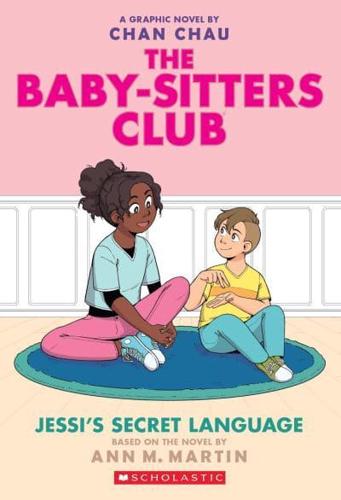
Jessi’s Secret Language by Ann M. Martin, illustrated by Chan Chau
Jessi is settling into the Baby-Sitters Club when she begins regularly looking after Matt Braddock, who has been Deaf since birth and communicates using sign language. As Jessi learns to communicate with Matt, other neighbourhood children become interested in signing too, while she is also preparing for an important dance-school performance. This compelling graphic novel for 8-12 year olds combines friendship, babysitting and family life with an accessible introduction to communication and Deaf experience.
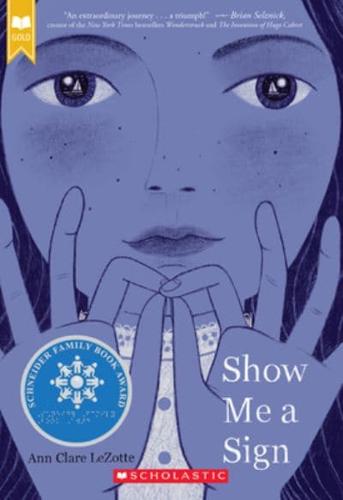
Show Me a Sign by Ann Clare LeZotte
Mary Lambert lives on Martha’s Vineyard in the early nineteenth century, where many islanders are Deaf and sign language is widely used by Deaf and hearing people alike. Mary’s secure world changes amid family grief, tensions involving the island’s Wampanoag community and the arrival of a scientist determined to discover why deafness is so prevalent there. His obsession places Mary herself in danger. This gripping historical novel for 8-12 year olds draws inspiration from the real Deaf community of Martha’s Vineyard while exploring prejudice, identity, language and who gets to define difference.
Deafness and hearing loss books for teens – our recommendations
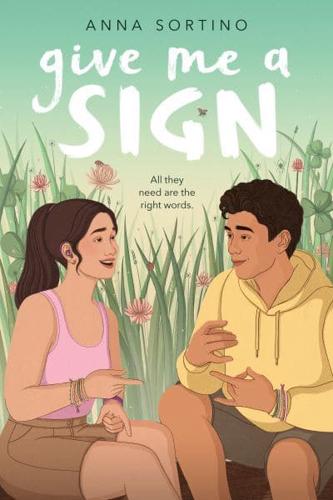
Give Me a Sign by Anna Sortino
Lilah has hearing loss but often feels caught between the hearing and Deaf worlds. A summer working as a counsellor at a camp for Deaf and blind children gives her the chance to improve her ASL, find a community where communication works differently and get to know Deaf fellow counsellor Isaac. Friendship and an unexpected romance develop alongside questions about identity, belonging and different experiences of deafness. The summer-camp story gives 12+ year olds a warm and thoughtful exploration of Deaf culture and self-acceptance.
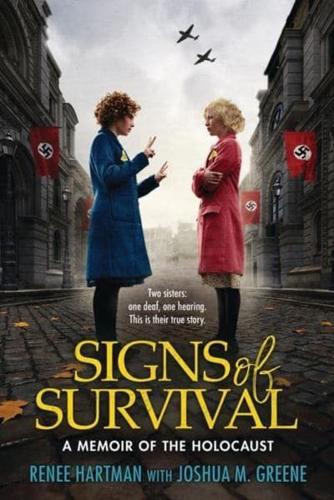
Signs of Survival by Renee Hartman and Joshua M. Greene
Renee and Herta are Jewish sisters growing up in Czechoslovakia during the Holocaust. Renee can hear, but Herta and both their parents are Deaf, so Renee watches and listens for approaching Nazi soldiers while the family communicates in sign language. After their parents are taken away, the sisters must depend on each other as they hide, are captured and eventually endure Bergen-Belsen concentration camp. This concise and fast-paced memoir uses an oral-history format to tell an extraordinary true story of sisterhood, communication and survival.
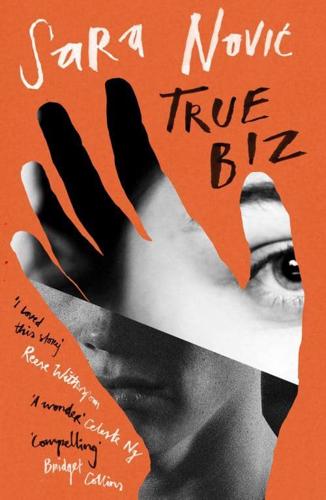
True Biz by Sara Novic
At the River Valley School for the Deaf, students Charlie and Austin and headteacher February are confronting very different questions about language, identity, education and belonging. Charlie arrives having never met another Deaf person, while Austin comes from a Deaf family and February is fighting to keep the school open. Their stories intersect as personal relationships develop alongside political activism and arguments about cochlear implants, language access and Deaf education. ASL and information about Deaf history and culture are woven through this ambitious contemporary novel.
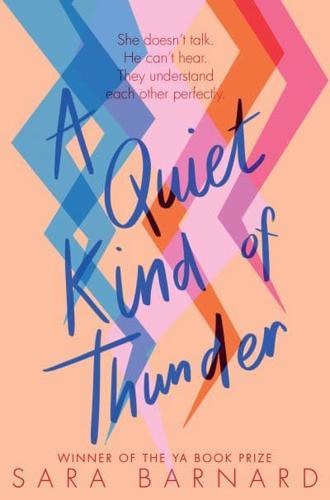
A Quiet Kind of Thunder by Sara Barnard
Steffi has selective mutism and finds speaking extremely difficult, while new pupil Rhys is Deaf. Because Steffi knows some sign language, she is asked to help him settle into school, beginning a friendship in which both find new ways to communicate. As their relationship develops into romance, Steffi also confronts anxiety, independence and her determination to make herself heard on her own terms. 12+ year olds can follow a moving relationship in which communication involves signing, lip-reading, messages, speech and an increasing understanding of one another.
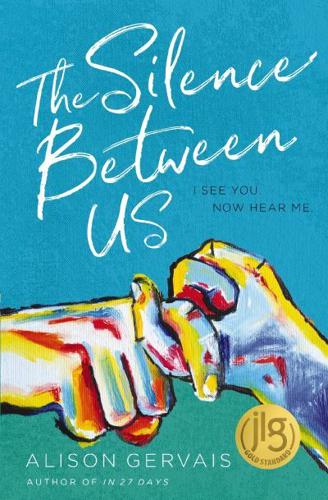
The Silence Between Us by Alison Gervais
Seventeen-year-old Maya is Deaf and comfortable at her school for Deaf and partially deaf students, until a family move takes her to Colorado and a mainstream hearing school. With an interpreter alongside her, Maya has to negotiate friendships, assumptions about deafness and her ambitions for university and a medical career. Her developing relationship with Beau also brings disagreements about cochlear implants and identity into focus. The novel gives 13+ year olds a first-person story about self-determination, communication and moving between Deaf and hearing environments.
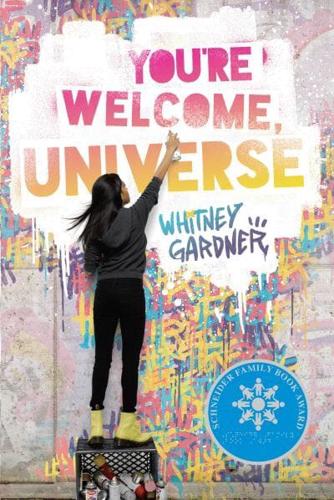
You’re Welcome, Universe by Whitney Gardner
When Deaf graffiti artist Julia covers an offensive message about her best friend with a mural, the friend reports her and Julia is expelled from the Kingston School for the Deaf. Her mothers send her to a mainstream school where she feels isolated, leaving street art as one of her strongest forms of expression. Then another artist begins altering and challenging her work, starting an escalating graffiti rivalry. This energetic coming-of-age story gives 12+ year olds plenty to consider about Deaf identity, friendship, betrayal, communication and creative self-expression.
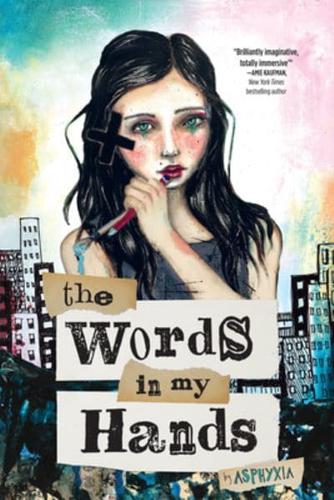
The Words in My Hands by Asphyxia
Sixteen-year-old Piper is Deaf and tired of being expected to fit into a hearing world. In a near future affected by food shortages, environmental problems and political corruption, meeting Marley introduces her to a community where Deafness is celebrated rather than something to hide. Her growing confidence becomes entwined with activism, sustainability and finding more independent ways to live. This striking illustrated novel for 13+ year olds combines prose, drawings, collage and journal-style pages in a story about Deaf identity, community, creativity and taking action.
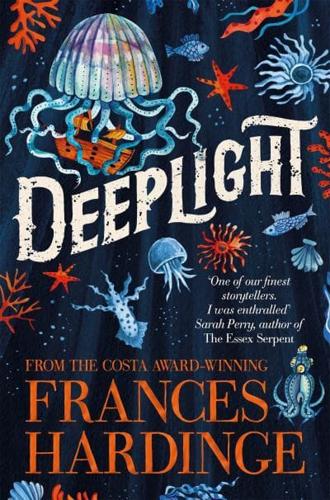
Deeplight by Frances Hardinge
Hark and his friend Jelt survive by scavenging relics of the terrifying gods that once ruled the islands of the Myriad. Their dangerous search for valuable godware draws them into secrets beneath the sea, while Hark encounters the sea-kissed, experienced divers who have lost some or all of their hearing. Among them is formidable young smuggler Selphin, and sign language is an established part of island life. In this richly imagined fantasy for 12+ year olds, deaf characters and communication are integrated naturally into an intricate world of friendship, danger and underwater mythology.
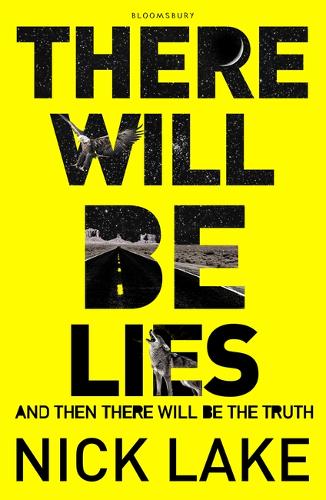
There Will Be Lies by Nick Lake
Seventeen-year-old Shelby Cooper is Deaf, home-schooled and kept extraordinarily sheltered by her protective mother. After Shelby is hit by a car, her mother abruptly takes her away from hospital and the pair set out across Arizona, leaving Shelby increasingly uncertain about everything she has been told about her past. At the same time, a mysterious coyote draws her towards a strange alternative world known as the Dreaming. 14+ year olds will enjoy this unsettling thriller as questions about truth, family, identity and trust become increasingly difficult to separate from fantasy.
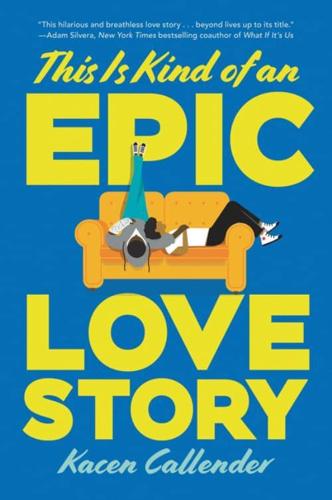
This Is Kind of an Epic Love Story by Kacen Callender
Sixteen-year-old Nate Bird loves films but has stopped believing that real life comes with romantic happy endings. His certainty is tested when Oliver, his childhood best friend and former crush, moves back to town and gives Nate another chance to confront feelings he never resolved. Ollie is Deaf and uses ASL alongside other forms of communication, which becomes part of the way their renewed relationship develops. This romantic comedy for 14+ year olds explores friendship, sexuality, grief and the risks involved in allowing yourself to fall in love.
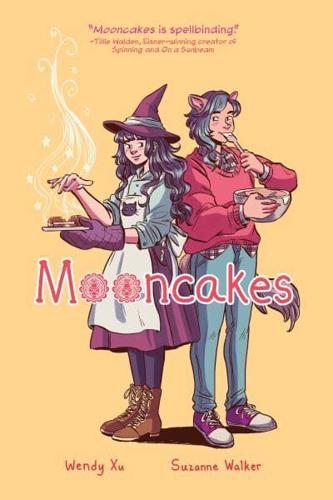
Mooncakes by Suzanne Walker, illustrated by Wendy Xu
Nova Huang is a partially deaf teenage witch who works in her grandmothers’ bookshop and helps investigate supernatural happenings. Following reports of a white wolf, she discovers her childhood crush Tam, a non-binary werewolf, battling a horse demon in the woods. When dangerous forces pursue Tam for their magic, the two reconnect while attempting to uncover what is happening. The graphic novel gives 13+ year olds a compelling blend of fantasy, romance and mystery in which hearing aids, disability, queer identity and unconventional family life form natural parts of its characters’ lives.
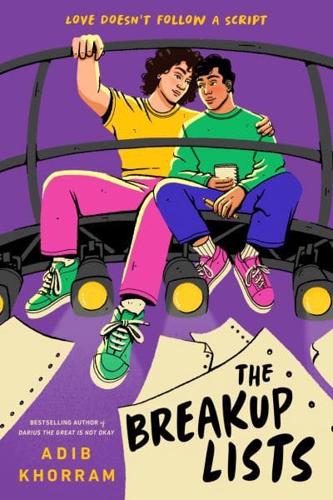
The Breakup Lists by Adib Khorram
Jackson Ghasnavi prefers working behind the scenes as a high-school stage manager and insists that romance is not for him. He is also partially deaf and has learnt how often other people fail to understand what communication and accessibility actually require. Complications begin when Liam, a popular swimmer turned leading man, attracts the attention of both Jackson and his sister Jasmine. 14+ year olds will enjoy this funny, warm romantic story as Jackson navigates theatre, sibling loyalty, Deaf and hearing loss identity and the possibility that one relationship might be worth risking heartbreak for.
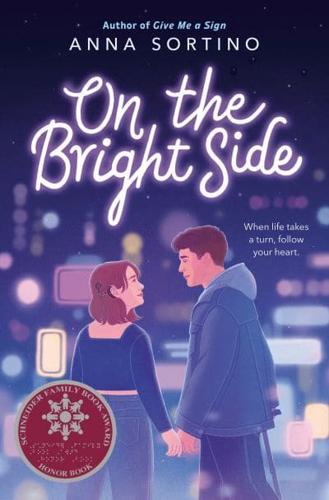
On the Bright Side by Anna Sortino
When Ellie’s Deaf boarding school closes, she has to return to her hearing family and enter a mainstream school. There she is paired with Jackson, who is meant to help her adjust but is facing major changes of his own after unexplained numbness in his legs develops into a life-changing diagnosis. Their initially awkward connection gradually becomes something deeper. This disability-centred romance gives 12+ year olds a thoughtful exploration of Deaf community, ableism, audism, changing bodies, self-determination and how relationships can develop without either person needing to be fixed.
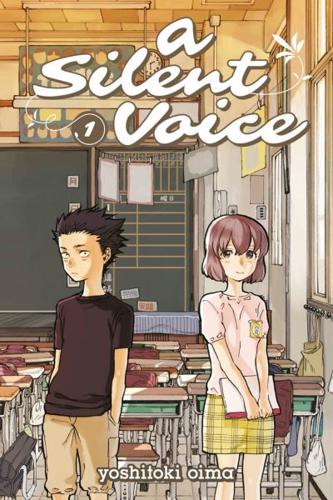
A Silent Voice 1 by Yoshitoki Oima
Shoya Ishida becomes the ringleader when his classmates begin bullying Shoko Nishimiya, a new pupil who is Deaf. Their cruelty escalates until Shoko leaves the school, after which Shoya finds himself isolated and blamed by the same classmates who joined in. Six years later, Shoya and Shoko meet again, opening the possibility of confronting what happened between them. In this beautifully realised manga for teens, the consequences of bullying, communication barriers, guilt and social exclusion begin a much larger story about accountability and reconciliation.
Deafness and hearing loss books for sixth formers – our recommendations
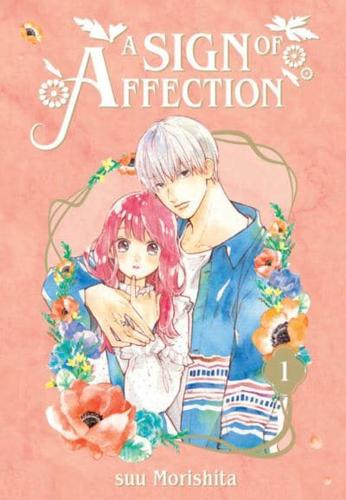
A Sign of Affection 1 by suu Morishita
Yuki is a Deaf university student who communicates through sign language, her phone and other methods. A chance encounter on a train brings her into contact with Itsuomi, a well-travelled multilingual student who steps in when she has difficulty understanding a tourist. Their attraction grows as Itsuomi becomes curious about Yuki and her world, while she begins to imagine possibilities beyond her familiar routines. This manga romance for older teens incorporates Japanese sign language and everyday Deaf experience into its developing relationship.
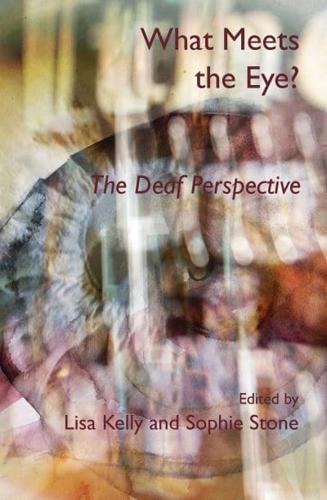
What Meets the Eye? edited by Lisa Kelly and Sophie Stone
Deaf, and partially deaf writers from across the UK contribute poetry, short fiction and scripts to this anthology exploring the broad theme of movement. Their interpretations range from communication, connection and mobility to stillness, political movements, emotional change and experiences surrounding lockdown. Edited by poet Lisa Kelly and actor and writer Sophie Stone, with a preface by Raymond Antrobus, the collection brings together a range of voices and literary forms. BSL performances of works from the anthology are also available online, extending the collection beyond the printed page.
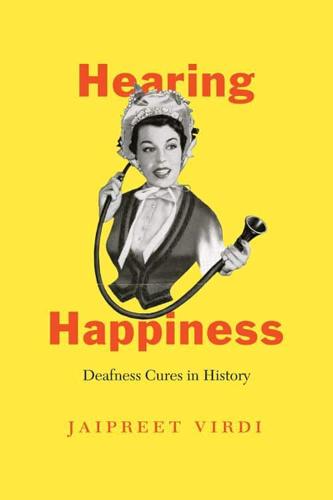
Hearing Happiness by Jaipreet Virdi
Historian Jaipreet Virdi combines personal memoir with a fascinating history of attempts to cure deafness. After meningitis left her deaf at four, Virdi spent years negotiating expectations that deaf people should try to become more like hearing people. Her research ranges across ear trumpets, electrical devices, dubious medicines, surgery and other treatments promoted from the nineteenth century onwards. By placing her own experiences alongside medical and technological history, she questions the assumption that hearing should always be restored and examines how ideas about deafness, normality and cure have developed.
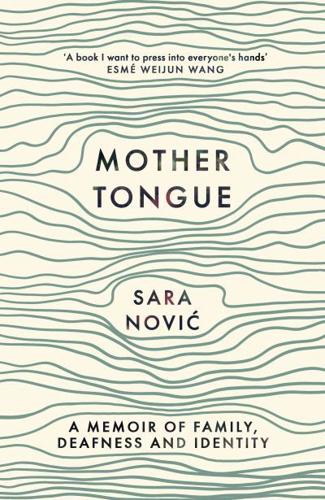
Mother Tongue by Sara Novic
Sara Nović traces her journey from a childhood in which she tried to conceal her hearing loss to finding a place within Deaf community and American Sign Language. Now raising two sons, one hearing and one Deaf, she considers what she can give her children that she did not have herself while recognising that their experiences will ultimately be their own. Personal memoir is interwoven with Deaf and disability history, adoption, religion, family and activism in an ambitious examination of language, identity, parenthood and the structures that shape disabled people’s lives.
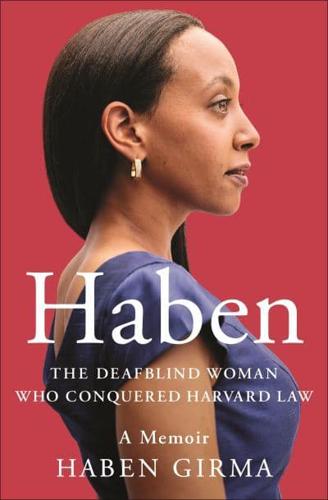
Haben by Haben Girma
Haben Girma recounts the experiences that eventually made her the first Deafblind graduate of Harvard Law School and an influential disability rights advocate. From family visits to Eritrea and adventures including travel, dancing and climbing to battles for accessible information at university and beyond, she repeatedly encounters environments designed around sighted and hearing people. Rather than presenting disability as the obstacle, Girma shows how inaccessible systems create many of the barriers disabled people face. Warm, lively and often funny, her memoir explores independence, communication, technology, advocacy and the possibilities created by inclusive design.
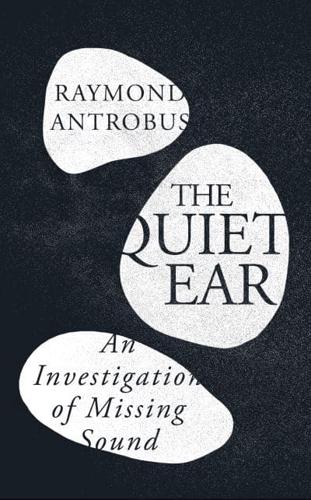
The Quiet Ear by Raymond Antrobus
Raymond Antrobus was diagnosed as deaf at six after growing up missing sounds including birds, whistles, alarms and parts of spoken language. In this memoir he looks back on an East London childhood shaped by family, race, disability and experiences of both mainstream and Deaf education. His own story sits alongside those of D/deaf artists, writers and performers whose work helped him understand a cultural history he had not encountered when young. Moving from childhood to fatherhood, the book examines communication, identity, education, creativity and what a hearing-centred society fails to hear.
Click the buttons below to purchase all of the books in this hearing loss books list, as well as class sets of any of these books and many more, from Bookshop.org UK. Or buy the 20 most popular titles from this list from Amazon – ideal for gifts or your classroom library.
Buy from UK.Bookshop.Org Buy from Amazon.co.uk
Disclosure: If you buy books using the buttons above: we may earn a commission from Bookshop.org, whose fees support independent bookshops; as an Amazon Associate schoolreadinglist.co.uk earns from qualifying purchases.
Schools & teachers: please respect copyright and don’t copy our deafness and hearing loss books for children list. If you find our book recommendations useful, please consider sharing on social media or linking to this page instead. Thanks.
Deafness and hearing loss resources for teachers
- The National Deaf Children’s Society provides an extensive collection of free resources for education settings, including deaf awareness materials, classroom guidance, staff training, personal profile templates, listening condition checklists and resources for primary and secondary schools.
- The National Deaf Children’s Society’s deaf-friendly teaching guidance offers practical advice on seating, visual support, lip-reading, group discussions, communication, listening fatigue and adapting lessons for deaf and partially deaf pupils.
- Teachers supporting pupils who use hearing aids, cochlear implants or assistive listening equipment can use the National Deaf Children’s Society’s hearing technology in education resources, which cover hearing devices, radio aids, soundfield systems, multimedia, subtitles and everyday classroom use of equipment.
- The National Deaf Children’s Society’s deaf awareness videos for children use five short animated films to help pupils understand and support deaf friends, covering hearing aids and cochlear implants, communication, getting someone’s attention, background noise and listening fatigue. Each video includes subtitles and a British Sign Language translation.
- University College London offers a free online deaf awareness course specifically for teachers and education professionals. It takes around two to three hours and covers communication, classroom inclusion, assistive technology, different perspectives on deafness and the responsibilities of schools to make education accessible.
- The British Association of Teachers of Deaf Children and Young People has a substantial specialist resource library covering classroom teaching, literacy, numeracy, language, sign language, hearing technology, emotional wellbeing, examinations, glue ear and supporting deaf learners in mainstream schools.
- The National Sensory Impairment Partnership’s Mainstream Training Pack is designed for teachers, SENCos and teaching assistants who are new to supporting pupils with sensory impairment. It includes introductory guidance, practical tips and a hearing impairment case study.
- Signature’s School of Signs provides free British Sign Language teaching for UK primary schools, with video-led lessons created with Deaf BSL teachers, lesson plans, worksheets, handouts, flashcards, games and activities covering BSL, Deaf awareness, fingerspelling and everyday vocabulary.
- RNID provides downloadable resources covering communication with people who have hearing loss, deaf awareness and the BSL fingerspelling alphabet. These are useful for staff training, classroom displays and introducing pupils to accessible communication.
- For teachers working with children who are deafblind or have multi-sensory impairment, Sense offers specialist resources for education and early years professionals, including guidance on inclusive education, accessible play, SEND planning and quality standards for sensory support.
BISAC JUV039150, JNF053180, JNF024070, YAF058070, YAN051230, YAN024060. | Thema YXK, 5PMF.