Gunpowder Plot and Bonfire Night books for children and teens
Children’s and teen books about the Gunpowder Plot and Bonfire Night bring the events of 1605 to life, from Guy Fawkes and Robert Catesby to the failed attempt to destroy Parliament. Picture books and lively non-fiction can make the story clearer for younger children, while older readers can dig into religious conflict, motives, punishment and historical evidence. They also explain, rather neatly, why bonfires and fireworks are still associated with 5 November today. This list features books by Philip Pullman, Terry Deary, Alan Moore, Antonia Fraser, Michael Robotham, Jill Tomlinson, Helen Peters, Cath Howe, Nadine Brandes, and Olly Smith.
Gunpowder Plot and Bonfire Night books for children and teens books for children and teens – our recommendations
Gunpowder Plot and Bonfire Night picture books and early readers – our recommendations
The Owl Who Was Afraid of the Dark by Jill Tomlinson, illustrated by Paul Howard
Plop is a baby barn owl with an awkward problem for a nocturnal bird: he is frightened of the dark. His mother encourages him to find out what other people like about night-time, leading to encounters with a boy preparing for a bonfire and fireworks, a scout, an astronomer and others. 5+ year olds will enjoy this gentle, funny story about overcoming fears, with the firework sequence making it an appealing choice around Bonfire Night.
Short Histories: Mr Fawkes, the King and the Gunpowder Plot by Tom and Tony Bradman
Cecil the spymaster and his assistant Jack learn that conspirators are planning to kill the king, but first they must discover where and when the plotters intend to strike. Tom and Tony Bradman turn the Gunpowder Plot into a short historical story filled with secrecy, danger and investigation. The concise format works well for independent or guided reading, and provides 5+ year olds with an accessible route into the people and tensions surrounding the events of 1605.
Pojo Blows the Gunpowder Plot by Tonya Meers and Natasha Dennis, illustrated by Chantal Bourgonje
Pojo is a little dog with itchy paws who unexpectedly finds himself in London in 1605. There he meets people connected with the Gunpowder Plot, including King James I, and must discover whether he can prevent Parliament from being blown up. The story combines a fictional canine adventure with a first introduction to the historical events behind Bonfire Night. Its story-led approach also lends itself to discussion, role play, diary writing and other cross-curricular history activities in KS1.
Why do we remember?: Guy Fawkes and the Gunpowder Plot by Izzi Howell
Why is Guy Fawkes still remembered more than four centuries after the Gunpowder Plot? Izzi Howell introduces the conspirators, their plan to destroy Parliament and the reasons the events of 1605 continue to be commemorated. Historical sources, straightforward vocabulary and a timeline help children distinguish evidence from storytelling. Written as a first history book for 5+ year olds, it is particularly useful for introducing the Gunpowder Plot and Bonfire Night in the classroom.
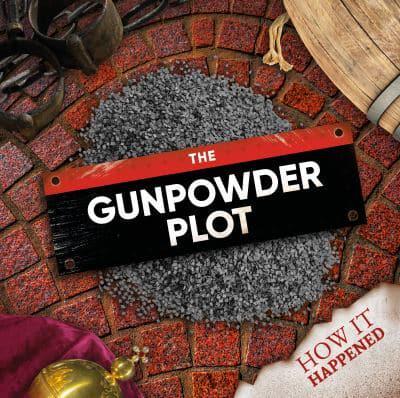
The Gunpowder Plot by Robin Twiddy
Robin Twiddy introduces the events and people behind the Gunpowder Plot in an accessible illustrated history for children in KS1. Part of the How It Happened series, the book explains significant historical events while encouraging children to engage with the past through activities and different forms of historical thinking. For children encountering Guy Fawkes and the events of 1605 for the first time, it provides a concise starting point that can lead into wider classroom work about Bonfire Night.
Gunpowder Plot and Bonfire Night books for 7-12 year olds – our recommendations
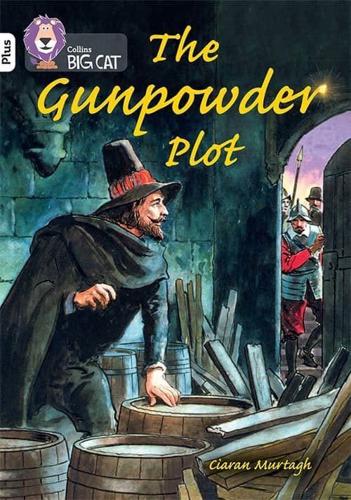
The Gunpowder Plot: Band 10+/White Plus by Ciaran Murtagh
Why did a group of men plan to blow up Parliament, and how did their conspiracy end in disaster? Ciaran Murtagh explores the causes and consequences of the Gunpowder Plot while drawing on locations connected with the events of 1605. The Collins Big Cat White Plus format adds opportunities to revisit information, practise inference and develop vocabulary and recall. It’s a useful nonfiction choice for children developing confidence with historical texts in KS2
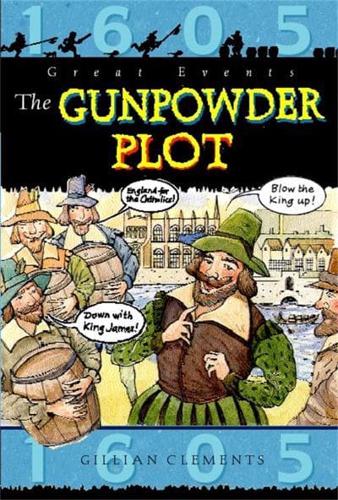
Great Events: The Gunpowder Plot by Gillian Clements
Guy Fawkes was discovered beneath Parliament as a conspiracy to kill King James I reached its dramatic conclusion in November 1605. Gillian Clements explains who was involved, what the conspirators intended to do and how the plot was uncovered, using straightforward narrative and informative illustrations. The book is designed for emerging independent readers, and 7+ year olds can use it as an accessible introduction to the historical events remembered each year on Bonfire Night.
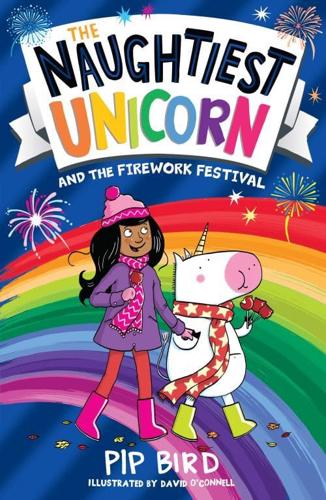
The Naughtiest Unicorn and the Firework Festival by Pip Bird, illustrated by David O’Connell
Unicorn School is preparing for its firework festival, but there is a serious problem: the magical fireworks have disappeared. Mira, Dave and their friends head towards the Fearsome Forest to discover what has happened and restore the sparkling celebrations. Mixing unicorn chaos, friendship and a festive mystery, this lively adventure offers a light-hearted fictional addition to a Bonfire Night or fireworks-themed book collection.
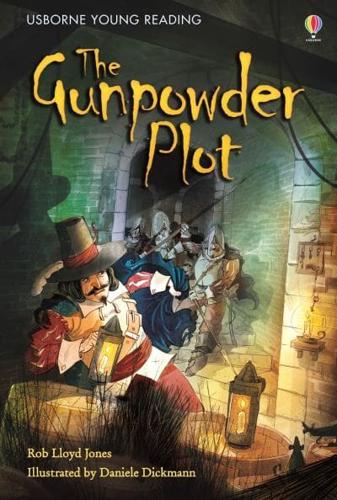
The Gunpowder Plot by Rob Lloyd Jones, illustrated by Daniele Dickman
On 4 November 1605, a man is discovered beneath the Houses of Parliament and an extraordinary conspiracy begins to unravel. Rob Lloyd Jones tells the story of the Gunpowder Plot from its beginnings to its violent aftermath, introducing the key people and events with colourful illustrations throughout. A timeline and list of important figures add useful historical context. Written for children growing in reading confidence, this Usborne history book gives emerging KS2 readers an engaging account of the story behind Bonfire Night.
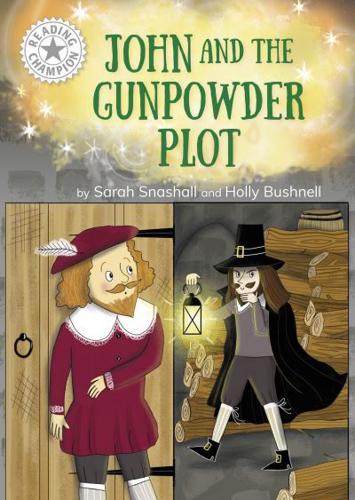
Reading Champion: John and the Gunpowder Plot by Sarah Snashall, illustrated by Holly Bushnell
King James I is due to open Parliament, but someone is plotting to kill him. John owns a cellar beneath Parliament and decides to investigate before the king arrives, placing an ordinary character close to one of the most famous conspiracies in British history. Perfect for 7-9 year olds, the story combines historical tension with carefully graded text, illustrations and a reading activity, making it useful for independent reading as well as classroom work on the Gunpowder Plot.
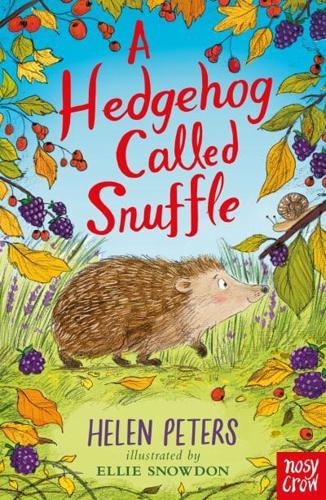
A Hedgehog Called Snuffle by Helen Peters, illustrated by Ellie Snowdon
Jasmine is caring for an injured hedgehog called Snuffle when he escapes on the afternoon of Bonfire Night. With darkness approaching and local bonfires about to be lit, finding him quickly becomes a race against time. The animal-rescue adventure provides a natural way to discuss the dangers bonfires can pose to hedgehogs without turning the story into an instructional text. Animal-loving 7+ year olds should find plenty of tension, warmth and practical relevance to autumn wildlife and Bonfire Night.
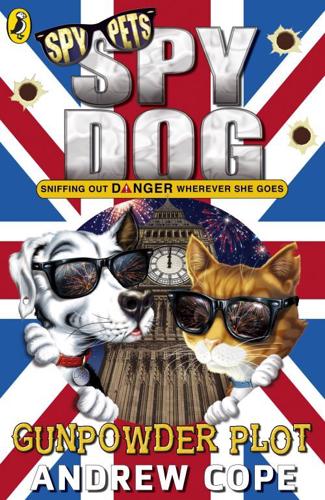
Spy Dog: The Gunpowder Plot by Andrew Cope
Lara the Spy Dog faces one final mission when her old enemy Mr Big escapes and plans an explosive crime that could make him notorious forever. Following clues to London and Big Ben’s clock tower, Lara joins forces with the spy pups and spy cat in an attempt to stop him before midnight. This is a modern action adventure rather than a retelling of the 1605 conspiracy, but the explosive theme makes it ideal for classroom libraries.
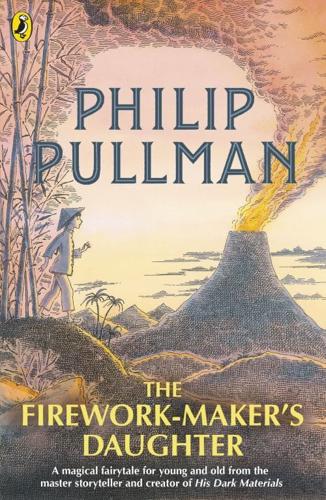
The Firework-Maker’s Daughter by Philip Pullman, illustrated by Peter Bailey
Lila wants to become a Firework-Maker like her father, but completing her apprenticeship requires a dangerous journey to discover the final secret of the craft. Travelling alone, she encounters dangers she never anticipated and learns more than simply how to make spectacular fireworks. Philip Pullman’s short adventure combines fairy-tale storytelling, humour, courage and an unforgettable firework theme.
Slimy Stuarts by Terry Deary, illustrated by Martin Brown
The Stuarts receive the full Horrible Histories treatment in this lively collection of gruesome facts, jokes and illustrations. Terry Deary covers King James I, Guy Fawkes and the Gunpowder Plot alongside Roundheads, Cavaliers, accusations of witchcraft, plague and some particularly revolting royal habits. For 7+ year olds who prefer their history funny, messy and memorable, it provides a wider view of the Stuart period while placing the events of 1605 within the strange and turbulent century around them.

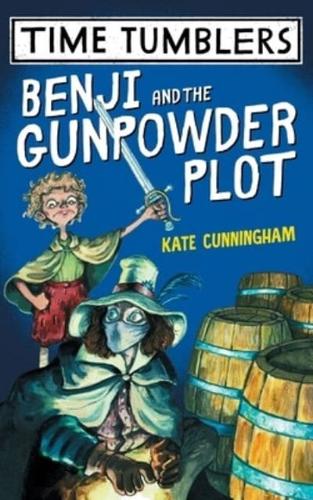
Benji and the Gunpowder Plot by Kate Cunningham, illustrated by Sam Cunningham
A Bonfire Night outing takes an unexpected turn when Benji falls through a time tunnel and lands in London in 1605. Working as an apprentice to a master cutler, he encounters the plotters, visits locations including the Globe Theatre and becomes responsible for a letter that could determine whether Parliament survives. Real historical figures are mixed with fictional characters, while an illustrated cast list and factual afterword help children separate history from invention in this fast-moving time-travel adventure.
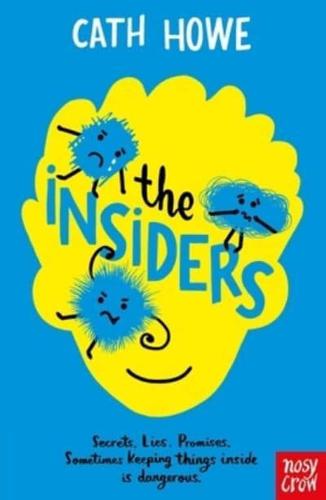
The Insiders by Cath Howe
Callie, Ted, Zara and Nico have always been close, but a humiliating practical joke leaves Ted withdrawing from the group. When the others discover that someone appears to be secretly living inside their school, friendships, assumptions and hidden problems become increasingly tangled. The tension eventually builds towards a dramatic Bonfire Night climax. Ideal for 9-12 year olds, Cath Howe’s thoughtful contemporary novel explores friendship, family difficulties, secrecy and the harm that can follow when children keep serious worries to themselves.
Gunpowder Plot and Bonfire Night books for teens – our recommendations
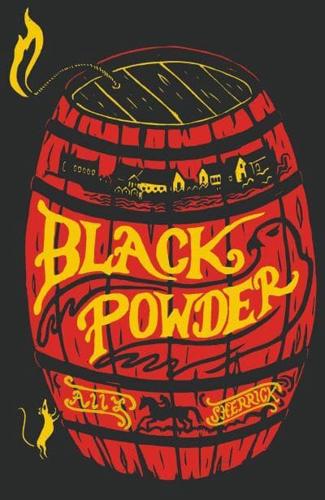
Black Powder by Ally Sherrick
England, 1605. Twelve-year-old Tom is desperate to save his father from hanging when a mysterious stranger known as the Falcon offers to help him. The price is Tom’s assistance, and he soon discovers that the Falcon is involved in a plan to destroy Parliament and kill the king. Faced with divided loyalties and increasingly dangerous choices, Tom is pulled towards the heart of the Gunpowder Plot. This fast-paced historical adventure givesearly teens a gripping fictional route into the period.
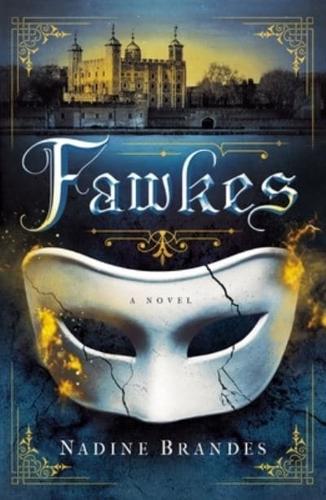
Fawkes: A Novel by Nadine Brandes
Nadine Brandes reimagines the Gunpowder Plot as historical fantasy, placing Thomas Fawkes, the fictional son of Guy Fawkes, at the centre of a seventeenth-century England threatened by the Stone Plague and divided by rival forms of colour magic. Thomas believes joining his father’s conspiracy could save his own life, but his growing relationship with Emma forces him to question what he has been told. This inventive alternative-history novel for 13+ year olds explores loyalty, prejudice, belief and the consequences of extremism.
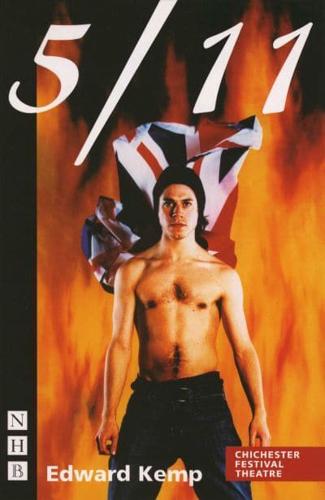
5/11 by Edward Kemp
England in 1605 is divided by bitter religious conflict as a group of Catholic conspirators recruits the experienced mercenary Guy Fawkes for an audacious attack on the government. Edward Kemp’s play brings together kings, plotters, priests and spies while exploring the tensions surrounding James I and the Gunpowder Plot. First staged at Chichester Festival Theatre, it offers a dramatic way to examine fanaticism, political manipulation, divided loyalties and the people caught up in one of Britain’s most notorious conspiracies.
Gunpowder plot and Bonfire Night books for sixth formers – our recommendations
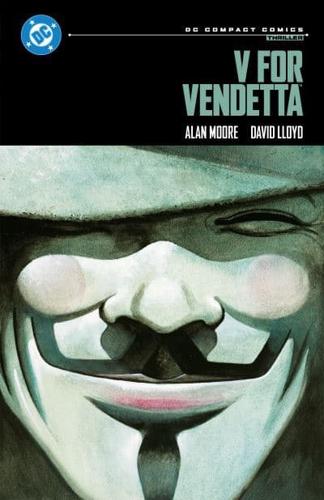
V for Vendetta: DC Compact Comics Edition by Alan Moore, illustrated by David Lloyd
In a totalitarian England transformed by war, the masked V wages a violent campaign against an authoritarian government while drawing his young protégé Evey into a struggle over freedom, identity and resistance. The Guy Fawkes imagery and revolutionary politics make this landmark graphic novel especially relevant to discussions of how the events of 1605 have been reinterpreted in modern culture. With terrorism, political oppression and challenging moral questions at its heart, it is a thought-provoking choice for older teens.
Guy Fawkes; Or, the Gunpowder Treason by William Harrison Ainsworth
William Harrison Ainsworth’s nineteenth-century historical romance turns the Gunpowder Plot into a sprawling mixture of history, adventure and Gothic fiction. Guy Fawkes remains at the centre of events, but Ainsworth supplements the historical conspiracy with invented characters and supernatural episodes, including the fictional Viviana Radcliffe and appearances by the alchemist John Dee. Its distinctive Victorian treatment of 1605 provides an interesting opportunity to compare historical evidence with the way later generations transformed Fawkes and the plotters into figures of legend and fiction.
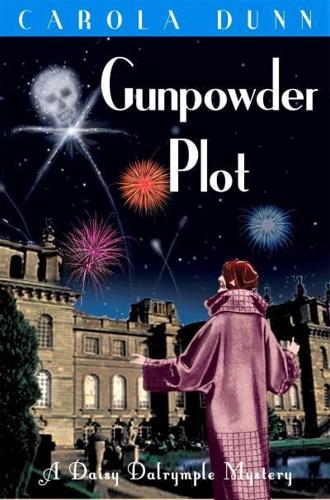
Gunpowder Plot by Carola Dunn
Daisy Dalrymple visits her old school friend Gwen Tyndall at Edge Manor in the Cotswolds, where an annual Guy Fawkes Night fireworks display should provide the centrepiece of a pleasant weekend. Instead, Gwen’s father and another guest are found dead and an apparent murder-suicide begins to look increasingly suspicious. Set in 1924, Carola Dunn’s country-house mystery uses Bonfire Night as an atmospheric backdrop for an investigation involving Daisy, her Scotland Yard husband Alec and a family whose secrets prove dangerously explosive.
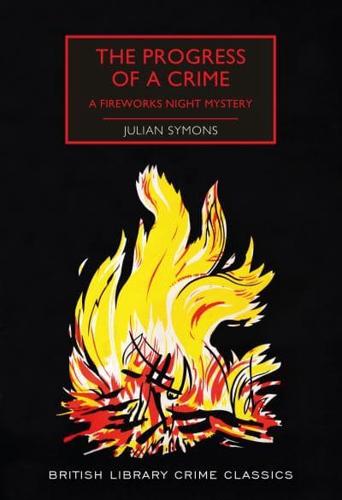
The Progress of a Crime: A Fireworks Night Mystery by Julian Symons
A brutal stabbing takes place beside a village green bonfire on Guy Fawkes Night, apparently witnessed by several people after a confrontation involving a group of Teddy Boys. Yet what those witnesses actually saw in the darkness and firelight becomes increasingly uncertain. Julian Symons follows the crime through investigation, accusation and the workings of justice, with local reporter Hugh Bennett questioning his own evidence. Based on a real case, this 1960 novel combines psychological crime, police procedure and sharp questions about evidence, prejudice and wrongful accusation.
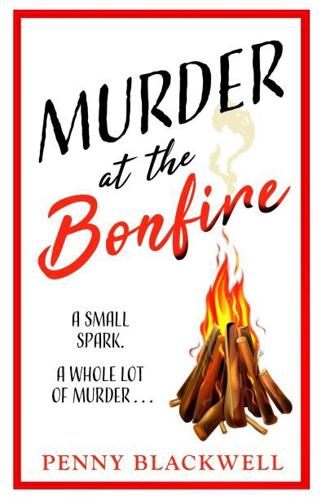
Murder at the Bonfire by Penny Blackwell
Cherrywood is preparing for its annual Guy Fawkes Night celebration when former DJ ‘Screaming’ Ade Adams arrives to judge the fiercely contested Penny for the Guy trail. By the main event, Ade has been found dead on top of the bonfire with three mysterious tarot cards in his pocket. Barmaid and part-time sleuth Tess Feather joins forces with private investigator Liam Hanley and her friends to uncover what happened. Bonfire Night traditions are woven directly into this light-hearted village mystery of rivalries, family tensions and revenge.
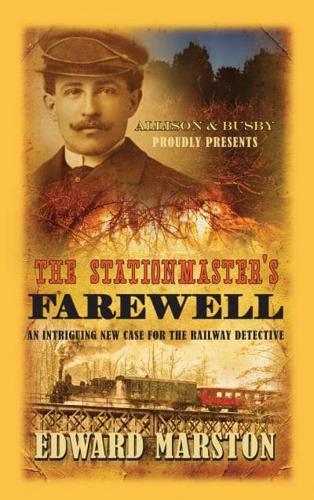
The Stationmaster’s Farewell by Edward Marston
Exeter is celebrating Guy Fawkes Day in 1857 when respected stationmaster Joel Heygate fails to appear at the festivities. After the bonfire burns down, his charred remains are discovered among the embers. Detective Inspector Robert Colbeck and Sergeant Victor Leeming arrive to investigate and soon discover that the apparently well-liked railwayman had enemies, including a resentful colleague, a jilted lover and a violent brother. The combination of Victorian railway history, murder investigation and a dramatic Bonfire Night setting gives this mystery an unusually atmospheric historical backdrop.
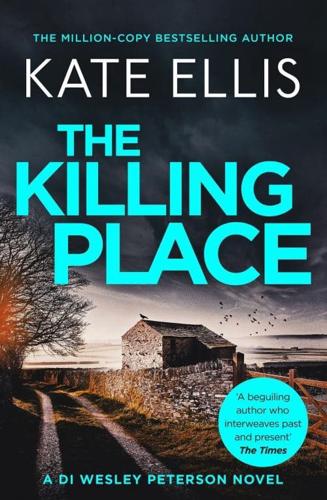
The Killing Place by Kate Ellis
Detective Inspector Wesley Peterson expects a quieter November in South Devon until Patrick North is shot dead on Bonfire Night in woodland connected with the grand Nesbaraton Hall estate. An anonymous threat involving the owners’ son raises the possibility of a kidnapping plot, while archaeologist Neil Watson discovers a hidden grotto and a skeleton on nearby land. When another person is shot in similar circumstances, past and present mysteries begin to converge. Kate Ellis mixes contemporary police investigation, archaeology and a dark seasonal setting in this layered crime story.
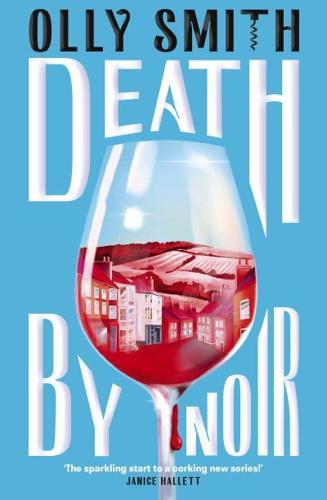
Death by Noir by Olly Smith
Wine-shop owner Barclay Flint lives in Lewes, the Sussex town famous for its spectacular Bonfire Night celebrations. When his friend, vineyard owner Victor Crawshaw, is found dead, Barclay becomes a suspect and must use his sharp senses and local knowledge to investigate. Old resentments and rivalries emerge as 5 November draws closer and the town prepares for its annual night of fire and spectacle. Olly Smith’s cosy crime debut makes the traditions and distinctive atmosphere of Lewes an integral part of its murder mystery.
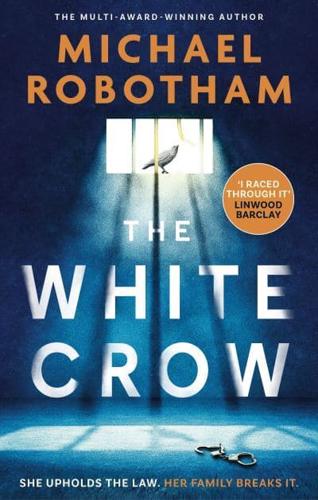
The White Crow by Michael Robotham
PC Philomena McCarthy’s work and family loyalties collide when she finds a child wandering the streets during a night patrol and discovers the aftermath of a home invasion. Elsewhere in London, a jeweller is found strapped to an explosive, and evidence begins to point towards Philomena’s own father, a powerful crime figure. The linked investigations escalate into a dangerous gang conflict that builds towards a fiery Bonfire Night climax. Michael Robotham combines family tensions, policing, explosives and organised crime in this fast-moving contemporary thriller.
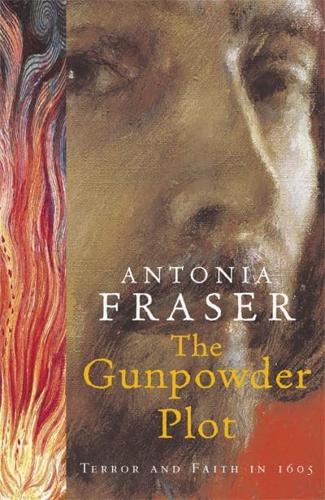
The Gunpowder Plot by Antonia Fraser
Antonia Fraser reconstructs the Gunpowder Plot as a compelling narrative while examining the political and religious pressures surrounding the events of 1605. Rather than concentrating solely on Guy Fawkes, she considers the conspirators, their motives and the circumstances that drove a group of Catholics towards an attempt to destroy Parliament and the government of James I. Detailed research is combined with a strong sense of unfolding drama, making this a valuable account for exploring evidence, religious persecution, political violence and the continuing arguments surrounding the plot.
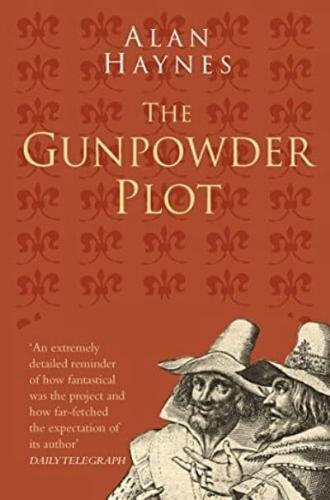
The Gunpowder Plot by Alan Haynes
Why was Guy Fawkes beneath the House of Lords on 5 November 1605, and what drove the conspirators towards an attempt to destroy the king and government? Alan Haynes examines the conflicting evidence behind the familiar Bonfire Night story, tracing the religious divisions, intrigue, betrayal and retribution surrounding the conspiracy. His account considers the depth and extent of the plot and how close it came to destabilising the government. It is particularly useful for questioning simplified versions of events and exploring why historians continue to debate aspects of the conspiracy.
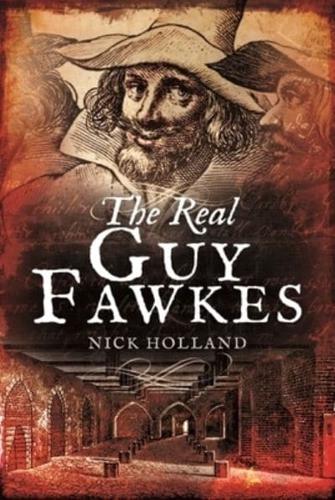
The Real Guy Fawkes by Nick Holland
Guy Fawkes is remembered as the face of the Gunpowder Plot, but Nick Holland’s biography looks beyond the familiar bonfires, masks and effigies to examine the man himself. It follows his upbringing in York, conversion to Catholicism, military experience and eventual involvement in the conspiracy of 1605. Holland places Fawkes within an England of religious persecution, priest holes and government spies, combining contemporary accounts with modern analysis. The result provides useful context for considering how Fawkes became radicalised and how the historical figure differs from the later cultural symbol.
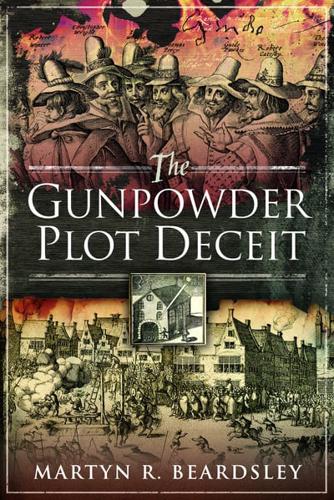
The Gunpowder Plot Deceit by Martyn R Beardsley
Martyn R Beardsley revisits familiar assumptions about the Gunpowder Plot by asking how a group of disaffected Catholics could organise their conspiracy for months without attracting the attention of Robert Cecil’s government. He examines disputed details including the supposed tunnel beneath Parliament and considers whether officials knew more about the plot before Guy Fawkes was arrested than the traditional account suggests. By presenting arguments about possible government manipulation and agents provocateurs, the book offers material for comparing interpretations, weighing evidence and discussing how historical controversies develop.
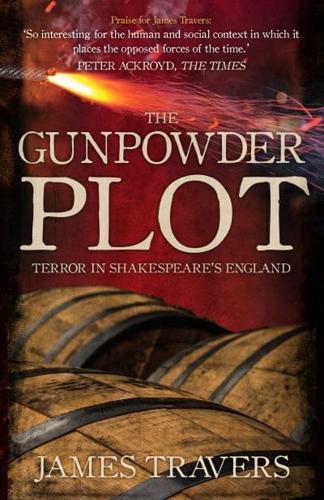
The Gunpowder Plot: Terror in Shakespeare’s England by James Travers
James Travers draws extensively on surviving documents to retell the Gunpowder Plot through voices recorded at the time. Using material from The National Archives, where he works as a specialist, he examines the complex motivations of the conspirators without reducing the story to a simple Catholic versus Protestant narrative. Official investigations and evidence concerning the torture of Guy Fawkes also feature. This source-rich account is particularly valuable for examining how historians reconstruct events, assess testimony and understand decisions without relying on hindsight.
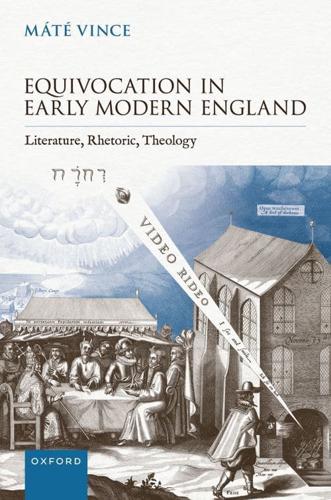
Equivocation in Early Modern England: Literature, Rhetoric, Theology by Máté Vince
Máté Vince explores equivocation, the practice of concealing information while appearing to speak truthfully, through early modern literature, rhetoric, politics and theology. The Gunpowder Plot forms a substantial part of the study, including a chapter examining how its aftermath transformed arguments about Jesuit equivocation and the trial of Henry Garnet. Shakespeare, religious controversy and competing ideas about lying and ambiguity broaden the discussion. This scholarly study offers substantial extension material for investigating the intellectual and religious consequences of 1605 alongside the events of the conspiracy itself.
Click the buttons below to purchase all of the books in this Gunpowder plot and bonfire night books for children and teens list, as well as class sets of any of these books and many more, from Bookshop.org UK. Or buy the 20 most popular titles from this list from Amazon – ideal for gifts or your classroom library.
Buy from UK.Bookshop.Org Buy from Amazon.co.uk
Disclosure: If you buy books using the buttons above: we may earn a commission from Bookshop.org, whose fees support independent bookshops; as an Amazon Associate schoolreadinglist.co.uk earns from qualifying purchases.
Schools & teachers: please respect copyright and don’t copy our Gunpowder plot and bonfire night books for children and teens list. If you find our book recommendations useful, please consider sharing on social media or linking to this page instead. Thanks.
Gunpowder Plot and Bonfire Night resources for teachers
- UK Parliament Learning offers free Gunpowder Plot and Bonfire Night resources, including a presentation for 5-11 year olds and a two-part video for older primary and KS3 pupils explaining Guy Fawkes, the plot and the origins of Bonfire Night.
- The National Archives has an excellent KS2 and KS3 enquiry lesson using original documents from the Gunpowder Plot Book. Resources include the Monteagle letter, examinations of Guy Fawkes, transcripts, simplified transcripts, teachers’ notes, a starter video and ideas for debates and mock trials.
- Historic Royal Palaces provides an extensive Gunpowder Plot collection for KS2, KS3 and KS4, including a dramatised video, classroom activities, an image bank, a downloadable teacher resource pack and a virtual look inside the Tower of London room where Guy Fawkes was interrogated.
- The Ashmolean Museum provides downloadable teachers’ notes based on Guy Fawkes’ lantern, with background information and ideas for creative planning across the KS1 and KS2 curriculum. The museum also has detailed photographs and information about the lantern itself.
- The Historical Association has a KS1 Gunpowder Plot lesson based around storytelling, simulation, role play, discussion and writing, with downloadable teachers’ notes and pupil materials. The lesson predates the 2014 National Curriculum, but contains useful ideas for exploring why the plotters acted as they did.
- School History has a substantial collection aimed particularly at KS3 and GCSE students, including Gunpowder Plot worksheets, factual material and activities examining the traditional story, the sequence of events and the question of whether Guy Fawkes was set up. Several resources are free to download.
- Greater Manchester Fire and Rescue Service provides Bonfire Night education resources for children and young people. Teachers are directed to curriculum-linked StayWise materials including videos, presentations, games and lesson resources covering fireworks, bonfires, anti-social behaviour and safety for KS1, KS2 and KS3.
- For assemblies, PSHE or discussions about celebrating Bonfire Night safely, RoSPA provides current UK firework and bonfire safety guidance covering sparklers, supervising children, buying and lighting fireworks and organising safer displays.
BISAC JUV016040, JUV017080, JNF025070, JNF026080, YAF024050, YAF025000, YAN025070, YAN026000. | Thema YFT, YNH, YNMD.