Books about making money and entrepreneurship for children and teens
Books about money and entrepreneurship help children and teens understand earning, saving, budgeting, business ideas and financial choices in ordinary life. They might follow young inventors, small start-ups or practical guides to profit, risk, marketing and social enterprise. The best ones do not treat money as a race to get rich. They show planning, creativity, teamwork, mistakes and responsibility, while opening useful conversations about work, ambition, fairness and consumer culture. This list features books by Frank Cottrell Boyce, Pamela Butchart, Patrice Lawrence, Tom Palmer, Robert Muchamore, Deborah Meaden, Rashmi Sirdeshpande, Adiba Jaigirdar, Emmanuel Asuquo and Sara Davies.
Books about money, business and enterprise for children and teens – our recommendations
Books about money for 7-12-year-olds
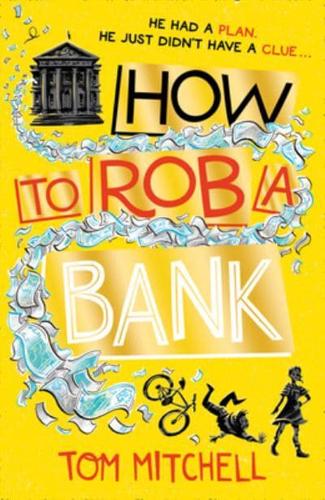
How to Rob a Bank by Tom Mitchell
Fifteen-year-old Dylan thinks the only way to put right a disastrous mistake is to rob the bank where he has a Saturday job. A lively choice for 10+ year-olds, this fun comic crime caper links guilt, money, bad decisions and one very ill-advised plan.
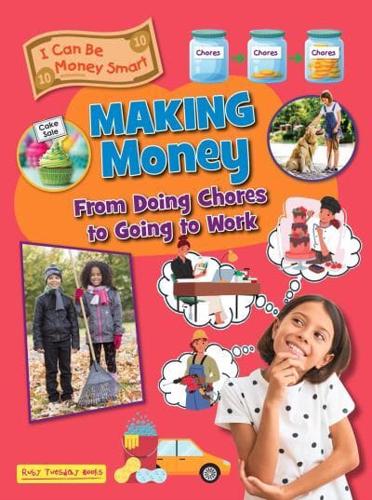
Making Money: From Doing Chores to Going to Work by Ruth Owen
This practical money guide for 6-10 year olds explains the different ways people earn money, from completing chores and taking a job to starting a business. Ruth Owen introduces wages, salaries, part-time and full-time work, taxes, entrepreneurs, profit and loss in an accessible way, while activities encourage children to think about earning and managing their own money. Everyday examples, money vocabulary and business ideas make this a useful introduction to financial literacy for primary-aged children.
Questions and Answers About Money by Lara Bryan
Where does money come from, how do you earn and manage money, and what makes a good deal are all questions answered in this book that includes tips from expert Bobby Seagull. The bright illustrations and lift-the-flap format make this a practical and easy-to-understand text for children in KS1 upwards. This life-skills book helps to demystify what money is and how it works, and will help to answer pupils’ questions and misconceptions about money. Highly recommended.

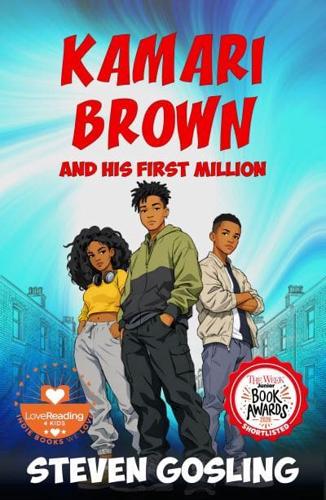
Kamari Brown And His First Million by Steven Gosling
Thirteen-year-old Kamari dreams of becoming rich, but his money-making schemes usually create more trouble than profit. When one of his songs is confused with a track by a bestselling rapper, he suddenly has interviews, photoshoots and an invitation to the party of the year. This lively comedy for readers aged 9+ asks how long Kamari can enjoy his unexpected fame before honesty, family and friendship force him to face the truth. A great choice for group reading in UKS2 and LKS3.
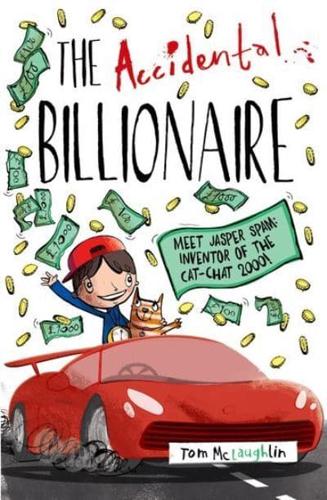
The Accidental Billionaire by Tom McLaughlin
Jasper Spam’s experiments usually end with a bang, until a laser accident leaves his cat Rover able to talk and turns the family shed into the starting point for a fortune. For 7+ year-olds, it blends invention, money and comic chaos in an accessible first chapter-book adventure.
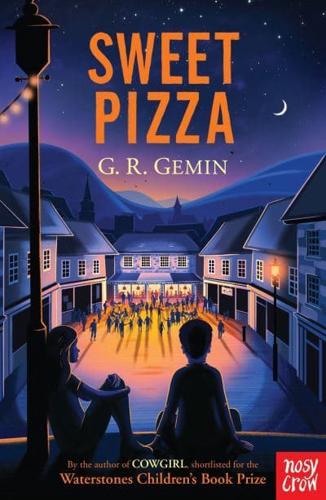
Sweet Pizza by G.R. Gemin
Joe’s family café in a Welsh town is under threat, but his grandfather’s memories of Italian arrival in Wales and a visiting cousin help him see what the place still means. A thought-provoking pick for 9+ year-olds, it brings together food, family, immigration and the power of community enterprise.
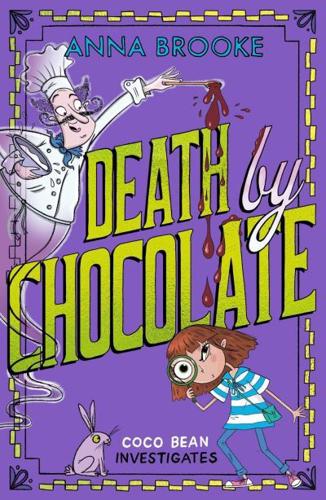
Death by Chocolate by Anna Brooke
The Bean family’s hotel in France is losing money, and the resident ghost isn’t helping matters. Monsieur Framboise, a magnificently named former chocolatier, haunts the building with unfinished business and a talent for confectionery. With her friend Louis, Coco Bean learns the secrets of chocolate making and starts digging into the mystery of his death. Laugh-out-loud action, mystery and plenty of cocoa fuel a race to save the hotel before Easter in this fast-paced read for 8+ year-olds.
Work It, Lara Bloom by Dee Benson
A school business competition arrives just as Lara Bloom is trying to push her football training further, leaving her juggling ambition, friendship and teenage embarrassment. For 11+ year-olds, the engaging diary-style story offers a fresh contemporary concoction of sport, enterprise and everyday school pressure.

It Fell From The Sky by Eric Fan & Terry Fan
When a mysterious object lands on the grass, none of the insects are sure what it is. The ladybird knows what he saw, the Inchworm saw it too and the Luna Moth also has ideas. All agree it is a sight to behold. But when Spider decides to turn it into an attraction and charge money to see it, everything changes. With themes of community, fairness, ownership, sharing and commercialism, this is a great story to read to KS1 pupils, or discuss in PSHE lessons with KS2 children.

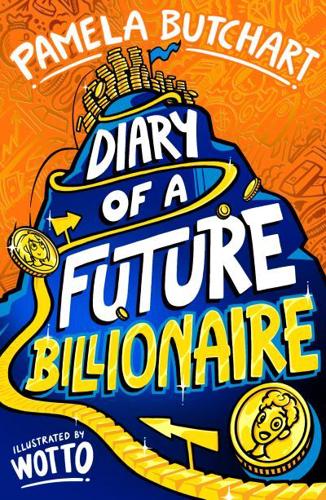
Diary of a Future Billionaire by Pamela Butchart, illustrated by Wotto
Ten-year-old Ben is determined to become the world’s richest child, and his diary records the schemes, doodles and financial muddles that follow. For 8-12-year-olds, this funny, fast-moving story works well for readers who like big ideas, short chapters and comic mayhem.
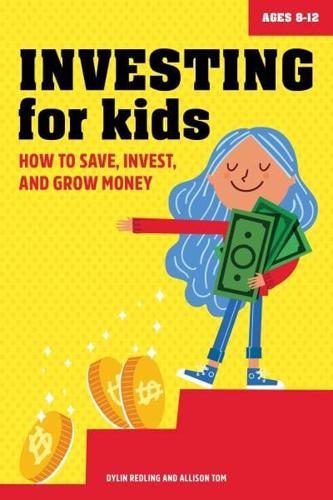
Investing for Kids by Dylin Redling and Allison Tom
Stocks, bonds, risk, reward and long-term saving are introduced through refreshingly simple examples rather than adult jargon. A practical non-fiction choice for 8-12-year-olds, it gives young readers a realistic first look at how investing works and why patience matters.
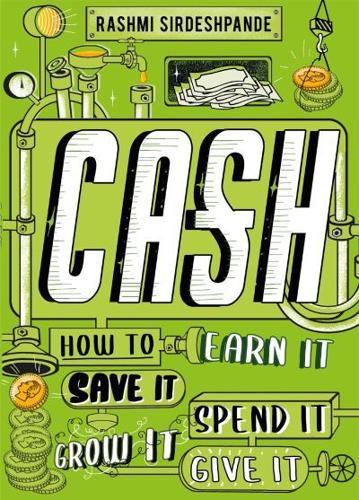
Cash by Rashmi Sirdeshpande
Money is treated as something children can question, use, save, spend and understand, with clear explanations of earning, shopping, banks and ethical choices. For 8-11-year-olds, this illustrated guide gives financial literacy a friendly, punchy, real-world starting point.
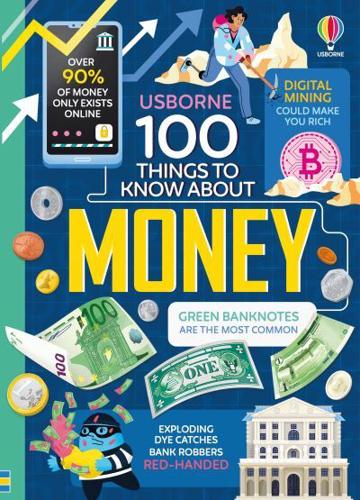
100 Things to Know About Money by Alice James, Lan Cook, Micaela Tapsell and Victoria Williams
Money isn’t just about notes and coins – it’s full of surprises! Ever wondered how rain can change chocolate prices or why music affects how much you spend? This book dives into 100 fascinating facts, from ancient currency to cryptocurrency, and even the hidden gold in trees. Packed with bold illustrations and easy-to-dip-into sections, it’s immersive and ideal for 9+ year-olds. Written by Alice James, Lan Cook, Micaela Tapsell, and Victoria Williams, it’s perfect for KS2 libraries and children who want to read real-world, real-life non-fiction. Highly recommended.
The Lemonade War by Jacqueline Davies
Siblings Evan and Jessie turn a holiday lemonade stand into a fierce competition when money, pride and misunderstanding get in the way. For 8-12-year-olds, this accessible modern classic gives business, maths and family rivalry a sharply drawn playground-scale setting.
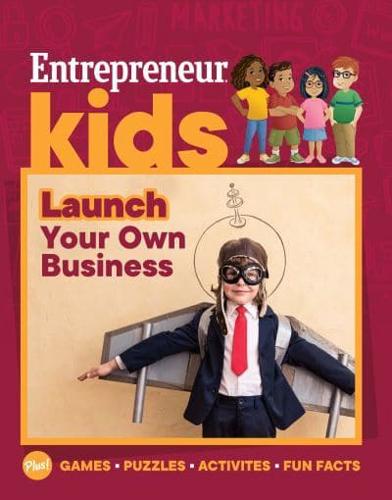
Entrepreneur Kids: Launch Your Own Business
Young readers are guided through the first stages of building a business, from finding an idea to planning, branding, budgeting and selling. A practical workbook-style option for 10+ year-olds, it encourages children to turn small interests into structured enterprise projects.
Kofi and the Rap Battle Summer by Jeffrey Boakye
When Kofi discovers that his closest friend Kelvin has a photographic memory, they devise a scheme to gain a lot of money in this engaging music-themed page-turner for kids aged 9 to 11. Kofi and the Rap Battle Summer is great for KS2 libraries, with laugh-out-loud humour and characters that children will identify with. Amanda Demwell’s review can be found here. Read our full review.

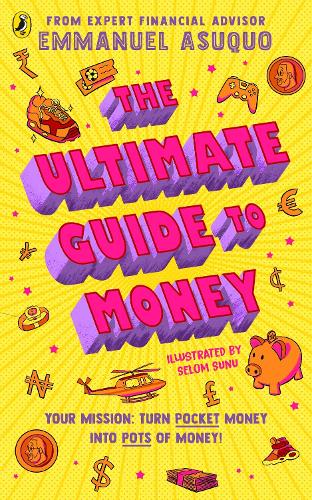
The Ultimate Guide to Money by Emmanuel Asuquo
Budgeting, banking, earning, spending and planning ahead are explained in direct language, with examples that connect money choices to real life. For 9-12-year-olds, Emmanuel Asuquo’s guide offers a broad first look at financial confidence and everyday decision-making.
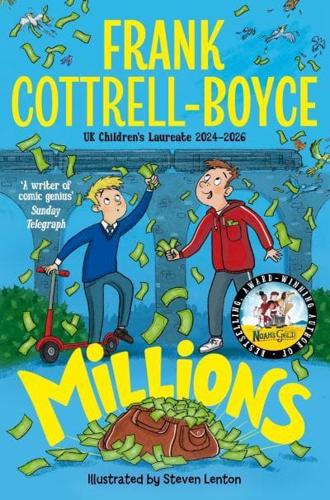
Millions by Frank Cottrell Boyce, illustrated by Steve Lenton
A bag of cash drops into Damian and Anthony’s lives just before the UK changes currency, giving them only days to decide what money is really for. Perfect for 8-12-year-olds, this Carnegie Medal-winning story mixes humour, moral questions and sibling loyalty.
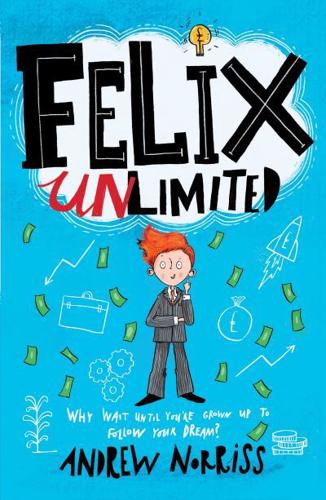
Felix Unlimited by Andrew Norriss
Felix has an ordinary boy’s big idea and discovers that enterprise can change more than his own future. For 9-11-year-olds, Andrew Norriss uses business ambition, kindness and family life to build a warm-hearted story about making things happen.
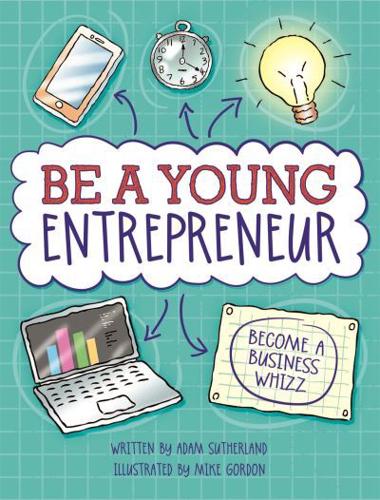
Be a Young Entrepreneur by Adam Sutherland, illustrated by Mike Gordon
Business ideas, customers, marketing and self-belief are introduced through clear sections and cartoon illustrations. A useful guide for 9+ year-old readers, it encourages children to think creatively about enterprise while explaining the practical steps behind starting something of their own.
Running a Business by Anna Young and Joanne Bell
Simple explanations introduce planning, products, customers, money and the everyday decisions involved in keeping a business going. For 7-11-year-olds, this short non-fiction guide gives primary pupils a straightforward first look at enterprise vocabulary and real-world business basics.
Business for Beginners by Lara Bryan and Rose Hall
Bright infographics and comic-strip examples explain how businesses start, grow, compete, advertise, borrow and trade. A strong non-fiction choice for 10+ year-old readers, it makes economics and enterprise feel accessible without stripping out useful concepts such as profit, interest and supply chains.
DK Super Economics Money and Trade by DK
Money, exchange, trade routes and global commerce are explained through diagrams, examples and short chunks of text. For 7-11-year-olds, this detailed DK guide gives younger readers a visual introduction to how goods, services and payments move around the world.
DK Super Economics Supply and Demand by DK
Buyers, sellers, scarcity, pricing, trends, profit and competition are broken down into clear illustrated spreads. For 7-11-year-olds, this accessible and thorough economics guide helps children see how everyday choices link to wider questions about supply, demand and value.
Foul Play: Off Side by Tom Palmer
Danny Harte wants to become a football journalist, but when his favourite club is sold in an anonymous foreign buy-out, he starts investigating what City FC is hiding. For 9+ year-olds, this pacey football mystery combines crime, fan loyalty, money and media skills in a format likely to hook sports fans.

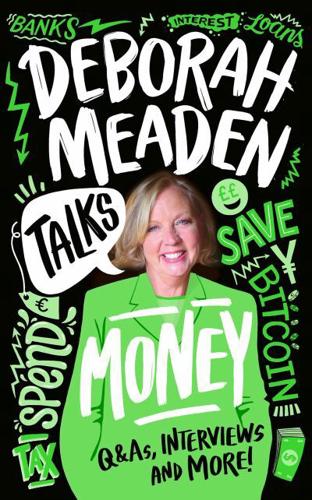
Deborah Meaden Talks Money by Deborah Meaden
Finance is unpacked through everyday decisions, business examples and short interview-style sections, including ideas about budgeting, earning, saving and confidence with money. For 10+ year-olds, it offers a clear, focused route for young people into the world of personal finance, without dumbing anything down.
Books about money and financial literacy for teens
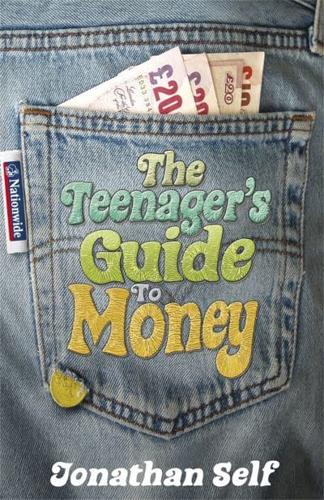
The Teenager’s Guide to Money by Jonathan Self
Bank accounts, budgeting, debt, work, tax and financial choices are explained without assuming prior knowledge. A useful guide for teens, it suits secondary pupils who want a practical introduction to money management before leaving school, jobs, sixth form, university or independent living.
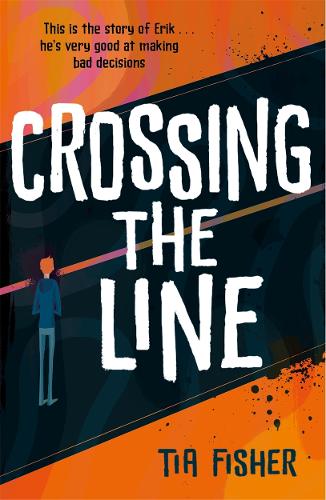
Crossing the Line by Tia Fisher
Erik is grieving, under pressure at home and vulnerable to county lines exploitation when money starts to look like a solution. A powerful verse novel for 14+ readers, it handles grooming, debt, money issues, friendship and danger with directness and care. Read our full review.
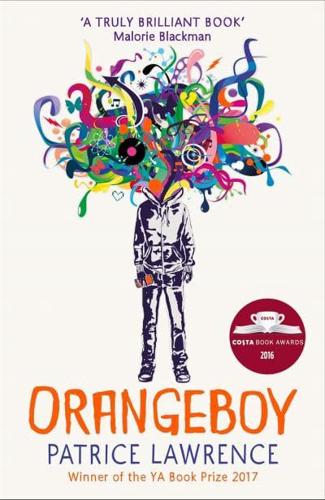
Orangeboy by Patrice Lawrence
Marlon has promised his mother he will stay clear of trouble, but one date ends in disaster and draws him into a dangerous London mystery. For 12+ year-olds, this award-winning YA thriller examines class, grief, gangs, loyalty and sudden money pressure.
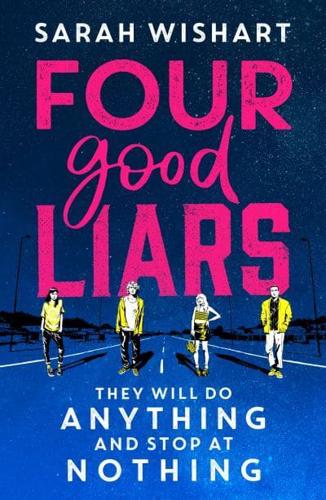
Four Good Liars by Sarah Wishart
Layla, Kai, Liam and Fliss all need money, all have secrets and all become caught in a dangerous hunt. For 13+ year-olds, this taut YA thriller uses shifting loyalties, hidden motives and pressure-cooker plotting to explore what people will do when cash is at stake.
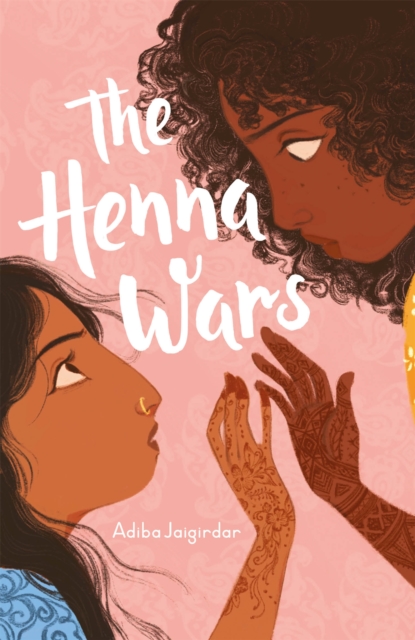
The Henna Wars by Adiba Jaigirdar
Nishat comes out to her family, starts a henna business for a school competition and finds herself in conflict with a classmate using the same idea. For 12+ year-olds, this outstanding contemporary YA novel brings together romance, cultural appropriation, identity and original enterprise.
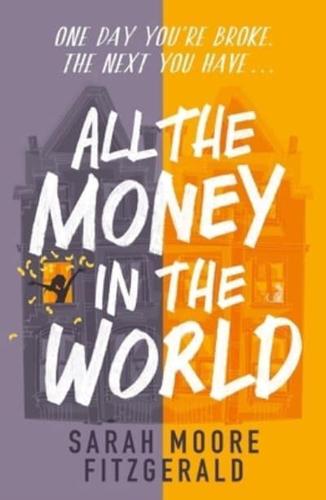
All the Money in the World by Sarah Moore Fitzgerald
Penny suddenly has access to a vast sum of money, but the change exposes tensions around class, friendship, family and what wealth can do. For 12+ year-old readers, Sarah Moore Fitzgerald turns a wish-fulfilment premise into a thoughtful story about real-world values and belonging.
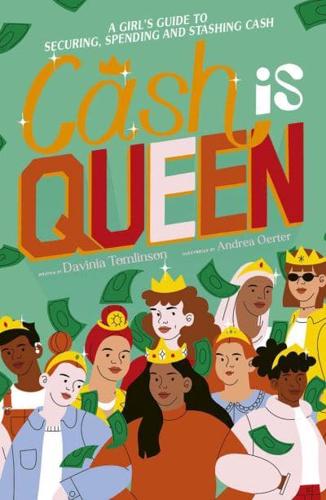
Cash is Queen by Davinia Tomlinson
Saving, spending, earning, investing and financial independence are explained with teenage girls in mind. For 14-18-year-olds, this engaging guide gives practical money advice alongside confidence-building sections on pay, planning and the habits that shape adult financial choices.
The Young Entrepreneur by Swish Goswami and Quinn Underwood
Student founders are given practical guidance on testing ideas, building networks, finding customers and learning from early mistakes. A useful sixth-form option for ambitious teen readers, this inspirational business guide speaks directly to young people who want to start while still studying.
Medici Heist by Caitlin Schneiderhan
In Renaissance Florence, seventeen-year-old Rosa Cellini gathers a crew to steal from Pope Leo X and the Medici fortune. For 13-18-year-old readers, this memorable historical heist offers political intrigue, danger, money and a sharp female con artist at its centre.
Market Boy by David Eldridge
Romford Market in the 1980s becomes a noisy workplace where a teenage barrow boy learns about selling, class, desire and adult compromise. A great choice for more mature teens, David Eldridge’s evocative play gives drama students a vivid and relatable route into themes of money, labour and performance.

Rock War by Robert Muchamore
A televised talent contest draws young musicians from difficult home lives into the promise of fame, money and escape. For 12+ readers, Robert Muchamore’s powerful series opener brings music industry ambition, rivalry and social realism into a punchy YA storyline.

Savage Island by Bryony Pearce
A remote island, a geocaching challenge and a large cash prize turn into a brutal survival game for a group of teenagers. For 13-18-year-old readers, this Red Eye horror title is a tense choice where greed, risk and desperation drive the darkly dystopian plot.
Let the Light In by Jenny Downham and Louis Hill
A family trying to survive grief, illness and pressure is shown through two teenage voices, with the need for care and stability running through the story. For 14+ year-old readers, it offers a serious contemporary YA option that explores financial hardship, responsibility and hope.

Start Your Own Business in a Week by Kevin Duncan
A new business idea is broken into seven manageable stages, from the initial concept to customers, marketing and practical planning. A practical and engaging option for older teen readers, this compact guide is useful for students who want a clear route into start-up thinking.
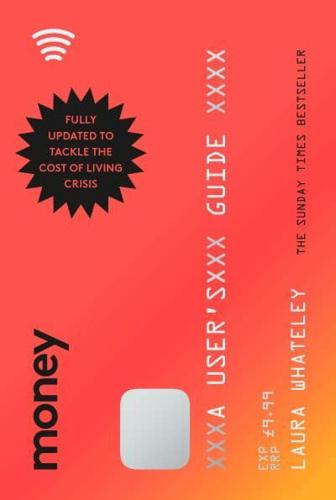
Money: a User’s Guide by Laura Whateley
Housing, debt, saving, work, bills and the psychology of spending are explained for people beginning to manage adult money. For teens about to leave school, Laura Whateley’s guide gives students a practical, pertinent and grounded introduction to financial choices they may soon face themselves.
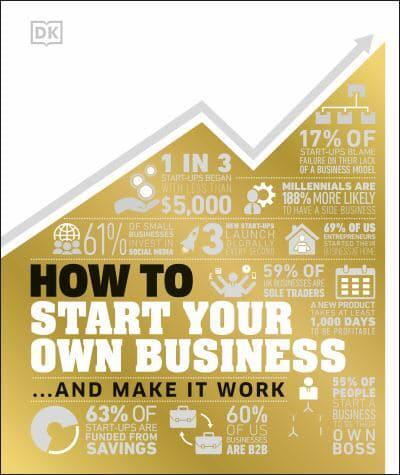
How to Start Your Own Business by Cheryl D. Rickman
Business planning, customers, funding, marketing and day-to-day decisions are set out as practical steps rather than abstract theory. For older teens, Cheryl D. Rickman’s thorough guide is a useful option for school-leavers who want to test a realistic start-up idea.
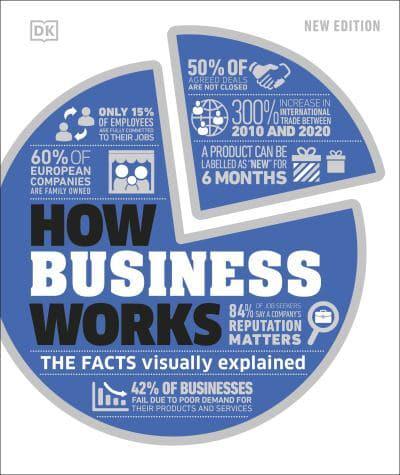
How Business Works by Anna Fischel, Alison Sturgeon and Alex Beeden
Profit, cash flow, balance sheets, marketing, management and company structure are explained through DK’s visual guide format. For 14+ year-old readers, this outstanding and detailed reference title helps business and economics students connect classroom vocabulary with how organisations actually operate.
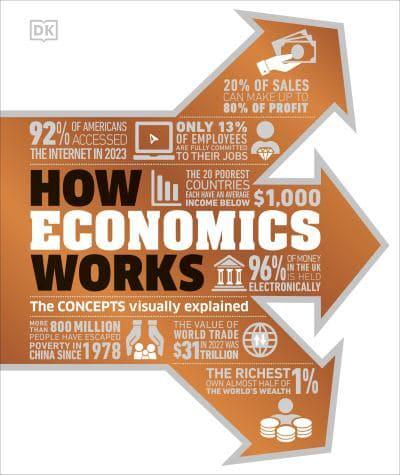
How Economics Works by DK
Microeconomics, macroeconomics, trade, finance and economic theory are presented through diagrams and concise explanations. A useful and reliable reference choice for secondary school libraries, it gives older students a visual route into the systems behind prices, markets, government policy and global money.
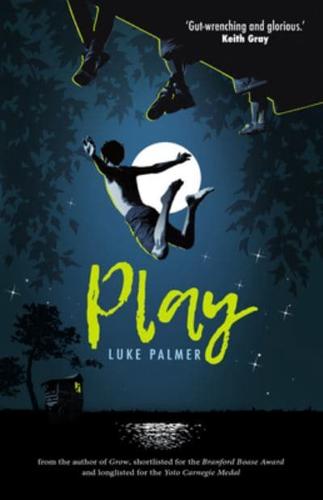
Play by Luke Palmer
Four boys in a small town turn dares, games and risk-taking into a way of coping with boredom, masculinity and the pull of danger. For 14+ readers, this contemporary YA novel gives older students a sharp look at friendship, pressure and exploitation through the gradual yet inexorable pull of county lines and gang-related errands.
Books about money, finance, investing and entrepreneurship for sixth-formers
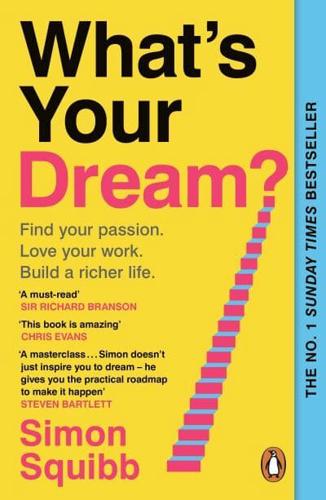
What’s Your Dream? by Simon Squibb
Dreams, business ideas and personal ambition are treated as things to test, build and share, not just talk about. A sixth-form option for 16+ year-olds, Simon Squibb’s book offers an accessible route into entrepreneurship and meaningful work.
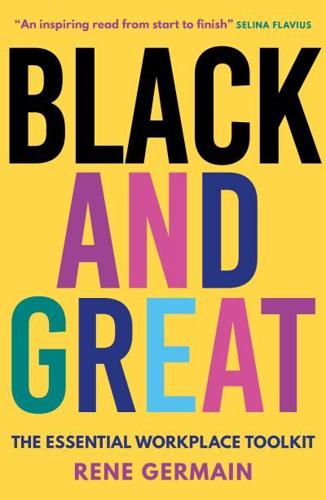
Black and Great by René Germain
Career advice, personal branding, salary negotiation and workplace confidence are explored through interviews and letters from Black British professionals. For 16+ year-olds, René Germain’s thought-provoking toolkit offers sixth-formers practical insight into work, identity and ambition.
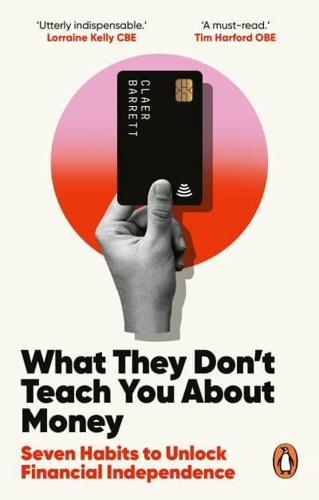
What They Don’t Teach You about Money by Claer Barrett
Financial habits, emotional spending, saving, debt and long-term independence are explained through practical advice and real-life examples. Claer Barrett’s guide is well suited to sixth-formers beginning to think seriously about long-term adult money decisions.
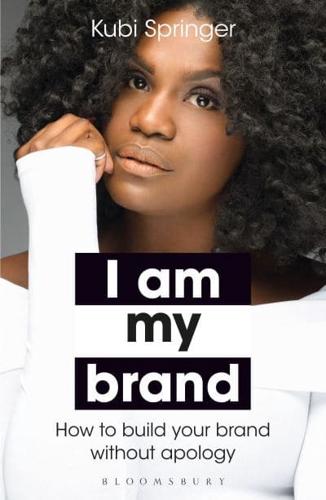
I Am My Brand by Kubi Springer
Personal branding is treated as a skill that can be built through clarity, consistency, visibility and professional confidence. For students interested in business, media or creative careers, Kubi Springer’s inspirational guide offers a focused look at identity and enterprise.
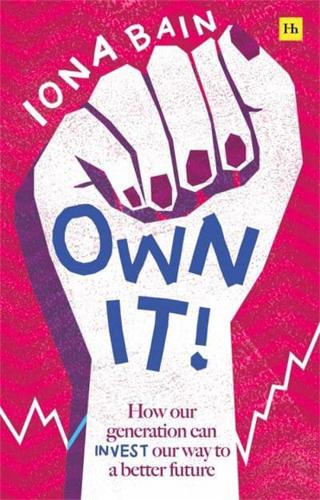
Own It! by Iona Bain
Investing is explained as something younger people can understand, question and use to shape their financial future. Iona Bain’s highly engaging book gives sixth-formers a practical route into savings, markets and the responsibilities behind investment choices.
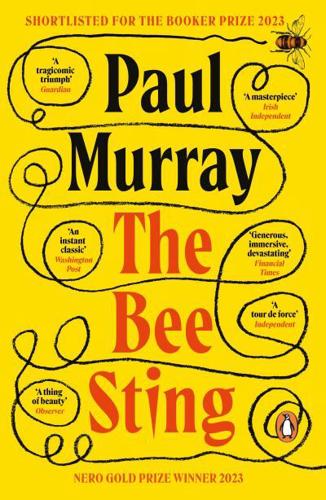
The Bee Sting by Paul Murray
A once-prosperous Irish family begins to fracture after economic failure, debt and secrets reshape every relationship. Paul Murray’s outstanding Booker-shortlisted novel offers strong sixth-form discussion material on the deleterious effect of capitalism, family pressure and social decline.
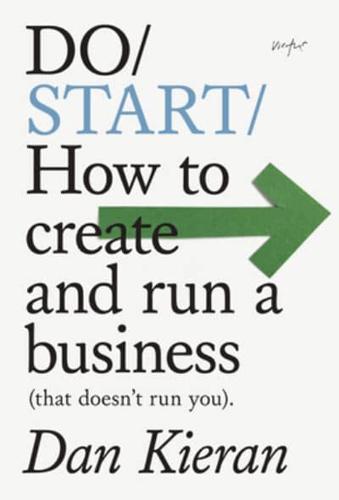
Do Start by Dan Kieran
Starting a business is presented through personal experience, practical decisions and the mental strain founders often face. This compact guide gives motivated sixth-form entrepreneurs a useful warning that a start-up needs to consider wellbeing as well as great ideas.
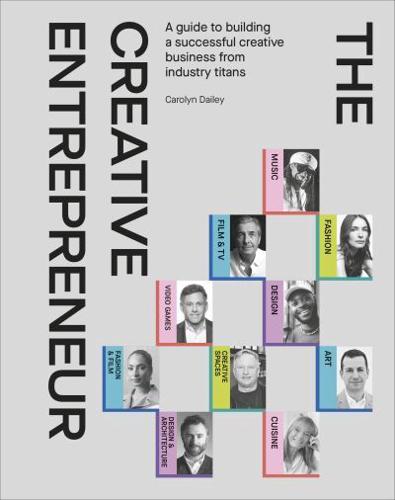
The Creative Entrepreneur by Carolyn Dailey
Creative work is treated as a business, with guidance on purpose, customers, money, networks and sustaining a career. Carolyn Dailey’s practical guide suits students considering arts, media, design or other creative industries.
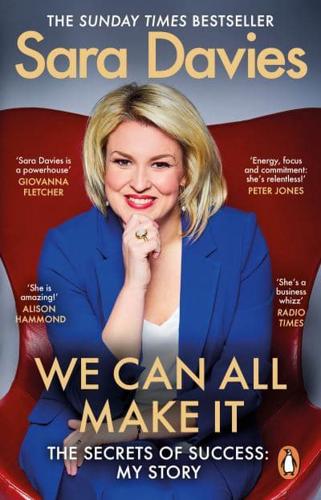
We Can All Make It by Sara Davies
A business built from a university bedroom grows into Crafter’s Companion and a public career on Dragons’ Den and television. Sara Davies’ effervescent memoir offers a practical, personal example of entrepreneurship, persistence and building a brand.
Capital by John Lanchester
Residents of one London street face property obsession, debt, suspicion and the pressures that gathered around the 2008 financial crisis. Best suited to 16+ year-old readers, John Lanchester’s poignant state-of-the-nation novel links money, housing and class with sharp social observation.
The Idea in You by Martin Amor and Alex Pellew
Ideas are treated as things that can be shaped, tested and turned into projects, products or businesses. This accessible guide draws on start-up examples to help imaginative sixth-formers think about what to do next with a serious ambition.
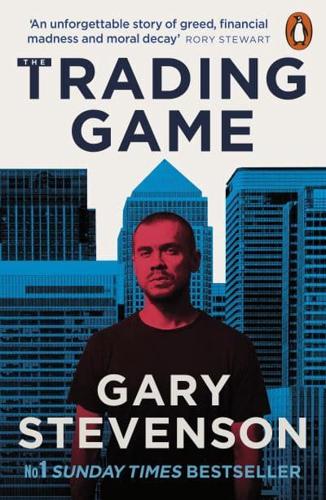
The Trading Game by Gary Stevenson
A working-class student enters the City just as the financial crisis hits and finds success on the trading floor comes with a personal cost. For more mature sixth-formers, Gary Stevenson’s powerful memoir gives a gloriously blunt insight into finance, inequality and high-risk ambition.
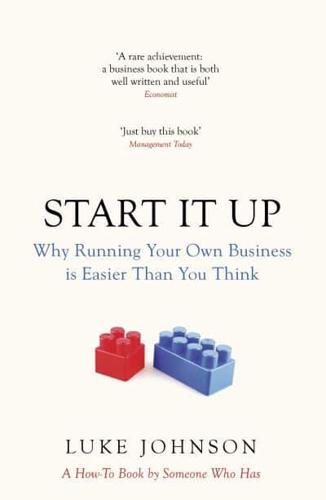
Start it Up by Luke Johnson
Enterprise is presented as more achievable than many people assume, with advice on ideas, funding, risk and the practical decisions behind running a company. Ideal for 16+ year-olds, Luke Johnson’s highly readable guide gives budding sixth-form founders a positive and broad business overview.
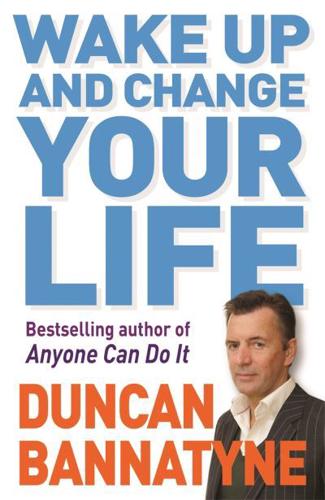
Wake Up and Change Your Life by Duncan Bannatyne
Business change is framed through Duncan Bannatyne’s direct advice on motivation, goals, enterprise and taking responsibility for decisions. For 16+ year-old entrepreneurs, it offers a Dragon’s Den-style route into self-employment, ambition and the mindset behind starting from scratch.
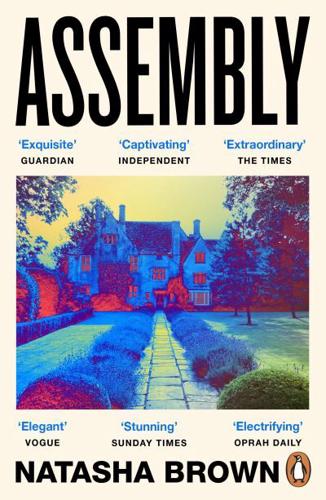
Assembly by Natasha Brown
A Black British woman moves through elite education, corporate work, wealth and a country-house weekend while questioning the cost of fitting in. Natasha Brown’s short novel offers sharp advice for more mature sixth-formers about class, race, capitalism and control.
You’re Not Broke You’re Pre-Rich by Emilie Bellet
Budgeting, debt, earning, saving and investment are explained for young adults who want more control over their money. Emilie Bellet’s guide is a powerful sixth-form option for learning how to build confidence before adult financial commitments arrive.
The Freelance Bible by Alison Grade
Freelance work is explained through clients, pitching, pricing, contracts, time management and the business side of creative careers. A practical pick, Alison Grade’s guide suits sixth-formers considering portfolio work, media, design or self-employment.
The Six-Minute Entrepreneur: 52 Short Lessons for Long-Term Business Success by Sara Davies
Short lessons cover business habits, leadership, customers, confidence and the everyday discipline needed to build something sustainable. Sara Davies’ highly accessible guide gives sixth-form entrepreneurs bite-sized advice from a founder who has grown a major craft business.
Entrepreneurial Finance by Simon Hulme with Chris Drew and Mauricio Pettinato Lucio
Funding, cash flow, valuation, investment and growth are explained for people planning or studying new ventures. A more advanced choice, this super-thorough guide suits sixth-formers with a serious interest in business studies, start-ups or entrepreneurial finance.
Click the buttons below to purchase all of the books in this money and business books list, as well as class sets of any of these books and many more, from Bookshop.org UK. Or buy the 20 most popular titles from this list from Amazon – ideal for gifts or your classroom library.
Buy from UK.Bookshop.Org Buy from Amazon.co.uk
Disclosure: If you buy books using the buttons above: we may earn a commission from Bookshop.org, whose fees support independent bookshops; as an Amazon Associate schoolreadinglist.co.uk earns from qualifying purchases.
Schools & teachers: please respect copyright and don’t copy our money, business and financial literacy book list. If you find our book recommendations useful, please consider sharing on social media or linking to this page instead. Thanks.
Making money and entreprenuership resources for teachers
- Young Enterprise offers quality-marked financial and enterprise education resources, including lesson plans, CPD, classroom activities and materials for primary, secondary and post-16 settings.
- The Fiver Challenge is a free Young Enterprise programme for pupils aged 5-11. Children use a £5 pledge to plan, create, market and sell a product or service, making it a practical introduction to enterprise, teamwork and budgeting.
- The 10X Challenge helps students aged 11-19 start a small business with a £10 pledge. It is useful for business studies, careers, PSHE and enrichment projects where pupils need to test an idea, manage money and reflect on what worked.
- The Young Enterprise Company Programme gives older students the chance to set up and run a student company, covering product development, sales, marketing, finance, teamwork and decision-making.
- The Peter Jones Foundation Tycoon Enterprise Competition is a free national enterprise competition for students aged 6-18. Teams develop and run a business, making it a strong option for schools wanting a structured entrepreneurship project.
- Virgin Money’s Make £5 Grow is a primary school enterprise project in which pupils learn about planning, profit, teamwork and simple business decisions by starting a small venture with a £5 loan.
- The Bank of England’s Money and Me is a free 12-lesson PSHE scheme for KS1 and KS2, with lesson plans, presentations, games and a teacher guide covering money, choices, payments and everyday financial decisions.
- Bank of England education resources include materials for 11-16 and post-16 students on the economy, inflation, money, work and decision-making, with links to GCSE and A level economics.
- Talk Money Week for schools, from the Money and Pensions Service, provides guidance, resources, workshops and training links to help schools start open conversations about money and financial wellbeing.
- Money Heroes provides free teacher resources for children working at a learning age of 3-11, including classroom activities, guidance and support for teaching money habits from an early age.
- NatWest Thrive offers free money confidence and future skills resources for teachers, parents, carers and community leaders, with materials on managing money, fraud awareness and entrepreneurial thinking.
- Barclays LifeSkills includes free lesson plans and educator resources for primary, secondary and FE, covering employability, financial confidence, budgeting, payslips, debt and workplace readiness.
- Oak National Academy has free KS3 financial education lessons with slide decks, worksheets, quizzes and lesson overviews covering budgeting, spending, borrowing, fraud, saving and everyday money decisions.
- The Money Charity offers free KS3 and KS4 teacher resource packs, with interactive lesson materials on financial education that can be used as stand-alone sessions or alongside workshops.
- Money Ready provides financial education workshops for 4-18 year-olds in UK schools, with sessions suitable for PSHE, citizenship, maths and business students.
- The PSHE Association’s money and careers hub supports teachers planning economic wellbeing lessons, including money management, informed choices, financial harms, careers and wider preparation for adult life.
BISAC JUV006000, JNF010000, JNF011000, JNF013040, YAF008000, YAN010000, YAN011000, YAN040000. | Thema YFB, YNK, YPJV, KJH, VSB.