Trauma-informed teaching asks schools to look beyond a pupil’s immediate presentation and consider how safety, relationships, predictability and past experience may shape learning. This selection of books for teachers about trauma-informed teaching brings together practical classroom guidance, attachment-aware approaches, specialist inclusion advice, literacy applications and whole-school leadership perspectives. It is aimed at teachers, pastoral and inclusion staff, SENCOs and school leaders, with several titles offering practical ways to strengthen relationships, classroom environments and support for pupils affected by adversity. For prices and ordering, click on the book cover.
Books on Trauma-Informed Teaching – our recommendations
The A-Z of Trauma-Informed Teaching: Strategies and Solutions to Help with Behaviour and Support for Children Aged 3-11 by Sarah Naish, Anne Oakley, Hannah O’Brien, Sair Penna and Daniel Thrower
This primary-focused reference begins with a clear introduction to trauma-informed teaching before moving into an A-Z guide to situations including aggression, lateness, learning difficulties and sleep-related problems. Written for those supporting children aged 3-11, its quick-reference structure makes it particularly useful for early years and primary teachers, teaching assistants and pastoral staff looking for practical strategies they can discuss and apply in everyday school settings.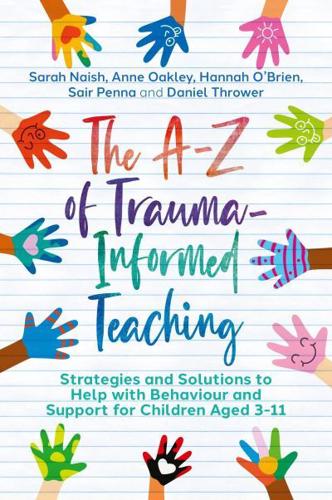
The Trauma and Attachment-Aware Classroom: A Practical Guide to Supporting Children Who Have Encountered Trauma and Adverse Childhood Experiences by Rebecca Brooks
Rebecca Brooks connects trauma, attachment and classroom experience, with particular attention to how adversity can affect learning, behaviour, relationships and home-school cooperation. The book discusses foetal alcohol spectrum disorder, pathological demand avoidance and attachment difficulties alongside broader classroom adjustments. Its accessible and practical approach makes it particularly useful for primary teachers, pastoral staff and inclusion teams interested in strengthening relationships and creating supportive learning environments.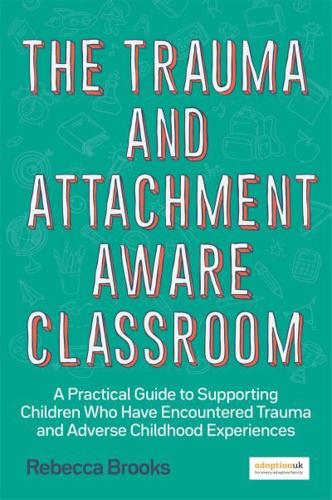
Working with Relational Trauma in Schools: An Educator’s Guide to Using Dyadic Developmental Practice by Louise Michelle Bombèr, Kim S. Golding and Sian Phillips
This specialist guide introduces Dyadic Developmental Practice and explores how educators can support children whose relationships and sense of safety have been shaped by developmental or relational trauma. The authors focus on attunement, connection, reflection and the role of trusted adults in creating reliable school experiences. It is particularly relevant to pastoral teams, inclusion professionals and staff supporting fostered and adopted children.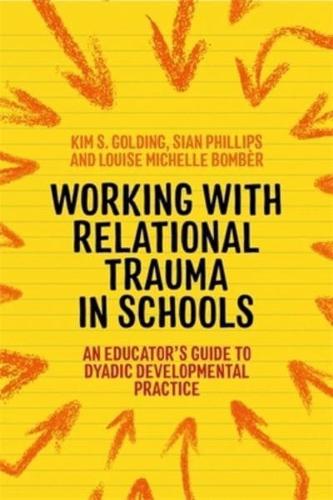
Creating a Trauma-informed Classroom (Critical Teaching) by Sarah Lathan
Sarah Lathan provides a practical, research-informed guide to developing trauma-informed practice in primary and secondary classrooms. The book introduces trauma, adverse childhood experiences, attachment, brain development and stress responses before examining relationships, self-care, collaboration, the physical environment, pedagogy, curriculum and support for emotional regulation and dysregulation. Pupil perspectives and case studies from schools and projects across Scotland add a particularly relevant context for UK educators. It is useful for teachers and school leaders looking to connect an understanding of trauma with practical classroom approaches.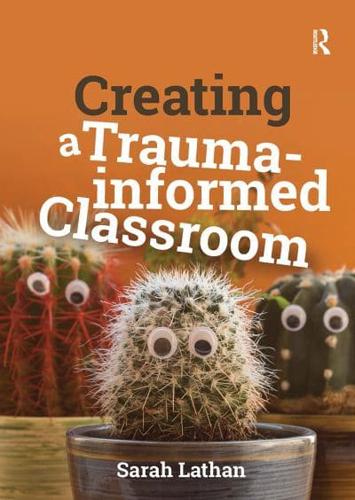
Building Trauma-Sensitive Schools: Your Guide to Creating Safe, Supportive Learning Environments for All Students by Jen Alexander
Jen Alexander moves from individual classroom responses to a whole-school framework. The book explores the effects of trauma on development, attachment, behaviour and learning before organising school improvement around safety, connection, regulation and learning. Universal strategies, more intensive supports, staff reflection, sample scripts and planning materials make it particularly useful for senior leaders, pastoral teams and school counsellors developing coordinated approaches across a school.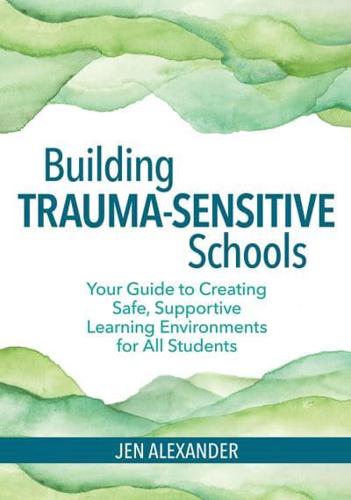
Trauma-Sensitive School Leadership: Building a Learning Environment to Support Healing and Success by Bill Ziegler, Dave Ramage, Andrea Parson and Justin Foster
This leadership-focused guide explores the culture, policies and conditions that help trauma-sensitive practice become part of everyday school life. The authors consider bias, retraumatisation, discipline, physical spaces, staff support and the leadership decisions that shape pupils’ experiences. Concrete strategies and discussion points make it particularly useful for headteachers, deputies, pastoral leads and leadership teams examining how whole-school systems can support safety, belonging and success.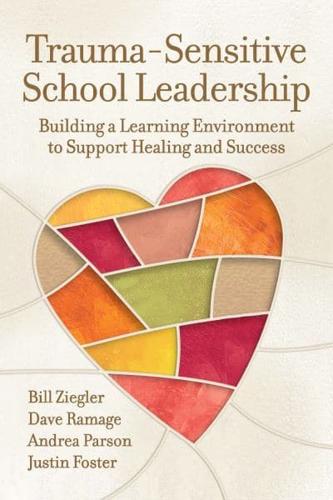
Trauma-Informed Practice in Montessori Classrooms: An Essential Guide for Students and Teachers by Bernadette Phillips, Catriona O’Toole, Sinéad McGilloway and Stephen Phillips
This specialist title explores trauma-informed practice through Montessori principles and classroom environments. The authors examine observation, independence, routine, prepared environments and respectful relationships as ways of supporting children affected by adversity. Montessori teachers and leaders will find particularly direct applications, while its consideration of environment, agency and relationships also provides useful professional reflection for educators interested in trauma-informed classroom practice.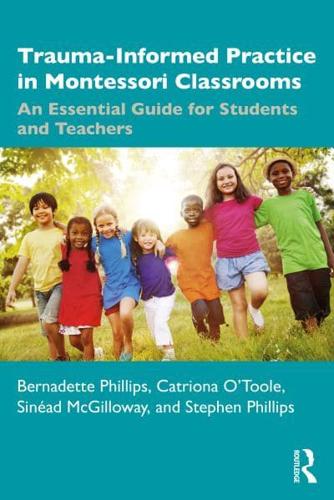
Trauma-Informed Teaching in Your Elementary Classroom: Simple Strategies to Create Inclusive, Safe Spaces as the First Step to Learning by Lori Brown and Alison Bartlett
Lori Brown and Alison Bartlett focus on everyday teaching strategies that can help create predictable, inclusive and supportive classrooms. The book explores routines, relationships, classroom spaces and learning after adversity, providing concrete ideas for teachers working directly with children. Its practical classroom focus makes it useful for primary teachers, teaching assistants and coaches discussing how consistency, safety and connection can support pupils’ participation in learning.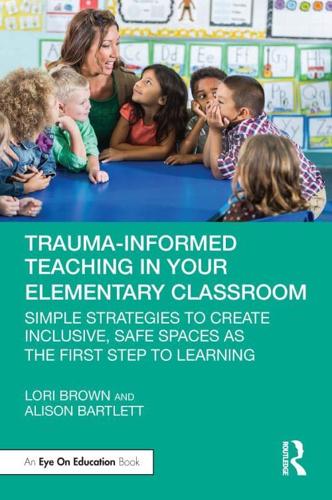
Trauma-Informed Practice in Early Education: Making a Lifetime’s Difference by James McTaggart
James McTaggart focuses on trauma-informed practice in early education, where relationships, communication, sensory experience and daily routines are central to children’s experiences. The book is particularly relevant to nursery leaders, early years practitioners, reception staff and inclusion teams interested in how predictable environments and responsive relationships can support young children affected by adversity. Its early-years perspective provides useful material for professional reflection across care and education settings.
Inside I’m Hurting: Practical Strategies for Supporting Children with Attachment Difficulties in Schools by Louise Michelle Bombèr
Louise Michelle Bombèr focuses closely on the school experiences of children with attachment difficulties. The book explores additional attachment figures in school, transitions, arousal, shame, conflict, home-school partnership and movement between primary and secondary settings. Its attention to the everyday actions and relationships that shape a pupil’s school day makes it particularly valuable to pastoral staff, inclusion teams and educators supporting children who have experienced relational difficulties.
What About Me?: Inclusive Strategies to Support Pupils with Attachment Difficulties Make It Through the School Day by Louise Michelle Bombèr
Louise Michelle Bombèr explores the practical challenges pupils with attachment difficulties can encounter throughout the school day. The book pays particular attention to transitions, routines, regulation, lessons, breaks and unstructured time, with strategies for creating greater consistency between adults. Its pupil-centred perspective makes it especially useful for teaching teams, pastoral staff and inclusion professionals planning coordinated support across different parts of school life.
Know Me to Teach Me: Differentiated Discipline for Those Recovering from Adverse Childhood Experiences by Louise Michelle Bombèr
Louise Michelle Bombèr explores discipline through an adverse childhood experiences and relational perspective. The book considers how sanctions, demands, repair and adult language may be experienced by pupils recovering from adversity, then suggests ways teachers can differentiate responses while maintaining learning and clear boundaries. It is particularly relevant to behaviour leads, pastoral teams and teachers looking for thoughtful approaches to repeated incidents and relationship repair.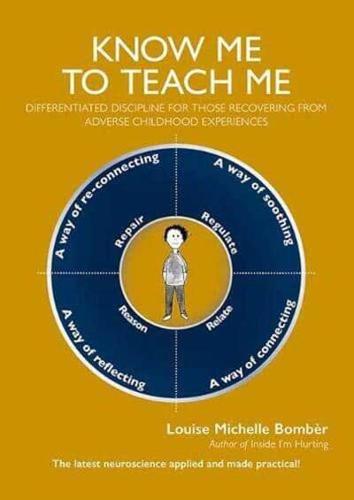
The Trauma-Sensitive Classroom: Building Resilience with Compassionate Teaching by Patricia A. Jennings
Patricia A. Jennings connects trauma-sensitive classroom practice with teachers’ own stress, emotional regulation and professional relationships. The book explores the influence of trauma on attention, behaviour and relationships alongside compassionate routines, mindful awareness, connection and resilience. Its reflective approach makes it a useful professional-development text for teachers interested in creating supportive classroom environments and strengthening their own capacity to respond calmly and thoughtfully.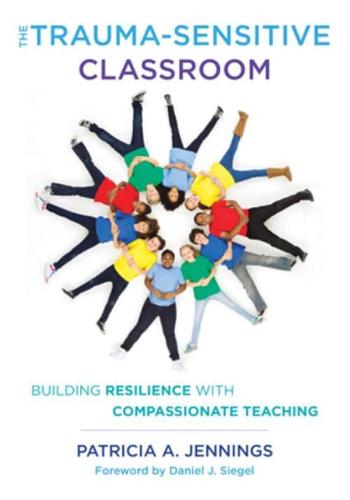
Fostering Resilient Learners: Strategies for Creating a Trauma-Sensitive Classroom by Kristin Van Marter Souers and Pete Hall
Kristin Van Marter Souers and Pete Hall offer a practical framework built around recognising trauma, strengthening relationships, creating safety and responding to behaviour with a wider understanding of the learner. Written in an accessible, coaching-friendly style, the book gives teachers useful classroom language, routines and reflection points. It is particularly well suited to staff reading groups, mentoring conversations and professional development centred on resilience and supportive classroom relationships.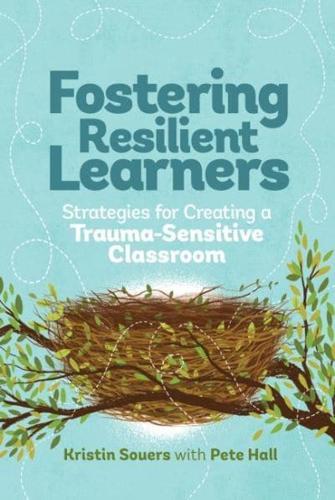
Trauma-Informed Teaching and IEPs: Strategies for Building Student Resilience by Melissa Sadin
Melissa Sadin connects trauma-informed teaching with individual educational planning. Chapters explore adverse childhood experiences, the effects of trauma on learning and behaviour, classroom approaches and the development of trauma-informed individual plans. SENCOs, inclusion leads and teachers will find useful ideas for connecting classroom adjustments, resilience and individual support, particularly when discussing how planning can respond to a pupil’s educational and emotional needs together.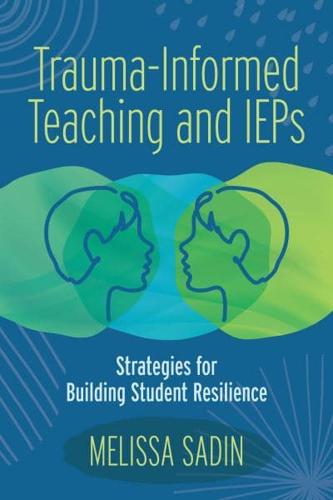
Trauma Responsive Educational Practices: Helping Students Cope and Learn by Micere Keels
Micere Keels takes a broad systems view of trauma-responsive education, connecting stress prevention, educator wellbeing, mindfulness, student self-regulation and the design of supportive educational settings. The book explores how schools can respond to pupils affected by violence, poverty, foster-care involvement and housing instability. Its conceptual depth makes it particularly useful for leaders, pastoral professionals and teachers interested in the principles that underpin trauma-responsive school practice.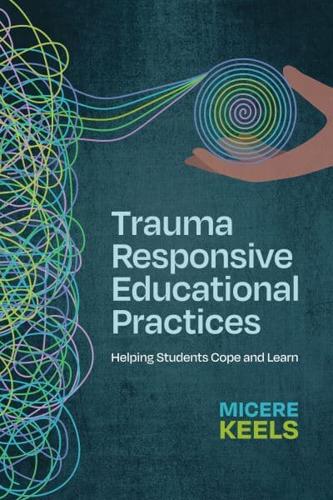
Teaching to Strengths: Supporting Students Living with Trauma, Violence, and Chronic Stress by Debbie Zacarian, Lourdes Alvarez-Ortiz and Judie Haynes
This strength-based book focuses on pupils affected by trauma, violence or chronic stress, including multilingual learners and students whose lives are shaped by social disadvantage. The authors emphasise assets, belonging, participation and the classroom conditions that support learning. It provides useful material for teachers and staff teams discussing inclusive practice and ways of recognising pupils’ strengths alongside the challenges they may be experiencing.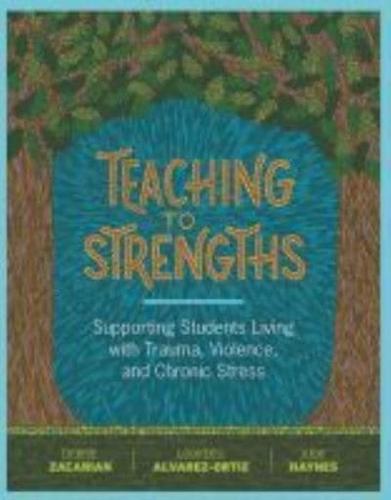
Equity-Centered Trauma-Informed Education by Alex Shevrin Venet
Alex Shevrin Venet places equity at the heart of trauma-informed education and explores how poverty, disability, race, power and institutional responses can shape pupils’ experiences of safety and belonging. The book encourages staff teams and leaders to examine school structures as well as individual classroom practice. Its analytical and discussion-led approach makes it particularly useful for professional learning around inclusion, belonging and equitable approaches to supporting pupils affected by trauma.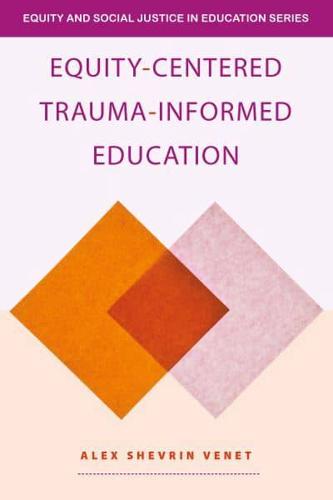
Trauma-Sensitive Literacy Instruction: Building Student Resilience in English-Language Arts Classrooms by Rachelle S. Savitz and Britnie Delinger Kane
Rachelle S. Savitz and Britnie Delinger Kane explore trauma-sensitive literacy instruction through texts, classroom discussion, participation and relationships. The book considers ways English teachers can acknowledge trauma while creating supportive learning experiences around reading and writing. Its subject-specific focus makes it particularly useful for English departments, reading leads and literacy teachers interested in how text choice, discussion and classroom culture can contribute to resilience and engagement.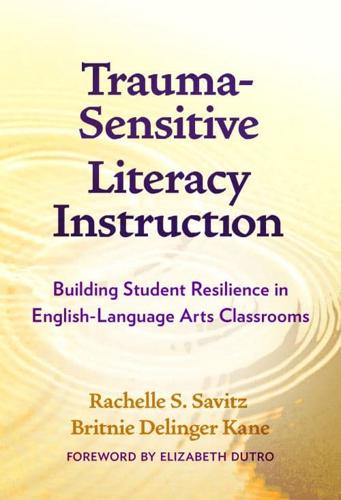
Reaching and Teaching Children Who Hurt: Strategies for Your Classroom by Susan E. Craig
Susan E. Craig focuses on teaching decisions that can help pupils affected by trauma remain engaged with learning. The book considers adaptations to instruction, supportive relationships, positive behaviour approaches and the ways trauma can influence attention, participation and classroom behaviour. Its practical classroom focus makes it particularly useful for teachers and inclusion staff looking for strategies that connect emotional safety, engagement and everyday teaching practice.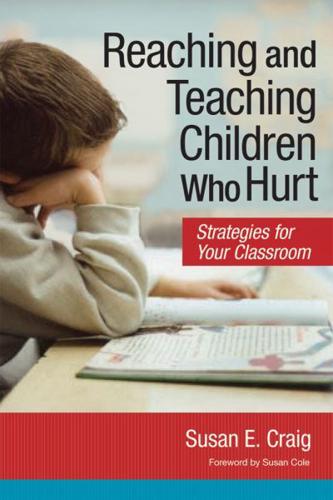
Books on Trauma-Informed Teaching Resources
- NEU: Trauma-informed practice and approach – Practical union guidance explaining trauma-informed practice, with links to the Little Book of Trauma-Informed and related advice for UK education staff.
- Mental health and behaviour in schools – Department for Education advice for England on whole-school culture, the relationship between mental health and behaviour, identification and support.
- Education Endowment Foundation: Improving Behaviour in Schools – Evidence-informed guidance on understanding pupils, classroom management and consistent school-wide approaches.
- UK Trauma Council – Free resources for school and college communities, including guidance on traumatic bereavement, critical incidents and understanding childhood trauma.
- Anna Freud: Traumatic bereavement resources – Animations, written guidance and practical tools for education professionals supporting children and young people after traumatic bereavement.
- Trauma-informed Lancashire resource library – Free briefings and materials covering trauma-informed practice in education settings, implementation, language and trauma-informed spaces.
Click the button below to purchase all of the books in this Books for Teachers about Trauma-Informed Teaching guide from Amazon.
Buy from Amazon.co.ukDisclosure: as an Amazon Associate, School Reading List earns from qualifying purchases.