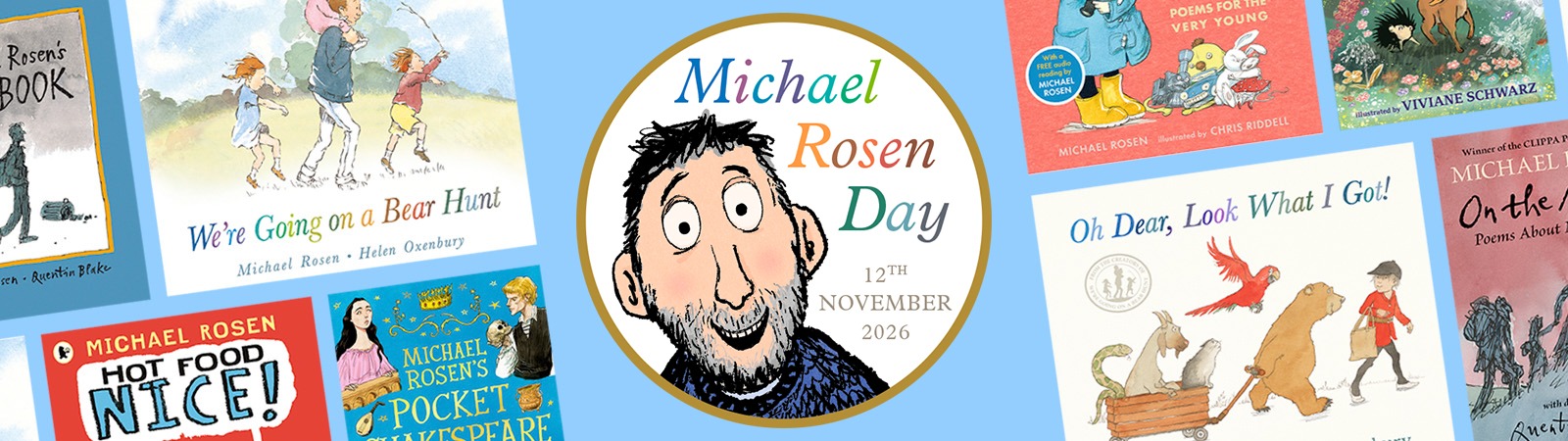
Michael Rosen Day gives schools a ready-made reason to listen to, perform and write poetry. The third annual celebration takes place on Thursday 12 November 2026. Walker Books and Read for Good’s free online Poetry Party runs from 10am to 10.50am, is recommended for pupils aged 5 to 12, and this year’s theme is Silly School Stuff. Schools can find event details, registration and free resources on the Michael Rosen Day page.
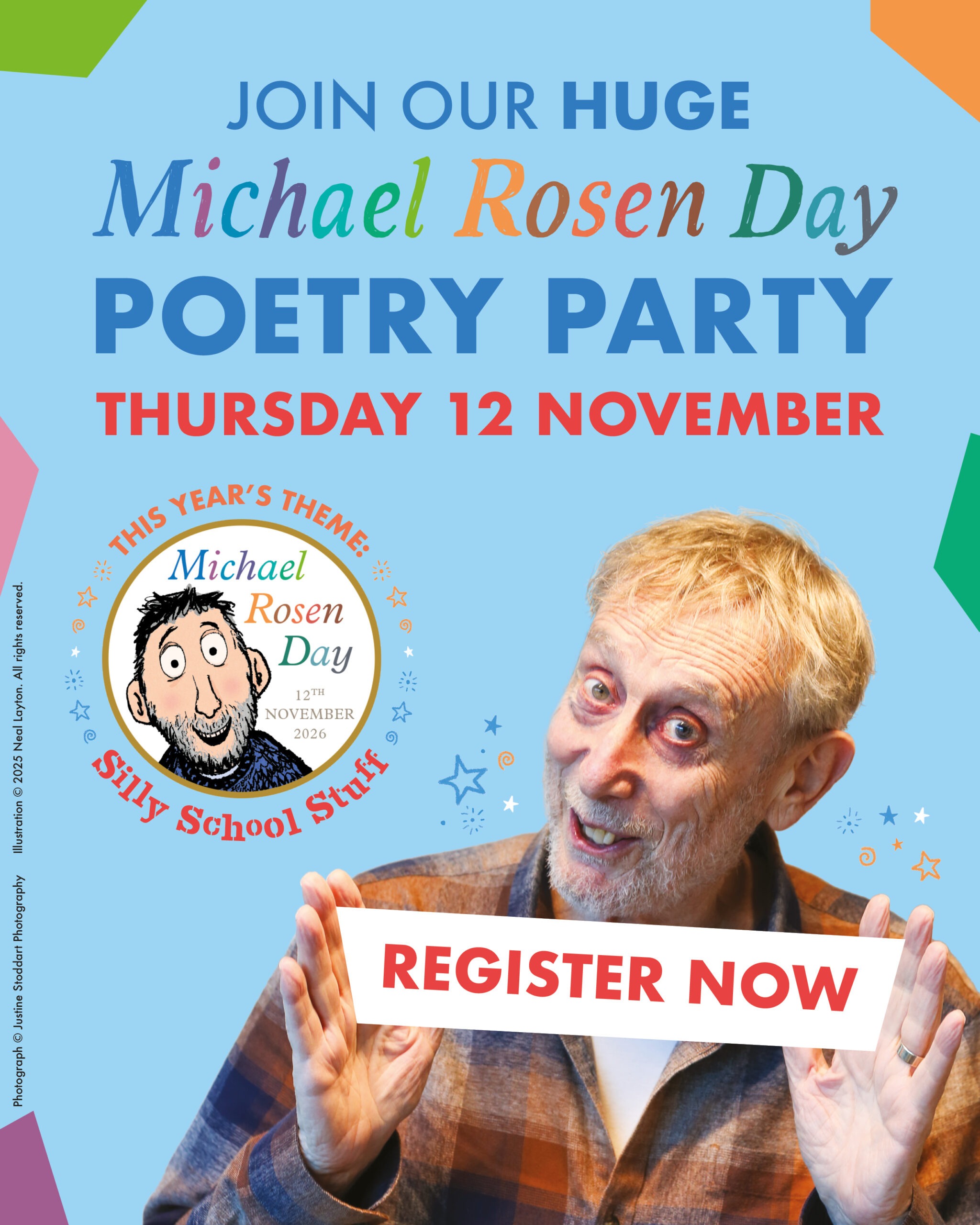
There is an extra milestone to celebrate this year: Rosen turned 80 and won the 2026 Hans Christian Andersen Award for Writing, the highest international distinction awarded by IBBY to authors of children’s books.
For schools, this celebration day can be a starting point for making poetry enjoyable and accessible, then giving pupils more chances to read and share it throughout the year.
Why Michael Rosen Day matters in 2026
The latest National Literacy Trust survey draws on responses from 125,375 children and young people aged 5 to 18. Among 8 to 18-year-olds, 36.1% said they enjoyed reading in their free time, up from 32.7% in 2025. Daily reading among this age group also rose, from 18.7% to 20.3%. Among 5 to 8-year-olds, reading enjoyment dipped slightly, from 62.6% to 61.6%. The Trust also found that the gap in reading enjoyment between 8 to 18-year-olds receiving free school meals and those not receiving them widened in 2026. These self-reported findings provide useful UK-wide context for schools’ own reading-for-pleasure work.
Michael Rosen Day takes place during the UK-wide National Year of Reading and picks up its Go All In message, which encourages people to connect reading with their interests. The schools programme encourages settings to build reading into classrooms and communities. A poetry celebration can contribute to that work, especially when pupils have a say in what they read and hear beyond the event itself.
In England, the English curriculum gives the day a natural classroom connection. At Key Stage 1, pupils hear, discuss and express views about poems, learn to appreciate rhyme and recite poems. At Key Stage 2, pupils listen to and discuss a wide range of poetry, prepare poems to read aloud and perform, and explore how language contributes to meaning. In Years 5 and 6, they also learn a wider range of poetry by heart. The Department for Education’s Reading Framework, updated to cover pupils up to Year 9, is non-statutory guidance that includes developing a reading-for-pleasure culture. The event can sit alongside curriculum work on spoken language, reading and writing.
What schools can expect
The 50-minute livestream features Rosen performing poems, including No Breathing in Class and Dinner Disaster, and answering pupils’ questions.
382,000 children were registered to take part in the 2025 event, and one class at VHS International Primary School said pupils went on to read poetry books to one another and choose poetry for their own reading time. This gives a first-hand example of how one class responded after the event.

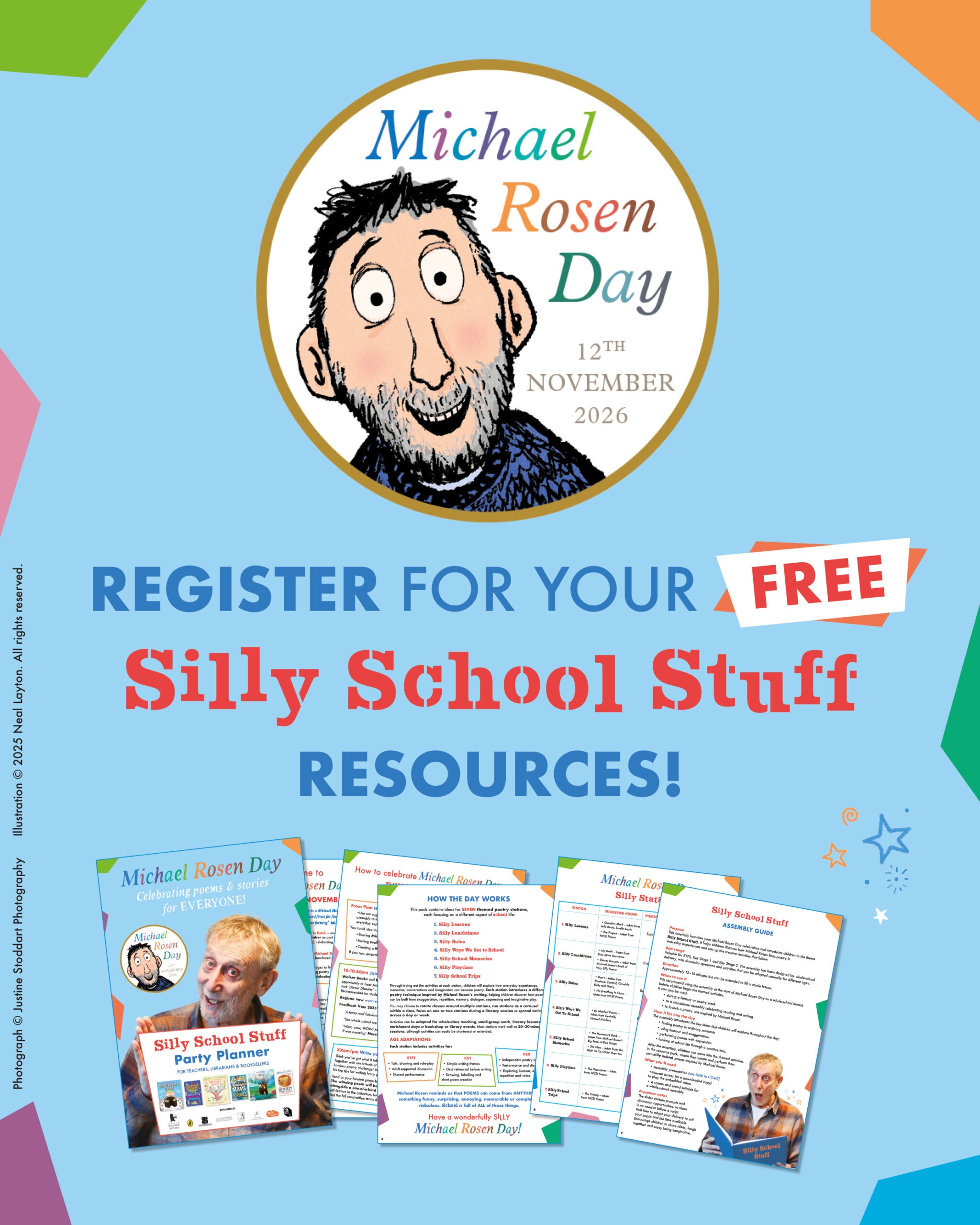
Walker Books offers a free Poetry Party Planner for schools, libraries and bookshops, with ideas for settings from pre-school to early secondary. There is also a separate family planner.
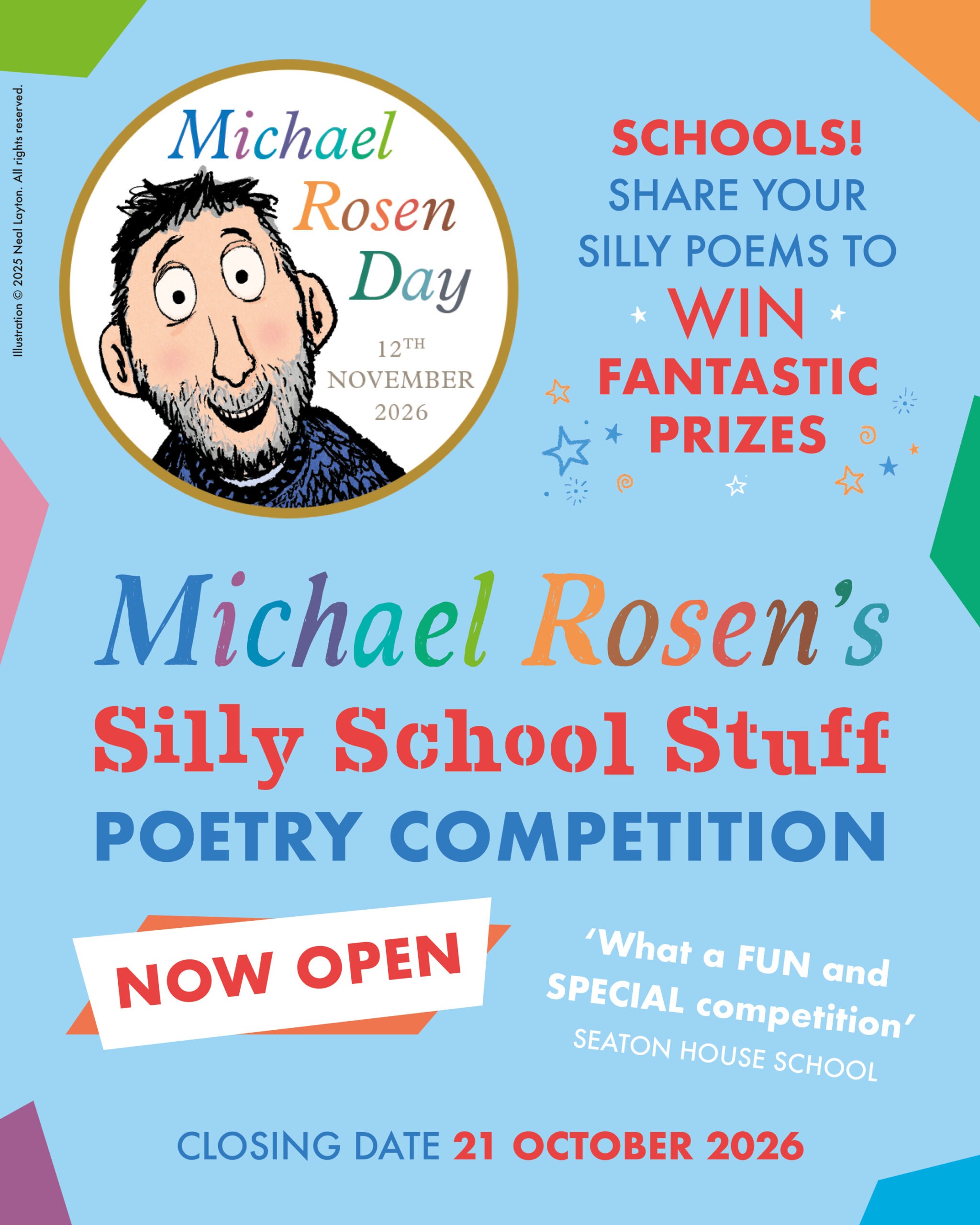
The 2026 competition invites pupils to write a poem about Silly School Stuff. Entries must be no longer than 100 words. There are two age groups, Years 1 to 3 and Years 4 to 7.
The closing date is Wednesday 21 October 2026. Schools should check the competition details and terms before submitting entries. Entries require a pupil’s first name, surname and year group, and winning poems may be republished by Walker Books.
Our ideas for schools: a practical plan that fits the school day
Register for the livestream and plan competition entries
Ask one English lead, librarian or literacy coordinator to organise registration and share the dates with colleagues. Each device used to watch the livestream needs its own registration, so classes watching on separate screens need separate registrations. Use existing English, literacy or tutor time to fit the event into the school timetable.
Use an existing poetry lesson to explore the competition theme. Pupils might start with an absurd school rule, a strange lunch or an impossible school trip, then write independently, with a partner or as a class. Invite everyone to write or share a poem, with each pupil choosing whether to enter the competition. Schools should check the current competition terms before selecting and submitting entries. Pupils can also prepare a question for Rosen as part of their registration.
On 12 November, let pupils take part in different ways
Introduce the theme and livestream without requiring every pupil to perform publicly. Pupils can listen, join in as a class, submit a question or respond afterwards by choosing a line, sound or image they enjoyed. A school or public library could set up a small display, while a bookshop or local librarian might suggest collections for pupils who want to read more. Families can use the free planner at home.
The event is recommended for ages 5 to 12, making it a good fit for primary schools and some Year 7 groups. For older secondary pupils, teachers can extend the theme through spoken-word writing or student-led performance, with poems and formats that suit their age and interests.
Give pupils a choice of ways to take part: listening, drawing, paired or group writing, supported writing, speaking or performance. Provide printed material and time to prepare where useful. Pupils with speech, language or communication needs can take part through roles that work for them. Check the organisers’ current arrangements in advance if a pupil needs an accessible format or extra support to follow the livestream.
After the livestream, keep poetry in circulation
Share a poem regularly during an existing class reading slot, tutor period or library visit. Invite pupils to recommend poems and keep a class collection of favourites to revisit. School Reading List has poetry suggestions for ages 5 to 7, poetry books for ages 7 to 11 and a page of Michael Rosen books and resources.
The Open University and UK Literacy Association’s Teachers as Readers research highlights the value of teachers’ knowledge of children’s books, pupil choice and conversation about reading. Over a year, researchers followed 43 teachers in 27 schools across five areas of England. They found that teachers who broadened their knowledge of children’s literature and paid closer attention to pupils’ reading practices developed stronger reading-for-pleasure teaching and communities of readers.
A published case study from Provost Williams CE Primary shows how regular poetry sharing can work in practice. In 2022-23, the one-form-entry school, with around 186 pupils, read poems aloud in classes at least twice a week, invited informal responses and began a class poetry book for collecting favourites. In a pupil quiz, the number naming poetry as a favourite text type rose from one to two. Staff in Years 3, 5 and 6 also reported that pupils began asking to hear poems. Across the wider reading-for-pleasure project, the proportion of pupils who listed teachers and friends first when asked who they talked about books with rose from 19% to 52%.
The case study records results from a wider school project, with staff absence and other changes affecting how consistently activities ran. Its figures offer a school-level account of the reported work and responses. For more follow-on ideas, see School Reading List’s guide to reading-for-pleasure actions for schools.
Include older pupils, families and pupils who face barriers
Offer a range of poems and ways to participate, then let pupils choose what suits them. Humour and performance can appeal to some pupils, while others may prefer listening, browsing a different collection or writing privately. Use books already available in school and public libraries, and involve pupils in choosing what is displayed or read. The National Year of Reading’s “Go All In” approach includes poetry alongside fiction, non-fiction, comics, magazines, graphic novels and audiobooks.
For state-funded secondary schools in England with pupils in Key Stages 3 and 4, the Department for Education’s 2026 reading-materials offer provides another route to broaden access. The £5 million programme allocates between £450 and £1,400 per eligible school, weighted by size and disadvantage, for reading-for-pleasure materials. Schools can choose relevant titles and formats, including accessible materials, based on pupils’ interests. Orders must be placed by 31 March 2027. The allocation is for reading-for-pleasure materials; the guidance excludes lesson resources and English class-set texts. See the full DfE guidance for secondary schools.
Parents and carers can be invited through the school’s usual newsletter or messaging system, with the family planner offered as an optional activity. Governors or trustees could attend an existing sharing assembly or ask pupils what they enjoyed and what they would like to read next. A local library can contribute recommendations or a display through its existing service.
Review the response using evidence schools already collect
After Michael Rosen Day, ask pupils which poems they enjoyed and whether they would like to read or hear more. Ask them before the event and again a few weeks later to see whether their answers change. Note which classes signed up and took part, and whether pupils borrow or browse more poetry. A few pupil comments or examples of their work will give senior leaders and governors a sense of how the day went. Use pupils’ suggestions to choose the next poems, collections or activities.
Next steps for schools
- Now: nominate a coordinator, register each viewing device and share the date through existing school channels.
- By 21 October: decide whether to include the optional competition in a normal poetry lesson and check the current entry terms before submitting poems.
- On 12 November: set aside 10am to 10.50am for the livestream and offer pupils more than one way to take part.
- After the event: keep a poem-sharing slot in an existing routine and review pupil feedback or library use after a few weeks.
Michael Rosen Day offers a lively way to bring poetry into the National Year of Reading. Schools can carry that energy into everyday classroom life through poems pupils choose to revisit, collections they want to explore and conversations about reading.