Space and the universe books for children and teens
Children’s and teen books about space open up a universe of planets, stars, astronauts and extraordinary journeys. Some stick to the science, while others let imagination take over. Either way, they spark curiosity, build vocabulary and make complex ideas easier to grasp. Best of all, they encourage young readers to look beyond everyday life and wonder what might be out there. This list features books by Tim Peake, Maggie Aderin-Pocock, Neil deGrasse Tyson, Chris Hadfield, Margot Lee Shetterly, Pippa Goodhart, Louie Stowell, Isabel Thomas, Katie Mack, and Chanda Prescod-Weinstein.
Space and the universe books for children and teens – our recommendations
Space and the universe picture books – our recommendations
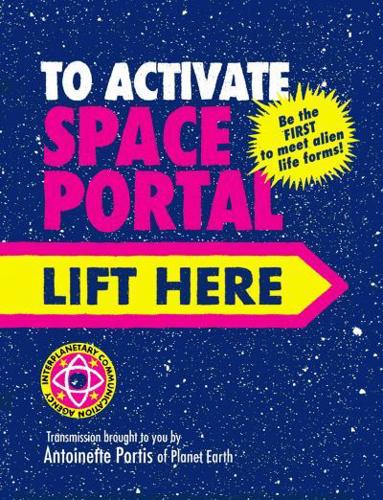
To Activate Space Portal Lift Here by Antoinette Portis
Open the cover and suddenly Zrk and Blrg are staring right at you, eager to check your teeth, quiz you about “Planeturth”, and call in their friends before the lights cut out. Every page feels like they are speaking straight to you, with flashing buttons and a cosmic portal that could snap shut at any second. Antoinette Portis keeps the pace playful and slightly anarchic, so bedtime or storytime turns into more of an otherworldly adventure than a quiet read! Highly recommended, this uniquely bold alien and space-themed picture book is perfect for imaginative 4+ year olds.
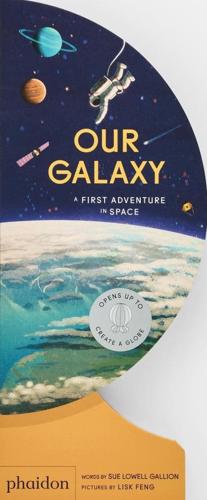
Our Galaxy: A First Adventure in Space by Sue Lowell Gallion, illustrated by Lisk Feng
Rhyming text and a circular design introduce planets, distant stars and the Milky Way in a form that folds back into a freestanding globe. Extra factual text adds rockets, rovers and other ways people investigate space, giving adults plenty to discuss during shared reading. Perfect for 2-6 year olds, it works both as an accessible first astronomy book and as a super-appealing object to handle and revisit.
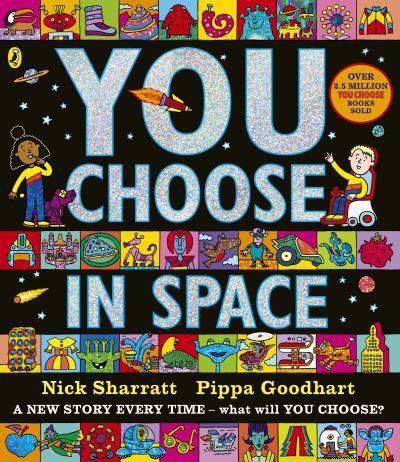
You Choose in Space: A new story every time – what will YOU choose? by Pippa Goodhart, illustrated by Nick Sharratt
Which alien will become your friend, what will you eat for lunch and where will your journey take you next? Each spread offers new choices, so children can build a different space story every time they open the book. EYFS children can point, talk, imagine and invent, with Nick Sharratt’s vibrant illustrations supplying plenty of fun possibilities for independent storytelling or group discussion.
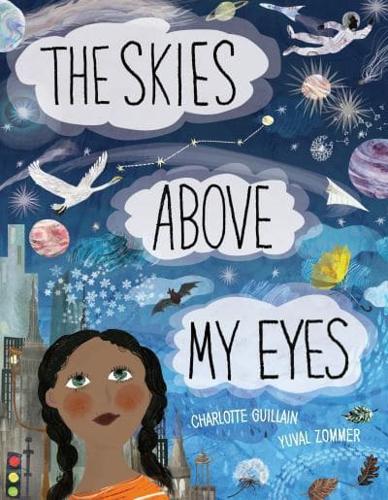
The Skies Above My Eyes by Charlotte Guillain, illustrated by Yuval Zommer
Starting at ground level, a spectacular fold-out journey climbs through the layers of the sky, passing familiar sights before reaching aircraft, satellites and the vastness beyond Earth. The long concertina format gives children a striking sense of height and connection between each level. 4-7 year olds will love Yuval Zommer’s detailed scenes, which offer an inviting and highly immersive way to explore what can be seen above us.
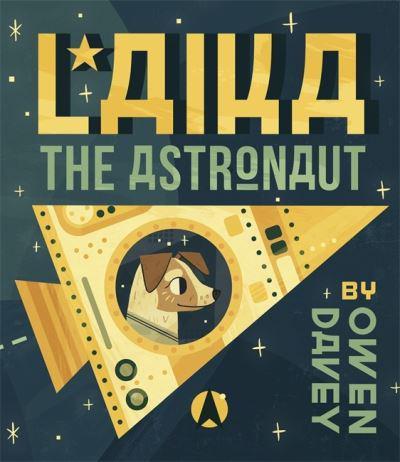
Laika the Astronaut by Owen Davey
A stray dog living on the streets of Moscow is chosen for the Soviet space programme and launched into orbit. Owen Davey begins with the real story of Laika, then imagines a gentler alternative ending in which her disappearance leads to a loving new home on a distant planet. His distinctive illustrations balance loneliness, adventure and hope, making this a striking picture book. Perfect for 0-5 year olds, it offers a visually accessible starting point for conversations about early space exploration and how animals were involved.
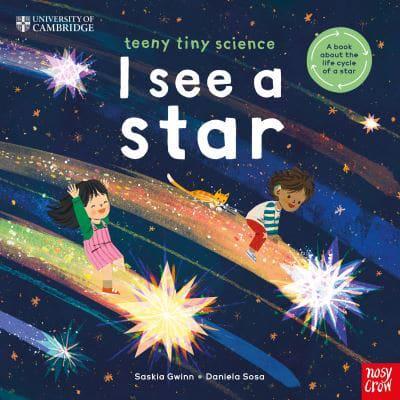
I See a Star by Saskia Gwinn
Two children and their cat act as guides, moving from drifting space dust to the explosive end of a supernova in Saskia Gwinn’s immersive picture book that’s ideal for early years learning. 3-5 year olds will be engrossed by the vast scale of the universe and the familiar view of stargazing at home. Developed with Cambridge astronomer Dr Matthew Bothwell and illustrated by Daniela Sosa, this brightly illustrated large-format paperback links scientific accuracy with accessible narrative and visual explanation. Highly recommended.
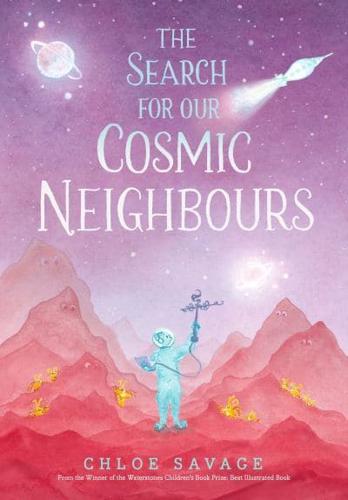
The Search for Our Cosmic Neighbours by Chloe Savage
Commander Julia and her crew spend ten years crossing space with their loyal dog, Khan, hoping to find life beyond Earth. They hop between planets and moons, each with its own quirks, until they finally meet a welcoming alien species. Chloe Savage mixes story and science, using accessible cross-sections and effortlessly engaging artwork to show how the crew lives on their ship and adapts to new worlds. For 3–7-year-olds, it’s a warm-hearted, STEM-inspired look at exploration, teamwork and meeting cultures unlike your own. Highly recommended.
Space and the universe books for 7-12 year olds – our recommendations
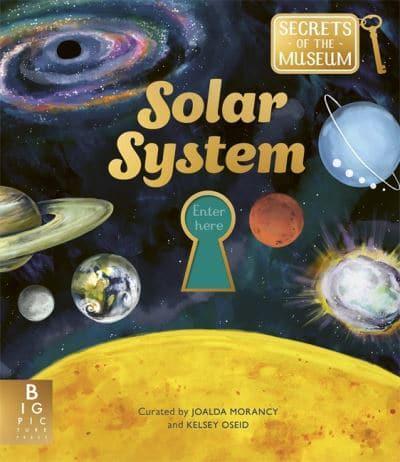
Secrets of the Museum: Solar System by Joalda Morancy, illustrated by Kelsey Oseid
A curious curator guides intrepid 7+ year olds on a gripping journey through the solar system, from fiery planets and icy moons to comets and the asteroid belt. Readers will discover all eight planets and learn how they formed, while clues and questions hidden throughout the pages can be solved to reveal a mystery message at the end. It’s the perfect format to engage LKS2 readers and inspire children interested in the universe and stars above. Highly recommended.
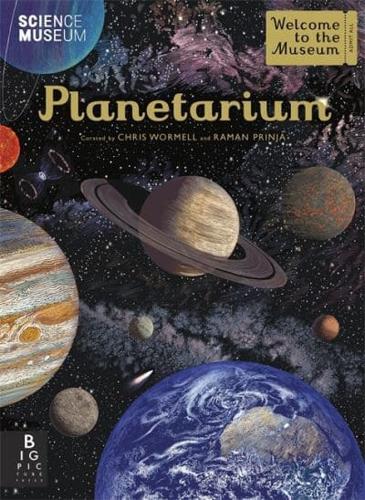
Planetarium by Raman Prinja, illustrated by Chris Wormell
Arranged as a museum that is always open, this spectacular large-format book presents galleries on the Sun and Solar System, the lives of stars, the Milky Way and the Universe beyond. Raman Prinja’s explanations are paired with Chris Wormell’s astronomical artwork throughout the 112-page exhibition. Following the Welcome to the Museum format, each area of space is explored in its own illustrated gallery. It’s ideal to inspire 9-12 year olds and perfect for KS2 and KS3 libraries. Highly recommended.
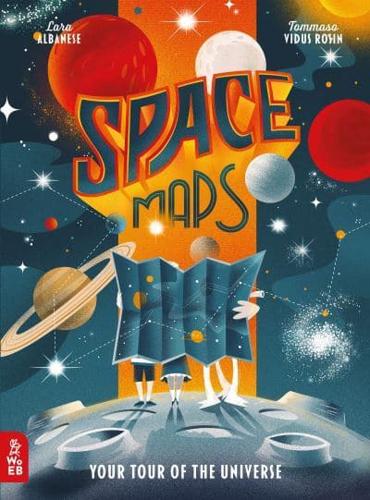
Space Maps: Your Tour of the Universe by Lara Albanese, illustrated by Tommaso Vidus Rosin
Twenty-four large-scale maps carry readers from familiar constellations through the Solar System and far beyond the reach of the naked eye. Along the way, the book explores cultural star patterns, planets, galaxies and the rockets, probes and telescopes used to study them. 8+ year olds will appreciate the large format spreads, labelled artwork and bite-sized facts, whether browsing independently or sharing discoveries in class. Highly recommended.
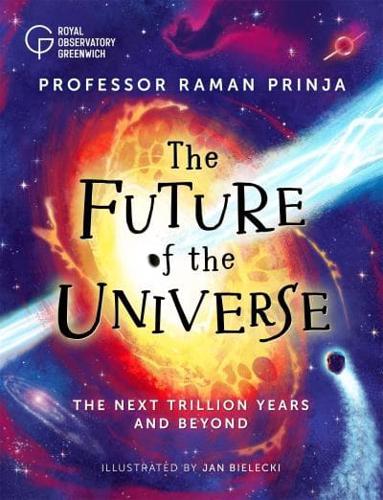
The Future of the Universe by Raman Prinja, illustrated by Jan Bielecki
Beginning in the present day, a forward-moving timeline shows what scientists predict will happen across the next trillion years and beyond. Famous comets return, Mars gains a new ring, Earth’s axis flips and galaxies crash together before this inspirational book reaches the dark end of the Universe, a nonillion years from now. Intrepid readers can follow these events in chronological order, accompanied by Jan Bielecki’s illustrations of red giants, dark energy, doomed moons and trailing comets. It’s ideal for UKS2.
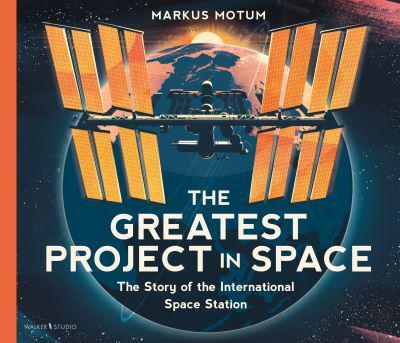
The Greatest Project in Space: The Story of the International Space Station by Markus Motum
A fast-moving point of light in the night sky becomes the starting point for the remarkable story of the International Space Station. Clear diagrams show how separate sections were launched and assembled in orbit, while glimpses of daily routines and scientific experiments reveal what life aboard is really like. Perfectly pitched for 8+ year olds, this is a thoughtful account of international cooperation as well as an accessible introduction to living and working in space.
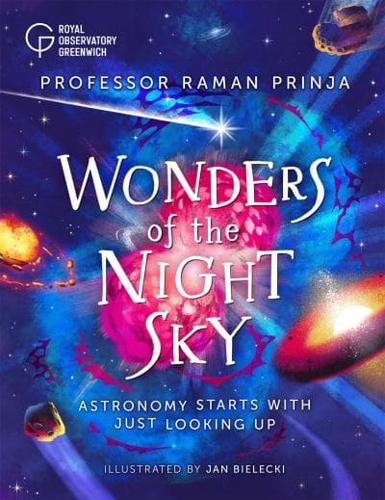
Wonders of the Night Sky by Raman Prinja, illustrated by Jan Bielecki
Celestial objects and phenomena that can be seen in the sky without specialist equipment provide the starting point for this spectacular exploration of astronomy. Raman Prinja explains what these sights are, why they appear as they do and how they connect with the wider science of stars, galaxies and the Universe. Jan Bielecki’s expansive illustrations place each celestial spectacle at the centre of the page, making this a substantial and awe-inspiring introduction to the night sky for readers in Year 3 upwards.
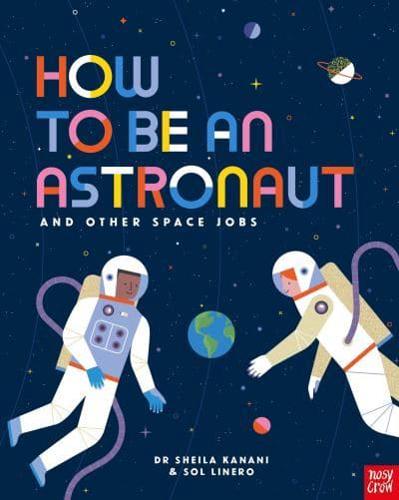
How to be an Astronaut and Other Space Jobs by Dr Sheila Kanani, illustrated by Sol Linero
Training for launch is only one route into the space industry. Children meet flight directors, engineers, planetary scientists, spacesuit designers, astrobiologists and even space chefs, alongside a practical look at weightlessness and life on the International Space Station. The clear explanations and bright illustrations are pitched especially well for KS1 children curious about the many roles and specialists needed to make a mission happen.
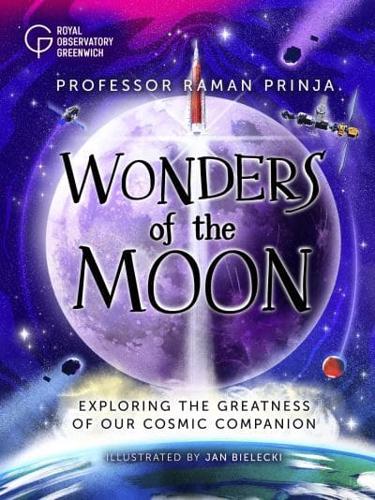
Wonders of the Moon by Raman Prinja, illustrated by Jan Bielecki
From the Artemis missions and spacecraft technology to lunar water ice and proposals for a permanent surface base, this book examines both the science of the Moon and humanity’s plans to return there. The impressive and thorough text includes close-up details of Earth’s cosmic companion alongside the engineering required to reach, explore and potentially live on it. Jan Bielecki’s illustrations cover lunar landscapes, spacecraft and the practical challenges facing the next generation of Moon explorers. It’s perfect for KS2 libraries.
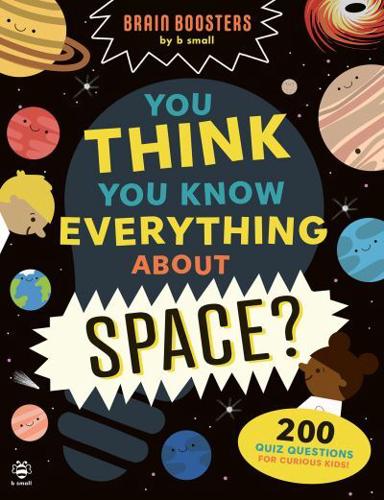
You Think You Know Everything About Space? by Sam Hutchinson
Sam Hutchinson’s space-themed quiz book, with illustrations by Vicky Barker, features 200 questions in a lively game show style. Children can play solo or act as quiz host, scoring 1, 2 or 3 points per answer, with tiebreakers ready for close calls. All the solutions are at the back for quick checking. Part of b small’s brightly illustrated and exciting Brain Boosters series, it is highly recommended for space-inspired 6+ year olds and is ideal for KS1 and KS2 classrooms.
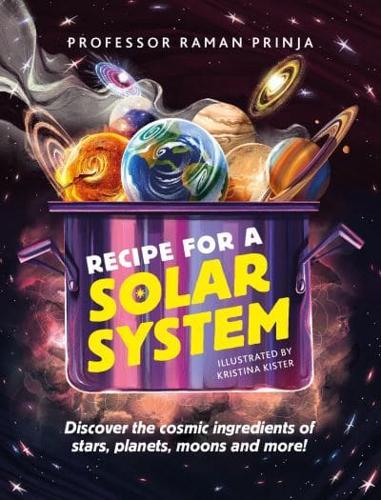
Recipe for a Solar System by Raman Prinja, illustrated by Kristina Kister
Stardust, solar winds, planetesimals and a swirling solar nebula become the ingredients in an astronomical recipe that reconstructs the formation of the Solar System. Perfect for KS2 readers, each immersive stage builds on the last, from an early supernova to the formation of planets, dwarf planets and moons. The book also links ancient impacts with features such as Uranus’s tilted axis and lunar craters, before concluding with a selection of food-based baking recipes.
Exploring the Universe: A Complete Guide to the Cosmos by Isabel Thomas, illustrated by Sara Gillingham
This highly engaging guide to space for KS2 takes young astronomers on a journey from Earth to the edges of the universe. It covers planets, stars, galaxies, black holes, and the tools scientists use to explore them. Packed with facts, diagrams, and clear visuals, it explains how we’ve come to understand space, and what we’re still figuring out. A stunning companion to Exploring the Elements, it’s ideal for curious minds at home or in upper primary classrooms. Highly recommended.

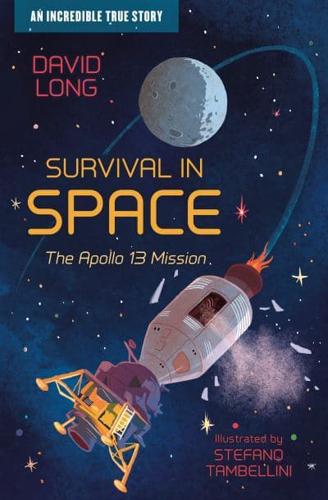
Survival in Space: The Apollo 13 Mission by David Long, illustrated by Stefano Tambellini
David Long brings the dramatic Apollo 13 mission to life, capturing the explosion that turned a planned moon landing into a desperate fight for survival. With clear explanations and short chapters, the book breaks down the astronauts’ challenges and NASA’s ingenious problem-solving. Packed with illustrations, it’s an engaging way for young readers to explore space history – whether they’re diving in solo or discussing it in class. A gripping introduction to one of NASA’s most famous near-disasters.
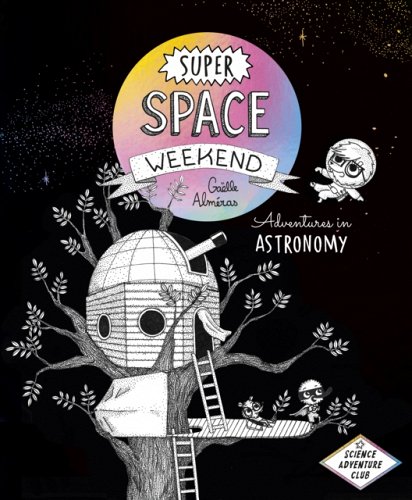
Super Space Weekend: Adventures in Astronomy by Gaëlle Alméras
Squeak, Orni and Castor watch the stars from a treehouse observatory in this winning combination of graphic novel story and short but stunning bursts of STEM concepts. Super Space Weekend doesn’t simplify complex ideas, and instead presents them cleverly through the characters’ conversations, with Squeak, Orni and Castor asking and answering insightful questions. Endorsed by top astrophysicist Hélène Courtois, it’s perfect for children aged 7-12 who are interested in the stars, space exploration and the universe. Highly recommended. Read our full review.
Big Questions about the Universe by Alice James and Alex Frith
When experts at London’s Royal Observatory collected the most interesting ‘big questions’ children had asked, topics included the solar system, how stars were formed, how people can live and travel in space and how much we know about our existence and the universe. This book helps to answer these questions, and more, in a brightly illustrated hardback that’s jam-packed with short bursts of facts, details and ideas to spark the imagination. Refreshingly ambitious, and not simplified in any way, Big Questions about the Universe is highly recommended for KS2 libraries and extension reading for greater-depth students.

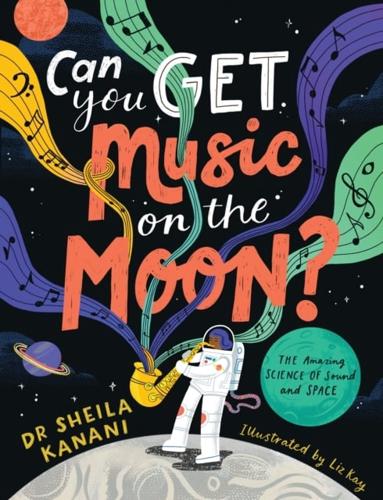
Can You Get Music on the Moon?: The amazing science of sound and space by Sheila Kanani, illustrated by Liz Kay
From everyday headphones and animal calls to thunder, earthquakes and the silence of space, young scientists are invited to investigate how sound travels and what happens when there is no air to carry it. Questions about other planets and the Moon turn familiar experiences into clear, memorable science. Liz Kay’s lively illustrations make this an absorbing choice for 8-12 year olds who enjoy asking how the universe works.
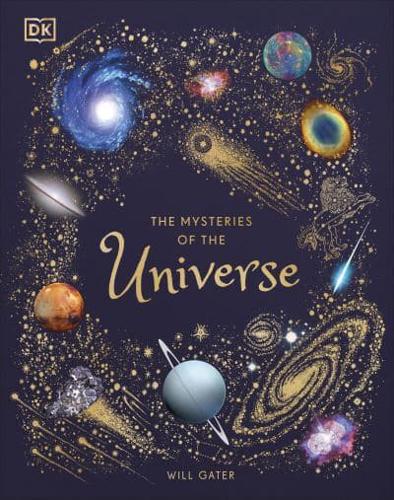
The Mysteries of the Universe: Discover the best-kept secrets of space by Will Gater, illustrated by Angela Rizza and Daniel Long
One hundred extraordinary objects provide stopping points on a journey from nearby planets and asteroids to remote galaxies and black holes. Photographs sit alongside detailed illustrations, while short sections mix scientific discoveries with myths, records and intriguing puzzles. Ideal for 6-9 year olds who like to dip in and out of non-fiction, the book rewards close looking and repeated browsing.
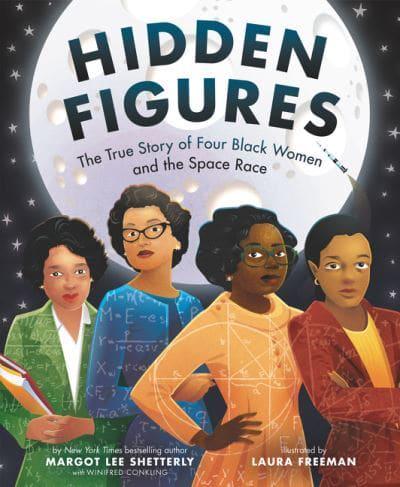
Hidden Figures: The True Story of Four Black Women and the Space Race by Margot Lee Shetterly with Winifred Conkling, illustrated by Laura Freeman
Four gifted women use their mathematical and engineering skills to help NASA achieve major breakthroughs. Dorothy Vaughan, Mary Jackson, Katherine Johnson and Christine Darden work through the Second World War, the Civil Rights era and the Space Race while confronting racial and gender discrimination. Young readers aged 4-8 are given an accessible and engaging account of complex history that never loses sight of the women’s individual work and achievements.
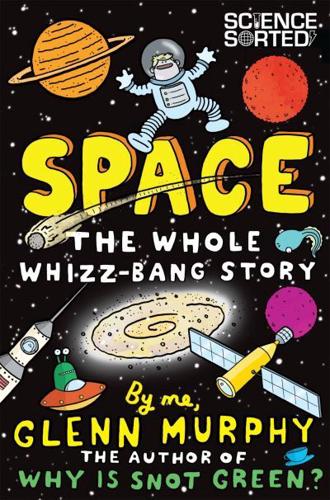
Space: The Whole Whizz-Bang Story by Glenn Murphy, illustrated by Mike Phillips
Black holes, red dwarfs, eclipses, solar flares and the difference between stars and planets are tackled through direct questions, quick explanations and comic doodles. The humour keeps the pace brisk, but the science ranges widely across astronomy and space exploration. LKS2 children will find plenty to puzzle over, laugh at and return to.
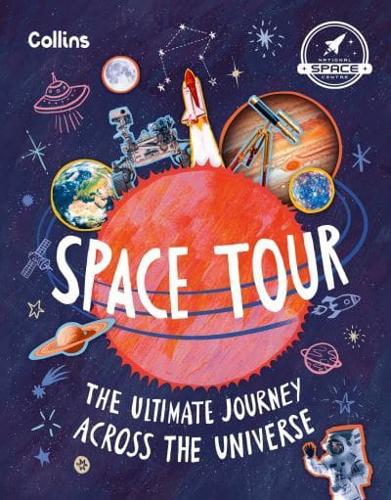
Space Tour by Collins Kids and The National Space Centre
Space Tour, written by the National Space Centre, invites children aged 9+ to take a cosmic journey using maps, images, and bite-sized facts. Planets, stars, and space missions are introduced in the style of a travel guide, turning the Universe into a grand tour. Clear and easy to follow, the book provides a lively, fact-packed introduction to astronomy and the vast cosmos beyond. Highly recommended for KS2.
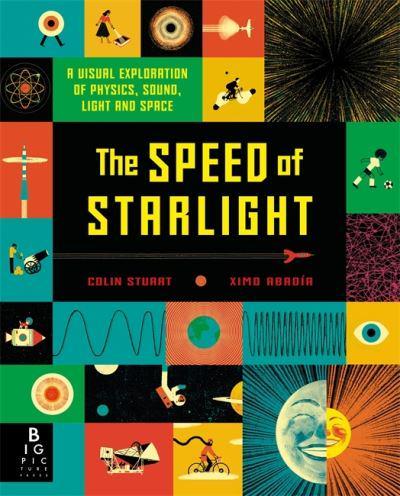
The Speed of Starlight: How Physics, Light and Sound Work by Colin Stuart, illustrated by Ximo Abadía
Sonar, colour, the speed of light and basic quantum physics are brought together in four sections covering physics, sound, light and colour, and space. Large pages and Ximo Abadía’s surreal illustrations help turn difficult ideas into images readers can grasp. For 9-12 year olds ready to move beyond elementary space facts, this is an ambitious visual introduction to the forces and waves shaping the universe.
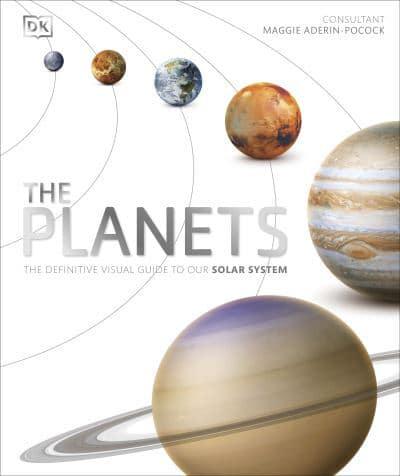
The Planets: The Definitive Visual Guide to Our Solar System by DK
Layered 3D globes, terrain models and detailed photographs reveal the Solar System from the Sun and rocky inner planets to distant Neptune. Missions, moons, asteroids and comets receive their own coverage, while timelines and infographics place discoveries in context. Space enthusiasts aged 7-12 can examine planetary surfaces closely and see how information gathered by major space agencies has transformed our understanding of Earth’s neighbours.
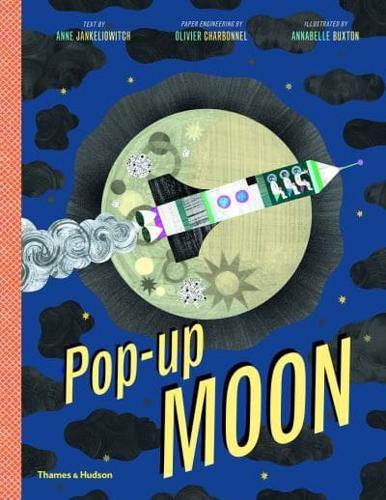
Pop-Up Moon by Anne Jankeliowitch, illustrated by Annabelle Buxton, paper engineering by Olivier Charbonnel
Open the pages and lunar landscapes rise into view as children investigate where the Moon came from, why its shape appears to change and what causes an eclipse. The Saturn V rocket and the first crewed Moon landing add human exploration to the science. The combination of intricate paper engineering, factual text and dramatic illustrations makes this an highly appealing text for less confident readers in KS2 classrooms.
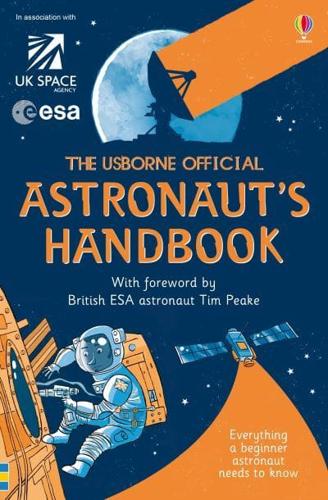
Usborne Official Astronaut’s Handbook by Louie Stowell, illustrated by Roger Simó
Astronaut selection begins long before launch, with demanding tests, simulator work and zero-gravity training before anyone reaches the International Space Station. Practical sections cover spacewalks, daily routines, experiments and even using the toilet in orbit. Aspiring astronauts will enjoy the mixture of serious preparation, unusual details and Roger Simó’s bold and energetic illustrations. Perfect for KS2 libraries.
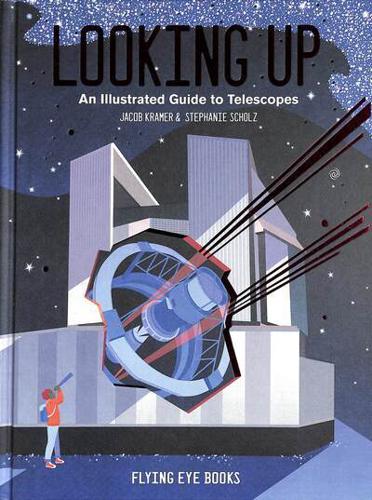
Looking Up: An Illustrated Guide to Telescopes by Jacob Kramer, illustrated by Stephanie Scholz
Giant observatories and ingenious instruments show how people have extended human sight far beyond the naked eye. Cutaway illustrations explain the engineering inside telescopes, while clearly written sections trace their history and the science of light that allows us to study distant stars and planets. A powerful nonfiction text for 7-11 year olds, it connects astronomy with design, technology and the people who explore and innovate.
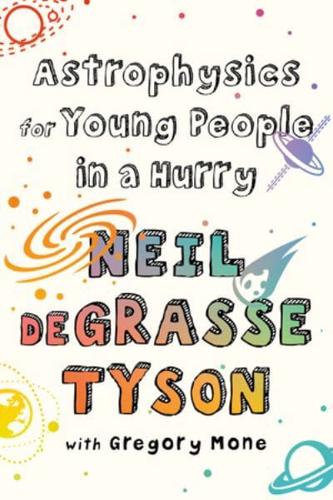
Astrophysics for Young People in a Hurry by Neil deGrasse Tyson with Gregory Mone
Stars, supernovae, dark matter, black holes and the search for extraterrestrial life become manageable subjects in this concise introduction to modern astrophysics. Complex ideas including relativity, the Big Bang and dark energy are explained clearly without stripping away the fascinating questions that scientists are still trying to answer. For 9-12 year olds who want to look beyond basic Solar System facts, it offers an intelligent and engaging route into the workings of the universe.
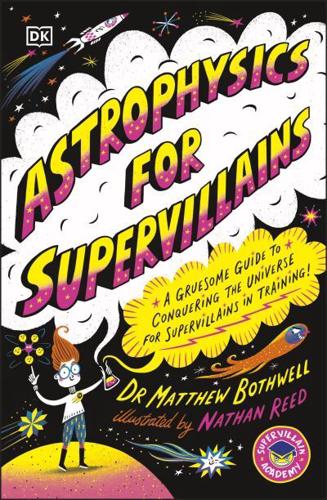
Astrophysics for Supervillains: A Gruesome Guide to Conquering the Universe for Supervillains in Training by Dr Matthew Bothwell, illustrated by Nathan Reed
Could the Moon be crashed into Earth, what would happen if the Sun exploded, and how might a black hole stretch someone into spaghetti? The Supervillain Academy uses deliciously alarming questions to explain genuine science about the Solar System, galaxies and the wider universe. 9-11 year olds will be drawn into the combination of morbid humour, cartoon illustrations and accessible astrophysics, with each chapter connecting its cosmic schemes to scientific ideas studied at school.
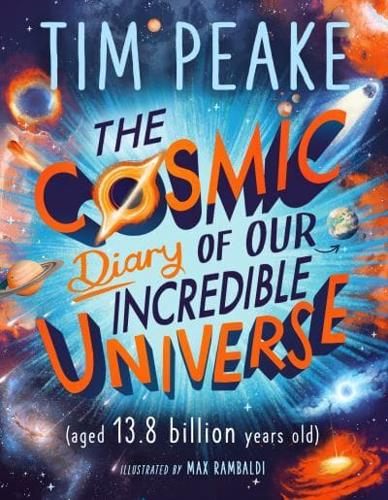
The Cosmic Diary of our Incredible Universe by Tim Peake and Steve Cole, illustrated by Max Rambaldi
How hot was the Big Bang, how are stars formed, and what happens when galaxies collide? Tim Peake guides young space enthusiasts through cosmic history, black holes, dark matter, the possibility of extraterrestrial life and some of the universe’s biggest unanswered questions. Ideal for UKS2, the diary-style presentation, lively illustrations and conversational explanations make enormous distances and timescales both accessible and relatable.
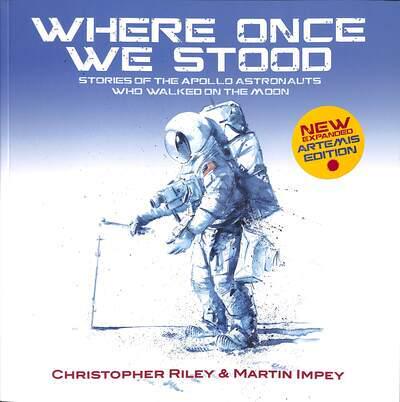
Where Once We Stood: Stories of the Apollo Astronauts Who Walked on the Moon – Expanded Artemis Edition by Christopher Riley, illustrated by Martin Impey
Words spoken by the Apollo astronauts on the lunar surface sit alongside Martin Impey’s stunning paintings, giving a vivid sense of what it felt like to live and work on another world. This expanded Artemis edition adds three new artworks and an epilogue drawing on Christopher Riley’s interviews with the Artemis 2 crew, connecting the historic Moon landings with the next chapter of lunar exploration. For 10+ year olds, this striking blend of first-hand testimony, art and space history is ideal for close browsing at home or in the classroom. It’s perfect for KS2 and KS3 libraries.
Space and the universe books for teens – our recommendations
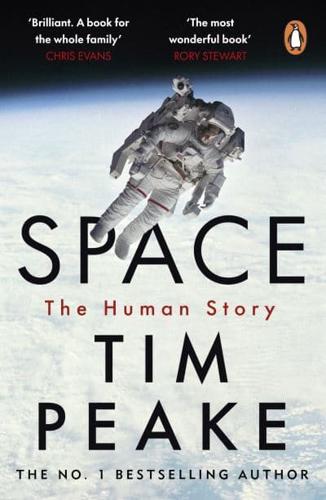
Space: The Human Story by Tim Peake
From Yuri Gagarin and Valentina Tereshkova to Neil Armstrong and Peggy Whitson, the people who have left Earth form the centre of this history of human spaceflight. Training, launch, weightlessness, danger, re-entry and the difficult return to ordinary life are explored alongside less familiar stories from different space programmes. Tim Peake combines extensive research with an astronaut’s practical understanding of the physical pressures, personal sacrifices and unexpected humour involved in travelling beyond our planet. Ideal for 14+ year olds.
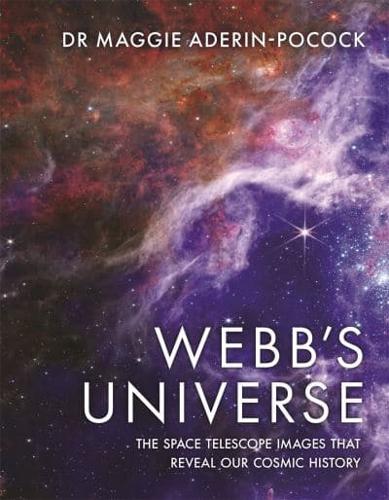
Webb’s Universe: The Space Telescope Images That Reveal Our Cosmic History by Dr Maggie Aderin-Pocock
Images of stellar nurseries, dying stars and distant galaxies reveal how the James Webb Space Telescope is transforming our view of cosmic history. Alongside the striking Webb imagery, clear explanations explore Webb’s engineering, its use of infrared light and the discoveries hidden within each image. Scientifically curious KS4 students will find an accessible introduction to both the telescope itself and the questions its observations are helping astronomers answer.
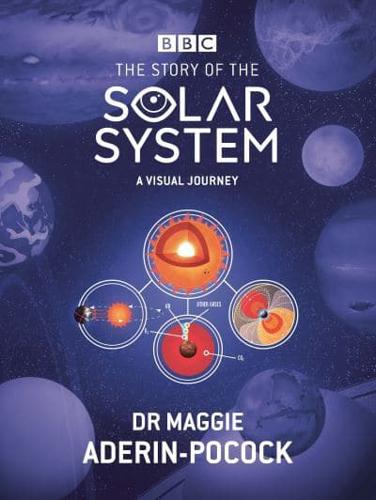
The Story of the Solar System: A Visual Journey by Dr Maggie Aderin-Pocock and Simon Guerrier, illustrated by Emma Price
Why is Pluto no longer considered a planet, could life exist on Mars and what makes Earth so unusual? Colourful infographics give every member of the Solar System a distinct character, from mighty Jupiter to the icy oddity of Uranus. For KS3+ readers this highly visual guide combines current planetary science with an inviting narrative approach that helps explain how Earth fits into its larger cosmic family.
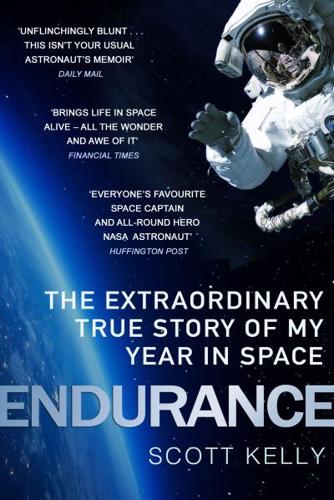
Endurance: A Year in Space, A Lifetime of Discovery by Scott Kelly with Margaret Lazarus Dean
A then record-breaking stay for an American astronaut aboard the International Space Station reveals both the wonder and the strain of long-term spaceflight. Scott Kelly describes weightlessness, physical changes, isolation from his family, cramped communal living and the constant risk posed by equipment failures and space debris. Older teens will gain an unusually candid view of astronaut life, from demanding preparation and daily maintenance to the emotional challenge of being far from Earth when difficulties arise at home.
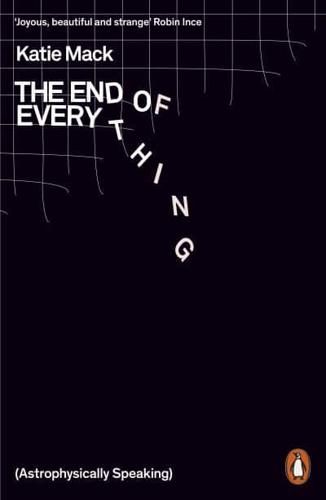
The End of Everything: (Astrophysically Speaking) by Katie Mack
Five possible cosmic endings turn the ultimate question into an entertaining tour of modern physics. The Big Crunch, Heat Death, the Big Rip, Vacuum Decay and a cosmic Bounce each depend on different ideas about matter, energy and the structure of reality. Curious and more confident KS4 readers can explore quantum mechanics, cosmology and string theory through witty explanations that preserve the strangeness of the science without making it needlessly intimidating.
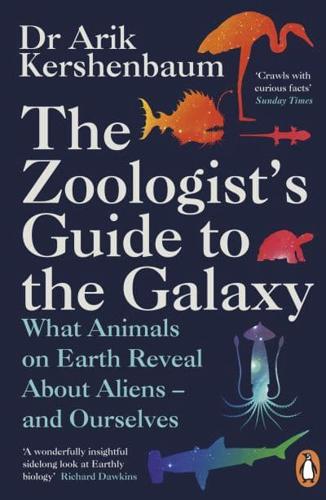
The Zoologist’s Guide to the Galaxy: What Animals on Earth Reveal about Aliens – and Ourselves by Arik Kershenbaum
Evolution on Earth provides a scientific starting point for imagining what genuine extraterrestrial organisms might be like. Animal movement, cooperation, intelligence, language and communication are used to consider which features could emerge elsewhere and which familiar science-fiction creatures make little biological sense. Teens interested in both zoology and astronomy can enjoy a thoughtful investigation that reveals as much about life on our own planet as it does about possible aliens.
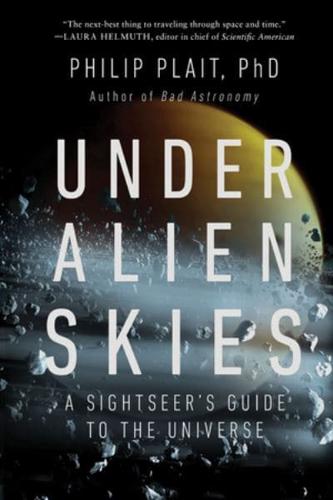
Under Alien Skies: A Sightseer’s Guide to the Universe by Philip Plait
Standing on the Moon, drifting near Saturn or watching stars fill the sky from a distant planet becomes possible through a mixture of established astronomy and carefully controlled imagination. Each excursion explains what a human visitor might see and experience at destinations including Mars, Pluto, a comet and the surroundings of a black hole. Students can use these vivid thought experiments to understand scale, gravity, light and planetary conditions across the universe.
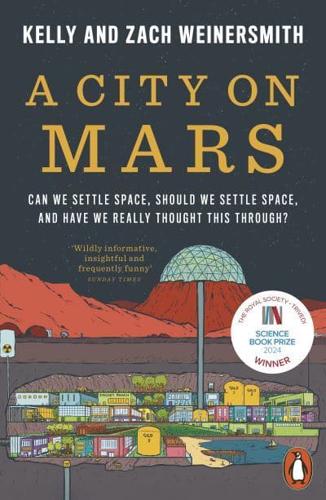
A City on Mars: Can We Settle Space, Should We Settle Space, and Have We Really Thought This Through? by Dr Kelly Weinersmith and Zach Weinersmith
Plans for settlements on the Moon and Mars sound exciting until questions about radiation, reproduction, farming, law, resources and international conflict enter the discussion. Years of research and interviews lead the authors to challenge optimistic claims that thriving off-world cities are almost within reach. A thought-provoking choice for 14+ year olds, the book combines detailed popular science with cartoons and humour while asking whether becoming a multiplanetary species is practical, desirable or safe.
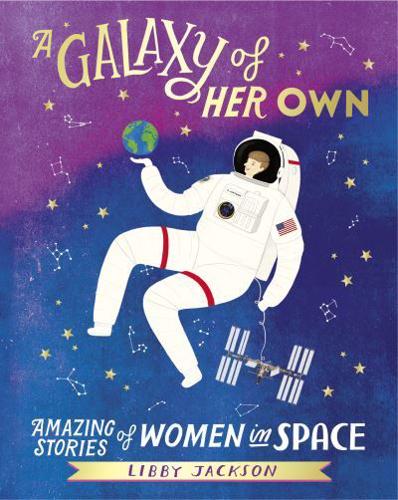
A Galaxy of Her Own: Amazing Stories of Women in Space by Libby Jackson, illustrated by students from the London College of Communication
Fifty short profiles celebrate the women whose ideas, calculations, engineering and courage have shaped human spaceflight. Ada Lovelace appears alongside the women behind the Apollo missions, record-breaking astronauts on the International Space Station and pioneers working towards future journeys to Mars. For 11+ year olds, the varied stories and bold illustrations provide an engaging record of scientists, astronauts and overlooked specialists whose achievements deserve a central place in space history.
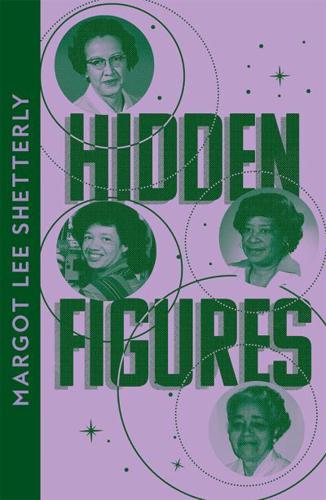
Hidden Figures: The Untold Story of the African American Women Who Helped Win the Space Race by Margot Lee Shetterly
Before electronic computers became standard, Black women mathematicians carried out the calculations behind crucial American aircraft and space missions. Dorothy Vaughan, Mary Jackson, Katherine Johnson and Christine Darden built distinguished careers while confronting segregation and discrimination during the Second World War, Cold War and Space Race. More confident readers aged 14+ can follow this detailed history of intellectual achievement, institutional change and work that helped make landmark NASA missions possible.
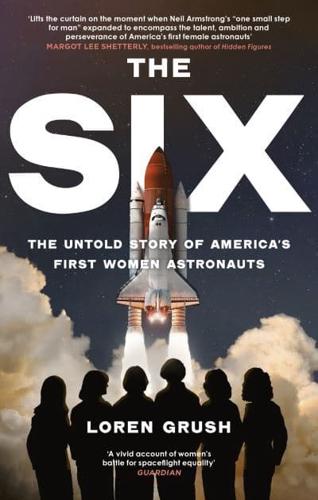
The Six: The Untold Story of America’s First Women in Space by Loren Grush
In 1978, NASA selected Sally Ride, Judith Resnik, Anna Fisher, Kathryn Sullivan, Shannon Lucid and Rhea Seddon as its first women astronaut candidates. Gruelling training, relentless press attention and ingrained sexism followed, but their achievements changed both the space programme and public expectations. This detailed account suits KS4 readers who want to understand more about the personal histories, professional expertise and obstacles behind a breakthrough moment in American spaceflight.
Space and the universe books for sixth formers – our recommendations
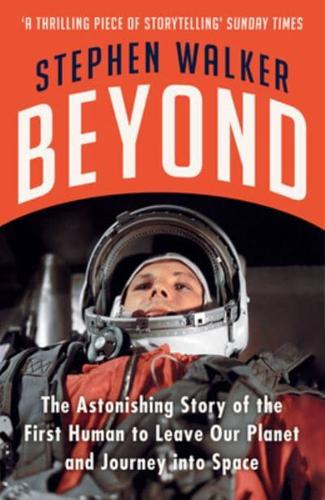
Beyond: The Astonishing Story of the First Human to Leave Our Planet and Journey into Space by Stephen Walker
On 12 April 1961, Yuri Gagarin climbed into Vostok 1 and became first human in space and the first to orbit Earth. The tense events surrounding his flight are reconstructed within the secrecy, political pressure and technical danger of the early Space Race. A demanding but absorbing option for sixth form readers, this account places Gagarin’s historic orbit alongside the engineers, rival cosmonauts and officials involved in one of the twentieth century’s defining achievements.
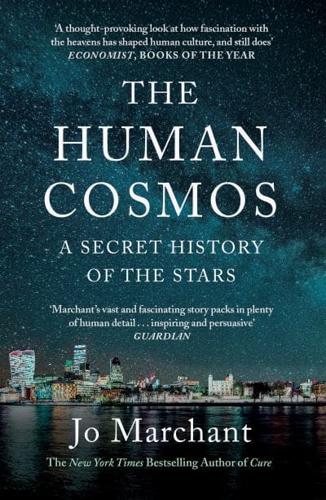
The Human Cosmos: A Secret History of the Stars by Jo Marchant
For thousands of years, the night sky influenced navigation, religion, political power, calendars and humanity’s understanding of time. Journeys to the caves at Lascaux, the ancient tomb at Newgrange and communities navigating by the stars sit alongside discoveries about sunlight, relativity and extraterrestrial life. Sixth-form readers will find a wide-ranging cultural history that asks what modern societies have lost by becoming increasingly disconnected from the heavens.
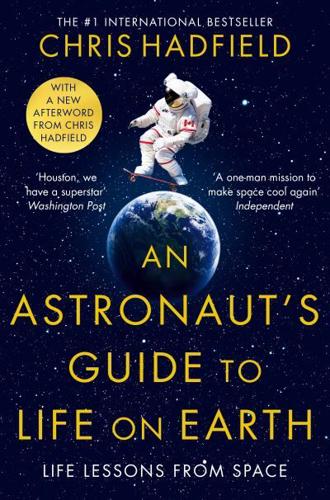
An Astronaut’s Guide to Life on Earth by Chris Hadfield
Nearly 4,000 hours in space gave Chris Hadfield an unusual perspective on preparation, fear, leadership and everyday life. His account moves through launches, spacewalks and emergencies, including temporary blindness outside a spacecraft, while showing why astronauts train repeatedly for events they hope will never occur. For more mature readers this memoir offers a candid look at the discipline behind spaceflight and the practical lessons Hadfield brought back to Earth.
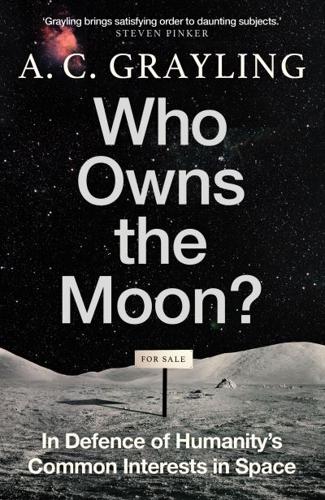
Who Owns the Moon?: In Defence of Humanity’s Common Interests in Space by A. C. Grayling
Valuable minerals, commercial satellites and military ambitions are making the ownership and control of space urgent political questions. The existing Outer Space Treaty is examined alongside agreements governing the oceans and Antarctica as possible models for stronger international cooperation. For 16+ year olds interested in ethics, politics or law, this concise argument considers how exploration might benefit humanity without turning the Moon and surrounding space into another arena for exploitation and conflict.
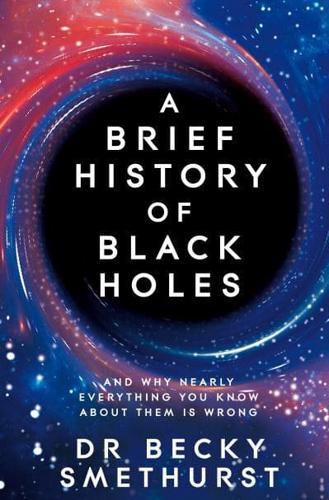
A Brief History of Black Holes: And why nearly everything you know about them is wrong by Dr Becky Smethurst
Earth and the Sun are travelling around the supermassive black hole at the centre of the Milky Way, yet these extraordinary objects remain widely misunderstood. Five centuries of discoveries lead from early observations and collapsing stars to the first black hole images, event horizons, spaghettification and recent research. A stimulating and thought-provoking choice, the book combines substantial astrophysics with humour while dismantling familiar misconceptions about what black holes are and how they behave.
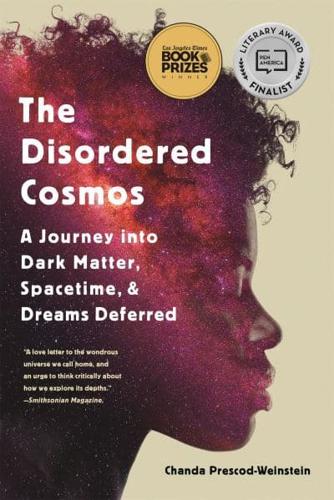
The Disordered Cosmos: A Journey into Dark Matter, Spacetime, and Dreams Deferred by Chanda Prescod-Weinstein
Dark matter, particle physics and the properties of melanin sit alongside personal essays about who is welcomed into science and whose knowledge is valued. Complex ideas about the universe are connected to the racism, sexism and unequal power structures that shape scientific institutions and research. More mature readers will encounter an unusual combination of accessible cosmology, memoir, Black feminist thought and a passionate argument for a fairer scientific community.
Click the buttons below to purchase all of the books in this space and the universe books list, as well as class sets of any of these books and many more, from Bookshop.org UK. Or buy the 20 most popular titles from this list from Amazon – ideal for gifts or your classroom library.
Buy from UK.Bookshop.Org Buy from Amazon.co.uk
Disclosure: If you buy books using the buttons above: we may earn a commission from Bookshop.org, whose fees support independent bookshops; as an Amazon Associate schoolreadinglist.co.uk earns from qualifying purchases.
Schools & teachers: please respect copyright and don’t copy our space and the universe books for children list. If you find our book recommendations useful, please consider sharing on social media or linking to this page instead. Thanks.
Space and the universe resources for teachers
- The UK Space Agency brings together free space education materials for schools, including curriculum-linked lesson plans, classroom activities, teacher CPD, careers information and challenges such as Mission X, Moon Camp and Climate Detectives. Resources cover learners from EYFS to post-16.
- Royal Observatory Greenwich offers an extensive collection of astronomy videos, practical activities and teaching materials for every Key Stage. Topics include rockets, Mars, the Solar System, the Sun, coordinate systems, satellites and GCSE Astronomy.
- The Schools’ Observatory, operated by Liverpool John Moores University, provides more than 130 astronomy activities, quizzes and classroom resources. Teachers can also register free of charge to request observations from professional robotic telescopes and analyse astronomical images using browser-based software.
- The Science and Technology Facilities Council’s Borrow the Moon scheme allows UK schools to apply for a week-long loan box containing meteorites, investigation equipment, teaching guides and sealed samples of lunar soil and rock collected during NASA’s Apollo missions.
- The Ogden Trust features curriculum resources for primary and secondary physics teaching, with materials that can be filtered by age and subject. Its Earth and Space resources include rocket and parachute investigations, activities exploring the history of the universe, Moon landing research cards and handbooks for running space-themed family learning events.
- The European Space Agency’s Teach with Space collection contains classroom-ready primary and secondary resources that use space exploration to teach science, technology, engineering and maths. Each unit includes teaching guidance, student activities or practical experiments covering subjects such as planets, astronauts, rockets, orbits and the International Space Station.
- The Royal Astronomical Society’s Young Astronomers Resource Pack is particularly useful for STEM clubs and extracurricular groups. It includes presentations, worksheets and practical activities on planets, the International Space Station, the Sun, stargazing, Moon craters, meteorites, seasons and building rockets.
- For further lesson ideas, NASA’s Jet Propulsion Laboratory has a large searchable collection of space science and engineering lessons, videos, student projects and mission-based challenges. Although labelled using US school grades, many resources can be readily adapted for UK primary and secondary classrooms.
BISAC JNF051040, JNF051010, JNF051140, YAN050020, YAN055010, YAN050120. | Thema YNNZ.