Planet Earth books for children and teens
From the rocks beneath our feet to the oceans that cover most of the globe, Planet Earth books for children and teens reveal the extraordinary natural world around us. This selection includes picture books, illustrated science and geography guides, stories about wildlife, and YA novels exploring environmental change. Children can discover how our planet formed, investigate habitats and natural disasters, and encounter people working to protect the Earth. This list features books by Oliver Jeffers, Dr. Seuss, Yuval Zommer, Hannah Gold, Jess French, Wren James, Neal Shusterman, Naomi Klein, Julie Bertagna, and Cherie Dimaline.
Planet Earth books – our recommendations
Planet Earth picture books for 3-7 year olds
Here We Are by Oliver Jeffers
When Oliver Jeffers became a father, he set about explaining the wonders and peculiarities of Planet Earth to his newborn son. The resulting picture book takes readers on an illustrated journey from the vastness of outer space to the extraordinary variety of people and animals that inhabit our planet. Jeffers’ distinctive artwork, gentle humour and perceptive observations make this a lovely book to share with inquisitive 5-6 year olds discovering their place in the world. There is much to admire in its understated message about kindness and looking after one another.

Our Prehistoric Planet by Sue Lowell Gallion, illustrated by Lisk Feng
Immerse yourself in a rhyming tour of Earth’s distant past, from the first prehistoric creatures to the age of dinosaurs and the arrival of early mammals! Detailed illustrations and extra fact panels add depth, while interactive features and a beautiful fold-out globe provide hands-on awe and wonder. Our Prehistoric Planet introduces a wide range of ancient animals and shows how the planet has shifted over millions of years, making deep time feel vivid and accessible for 5+ year old readers. Highly recommended.

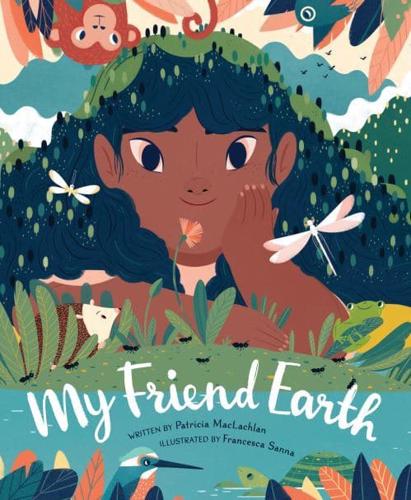
My Friend Earth by Patricia MacLachlan, illustrated by Francesca Sanna
Earth becomes a gentle, larger-than-life character in this beautifully illustrated celebration of nature and the changing seasons. As she wakes from winter, she watches animals, tends forests and follows the movement of water across the landscape. Francesca Sanna’s artwork uses cut-out pages and layered scenes to create an inviting sense of discovery. The personification of Earth helps children connect everyday natural processes with the idea of a living, interconnected world. It works particularly well as a shared picture book about seasonal change and caring for nature.
I Hear the Trees by Zaro Weil
This sparkling poetry collection by Zaro Weil explores the natural world through poems about animals, plants, stars and storms. Illustrated by Junli Song, the poems range from the playful to the reflective, with inventive language, expressive rhythms and vivid imagery. Teaching activities contributed by the Centre for Literacy in Primary Education offer ideas for exploring selected poems in the classroom. Younger children will enjoy sharing the poems aloud, while older primary pupils can explore Weil’s imaginative use of language.

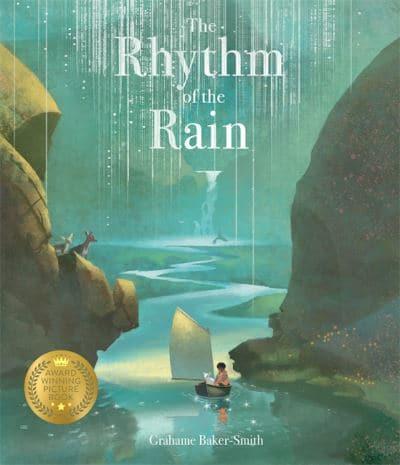
The Rhythm of the Rain by Grahame Baker-Smith
A small pool high in the mountains becomes the starting point for a journey through the Earth’s water cycle. A boy’s encounter with flowing water leads into a much wider story, as rivers carry it towards the sea and clouds return it to the land. Grahame Baker-Smith’s sweeping illustrations connect distant landscapes and living things through the movement of water. The book gives children a visual introduction to evaporation, rainfall, rivers and oceans, while its lyrical storytelling makes the subject especially rewarding to read aloud.
Meanwhile Back On Earth by Oliver Jeffers
When two children can’t stop arguing, their dad decided to take them on a journey through time and space. Looking back at the planet Earth helps to teach his children what matters, what makes us human and what brings people together in harmony. Exquisitely illustrated, this hardback picture book wonderful achievement, both visually and in terms of the powerful and universal message. The sparse text is both thought-provoking and inspiring and will challenge the reader’s views on the value of life and humanity’s place in the universe. Highly recommended for reading and discussing with classes in KS1.

The Ever-Changing Earth by Grahame Baker-Smith
Follow young Kûn on a journey through Earth’s extraordinary history, from the formation of the Moon and the emergence of early life to the age of dinosaurs and the changing continents. Thousands of miles away, Solveig gazes at the northern lights, another spectacular reminder of the natural forces that connect our planet. Awe-inspiring and thought-provoking, this stunningly illustrated companion to The Rhythm of the Rain and Wild Is the Wind is a magical and memorable picture book. It’s an ideal text to provoke discussion and inspire creative writing in KS2.

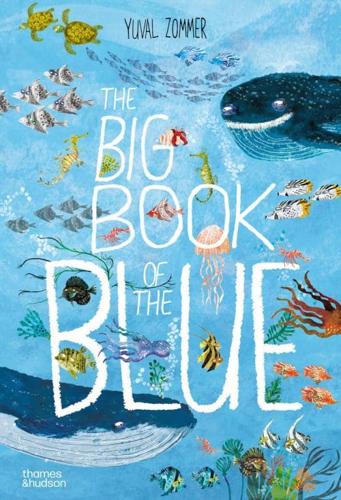
The Big Book of the Blue by Yuval Zommer
Why does an octopus have eight arms, and what goes on beneath the shell of a sea turtle? Yuval Zommer introduces children to the extraordinary assortment of creatures that inhabit our oceans, from tiny crabs to enormous whales. His beautifully detailed illustrations capture the peculiar shapes, colours and characteristics of marine wildlife, while intriguing snippets of information encourage children to look more closely. The generous double-page spreads make this a particularly rewarding book to explore together.
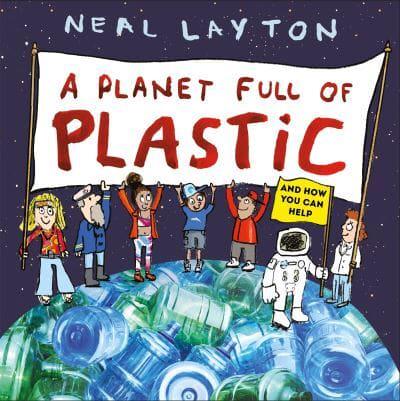
Eco Explorers: A Planet Full of Plastic by Neal Layton
Plastic is extraordinarily useful, but what happens to all those bottles, toys and wrappers when we no longer need them? Neal Layton uses inventive illustrations and recognisable everyday examples to explain why plastic persists in the environment and how it endangers wildlife. With scientific explanations pitched at curious 5-7 year olds, the book also explores practical alternatives to throwing things away. An excellent introduction to plastic pollution for KS1, with plenty of ideas for classroom recycling projects.
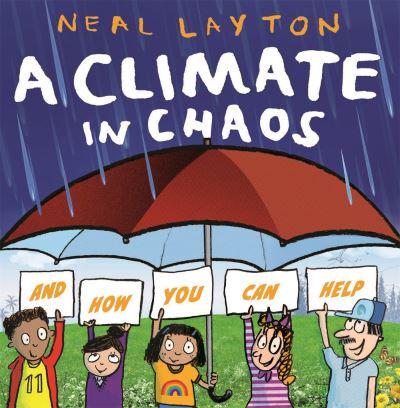
Eco Explorers: A Climate in Chaos by Neal Layton
Explaining climate change to young children is no easy task, but Neal Layton has a knack for making complicated science accessible through imaginative artwork and familiar examples. Children aged 5-7 can discover how the Earth’s atmosphere affects its temperature, why human activities are changing the climate and what this means for the natural world. Layton also explores ways we can help, approaching a potentially worrying subject with a reassuring emphasis on practical action.
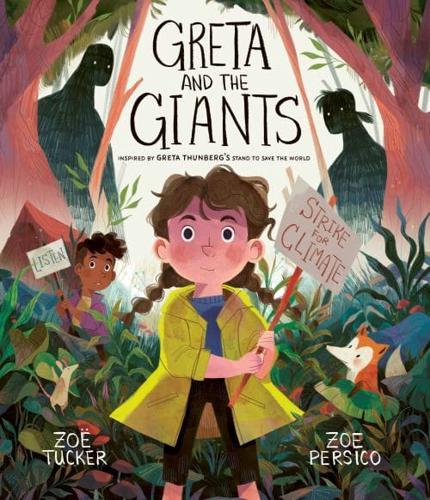
Greta and the Giants by Zoë Tucker, illustrated by Zoe Persico
The animals in Greta’s forest are desperate for help. The Giants have been chopping down trees to build houses and towns, and the woodland is rapidly disappearing. Determined to stop them, Greta begins a protest, hoping that others will find the courage to join her. Inspired by Greta Thunberg’s environmental campaigning, Zoë Tucker’s imaginative fable and Zoe Persico’s richly coloured forest scenes offer 4-7 year olds an accessible introduction to deforestation and peaceful protest.
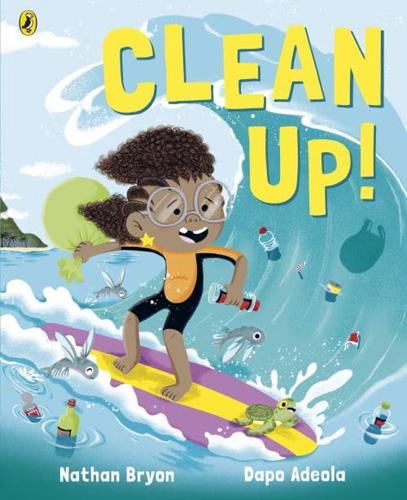
Clean Up! by Nathan Bryon, illustrated by Dapo Adeola
Rocket can’t wait to visit her grandparents and enjoy a holiday by the sea, but she’s horrified to discover how much rubbish is littering the beach. Characteristically undeterred, she sets about persuading everyone to help clean up the shoreline. Rocket’s infectious enthusiasm and Dapo Adeola’s wonderfully energetic illustrations make this a delightful read-aloud for 3-5 year olds. Nathan Bryon tackles the problems caused by ocean plastic without losing the warmth and humour of a family holiday.
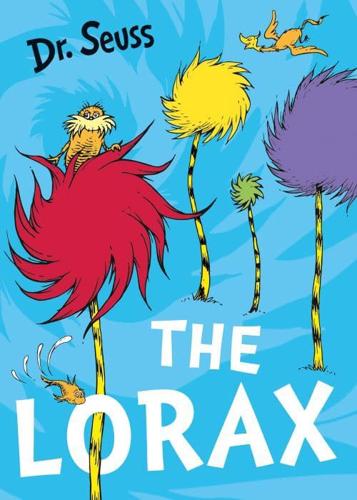
The Lorax by Dr. Seuss
When the Once-ler discovers a forest of magnificent Truffula Trees, he sees an irresistible business opportunity. The indignant little Lorax sees things rather differently, but his warnings go unheeded as the Once-ler’s enterprise grows and the forest disappears. Dr. Seuss’s wonderfully eccentric characters, inventive rhymes and fantastical landscapes make this classic environmental fable as entertaining as it is unsettling. First published in 1971, its exploration of greed, commercial exploitation and the destruction of natural habitats remains remarkably pertinent.
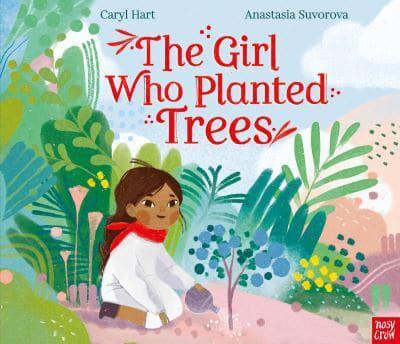
The Girl Who Planted Trees by Caryl Hart, illustrated by Anastasia Suvorova
When a little girl learns from her grandfather that their barren mountainside was once covered in trees, she decides to bring the forest back. Planting saplings is hard work, but her determination gradually inspires others to help her transform the landscape. Anastasia Suvorova’s evocative illustrations capture the contrast between the bare mountainside and the woodland the girl dreams of restoring. A hopeful story to share with 2-5 year olds, particularly alongside planting and gardening activities.
Planet Earth books for children aged 7-12
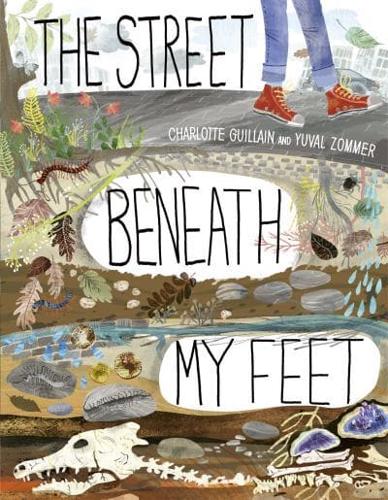
The Street Beneath My Feet by Charlotte Guillain, illustrated by Yuval Zommer
Unfold this ingenious concertina book and embark on an extraordinary journey towards the centre of the Earth. Charlotte Guillain and Yuval Zommer explore the hidden worlds beneath both city streets and countryside, taking readers past underground tunnels, pipes, animal burrows and deep layers of rock. The spectacular fold-out format allows children to appreciate the different depths and layers in a way that conventional book illustrations rarely achieve. A fascinating combination of geology, natural history and engineering, and a superb resource for classroom displays.
How the World Works by Christiane Dorion and Beverley Young
From the Big Bang and the evolution of life to the movement of continents and the changing seasons, Christiane Dorion tackles some of the biggest questions children ask about our planet. Beverley Young’s colourful illustrations and ingenious infographics complement explanations that are particularly well pitched for lower KS2 readers. Equally rewarding as a book to browse or a resource for independent research, this is an impressive introduction to Earth science. Look out, too, for the companion title, How the Weather Works.

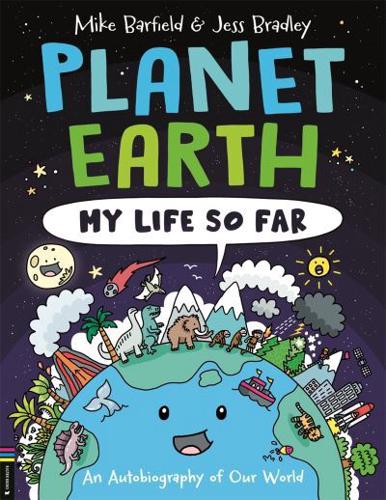
Planet Earth: My Life So Far by Mike Barfield, illustrated by Jess Bradley
Who better to tell the extraordinary story of our planet than Earth itself? Mike Barfield gives our ancient planet a voice as it recounts billions of years of geological upheaval, the formation of the Moon and the emergence of life. Jess Bradley’s entertaining comic-strip illustrations are packed with character and humour, making this an appealing choice for 9-11 year olds who enjoy graphic non-fiction. There is an impressive amount of science and natural history tucked away in Earth’s eventful autobiography.
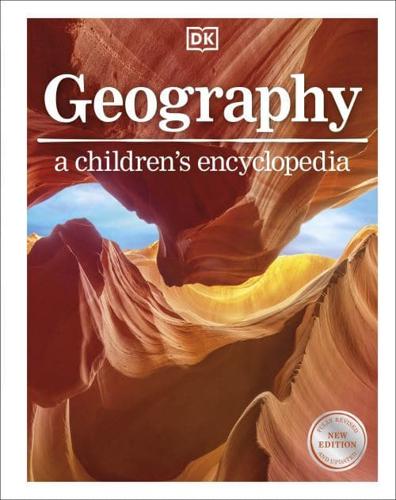
Geography A Children’s Encyclopedia by DK
Explore the forces that shape mountains, oceans and landscapes, and discover how people live in remarkably different environments around the world. DK’s extensively illustrated encyclopedia combines detailed maps, striking photographs and clear diagrams to explain both physical and human geography. The breadth of coverage makes it an excellent reference book for 9-12 year olds, whether they are researching a particular landscape, investigating climates or pursuing an interest in another part of the world. Particularly useful for upper KS2 and early KS3 geography.
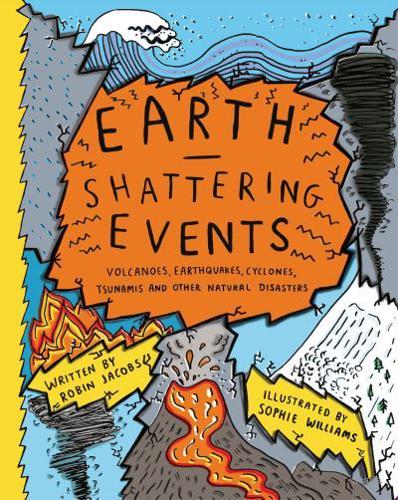
Earth-Shattering Events by Robin Jacobs, illustrated by Sophie Williams
What causes the ground to shake beneath our feet, a volcano to erupt or a devastating tsunami to sweep across a coastline? Robin Jacobs investigates the science behind some of nature’s most spectacular and destructive events, explaining how they occur and the consequences for people living in their path. Sophie Williams’s striking illustrations and informative diagrams bring otherwise difficult geological and meteorological processes into focus. Compelling reading for children fascinated by extreme weather, natural disasters and the immense forces at work within our planet.
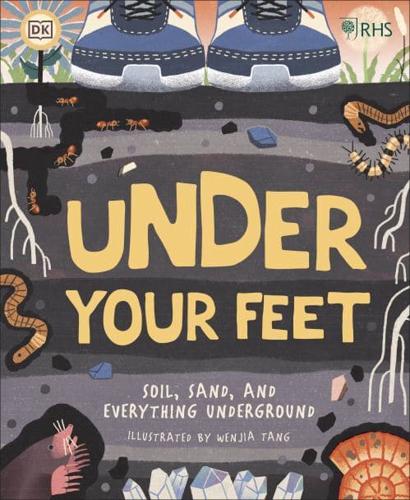
RHS Under Your Feet by Royal Horticultural Society
An ordinary patch of soil conceals an astonishing world of living organisms, and this illustrated guide reveals just how much goes on beneath our feet. Children can discover what soil is made of, how it forms, which creatures inhabit it and why healthy soil is so important to the plants growing above ground. Produced with the Royal Horticultural Society, this fascinating introduction to soil science is particularly well suited to children who enjoy gardening, digging and investigating wildlife in their own back gardens.
Once Upon a Planet by Pierrick Graviou, Érik Orsenna, Gallimard Jeunesse and Stéphane Kiehl
This epic-scale history of Earth for 7-9 year olds explores the planet’s formation, the emergence of microscopic life, volcanic eruptions, dinosaurs, ice ages and the development of life over billions of years. Pierrick Graviou and Érik Orsenna explain the dramatic transformations that have shaped our planet, while Stéphane Kiehl’s impressive illustrations bring prehistoric landscapes and creatures to life. An excellent choice for KS2 children curious about geology, evolution and the extraordinary timescale of Earth’s history.

It’s Up to Us: A Children’s Terra Carta for Nature, People and Planet by Christopher Lloyd
Presented in four parts, Nature, People, Planet and Terra Carta, It’s Up to Us explores the fragile relationship between humanity and the natural world. Thirty-three artists have contributed a vibrant collection of illustrations to accompany Christopher Lloyd’s hopeful text. With a foreword by King Charles III, written when he was Prince of Wales, this ambitious hardback explores environmental challenges and the actions needed to safeguard the planet. Highly recommended for children aged 7-11 and primary school libraries.

Earth Ever After: A timeless graphic novel folktale that brings to life the beautiful story of our world by Elin Manon
Mother Earth narrates the planet’s story in this spectacular illustrated gift book hardback, explaining time from creation and the birth of life to the environmental pressures of the present day. Elin Manon’s lyrical text and immersive graphic illustrations place humanity within the natural world, showing growth, change and the delicate balance between people and the planet. For 8+ year olds, the sweeping timeline offers an accessible starting point for conversations about interdependence, responsibility and how we might live more harmoniously with Earth. Highly recommended – a stunning book.

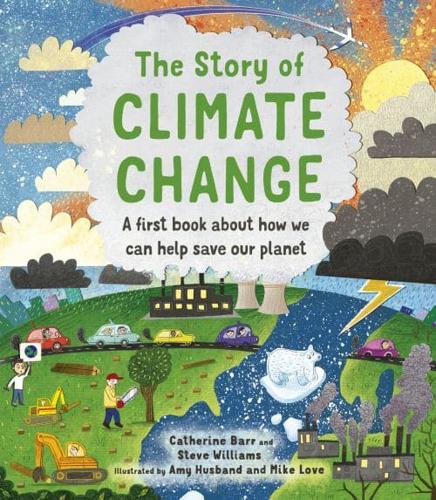
The Story of Climate Change by Catherine Barr and Steve Williams, illustrated by Amy Husband and Mike Love
Earth’s climate has undergone extraordinary changes throughout the planet’s history, but how are humans influencing what happens next? Catherine Barr and Steve Williams take readers back in time to explore the development of our atmosphere before explaining greenhouse gases and the causes of global warming. Amy Husband and Mike Love’s colourful illustrations help unravel some surprisingly complex scientific concepts. Particularly useful for KS2, this ambitious book places today’s environmental challenges within the much longer story of life on Earth.
The Last Bear by Hannah Gold, illustrated by Levi Pinfold
There aren’t supposed to be any polar bears left on Bear Island, but when April accompanies her father to a remote Arctic research station, she makes an astonishing discovery. Alone and in need of help, a polar bear gradually learns to trust her, and April becomes determined to save him. Beautifully illustrated by Levi Pinfold, Hannah Gold’s moving adventure is a compelling choice for animal-loving readers aged 8 and upwards. The friendship between April and Bear lends a deeply personal dimension to the consequences of climate change.

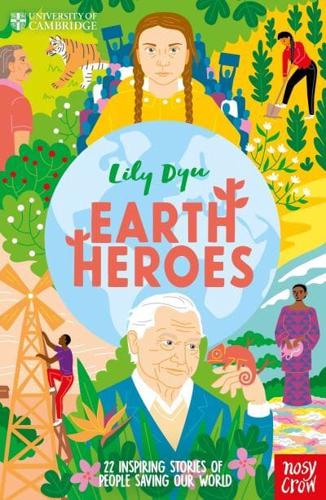
University of Cambridge: Earth Heroes: 22 Inspiring Stories of People Saving Our World by Lily Dyu, illustrated by Jackie Lay
From Yin Yuzhen’s efforts to transform a desert landscape in China to Isatou Ceesay’s pioneering work with plastic waste in The Gambia, Lily Dyu introduces some remarkable people tackling environmental problems around the world. Familiar figures such as Greta Thunberg and David Attenborough feature alongside less widely known campaigners, scientists and innovators. Illustrated by Jackie Lay, these 22 short biographies make inspiring reading for 9-12 year olds, particularly those interested in the ingenious ways people have found to protect the natural world.
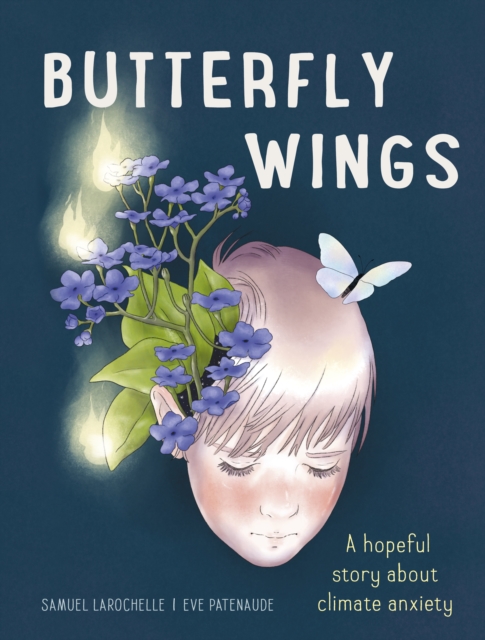
Butterfly Wings: A Hopeful Story About Climate Anxiety by Samuel Larochelle and Eve Patenaude
Florent is a sensitive 10-year-old who worries about the future of the planet, his family and the environment around him. After talking through his fears with his mothers, he is able to confront his anxieties. It’s a heartfelt paean to children who care deeply about the world they live in. A stunningly illustrated large format hardback verse story, Butterfly Wings is perfect to read, share and disucss with KS2 classes. Highly recommended for children aged 8+.
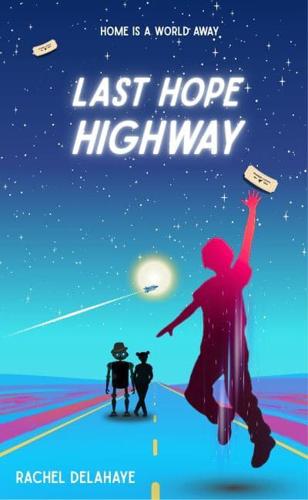
Last Hope Highway by Rachel Delahaye
Earth is dying, and Kip believes his future lies in Starlight, the newly colonised city where his family escaped without him. Stranded among thousands of people at the desperate settlement called Last Hope Highway, he waits for the monthly lottery that awards just one precious ticket away from the planet. New encounters gradually challenge his certainty that leaving is the only possible answer. This thought-provoking dystopian novel – ideal for KS3 – explores family, belonging, survival and the difficult choice between escaping a damaged world and fighting to restore it. Highly recommended, it’s perfect for book club discussion.
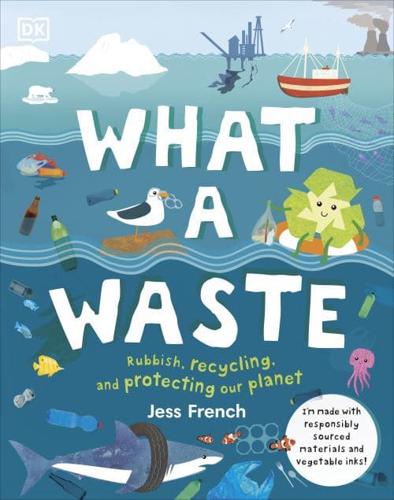
What a Waste: Rubbish, Recycling and Protecting Our Planet by Jess French
What happens to our rubbish once the dustbin lorry has disappeared down the road? Jess French explores the surprisingly complicated world of waste, investigating everything from discarded food packaging to plastic pollution in our oceans. Colourful information spreads reveal the environmental consequences of our throwaway habits and explore ingenious ways to reuse valuable materials. Packed with facts and practical ideas, this is an excellent starting point for a primary school investigation into how much rubbish we produce.
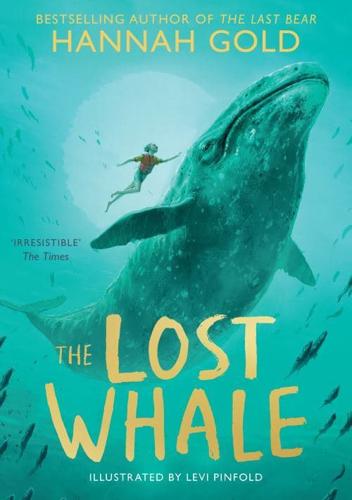
The Lost Whale by Hannah Gold, illustrated by Levi Pinfold
With his mother receiving medical treatment, Rio is sent to stay with his grandmother in California. Missing home, he finds comfort in watching the magnificent whales of the Pacific Ocean and develops an extraordinary bond with a grey whale called White Beak. When White Beak disappears, Rio is determined to find her. Hannah Gold’s heartfelt adventure, beautifully illustrated by Levi Pinfold, will captivate animal-loving readers aged 8 and upwards.
Changing World: Cold data for a warming planet by David Gibson
Climate change is a topic that can be complicated for children and young adults to understand. But this uniquely engaging collection of pictograms facts, statistics, graphs and pertinent nuggets of information makes everything clear. It’s an ideal resource to help illustrate essay points, form arguments in debates, and use for independent projects and research in years 5 to 8.

Planet Earth books for teens
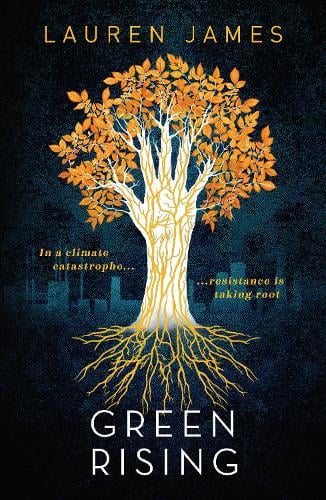
Green Rising by Wren James
As the world edges towards environmental catastrophe, teenage climate activist Gabrielle discovers an extraordinary ability to grow plants from her skin. Hester, the daughter of an oil tycoon, and Theo, whose family relies on the fishing industry, find themselves developing similar powers. What might happen if teenagers suddenly possessed the means to reverse the environmental destruction wrought by powerful corporations? Wren James explores this intriguing premise in an inventive blend of science fiction, romance and political intrigue that will appeal to environmentally conscious readers aged 12 and upwards.
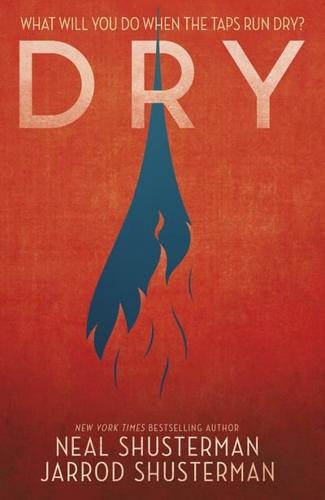
Dry by Neal Shusterman and Jarrod Shusterman
When California’s taps run dry, everyday life disintegrates with terrifying speed. For Alyssa and her younger brother, finding drinking water becomes a desperate struggle as their previously familiar neighbourhood descends into chaos. With supplies dwindling and people becoming increasingly desperate, deciding whom to trust could mean the difference between life and death. Recommended for 14+ year olds who enjoy tense survival thrillers, this frighteningly plausible novel explores just how quickly civilised society might unravel when its most essential resource disappears.
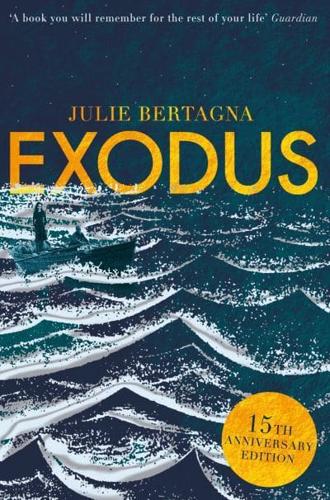
Exodus by Julie Bertagna
In 2099, rising seas are swallowing fifteen-year-old Mara’s island home. With nowhere left to retreat, she persuades her community to set out across the ocean in search of safety. Their journey takes them to a towering city built above the submerged remains of Glasgow, where refugees are denied entry. Julie Bertagna’s gripping dystopian adventure explores the human consequences of climate change, displacement and social inequality through the experiences of a teenager determined to find a new home for her people.
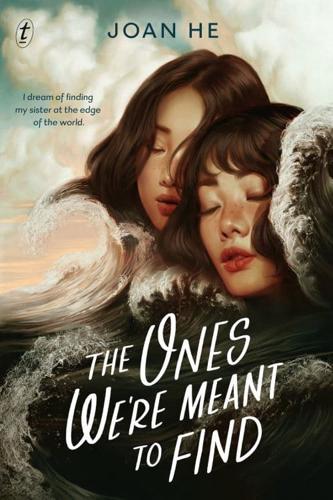
The Ones We’re Meant to Find by Joan He
Stranded on an isolated island with only a robot for company, Cee desperately wants to find her sister. Meanwhile, Kasey inhabits a technologically advanced refuge in a world increasingly ravaged by environmental disasters. As their seemingly disconnected stories unfold, disturbing questions emerge about their memories, their identities and the society that has shaped their lives. Joan He’s intricately constructed science fiction mystery rewards attentive readers, with an unsettling vision of humanity’s attempts to outwit ecological catastrophe.
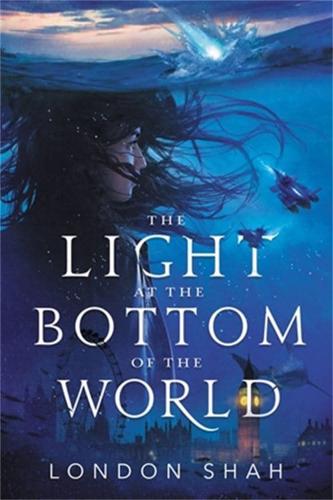
The Light at the Bottom of the World by London Shah
In London Shah’s vision of the future, the streets of London lie deep beneath the ocean. Sixteen-year-old submersible racer Leyla McQueen enters a prestigious competition, hoping to secure her father’s release after his wrongful arrest. When the race takes an unexpected turn, she must venture into unfamiliar waters and confront a government determined to conceal its secrets. The beautifully imagined underwater setting, with its submerged landmarks and unfamiliar dangers, gives this thrilling science fiction adventure a wonderfully distinctive atmosphere.
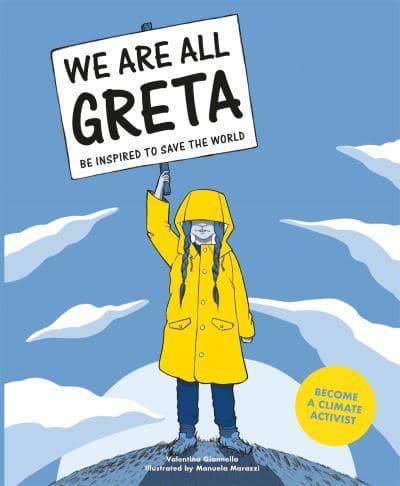
We Are All Greta by Valentina Giannella, illustrated by Manuela Marazzi
For teenagers curious about the science behind Greta Thunberg’s campaigning, Valentina Giannella explains the environmental issues that have propelled young climate activists onto the world stage. From greenhouse gases and fossil fuels to biodiversity and sustainable development, she unpacks the terminology that dominates discussions about our planet’s future. Manuela Marazzi’s stylish illustrations complement the accessible explanations. Particularly useful for young people who want to understand the evidence behind environmental campaigns and participate knowledgeably in climate debates.
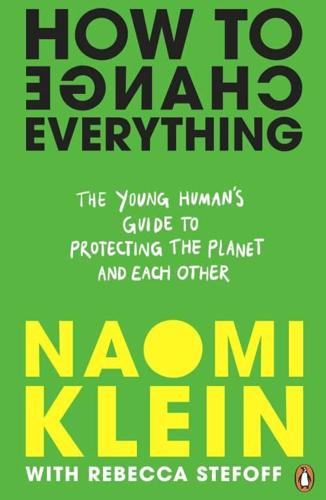
How To Change Everything by Naomi Klein and Rebecca Stefoff
Why are some communities considerably more vulnerable to climate change than others, and who has the power to change that? Naomi Klein and Rebecca Stefoff examine the climate crisis from both scientific and political perspectives, exploring the influence of governments, businesses and economic systems. Accounts of young campaigners demonstrate how organised movements can challenge established interests and influence decision-making. A stimulating and thought-provoking read for teenagers interested in the relationship between environmental protection and social justice.
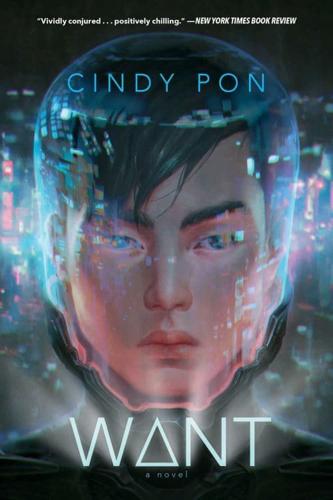
Want by Cindy Pon
In Cindy Pon’s heavily polluted future Taipei, even breathing clean air has become a privilege reserved for the wealthy. Those who can afford expensive protective suits enjoy a vastly different existence from those condemned to breathe the city’s toxic atmosphere. Determined to challenge this inequality, Jason Zhou becomes embroiled in a dangerous plan to expose the powerful interests profiting from environmental destruction. A fast-paced dystopian thriller with a vividly realised Taiwanese setting and a particularly unsettling premise.
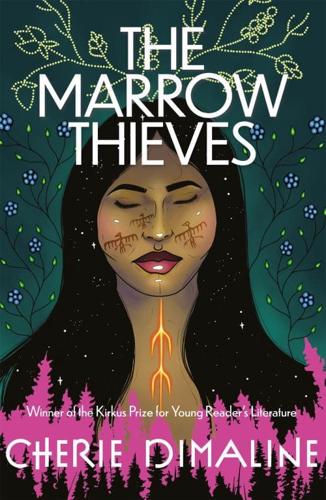
The Marrow Thieves by Cherie Dimaline
In a world devastated by climate change, most of humanity has lost the ability to dream. Indigenous people have retained this precious ability, but are now hunted for the bone marrow believed to contain its secret. Fleeing through a dangerous landscape, young Frenchie finds companionship among a group of fellow fugitives whose stories offer an insight into the histories and traditions they are fighting to preserve. Cherie Dimaline’s haunting dystopian novel draws powerful connections between environmental devastation and the historical persecution of Indigenous peoples.
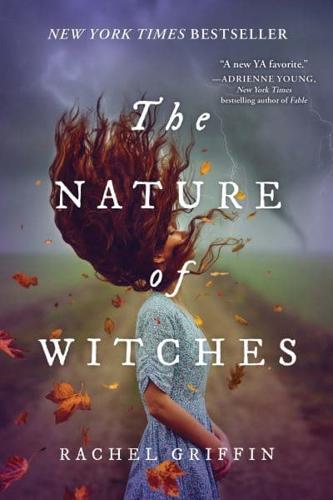
The Nature of Witches by Rachel Griffin
For generations, witches have drawn their magic from the seasons to keep the Earth’s climate in balance. But as extreme weather intensifies, the responsibility of restoring that balance increasingly falls upon Clara, a rare Everwitch whose powers extend across all four seasons. Fearful of the devastating consequences of her extraordinary gift, Clara faces further complications when she develops feelings for Sang, the spring witch training her. Rachel Griffin’s atmospheric YA fantasy imaginatively entwines the unpredictability of the natural world with the risks of falling in love.
Fighting in a World on Fire by Andreas Malm
Adapted for teenage readers from Andreas Malm’s How to Blow Up a Pipeline, this provocative book examines the history of climate activism and argues that conventional protest has not gone far enough. Malm explores civil disobedience, property destruction and the arguments surrounding more confrontational approaches to environmental protest. With writing prompts and discussion questions, it provides challenging material for older secondary school students debating climate justice, political activism and the ethics of radical protest.

Click the buttons below to purchase all of the books in this Planet Earth list, as well as class sets of any of these books and many more, from Bookshop.org UK. Or buy 20 selected titles from this list from Amazon – ideal for gifts or your classroom library.
Buy from UK.Bookshop.Org Buy from Amazon.co.uk
Disclosure: If you buy books using the buttons above: we may earn a commission from Bookshop.org, whose fees support independent bookshops; as an Amazon Associate schoolreadinglist.co.uk earns from qualifying purchases.
Schools & teachers: please respect copyright and don’t copy our Planet Earth books list. If you find our book recommendations useful, please consider sharing on social media or linking to this page instead. Thanks.
Planet Earth resources for teachers
- The Teach Earth website provides free Earth science teaching materials organised around the UK curriculum from KS1 to A level. Resources include lesson plans, classroom investigations, practical activities and subject knowledge guides covering geology, Earth’s structure, natural resources and environmental processes.
- The British Geological Survey offers free downloadable activities, geological maps and teaching resources exploring the Earth’s history and physical structure. Teachers can investigate fossils, geological time, earthquakes, volcanoes, rock identification and how Britain’s landscape has changed over millions of years.
- The Natural History Museum has an extensive collection of curriculum-linked resources for primary and secondary schools. Topics include rocks and fossils, volcanoes and earthquakes, biodiversity, habitats, evolution and the impact of human activity on the planet. Materials include practical investigations, classroom activities and resources for outdoor learning.
- The Geological Society’s plate tectonics resources explain continental movement, different plate boundaries and the geological processes responsible for earthquakes and volcanoes. The interactive materials include UK case studies, quizzes, downloadable worksheets and examination questions, particularly useful for KS3 and GCSE geography and science.
- The Royal Geographical Society provides a complete primary geography teaching module exploring mountains, volcanoes and earthquakes. Lessons investigate the Earth’s structure, mountain formation, tectonic activity and natural hazards, supported by downloadable lesson plans, assessments, posters, animations and case studies.
- The Met Office’s schools programme features free curriculum-linked resources exploring weather, climate and climate change. Activities for primary and secondary pupils cover weather forecasting, extreme weather, climate impacts and how communities can prepare for changing conditions. Many resources are also available in Welsh.
- STEM Learning offers research-informed Earth and space teaching resources for pupils aged 7-11. The collection includes activities, assessment materials and teacher guidance exploring the Earth’s spherical shape, rotation, movement through space and relationship with other planets.
- Ordnance Survey provides free geography teaching resources for primary and secondary schools, including map-reading activities, geographical investigations and materials for developing spatial awareness. Its interactive Mapzone resources help younger pupils explore maps, symbols, scale, direction and the physical features of the world around them.
- Oak National Academy has developed a seven-lesson Year 6 geography unit investigating earthquakes and their impact on communities. Free slides, worksheets, quizzes and lesson plans explore tectonic processes, earthquake measurement, tsunamis, disaster preparation and real-world case studies from Japan and Turkey.
- WWF’s Our Planet classroom resources include downloadable teaching packs, presentations and activities exploring the Earth’s major habitats and ecosystems. Topics include forests, grasslands, freshwater environments, oceans and polar regions, alongside biodiversity, conservation and sustainability. The resources complement the Our Planet documentary series.
- The Marine Conservation Society offers free ocean-themed teaching resources linked to UK science and geography curricula. Primary and secondary activities investigate marine habitats, British sea creatures, ocean pollution, plastic waste and conservation, with downloadable lesson plans, presentations, fact files and worksheets.
- Earthwatch Education provides outdoor learning and environmental science resources for UK schools. Its free educator community offers access to teacher notes, practical activities, videos and lesson ideas exploring biodiversity, climate, wildlife habitats and conservation, including opportunities to investigate the natural environment within school grounds.
- The National Centre for Earth Observation has created teaching packs using real satellite photographs and environmental data. Activities include measuring glacier retreat, investigating rainforest cover, studying urban growth and comparing images of Earth taken from space. Downloadable teacher guides, presentations and worksheets support geography, science and mathematics lessons.
- The European Space Agency’s Climate for Schools programme provides classroom resource packs examining how scientists monitor changes to our planet from space. Teacher guides, student worksheets, experiments and satellite-data activities explore the Earth’s climate system and environmental change, including opportunities to investigate decades of observations using the Climate from Space application.
- Earthlearningidea features practical teaching activities investigating the Earth’s interconnected systems. Pupils can model the water cycle, explore atmospheric circulation, investigate groundwater, demonstrate the greenhouse effect and examine the carbon cycle using simple classroom experiments and readily available equipment.
- BBC Children in Need’s Planet Earth III resources combine wildlife documentary clips with creative classroom activities for primary and secondary pupils. The collection includes an Earth Day assembly, downloadable teaching packs and narration exercises encouraging children to explore the natural world, develop communication skills and consider the importance of protecting wildlife.
BISAC JNF051080, JNF037020, JNF051100. | Thema YXZG, YNNC, YFP.