Off-grid living books for children and teens
What would it be like to live without mains electricity, running water or a supermarket nearby? From tiny homes and remote communities to wilderness survival and self-sufficient living, these books explore the challenges and rewards of life off the grid. Featuring fiction, memoirs, renewable energy and practical outdoor skills, our selection includes books for children aged 7-12, teenagers and sixth form readers interested in alternative ways of living. This list features books by Manon Steffan Ros, Kate Alice Marshall, Jean Craighead George, Nicky Singer, Mari Bolte, William Kamkwamba, Keir Graff, Andy McNab, Dick Strawbridge, and Brogen Murphy.
Off-grid living books for children and teens – our recommendations
Off-grid living books for children aged 7-12
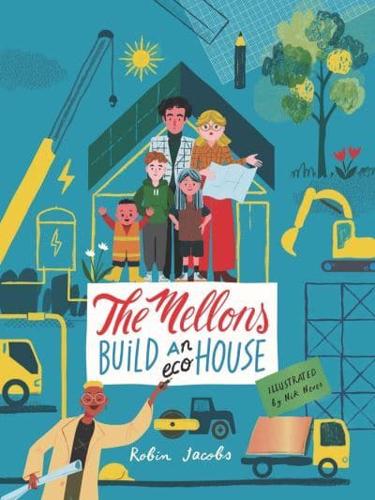
The Mellons Build A House by Robin Jacobs, illustrated by Nik Neves
The Mellons’ home-building story introduces ideas behind an eco-friendly house, including solar panels, heat pumps, insulation and rainwater harvesting. The family’s project makes sustainable design concrete, showing how decisions about a building can affect the way a household uses energy and water. This illustrated book for 4+ year olds gives younger children an accessible introduction to greener homes and the people, plans and practical choices involved in making one.
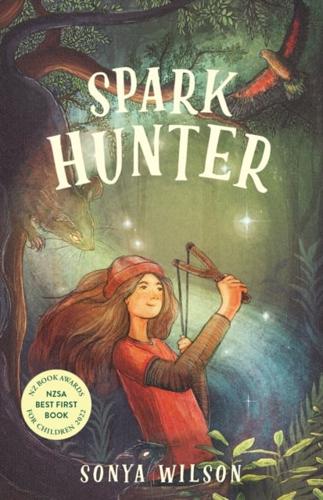
Spark Hunter by Sonya Wilson
When Nissa spots mysterious lights deep in the Fiordland forest, no one else believes her. Determined to uncover the truth, she slips away from camp and soon finds herself lost in the wild. As she searches for answers, Nissa discovers the forest is in danger and learns its hidden stories. Blending te reo Māori, New Zealand history and wildlife, Spark Hunter is a compelling, original and award-winning adventure set in one of the world’s last great wildernesses, perfect for nature-loving 9+ year olds. Highly recommended.
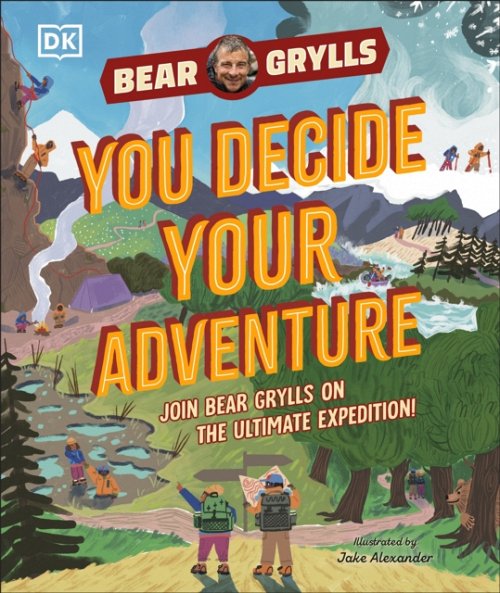
You Decide Your Adventure by Bear Grylls
This engaging interactive adventure lets young explorers call the shots alongside survival expert Bear Grylls. Kids tackle wilderness challenges, making choices that shape their journey – each decision flips to a different outcome. Handy survival tips and quirky nature facts add real-world flavour. It’s a clever way to nudge readers outdoors without screens, and each new read-through is refreshingly unpredictable. You Decide Your Adventure is perfect for ages 7+ who don’t usually read for fun, KS2 pupils who struggle with concentrating on books, and primary-aged children who love being outdoors. It’ll quickly become a permanent favourite in your upper-primary classroom. Highly recommended.
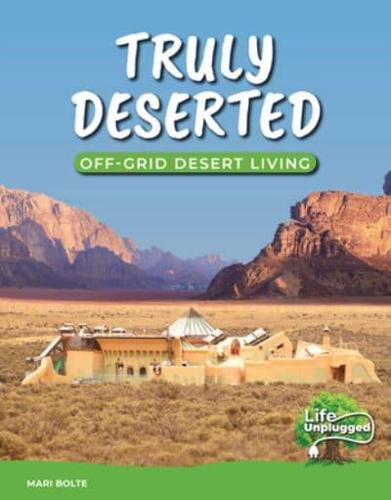
Truly Deserted: Off-Grid Desert Living by Mari Bolte
Part of the Life Unplugged series, this illustrated non-fiction title introduces off-grid homes in the desert and the people who choose to live in them. For 9-12 year olds, it connects daily life away from mains services with the realities of living in a remote landscape. The desert setting keeps the focus on how people adapt their homes and routines when everyday resources and services are not close at hand.
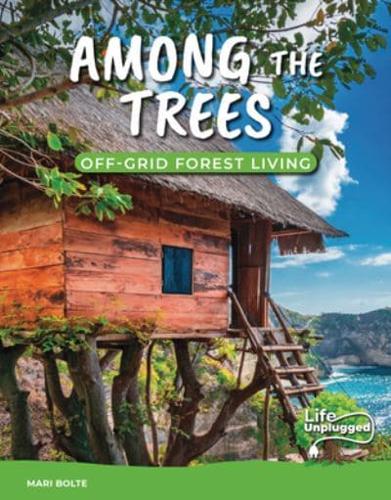
Among the Trees: Off-Grid Forest Living by Mari Bolte
This Life Unplugged title turns to off-grid living in forest settings. Its focus is the relationship between woodland surroundings and the practicalities of making a home away from mains services. The forest theme gives children a clear starting point for thinking about remote homes and the ways a different setting can shape everyday life. It sits alongside the series’ other introductions to living beyond the grid.
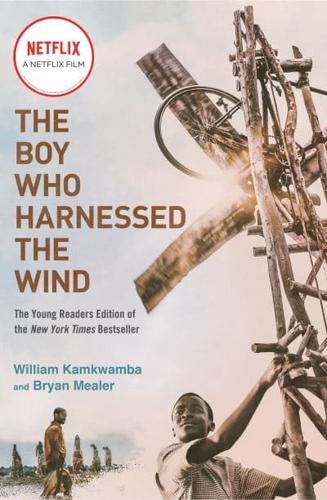
The Boy Who Harnessed the Wind: Young Readers Edition by William Kamkwamba and Bryan Mealer, illustrated by Anna Hymas
William Kamkwamba recalls his childhood in Malawi and how, during a time of hardship, he used salvaged materials to build a windmill. It brought electricity to his home and helped him pump water for crops. This Young Readers Edition combines memoir with photographs and illustrations. For 10+ year olds, the story links ingenuity and engineering to energy access, drought and daily life in Malawi.
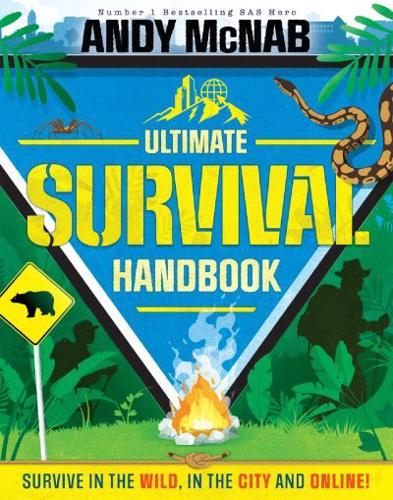
The Ultimate Survival Handbook: Survive in the wild, in the city and online! by Andy McNab
Andy McNab gathers practical advice for outdoor and everyday situations, from camping, lighting a fire and finding directions to sourcing food and water, city safety and online awareness. Short instructions frame each topic as a problem to solve, bringing outdoor readiness together with sensible awareness of risks in familiar places. This handbook for 7-10 year olds ranges across skills and decisions that can help children stay alert and prepared.
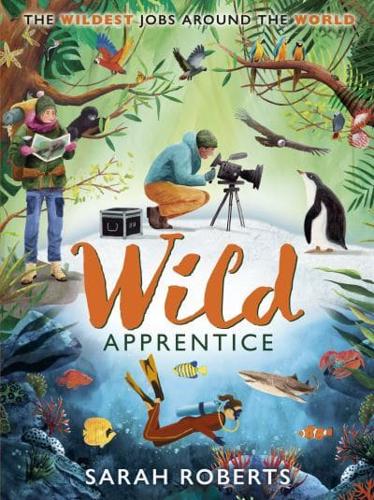
Wild Apprentice by Sarah Roberts, illustrated by Marianne Van der Walle
An inspiring careers guide focused on outdoor and wildlife work, this highly engaging and fun illustrated hardback for 7–11 year olds looks at roles including marine biologist, palaeontologist, explorer, sailor, wilderness medic and big-wave surfer. Each section outlines the skills and training involved, alongside advice from people already doing the job. Fieldwork, travel and research sit at the centre, with animals and real-world examples used to show what these careers involve day to day. It’s perfect for KS2 libraries and children interested in natural history.
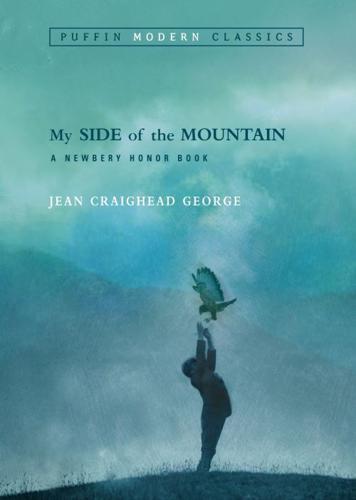
My Side of the Mountain by Jean Craighead George
Sam Gribley leaves home for the Catskill Mountains, where he learns to live in the wilderness. His hollow-tree shelter and his friendship with a falcon named Frightful become part of a story about resourcefulness and self-reliance. This classic adventure for 8-12 year olds brings readers close to Sam’s observations of the natural world and the practical ingenuity he uses to shape a life of his own.
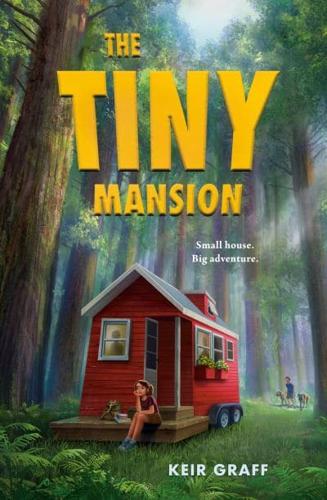
The Tiny Mansion by Keir Graff
A financial setback sends Dagmar and her family from their former home to a tiny house among the redwoods of Northern California. Their new neighbours include a tech billionaire’s family, and the threat of wildfire adds uncertainty to their attempt to settle in. This contemporary novel for 8-12 year olds puts small-space living, family change and the challenges of a remote setting at the centre of a story about making a home.
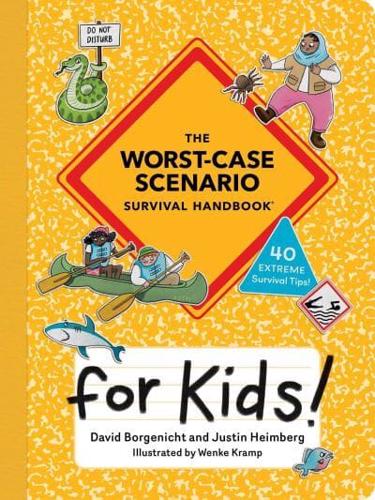
The Worst-Case Scenario Survival Handbook for Kids by David Borgenicht and Justin Heimberg, illustrated by Wenke Kramp
Forty illustrated entries offer advice for a range of emergencies and difficult situations, from outdoor mishaps and getting lost to challenges in everyday life. Clear steps give each scenario a practical focus, with children encouraged to think through what they might do and why. This handbook for 8-12 year olds brings together survival, safety and problem-solving in a format that readers can dip into one situation at a time.
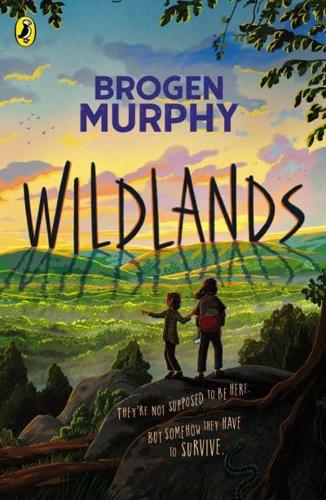
Wildlands by Brogen Murphy
After an unexpected stop on the London-to-Glasgow train, thirteen-year-old Astrid and her younger sister Indie are left inside the Wildlands, a vast rewilding project where humans are banned and wolves, lynx and bison roam free. With only a rucksack, a phone without signal and each other, they must find a way out as every wrong turn pulls them deeper in. For UKS2 readers, this tense, thought-provoking adventure combines survival stakes, family friction and questions about rewilding, responsibility and the future of Britain’s landscape. Highly recommended, this outstanding middle grade novel does not disappoint.
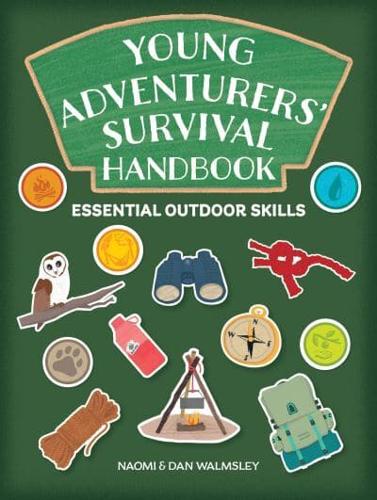
Young Adventurers’ Survival Handbook by Naomi Walmsley and Dan Walmsley, illustrated by Joshua Rice
First aid, fire, foraging, making soap, building a shelter and preparing a bed outdoors are among the practical topics in this illustrated guide. Naomi and Dan Walmsley bring bushcraft skills together in a book about learning and practising outside. 7+ year olds can discover ideas for self-reliance and outdoor readiness, from basic preparation to the small tasks involved in making a temporary home in the natural world.
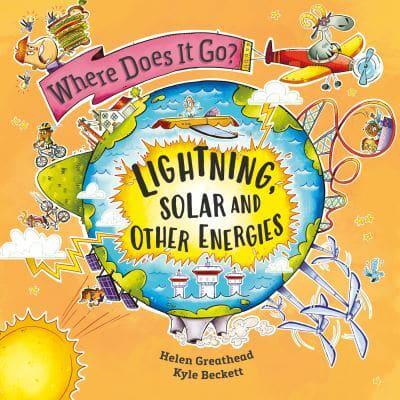
Where Does It Go?: Lightning, Solar and Other Energies by Helen Greathead, illustrated by Kyle Beckett
From lightning to solar power, Helen Greathead introduces different forms of energy and how they are used. The illustrated book connects questions about electricity with renewable sources and sustainability. Kyle Beckett’s pictures support a subject that can feel abstract, helping 7-9 year olds connect energy around them with the choices people make about how to generate and use it.
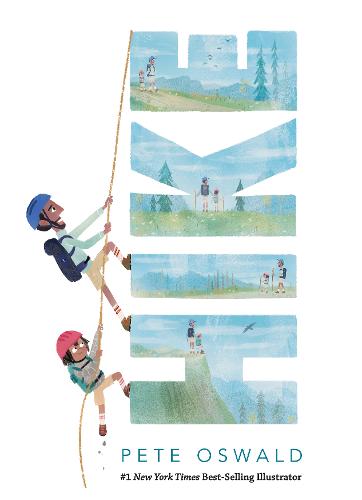
Hike by Pete Oswald
A father and child leave the city early one morning for a day exploring the mountains. Crossing streams, climbing rocky paths and discovering wildlife along the way, they eventually reach a place where they plant a young tree together. Pete Oswald tells their adventure almost entirely through pictures, using detailed panels and sweeping landscapes to capture the changing scenery and small discoveries that make their journey memorable. This beautifully illustrated picture book celebrates the natural world and the bond between a parent and child.
Off-grid living books for teens
The Blue Book of Nebo by Manon Steffan Ros
Years after a catastrophe brought ordinary life to an end, fourteen-year-old Dylan and his mother Rowenna survive in an isolated house above the Welsh village of Nebo. Growing food, salvaging supplies and learning to live without electricity have become part of their daily routine. As Dylan takes on more responsibility, mother and son begin recording their experiences in a shared notebook, gradually revealing memories and secrets from before and after the disaster. Manon Steffan Ros’s affecting novel for 12+ year olds explores survival, family relationships and the things people carry with them from a vanished world.

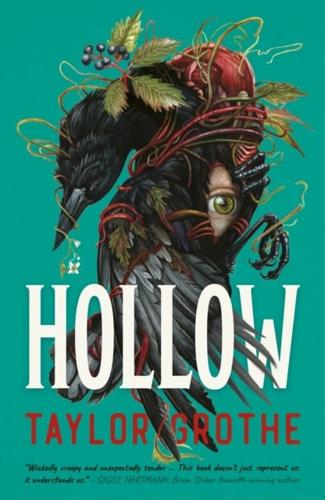
Hollow by Taylor Grothe
When Cassie joins her old friends on a backpacking trip to Hollow Ridge, she hopes to rebuild their fractured friendships. Instead, after an argument on their first night, she wakes to find the campsite deserted. Injured and facing worsening weather, Cassie accepts help from Kaleb, who takes her to the Roost, an off-grid community of artists and outsiders. But strange happenings soon make her question the safety of her new surroundings. Taylor Grothe’s unsettling horror novel for 14+ year olds combines wilderness survival, secrets and the difficulties of finding somewhere to belong.
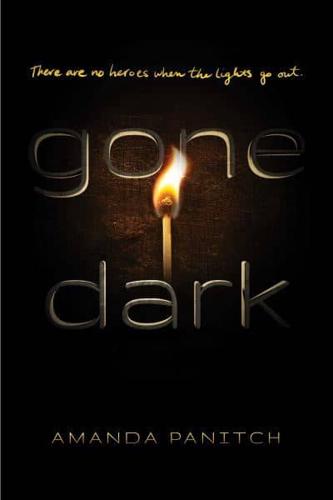
Gone Dark by Amanda Panitch
A malware attack shuts down the US power grid, and Zara must navigate the crisis with her friends. Her father has raised her at a self-sustaining woodland compound, and the group sets out to reach it as the familiar infrastructure around them fails. This survival novel for 12-99 year olds pairs a large-scale emergency with questions of preparedness, trust and the choices people make under pressure.
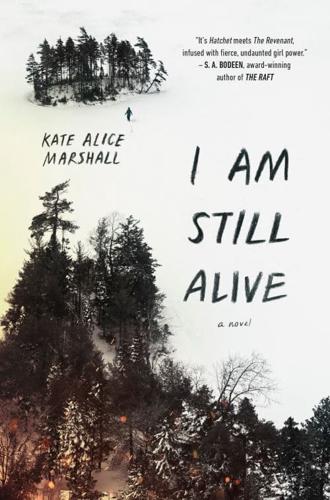
I Am Still Alive by Kate Alice Marshall
Jess is sent to live with her survivalist father in a remote Canadian cabin. After he dies and the cabin burns, she must find ways to survive in the wilderness alongside his dog. Finding food and building shelter become part of her struggle, as questions about her father’s death add a further danger. This wilderness thriller for 12+ year olds combines isolation, grief and survival with a mystery that drives Jess forward.
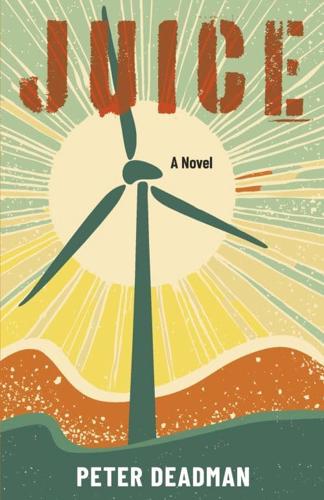
Juice by Peter Deadman
After environmental breakdown has made electricity scarce, 17-year-old Will and Leonie travel overland in search of his father. Their journey brings survival skills and questions about a sustainable future into a climate-changed landscape. Peter Deadman writes for young adults from 15 to 105, and the novel connects its teenage characters’ immediate needs with wider concerns about energy, society and how people might live after familiar systems have faltered.
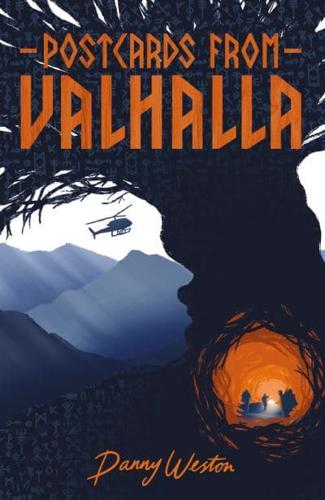
Postcards from Valhalla by Danny Weston
When Viggo’s brother Magnus goes missing in Shetland, Viggo is drawn back to an island linked to his father’s off-grid past. Strange visions and Viking mythology thread through the search, giving the story a folkloric edge as Viggo tries to understand what has happened. This novel for 12+ year olds combines a family mystery with a remote island setting and the unsettling pull of its history.
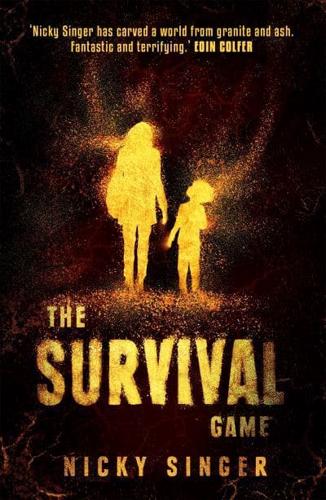
The Survival Game by Nicky Singer
Mhairi travels through a climate-changed landscape where heat, scarce resources and movement across borders shape daily life. Her route towards Scotland becomes a story of endurance and difficult choices, with survival tied to the people she meets as well as the terrain. This novel for 12+ year olds imagines a near future in which the effects of climate change reach into ordinary journeys and decisions.
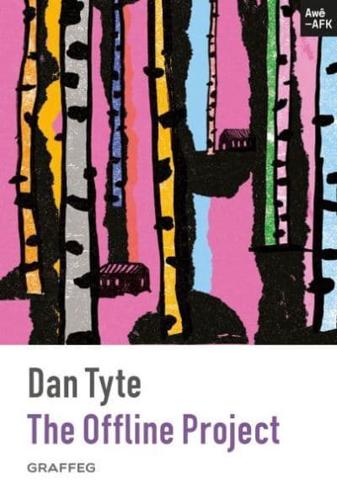
The Offline Project by Dan Tyte
Gerard Kane lives in Cardiff in a world saturated with digital data. After a personal loss, he looks for a different way to live and finds a community in woodland Denmark. The novel connects the appeal of stepping away from constant connectivity with the demands and possibilities of building a life among other people. Its move from a city to a remote community gives the off-grid theme a contemporary, technology-focused dimension.
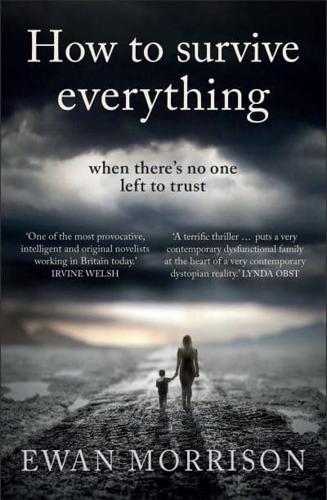
How to Survive Everything by Ewan Morrison
Convinced that a new, deadlier pandemic is approaching, Haley’s survivalist father kidnaps her and her brother Ben, taking them to a remote off-grid hideaway. Cut off from their mother and the outside world, the siblings must adjust to an increasingly frightening existence governed by their father’s preparations. Told through Haley’s perspective, Ewan Morrison’s adult-market thriller explores the tensions between survival, family loyalty and personal freedom. For older teens, it raises disturbing questions about parental authority, preparedness and whom to trust when the familiar world begins to unravel.
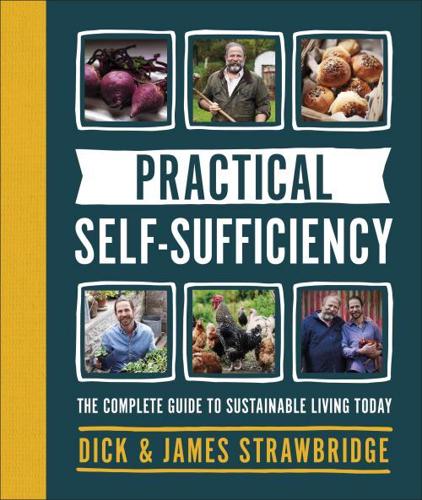
Practical Self-sufficiency by Dick Strawbridge and James Strawbridge
Dick and James Strawbridge’s adult-market guide brings together practical ideas for a more self-reliant household and garden. Its subject is the everyday work of self-sufficiency, making it a reference point for sixth-form readers interested in off-grid living, sustainable homes and the skills behind producing more of what a household needs. The hardback can also support a research project on how people plan for energy, food and resources.
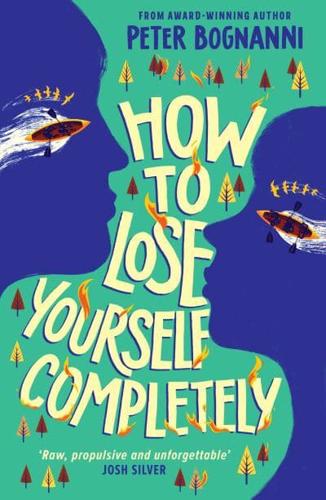
How to Lose Yourself Completely by Peter Bognanni
Case’s anxiety has been spiralling since the death of his brother Sean, so he agrees to try an innovative adventure therapy in the wilderness. But the trip becomes harder when Diana, Sean’s girlfriend, is also on the coach. For 14+ readers, this compelling and orginal YA novel examines grief, mental health, survival and unexpected friendship as the group is pushed to its limits. Highly recommended.
Click the buttons below to purchase all of the books in this off-grid living list, as well as class sets of any of these books and many more, from Bookshop.org UK. Or buy all 20 titles from this list from Amazon – ideal for gifts or your classroom library.
Buy from UK.Bookshop.Org Buy from Amazon.co.uk
Disclosure: If you buy books using the buttons above: we may earn a commission from Bookshop.org, whose fees support independent bookshops; as an Amazon Associate schoolreadinglist.co.uk earns from qualifying purchases.
Schools & teachers: please respect copyright and don’t copy our off-grid living books list. If you find our book recommendations useful, please consider sharing on social media or linking to this page instead. Thanks.
Off-grid living resources for teachers
- Practical Action’s Solar Challenge offers a STEM activity for pupils aged 8-14 investigating how solar power can improve life in communities without mains electricity. Teacher guides, presentations and practical activities explore solar circuits, energy requirements and the use of electricity for lighting, refrigeration and water pumping.
- UK Prepared provides practical UK-focused guides and planning resources covering household self-sufficiency, solar panels, battery storage, rainwater harvesting and emergency preparedness. Its rainwater harvesting calculator and solar installation checklist offer useful real-world examples for geography, science and design technology projects exploring how homes can operate with less reliance on mains utilities.
- Practical Action’s Moja Island challenges pupils to design a renewable energy supply for a fictional island community. Renewable energy fact cards, maps and information about residents’ needs help pupils compare energy sources and consider how an isolated community could become more self-sufficient.
- STEM Learning has assembled a collection of practical renewable energy resources for secondary schools. Activities include building and testing wind turbines and solar ovens, with lesson plans, presentations and worksheets connecting electricity generation to engineering and sustainable living.
- The Centre for Sustainable Energy provides teaching materials on energy use, climate change and renewable electricity. Resources include classroom activities, wind power investigations and tools for carrying out school energy audits, helping pupils understand how reducing demand can complement renewable generation.
- Practical Action’s Wind Power Challenge introduces pupils to electricity generation and the National Grid before exploring how small wind turbines can supply power to communities. The accompanying practical challenge encourages pupils to design and test their own model turbines.
- The Institution of Engineering and Technology offers a secondary school investigation into photovoltaic cells and the generation of electricity from sunlight. Downloadable teaching materials help pupils understand the technology used in solar panels, including those supplying electricity to remote buildings without a grid connection.
- WaterAid provides free curriculum-linked resources for primary and secondary schools covering water supplies, sanitation, hygiene and global inequalities in access to clean water. Activities offer opportunities to investigate the challenges of obtaining and treating water where conventional infrastructure is unavailable.
- The Royal Horticultural Society offers practical school gardening resources covering vegetable growing, edible gardens and producing food in limited spaces. Activities and guides help pupils explore food self-sufficiency, seasonal growing and the importance of soil, water and plant care.
- WWF UK’s food-growing resources feature curriculum-linked activities exploring sustainable food production, healthy diets and the environmental impact of what we eat. These materials can support projects investigating how off-grid households might grow some of their own food and reduce dependence on external supplies.
BISAC HOM022000. | Thema VSY, VSZ.