Houses and homes books for children
These houses and homes books for children explore where people live, how buildings are made and what makes somewhere feel like home. The selection includes picture books about families, communities and moving house, alongside illustrated introductions to architecture, homes through history and buildings around the world. There are also stories featuring unusual houses, from tiny secret dwellings to homes that move by magic. Teachers can use these books to support discussions about belonging, local history, geography, design and construction. This list features books by Joseph Coelho, Sophie Anderson, Mary Norton, Joe Todd-Stanton, Carson Ellis, Goldie Hawk, George Clarke, Jonny Lambert, Amy Sparkes, and Richard O’Neill.
Houses and homes books for children – our recommendations
Houses and homes picture books for 3-7 year olds
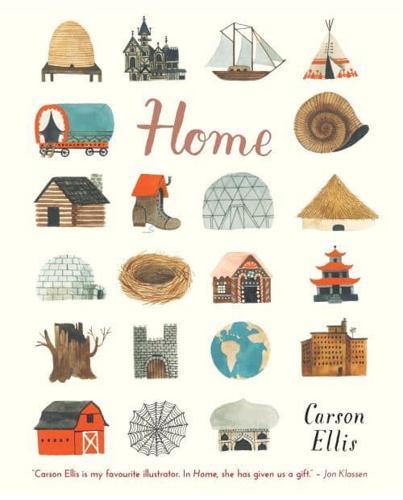
Home by Carson Ellis
What does home look like? Carson Ellis introduces an assortment of places where people, animals and imaginary creatures live. There are houses in the countryside, flats in cities, homes on the water and dwellings that belong to fantastic worlds. Each illustrated scene invites children to notice architectural details and consider the lives of the inhabitants. This picture book for 5-7 year olds provides a starting point for talking about the variety of homes people make and the different meanings attached to them.
Beacons of Light: A Journey Through the World of Lighthouses by Gemma Koomen
From early fires on shorelines to powerful modern lamps, lighthouses are explored through their design, purpose and place in human history. In this stunning narrative non-fiction large-format hardback, 4-8-year-olds can learn how these coastal towers have helped travellers to find safety, with accessible examples from around the world and Gemma Koomen’s fascinatingly detailed illustrations bringing architecture, engineering and seafaring history into a gloriously enticing and colourful format. It’s an outstanding book for KS1 and KS2 school libraries.

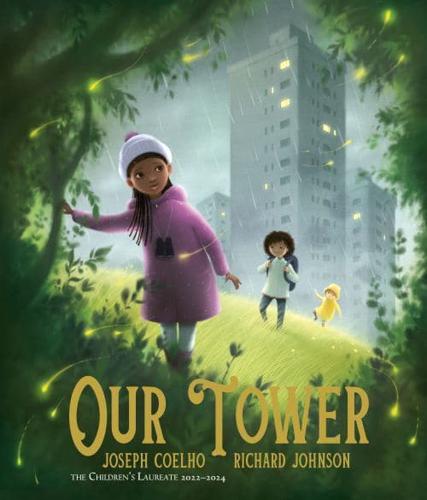
Our Tower by Joseph Coelho, illustrated by Richard Johnson
Three children who live in a tower block set out to discover something extraordinary beyond their everyday surroundings. Their adventure leads them towards a magical tree and a new appreciation of their building and the people who live there. Joseph Coelho draws on his experience of growing up in a tower block, with Richard Johnson’s illustrations giving the story a mixture of urban detail and fantasy. The book offers opportunities to discuss neighbourhoods, shared spaces, community life and the idea that every kind of home has stories worth telling.
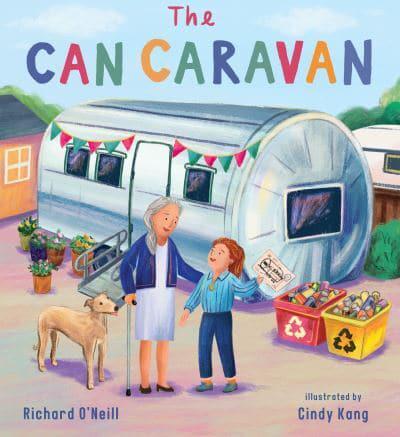
The Can Caravan by Richard O’Neill, illustrated by Cindy Kang
When Mrs Tolen breaks her hip, there is a possibility that she will have to leave her old caravan and move into a house. Her young neighbour Janie wants to help, and a school visit to a recycling plant gives her an idea. With support from the community, an old caravan is transformed into a safe new home. Richard O’Neill’s picture book brings Traveller traditions, practical problem-solving and environmental themes into a memorable story about helping a neighbour keep her home and identity.
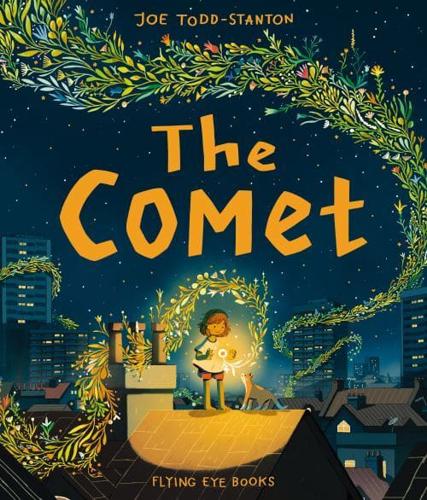
The Comet by Joe Todd-Stanton
Nyla has moved from the countryside to the city and misses the familiar surroundings of her old home. When a comet appears in the city streets, it opens up a strange and magical experience that connects her memories with the place where she now lives. Joe Todd-Stanton uses colour, scale and fantastical imagery to portray the feelings associated with moving house. The story encourages conversations about homesickness, adapting to an unfamiliar environment and discovering something meaningful in a new neighbourhood.
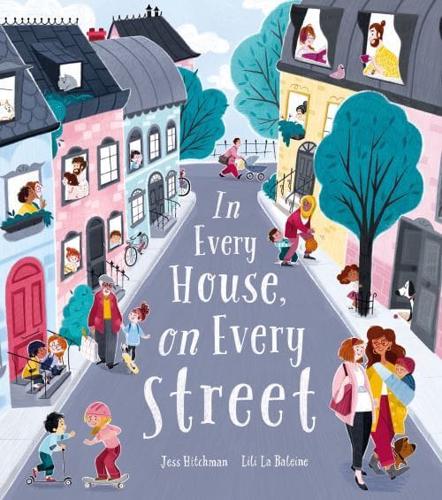
In Every House, on Every Street by Jess Hitchman, illustrated by Lili la Baleine
This rhyming picture book celebrates the people and everyday experiences that bring houses to life. Its journey through homes and streets introduces family relationships, friendship, laughter, sadness and affection, accompanied by illustrations of domestic settings. The repeated language works well for reading aloud and provides opportunities for children to contribute their own examples of home life. It can also introduce discussion about the ways families organise their homes, spend time together and build connections with the communities around them.
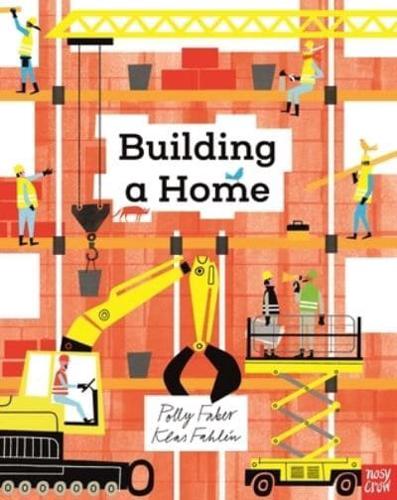
Building a Home by Polly Faber, illustrated by Klas Fahlén
A disused factory on the edge of town is gradually turned into a new home. Polly Faber takes children through the transformation, introducing the builders, equipment and stages of work involved in giving an old building a different purpose. Cranes, diggers, cement mixers and construction materials appear throughout Klas Fahlén’s detailed illustrations. This illustrated introduction for 2-5 year olds can support early discussions about building sites, the people who work on them and how existing buildings can be adapted for new uses.
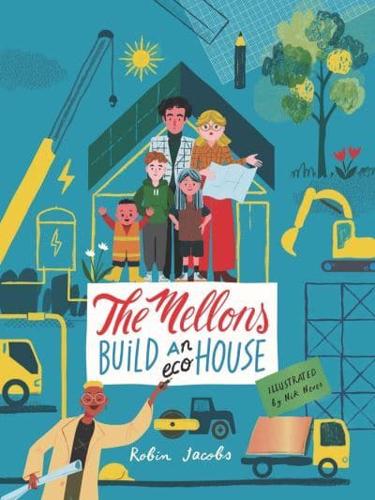
The Mellons Build a House by Robin Jacobs, illustrated by Nik Neves
The Mellon family have outgrown their flat and decide to build a home that suits their needs. Architect Masha helps them plan an environmentally conscious house while considering the family’s budget and the practical details of construction. Children can see how insulation, solar panels, heat pumps and rainwater harvesting contribute to the design. Nik Neves illustrates the process of turning an architectural plan into a building. For 5+ year olds, the story cleverly introduces sustainable architecture and the decisions involved in creating a family home.
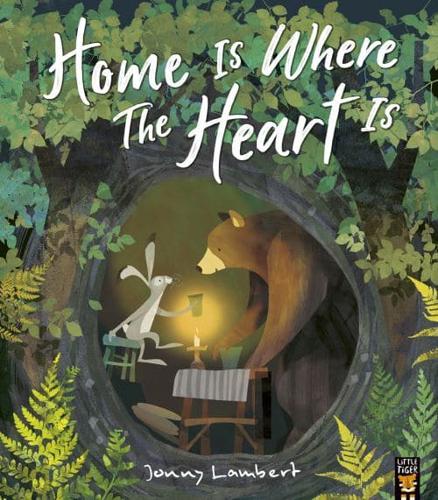
Home Is Where the Heart Is by Jonny Lambert
Bear moves into a new home in the woods, but the unfamiliar surroundings leave him feeling lonely. A visit to his neighbour Hare begins a friendship that becomes especially important when a storm damages Bear’s house. Jonny Lambert’s illustrations accompany a story about the connections that help somewhere feel like home. The woodland setting and the two animal characters give children a way to discuss moving, friendship and helping others. It is particularly relevant when exploring the difference between a building and a sense of belonging.
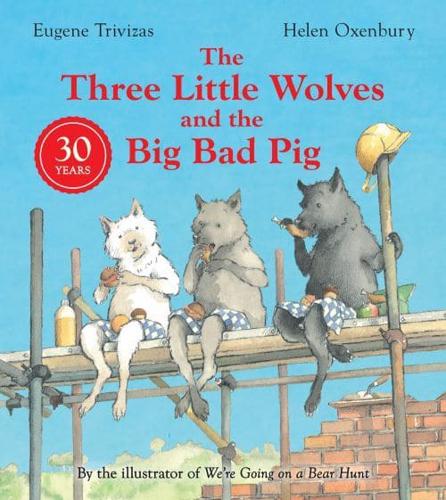
Three Little Wolves and the Big Bad Pig by Eugene Trivizas, illustrated by Helen Oxenbury
In this retelling of the traditional tale, three little wolves try to protect themselves from a big bad pig by building increasingly elaborate houses. Their materials progress from bricks to concrete and then to a heavily reinforced structure, but the pig has destructive tools of his own. Finally, the wolves try a house made from flowers. Helen Oxenbury’s illustrations bring the building materials and the characters’ encounters to life. This charming story for 5+ year olds invites comparisons between different construction methods, design choices and the familiar fairy tale.
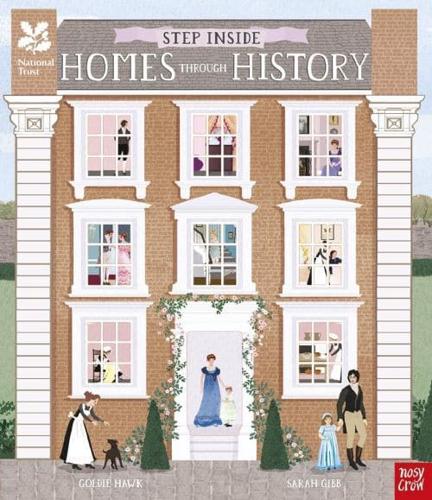
National Trust: Step Inside Homes Through History by Goldie Hawk, illustrated by Sarah Gibb
Goldie Hawk and Sarah Gibb take children inside houses from seven different periods, beginning in the late Middle Ages and continuing through Tudor, Georgian, Victorian and twentieth-century homes to the present day. Laser-cut openings reveal rooms, furnishings and the people who lived in each setting. There are opportunities to compare clothing, furniture and domestic arrangements across the centuries. This illustrated non-fiction book, with age guidance including 5-7 year olds, provides a visual introduction to how homes and everyday life have changed over time.
Houses and homes books for children aged 7-12
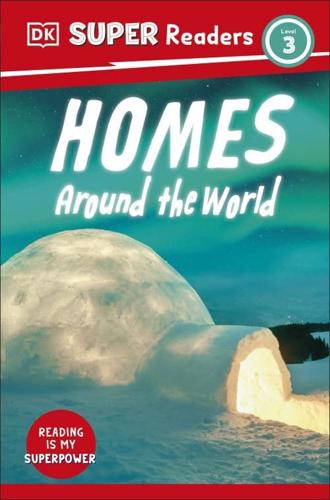
Homes Around the World by DK
Homes are shaped by climate, local materials, customs and the needs of the people who live in them. This illustrated DK reading book introduces different kinds of houses and dwellings found across the world. Photographs and explanatory text help children compare their structures, locations and practical features. Part of the DK Super Readers series, it combines non-fiction information with a reading format designed to support developing confidence. The subject provides a useful starting point for geography work on environments, human settlements and everyday life in different places.
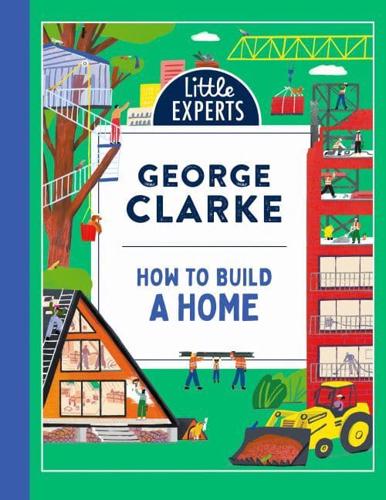
How to Build a Home by George Clarke, illustrated by Robert Sae-Heng
Architect and television presenter George Clarke introduces the process of creating a home, from early planning and design to the materials and work involved in construction. Robert Sae-Heng’s illustrations help explain architectural ideas and the decisions that influence the finished building. Children can investigate how houses meet people’s needs and consider how buildings might change in the future. Part of the Little Experts collection, this book connects the practical side of housebuilding with creative design, making it a useful introduction to architecture for primary school children.
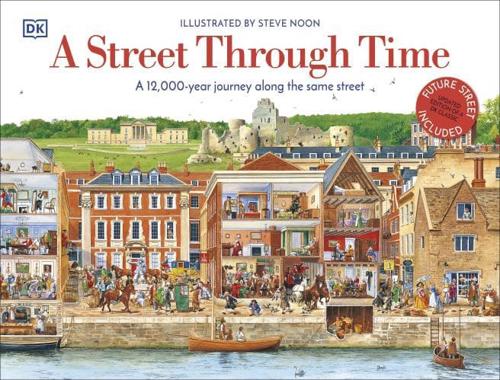
A Street Through Time by Steve Noon
One location changes over thousands of years in this detailed visual history of a street. Steve Noon’s panoramic illustrations show settlements, homes, businesses and public buildings appearing, changing and being replaced as different societies develop. Children can examine how building materials, occupations, transport and everyday activities alter from one period to another. The recurring setting makes it possible to compare the same place across time. This book works particularly well for studying local history, historical chronology and the development of towns and communities.
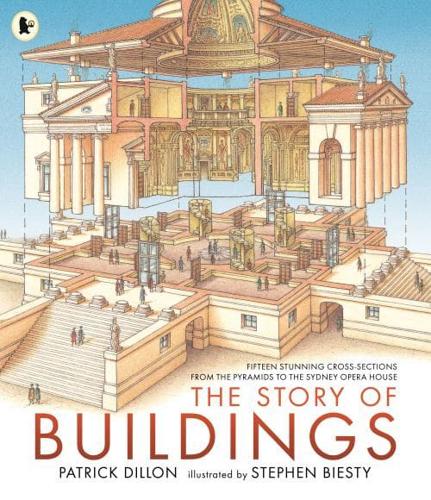
The Story of Buildings: Fifteen Stunning Cross-sections from the Pyramids to the Sydney Opera House by Patrick Dillon, illustrated by Stephen Biesty
Patrick Dillon introduces major buildings from different historical periods and parts of the world, explaining the ideas and people behind their construction. Stephen Biesty’s cross-section illustrations reveal what lies inside structures such as the Taj Mahal, the Forbidden City, Crystal Palace and the Sydney Opera House. Labels, a timeline and an index help children investigate architectural terms and historical developments. For 7-11 year olds, the book connects engineering, design, history and the different purposes buildings have served in human societies.
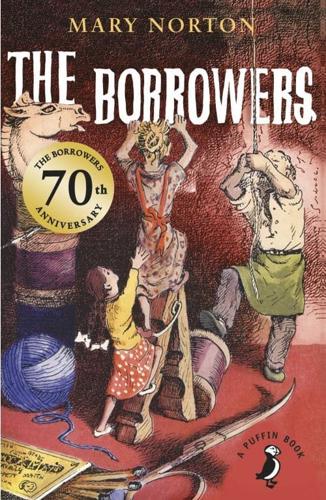
The Borrowers by Mary Norton, illustrated by Sian Bailey
Arrietty Clock lives with her parents, Pod and Homily, in hidden spaces beneath the floorboards of a human house. The family survives by borrowing small objects from the people upstairs, adapting everyday possessions to suit their miniature world. When Arrietty befriends a human boy, the family’s secret existence becomes increasingly complicated. Mary Norton’s classic fantasy transforms familiar domestic objects and rooms into an adventure setting. The story encourages children to imagine how the same building might look and function for inhabitants of very different sizes.
The House with Chicken Legs by Sophie Anderson, illustrated by Elisa Paganelli
Marinka lives with her grandmother in an extraordinary house that stands on chicken legs and can move to a new location. Her grandmother is Baba Yaga, whose work involves guiding the dead, while Marinka longs for friendship and a more settled life. The restless house is central to the story, shaping the places Marinka visits and her understanding of family and belonging. Drawing on folklore, this fantasy novel for 9+ year olds brings together questions of home, identity, change and relationships across generations.

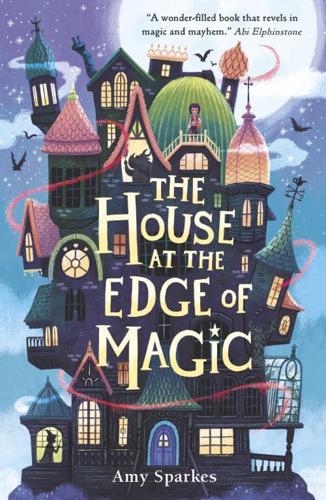
The House at the Edge of Magic by Amy Sparkes, illustrated by Ben Mantle
Nine is a young pickpocket who steals a small house-shaped ornament. When she knocks on its door, the object grows into an enormous magical building inhabited by an unusual collection of characters. Among them are the wizard Flabberghast and Eric, a troll housekeeper. The residents are trapped by a curse and hope Nine can help them. This fantasy adventure for 8-11 year olds makes its shifting, unpredictable house an important part of the action, with rooms, spells and strange domestic discoveries driving the story.
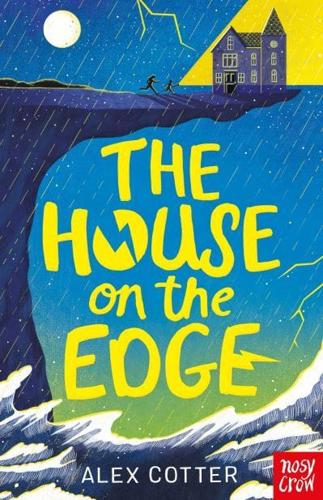
The House on the Edge by Alex Cotter
Faith lives with her family in an old house perched above the sea, where a growing crack in the cliff threatens the building. Her father has disappeared, and her younger brother talks about mysterious sea ghosts in the basement. When he also vanishes, Faith must investigate what is happening around their isolated home. Alex Cotter’s mystery for 9-12 year olds uses the house, its location and its uncertain future to create tension. The story brings together family relationships, secrets, coastal geography and the atmosphere of an unusual dwelling.
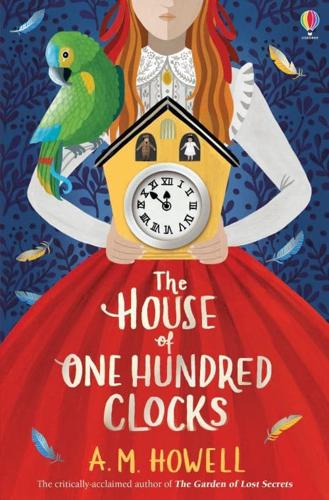
The House of One Hundred Clocks by A. M. Howell, illustrated by Saara Söderlund
In 1905, Helena and her parrot Orbit move to Cambridge after her father takes a job maintaining the clocks in a wealthy household. There is one essential instruction: the clocks must keep running. When keys disappear and mysterious notes begin to appear, Helena investigates the secrets of the house. The Edwardian setting introduces a world of domestic routines, mechanical technology and social differences. This historical mystery combines its elaborate house and collection of clocks with a story about family, responsibility and discovering hidden information.
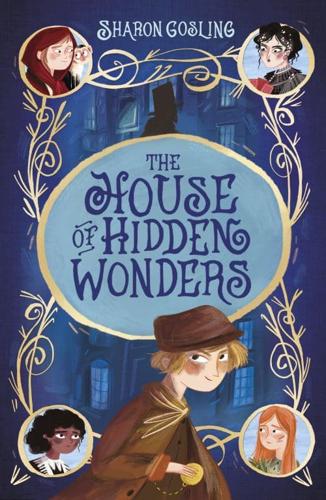
The House of Hidden Wonders by Sharon Gosling
Zinnie and her sisters live in tunnels beneath Edinburgh’s Old Town during the Victorian period, keeping their underground home hidden from the authorities. Rumours of a ghost bring visitors into their world, including a young Arthur Conan Doyle. Meanwhile, a mysterious attraction called the House of Wonders becomes central to Zinnie’s search for answers. Sharon Gosling’s historical adventure for 8-12 year olds brings together the city’s streets, its hidden spaces and the different circumstances in which children find shelter and a sense of home.
Click the buttons below to purchase all of the books in this houses and homes books for children list, as well as class sets of any of these books and many more, from Bookshop.org UK. Or buy all the books from this list from Amazon – ideal for gifts or your classroom library.
Buy from UK.Bookshop.Org Buy from Amazon.co.ukDisclosure: If you buy books using the buttons above: we may earn a commission from Bookshop.org, whose fees support independent bookshops; as an Amazon Associate schoolreadinglist.co.uk earns from qualifying purchases.
Schools & teachers: please respect copyright and don’t copy our houses and homes books for children list. If you find our book recommendations useful, please consider sharing on social media or linking to this page instead. Thanks.
Houses and homes resources for teachers
- Oak National Academy provides a free Year 1 geography lesson exploring different types of homes, aerial photographs and local maps. Resources include downloadable slides, worksheets, quizzes and a teaching video.
- The Council for the Curriculum, Examinations and Assessment (CCEA) has produced a KS1 and KS2 teaching pack exploring what makes a home, different houses around the world, the importance of shelter and designing a dream home. Activities also consider animal habitats and the meaning of belonging.
- Historic England offers a free classroom PowerPoint using archive photographs to investigate how housing estates developed during the 20th century. Its buildings and shapes activity also encourages younger pupils to explore architectural features, patterns and building materials.
- The English Heritage teaching resources library contains free downloadable teachers’ kits, historical timelines, site plans and classroom activities. Historic properties including Roman villas, Tudor houses, Georgian homes and Victorian residences provide opportunities to investigate how people lived in different periods.
- London’s Museum of the Home offers curriculum-linked school workshops and self-led visits exploring domestic life across different historical periods and cultures. Activities cover the meaning of home, migration, identity, sustainability and how everyday household objects have changed.
- The Courtauld has developed a free cross-curricular architecture resource for KS2. Using Somerset House and historic school buildings as examples, pupils investigate building design, construction materials, structural strength, local architectural heritage and how to think and draw like an architect.
- The British Council’s TeachingEnglish website provides downloadable lesson plans for children aged 5-12 exploring houses, rooms, furniture and positional language. Activities include stories, vocabulary games, designing an imaginary animal home and creating an ideal room.
- Oak National Academy’s KS2 science resources explore how insulation helps keep houses warm in winter and cool in summer. Pupils investigate heat loss, collect temperature data and consider practical ways to improve the energy efficiency of buildings.
- The Geographical Association provides a housing geography enquiry that can be adapted for KS3, KS4 and post-16 students. Using contrasting properties in Lancashire, pupils investigate house prices, settlement patterns, regeneration and the factors that make different locations desirable places to live.
- Oxfam Education offers activities for 7-14 year olds exploring what home means, why people are sometimes forced to leave their homes and what they might take if they had to move suddenly. The resource also introduces Dollar Street, which uses photographs to compare homes and family life around the world.
- Shelter’s schools resources include downloadable classroom activities for KS1, KS2 and some KS3 pupils. Topics include the difference between needs and wants, designing shelters, understanding homelessness and exploring children’s experiences of housing insecurity through books and discussion.
- Encounter Edu features a KS2 science and design lesson investigating how houses can reduce their environmental impact. Pupils use thermal imaging evidence to explore heat loss and carry out a roof insulation experiment to compare the effectiveness of different materials.
BISAC JNF005000, JUV088000, JUV023000. | Thema YNTP, YFN, YNH.