Natural disaster books for children and teens
Natural disaster books for children and teens can open up conversations about floods, storms, earthquakes, wildfires, tsunamis and volcanoes. Picture books introduce upheaval and recovery, while fact books and fiction add science, history, geography and human stories. This selection moves from read-alouds to illustrated explainers and teenage novels, with disasters shown in homes, communities and wider landscapes. This list features books by Emma Carroll, Jackie French, Lauren Tarshis, Neal Shusterman, Julian Sedgwick, Asha Bromfield, Joanna Nadin, Nadia Mikail, Brian Floca, and Mariajo Ilustrajo.
Natural disaster books for children and teens – our recommendations
Natural disaster picture books for 3-7 year olds
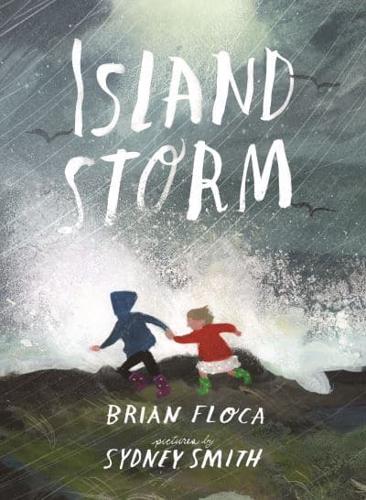
Island Storm by Brian Floca, illustrated by Sydney Smith
Two siblings venture outside as a thunderstorm approaches their island home, drawn towards the shore by the changing wind, sky and sea. As the storm gathers strength, their adventure becomes increasingly frightening, and they race home to safety. Brian Floca’s rhythmic text and Sydney Smith’s atmospheric illustrations capture the power of the weather and the children’s excitement, fear and relief. Their close bond runs through the story, giving teachers opportunities to discuss storms, taking risks, sibling relationships and the reassurance of returning home.
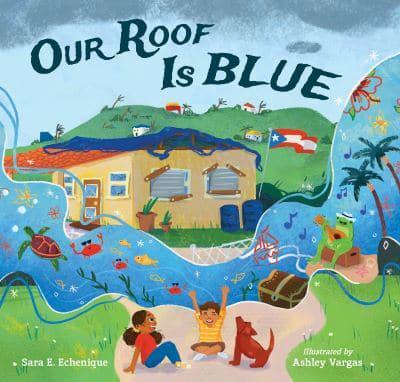
Our Roof Is Blue by Sara E. Echenique, illustrated by Ashley Vargas
When a hurricane tears the roof from their Puerto Rican home, a girl and her younger brother live beneath a blue tarp while their family repairs the damage. Antonio, once full of stories, falls silent after the storm, and his sister uses imagination and companionship to help him feel safe. Sara E. Echenique’s story centres on siblings, recovery and community, with Ashley Vargas’s illustrations tracing the blue roof through changing memories.
Flooded by Mariajo Ilustrajo
A city’s animal residents are going about their day when floodwater starts to rise. As the water spreads, they realise they need to respond together. Mariajo Ilustrajo builds the story through expressive illustrations that let children notice changing water levels, crowded streets and the animals’ shifting reactions. The movement from confusion to cooperation makes this picture book a starting point for talking about floods, community action and helping neighbours.

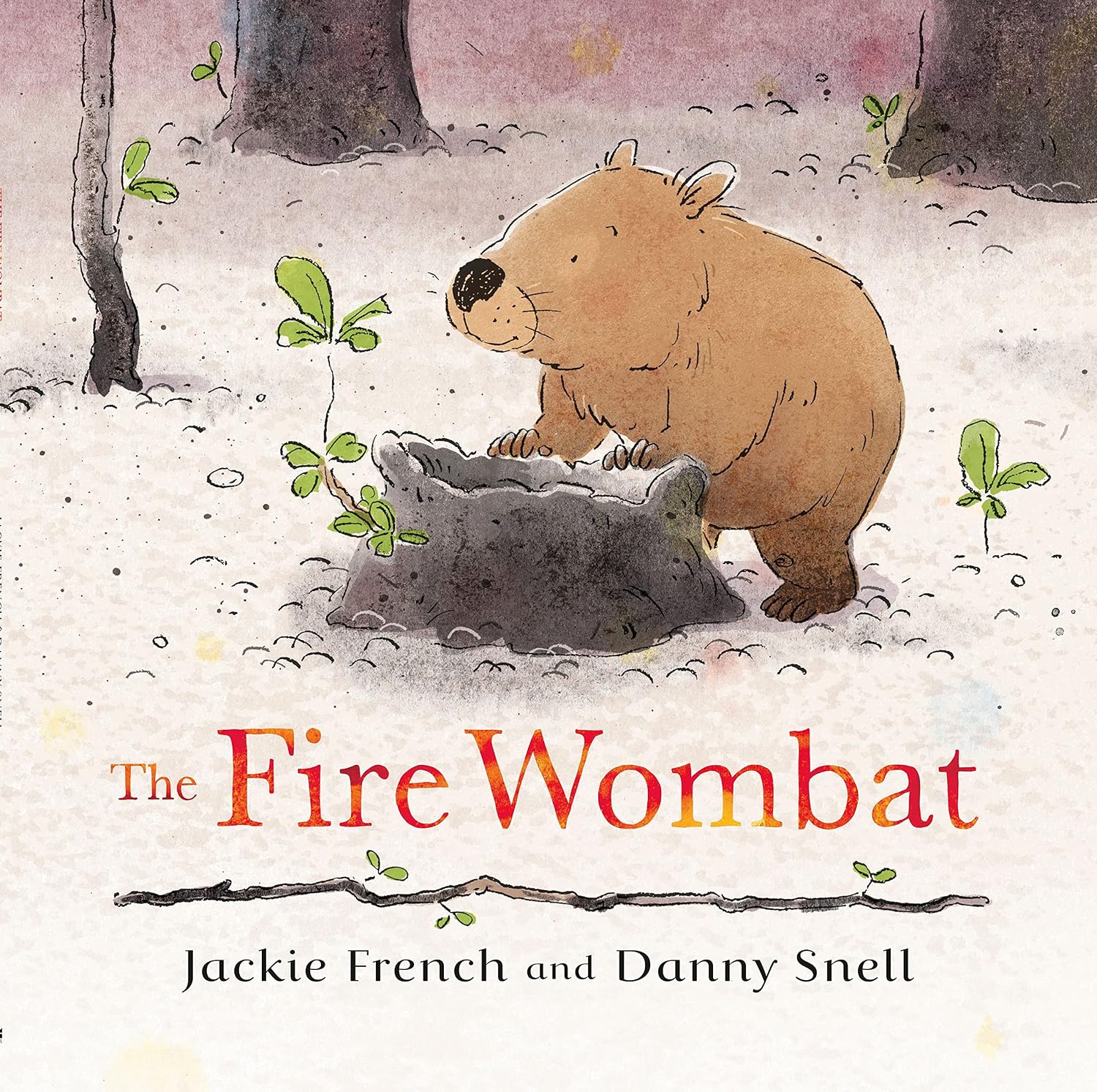
The Fire Wombat by Jackie French, illustrated by Danny Snell
As bushfire flames approach, one small wombat heads for the safety of her underground burrow, followed by other animals. Jackie French and Danny Snell shape the story around an animal’s experience of fire, shelter and survival, with the illustrations showing the scale of danger around the refuge. The story draws on events witnessed during Australia’s 2020 fires and connects children with the work of caring for wildlife after a disaster.
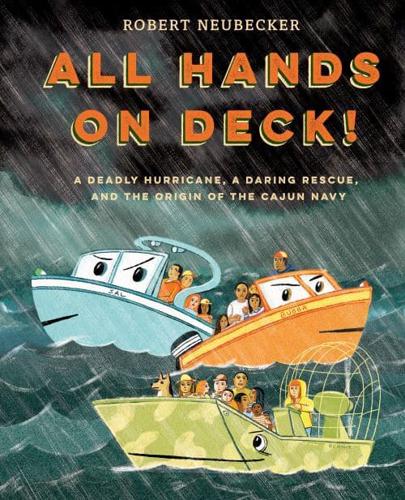
All Hands on Deck! by Robert Neubecker
When Hurricane Katrina strikes Louisiana, rising floodwaters leave people stranded and emergency services struggling to reach them. Robert Neubecker tells the story of the Cajun Navy, the volunteer rescuers who brought their own boats to help, through a cast of lively, personified watercraft. As small boats join forces to rescue people, the illustrations bring the scale of the flooding and the importance of cooperation into focus. Inspired by the real rescue effort following Hurricane Katrina in 2005, this picture book introduces younger children to disaster response, community action and the difference ordinary people can make during an emergency.
Natural disaster books for children aged 7-12
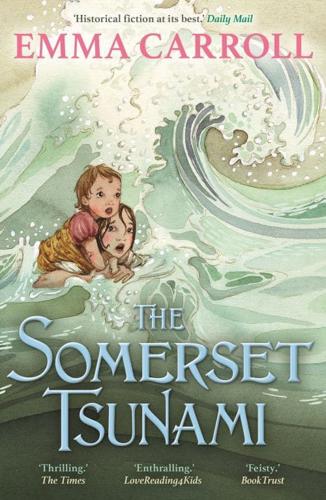
The Somerset Tsunami by Emma Carroll
In Somerset in 1616, Fortune Sharpe is sent away to find work disguised as a boy after attracting unwanted attention in her village. At a wealthy manor house, she encounters dangerous secrets, accusations of witchcraft and growing suspicion, before catastrophic flooding threatens the surrounding countryside. Emma Carroll combines a historical survival story with themes of prejudice, courage and injustice. The novel draws inspiration from the devastating Bristol Channel floods of 1607, an event whose cause remains debated. This historical adventure for 9+ year olds places Fortune’s struggle for survival against the dangers and superstitions of seventeenth-century England.
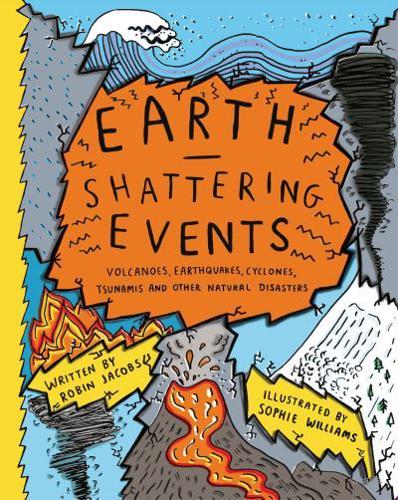
Earth-Shattering Events by Robin Jacobs, illustrated by Sophie Williams
Robin Jacobs and Sophie Williams introduce natural disasters through illustrated explanations of events such as hurricanes, tornadoes, avalanches, earthquakes, tsunamis and volcanic eruptions. Short sections bring together what happens during each event and the science behind it, with pictures helping children make sense of powerful forces and their effects. The range of hazards gives the book scope for dipping in by topic or comparing different kinds of disaster. Children can use it to build vocabulary and background knowledge across earth science and geography.
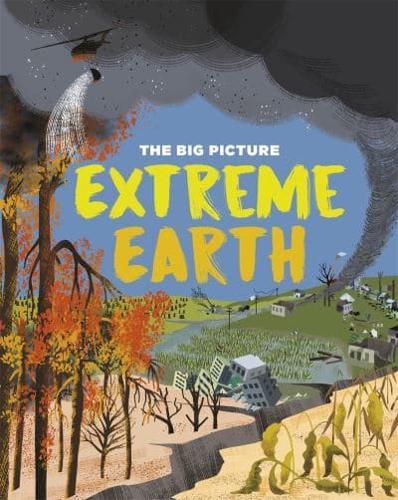
The Big Picture: Extreme Earth by Jon Richards, illustrated by Josy Bloggs
This illustrated guide looks at powerful natural events, including earthquakes, volcanoes, avalanches, floods, tsunamis, droughts, forest fires, hurricanes, tornadoes and ice storms. Jon Richards and Josy Bloggs bring the different hazards together in a visual reference book that children can browse by subject. Short explanations introduce how these events affect the planet and people, while the wide range of examples opens up connections between geography and earth science.
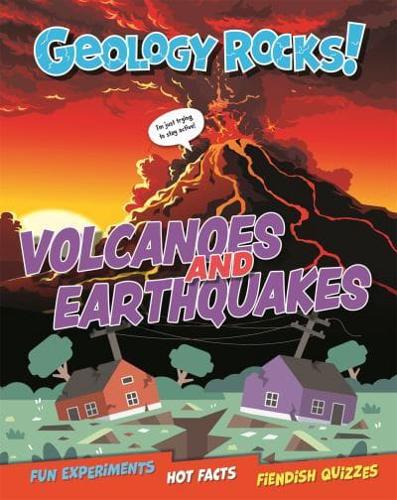
Geology Rocks!: Earthquakes and Volcanoes by Claudia Martin
Why do earthquakes shake the ground, and what makes volcanoes erupt? Claudia Martin’s illustrated guide introduces the science behind both events, alongside practical examples of how people respond to them. The book looks at measuring earthquakes, escaping tsunamis and designing buildings to withstand seismic activity. Its combination of explanations and real-world applications helps children connect what happens beneath Earth’s surface with the ways communities prepare for natural hazards.
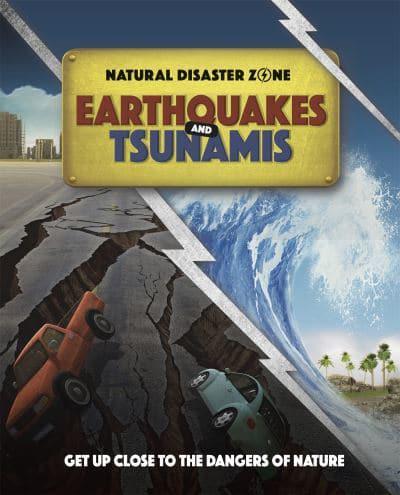
Natural Disaster Zone: Earthquakes and Tsunamis by Ben Hubbard
Ben Hubbard explains how earthquakes and tsunamis happen, how scientists monitor them and what their effects can be. Diagrams and case studies help children connect the processes beneath the Earth’s surface with events experienced by communities. The book also introduces the ways people study and prepare for these hazards, giving readers a route into both the science and the human impact. This illustrated non-fiction book for 9+ year olds is part of a series about natural disasters.
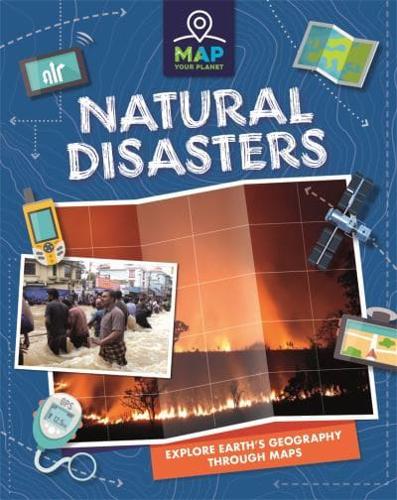
Map Your Planet: Natural Disasters by Rachel Minay
Rachel Minay uses maps to introduce natural hazards and show where disasters occur around the world. The book links place and environment, helping children see how geography shapes the risks faced by different regions. Its visual approach makes it possible to compare locations and consider how people prepare for events such as earthquakes, floods and storms.
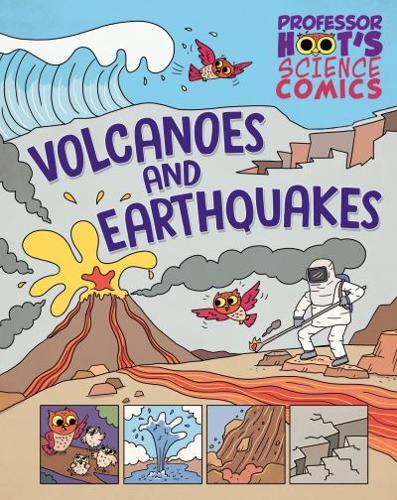
Professor Hoot’s Science Comics: Volcanoes and Earthquakes by Jen Green, illustrated by Richard Watson
Professor Hoot investigates a volcanic eruption and uses the experience to introduce the science of volcanoes and earthquakes. The comic also brings in tsunamis and landslides, showing how one geological event can connect with other hazards. Richard Watson’s illustrations carry the story through the investigation, and an end quiz revisits the science. Children aged 6 and over can explore earth science through a comic format that combines narrative, diagrams and factual explanation.
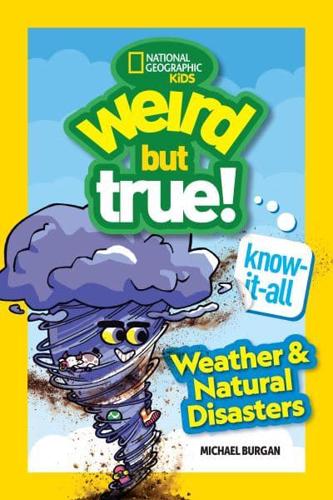
Weird But True! Know-It-All: Weather & Natural Disasters by Michael Burgan and National Geographic Kids
Michael Burgan and National Geographic Kids gather facts about weather and natural disasters in this illustrated reference book. Short entries, colour photographs and snippets of information invite readers to browse, pause over surprising details and follow their curiosity from one subject to another. The weather and disaster coverage gives children a way to compare different kinds of events and learn the language used to describe them.
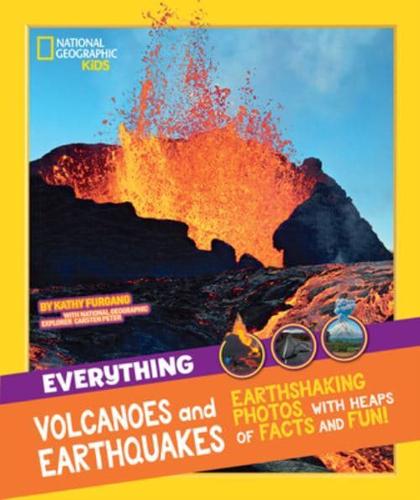
Everything: Volcanoes and Earthquakes by National Geographic Kids
This illustrated reference book is packed with facts and anecdotes about volcanoes and earthquakes. National Geographic Kids combines photographs with maps, infographics, diagrams, a photo gallery and an interactive glossary. The pages also include field anecdotes and tips, fun facts and comparisons, giving children different ways to approach the subject. Its two main topics make it useful for dipping into, while the visual features help explain the scale and variety of volcanic and seismic activity around the world.
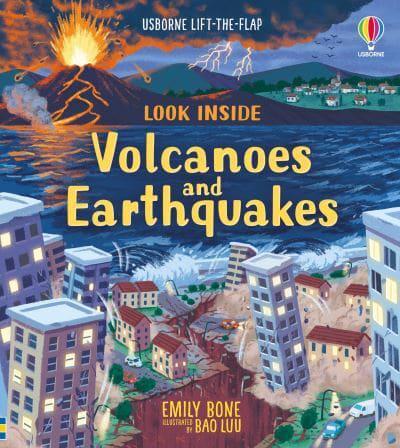
Look Inside Volcanoes and Earthquakes by Emily Bone and Laura Cowan, illustrated by Bao Luu
Emily Bone and Laura Cowan introduce volcanoes and earthquakes through an illustrated lift-the-flap format. The pages invite children to look beneath the Earth’s surface and discover more about what happens during eruptions and seismic events. Bao Luu’s illustrations support the explanations and make the book a hands-on introduction to the topic. It gives younger children a way to revisit key facts and follow their questions, while its board-book format is suitable for shared reading as well as independent browsing.
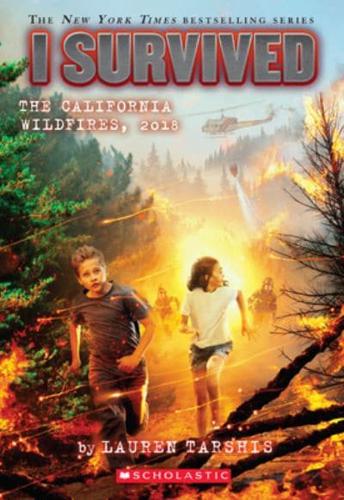
I Survived the California Wildfires, 2018 by Lauren Tarshis
Lauren Tarshis’s survival story follows 11-year-old Josh, who is visiting his cousins in Northern California when devastating wildfires threaten the surrounding area. As the flames spread, Josh must find a way to survive a fast-moving emergency. The novel connects an imagined survival narrative with the real California wildfires of 2018, combining suspense with historical context. Children can use the book as a starting point for discussing wildfire risk, emergency response and the experiences of people affected by major fires.
When the World Ends by Joanna Nadin
A sudden rise in sea levels transforms England, leaving two groups of children on opposite sides of the country to find their way through a changed landscape. Joanna Nadin brings them together through parallel journeys of danger, resourcefulness and survival, giving the novel a broad view of a national emergency through the lives of young characters. The book for 9+ year olds combines speculative fiction with a flood-disaster setting, and makes space for questions about friendship, resilience and how people help one another.

Natural disaster books for teens
Tsunami Girl by Julian Sedgwick, illustrated by Chie Kutsuwada
Fifteen-year-old Yuki travels to Japan to stay with her grandfather, and arrives on the eve of the 2011 earthquake and tsunami. As she and her friend Taka face the disaster and its aftermath, Yuki’s story is interwoven with Japanese folklore, ghost stories and the manga hero she creates. Julian Sedgwick tells the novel through prose and manga, with illustrations by Chie Kutsuwada. This coming-of-age story for 12+ year olds considers loss, imagination and recovery after catastrophe.

Dry by Neal Shusterman and Jarrod Shusterman
When a catastrophic drought cuts off the water supply in Southern California, teenager Alyssa must make life-changing decisions for her family. Neal Shusterman and Jarrod Shusterman build the story around the consequences of a sudden water shortage, as people scramble to find what they need to survive. The near-future setting gives the novel room to consider how communities respond under pressure and how young people navigate competing needs. This compelling YA disaster thriller for 14+ year olds centres on drought and survival.
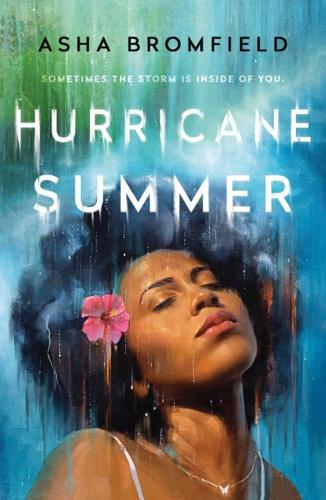
Hurricane Summer by Asha Bromfield
Tilla is spending the summer in Jamaica, where she hopes to reconnect with her father and learn more about the island that has shaped his life. As a hurricane approaches, the family’s tensions and Tilla’s sense of herself come into focus. Asha Bromfield’s YA novel brings together a natural disaster setting, a father-daughter relationship and themes of class, colourism and young love. This absorbing story for 14+ year olds places personal change alongside the pressures of an approaching storm.
A Flood of Memories by Nadia Mikail
Leila has moved away from Sarawak, Malaysia, but returns from Kuala Lumpur to help her mother as heavy rain raises the threat of serious flooding. As the family prepares for the rising water, Leila confronts memories of her father’s death, complicated family relationships and her connection with Arthur. Nadia Mikail brings together grief, trauma, love and the difficulties of facing the past, with the approaching flood adding urgency to the story. Set in a Malaysian community facing an environmental crisis, this YA novel explores family bonds, emotional recovery and the meaning of home.

Click the buttons below to purchase all of the books in this natural disaster book list, as well as class sets of any of these books and many more, from Bookshop.org UK. Or buy the 20 most popular titles from this list from Amazon – ideal for gifts or your classroom library.
Buy from UK.Bookshop.Org Buy from Amazon.co.ukDisclosure: If you buy books using the buttons above: we may earn a commission from Bookshop.org, whose fees support independent bookshops; as an Amazon Associate schoolreadinglist.co.uk earns from qualifying purchases.
Schools & teachers: please respect copyright and don’t copy our natural disaster book list. If you find our book recommendations useful, please consider sharing on social media or linking to this page instead. Thanks.
Natural disaster resources for teachers
- The Met Office’s primary teaching resources include free lesson plans, presentations and practical activities exploring extreme weather, forecasting, climate change and the risks posed by severe weather events. Its secondary resources examine extreme weather around the world, its impact on communities and the science behind weather prediction.
- The British Geological Survey provides downloadable educational materials about earthquakes and volcanoes, including practical classroom investigations into seismic waves, tectonic plate movements, earthquake monitoring and models of active and extinct volcanoes.
- The Royal Geographical Society has developed a six-lesson teaching module about mountains, volcanoes and earthquakes. Activities explore plate tectonics, volcanic eruptions, the advantages and disadvantages of living near volcanoes, earthquake locations and the effects of seismic activity on communities.
- Oak National Academy offers seven free Year 6 geography lessons covering the causes and measurement of earthquakes, global earthquake zones, tsunamis, disaster preparedness and responses to major earthquakes in Japan and Turkey. Resources include downloadable slides, worksheets, quizzes and mapping activities.
- The Natural History Museum features KS2 resources about volcanoes and earthquakes, including practical instructions for making a model volcano and recorded talks with museum scientists. Schools can also explore the museum’s volcanoes and earthquakes workshops and educational shows.
- The Geographical Association and Environment Agency have produced a collection of teaching resources about flooding in the UK. Materials include KS2 and KS3 lesson presentations, worksheets and teacher notes exploring flood causes, impacts, personal safety, flood management and resilience, alongside river and coastal case studies.
- The Geographical Association’s drought resources investigate the causes and consequences of the 2010-2012 drought in the UK. Downloadable PowerPoints and worksheets encourage pupils to analyse rainfall data, investigate water shortages, examine environmental and economic impacts and consider responses to drought.
- The British Red Cross offers free primary and secondary teaching resources covering earthquakes, tsunamis, hurricanes, typhoons, flooding and other emergencies. Lesson plans, photographs, videos and discussion activities explore humanitarian responses, community resilience, disaster preparedness and the experiences of people affected by natural hazards.
- The British Red Cross’s earthquake teaching package uses maps, statistics, eyewitness accounts, videos and case studies of earthquakes in Nepal, Haiti and Italy. Designed for students aged 11-19, the activities examine tectonic hazards, immediate and long-term impacts, emergency relief and the challenges of rebuilding communities after a disaster.
- For primary schools, the British Red Cross Pillowcase Project helps children aged 7-11 understand and prepare for weather-related emergencies. Free films, role-play activities, worksheets, photographs and emergency planning exercises encourage pupils to consider personal safety, practical preparedness and coping strategies.
- Oak National Academy’s GCSE geography resources provide a nine-lesson unit on weather hazards, covering global atmospheric circulation, tropical storm formation, prediction and protection, the impacts of Typhoon Rai and extreme weather in the UK. Lessons include presentations, videos, worksheets, quizzes and geographical information system activities.
- Médecins Sans Frontières, working with the Geographical Association, has developed GCSE and A-level geography resources examining tectonic hazards, tropical storms and disaster responses. Case studies include earthquakes in Haiti, Japan and Morocco, with activities exploring vulnerability, humanitarian assistance, disaster management and the longer-term psychological effects of natural disasters.
- The Geological Society provides downloadable A-level teaching presentations, case studies, teacher guidance and activity sheets about volcanoes. Topics include volcanic hazards, eruption processes and lava flows, offering useful material for more advanced physical geography and geology lessons.
- Oxfam’s climate education resources use real-life stories, photographs, films, role-play and discussion activities to explore how extreme weather, droughts and flooding affect communities around the world. Designed for pupils aged 9-16, the materials encourage critical thinking about vulnerability, climate justice and how people adapt to environmental hazards.
BISAC JNF051160. | Thema YXZE.