Natural history books for children and teens
Children’s and teen books about natural history bring the living world to life, from animals, plants and fossils to habitats, evolution and conservation. Some are packed with photographs and surprising facts, while others offer detailed field guides or true stories of discovery. They build scientific knowledge, sharpen observation skills and encourage readers to care about the natural world. They may even tempt children outdoors to investigate it for themselves. This list features books by Chris Packham, Ed Yong, Robin Wall Kimmerer, Steve Brusatte, Mya-Rose Craig, Peter Wohlleben, Gillian Burke, Isabella Tree, Dara McAnulty, and Helen Scales.
Natural history books for children and teens – our recommendations
Natural history picture books – our recommendations
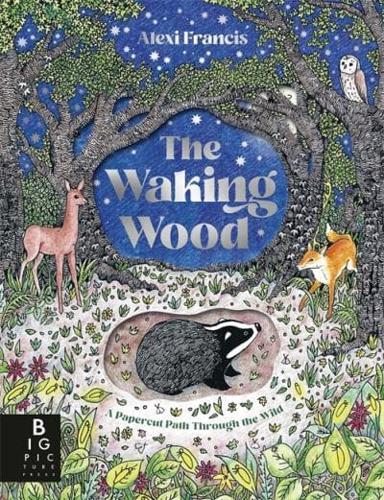
The Waking Wood by Alexi Francis
As night falls around an ancient oak, a young badger follows the old woodland paths and then loses his way in the dark. A striking and beautifully realised hardback picture book for 5+ year olds, Alexi Francis uses delicate pen-and-ink woodland scenes and immaculate papercut pages to follow the badger’s journey from darkness towards dawn. It’s a beautiful gift book for early independent readers. Highly recommended.
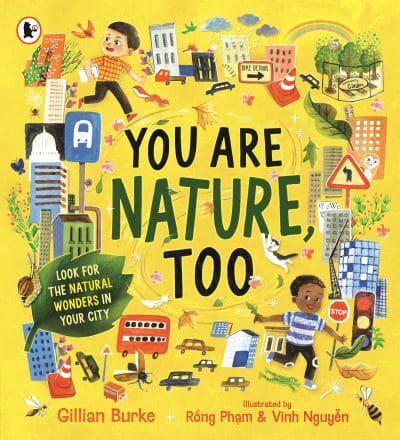
You Are Nature, Too by Gillian Burke, illustrated by Rong Pham and Vinh Nguyen
Two children walking through a city discover birds among the branches, plants pushing through pavements and signs of wildlife in unexpected places. Search-and-find details and gentle nature activities encourage 3-8 year olds to observe their surroundings and recognise that people belong to the natural world too. The warm illustrations make this an inviting book to share before exploring a garden, park or neighbourhood.
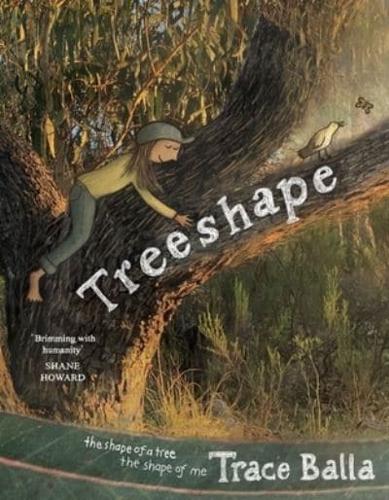
Treeshape by Trace Balla
A childhood love of climbing trees grows into a detailed and atmospheric graphic memoir about noticing birdsong, leaf light, butterfly movement and the living world. A thoughtful and memorable read for 10+ year olds, it explores environmental activism, including protest against uranium mining at Jabiluka, alongside First Nations connection to Country, memory and care for habitats.
My Nature Trail by Rachel Lawston and Paul Lawston, illustrated by Lia Visirin and Beatriz Castro
Leaf and cloud watching, seed-ball making, dam building and creating a hedgehog feeding station offer practical ways to connect with wildlife throughout the seasons. Children can record observations, try crafts and investigate the natural spaces available around them, including those in towns and cities. Perfect for nursery and EYFS children, this stunningly visual hands-on collection works well for family outings, nursery activities and forest-school sessions. Highly recommended.

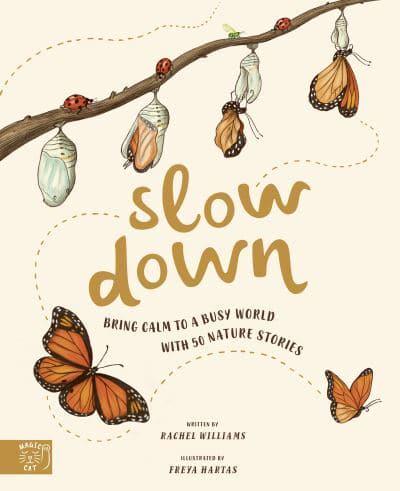
Slow Down by Rachel Williams, illustrated by Freya Hartas
A spider spins its web, a bee pollinates a flower and a rainbow forms as fifty everyday natural events unfold step by step. Each sequence pauses a transformation that might otherwise pass unnoticed, combining clear explanations with intricate, characterful artwork. Ideal for 5-8 year olds, this thoughtful collection invites children to look more closely through a window or venture outside and see what nature is doing.
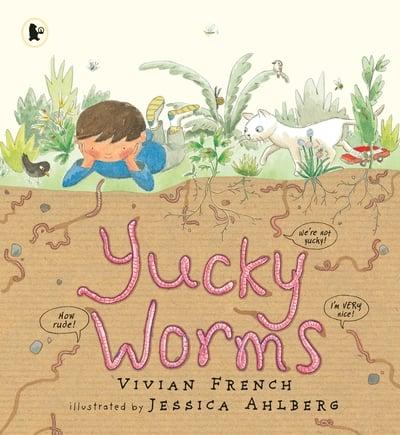
Yucky Worms by Vivian French, illustrated by Jessica Ahlberg
A child who thinks worms are unpleasant receives a persuasive lesson from a gardening grandmother. Beneath the soil, earthworms create tunnels that let in air and water, break down dead material and help produce the rich humus in which plants grow. The conversational storytelling and lively underground pictures make these important garden creatures approachable for 5-7 year olds, while offering useful material for classroom growing projects.
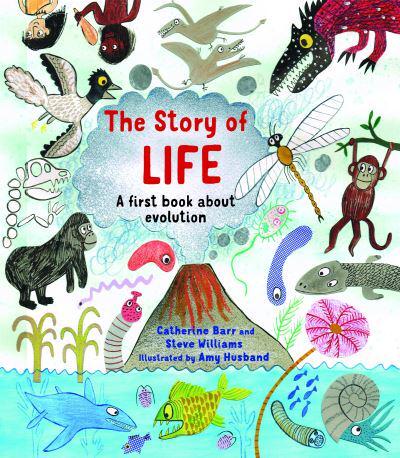
The Story of Life by Catherine Barr and Steve Williams, illustrated by Amy Husband
Life begins with the earliest organisms and develops through an immense sequence of change, extinction and adaptation before humans finally appear. A flowing visual timeline introduces evolution in manageable stages, pairing concise explanations with colourful scenes of prehistoric seas, dinosaurs, mammals and early people. Shared reading will help 4-7 year olds follow the chronology and begin asking thoughtful questions about how today’s living things came to be.
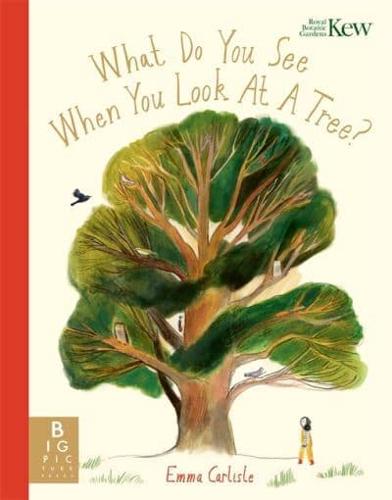
What Do You See When You Look at a Tree? by Emma Carlisle
Stopping before a tree opens up questions about its life, the natural world around it and the connections people share with other living things. Lyrical reflections and richly textured artwork invite children to observe rather than hurry past, creating space for conversation as well as quiet thought. Parents and teachers can use this charming and immersive book with 4-7 year olds to inspire outdoor looking, drawing and discussion.
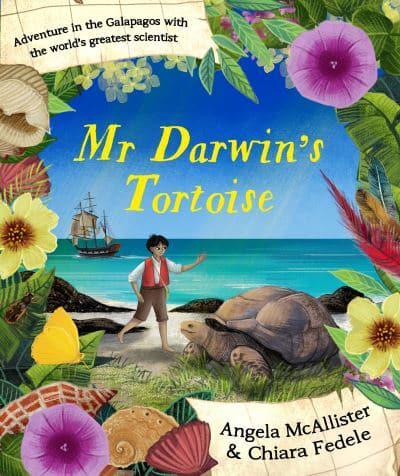
Mr Darwin’s Tortoise by Angela McAllister and Chiara Fedele
In this fictional story, Antonio lives on the Galápagos Islands and knows its wildlife inside out. When Charles Darwin arrives, Antonio shows him the animals he has grown up watching, from birds to reptiles, and the two compare their finds. Darwin studies the islands closely while Antonio follows along, curious about what he is learning. When baby tortoises hatch, Antonio gives one to Darwin to take with him as a reminder of the visit. This spectacularly vibrant illustrated book for 5+ year olds is perfect for primary school libraries.
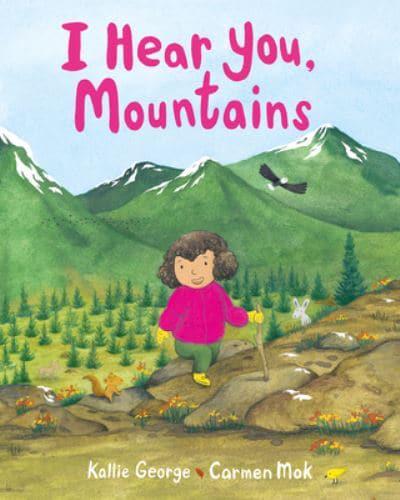
I Hear You, Mountains by Kallie George
Kallie George’s I Hear You, Mountains is the third instalment in the Sounds of Nature series. Following a group of friends on a mountain hike, readers will discover the sounds of nature, including waterfalls and chipmunks. It’s perfect for reading in forest school, in outdoor classrooms, and also to read in the classroom when discussing mindfulness, empathy, and listening skills. Beautifully illustrated with evocative text, I Hear You, Mountains is highly recommended for inquisitive and thoughtful children who are interested in the natural world.
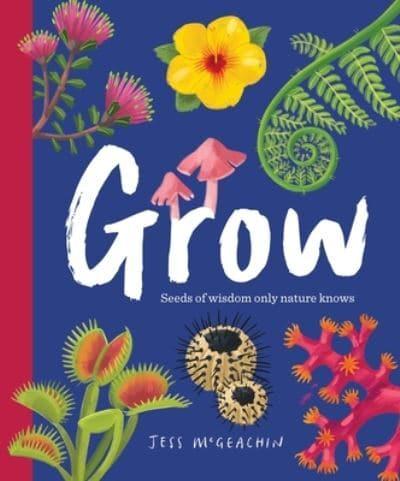
Grow by Jess McGeachin
Flowers bloom, ferns unfurl and an astonishing variety of living things reach upwards, spread outwards or grow beneath the surface. This richly illustrated picture book for 3+ year olds explores flowers, fungi, moss, corals, seaweeds, succulents and grasses in glorious detail. It’s a fantastic text for EYFS and KS1 settings. Rhythmic text makes it a joy to read aloud, while the meticulous artwork offers plenty for children to notice, discuss and revisit. Highly recommended.
Natural history books for 7-12 year olds – our recommendations
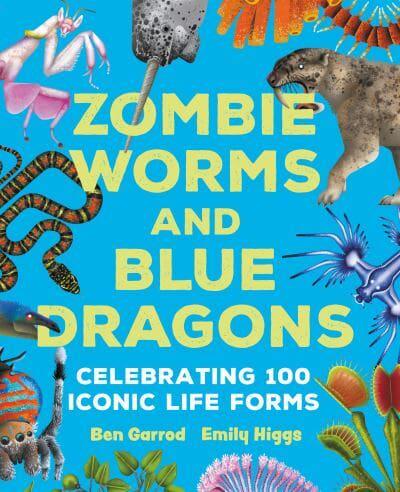
Zombie Worms and Blue Dragons: Celebrating 100 Iconic Life Forms by Ben Garrod, illustrated by Emily Higgs
From enormous, ancient and highly venomous organisms to tiny, newly discovered and wonderfully strange species, Ben Garrod introduces 100 remarkable forms of life from across the natural world. Children can investigate poisonous trees, snakes that glide through forest canopies and parasitic fungi capable of turning their victims into real-life zombies. Emily Higgs provides full-colour illustrations throughout the book. Perfectly pitched for curious 7+ year olds, this is a wide-ranging celebration of animals, plants, fungi and other extraordinary organisms and the science behind their lives.
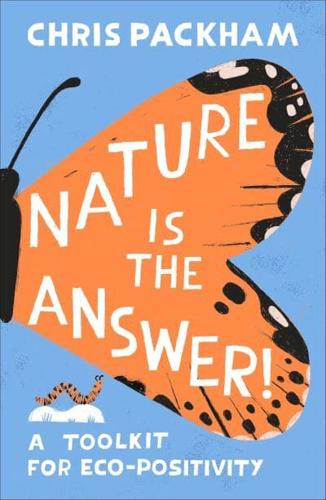
Nature is the Answer by Chris Packham, illustrated by Conor Nolan
Aimed at 9-12 year olds, Nature is the Answer tackles eco-anxiety and climate breakdown in a direct, thought-provoking and practical way. Chris Packham explains what eco-anxiety is, why it happens and how it can be managed, combining climate facts with contemporary contributions from young people and specialists. Sections on activism, social media and spotting misinformation sit alongside Packham’s personal reflections from his work as a naturalist, with accessible illustrations by Conor Nolan throughout. This inspiring toolkit for action is highly recommended for KS2 libraries.
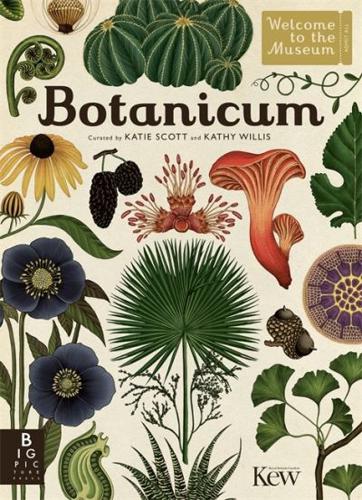
Botanicum by Kathy Willis, illustrated by Katie Scott
Algae, mosses, ferns, bulbs, perennials and tropical plants are arranged as exhibits within a grand botanical museum. Detailed cross-sections and elegant plates explain how major plant groups work, reproduce and differ, taking readers far beyond the flowers they may recognise from gardens. Its sophisticated design and substantial scientific content make the book particularly rewarding for 10-12 year olds who enjoy visual reference books and independent investigation.
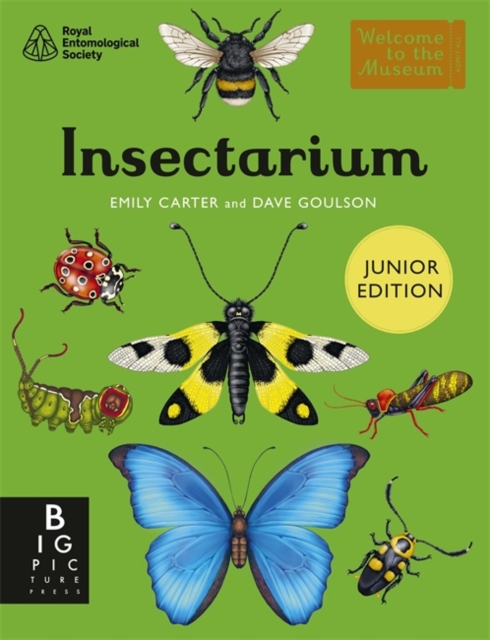
Insectarium Junior Edition by Emily Carter and Dave Goulson
This sumptuously illustrated guide introduces insect life to 7+ year olds using fascinating chunks of text and richly detailed artwork. Created in collaboration with the Royal Entomological Society, it covers a wide range of species, from butterflies to beetles, with close attention to habitats and key scientific features. The museum-style layout suits dip-in browsing as well as use as a reference text. Perfect for KS2, it supports science learning and builds understanding of insect diversity and evolution. Highly recommended.
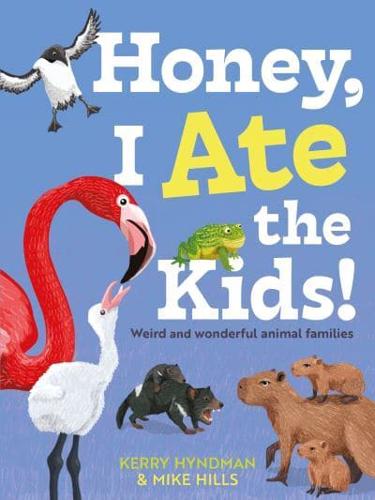
Honey, I Ate the Kids by Kerry Hyndman and Mike Hills
Animal family life gets a brisk, eye-opening treatment in this fun-packed non-fiction book for 9-11-year-olds, with facts on everything from Komodo dragons eating their young to capybaras eating poo and glass frogs using “ninja kicks” to protect their eggs. Kerry Hyndman and Mike Hills pack each page with facts, quizzes and activities, balancing the revolting with the surprisingly heart-warming. It is the type of non-fiction that KS2 pupils will dip into for one fact and keep returning to day after day. Highly recommended.
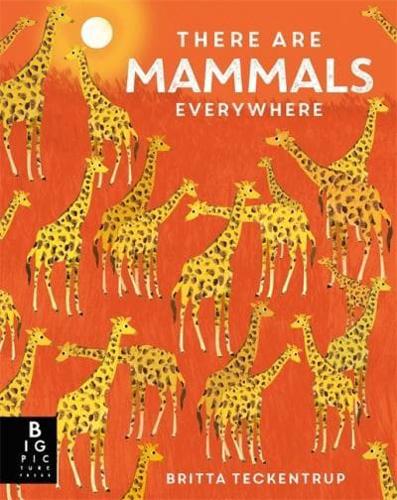
There are Mammals Everywhere by Camilla De La Bedoyere, illustrated by Britta Teckentrup
Meet fascinating mammals from all over the world, from forests to deserts, with Britta Teckentrup’s sparkling illustrations and Camilla de la Bedoyere’s precise, accessible text. Each immersive double-page spread groups information by habitat, biology and how animals live alongside people. Using labels, arrows and panels, it encourages LKS2 readers to dip in anywhere. It’s an excellent non-fiction text for exploring animals, habitats and extinction. Perfect for primary school libraries.
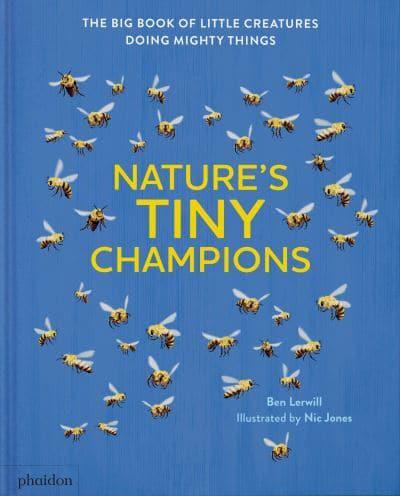
Nature’s Tiny Champions by Ben Lerwill, illustrated by Nic Jones
A bumblebee bat, bee hummingbird, reef starfish and cape dwarf chameleon prove that an animal does not need to be large to matter. Twenty diminutive creatures demonstrate their roles in pollination, migration, food chains and healthy ecosystems, with life-size diagrams helping readers appreciate their true scale. Children aged 6-9 can enjoy the striking portraits while discovering how some of nature’s smallest participants keep the wider world working.
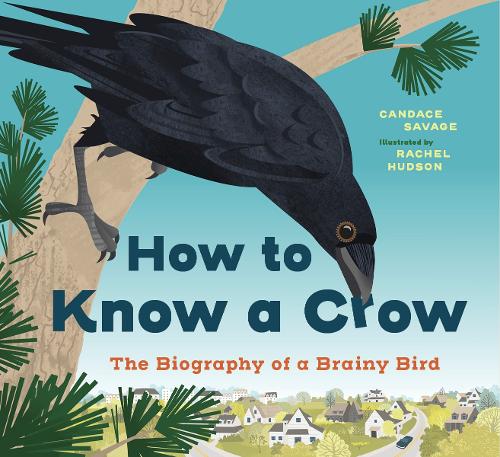
How to Know a Crow by Candace Savage
Candace Savage’s How to Know a Crow explores the life cycle and behaviours of the American crow, following a young crow named Oki from hatching to adulthood. Aimed at 8+ year olds, this book uses factual content to answer questions about crow families, communication, and play. Suitable for curious young readers and educational settings, it combines detailed information with illustrations by Rachel Hudson to support learning about these intelligent birds.
Galápagos Islands by Karen Romano Young, illustrated by Amy Grimes
Explore the wonders of the Galápagos Islands in this stunning hardback illustrated nonfiction book by Karen Romano Young and Amy Grimes. Home to unique wildlife and active volcanoes, this pristine archipelago is brought to life through Young’s firsthand observations and interviews with locals and scientists. 10+ year-old readers will learn about the delicate balance between humans and nature and the importance of conservation efforts. With biographical detail, 1st person and 3rd person narrative nonfiction, ecological explanation texts and persuasive arguments, Galápagos Islands from What on Earth Books is an ideal nonfiction text for Year 6 literacy lessons. Highly recommended.

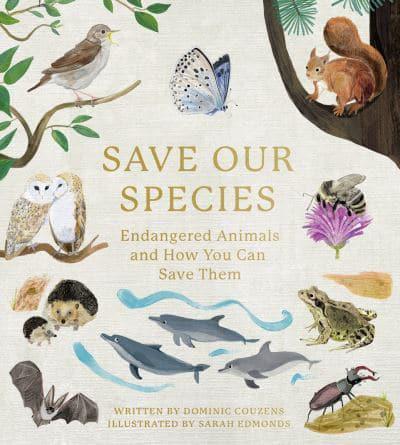
Save Our Species by Dominic Couzens, illustrated by Sarah Edmonds
Thirty threatened animals are introduced through accessible profiles explaining why they are at risk and what people can do to help. Dominic Couzens moves from practical garden projects, including building bird boxes and creating hedgehog tunnels, to community initiatives and wider environmental change. Sarah Edmonds’s colourful illustrations make this hopeful guide inviting to browse, while its emphasis on achievable action gives KS2 readers useful ways to turn concern for wildlife into positive change. A great choice for primary school libraries.
Evolution by Sarah Darwin & Eva Maria Sadowski, illustrated by Olga Baumert
Evolution, natural selection and life on Earth are brought to life by Charles Darwin’s great-great-granddaughter Sarah Darwin. Explaining complex theories in graspable and accessible bursts of graphics and information, ‘Evolution’ is an excellent primer for KS2-aged children. This stunning large format hardback is sumptuously illustrated by Olga Baumert with watercolour images, annotated timelines and short ‘pioneering people’ biographies. There’s also a useful glossary and a selection of sources to encourage further independent reading and research for older readers and educators.

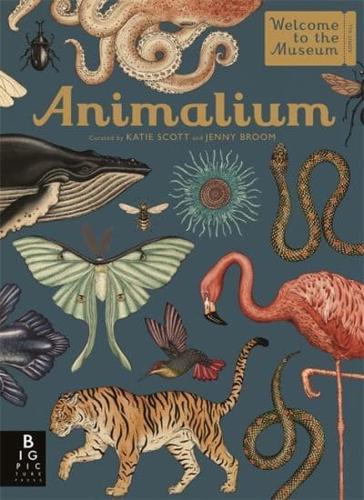
Animalium by Jenny Broom, illustrated by Katie Scott
Galleries of invertebrates, fish, amphibians, reptiles, birds and mammals turn the page into a museum that is always open. More than 160 specimens are presented through precise illustrations and informative text, allowing readers to compare anatomy, habitats and the extraordinary variety of animal life. Curious 7-14 year olds can browse independently or return to individual exhibits as their interests develop.
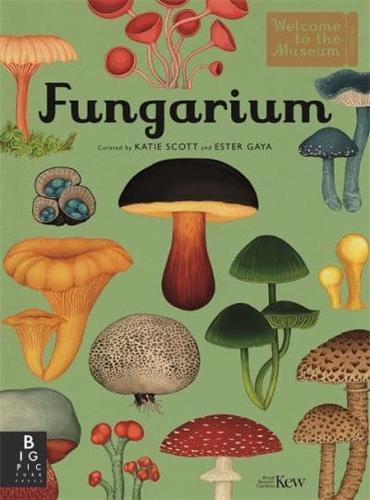
Fungarium by Ester Gaya, illustrated by Katie Scott
Mushrooms, moulds, yeasts and microscopic fungi take centre stage in this richly illustrated tour of an often overlooked kingdom. Readers discover how fungi reproduce, form partnerships with other organisms and perform vital work within ecosystems, as well as their connections with food and medicine. The museum-style presentation offers readers striking pictures to examine, although the detailed information will also reward older children.
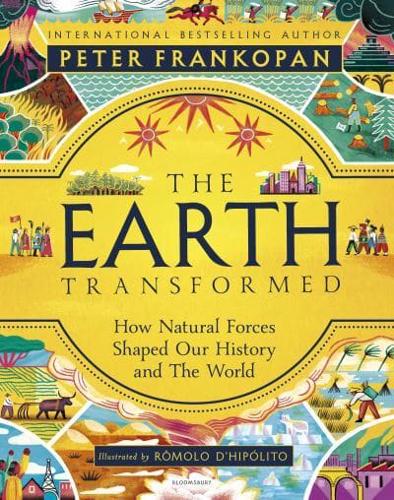
The Earth Transformed – Illustrated Edition by Peter Frankopan, illustrated by Rômolo D’Hipólito
11+ year olds can explore the forces that have shaped world history in this illustrated adaptation of Peter Frankopan’s The Earth Transformed. Beginning with the Big Bang, the book moves through volcanic eruptions, meteor strikes, changing oceans, extreme weather and other environmental changes to show how nature has influenced societies, cities, empires and trade. Rômolo D’Hipólito’s artwork accompanies Frankopan’s wide-ranging history, linking geology, climate and human activity while bringing the story up to the present-day challenge of global warming.
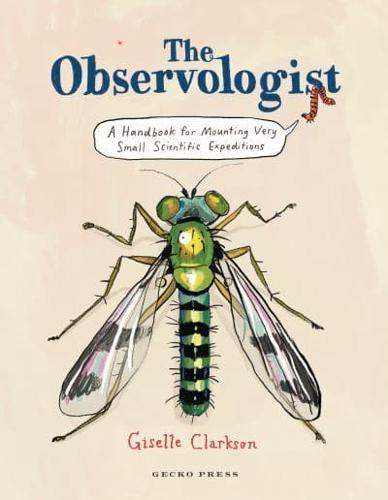
The Observologist by Giselle Clarkson
Damp corners, weedy pavements and windowsills become rewarding places to investigate once children learn how to notice what is hiding there. Slugs, ants, seeds, fungi, flies, bees and even bird droppings appear among more than 100 small creatures and curious features. Facts, comics and humorous observations make this an unusually lively field guide for 7-11 year olds who enjoy examining the overlooked details of everyday nature.
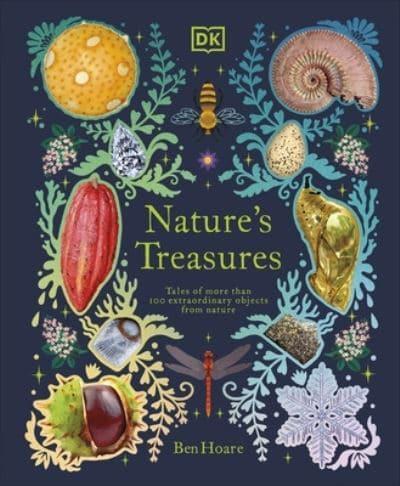
Nature’s Treasures by Ben Hoare, illustrated by Kaley McKean
Whale baleen, butterfly scales, leaf skeletons, rocks and shells reveal remarkable structures when viewed closely. More than 100 natural objects are organised into accessible sections covering animals, plants, fungi, algae, minerals and things made by living creatures. For children aged 6-8, the combination of photographs, illustrations and succinct explanations provides an absorbing introduction to collecting, classification and the beauty found in natural materials.
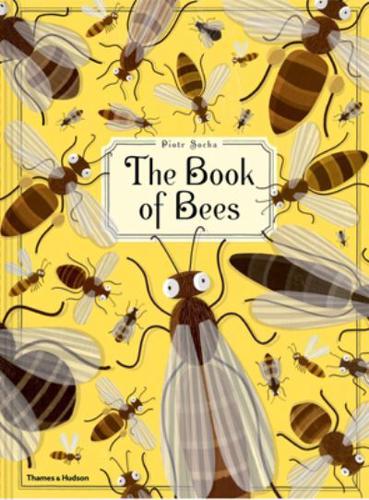
The Book of Bees by Wojciech Grajkowski, illustrated by Piotr Socha
Inside a hive, thousands of insects communicate, raise young, make honey and support the plants growing far beyond their colony. Expansive illustrated spreads examine bee anatomy, pollination, beekeeping, city hives and the long relationship between humans and bees, while also considering the dangers these essential insects face. Readers aged 7+ will find plenty of surprising details to pore over in this large-format visual compendium.
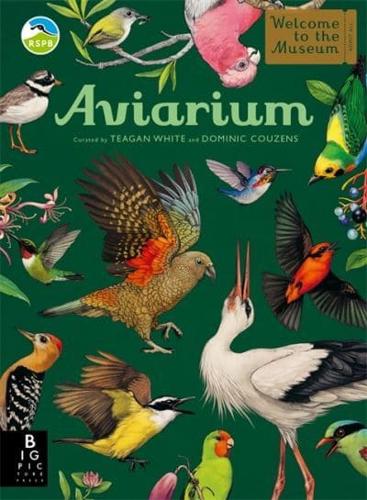
Aviarium by Dominic Couzens, illustrated by Teagan White
Bird life is presented as an open museum, moving from gulls, terns and swallows to owls, eagles, penguins, ducks, kiwis and ostriches. Published in partnership with the RSPB, this outstanding large-format Welcome to the Museum title is a brilliant choice for 7+ year olds who are fascinated by natural history. The intricate illustrations and rich, high-quality nonfiction writing make Aviarium the perfect prize or gift book for a KS2-aged child.
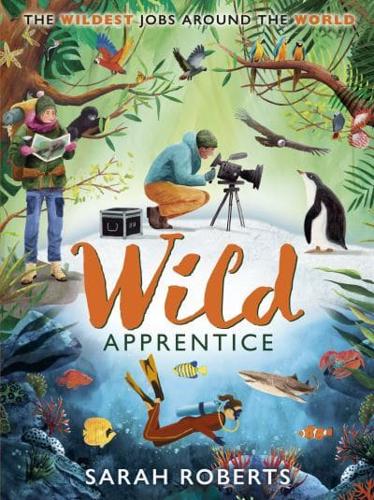
Wild Apprentice by Sarah Roberts, illustrated by Marianne Van der Walle
What does it take to become a marine biologist, palaeontologist, wilderness medic or big-wave surfer? Real-world advice, practical skills and first-hand insight introduce adventurous careers that involve studying, protecting or working within the natural world. Perfect for 7+ year olds, the energetic mixture of facts, tips and illustrations will appeal to children wondering how their enthusiasm for wildlife, exploration or the outdoors might shape their future.
Natural history books for teens – our recommendations
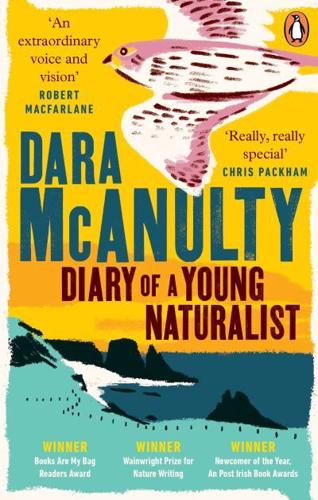
Diary of a Young Naturalist by Dara McAnulty
Season by season, Dara McAnulty records wildlife encounters, environmental campaigning and the upheavals of moving home and changing school in Northern Ireland. His close observations of birds, insects and landscapes sit alongside candid reflections on autism, bullying and family life. Teens will find an intimate nature diary shaped by curiosity, anger at ecological destruction and an unmistakable delight in the living world.
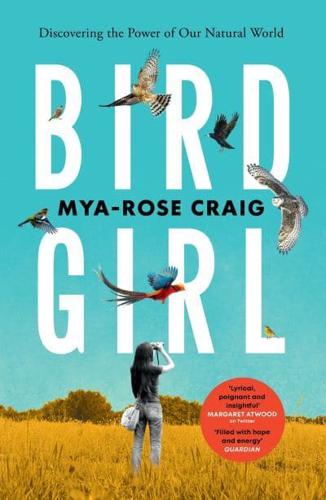
Birdgirl by Mya-Rose Craig
A childhood spent searching for birds takes Mya-Rose Craig and her family across all seven continents, from early local twitches to encounters with thousands of species. The resulting memoir also considers her British-Bangladeshi identity, environmental activism and the effect of her mother’s mental illness on family life. More mature teen readers will appreciate its thought-provoking blend of travel writing, personal history and passionate observation of the natural world.
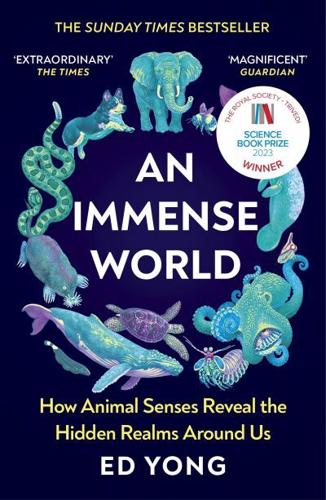
An Immense World by Ed Yong
Ultraviolet colour, electrical fields, vibrations, echoes and magnetic forces form part of a sensory world that humans can barely perceive. Through laboratory discoveries and encounters with scientists, Ed Yong examines how creatures experience their surroundings and how artificial light and noise disrupt those experiences. Curious teen readers will emerge with a radically expanded understanding of sight, sound, touch, smell and the many senses beyond them.
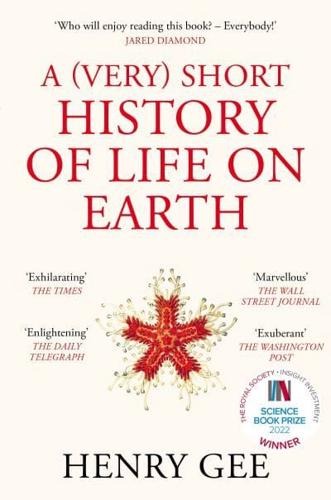
A (Very) Short History of Life on Earth by Henry Gee
More than four billion years of evolution are condensed into twelve brisk chapters, beginning with life’s emergence on an inhospitable young planet. Extinctions, environmental upheavals and remarkable evolutionary developments lead eventually to early hominins and Homo sapiens. An accessible text for science-minded teens, the sweeping chronology emphasises how persistence, chance and constant change have produced the living world we know today.
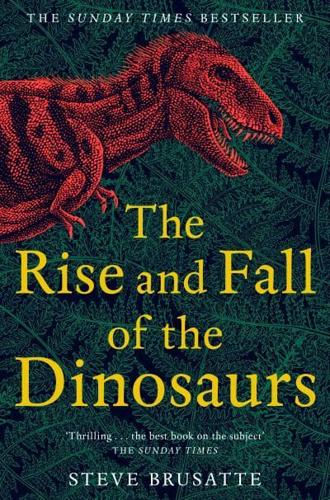
The Rise and Fall of the Dinosaurs by Steve Brusatte
Fossils and modern technology trace the dinosaurs from their relatively modest beginnings in the Triassic to their dominance during the Jurassic and their catastrophic end in the Cretaceous. Accounts of palaeontological fieldwork bring the scientific process to life, while the survival of birds reveals an important dinosaur legacy. For 14+ year olds, this compelling book offers an energetic introduction to current research.
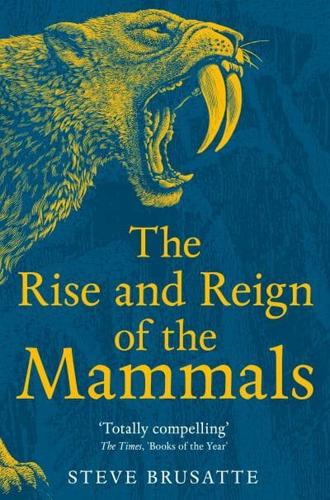
The Rise and Reign of the Mammals by Steve Brusatte
Small mammalian ancestors lived alongside the dinosaurs long before an extinction event opened new ecological opportunities. Their descendants evolved into an astonishing range of forms, including mammoths, sabre-toothed cats and eventually humans. Blending evolutionary history with stories of fossil discoveries and the scientists behind them, this substantial account gives 15+ year olds a lively explanation of how mammals survived, diversified and came to dominate much of the planet.
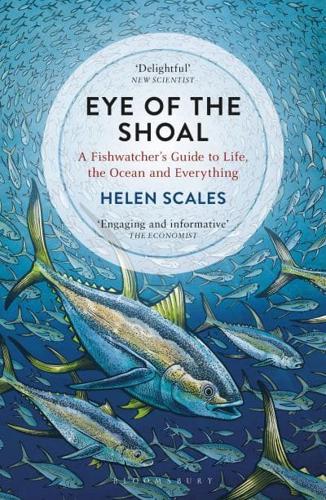
Eye of the Shoal by Helen Scales
Fish can glow, change colour, travel immense distances, remember experiences and communicate in ways that overturn old assumptions about their lives. Encounters with scientists, explorers and dedicated fishwatchers accompany Helen Scales’s own dives among shoals, manta rays and nocturnal species. Its mixture of marine biology, cultural history and personal observation makes this an absorbing choice for teens ready to look beyond the glass of an aquarium.
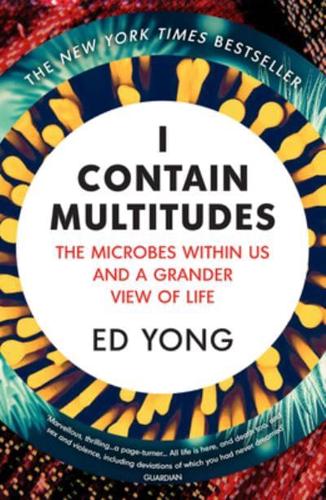
I Contain Multitudes by Ed Yong
Every human and animal carries an immense community of microbes that helps shape development, immunity, digestion and behaviour. Ed Yong visits laboratories and wildlife researchers to reveal partnerships that range from useful cooperation to biological manipulation, showing that no organism lives entirely alone. The scientific detail remains approachable enough for engaged teen readers, who will gain a fresh perspective on health, evolution and the hidden ecosystems within living bodies.
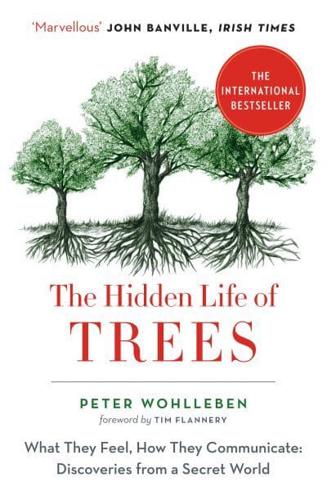
The Hidden Life of Trees by Peter Wohlleben
Roots, fungi and chemical signals connect trees within forests, which Wohlleben argues allow them to exchange resources and respond to threats in ways that are easily missed above ground. Drawing on forestry experience and scientific research, Peter Wohlleben presents woodland as a community rather than a collection of isolated individuals. More confident readers may find its human comparisons provocative, but they also provide an accessible route into questions about forest ecology, conservation and commercial management.
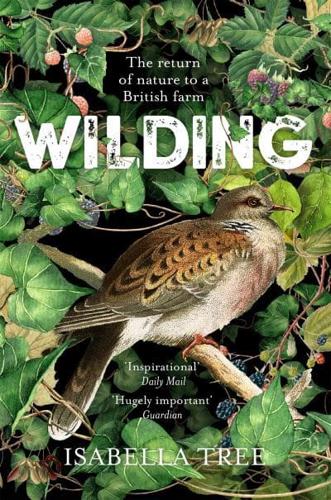
Wilding by Isabella Tree
When intensive farming becomes financially unsustainable on the Knepp estate in West Sussex, Isabella Tree and Charlie Burrell allow natural processes to reshape the land. Free-roaming cattle, ponies, pigs and deer help create habitats in which rare birds, butterflies and other wildlife return. Combining memoir with practical ecology, this detailed account distills an encouraging case study of what can happen when damaged farmland is given space to recover.
Natural history books for sixth formers – our recommendations
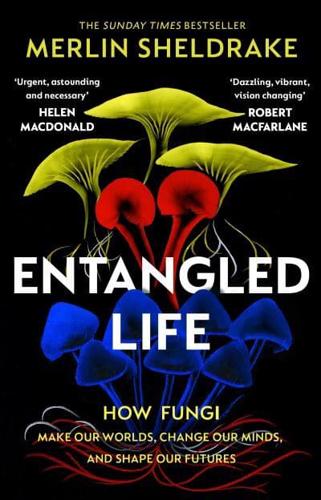
Entangled Life by Merlin Sheldrake
Fungi digest rock, exchange nutrients with plants, ferment food and help shape ecosystems, yet much about their behaviour remains mysterious. Experiments, fieldwork and scientific discoveries reveal organisms that challenge familiar distinctions between individuals, networks and intelligence. A stimulating and thought-provoking option for sixth formers, this wide-ranging exploration moves from truffles and lichens to yeast, mycelium, medicines and psychedelic fungi without losing its sense of fascination.
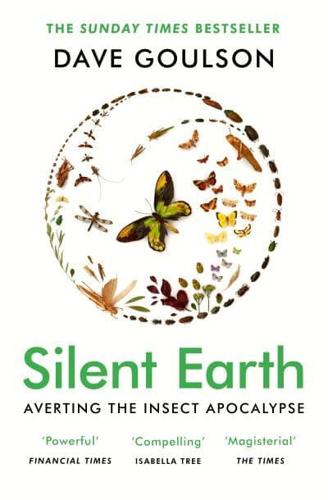
Silent Earth by Dave Goulson
Pollination, decomposition and food webs all depend on insects, making their rapid decline a threat far beyond the disappearance of familiar butterflies and bees. Dave Goulson explains the evidence, examines the pressures damaging insect populations and considers changes that individuals, farmers and governments can make. Thoughtful older teens will find both a clear warning about ecological collapse and a practical argument for rebuilding a healthier relationship with nature.
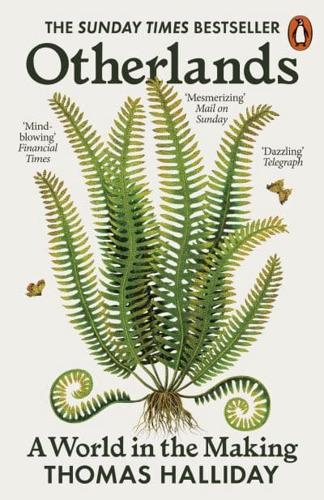
Otherlands by Thomas Halliday
Extinct ecosystems rise from the fossil record as Thomas Halliday travels backwards through deep time and across all seven continents. Ancient forests, wetlands, reefs and grasslands are reconstructed through their climates, plants, predators and prey, allowing readers to imagine worlds that existed long before our own. Detailed but vividly written, this is a rewarding and ambitious journey into palaeobiology.
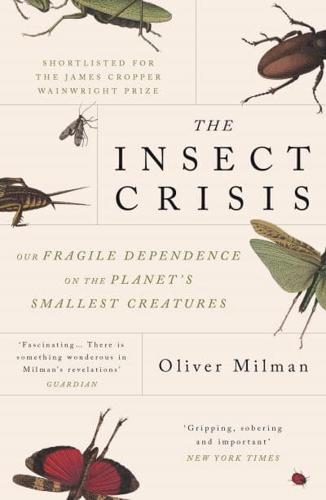
The Insect Crisis by Oliver Milman
Reports of shrinking insect populations lead Oliver Milman around the world to meet the scientists investigating what is happening and why. The book considers habitat destruction, intensive agriculture, pesticides and climate change while demonstrating the essential work performed by flies, moths, beetles, bees and other easily overlooked creatures. Environmental science students will value its combination of global reporting, ecological explanation and urgent conservation questions.
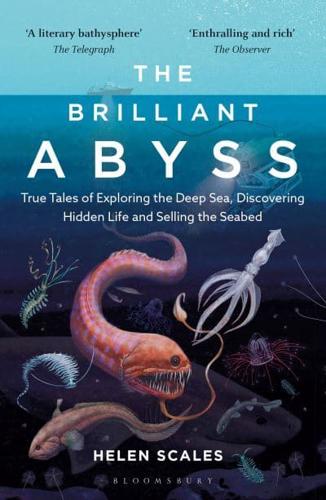
The Brilliant Abyss by Helen Scales
Far below the sunlit ocean lies a vast wilderness filled with unfamiliar species and processes that influence the whole planet. Helen Scales explores the history of deep-sea discovery, the search for useful medicines and the importance of these depths for storing carbon. 16+ year olds can also examine the increasingly urgent debate over exploitation, including the environmental risks posed by mining and other industrial activity.
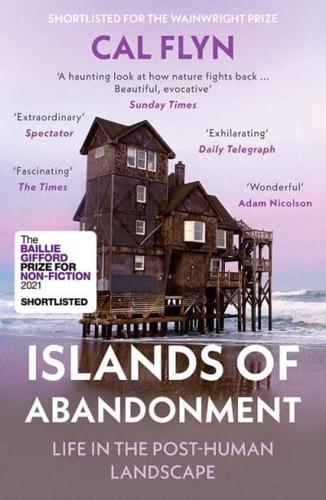
Islands of Abandonment by Cal Flyn
War zones, disaster sites, deserted settlements and former industrial landscapes provide unexpected evidence of nature returning after people withdraw. Cal Flyn travels through damaged and unsettling places to examine how plants and animals recolonise them, sometimes creating ecosystems unlike those that existed before. These journeys offer sixth formers a nuanced discussion of resilience, contamination and recovery.
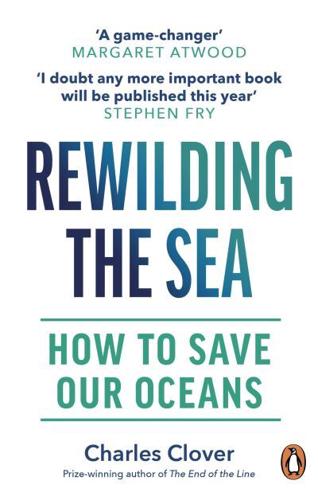
Rewilding the Sea by Charles Clover
Recovering bluefin tuna populations, protected coral gardens in Lyme Bay and efforts to restore oyster reefs demonstrate that damaged marine ecosystems can revive. Charles Clover combines these successes with an examination of overfishing, dredging, trawling and the ocean’s role in storing carbon. Sixth-form readers will encounter a practical and cautiously hopeful argument for changing fisheries, protecting habitats and allowing natural processes to rebuild marine life.
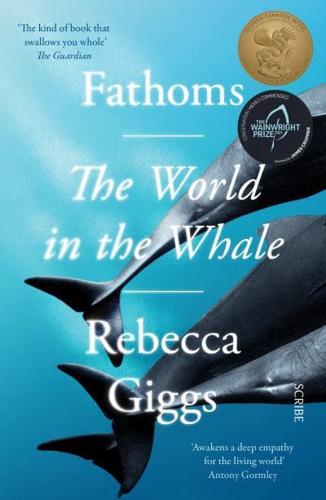
Fathoms by Rebecca Giggs
A stranded humpback whale prompts an investigation into how these immense mammals experience a rapidly changing ocean. Rebecca Giggs explores whale songs, rare species, the thriving communities created by a whale’s death, Japanese whaling and the plastic pollution entering marine food chains. Combining natural history, philosophy and environmental reporting, this richly written study is ideal for students interested in whales and humanity’s complicated relationship with them.
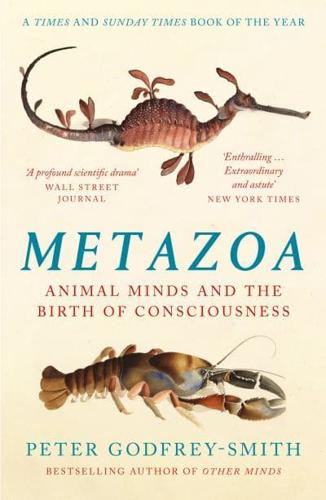
Metazoa by Peter Godfrey-Smith
How did sensation, agency and consciousness emerge from the earliest forms of animal life? Peter Godfrey-Smith approaches that question through evolution, philosophy and close encounters with marine creatures, moving from simple organisms towards animals with complex nervous systems. Readers are invited to consider where minds begin, how different bodies produce different experiences and whether familiar boundaries between instinct, intention and intelligence can really be maintained.
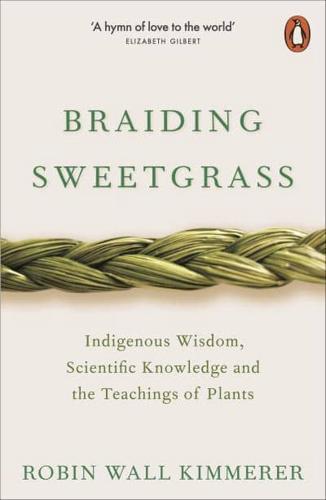
Braiding Sweetgrass by Robin Wall Kimmerer
Botanical science, Citizen Potawatomi knowledge and personal experience are woven together in essays about plants, family, language and responsibility. Strawberries, sweetgrass, maple trees and other living beings become starting points for considering gratitude, reciprocity and the damage caused by treating nature merely as a resource. A reflective and at times demanding read, it offers a distinctive meeting point between ecological research, Indigenous traditions and memoir. Highly recommended.
Click the buttons below to purchase all of the books in this natural history books list, as well as class sets of any of these books and many more, from Bookshop.org UK. Or buy the 20 most popular titles from this list from Amazon – ideal for gifts or your classroom library.
Buy from UK.Bookshop.Org Buy from Amazon.co.uk
Disclosure: If you buy books using the buttons above: we may earn a commission from Bookshop.org, whose fees support independent bookshops; as an Amazon Associate schoolreadinglist.co.uk earns from qualifying purchases.
Schools & teachers: please respect copyright and don’t copy our natural history books for children list. If you find our book recommendations useful, please consider sharing on social media or linking to this page instead. Thanks.
Natural history resources for teachers
- The Natural History Museum provides curriculum-linked resources for Key Stages 1 to 3 on dinosaurs and fossils, habitats and food chains, evolution, biodiversity, classification, pollution and urban nature.
- The RSPB’s education pages include Big Schools’ Birdwatch materials, Wild Challenge activities, printable wildlife projects and practical ideas for improving habitats in school grounds. Resources are available in English and Welsh.
- Royal Botanic Gardens, Kew’s Endeavour platform offers hundreds of free teaching resources exploring plants, fungi, climate change, sustainability, nature-based solutions and green careers. Materials include background information, practical challenges and teachers’ answer sheets.
- The Woodland Trust has assembled a wealth of free outdoor-learning resources, including tree and wildlife identification sheets, Nature Detectives activities, planting guidance, interactive quizzes, printable worksheets and school assembly materials.
- The Geological Society provides resources from Key Stage 1 through to Key Stage 5 on rocks, fossils, the rock cycle, plate tectonics, fieldwork and geoscience careers. Materials include lesson plans, posters, factsheets, activities and presentations.
- The Field Studies Council offers biology, ecology and geography resources for primary, 11-14 and 14-18 learners. Teachers can find fieldwork guidance, videos, worksheets, data activities and materials for investigating habitats, biodiversity and ecosystems.
- RHS School Gardening features practical teaching activities based around plants and gardening. Individual resources include curriculum links, key vocabulary, preparation and equipment lists, step-by-step instructions and classroom teaching tips.
- Buglife’s school resources include free Key Stage 1 and Key Stage 2 packs, lesson plans and activities on minibeasts, pollinators, habitats, wildflower networks and creating wildlife-friendly school grounds.
BISAC JNF051000, JNF051050, JNF051100, JNF051150, JNF003000, JNF037030, JNF037040, JNF037050, YAN050000, YAN050030, YAN050040, YAN050090, YAN050130. | Thema YNN, YNNA, YNNB, YNNC, YNNJ, YNNK, YNNL, YNNM, YNNS, YNNT.