Mountain books for children and teens
Mountain books for children and teens can take young readers from snowy Alpine valleys and Himalayan wildlife habitats to the summit of Everest. This selection mixes picture books, adventure stories, survival fiction, illustrated geography and accounts of real mountaineering, with opportunities to explore landscapes, wildlife, exploration and the challenges of high-altitude environments. This list features books by Jess Butterworth, Eva Ibbotson, David Long, Alexandra Stewart, Matt Dickinson, Jeanne Willis, David McKee, Steve Small, Jessi Kirby, and Jordan Romero.
Mountain books – our recommendations
Mountains picture books for 3-7 year olds
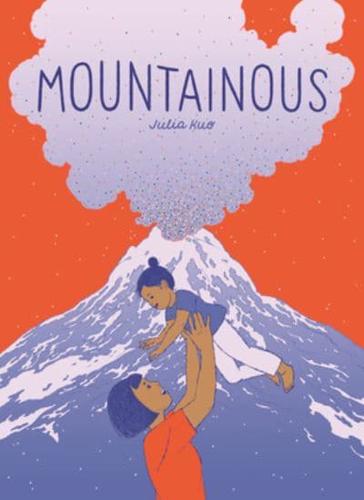
Mountainous by Julia Kuo
Julia Kuo invites intrepid 4-8 year olds to look closely at mountains and discover that these seemingly still landscapes are constantly changing. The highly visual journey climbs towards glaciers, erupting volcanoes and colourful mountain meadows while showing how mountains can move, shake and even create their own weather. Combining nature, geography and a sense of pure wonder, this second book in the I Am Nature series encourages children to slow down, look upwards and consider the extraordinary processes taking place in mountainous environments. A stunning illustrated nonfiction book that’s perfect for primary school libraries.
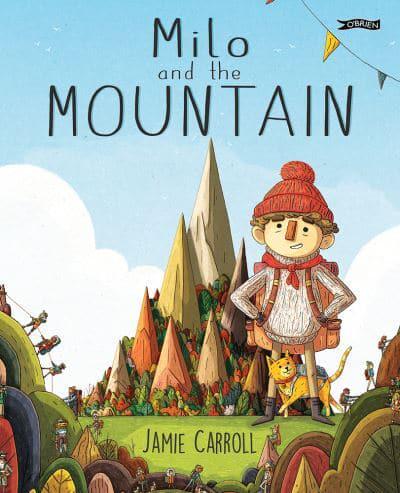
Milo and The Mountain by Jamie Carroll
Milo longs to climb the enormous mountain beside his home, but taking the first step proves harder than dreaming about the summit. Friends and neighbours gradually help him find the confidence to begin. Jamie Carroll’s picture book combines a literal climb with an encouraging story about tackling daunting challenges and accepting support. The paperback edition gives 5+ year olds a warm introduction to mountain adventures, perseverance and friendship, with plenty of visual detail to revisit.
Move, Mr Mountain! by Francesca Sanna
When Lily decides to explore the other side of the mountain, she asks the mountain to move. But Mr Mountain, who can’t move, thinks this unreasonable and loses his temper! Can Lily and Mr Mountain work out their differences? There’s a satisfying happing ending to this atmospheric and thought-provoking picture book for 5-7-year-olds. Move, Mr Mountain! is a useful tool for KS1 teachers to help children discuss empathy and consider different points of view.

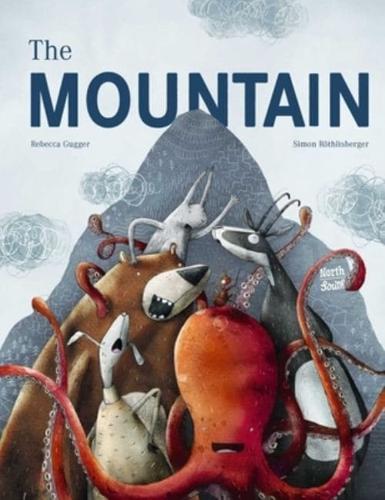
The Mountain by Rebecca Gugger, illustrated by Simon Röthlisberger
Bear, Sheep, Octopus, Chamois, Snow Hare and Ant each have a different idea about what lies at the top of the mountain. Their competing descriptions lead to a playful expedition in which perspective matters as much as the destination. Created for 4-8 year olds, this intricately illustrated story uses the mountain setting to explore curiosity, disagreement and the possibility that several viewpoints can contain truth. It also offers plenty of opportunities for discussion before the summit is finally revealed.
Sala, Mountain Warrior by Wakanyi Hoffman and Onyinye Iwu
Sala is excited but nervous about a school trip to climb a mountain in Kenya’s Samburu region. As the only girl taking part, she draws courage from her grandmother’s stories and special beads. An uplifting picture book about determination and belonging.

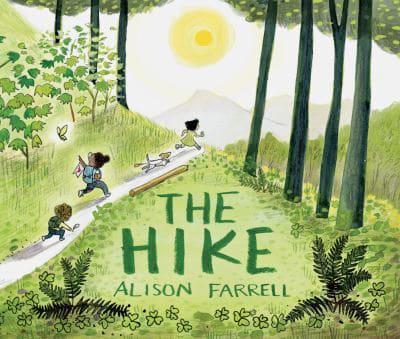
The Hike by Alison Farrell
Three young explorers set out on a hike, carrying notebooks and supplies as their route takes them through a richly observed mountain landscape. Alison Farrell combines the story of the expedition with labelled plants, animals, rocks and other details children can spot along the way. The result is part picture-book adventure and part nature guide, with maps, observations and small discoveries encouraging children to look closely at the landscape. It works particularly well for discussions about walking, wildlife and outdoor exploration.
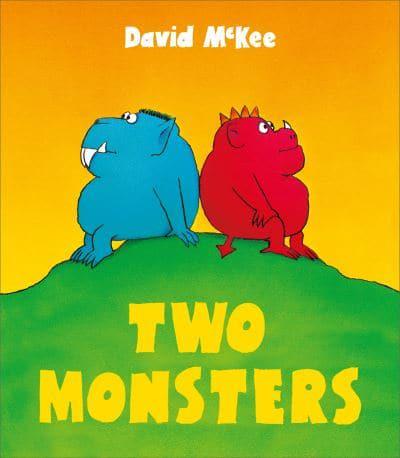
Two Monsters by David McKee
Two monsters live on opposite sides of the same mountain and communicate through a hole in the rock, but because each sees the world from a different direction they soon begin arguing about what is happening in the sky. Their disagreement escalates spectacularly as pieces of the mountain start flying. David McKee’s funny picture book turns its mountain setting into an ingenious lesson in perspective, language and resolving disagreements, while retaining the visual humour and exuberance that make it work particularly well aloud.
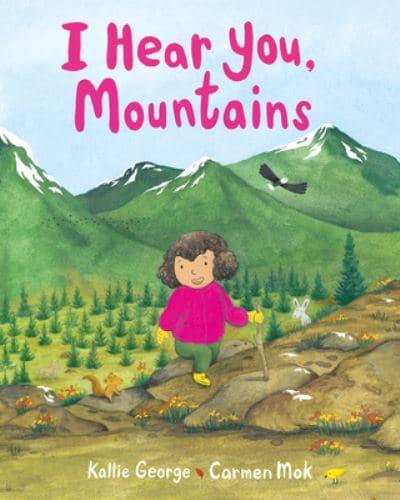
I Hear You, Mountains by Kallie George, illustrated by Carmen Mok
A group of friends heads into the mountains with ears open to the sounds around them. Water rushes, wildlife chatters and the landscape becomes something to listen to as well as see. Written for 3-7 year olds, Kallie George’s picture book encourages observation, mindfulness and respectful engagement with the natural world. Carmen Mok’s illustrations support a gentle introduction to mountain habitats and hiking, making this particularly useful for linking reading with outdoor learning and sensory descriptions of nature.
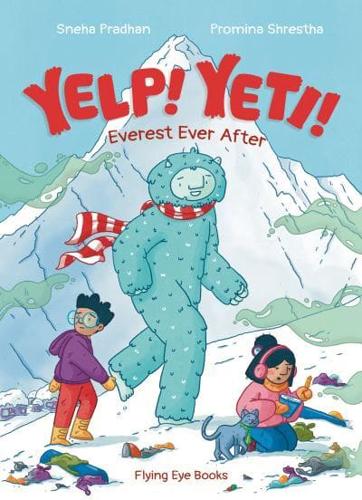
Yelp! Yeti! Everest Ever After by Sneha Pradhan, illustrated by Promina Shrestha
5-7 year olds can follow Dev back into another energetic graphic adventure when his parents send him to Everest Base Camp for the summer to join his dad on a research trip. Freezing weather and maths worksheets soon give way to something much more exciting when Dev reunites with his Yeti friend Hiũ and is invited to Yetiville. A mysterious and terrible smell has reached the mountain, and Dev becomes involved in discovering what is happening and helping his friends tackle the problem. Promina Shrestha’s illustrations fill this super-engaging high-altitude romp with movement, humour and Himalayan atmosphere.
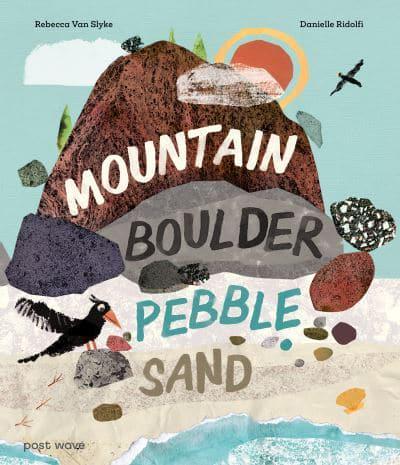
Mountain, Boulder, Pebble, Sand by Rebecca Van Slyke, illustrated by Danielle Ridolfi
A mountain breaks apart over immense stretches of time in this lyrical introduction to erosion and the rock cycle. Rebecca Van Slyke deftly explains how rock changes from mountain to boulder, cobble, pebble, granule, sand and silt, while Danielle Ridolfi’s vibrant illustrations carry the journey through shifting landscapes and changing eras. 5-7 year olds can follow these repeated transformations while building vocabulary for different rock sizes and seeing how geological change happens gradually. Accessible and fascinating extra nonfiction material at the back looks more closely at how scientists classify rocks by size, making this a useful picture book for introducing rocks, erosion and the changing Earth. Highly recommended for primary school libraries.
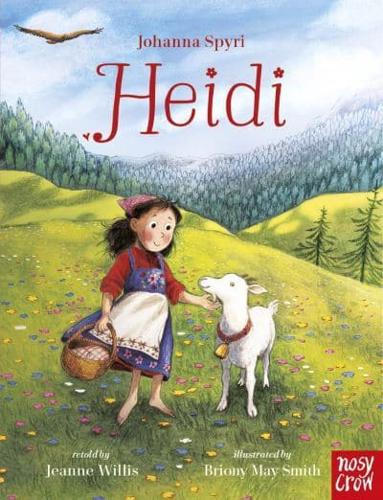
Heidi by Jeanne Willis, illustrated by Briony May Smith
Jeanne Willis retells Johanna Spyri’s much-loved story for younger children, with Briony May Smith filling the book with colour illustrations of the Swiss Alps and Heidi’s changing surroundings. Five-year-old Heidi goes to live with her grandfather in the mountains, where she befriends Peter and embraces life among the goats, flowers and high pastures before being sent away to Frankfurt. This illustrated retelling for 2+ year olds preserves the story’s powerful contrast between freedom in the mountains and life in the city.
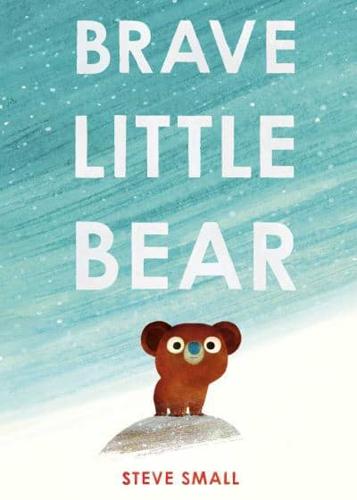
Brave Little Bear by Steve Small
Arlo would rather stay in the familiar comfort of his winter den, but his family must cross the mountain towards their new home in Spring Valley. When a snowstorm separates the bears, the anxious cub discovers that courage can mean acting even when he feels frightened. BookTrust places the story at an interest age of 4-5. Steve Small’s atmospheric illustrations make the snowy mountain journey central to the drama, while the story offers a reassuring way to discuss change, fear, siblings and bravery.
Big Sky Mountain by Alex Milway
Grandma Nan is no ordinary Nan – she goes on adventures, canoes and lives in a log cabin – and Big Sky Mountain is beyond anything Rosa, a young city girl, could fathom. With immersive short descriptions, maps and illustrations, this is an exciting and easy-to-read nature story that will appeal to children reading chapter books for the first time. Read our full review.

Mountains books for children aged 7-12
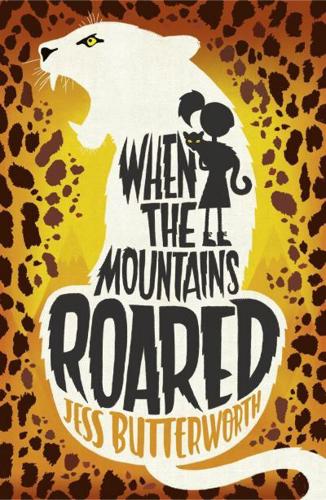
When the Mountains Roared by Jess Butterworth
Ruby leaves Australia for a remote hotel in the mountains of India, where leopards, bears and other wildlife surround her unfamiliar new home. After discovering that the mountain’s remaining leopards are threatened, she becomes determined to protect them. This atmospheric adventure for 9-12 year olds brings wildlife conservation, grief, family and courage into a vividly realised Himalayan setting. Jess Butterworth uses Ruby’s growing connection with the landscape to give the mountain itself a strong presence throughout the story.
Beastlands: Race to Frostfall Mountain by Jess French
Jess French transports readers to Ramoa, an island world once teeming with wildlife and nature. This captivating tale with incredible creatures and settings follows Kayla who’s on a quest to rescue her stolen winged pangron. With friends Alethea and Rustus, she’s thrust into an epic adventure brimming with friendship and peril that will grip UKS2 readers. Beastlands blends a winning potion of magic, fantasy and fast-paced adventure. Highly recommended for 9-12 year olds.

Anders and the Volcano by Gregory Mackay
A camping trip to Mount Tremble becomes dramatic and alarming when the supposedly extinct volcano begins to rumble. Anders, his flying pet beetle Skip, Bernie and Eden have already filled their holiday with a new cubbyhouse, pond building and Whump classes, but their latest wild adventure leaves them trapped deep inside the mountain. Told through gripping and colourful cartoon panels, this absorbing graphic novel combines imaginative danger with discovery and collaborative problem-solving. Perfect for KS2, it’s both accessible and very entertaining. Highly recommended.

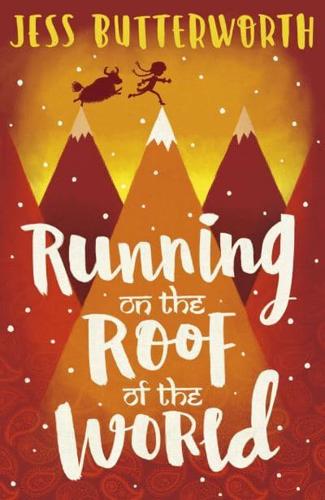
Running on the Roof of the World by Jess Butterworth
Twelve-year-old Tash and her friend Sam flee across the mountains after soldiers seize Tash’s parents in Tibet. With two yaks and a bundle of important papers, they undertake a dangerous journey towards India in the hope of finding help. Written for 9-12 year olds, the novel combines survival and friendship with a Himalayan journey shaped by Tibetan culture and political circumstances. Mountain passes, difficult terrain and the immense landscape give this fast-moving adventure both its atmosphere and many of its challenges.
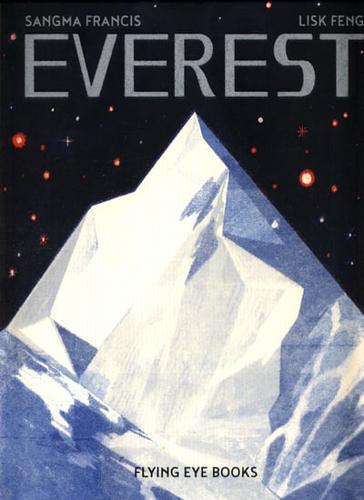
Everest by Sangma Francis, illustrated by Lisk Feng
This large-format illustrated book looks beyond the familiar story of reaching Everest’s summit to explore the mountain’s origins, wildlife, plants, people, religions, legends and climbing history. Created for 8-12 year olds, it places expeditions within a much broader portrait of the world’s highest mountain. Lisk Feng’s distinctive illustrations give scale to glaciers, ridges and human activity, while Sangma Francis introduces the different names, histories and meanings associated with the peak. A visually impressive way to add geography and culture to an Everest topic.
Everest: The Remarkable Story of Edmund Hillary and Tenzing Norgay by Alexandra Stewart, illustrated by Joe Todd-Stanton
Alexandra Stewart tells the intertwined stories of Edmund Hillary and Tenzing Norgay, culminating in their successful 1953 ascent of Everest. Rather than treating the summit as an isolated moment, the book follows both men’s earlier lives and considers the impact of their achievement. Joe Todd-Stanton’s full-colour illustrations help explain the Himalayan setting, equipment and expedition. The combination of biography, geography and mountaineering history makes this especially useful for children interested in how people prepared for and attempted one of the world’s defining climbs.

Everest: Reaching the Roof of the World by David Long, illustrated by Stefano Tambellini
David Long recounts the early attempts to climb Everest, including expeditions that ended in failure and tragedy before the summit was finally reached. This Barrington Stoke edition is designed for an interest age of 9+ with a reading age of 8, making a substantial historical subject more approachable for a wide range of children. Stefano Tambellini’s illustrations accompany a concise narrative covering ambition, endurance, equipment and the dangers of extreme altitude. It is particularly useful for children who enjoy true adventure but prefer a shorter text.

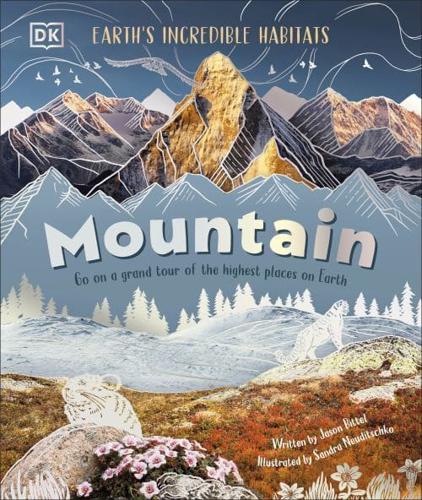
Mountain: Go On a Grand Tour of the Highest Places on Earth by Jason Bittel, illustrated by Sandra Neuditschko
Jason Bittel takes children on a global journey through mountain environments, examining how extraordinary animals and plants survive at altitude and how different ranges have formed distinctive habitats. The book moves around the world rather than concentrating on a single summit, combining natural history, geography and environmental themes. Sandra Neuditschko’s detailed artwork helps convey the scale and diversity of these landscapes. With sections on mountain wildlife, ecosystems and the pressures facing high-altitude environments, this is a substantial illustrated reference book for children fascinated by the natural world.
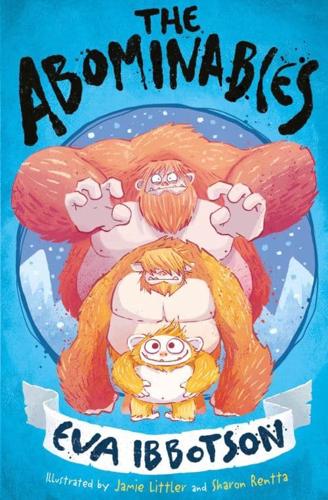
The Abominables by Eva Ibbotson
A family of yetis has lived hidden in the Himalayas for years, protected by Lady Agatha after she encounters the creatures as a young woman. When their mountain home becomes threatened, the yetis need help travelling towards a safer refuge. Eva Ibbotson’s comic adventure combines an unmistakably mountainous setting with eccentric characters, secrecy, friendship and a long journey away from the Himalayas. The story’s gentle humour and fantastical premise make it an enjoyable fictional companion to factual books about high mountain landscapes and legendary creatures.
Mountains books for teens
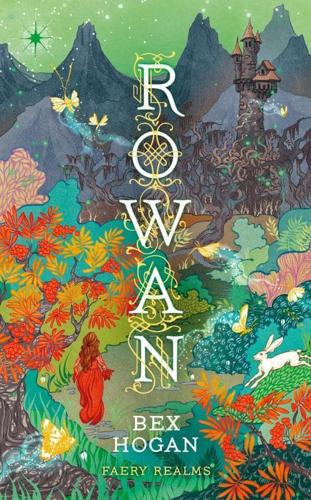
Rowan by Bex Hogan
This gripping and atmospheric dark faery fantasy for 13+ year olds follows Rowan into the mysterious Shadow Mountains. Generations earlier, one of her ancestors disappeared after following a white hare, leaving the women of the family with a warning about shape-shifting hares and witchcraft. Rowan eventually follows the creature herself and enters a beautiful but dangerous faery realm beneath a single green star, where she becomes caught in an ancient rivalry between a witch and a faery lord and must draw on her own skills to survive. Highly recommended.
The Everest Files by Matt Dickinson
Matt Dickinson draws on his own experience of Everest for this tense novel about expeditions, ambition and the commercial world surrounding the mountain. Teenager Ryan Hart travels to the Himalayas and becomes entangled in questions surrounding a young climber’s disappearance and events high on Everest. Ideal for a 12+ year olds, the story combines mystery with realistic details about acclimatisation, expedition logistics, altitude and climbing culture. It is an especially useful bridge between adventure fiction and the realities of modern high-altitude mountaineering.

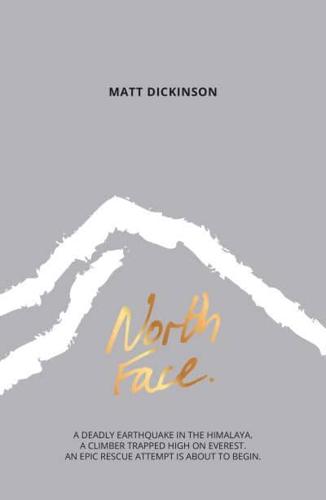
North Face by Matt Dickinson
The second book in the Everest Files series follows eighteen-year-old Ryan Hart as he arrives at Everest Base Camp just as a devastating earthquake triggers deadly avalanches. When a fellow climber is buried, Ryan joins a frantic search with help from Tashi, a local Tibetan girl. But the danger is far from over. Evidence suggests someone is still alive high on Everest’s treacherous north face, and Tashi believes it could be her younger brother. Despite worsening weather, an official climbing ban and opposition from local militia, Ryan attempts a desperate rescue. Drawing on Matt Dickinson’s own mountaineering experience, this gripping sequel combines high-altitude survival with courage, friendship and extraordinary danger. Highly recommended for readers aged 12+.
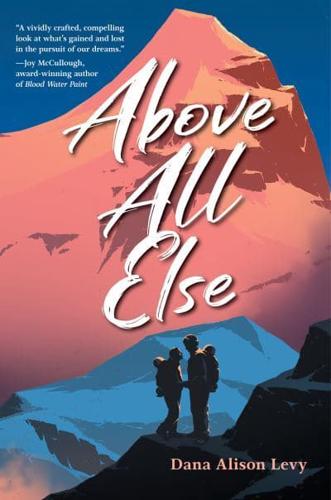
Above All Else by Dana Alison Levy
Rose and Tate have trained for years with the shared ambition of climbing Everest, but the mountain tests their friendship as well as their physical endurance. Dana Alison Levy follows the teenagers through an expedition shaped by altitude, risk, family expectations and difficult decisions about how far they are prepared to go. Alternating perspectives allow the same climb to be seen through two changing sets of priorities. The novel makes Everest more than a backdrop, using the escalating demands of the ascent to examine ambition, loyalty and responsibility.
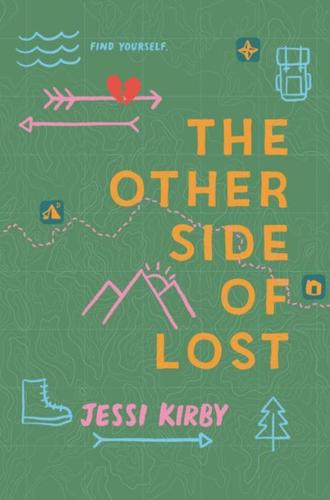
The Other Side of Lost by Jessi Kirby
Mari has built an online identity around an adventurous life that does not match her reality. After a personal turning point, she sets out on a demanding long-distance hike originally planned by her late cousin. The mountain trail strips away the carefully constructed image she has presented to the world and forces her to confront grief, friendship and what she genuinely wants. Jessi Kirby combines contemporary teenage concerns with a sustained wilderness journey, making the physical challenge of the trail central to Mari’s emotional development.
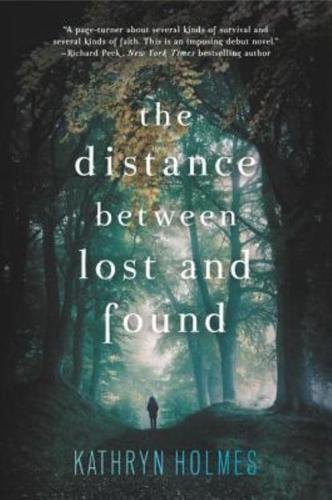
The Distance Between Lost and Found by Kathryn Holmes
A church youth-group trip into the Smoky Mountains becomes a survival ordeal when Hallelujah, Rachel and Jonah become separated from the rest of their group. With limited supplies and no straightforward route back, the teenagers must deal with the practical problems of wilderness survival alongside tensions within the group. Kathryn Holmes uses the remote mountain setting to create both danger and space for difficult relationships to change. The novel combines outdoor survival with a thoughtful story about isolation, trust, faith and rebuilding friendships.
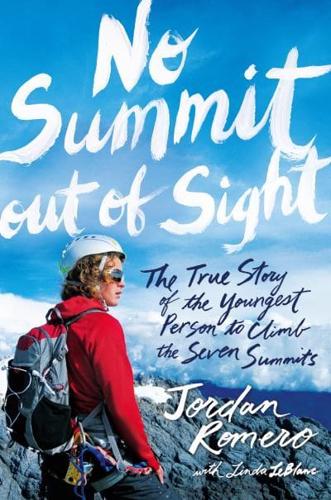
No Summit out of Sight by Jordan Romero
Jordan Romero recounts his journey towards climbing the highest mountain on each continent, culminating in a record-setting series of expeditions begun while he was still a child. The memoir introduces the planning, training, teamwork and setbacks behind high-altitude climbing as well as the excitement of reaching major summits. For teenagers interested in real expeditions, the first-person account offers a perspective very different from adult mountaineering memoirs because school, family and growing independence remain part of the story throughout Romero’s increasingly ambitious climbs.
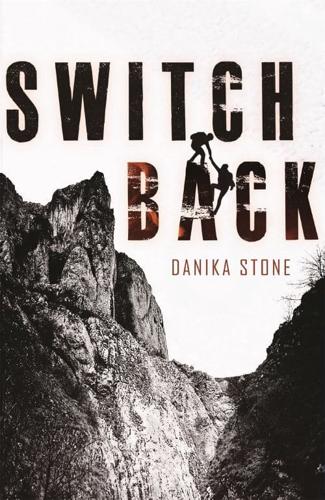
Switchback by Danika Stone
Vale loves hiking and the outdoors but dreads spending time with her classmates, while her best friend Ash would much rather be gaming than exploring the Canadian wilderness. When an overnight school hiking trip goes badly wrong, the pair follow the wrong trail and become separated from their PE class during a storm. With limited supplies, dangerous wildlife and worsening weather, their very different strengths are put to the test as they struggle to find their way back. Danika Stone combines a tense wilderness survival story with friendship, bullying and the pressures of teenage life, making the remote mountain landscape central to the action. Fast-paced, dramatic and highly engaging, this is an excellent YA adventure.
Click the buttons below to purchase all of the books in this mountain books for children and teens list, as well as class sets of any of these books and many more, from Bookshop.org UK. Or buy all the titles from this list from Amazon – ideal for gifts or your classroom library.
Buy from UK.Bookshop.Org Buy from Amazon.co.ukDisclosure: If you buy books using the buttons above: we may earn a commission from Bookshop.org, whose fees support independent bookshops; as an Amazon Associate schoolreadinglist.co.uk earns from qualifying purchases.
Schools & teachers: please respect copyright and don’t copy our mountain books for children and teens list. If you find our book recommendations useful, please consider sharing on social media or linking to this page instead. Thanks.
Mountain resources for teachers
- The Royal Geographical Society provides a comprehensive six-lesson KS2 unit exploring Mount Everest, mountain ranges, plate tectonics, volcanoes and earthquakes. Resources include lesson plans, PowerPoint presentations, worksheets, maps, assessment materials and teachers’ notes.
- Oak National Academy offers six free Year 4 geography lessons examining how mountains form, their physical features, the UK’s highest peaks and volcanic landscapes. Each lesson includes teaching slides, worksheets, videos and quizzes.
- The Ordnance Survey has produced free classroom materials covering map symbols, contour lines, grid references, direction and scale. Downloadable map-reading guides, flashcards, outline maps and interactive activities are particularly useful for studying mountain landscapes and planning routes.
- The Mountain Heritage Trust features free KS1 and KS2 teaching resources exploring the history of British mountaineering, climbing equipment, exploration and changing mountain environments. Curriculum-linked activities, worksheets and teaching sequences support geography, English, PSHE and design and technology.
- The Lake District National Park provides educational resources examining mountain landscapes, glaciation, upland farming, wildlife, weather and tourism. These useful UK case studies include discussion questions and information about the physical and human geography of the Lake District.
- The British Geological Survey explains how mountain ranges form through plate tectonics and how weathering, erosion, rock types and glaciers shape upland landscapes. Its Discovering Geology website also features educational diagrams, geological maps, videos and classroom activities.
- The Royal Geographical Society’s mountain environment resources combine KS2 geography and mathematics through investigations into mountain weather and climate. Pupils compare conditions in locations including Kathmandu, Capel Curig and Cusco, collect data and produce graphs using downloadable worksheets and slides.
- Peak District National Park offers a Moorland Teachers’ Discovery Pack for KS1 to KS4, alongside fieldwork guidance and resources covering upland habitats, conservation, biodiversity, carbon and water cycles. Materials can support both classroom teaching and outdoor geographical enquiries.
- STEM Learning features a KS3 collection of five lessons investigating glaciers and climate change. Activities explore where glaciers occur, how they gain and lose mass, the influence of altitude and latitude, and the global consequences of shrinking glaciers.
- For GCSE and A level geography, the Field Studies Council provides detailed guidance for investigating glaciated upland landscapes. Topics include corries, U-shaped valleys, scree, glacial erosion, field sketching, sediment analysis, data collection and presenting geographical findings.
- The National Geographic Education website offers a map-based Making Mountains activity suitable for KS3 pupils. Using interactive geographical mapping, students investigate how mountain ranges form, their global distribution and the relationship between mountains and human settlements. A teacher’s guide and adaptable student activities are provided.
- The Met Office provides mountain weather forecasts and guidance explaining how conditions change with altitude and location. These real-world forecasts can be used for classroom investigations comparing temperature, wind, rainfall and visibility in different UK mountain regions, as well as discussing outdoor safety.
BISAC JNF051180, JUV001000, JUV029000. | Thema YNNV, YNHD, YFP.