Light and sound books for children and teens
These light and sound books for 4-11 year olds range from first picture-book introductions to illustrated physics, question-and-answer guides, experiments and real-life stories about hearing. Most are nonfiction, helping children connect shadows, reflection, sound waves, pitch, hearing and bioluminescence with things they can observe. This list features books by Kay Barnham, Martin Jenkins, Jess Wade, Sheila Kanani, Anna Claybourne, Peter Riley, Louise Greig, Colin Stuart, Roman Belyaev, and Fiona Robinson.
Light and sound books for children and teens – our recommendations
Light and sound picture books for 3-7 year olds
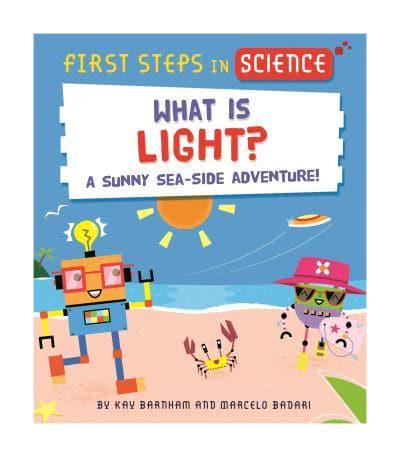
First Steps in Science: What is Light? by Kay Barnham, illustrated by Marcelo Badari
A seaside adventure with super-powered robots Flex, Astro and Spark introduces 3-5 year olds to the science of light. Skimming stones, paddling and camping provide familiar settings for discovering where light comes from and what it does. Interactive questions encourage children to investigate as the story unfolds, with a creative activity and guidance for adults at the back.
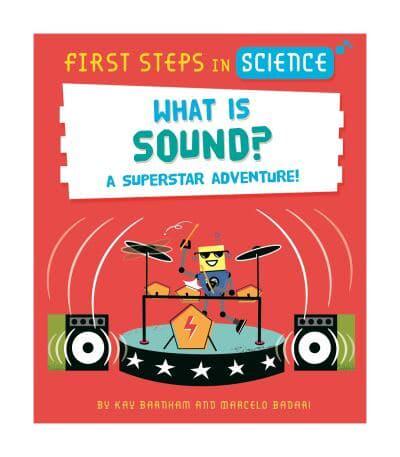
First Steps in Science: What is Sound? by Kay Barnham, illustrated by Marcelo Badari
Flash, Bolt, Jet and Volt, the four robots in the rock band BOOM!, are preparing for a concert on their world tour as they discover how sound works. Preparing for a musical performance gives the scientific discoveries a playful context that 3-5 year olds can readily understand. Interactive prompts, a creative activity and guidance for adults encourage children to experiment with sound themselves.
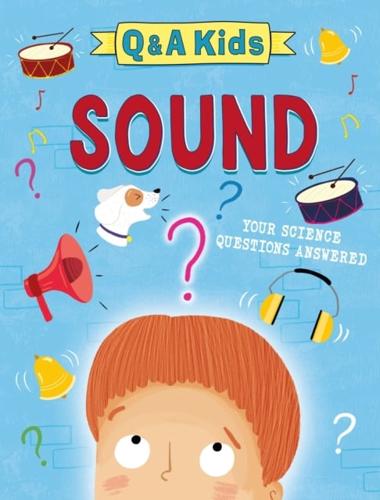
Q and A Kids: Sound by Amy Chapman, illustrated by Angelika Scudamore
Why do caves echo, how do musical instruments produce different notes and what happens inside our ears? Amy Chapman answers the sorts of questions that curious 5-7 year olds might ask about the noises they hear. Angelika Scudamore’s illustrations, spotting challenges and activities accompany explanations of pitch, volume and hearing, making the book equally suitable for browsing and reading together.
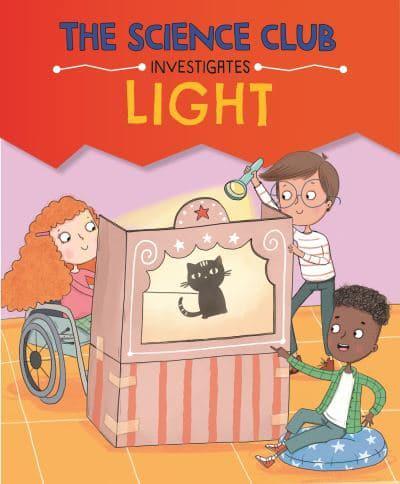
The Science Club Investigates: Light by Mary Auld, illustrated by Sernur Isik
A spooky shadow catches Emily’s attention at the end of a Science Club meeting, prompting the children to investigate where light comes from and how it enables us to see. Mary Auld introduces scientific enquiry to 5+ year olds through the children’s discoveries, with humorous illustrations by Sernur Isik and simple experiments that readers can try alongside the characters.
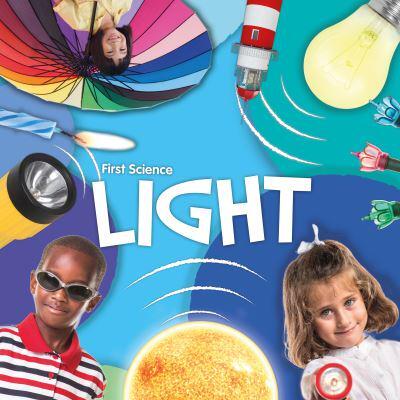
Light by Steffi Cavell-Clarke
Short explanations and clear diagrams introduce 3-5 year olds to the basic properties of light in this straightforward First Science information book. The accessible language and uncomplicated presentation make it particularly suitable for introducing scientific vocabulary in early years settings, with familiar examples that children can relate to their own experiences.
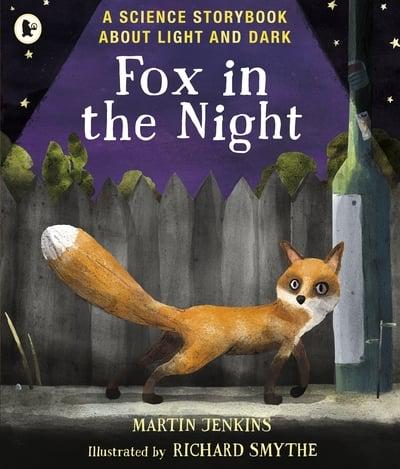
Fox in the Night: A Science Storybook About Light and Dark by Martin Jenkins, illustrated by Richard Smythe
As darkness falls, Fox emerges to search for food, guided by moonlight and streetlights. Martin Jenkins uses this deceptively simple night-time adventure to introduce 5-7 year olds to natural and artificial sources of light. Richard Smythe’s illustrations invite children to notice what Fox can see after dark, making the science an integral part of the story.
Listen: How Evelyn Glennie, a Deaf Girl, Changed Percussion by Shannon Stocker, illustrated by Devon Holzwarth
When Evelyn Glennie began losing her hearing as a child, she refused to abandon her love of music. Discovering different ways to experience sound, she went on to become a percussionist. Beautifully illustrated by Devon Holzwarth, this picture-book biography for 4-8 year olds challenges assumptions about deafness and what it means to listen. It also includes a personal note from Glennie herself.

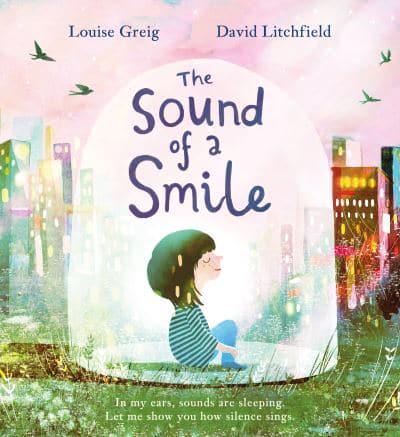
The Sound of a Smile by Louise Greig, illustrated by David Litchfield
Although a young deaf girl cannot hear the noisy world around her, she discovers a richness in the quieter ways people connect and communicate. Louise Greig’s poetic storytelling and David Litchfield’s evocative illustrations explore friendship, deafness and sensory experience. A thoughtful picture book to share with 3+ year olds when exploring the many ways we can listen to and understand one another.
Light and sound books for children aged 7-11
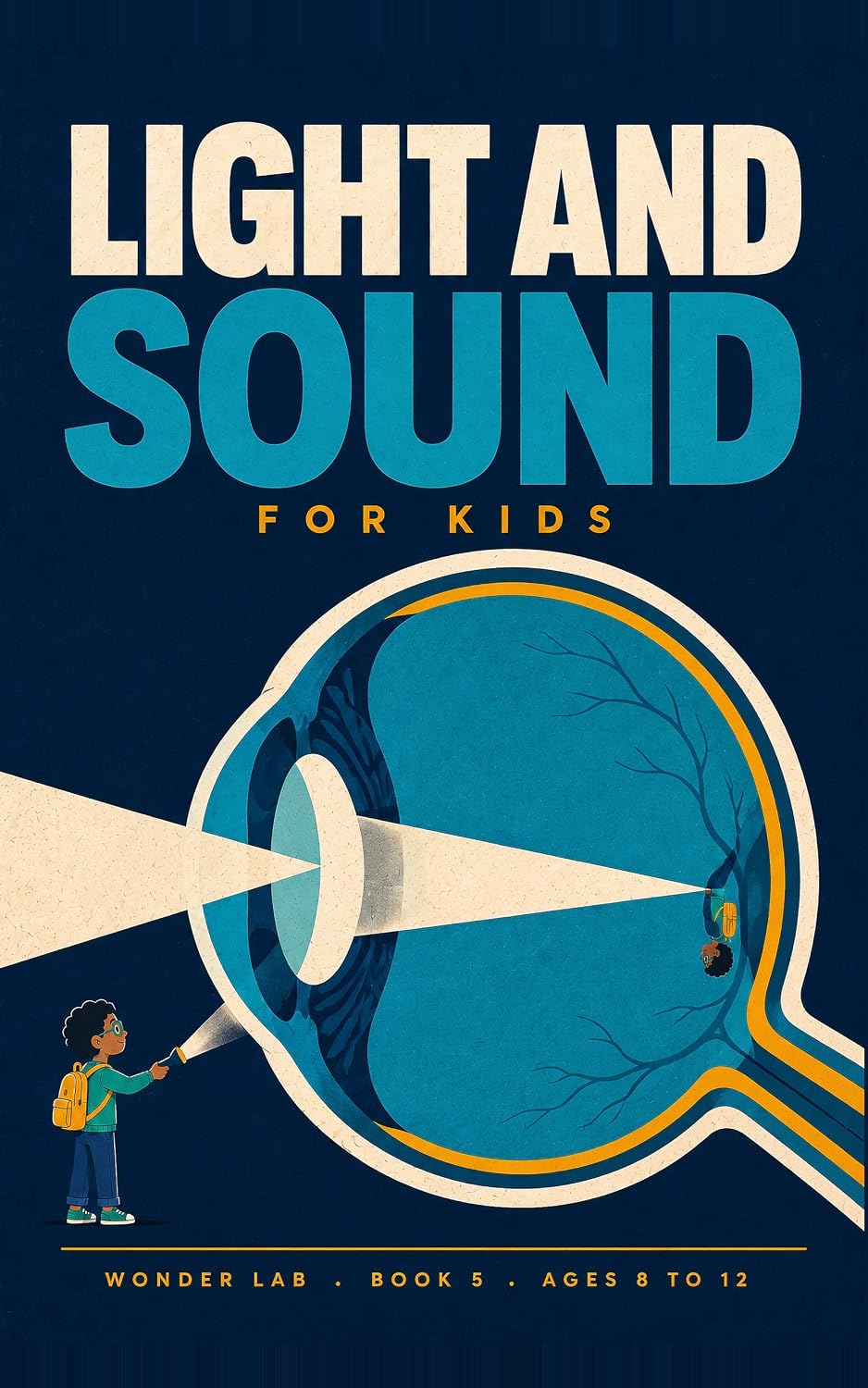
Light and Sound for Kids: A Fun STEM Guide to Colour, Rainbows, Mirrors, Music and Echoes, and How You Really See and Hear, for Ages 8 to 12
A rainbow in the sky, an echo in an empty room and a reflection in a mirror are all starting points for exploring physics in this STEM guide for 8-12 year olds. By drawing on children’s experiences of music, colour and the natural world, the book makes the science of light and sound immediately relevant. The exploration of how we see and hear brings an interesting dimension to familiar KS2 topics and encourages children to pay closer attention to their surroundings.
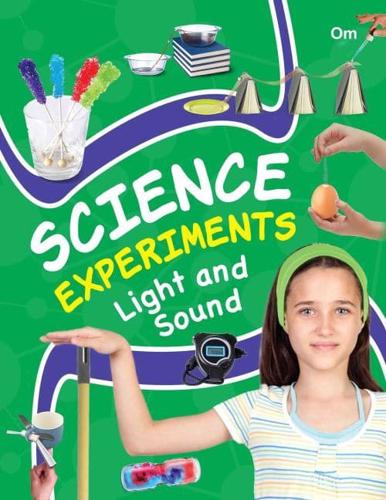
Science Experiments Light and Sound by Om Books Editorial Team
For children who would rather get stuck into an experiment than read another page of scientific explanations, this collection of practical investigations is a worthwhile find. Clear instructions and equipment lists accompany each activity, with many of the materials readily available at home or in the classroom. There’s plenty to keep scientifically minded 9-12 year olds occupied. Teachers will also find opportunities to encourage children to make predictions, compare their observations and work out why an experiment produced a particular result.
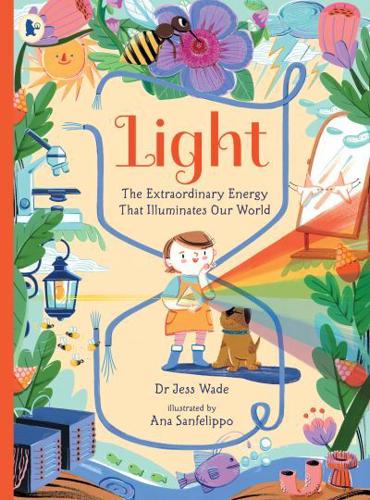
Light: The Extraordinary Energy That Illuminates Our World by Jess Wade, illustrated by Ana Sanfelippo
From the faintest light in the night sky to the brilliant colours of a rainbow, physicist Jess Wade finds wonder in something most of us take for granted. Ana Sanfelippo’s vibrant artwork is especially well suited to a subject so rich in visual possibilities, and the picture book format allows scientific ideas to unfold without the formality of a textbook. A lovely book to share with 7-9 year olds, particularly those who are forever asking questions about the things they notice outdoors.
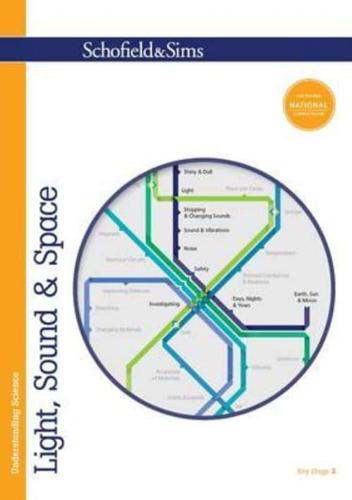
Understanding Science: Light, Sound & Space by Penny Johnson
Penny Johnson combines straightforward explanations with carefully structured exercises in this practical science workbook for 7-11 year olds. Reflections, shadows, vibrations, pitch and volume are covered alongside the relationship between the Earth, Sun and Moon and an introduction to the wider solar system. Closely aligned with the National Curriculum, the book is particularly useful for home education. Investigative questions, a glossary and an answers section give children the means to work independently, revisit trickier concepts and check how much they have understood.
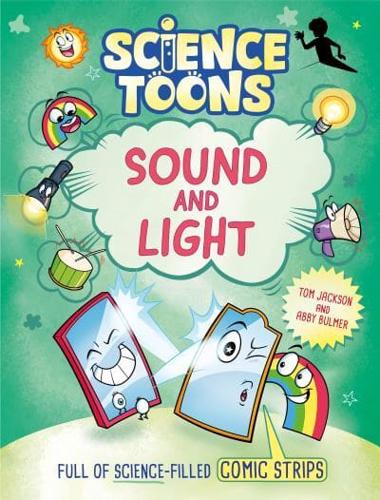
Science Toons: Sound and Light by Tom Jackson, illustrated by Abby Bulmer
Comic strips and a cast of amusing characters bring a welcome dose of humour to the science of sound and light. Tom Jackson explains how light travels, what happens when it encounters a reflective surface and why sounds vary in pitch and tone. Abby Bulmer’s illustrations make the scientific explanations part of the entertainment rather than an interruption to it. For 7+ year olds who instinctively reach for comics instead of information books, this is an inspired way to introduce KS2 physics.
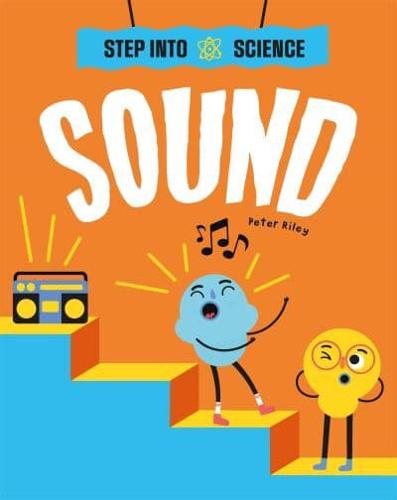
Step Into Science: Sound by Peter Riley
From the vibrations that produce a musical note to the echoes we hear when sound bounces back, Peter Riley explores the physics behind everyday noises. Labelled diagrams explain how our ears work and why sounds vary in pitch and volume. Practical investigations encourage 7+ year olds to experiment with different materials and discover how musical instruments produce their distinctive sounds.
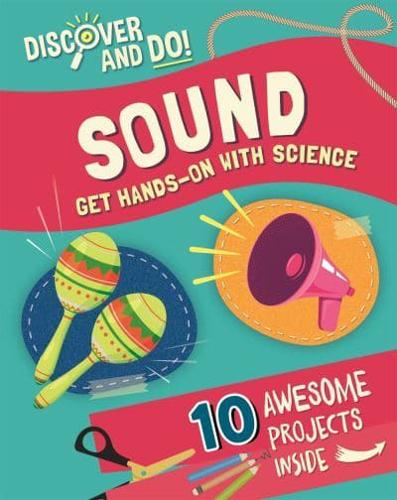
Discover and Do: Sound by Jane Lacey
Building a sound cannon, making an echo-catcher and assembling a model ear are among the projects in this hands-on introduction to acoustics for 7+ year olds. Jane Lacey combines experiments, craft activities and quizzes with explanations of sound waves, ultrasound, reflection and hearing. Particularly useful for KS2 science lessons that combine practical investigation with making and designing.
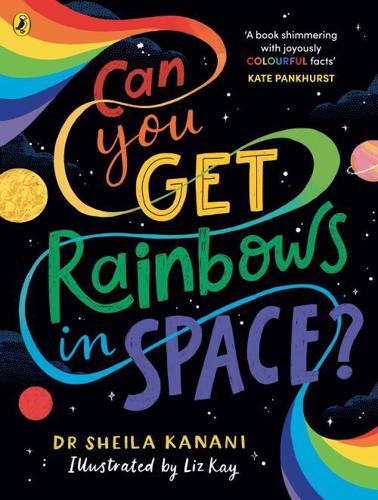
Can You Get Rainbows in Space? by Sheila Kanani, illustrated by Liz Kay
What begins with an intriguing question about rainbows develops into a wide-ranging exploration of colour, vision and the universe. Sheila Kanani connects the physics of light with astronomy, animal life and fascinating natural phenomena. Illustrated by Liz Kay, the question-led approach is particularly appealing for children whose scientific curiosity leads them beyond the boundaries of individual curriculum topics.
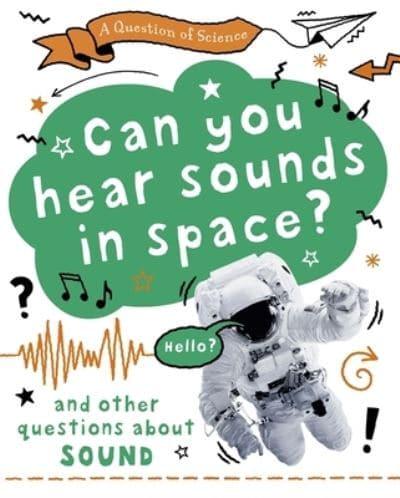
A Question of Science: Can you hear sounds in space? And other questions about sound by Anna Claybourne
Which animal has the best hearing, can sound travel through space and how fast does a supersonic aeroplane fly? Anna Claybourne explores the science of sound through a collection of intriguing questions, each answered over an illustrated double-page spread. The combination of diagrams, concise explanations and surprising facts makes this an appealing book for inquisitive 8+ year olds to dip into.
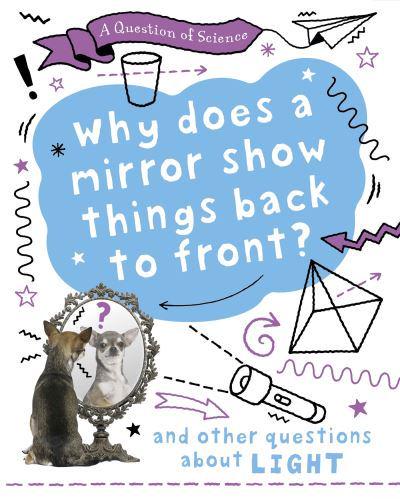
A Question of Science: Why does a mirror show things back to front? And other questions about light by Anna Claybourne
The apparently simple puzzle of how mirrors work opens up a fascinating collection of questions about reflection, vision and the properties of light. Anna Claybourne tackles a different scientific curiosity on each spread, using clear diagrams and humorous illustrations to explain the answers. The browsing format suits 8+ year olds who enjoy investigating peculiar scientific phenomena independently.
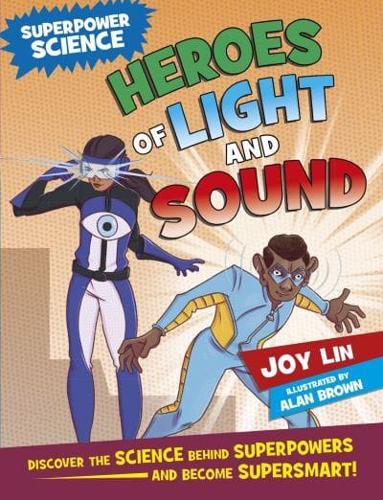
Superpower Science: Heroes of Light and Sound by Joy Lin, illustrated by Alan Brown
Could invisibility ever be possible, and what would having superhuman vision or hearing actually involve? Joy Lin subjects four imaginary superpowers to scientific scrutiny, exploring the physics behind them and their potential effects on the human body. Alan Brown’s colourful comic-style illustrations make this an inventive introduction to light and sound for superhero enthusiasts aged 9 and upwards.
How Does a Lighthouse Work? by Roman Belyaev
Why are lighthouse beacons different, how do these remarkable buildings operate and what does a lighthouse keeper do? Roman Belyaev takes 6-12 year olds on an illustrated tour of lighthouses around the world, uncovering unusual examples and exploring the science and engineering behind them. An interesting cross-curricular choice for combining the study of light with coastal geography and maritime history.

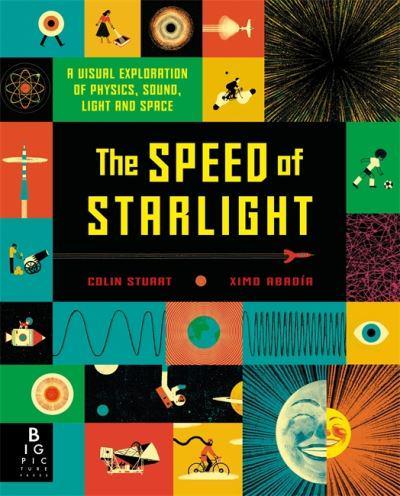
The Speed of Starlight: How Physics, Light and Sound Work by Colin Stuart, illustrated by Ximo Abadía
Ximo Abadía’s striking surrealist artwork makes this an unusually imaginative exploration of physics. Colin Stuart guides 9-12 year olds through the science of light and sound, investigating subjects as varied as sonar, the speed of light and quantum physics. The distinctive visual approach is especially effective when presenting abstract scientific ideas that are difficult to picture through conventional diagrams alone.
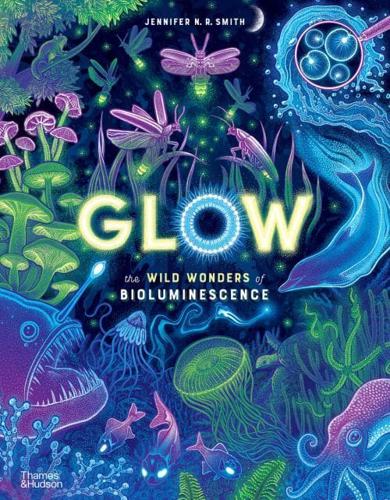
Glow: The Wild Wonders of Bioluminescence by Jennifer N. R. Smith
In deep ocean trenches, caves and forests, remarkable organisms produce their own light. Jennifer N. R. Smith explores the science of bioluminescence through glowing animals, fungi and the discoveries of scientists who study them. Her luminous, intricately detailed illustrations are a highlight of this absorbing non-fiction book for 7-10 year olds, which brings together physics, biology and the natural world.
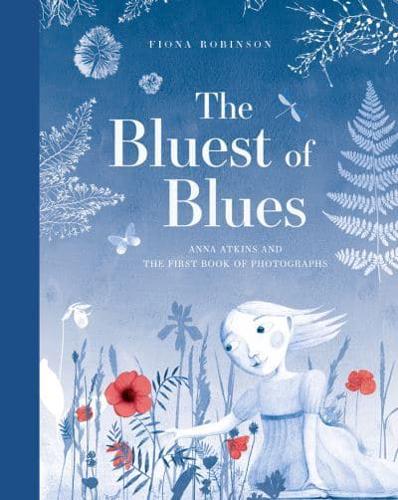
The Bluest of Blues: Anna Atkins and the First Book of Photographs by Fiona Robinson
The pioneering botanist Anna Atkins combined her fascination with plants and the possibilities of cyanotype photography to create an extraordinary photographic record. Fiona Robinson’s picture-book biography for 6-9 year olds celebrates this intersection of scientific observation, photography and artistic expression. The distinctive blue-toned illustrations echo Atkins’s own work, offering a fascinating starting point for cross-curricular projects involving light, art and botany.
Click the buttons below to purchase all of the books in this light and sound list, as well as class sets of any of these books and many more, from Bookshop.org UK. Or buy all 20 titles from this list from Amazon – ideal for gifts or your classroom library.
Buy from UK.Bookshop.Org Buy from Amazon.co.ukDisclosure: If you buy books using the buttons above: we may earn a commission from Bookshop.org, whose fees support independent bookshops; as an Amazon Associate schoolreadinglist.co.uk earns from qualifying purchases.
Schools & teachers: please respect copyright and don’t copy our light and sound book list. If you find our book recommendations useful, please consider sharing on social media or linking to this page instead. Thanks.
Light and sound resources for teachers
- Oak National Academy provides 12 free Year 3 lessons exploring light sources, reflective materials, shadows and light pollution. Its Year 4 sound unit investigates vibrations, pitch, volume and sound insulation, with downloadable presentations, worksheets, quizzes and practical activities.
- STEM Learning has assembled a collection of light and sound teaching resources, including classroom investigations and videos featuring Professor Brian Cox. Activities explore how musical instruments produce different pitches and volumes, how shadows form and how scientific discoveries relate to everyday life.
- Explorify’s light teaching guide suggests practical investigations using mirrors, shadows and different light sources, while its sound resources explore musical instruments, vibrations, pitch and soundproofing. Both guides include discussion activities and ideas for identifying and addressing common scientific misconceptions.
- The Primary Science Teaching Trust provides free downloadable articles addressing misconceptions about light and sound. Written by experienced primary science educators, the guides explain difficult concepts and suggest practical activities to help children understand how light travels, how sounds are produced and how they reach our ears.
- Whistlestop Science Weeks, from the Primary Science Teaching Trust, offers ready-made activities for short science events in primary schools. Its Music theme explores sound, while Colourful Ink introduces investigations involving light and materials. The downloadable resources include questions, challenges and activities adaptable for different year groups.
- The Institution of Engineering and Technology offers a free experiment in which KS2 children make drums and earmuffs to investigate how different materials produce and absorb sound. Another musical instrument project challenges pupils to construct a stringed instrument and discover how changing string tension affects pitch. Both include downloadable teaching materials.
- The Royal Institution’s Musical Coat Hangers experiment demonstrates how sound travels through different materials. Using string, a metal coat hanger and everyday objects, children investigate why vibrations travelling through solids can sound surprisingly different. A demonstration video and downloadable activity sheet support the investigation.
- Science Sparks features accessible KS2 experiments covering light, shadows and sound. Children can build a light maze to investigate reflection, explore refraction using water, make shadow puppets, construct a straw flute and use rice on a drum to observe vibrations. Most activities require inexpensive household or classroom materials.
- The IET’s Balloon Speakers activity introduces sound transmission through a quick classroom experiment. Children inflate balloons, tap them and listen to the resulting sounds, helping them investigate vibrations and how sound travels through materials. Free activity sheets include teacher guidance and curriculum links.
- Oak National Academy’s Year 6 light resources include 11 lessons investigating how light travels, reflection, mirrors and the formation of shadows. Practical activities examine how changing the angle of a mirror affects reflected light and how the position of a light source changes the shadows produced by objects.
- For secondary schools, Oak National Academy’s Year 7 science unit provides eight lessons exploring sound vibrations, echoes, sound absorption, shadows, reflection and vision. The resources include downloadable slides, worksheets, quizzes and explanations to support the transition from primary science to KS3 physics.
- The Institute of Physics provides detailed guidance for teaching light and sound to 11-14 year olds. Its resources cover reflection, refraction, ray diagrams, colour, sound production and wave behaviour, with practical teaching approaches, explanations of difficult concepts and advice on common misconceptions.
- IOPSpark’s light, sound and waves experiments include practical demonstrations suitable for KS3, GCSE and post-16 physics. Activities explore the properties of light, vibrating objects and sound waves, including an experiment using a tuning fork to make salt move, water splash and a table tennis ball jump.
- The IET’s secondary sound waves lesson introduces frequency, pitch, amplitude and the behaviour of longitudinal waves. Downloadable worksheets and worked examples help pupils investigate the hearing ranges of humans and other animals, with extension activities exploring how sound is used in engineering and communication.
- STEM Learning’s Best Evidence Science Teaching collection offers research-informed resources for teaching sound, light and waves at secondary level. The materials include diagnostic questions, teacher guidance and classroom activities designed to identify misconceptions and develop pupils’ understanding of wave behaviour.
BISAC JNF051140. | Thema YNTE.