Sight loss books for children and teens
These books about sight loss for children and teens introduce blind and partially sighted characters in picture books, school stories, fantasy adventures, mysteries and historical biographies. Younger children can discover braille and the lives of people such as Louis Braille and Stevie Wonder, while older pupils can follow protagonists navigating friendships, independence and unexpected challenges. The collection also offers opportunities for classroom discussions about accessible reading, representation and everyday experiences of vision impairment. This list features books by Maria Isabel Sanchez Vegara, Marcus Sedgwick, Lucy Edwards, Katy Birchall, Kody Keplinger, April Henry, Penny Joelson, Beth O’Brien, Jen Bryant, and Paola Peretti.
Sight loss books for children and teens – our recommendations
Sight loss picture books for 3-7 year olds
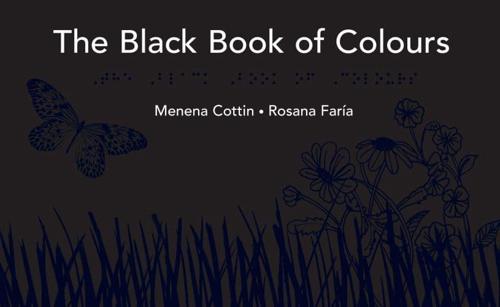
The Black Book of Colours by Menena Cottin, illustrated by Rosana Faria
How can someone experience colour without seeing it? A boy called Thomas describes colours through things he can touch, smell, hear and taste. The black pages carry raised, textured illustrations, accompanied by printed words and braille, inviting children to think about familiar sensations in a different way. This unusual picture book brings tactile reading into a shared storytime experience. For 3-8 year olds, it opens conversations about blindness, language and the many ways people understand the world.
The Invisible Story by Jaime Gamboa and Wen Hsu Chen
The Invisible Story centres on a ghostly book that’s invisible to most – until a blind girl stumbles upon it. At first, it’s blank, but then it reveals itself in braille, proving stories can be told in all sorts of ways. It’s a beautiful exploration of inclusion and sight loss, showing how books can be ‘seen’ differently. The cut-paper illustrations with jewel-toned details add to the theme of invisibility. It’s ideal for discussion in KS1 and KS2.

Duck’s Backyard by Ulrich Hub
A limping duck and a blind hen club together – the duck as a guide and the hen as support – and embark on an amazing quest to a magical land where dreams come true. Empowering, heartwarming and inspiring, this story will help children to set goals and believe. This energising quest story is the perfect first chapter book for newly independent readers in KS1 and lower KS2 who want thrills, twists and surprises.

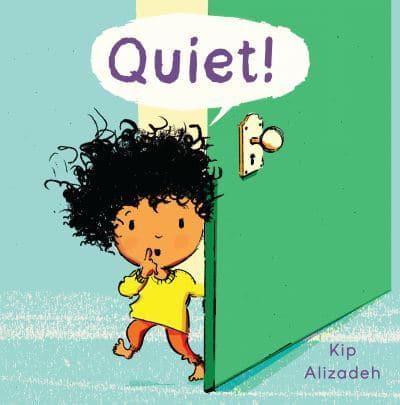
Quiet! by Kip Alizadeh
At the end of a busy day, a young child listens to the noises of home. Dinner-time conversation, familiar household sounds and a father’s bedtime voice gradually give way to quiet. Kip Alizadeh’s illustrations provide clues to the family’s surroundings, encouraging children to listen closely and notice how sound can help someone find their way. The everyday setting makes this picture book particularly helpful when talking about auditory landmarks and how blind or partially sighted people can build a picture of their environment.
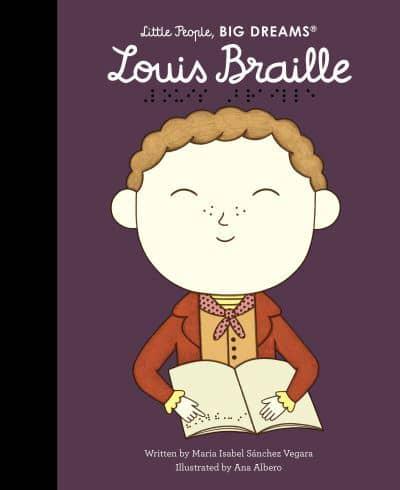
Louis Braille by Maria Isabel Sanchez Vegara, illustrated by Ana Albero
Louis Braille was a curious child who lost his sight following an accident in his father’s workshop. At school in Paris, he discovered how difficult it was for blind pupils to read and write using the available systems. His experiments eventually led to the six-dot code that bears his name. Ana Albero’s illustrations give this Little People, BIG DREAMS biography a clear visual narrative, and the final pages include a timeline and photographs. It is an engaging introduction to an invention that changed access to written language.
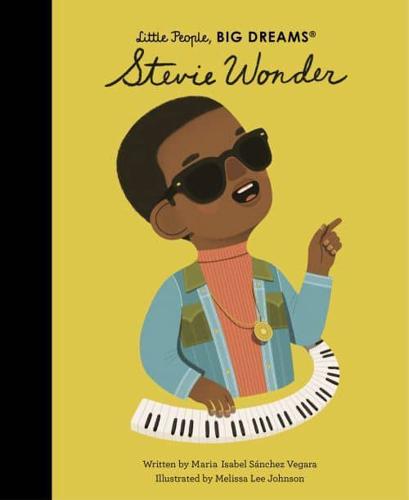
Stevie Wonder by Maria Isabel Sanchez Vegara, illustrated by Melissa Lee Johnson
Born prematurely and blind from infancy, Stevie Wonder developed his extraordinary musical talent while still a child. This illustrated biography traces his early fascination with instruments, his beginnings as a performer and his growth into a celebrated songwriter and musician. Melissa Lee Johnson’s artwork brings the music and key moments of his life into the picture-book format. As part of the Little People, BIG DREAMS series, it gives children a real-life example of creativity and achievement alongside a conversation about living with blindness.
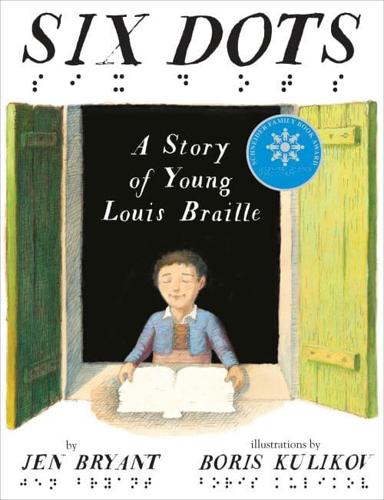
Six Dots: A Story of Young Louis Braille by Jen Bryant, illustrated by Boris Kulikov
Louis Braille wants to read, but the books available at his school in Paris are difficult for blind children to use. Jen Bryant tells his childhood story in a lively first-person voice, from the accident that took his sight to his determination to devise a better way of reading and writing. Boris Kulikov’s illustrations convey the boy’s curiosity and inventiveness. An author’s note supplies more historical background. This picture-book biography for 4-8-year-olds makes the creation of braille an absorbing story about a young inventor.
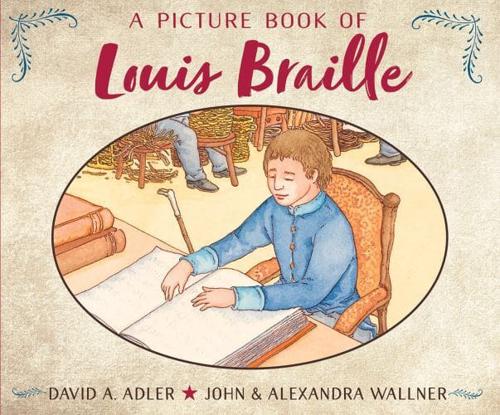
A Picture Book of Louis Braille by David A. Adler, illustrated by John Wallner and Alexandra Wallner
David A. Adler introduces the life of Louis Braille, beginning with his childhood in France and the loss of his eyesight. The account explains how he continued his education and set about improving the systems blind people used to read. John and Alexandra Wallner illustrate the people and places surrounding his invention, with further factual information to support classroom discussion. Ideal for 4-8 year olds, this short biography helps children connect the raised dots of braille with the person who developed the system.
Sight loss books for children aged 7-12
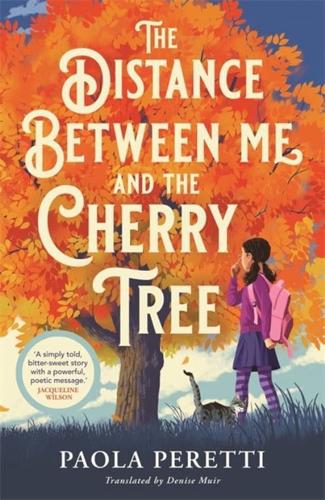
The Distance Between Me and the Cherry Tree by Paola Peretti
Nine-year-old Mafalda has a condition that is gradually affecting her sight. As the distance from which she can see her favourite cherry tree changes, she starts recording the things that matter most to her. Friends, family, school and her beloved cat all become part of the way she thinks about an uncertain future. Translated from Italian, Paola Peretti’s novel gives 9+ year olds an intimate insight into Mafalda’s thoughts and feelings, turning an ordinary tree into a memorable measure of change.
Ella Jones Vs the Sun Stealer by Lucy Edwards
Ella Jones, blind for two years, is thrust into the heart of a global crisis when a vengeful pagan god plunges the world into darkness. With her trusty guide dog Maisie and a band of friends, she must use her unique skills to bring back the light. This gripping adventure blends mythology with a powerful story of resilience, offering young readers a fast-paced journey full of courage and clever problem-solving. Written with Katy Birchall, it puts a blind protagonist at the forefront of the action. Read our full review.

Wolf Siren by Beth O’Brien
Red has been warned to stay away from the woods surrounding her village, where wolves and strange magic are said to lurk. But her grandmother disappeared there three years ago, and Red has questions she cannot ignore. Beth O’Brien reimagines Little Red Riding Hood through a visually impaired heroine who begins to question what her community believes about the forest. This powerful story for 11+ year olds brings together family secrets, folklore and the relationship between people and the natural world.

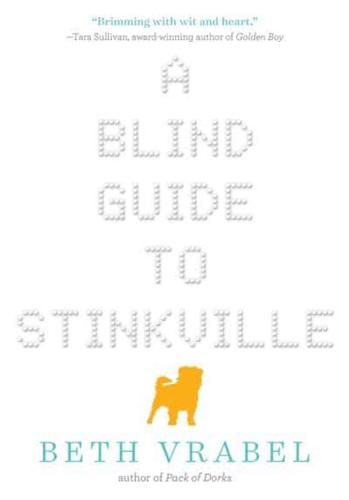
A Blind Guide to Stinkville by Beth Vrabel
Alice has albinism and low vision, and moving from Seattle to a small town nicknamed Stinkville means starting over. Finding her place in a new neighbourhood brings unexpected friendships and a local writing competition. Through Alice’s funny, observant narration, Beth Vrabel tells a story about family, friendship and the assumptions people make about disability. Readers will find a determined girl who has her own opinions about what she can do, and who has plenty to discover about the town she now calls home.
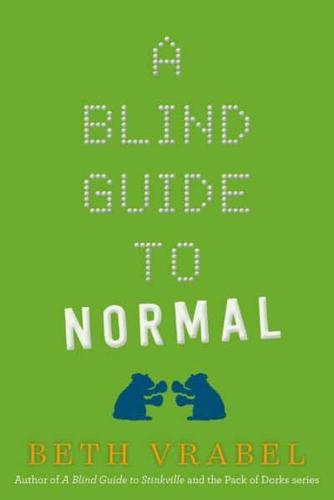
A Blind Guide to Normal by Beth Vrabel
Ryder has a prosthetic eye and is used to attending a school for blind pupils. Now he is moving into a mainstream school, where friendships, family relationships and other people’s expectations prove complicated in different ways. This companion novel to A Blind Guide to Stinkville centres on Ryder as he works out where he belongs and what growing up on his own terms might mean. Beth Vrabel brings humour to everyday misunderstandings and gives her protagonist room to make mistakes, form friendships and find confidence.
Ella Jones vs the Battle Noise by Lucy Edwards and Katy Birchall, illustrated by Luna Valentine
Ella Jones has already helped save the world, but another mythological danger is gathering strength. The god Homados wants Hercules’ shield and hopes to feed on the anger and conflict spreading among people. Ella, her guide dog Maisie, her friend Finn and sister Poppy must set out on another extraordinary journey, joined by a new pupil called River. Luna Valentine’s interior illustrations accompany this adventure for 9-10 year olds, in which Ella’s experience of navigating sound becomes part of the unfolding mystery. Read our full review.

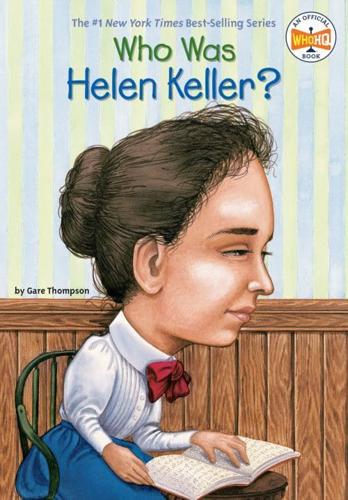
Who Was Helen Keller? by Gare Thompson and Who HQ, illustrated by Nancy Harrison
Helen Keller lost her sight and hearing after an illness early in childhood. This illustrated biography describes her relationship with her teacher Anne Sullivan, the development of her communication skills and her achievements as a writer and campaigner. Black-and-white drawings by Nancy Harrison sit alongside information panels, a timeline and further reading. For 8+ year olds, it provides an accessible chronological account of Keller’s life and a starting point for learning about deafblindness, education and the history of disability rights.
Sight loss books for teens aged 13+
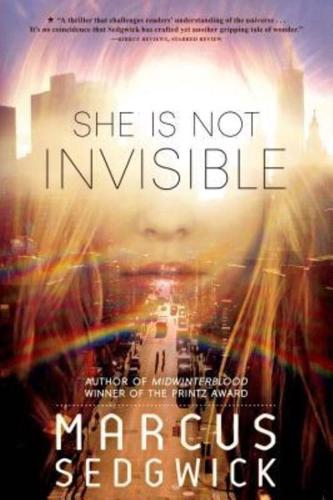
She Is Not Invisible by Marcus Sedgwick
Sixteen-year-old Laureth Peak is determined to find her missing father, a writer whose obsession with coincidences has taken a worrying turn. When his notebook turns up in New York, Laureth leaves England with her younger brother Benjamin and starts following a trail of clues. Laureth is blind, and her relationship with her brother shapes the way they tackle unfamiliar places and unexpected risks. Marcus Sedgwick builds an engrossing YA mystery around their journey, exploring trust, family bonds and the patterns people think they recognise.
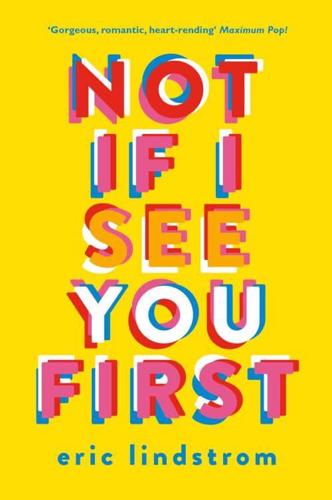
Not If I See You First by Eric Lindstrom
Parker Grant has rules about how other people should treat her, and she has little patience for anyone who breaks them. Blind since childhood, she is coping with the death of her father, trying out for the school track team and negotiating an increasingly complicated circle of friends. Then Scott Kilpatrick, the boy who once betrayed her trust, returns. This insightful contemporary novel for 13+ year olds combines Parker’s sharp voice with questions about grief, first love, honesty and the difference between knowing someone and understanding them.
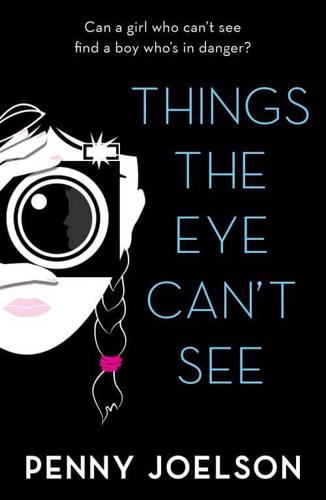
Things the Eye Can’t See by Penny Joelson
Libby is a keen photographer who enjoys exploring with her guide dog, Samson. When a boy she used to know asks her to pass on a mysterious message, she becomes caught up in the search for someone who has disappeared. Her family worry about her safety, but Libby and her new friend Kyle recognise clues that others overlook. Penny Joelson’s gripping thriller for 12+ year olds gives its visually impaired protagonist the lead in a tense investigation, with independence, friendship and determination woven into the plot.
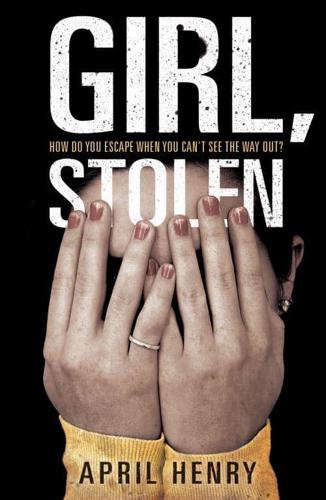
Girl, Stolen by April Henry
Sixteen-year-old Cheyenne Wilder is asleep in the back of her family’s car when a teenager steals it, unaware that she is inside. Cheyenne is blind and seriously ill with pneumonia, and what begins as an opportunistic car theft becomes a dangerous kidnapping. As the people holding her discover who her father is, Cheyenne must think quickly and work out how to survive. April Henry’s twisty teen crime thriller uses a tightly focused predicament to create relentless suspense.
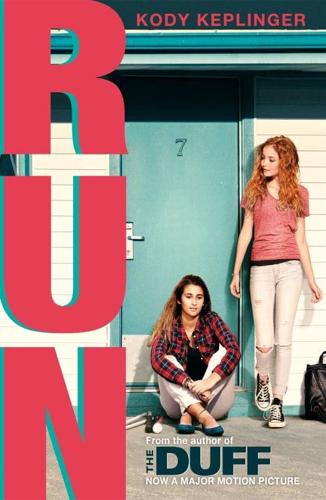
Run by Kody Keplinger
Agnes Atwood has grown up following her parents’ protective rules, while Bo Dickinson is known throughout their small town for her rebellious reputation. The two girls become firm friends despite the differences in their home lives. Agnes is legally blind, and when Bo arrives in the middle of the night needing to escape, their friendship turns into a road trip with serious consequences. Kody Keplinger’s punchy YA novel alternates between the girls’ experiences, revealing a complicated family story and the risks they take for one another.
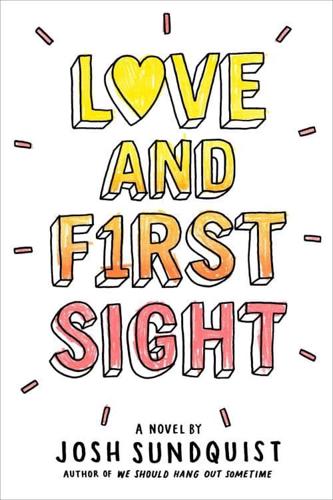
Love and First Sight by Josh Sundquist
Will Porter is sixteen, blind and starting at a new school, where making friends and finding his place comes with awkward surprises. He begins to fall for Cecily, but soon faces another life-changing possibility: experimental surgery that might allow him to see. As Will learns to interpret unfamiliar visual information, he has to rethink what he knows about those around him. Josh Sundquist’s highly relatable novel for 12+ year olds brings together a school romance, questions about identity and the complicated relationship between appearance and trust.
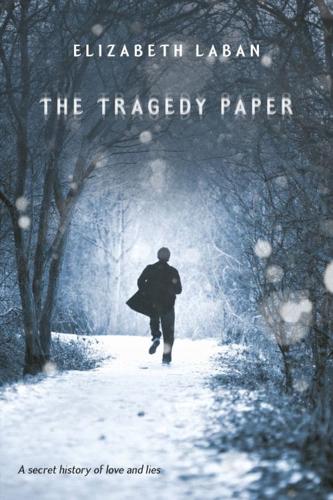
The Tragedy Paper by Elizabeth LaBan
When Duncan moves into his room at the Irving School, he discovers recordings left behind by Tim Macbeth, the student who lived there the previous year. Tim has albinism and low vision, and his account takes Duncan back through an intense friendship, a secret romance and the school’s unsettling traditions. Elizabeth LaBan tells the story through past and present perspectives as Duncan gradually pieces together what happened. This immersive and convincing boarding-school YA novel links Tim’s experiences of being different with questions about belonging, secrecy and responsibility.
Click the buttons below to purchase all of the books in this sight loss list, as well as class sets of any of these books and many more, from Bookshop.org UK. Or buy all the titles from this list from Amazon – ideal for gifts or your classroom library.
Buy from UK.Bookshop.Org Buy from Amazon.co.uk
Disclosure: If you buy books using the buttons above: we may earn a commission from Bookshop.org, whose fees support independent bookshops; as an Amazon Associate, schoolreadinglist.co.uk earns from qualifying purchases.
Schools & teachers: please respect copyright and don’t copy our sight loss books list. If you find our book recommendations useful, please consider sharing on social media or linking to this page instead. Thanks.
Sight loss resources for teachers
- The Royal National Institute of Blind People (RNIB) provides guidance for teachers and teaching assistants supporting pupils with vision impairment. Resources cover accessible learning, classroom inclusion, specialist support and practical ways to help blind and partially sighted children participate fully in school life.
- The RNIB Curriculum Framework for Children and Young People with Vision Impairment includes downloadable guides for classroom teachers, teaching assistants and school leaders. The resources explain how specialist and non-specialist staff can work together to support learning, independence and access to education for pupils aged 0-25.
- The National Sensory Impairment Partnership (NatSIP) offers a free mainstream training pack for teachers, SENCOs and teaching assistants. It includes introductory checklists, practical tips and case studies covering visual impairment, hearing impairment and multi-sensory needs. The materials provide a useful starting point for staff supporting pupils with sensory impairments.
- Guide Dogs has developed free teaching resources for primary schools and children aged 5-11. Downloadable lesson plans, presentations, videos and activities explore how eyesight works, different forms of sight loss, the role of guide dogs and the experiences of children with vision impairment. Resources are also available in Welsh.
- The Thomas Pocklington Trust provides resources for secondary school teachers supporting blind and partially sighted students. Materials cover understanding vision impairment, accessible learning environments, school trips, public examinations and transitions between educational settings. Videos also explore how different eye conditions can affect a young person’s vision.
- Thomas Pocklington Trust’s free online training introduces education professionals to vision impairment and its impact on learning. The self-paced course includes practical advice, case studies and approaches to removing barriers, making it particularly useful for teachers and support staff who are new to working with blind or partially sighted pupils.
- The Positive Eye website features free resources for educators working with children with vision impairment, cerebral visual impairment and complex needs. Materials include sensory literacy activities, visual skills resources, recorded presentations and a collection of creative story bucket ideas that use everyday objects to make storytelling accessible.
- Sense provides resources for teachers, early years practitioners and SEND professionals supporting children with complex disabilities and multi-sensory impairments. Its materials include inclusive play guidance, specialist curriculum frameworks, education quality standards and advice on supporting children who are deafblind.
- For secondary schools and colleges, the Joint Council for Qualifications publishes guidance on examination access arrangements and reasonable adjustments. This includes information about braille and modified enlarged examination papers, assistive technology, readers, practical assistants and other arrangements that may help candidates with vision impairment access their examinations.
- RNIB Bookshare is a free educational resource providing accessible textbooks, reading books and curriculum materials for learners who cannot access standard print. Schools can obtain digital books in adaptable formats, including materials suitable for braille and audio access, helping pupils with sight loss read the same texts as their classmates.
- The Guide Dogs CustomEyes service produces large-print books tailored to the individual reading needs of children with vision impairment. Books can be customised with different font sizes, typefaces, spacing and paper colours. This can help schools provide accessible versions of popular fiction and educational texts.
- The ClearVision Project operates a UK postal lending library of children’s books combining braille, conventional print and pictures. Its collection includes familiar picture books, fiction, non-fiction and specially produced tactile books. Schools and libraries can subscribe to borrow books for shared reading, braille literacy and inclusive storytimes.
- Living Paintings offers a free postal library of tactile and audio books for blind and partially sighted children. Raised illustrations are accompanied by audio descriptions, allowing readers to explore characters, objects and settings through touch and sound. Its collection includes picture books and non-fiction resources that can support literacy and curriculum learning.
- The BookTrust guide to engaging children with vision impairment in stories offers practical advice for teachers and librarians. Developed with input from RNIB, it explores multi-sensory storytelling, accessible reading formats, specialist support and the importance of choosing books that portray children with sight loss positively.
- For early years settings, BookTrust’s Bookstart Additional Needs resources include downloadable guides to enjoying and finding books with children who have vision impairment. Its Bookstart Touch programme supports shared reading through tactile books, sensory experiences and advice for families and early years practitioners.
- VIEW, the professional association for vision impairment education, offers specialist training for teachers and education professionals. Courses cover understanding vision impairment, teaching braille literacy, supporting pupils with complex needs and preparing accessible educational materials, including modified large-print and braille resources.
BISAC JUV039150, JNF053180, YAF058070. | Thema YXK, YBC, YFB.