Frozen worlds books for children
From emperor penguins huddling against the cold to explorers battling treacherous sea ice, our frozen worlds books for children bring some of Earth’s most extraordinary environments to life. This selection includes beautifully illustrated picture books, fascinating non-fiction, true stories of polar expeditions and imaginative adventures set in snowbound landscapes. Younger readers can discover polar animals, icebergs and the Northern Lights, while older children can follow daring explorers, investigate scientific discoveries and learn how climate change is affecting frozen habitats. This list features books by Jason Bittel, Nicola Davies, Julia Donaldson, Martin Jenkins, Philip Reeve, Abi Elphinstone, Catherine Johnson, Holly Webb, Chris Judge, and Ross Montgomery.
Frozen worlds books for children – our recommendations
Frozen worlds books for 4-11 year olds
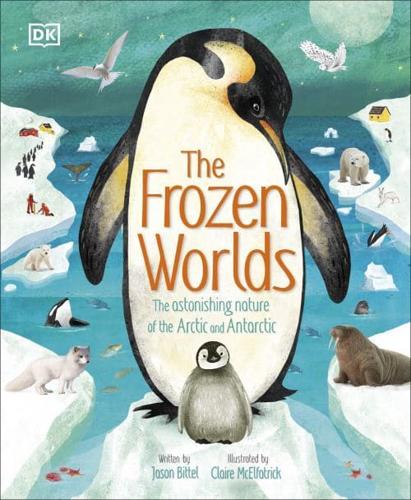
The Frozen Worlds by Jason Bittel, illustrated by Claire McElfatrick
Polar bears, penguins and other animals live among the glaciers, sea ice and frozen coastlines introduced in this illustrated guide for 7-9 year olds. Jason Bittel combines short explanations with artwork and photographs, travelling from Arctic habitats to Antarctica and its volcanic landscape. Readers can dip into individual facts or follow the pages to build a picture of how wildlife is adapted to the poles.
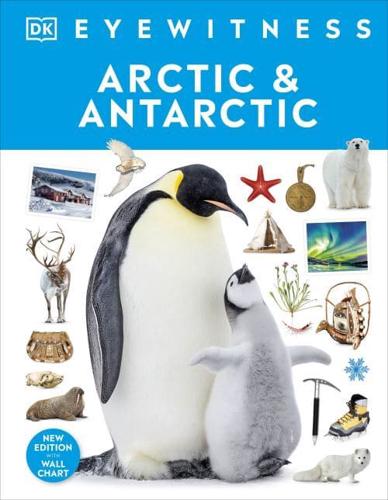
Arctic and Antarctic by DK
A revised DK Eyewitness guide for 9-12 year olds, this book pairs photographs and facts about polar wildlife and habitats with information about Indigenous peoples and exploration. Updated eyewitness accounts from experts add first-hand perspectives on the frozen regions. Readers can compare the Arctic and Antarctic, discover how their landscapes differ and use each page as a short research stop.
All About Antarctica by Marc Martin
This fact-packed picture book takes readers across Antarctica, from icefalls and wildlife to research vessels, meteorites and the ways people survive there. Marc Martin mixes concise snippets with richly coloured illustrations, making the southernmost continent feel larger than penguins and icebergs alone. Children can browse it in short sessions or follow its details into questions about science, history and climate.

Antarctica: The Melting Continent by Karen Romano Young, illustrated by Angela Hsieh
Karen Romano Young’s illustrated guide takes readers from historic explorers to scientists working in Antarctica today. It describes how researchers live in the harsh landscape and study climate, including ice cores that preserve evidence reaching almost a million years into the past. Angela Hsieh illustrates this account of a continent changing under a warming climate. This exploration for 10+ year olds brings together polar adventure, fieldwork and current environmental science.

Iceberg by Claire Saxby, illustrated by Jess Racklyeft
Set across a year in Antarctica, this lyrical picture book shows an iceberg’s life alongside the wildlife around it. Penguins trek over winter ice, migrating birds pass overhead, and summer brings marine life beneath the iceberg. Claire Saxby’s poetic text and Jess Racklyeft’s richly coloured art move between snow, sky and sea, offering a vivid encounter with the changing Antarctic seasons.

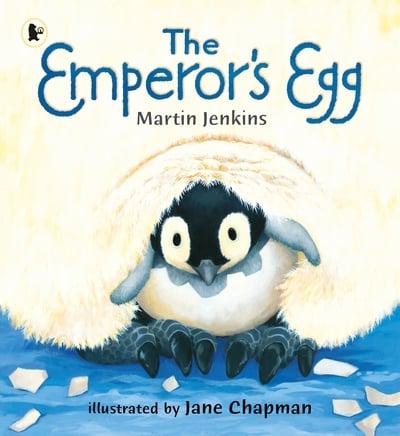
The Emperor’s Egg by Martin Jenkins, illustrated by Jane Chapman
Martin Jenkins tells the story of an emperor penguin’s egg through the Antarctic winter. After the female returns to the sea, the male keeps the egg balanced on his feet beneath a fold of skin while standing on the ice. Jane Chapman’s illustrations bring out the scale of the cold and the care involved in keeping the egg safe. This picture book for 5-7 year olds explains a remarkable cycle of penguin parenting.
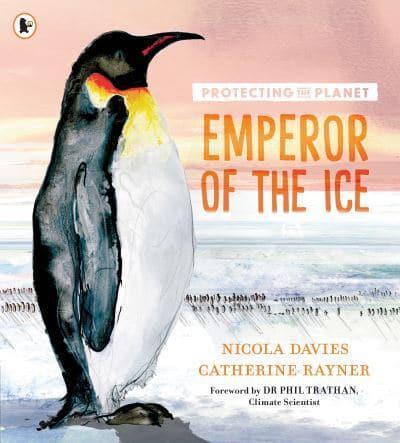
Protecting the Planet: Emperor of the Ice by Nicola Davies, illustrated by Catherine Rayner
Each April, emperor penguins travel across the Antarctic ice to find a safe place for their eggs. Nicola Davies centres this true account on an experienced Empress and her mate as they protect a newly laid egg through the bitter winter. Warmer ocean water, stronger winds and fiercer storms form part of the changing conditions they face. Catherine Rayner’s luminous illustrations accompany this story of penguin parenting and conservation for 5-7 year olds.
The Search for the Giant Arctic Jellyfish by Chloe Savage
Dr Morley has spent years studying stories of a giant Arctic jellyfish that no one has seen. She gathers a specialist crew and sets out toward the northernmost tip of the world, using a boat and scientific equipment in her search. Chloe Savage’s richly detailed pictures invite close looking as the expedition’s suspense builds. This illustrated exploration story offers glimpses of scientific fieldwork, with visual clues that reward readers who scan each spread carefully.

Ice Trap!: Shackleton’s Incredible Expedition by Meredith Hooper, illustrated by M.P. Robertson
This illustrated account reconstructs Shackleton’s 1914 Antarctic expedition as the Endurance becomes trapped and crushed in pack ice. The stranded crew must leave the ship and plan their escape across the ice and sea, while the story keeps the focus on teamwork, endurance and practical choices under pressure.

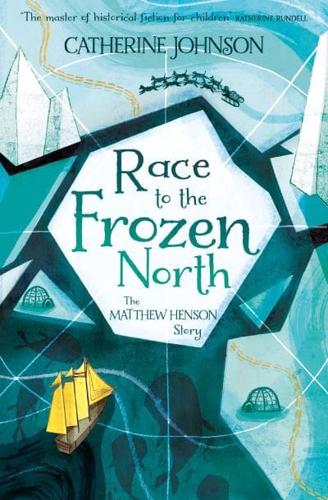
Race to the Frozen North: The Matthew Henson Story by Catherine Johnson, illustrated by Katie Hickey
This fictionalised account introduces Matthew Henson’s polar expedition work alongside Robert Peary. It centres his skills as a navigator, craftsman and translator, as well as the prejudice he encountered on the way. This story for 9+ year olds brings a less frequently told perspective on North Pole exploration into an accessible, illustrated historical read.
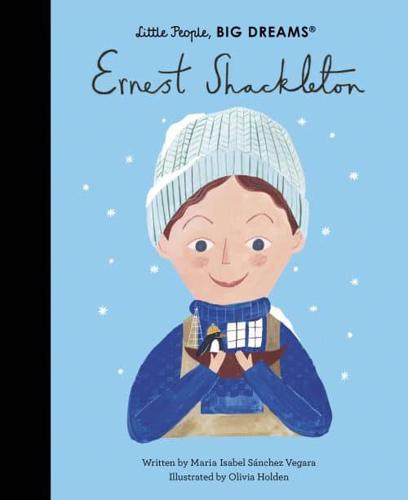
Ernest Shackleton by Maria Isabel Sánchez Vegara, illustrated by Olivia Holden
Maria Isabel Sánchez Vegara’s illustrated biography introduces Shackleton from childhood through his years in the Merchant Navy and Antarctic expeditions. It explains his South Pole ambitions, describes the setbacks he faced and shows how he became remembered as a leader. This short biography for 6-8 year olds makes an Antarctic life story easy to share or use as a first research text.
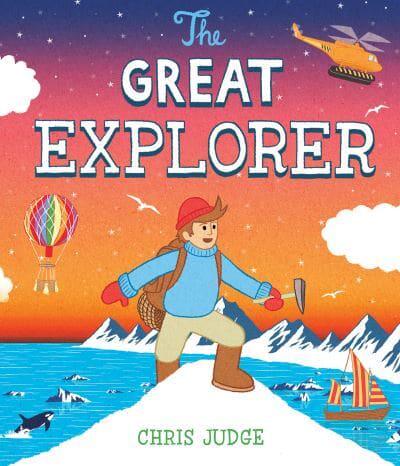
The Great Explorer by Chris Judge
When the renowned explorer goes missing at the North Pole, his son Tom sets out across icy terrain to find him. Chris Judge turns the rescue mission into a picture book adventure full of the hazards and surprises of travel in a frozen landscape. As the journey unfolds, Tom must overcome challenges and keep going.
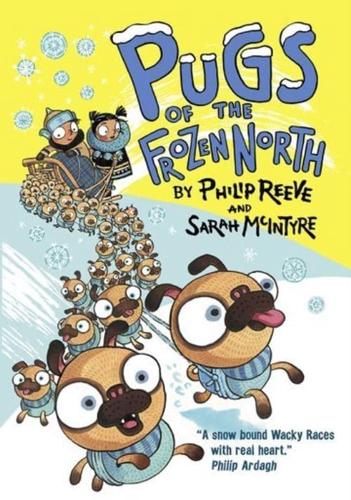
Pugs of the Frozen North by Philip Reeve, illustrated by Sarah McIntyre
Shen and Sika enter a race to the top of the world, where the prize is the chance to have their heart’s desire. Their team includes 66 pugs, but the route across frozen terrain is crowded with rivals, snow trolls, sea monsters and hungry yetis. Philip Reeve’s comic fantasy, illustrated by Sarah McIntyre, mixes a fast-moving race with playful pictures and oddball creatures. This illustrated adventure for 7+ year olds is a lively chapter book set in the frozen North.
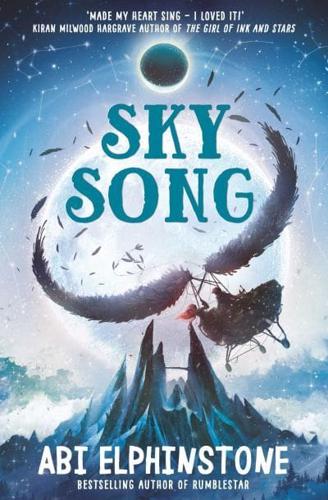
Sky Song by Abi Elphinstone
In Erkenwald, a frozen kingdom under the Ice Queen, Eska escapes a cursed music box and meets Flint, an inventive boy. Together they seek an almost forgotten song that may force the queen back. An eagle huntress, an organ made of icicles and the journey to the Never Cliffs give the fantasy a distinctive icy landscape. Abi Elphinstone’s middle-grade novel brings together adventure, invention, friendship and a question of belonging.
Snowy Penguin by Holly Webb, illustrated by David Dean
Bella travels with her mother to the Antarctic coast on a penguin research expedition. On an island she spots an unusual pale-brown penguin, then sees a pirate ship that seems to have arrived from the 1800s. When she meets Jules, a boy from the past, Bella discovers that he and the sailors want to capture the rare bird.

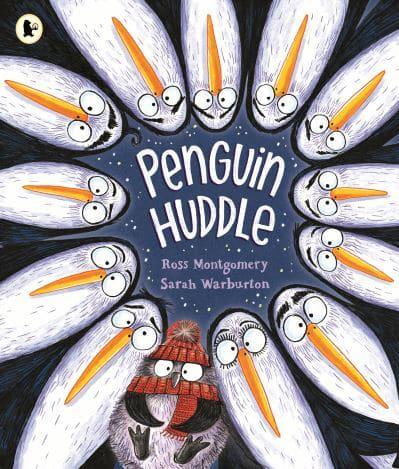
Penguin Huddle by Ross Montgomery, illustrated by Sarah Warburton
The penguin pack plays on the Antarctic ice, then squeezes together to stay warm as night falls. After a freezing gale, they wake up stuck together like a giant penguin ice pop, and nobody can work out how to unstick them. Pipsqueak, the smallest penguin, comes up with an idea.
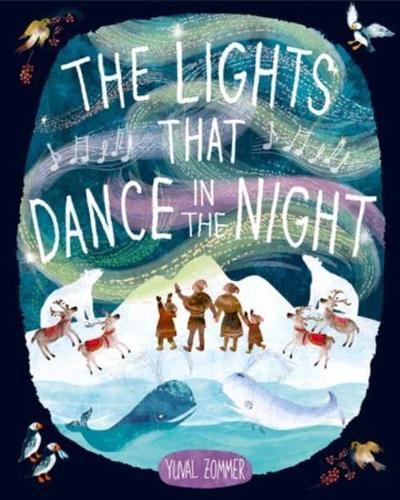
The Lights that Dance in the Night by Yuval Zommer
Yuval Zommer imagines the Northern Lights as travellers from space, bringing colour to the animals and people living in frozen lands below. His poetic picture book follows their journey across Arctic skies, linking glowing curtains of light with snowy landscapes and wildlife. Children can follow the lights through the rhyming text and explore the intricate details of each illustrated spread.
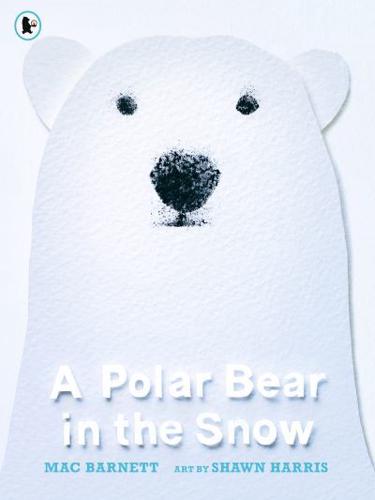
A Polar Bear in the Snow by Mac Barnett, illustrated by Shawn Harris
A polar bear sets out on a mysterious walk through snow, over ice and into a blue sea. Along the way he passes Arctic animals and even a human, while the story keeps the question of his destination in view. Mac Barnett’s narration builds gentle suspense, and Shawn Harris’s torn-paper illustrations play with white-on-white shades, blue and shadow.
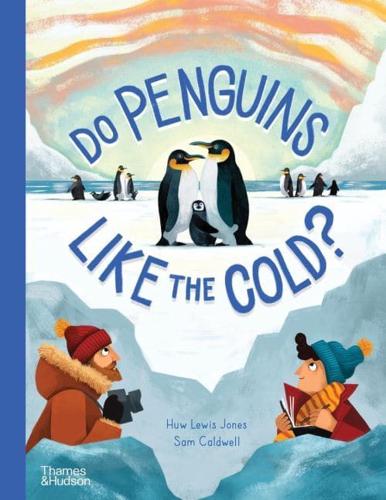
Do Penguins Like the Cold? (Go Wild) by Huw Lewis-Jones, illustrated by Sam Caldwell
Polar explorer Huw Lewis-Jones and illustrator Sam Caldwell take readers on a field trip to Antarctica and across the Southern Hemisphere. The book introduces 18 penguin species, their different habitats and the conservation work that protects them. Argentina, Australia, Chile, the Galápagos Islands, Namibia, New Zealand, Peru and South Africa all appear in the journey. Its broad view helps children connect penguins with a range of landscapes and climates.
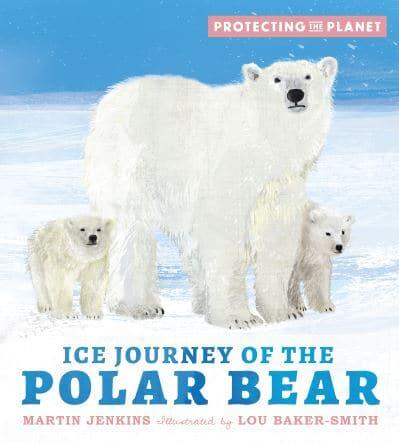
Protecting the Planet: Ice Journey of the Polar Bear by Martin Jenkins, illustrated by Lou Baker-Smith
As the first snow arrives, a polar bear prepares to make a den where she can sleep through the Arctic winter and give birth to her cubs. The familiar landscape is changing as the ice melts, and the story asks what kind of world the cubs will grow up in. Lou Baker-Smith’s illustrations accompany information about climate change and conservation.
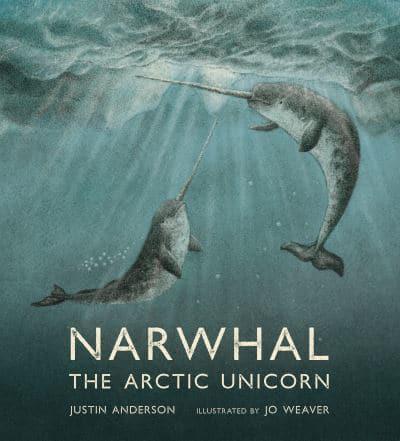
Narwhal: The Arctic Unicorn by Justin Anderson, illustrated by Jo Weaver
In this picture book for 5-7 year olds, a pod of narwhals begins an epic journey north through Arctic waters as winter comes to an end. Justin Anderson follows the animals as they navigate shifting sea ice, search for food and avoid predators. Along the way, readers discover how narwhals care for their young and learn about their distinctive tusks. Jo Weaver’s atmospheric illustrations bring depth and scale to the underwater landscape.
Jonty Gentoo – The Adventures of a Penguin by Julia Donaldson, illustrated by Axel Scheffler
Jonty, a young gentoo penguin, longs to find his true home in Antarctica. He sneaks out of the zoo and sets off on an extraordinary journey, with an accidental detour to the North Pole along the way. Julia Donaldson’s rhyming text and Axel Scheffler’s illustrations turn the journey into a lively picture book adventure for 3+ year olds. Penguins, seals and polar bears appear among the details to spot in the pictures.

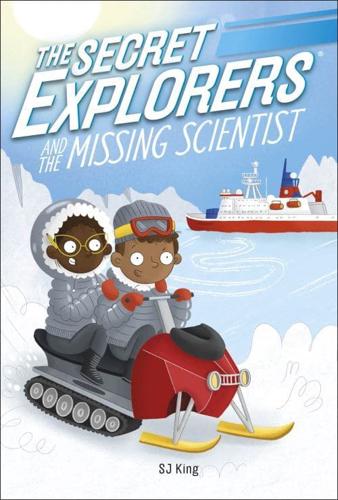
The Secret Explorers and the Missing Scientist by SJ King
Kiki, an engineering expert, and Connor, a marine biologist, travel to the Arctic on a mission. They find a research vessel trapped in sea ice and learn that a scientist who went to seek help has not returned. The explorers must find the missing scientist and free the ship.
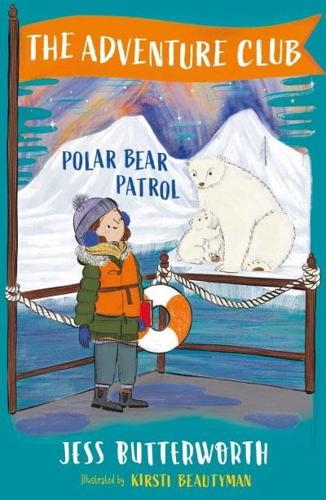
The Adventure Club: Polar Bear Patrol by Jess Butterworth, illustrated by Kirsti Beautyman
Tilly and the Adventure Club head to the Arctic Circle to look for polar bears. They travel over ice by husky sled, camp in tents and watch the northern lights. During a boat trip, the group finds a narwhal caught in a fishing net and races to free it. Written as Tilly’s illustrated diary, this adventure combines Arctic wildlife, friendship and exploration for children beginning to read independently.
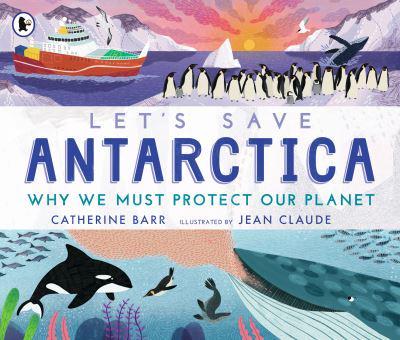
Let’s Save Antarctica: Why we must protect our planet by Catherine Barr, illustrated by Jean Claude
This illustrated non-fiction picture book for 5-9 year olds introduces Antarctica’s penguins, whales, dinosaur fossils and scientific research. Catherine Barr shows why the continent matters and how climate change and plastic pollution affect this distinctive environment.The book gives children a starting point for learning about the continent and the reasons people work to protect it.
Click the buttons below to purchase all of the books in this Frozen worlds list, as well as class sets of any of these books and many more, from Bookshop.org UK. Or buy the 20 most popular titles from this list from Amazon – ideal for gifts or your classroom library.
Buy from UK.Bookshop.Org Buy from Amazon.co.uk
Disclosure: If you buy books using the buttons above: we may earn a commission from Bookshop.org, whose fees support independent bookshops; as an Amazon Associate schoolreadinglist.co.uk earns from qualifying purchases.
Schools & teachers: please respect copyright and don’t copy our Frozen worlds list. If you find our book recommendations useful, please consider sharing on social media or linking to this page instead. Thanks.
Frozen worlds resources for teachers
- The British Antarctic Survey provides curriculum-linked resources for KS2, KS3 and KS4, including worksheets, videos, polar factsheets and recordings of scientists discussing their research. Teachers can also explore life at Antarctic research stations and find out how researchers work in extreme conditions.
- The Royal Geographical Society’s Discovering Antarctica website features interactive geography and science activities exploring glaciers, ice sheets, weather, wildlife, food webs and polar exploration. Teacher notes include introductory activities, investigations and follow-up tasks, with links to the KS3 curriculum and GCSE geography specifications.
- Discovering the Arctic, developed with the Royal Geographical Society and polar research organisations, offers activities, maps, photographs and videos covering Arctic landscapes, Indigenous communities, ecosystems, tourism, natural resources and climate change. Particularly useful for KS3 geography and GCSE environmental studies.
- WWF’s Our Planet: Frozen Worlds resource pack explores polar habitats, animal adaptations, melting sea ice and climate change. Designed for children aged 6-14, it includes discussion prompts, wildlife research tasks, creative writing activities and ideas for planning an imaginary polar expedition.
- Encounter Edu offers free Frozen Oceans teaching programmes for ages 7-16, with cross-curricular activities, geography lessons and science investigations based on real Arctic expeditions. Topics include sea ice thickness, ocean acidification, polar food webs, climate change and the practical challenges of scientific fieldwork.
- STEM Learning’s Polar Explorer collection provides practical activities inspired by Antarctic research and the RRS Sir David Attenborough. Primary pupils can investigate thermal insulation, design an ice station, explore electrical circuits, undertake engineering challenges and learn about the animals and environments of the polar regions.
- Oak National Academy provides a Year 2 geography lesson about people living and working in Antarctica, the history of Antarctic exploration and the Antarctic Treaty. Downloadable slides, worksheets, quizzes and a teaching video support classroom learning. Other lessons cover Arctic and Antarctic wildlife and the differences between the poles.
- For KS2 English, Oak National Academy’s Polar Regions essay-writing unit helps Year 6 pupils research the importance of frozen environments and investigate threats to their survival. The resources include structured research tasks, downloadable presentations, worksheets and guidance for developing evidence-based writing.
- The Royal Geographical Society’s Shackleton’s Endurance resources combine an illustrated account of the Antarctic expedition with primary teaching notes, map-reading activities, historical comparisons, creative writing ideas and assembly suggestions. Pupils can also compare Shackleton’s original voyage with the modern expedition that located the wreck of Endurance.
- WWF’s recorded Polar Regions lesson with Steve Backshall takes KS2 pupils inside the British Antarctic Survey headquarters in Cambridge. The 40-45 minute session explores polar wildlife, animal adaptations, scientific equipment and the challenges of working in the Arctic and Antarctic.
- The UK Antarctic Heritage Trust offers educational films, virtual visits, talks and historical material about Antarctic exploration. Its 2026 British Science Week secondary activity investigates the Antarctic Treaty, thermal insulation and the engineering challenges involved in designing a research station for extreme temperatures.
- The Natural History Museum at Tring provides downloadable Arctic and Antarctic wildlife trails and self-guided gallery activities. Its KS1 Polar Expedition workshop examines the differences between the two regions and how animals survive in freezing habitats, supporting science teaching about adaptation and living things.
- The Met Office’s climate impacts teaching resources help pupils aged 7-11 understand the difference between weather and climate and investigate environmental change around the world. The downloadable lesson plan, classroom presentation, world map, worksheets and quiz provide supporting material for studying global warming and changing polar environments.
- WWF’s Polar Storytelling activities use a scientist’s Arctic field diary to develop pupils’ observational writing, speaking and journalism skills. Children can distinguish facts from feelings, write wildlife reports and create news broadcasts about polar animals and environmental protection.
BISAC JUV001000, JNF038090. | Thema YFC, YNNB9.