Arctic books for children and teens
Arctic books for children and teens bring together animal stories, survival fiction, exploration and the science of the far north. Children can move between adventure novels, narrative biography and illustrated nonfiction on wildlife, sea ice and the Arctic Ocean. For older readers, the list includes Arctic thrillers for teens and sixth-formers. These books also connect reading for pleasure with geography and natural history. This list features books by Hannah Gold, Holly Webb, Catherine Johnson, Anita Ganeri, Kiran Millwood Hargrave, Nicola Penfold, Marcus Sedgwick, Michelle Paver, Giles Kristian, and Barry Lopez.
Arctic books for children and teens – our recommendations
Arctic books for children aged 7-12
The Last Bear by Hannah Gold, illustrated by Levi Pinfold
April’s father takes her to Bear Island for a six-month scientific research stay, telling her that no polar bears remain there. During the Arctic summer, April discovers a lonely, starving bear and is determined to help him. Their connection develops against the remote landscape of sea, ice and long summer light. This adventure for 8+ year olds, illustrated throughout by Levi Pinfold, places friendship and care for wildlife at its heart.

The Search for the Giant Arctic Jellyfish by Chloe Savage
Dr Morley sets out with all the proper equipment, all the right people, and years of careful planning to find a bizarre monster that no one has ever seen before. Will she be the first to see the enigmatic jellyfish? This is a great story of adventure, perseverance and resilience that will encourage children to never give up.

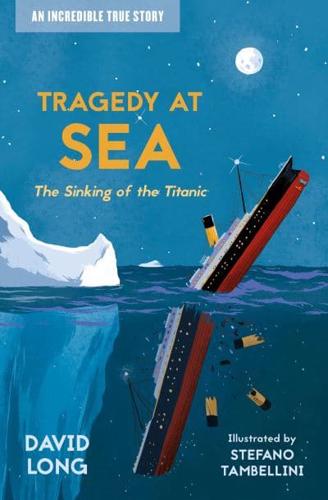
Tragedy at Sea by David Long, illustrated by Stefano Tambellini
David Long tells the compelling story of the Titanic, from its grand design to the night it met disaster. He explores the ship’s luxury, the belief that it was unsinkable, and the chaos after the iceberg struck. With a focus on the passengers, crew, and the tragic lack of lifeboats, the book brings history to life with clear explanations and illustrations. A gripping introduction to one of the most infamous maritime disasters.
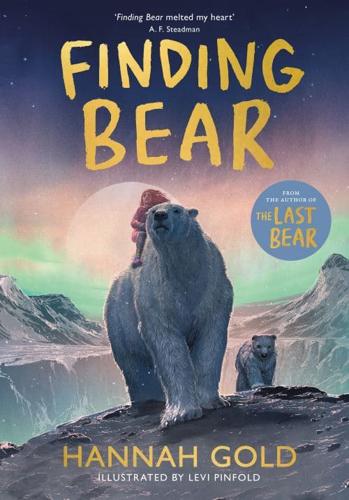
Finding Bear by Hannah Gold, illustrated by Levi Pinfold
After her adventure on Bear Island, April is back at home when she hears that a polar bear has been shot and injured in Svalbard. Convinced it might be Bear, she persuades her father to travel north with her. Their journey across frozen tundra and glaciers brings April to a tiny polar bear cub in need of help.
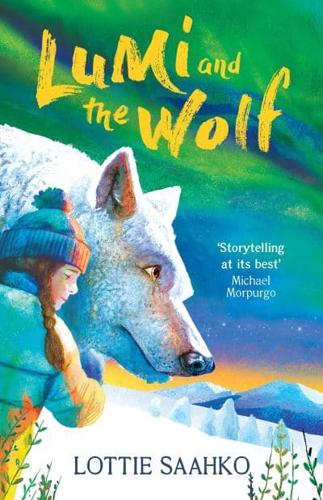
Lumi and the Wolf by Lottie Saahko, illustrated by Jason Cockcroft
Lumi is an autistic girl sent to stay with her aunt and uncle in Lapland, where unfamiliar routines and surroundings are difficult to settle into. Meeting a lone white wolf changes everything. When she learns hunters are pursuing him, Lumi sets out across snowy fells towards the safety of a national park, joined by local boy Oskár. The journey draws on her sharp senses, eye for patterns and fierce determination, while pages from Lumi’s Forest Diary add an illustrated thread. This atmospheric and wintry adventure for UKS2 readers explores friendship, belonging and trusting your own strengths. Highly recommended.
The Arctic Fox by Holly Webb, illustrated by David Dean
Ellie is thrilled about her upcoming Christmas holiday in Lapland. She can’t wait to see Santa, ride reindeer, and maybe spot a rare endangered arctic fox. But when Ellie sleeps under the northern lights, she hears a mysterious sound and realises there’s something caught in a trap. Can she rescue the fox before it’s too late? Holly Webb’s enchanting storytelling and David Dean’s illustrations create a heartwarming tale for conservation-conscious 7–9-year-olds.

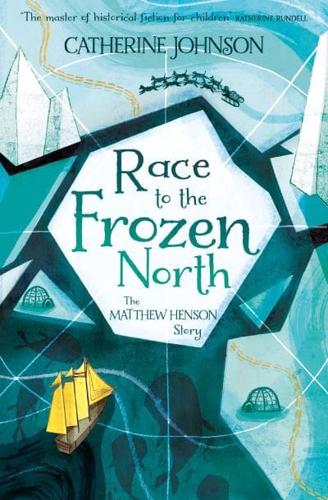
Race to the Frozen North: The Matthew Henson Story by Catherine Johnson, illustrated by Katie Hickey
Matthew Henson’s life and Arctic expeditions are retold as historical fiction in this dyslexia-friendly title. Catherine Johnson traces his work alongside Robert E. Peary, portraying Henson as a navigator, craftsman, translator and trusted colleague, while acknowledging the prejudices that kept his achievements from wide recognition.
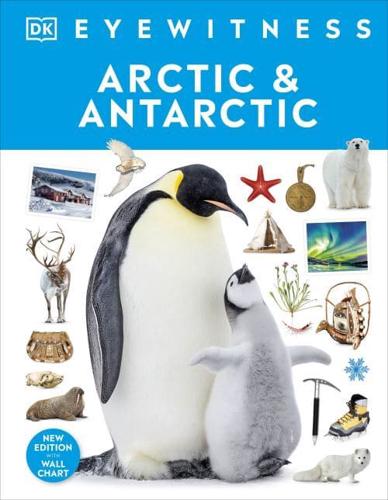
Arctic and Antarctic by DK
DK’s picture-led Eyewitness guide surveys the Arctic and Antarctic, covering their habitats, wildlife and the Indigenous peoples of the Arctic. New photographs and updated information sit alongside expert eyewitness accounts and a collectible poster. Children can compare polar animals and environments, from polar bears in the north to penguins in the south, and learn about the impact of a changing climate.
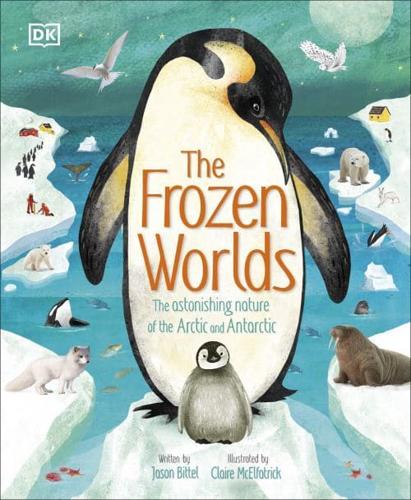
The Frozen Worlds by Jason Bittel, illustrated by Claire McElfatrick
Jason Bittel introduces the Arctic and Antarctic through photographs and detailed illustrations by Claire McElfatrick. The book ranges across polar wildlife, icebergs, adaptations to the cold and the work of scientists, with ideas for caring for the polar regions. The contrast between the two poles helps children see that they are distinct places as well as icy habitats.
Terra Electrica: The Guardians of the North by Antonia Maxwell
In a gripping post-melt Arctic, The Guardians of the North follows 12-year-old Mani as she confronts a world ravaged by a deadly force called Terra Electrica that eats electricity and threatens civilisation. Suitable for children aged 10-14 it’s filled with pertinent themes of resilience, environmental awareness, and survival, making it perfect for children and early teens who care deeply about dark ecological issues and the dangers of climate change. Read our full review.

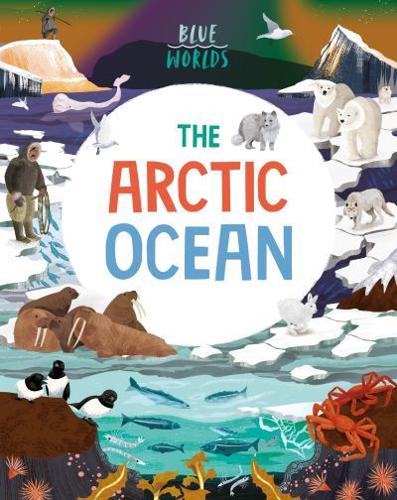
Blue Worlds: The Arctic Ocean by Anita Ganeri, illustrated by Josy Bloggs
Anita Ganeri focuses on the Arctic Ocean, the smallest of Earth’s oceans. The book introduces pack ice, icebergs and the people and animals adapted to the cold, then considers how warming, pollution and industry put this habitat at risk. Josy Bloggs’s illustrations accompany the natural-history text.
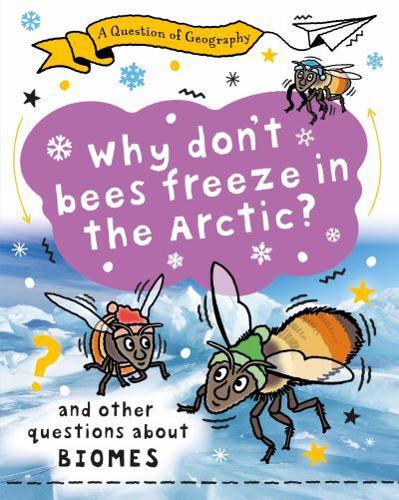
A Question of Geography: Why Don’t Bees Freeze in the Arctic? by Clive Gifford
Why don’t bees freeze in the Arctic? That question leads into a wider set of questions about biomes, the habitats and climates that shape life around the world. Clive Gifford’s geography title places the polar question within a broader look at how different environments work. For 8+ year olds, the book links curiosity about one Arctic species with comparative geography and natural history.
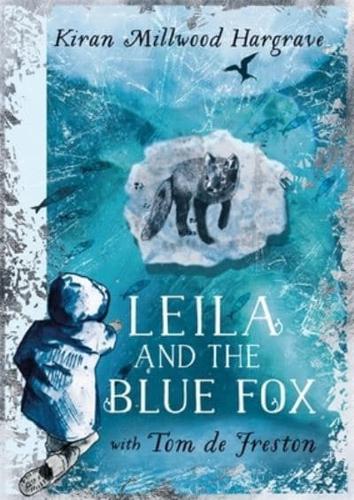
Leila and the Blue Fox by Kiran Millwood Hargrave, illustrated by Tom de Freston
Leila and an Arctic fox travel on separate but intertwined journeys across the sea. The fox’s trek through ice and snow is inspired by the true journey of a fox that walked from Norway to Canada; Leila is searching for the mother who left her. Kiran Millwood Hargrave’s story of migration and belonging, illustrated by Tom de Freston, includes tracing-paper inserts.
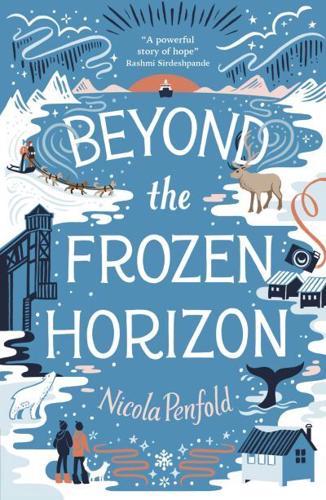
Beyond the Frozen Horizon by Nicola Penfold
Rory is excited to join her mother, a geologist, on a work trip to the Arctic, where scientific teams are researching sustainable ways for people to live. The project proves more complicated than she expected, and Rory begins to understand what is at stake for Arctic people and wildlife. Nicola Penfold builds an ecological adventure around questions of conservation and development.
Arctic books for teens and sixth-formers
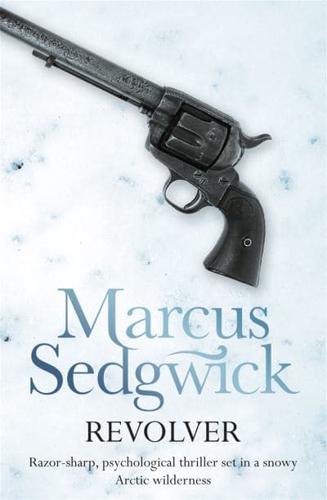
Revolver by Marcus Sedgwick
Set in 1910 in a cabin north of the Arctic Circle, the novel centres on fifteen-year-old Sig, whose father has died after falling through an ice-covered lake. His sister and stepmother have gone to seek help when a stranger named Wolff knocks at the door and claims unfinished business with his father. The confined setting and approaching danger give this psychological thriller its tense shape.
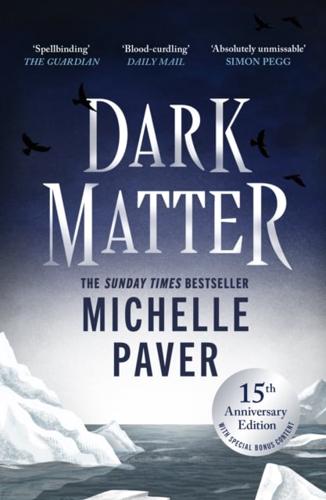
Dark Matter by Michelle Paver
Londoner Jack is 28 when he joins a 1937 Arctic expedition crossing the Barents Sea. The men and their huskies establish camp at Gruhuken, a remote, uninhabited bay in Svalbard, and the novel’s winter darkness gradually tightens around the expedition. Michelle Paver writes this adult historical ghost story with Arctic isolation and creeping supernatural unease.
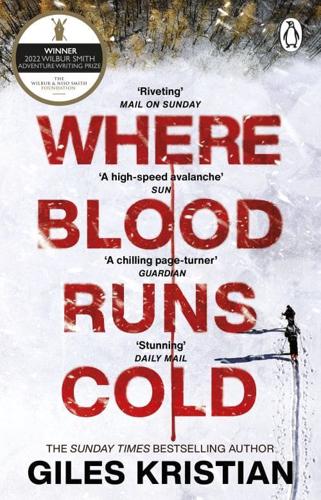
Where Blood Runs Cold by Giles Kristian
Erik and his daughter Sofia set out on a cross-country ski trip in Arctic Norway, hoping for a chance to reconnect after a family tragedy. An accident sends them looking for shelter, where they encounter a Sami couple they have met before. The night turns into a fight for survival across snow and ice. Giles Kristian’s thriller combines a fast-moving Arctic chase with a father-daughter relationship and a setting shaped by Norway’s Northern Lights.
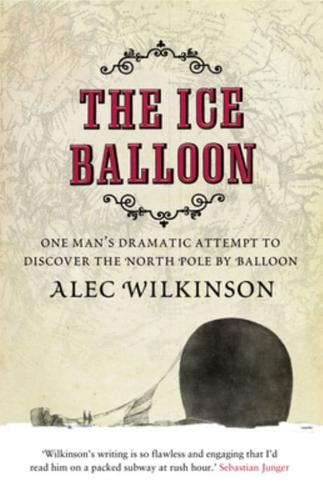
The Ice Balloon by Alec Wilkinson
In 1897, Swedish engineer S. A. Andrée launched a balloon expedition in an attempt to reach the North Pole. Alec Wilkinson reconstructs the expedition’s ambition and fate, including the discovery of the expedition members’ remains on White Island in 1930. The account places Andrée’s unusual attempt within the wider golden age of polar exploration, when reaching the Pole became a driving ambition.
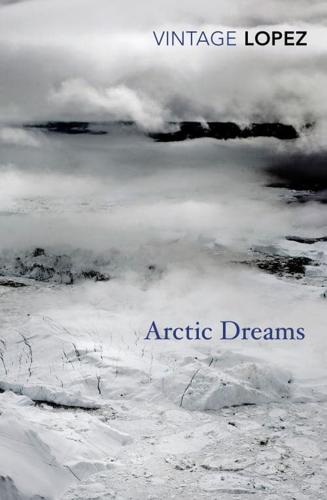
Arctic Dreams by Barry Lopez
Barry Lopez’s Arctic Dreams combines natural history, travel writing and cultural observation to consider the wildlife, landscapes and human communities of the Arctic. Chapters range across animals, peoples, migration and exploration, as well as the ways people understand the northern environment. The book blends reported encounters with reflective essays, creating an expansive account of the region rather than a single expedition narrative. This nonfiction title suits older sixth-form readers ready for reflective literary writing alongside polar geography.
Click the buttons below to purchase all of the books in this Arctic books for children and teens list, as well as class sets of any of these books and many more, from Bookshop.org UK. Or buy all 15 titles from this list from Amazon, ideal for gifts or your classroom library.
Buy from UK.Bookshop.Org Buy from Amazon.co.uk
Disclosure: If you buy books using the buttons above: we may earn a commission from Bookshop.org, whose fees support independent bookshops; as an Amazon Associate schoolreadinglist.co.uk earns from qualifying purchases.
Schools & teachers: please respect copyright and don’t copy our Arctic books for children and teens list. If you find our book recommendations useful, please consider sharing on social media or linking to this page instead. Thanks.
Arctic resources for teachers
- The Royal Geographical Society’s Discovering the Arctic website offers a comprehensive collection of interactive activities, videos, photographs, fact sheets and downloadable teaching materials. Topics include Arctic landscapes, ecosystems, climate change, Indigenous peoples, tourism, natural resources and geopolitics. The resources are particularly useful for KS3, GCSE and A-Level geography.
- STEM Learning’s Polar Explorer collection includes practical science and engineering investigations for primary schools. Pupils can explore how Arctic animals keep warm, investigate insulation, design polar research equipment, study food chains and examine the effects of climate change. The collection also features activities inspired by the research ship RRS Sir David Attenborough.
- Encounter Edu’s Frozen Oceans primary resources provide five cross-curricular lessons for KS2, complete with teacher guidance, presentations and pupil worksheets. Activities explore Arctic wildlife, food chains, survival skills, polar explorers’ diets, animal adaptations and melting ice, using experiences from real scientific expeditions.
- For KS3 geography, Encounter Edu’s Frozen Oceans lessons follow the Catlin Arctic Survey expedition. Seven lessons cover extreme environments, Arctic Ocean ecosystems, food webs, expedition life and environmental change, supported by photographs, videos and enquiry-based activities.
- Encounter Edu’s GCSE Arctic geography resources use genuine expedition data to investigate ocean acidification and changing sea ice thickness. Activities include interpreting satellite images, examining the environmental and economic consequences of melting ice, analysing scientific measurements and presenting findings in a classroom conference.
- The British Antarctic Survey’s UK Arctic Research Station website provides an insight into scientific research at Ny-Ålesund in Svalbard. Pupils can take a virtual tour of the station and investigate how researchers study glaciers, atmospheric conditions, marine ecosystems and environmental change in the High Arctic.
- WWF’s Ends of the Earth teaching pack provides downloadable classroom activities for primary pupils aged 4-11. The resource explores Arctic and Antarctic habitats, animal adaptations, environmental threats and conservation, with curriculum-linked ideas for geography, science, literacy and whole-school projects.
- WWF UK’s Explore the Polar Regions activity offers a practical way for primary pupils to distinguish between the Arctic and Antarctic. Its Polar Zone movement game combines geographical knowledge, wildlife questions and physical challenges, making it particularly useful for younger children and outdoor learning.
- WWF’s Polar Bears and Climate Change toolkit includes downloadable lesson activities, classroom presentations, posters, videos and a storybook. Pupils can investigate polar bear adaptations, create climate timelines, explore human impacts on Arctic habitats and debate environmental protection. The US resources can be adapted for UK KS2 teaching.
- Polar Educators International provides a collection of classroom activities, scientific presentations and educational videos covering Arctic oceans, ice, landscapes, atmosphere and people. Topics include microplastic pollution, permafrost, Arctic warming, the Northern Lights and Indigenous knowledge. Many activities are suitable for KS3 and KS4 science and geography.
- The National Snow and Ice Data Center offers open-access scientific data, interactive graphs and satellite observations that students can use to investigate changes in Arctic sea ice. Particularly suitable for GCSE and A-Level geography and science, the resources support data interpretation, graph construction, climate change investigations and evaluation of evidence.
- Inuit Tapiriit Kanatami’s Inuit Nunangat maps provide downloadable geographical resources showing the Inuit homeland in northern Canada, including Nunavut, Nunavik, Nunatsiavut and the Inuvialuit Settlement Region. These maps are useful for exploring Arctic settlements, Indigenous geography and the cultural importance of land, water and ice.
- Inuit Tapiriit Kanatami’s online learning collection introduces pupils to Inuit languages, culture and educational traditions through digital activities, children’s programmes and language-learning resources. These materials can help teachers present the Arctic as a region inhabited by diverse communities, rather than simply a remote wilderness.
- Encounter Edu’s Explore the Arctic recorded lesson takes KS2 pupils on a virtual visit to the area surrounding the UK’s Arctic Research Station. The 45-minute session investigates polar clothing, survival equipment, radio communication and life at a scientific research base, with supporting resources for classroom preparation.
BISAC JUV030120, JNF038090. | Thema YNNB9, NHQ.