Diary books for children and teens
Diary-style books for children and teens offer an unusually personal way into a story. From animals recording their daily adventures to children filling notebooks with school mishaps, family secrets and unexpected discoveries, the diary format makes characters’ thoughts and feelings central to the reading experience. This selection includes funny illustrated journals, historical fiction, classic teenage novels and real-life diaries, with plenty of inspiration for creative writing in primary and secondary classrooms. This list features books by Jeff Kinney, Liz Pichon, Jacqueline Wilson, Sue Townsend, Anne Frank, Rachel Renée Russell, Michael Morpurgo, Doreen Cronin, Meg Cabot, and Dodie Smith.
Diary books for children and teens – our recommendations
Diary-style picture books for 3-7 year olds
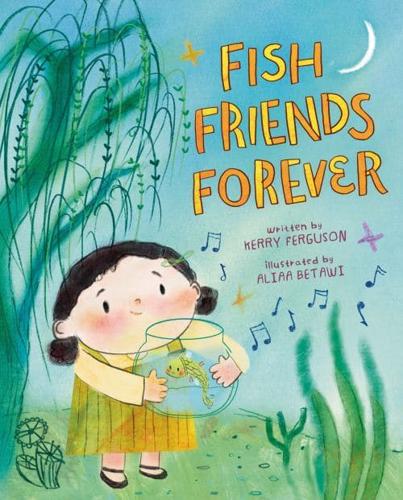
Fish Friends Forever by Kerry Ferguson, illustrated by Aliaa Betawi
A young girl records the special moments she shares with her pet fish, Frank, in a diary filled with games, celebrations and affectionate observations. When Frank dies, her journal becomes a way to express sadness, anger and the difficult process of adjusting to his absence. The arrival of a new fish, Fern, eventually helps her discover that new friendships can develop without replacing treasured memories. Aliaa Betawi’s expressive, childlike illustrations complement the diary entries and their changing emotional tone. This thoughtful picture book for 4-8 year olds introduces diary writing as a way of recording experiences, processing grief and remembering those we love.
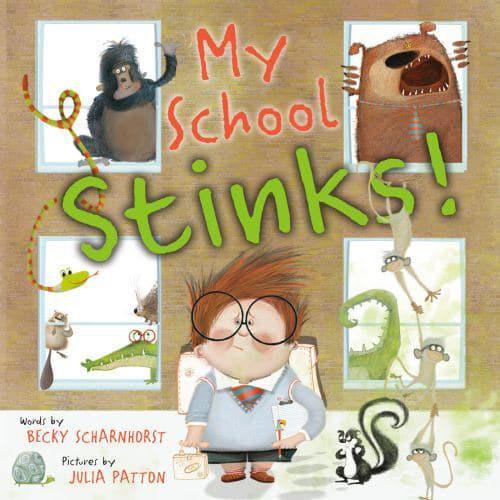
My School Stinks! by Becky Scharnhorst, illustrated by Julia Patton
Stuart’s first day at his new school produces an extraordinary diary entry: everyone else appears to be a wild animal. His notebook records peculiar encounters with classmates and teachers as he attempts to make sense of his surroundings. Julia Patton’s energetic illustrations add jokes and details that develop the story beyond Stuart’s words. Children aged 4-8 can enjoy the contrast between the narrator’s impressions and the pictures, with plenty to discuss about friendship, imagination and seeing things from different perspectives.
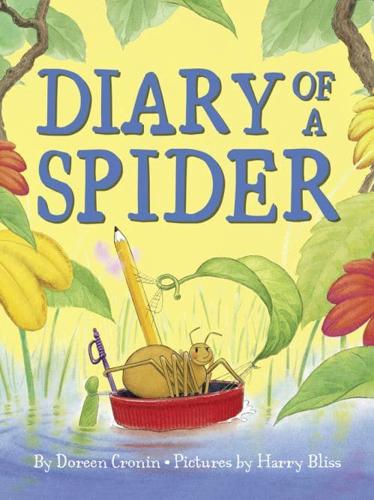
Diary of a Spider by Doreen Cronin, illustrated by Harry Bliss
Spider has school to attend, friends to visit and plenty to learn about being an arachnid. His diary records everyday adventures with Fly, advice from his grandfather and amusing observations about humans. Harry Bliss’s expressive illustrations bring additional humour to Spider’s experiences, creating a lively combination of words and pictures. The dated entries offer an appealing introduction to diary conventions, while Spider’s unusual perspective encourages children to imagine how familiar activities might appear to animals living in a very different world.
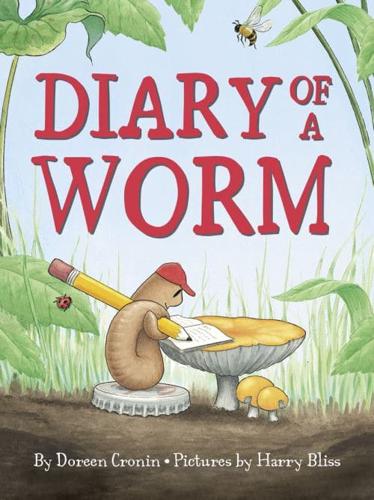
Diary of a Worm by Doreen Cronin, illustrated by Harry Bliss
Life beneath the ground becomes surprisingly eventful when a young worm starts keeping a diary. Worm writes about his family, his friendship with Spider, school activities and the strange behaviour of humans. His observations turn familiar childhood situations into playful adventures, while Harry Bliss’s cartoons reveal further details about life underground. The entries are short enough to enjoy aloud and provide an inviting model for children to experiment with animal narrators, dates and everyday incidents in their own creative writing.
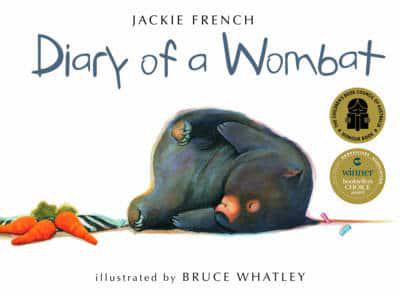
Diary of a Wombat by Jackie French, illustrated by Bruce Whatley
Mothball the wombat enjoys sleeping, scratching, eating and finding inventive ways to acquire more carrots. Her diary sets out each day’s activities with wonderful simplicity, allowing Bruce Whatley’s illustrations to reveal the full extent of her determined behaviour. As Mothball becomes increasingly familiar with her human neighbours, her written observations grow even more amusing.
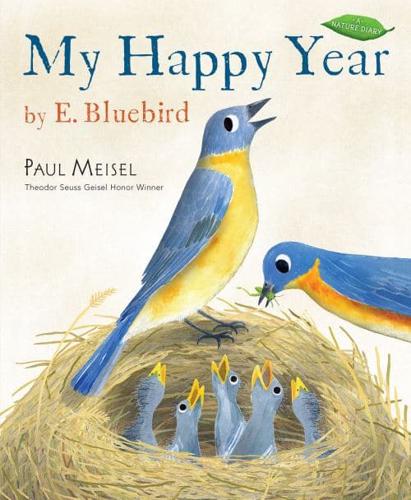
My Happy Year by E. Bluebird by Paul Meisel
An eastern bluebird records the first year of her life in this illustrated nature diary. Her entries begin with life inside the nest and continue through learning to fly, finding food, migrating and returning to begin a family of her own. Paul Meisel combines a characterful first-person narrative with detailed illustrations and additional natural history information. For 4-8 year olds, this picture book offers a delightful meeting point between creative writing and science, showing how dated observations can describe change across the seasons.
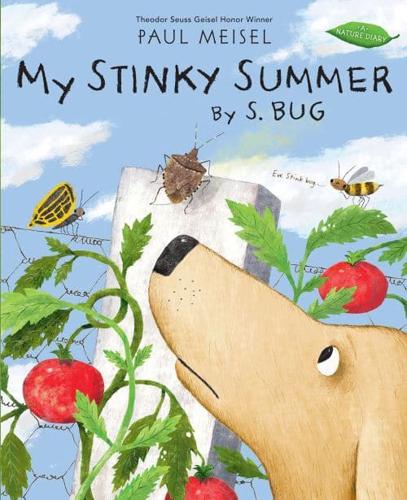
My Stinky Summer by S. Bug by Paul Meisel
S. Bug introduces himself through a series of diary entries describing the eventful life of a stinkbug. His experiences include feeding, growing, encountering other creatures and learning how his distinctive smell helps protect him. Paul Meisel’s colourful pictures bring the insect’s surroundings to life, while the accompanying factual material adds information about habitats, survival and ecosystems.
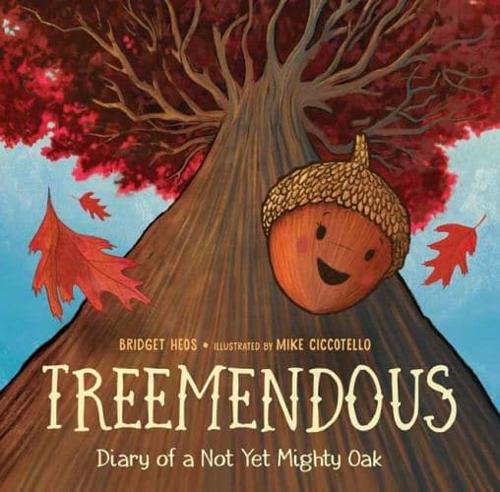
Treemendous: Diary of a Not Yet Mighty Oak by Bridget Heos, illustrated by Mike Ciccotello
A little acorn has ambitious plans for becoming a mighty oak tree. Through diary entries, it describes being buried by a squirrel, beginning to grow and experiencing the gradual changes that accompany life as a tree. Mike Ciccotello’s cheerful illustrations bring personality to the narrator while introducing children to the natural processes involved.
Diary-style stories for children aged 7-12
The Diary of Whiska Wildflower by Harriet Muncaster
The Diary of Wiska Wildflower follows Wiska, a small wiskling, as she embarks on her first days at Inkcap’s Academy. Written in diary form with colourful illustrations, the story delves into her search for friendship and self-expression. As Wiska bonds with Cleobelle and Primrose, she learns to balance her creativity with the desire to fit in. All about the ups and downs of friendship and being true to yourself, it’s a charming, relatable read for 7-9 year olds who’ve enjoyed Isadora Moon. Highly recommended.

Glam & Beardy: Volume I by Ruby Clyde and Rachel WD, illustrated by Vincent Batignole
On Kin Isle, children meet their Familiars at the age of ten, receiving a Mark that identifies which of the five magical Kindoms they belong to. Glam has been waiting for this important moment, but when her Familiar finally appears, Beardy is an unexpected companion with no Mark at all. As the pair investigate their unusual circumstances, they begin to question the rules and history of their world. Told through their wonderfully chaotic shared diary, with lively cartoon illustrations by Vincent Batignole, this funny fantasy adventure for 8-10 year olds explores friendship, identity and the courage to challenge expectations. An entertaining choice for KS2 readers who enjoy illustrated magical adventures.

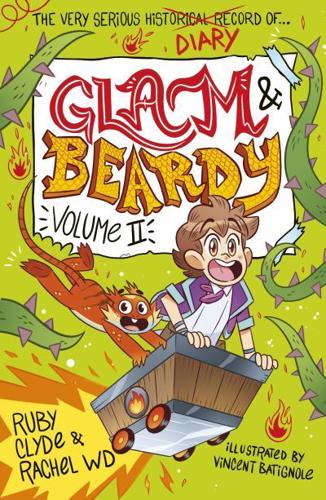
Glam and Beardy: Volume II by Ruby Clyde and Rachel WD, illustrated by Vincent Batignole
After Glam and Beardy are nearly blasted by someone from the supposedly destroyed Fire Kingdom, they have plenty of questions about their world, Beardy’s Ice power and the history they have been taught. Their search for answers takes them towards the secret and dangerous Fire Kingdom. Told through their shared diary, this effortlessly funny fantasy adventure for 8-10 year olds mixes friendship, mystery and magical powers. The second in a series that’s ideal for less confident KS2 readers.
Nina Peanut: Epic World Tour Era by Sarah Bowie
In the third book of Sarah Bowie’s illustrated series, Nina Peanut heads off on holiday to Sunshiney Island, only to find her school rival, Megan Dunne, staying at the same resort. Cue sun, snacks, and more than a few awkward run-ins. Packed with familiar faces, full-colour pages, and Nina’s trademark diary-style narration, it’s a funny, relatable look at friendship, family, and holiday drama. It’s perfect for readers 8+ year olds who like vibrant fast-moving graphic novel fun.

My Big Fat Smelly Poo Diary 5: The Phantom Pooper by Jim Smith
A blocked-toilet emergency closes the school and sends Pedro, Olga and Ozzy into three gloriously grubby escapades. Pedro launches a dog-poo business in the park, suspicious bubble tea fuels a farting contest, and a case of Talky-hand-itis creates a very awkward bathroom problem. Full-colour comic panels and short episodes make this an easy-to-read, energetic choice for 7-8-year-olds who enjoy outrageous toilet humour and loyal, disaster-prone friends. Highly recommended for LKS2.

Diary of a Wimpy Kid by Jeff Kinney
Greg Heffley is navigating school, friendships and family life, and his illustrated journal records everything from embarrassing incidents to ambitious plans for improving his social standing. His friendship with Rowley brings both companionship and complications, while Greg’s observations often reveal more about his personality than he intends. Jeff Kinney’s cartoons form an essential part of the storytelling, adding humour and revealing different perspectives on events.

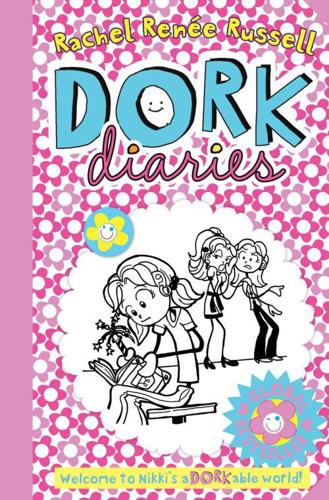
Dork Diaries by Rachel Renée Russell
Nikki Maxwell begins recording her experiences at a new school in a diary filled with sketches, handwritten observations and embarrassing incidents. She is hoping to make friends and establish herself among her classmates, but the attention of popular MacKenzie Hollister creates plenty of complications. Nikki’s developing friendships with Chloe and Zoey give her something positive to write about alongside school dramas and crushes.
Diary Of A Future Billionaire by Pamela Butchart, illustrated by Wotto
Ten-year-old Ben is determined to become the world’s richest child, and he has a plan for making his fortune. Inspired by the promise of becoming a billionaire, he launches a series of ambitious money-making schemes with his friend Bilal, discovering that achieving financial success is rather more complicated than he imagined. Told through Ben’s hilarious diary entries, with energetic illustrations by Wotto, this entertaining middle-grade novel combines outrageous business ideas with friendship, family life and unexpected setbacks. Pamela Butchart’s distinctive humour makes it an appealing choice for KS2 readers who enjoy funny, illustrated stories with memorable characters and plenty of imaginative schemes.

Diary of a Number One Superfan by Pamela Butchart, illustrated by Gemma Correll
Gemma is about to see Taylor Swift in concert, so every fact, worry and burst of excitement goes into her diary. For 8+ year olds, this Pop Legends series opener blends a funny school-and-friendship story with conversation-worthy facts about Taylor Swift’s music, records and cats, all while Gemma aims to become a songwriter herself. It’s great fun.

A Mermaid’s Diary by Chris Riddell
In A Mermaid’s Diary, shy mermaid Atalanta Scrimshaw must protect her home, Sleepy Cove, from a looming golf resort. Joined by her friends, she dives into an adventure full of wit and charm. Perfect for 7 to 9-year-olds, this eco-conscious tale is brought to life with Chris Riddell’s beautiful black-and-white illustrations. A delightful mix of imagination and friendship, it’s a must-read for young adventurers who love a good underwater quest, and teachers looking for an immersive underwater worlds topic text.

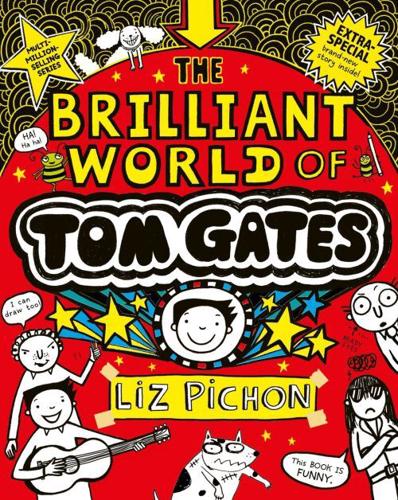
The Brilliant World of Tom Gates by Liz Pichon
Tom Gates fills his exercise book with doodles, cartoons, stories and observations about his daily life. School provides plenty of inspiration, especially when homework, teachers and his attempts to impress Amy Porter become tangled together. His sister Delia supplies further material for his lively complaints and schemes. Liz Pichon’s distinctive illustrated pages give the book the energy of a notebook filled with spontaneous ideas.
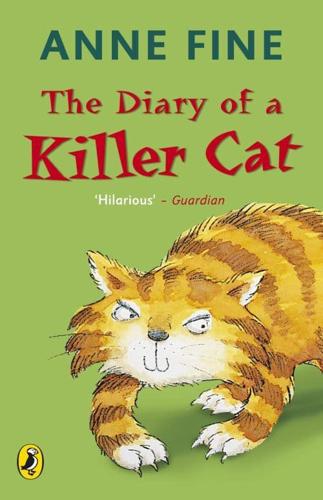
The Diary of a Killer Cat by Anne Fine, illustrated by Steve Cox
Tuffy the cat cannot understand why his human family makes such a fuss when he brings his hunting trophies home. His diary records a succession of incidents involving birds, mice and a neighbouring rabbit, with each entry revealing his own delightfully unapologetic perspective. Anne Fine’s short, comic narrative gains much of its humour from the gap between what Tuffy thinks and what his owner Ellie feels.
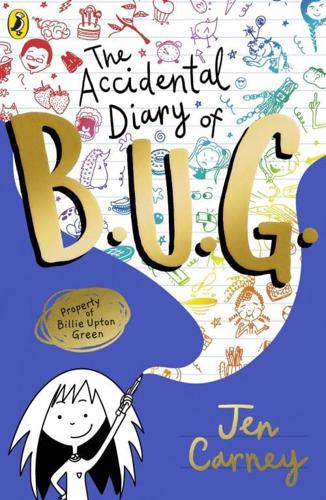
The Accidental Diary of B.U.G. by Jen Carney
Billie Upton Green has decided to keep a diary, and there is certainly plenty happening in her life. Between school events, friendships, family adventures and unexpected discoveries, Billie’s energetic entries build an entertaining picture of her world. Jen Carney combines expressive illustrations, informal writing and cartoons to capture the narrator’s distinctive personality. Featuring Billie’s two mums and an appealing cast of characters, the book introduces everyday family experiences and friendships through a lively first-person account that is full of opportunities for creative writing.
Lottie Brooks’s Essential Guide to Life by Katie Kirby
This fun diary-style guide offers practical advice and creative activities for children figuring out school, friendships, and everyday life. Lottie shares new stories alongside tips from Jess and Amber, while readers can join in with quizzes, doodle pages, snack ideas, and creative prompts. Blending humour with genuine advice about growing up and family, it encourages self-expression and confidence. An easy read for less enthusiastic readers.

Alex Abbott is Undead by Louise Austin, illustrated by Katie Kear
When 11-and-a-half-year-old Alex Abbott is turned into a vampire by accident, he finds the powers come with drawbacks: hiding them from friends Mia and Archie, still having to go to school, and giving up chips, chocolate and ice cream. But his search for a cure pulls him into the supernatural world, where he breaks an ancient pact and spectacularly puffs out 32 fire sprites. Told in fun and accessible diary form, with texts, emojis and lots of dialogue, and illustrated throughout, this fast-paced first-in-a-series page-turner for 8-11-year-olds follows his attempt to put things right, including a deal with an ancient Sicilian fire demon. It’s perfect for UKS2 children who demand excitement! Highly recommended.

Bone Head: Guardian of the Underworld by Jamie Gregory
Demise is a skeleton guardian with one ambition: to get Hades to notice him. It does not go well. The castle gates collapse, and he and Mort are sent to dog-sit Cerberus, the three-headed dog of the underworld. That punishment soon becomes a frantic escape through fire, dragons and worse. Told in page-turning diary format, with Mort’s witty comments and vibrant two-colour illustrations, it has plenty of underworld chaos for fun-seeking 9-12 year olds. Highly recommended. Read our full review.

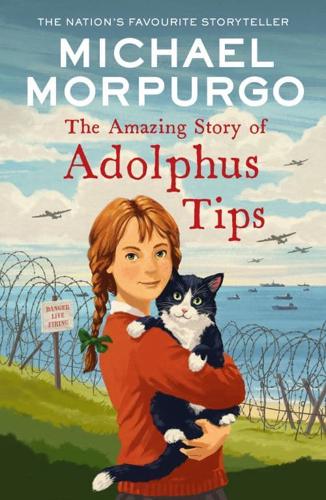
The Amazing Story of Adolphus Tips by Michael Morpurgo, illustrated by Michael Foreman
Lily’s wartime diary records life in a Devon village during 1943, when preparations for the Allied invasion of France bring extraordinary changes to her community. The villagers must leave their homes, and Lily becomes deeply worried about her beloved cat, Tips, who has disappeared into the restricted area. Her entries reveal friendships, family concerns and encounters with American servicemen against a vivid historical background. This moving story for 8-12 year olds makes the diary a central part of its narrative, allowing the past to emerge through a child’s personal testimony.
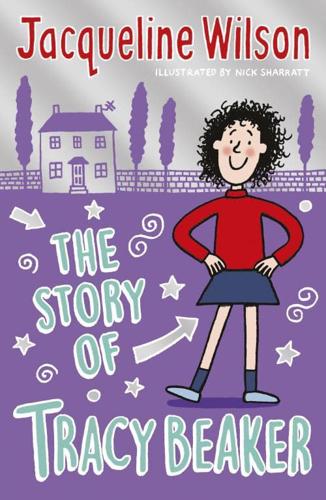
The Story of Tracy Beaker by Jacqueline Wilson, illustrated by Nick Sharratt
Tracy Beaker has a great deal to say about life in the children’s home where she lives. Her spirited account introduces friendships, disagreements and her hopes of being reunited with her mother, along with her strong opinions about the people around her. Jacqueline Wilson gives Tracy a wonderfully recognisable voice, while Nick Sharratt’s lively drawings add further humour and expression. Presented as Tracy’s own story, the book encourages children to think about the difference between the events someone describes and the feelings they reveal through writing.
I Saw A Beautiful Woodpecker: The Diary of a Young Boy at the Outbreak World War II by Michał Skibiński and Ala Bankroft
When a teacher sets 8 year old Michał Skibiński a holiday homework task to improve him handwriting, the young boy keeps to his task religiously – entering one sentence in his diary each day. Beginning in July 15 1939, Michał writes about visiting a nearby stream, going to church and finding a caterpillar. But on July 27th he writes of seeing a plane circling, and by September 3rd he is hiding from planes and bombs. These sparse, unfiltered and poignant observations of an 8 year old will resonate with children and communicate a uncommonly real experience of WW2. The combination of enchanting naturalistic illustrations by Ala Bankroft and facsimile images of the original diary make this an essential resource for KS2 learning about the impact of war and the power of remembrance.

Double Act by Jacqueline Wilson
Ruby and Garnet may look the same, but they could not be more different. Outgoing Ruby dreams of fame, while quiet, thoughtful Garnet would rather hide in a book. After their mum’s death, the twins face big changes: a move, a new school, and their dad’s new partner. Told through their shared diary, Double Act captures the clash between closeness and independence with warmth and wit. It’s a heartfelt easy read about family, growing up, and finding your own voice.

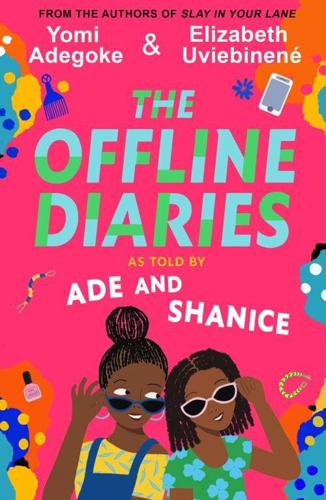
The Offline Diaries by Yomi Adegoke and Elizabeth Uviebinené, illustrated by Tequitia Andrews and Ruthine Burton
Ade is adjusting to a new school following her family’s move, while Shanice is living with her father and brother following the death of her mother. Their lives meet in a hair salon, where discovering each other’s diaries leads to an unexpected friendship. Told through their two distinctive voices, the story for 9+ year olds follows school experiences, misunderstandings and the changing demands of friendship. Diary entries, illustrations and digital messages allow children to compare how the girls understand events and express their private thoughts.
The Overthinkers’ Club by Nat Luurtsema
12-year-old Birdie is determined to fix the chaos of growing up with something she calls her Happy List. Unfortunately, friendships wobble, family life shifts, and school throws up problems faster than she can tick anything off, and she overthinks every step. Told through her diary entries and comic-style drawings, the story captures her worries with honesty and humour. It’s the first in an addictive new illustrated series for 9–12-year-olds, exploring friendship and mental health from Birdie’s uniquely readable point of view. Highly recommended.

The Summer My Wishes Came True by Radhika Sanghani
Summer camp should mean two brilliant weeks with Nikki, but Ayesha’s best friend seems different and one overheard insult leaves her wishing her life could change. For 9-12 year-olds, this energetic summer-camp story blends friendship worries with a light-hearted magical twist. As Ayesha’s wishes start coming true – from pizza for lunch to a coveted part in the camp musical – she’s forced to work out what happiness really costs. It’s a great choice for KS2 book clubs.

Cruise Ship Kid: Kidnap at Sea! by Emma Swan, illustrated by Katie Saunders
Ten-year-old Silver lives on a cruise ship where her mum works as Cruise Director. When they transfer to a larger liner for a transatlantic trip from Barbados to Southampton, the voyage takes a turn after an influencer called “Kindness Kay” mysteriously disappears. Silver teams up with her friends and a group of older passengers to gather clues and draw up a suspect list, all while managing life at sea. The second in this addictively fun mystery series for 7+ year olds uses a diary-style format with doodles, reader questions and space for notes.

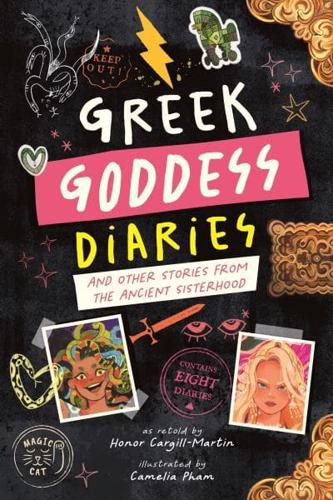
Greek Goddess Diaries: And Other Stories from the Ancient Sisterhood by Honor Cargill-Martin, illustrated by Camelia Pham
Pandora, Medusa, Medea, Atalanta, Ariadne, Helen, Penthesilea and Circe finally take control of their own stories in eight diary-style retellings. Their private thoughts, frustrations and ambitions offer a fresh introduction to familiar Greek myths while Camelia Pham’s stunning illustrations give each figure a distinctive visual identity. Highly recommended for KS2.
Lily Tripp: Diary of an Accidental Time Traveller by Amelia Tait
Every New Year’s Day, Lily wakes up in a different century. She has no control over where or when she lands, and has to cope with unfamiliar rules, clothes and customs while keeping her secret. Told through punchy and accessible diary entries, this stunning debut story mixes laugh-out-loud humour with contemporary friendship worries, family life and a quiet crush. Each jump brings a new historical setting to life, launching a spectacular time-slip series for 10+ year old readers. Addictively readable, Lily Trip is highly recommended for UKS2 and KS3 readers.

Diary-style stories for teens
Work It, Lara Bloom by Dee Benson
Lara Bloom faces the challenge of balancing a school business competition with her football training in this funny, poignant and sharply written tween-to-teen drama told through diary entries. Touching on feminism, body image and identity, Work It, Lara Bloom is ideal for 11+ fans of Geek Girl, less confident teen readers, and those who enjoy the thrill of competition.

My Heart & Other Breakables by Alex Barclay
16 year old Ellery Brown’s life is told through 12 tumultuous months of diary entries. Revealing how she feels about the loss of her mom, and working out which of three people might be her dad, she shows readers that she is determined to break free from negativity and lead an incredible life. Unerringly surprising and contemporary, this powerful, funny and memorable novel will appeal to children in KS3 and KS4.

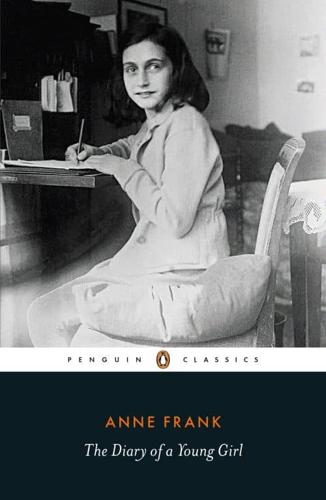
The Diary of a Young Girl: The Definitive Edition by Anne Frank
Anne Frank began recording her experiences as a teenager during the Second World War. Her diary describes life in hiding in Amsterdam, including daily routines, relationships, frustrations and the hopes she held for the future. Alongside its profound historical significance, her writing captures a developing personality, with humour, curiosity and thoughtful observations about the people around her. The diary provides secondary-age students with a personal account of persecution during the Holocaust and a powerful example of how private writing can preserve an individual voice.
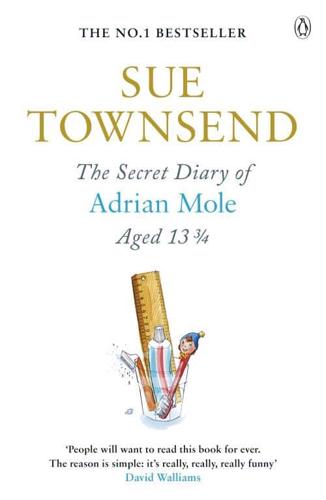
The Secret Diary of Adrian Mole Aged 13 3/4 by Sue Townsend
Adrian Mole believes he is a misunderstood intellectual, and his diary records every detail of his increasingly complicated teenage existence. His worries include school, spots, his parents’ relationship and his growing interest in Pandora Braithwaite. Sue Townsend’s wonderfully observant comedy captures the enormous importance Adrian gives to everyday events while revealing the family and social world around him. Set in early 1980s Britain, this classic fictional diary for teenagers combines adolescent embarrassment, sharp social observation and an exceptionally memorable narrative voice.
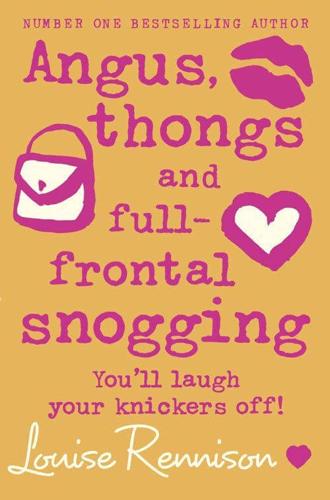
Angus, Thongs and Full-Frontal Snogging by Louise Rennison
Georgia Nicolson’s diary is packed with observations about teenage life, from friendships and romantic complications to the behaviour of her family and her enormous cat, Angus. Her dramatic reactions and inventive expressions give the writing an immediately recognisable personality. Everyday incidents take on enormous importance in Georgia’s account, making her observations both funny and revealing. For 13+ year olds, this comic novel is an entertaining example of how a distinctive narrative voice can transform ordinary experiences into a lively and memorable story.
Chinglish by Sue Cheung
Jo Kwan’s illustrated diary records her teenage experiences in 1980s Coventry, where family life centres on her parents’ Chinese takeaway. Between school, friendships, relationships and home, Jo is beginning to imagine the future she wants for herself. Sue Cheung combines doodles, sharp humour and emotionally significant moments to create a memorable first-person account. The novel offers secondary-age readers an opportunity to explore identity, family expectations, racism and growing up through a narrator whose private observations bring her experiences vividly to life.

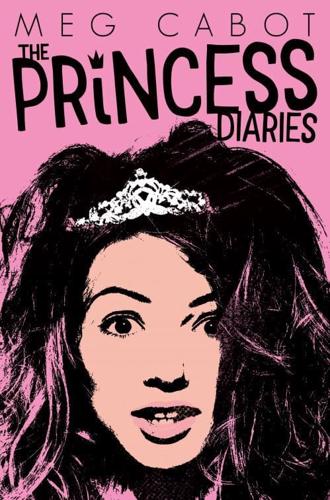
The Princess Diaries by Meg Cabot
Mia Thermopolis is coping with school, friendships and the everyday worries of teenage life when she discovers that she is heir to the throne of Genovia. Her diary quickly fills with accounts of royal lessons, family revelations and the extraordinary changes taking place around her. Mia’s candid observations give the story a lively comic voice, particularly when her private feelings clash with the expectations of her new public role. This teen novel makes entertaining use of diary writing to explore identity and growing independence.
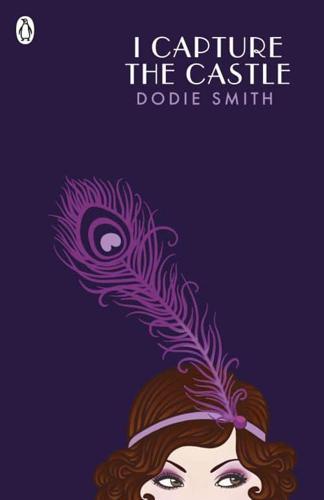
I Capture the Castle by Dodie Smith
Seventeen-year-old Cassandra Mortmain records her family’s unusual life in a crumbling castle, where financial worries and eccentric personalities shape everyday existence. Her diary introduces her sister Rose, their father and the arrival of two American brothers who bring changes to the household. Cassandra’s reflective, observant voice gives the novel its distinctive atmosphere as she begins to understand love, family relationships and her own ambitions. The journal format makes this coming-of-age classic particularly appealing to older teenagers interested in character, setting and the development of a young writer.
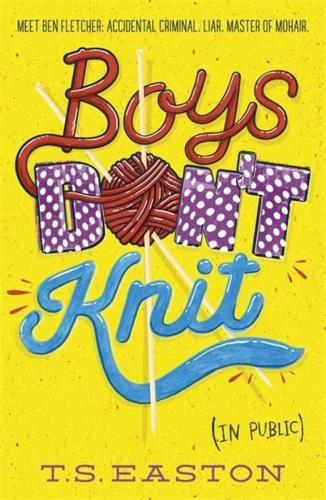
Boys Don’t Knit by T. S. Easton
Ben Fletcher begins keeping a diary as an attempt to improve his behaviour leads him into a series of organised activities. Unexpectedly, he discovers that he has a talent for knitting and becomes increasingly enthusiastic about his new hobby. His entries record amusing complications involving family, friendships and his efforts to keep this interest secret. T. S. Easton’s comic first-person narration gives the story its distinctive character, while Ben’s experiences create plenty of opportunities to discuss interests, expectations and the freedom to enjoy unusual hobbies.
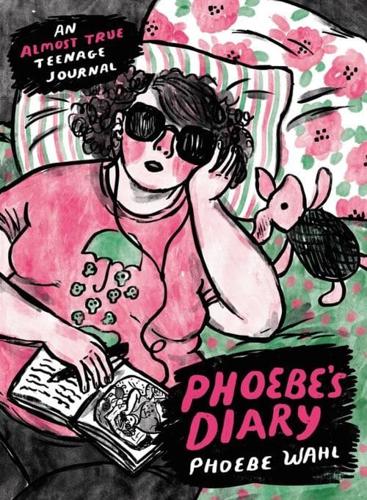
Phoebe’s Diary by Phoebe Wahl
Phoebe records the discoveries and complications of adolescence in an illustrated diary filled with handwritten reflections, drawings and personal observations. Friendships, family relationships, crushes and changing emotions all become part of her account of growing up. Phoebe Wahl’s expressive visual style gives the book the intimacy of a private notebook, with images communicating feelings alongside the written entries. This illustrated coming-of-age story offers teenagers an interesting example of autobiographical storytelling and the creative possibilities of keeping a personal journal.
Click the buttons below to explore all of the books in this diary books for children and teens list, as well as class sets and further titles, from Bookshop.org UK. Or add the 15 titles with documented Amazon UK physical-book identifiers to your Amazon basket – ideal for gifts or your classroom library.
Buy from UK.Bookshop.Org Buy from Amazon.co.uk
Disclosure: If you buy books using the buttons above: we may earn a commission from Bookshop.org, whose fees support independent bookshops; as an Amazon Associate schoolreadinglist.co.uk earns from qualifying purchases.
Schools & teachers: please respect copyright and don’t copy our diary books for children and teens list. If you find our book recommendations useful, please consider sharing on social media or linking to this page instead. Thanks.
Diary writing resources for teachers
- Oak National Academy provides five free Year 2 lessons based on writing diary entries from Florence Nightingale’s perspective. Resources include lesson slides, worksheets, quizzes and videos covering first-person writing, informal language and recounting events.
- Oak National Academy’s Year 3 diary writing unit uses The Journey by Francesca Sanna to explore character perspectives, emotions and experiences of displacement. Eight lessons take pupils through identifying diary features, planning, writing and publishing their own entries.
- Oak National Academy’s Year 5 English resources use Cressida Cowell’s How to Train Your Dragon to teach diary and narrative writing. The 16-lesson unit includes work on first-person perspective, descriptive vocabulary, varying sentence structures and writing from a character’s viewpoint.
- Oak National Academy’s Windrush diary writing unit offers six Year 6 lessons combining English and history. Pupils research the experiences of Windrush passengers before planning and writing imagined diary entries using emotive language, cohesive devices and a conversational tone.
- Teachwire offers a downloadable week of KS2 diary writing activities, with four lessons, PowerPoint presentations, teacher notes, example diary entries and writing checklists. Originally developed for Year 4, the activities can be adapted for older primary pupils.
- Hamilton Brookes provides Year 3 diary writing lesson planning and resources using Anne Fine’s Diary of a Killer Cat and Diary of a Lively Labrador by Ruth Merttens. Activities explore diary conventions, writing in character, sequencing events and using adverbs effectively.
- Hamilton Brookes’ Great Fire of London resources introduce KS1 children to the diaries of Samuel Pepys and John Evelyn. Pupils examine historical eyewitness accounts, write their own diary entries and imagine experiencing the Great Fire of 1666.
- London Museum provides free KS1 teaching resources about Samuel Pepys and the Great Fire of London. Videos, teachers’ guides and downloadable activities explore how Pepys recorded everyday life, why his diary is historically important and the shorthand he used to keep it secret.
- The Bell Foundation offers free diary writing worksheets, visual materials and PowerPoint activities for pupils learning English as an additional language. The pack includes speaking activities, past-tense practice, a model diary extract and a structured writing frame, with guidance for learners aged 8-14.
- The National Literacy Trust’s Diary Writer’s Toolkit explores autobiographical writing, identity and self-expression through diaries. The resource draws on historical and literary examples including Samuel Pepys, Anne Frank, George Orwell and polar explorers, offering cross-curricular ideas for teachers. Access to the downloadable toolkit requires membership.
- The National Literacy Trust’s Free Writing Friday resources feature Cressida Cowell’s practical advice for encouraging children to write independently. Free downloadable materials include writing prompts, author tips and guidance on keeping personal notebooks without marking or assessment.
- Scottish Book Trust features author Sue Cheung discussing Maddy Yip’s Guide to Life, an illustrated diary-style children’s book. The accompanying classroom activity encourages pupils to write and illustrate their own diary entries, drawing on personal experiences and everyday events.
- The Born Free Foundation’s KS2 diary writing worksheet uses Aardman’s Creature Discomforts film to inspire diary entries from the perspective of an animal in captivity. Available through Tes, the resource includes a diary writing checklist and visual prompts, combining creative writing with discussion about animal welfare.
- The Anne Frank House provides downloadable educational materials for 9-15 year olds exploring Anne Frank’s life and writing. Workbooks, historical material, writing activities and teachers’ guidance encourage pupils to consider the importance of personal testimony, reading and self-expression during the Holocaust.
BISAC JUV019000, YAF016000, YAF011000. | Thema YFZD, YFQ.