Verse novels for children and teens
Verse novels for children and teens bring story, poetry and character together in a form that can be immediate, rhythmic and emotionally direct. This list includes free verse, verse memoirs and hybrid novels for children and teenagers, with stories about family, friendship, sport, migration, identity, history, injustice and finding a voice. The books can support reading for pleasure, poetry discussion, read-aloud work and creative writing, while offering varied and accessible routes into longer fiction. This list features books by Sarah Crossan, Kwame Alexander, Manjeet Mann, Elizabeth Acevedo, Jason Reynolds, Sharon Creech, Dean Atta, Jacqueline Woodson, Joseph Coelho, and Ibi Zoboi.
Verse novels for children and teens – our recommendations
Verse novels for children
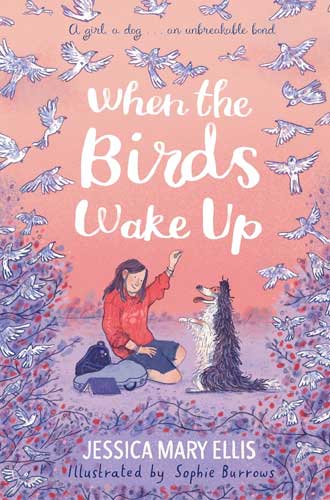
When the Birds Wake Up by Jessica Ellis, illustrated by Sophie Burrows
Ten-year-old Pear is trying to manage her grandma’s Alzheimer’s, a new school and cruel classmates when Piglet, a scruffy rescue dog, comes into her life. For 8-12 year olds, this outstanding and powerful illustrated verse novel explores music, friendship and the bond between a child and dog as Pear begins to rebuild her confidence and sense of self. Highly recommended, When the Birds Wake Up is perfect for reading and discussing as a class text in UKS2. Read our full review.
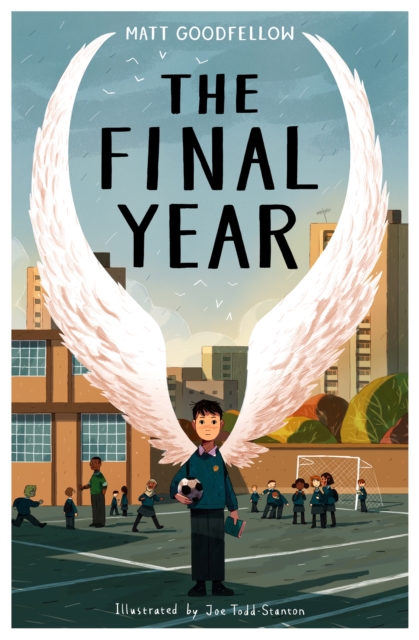
The Final Year by Matt Goodfellow and Joe Todd-Stanton
The end of Year 5 through to the end of primary school is told through fragments of life in this unique and powerful verse story. Nate thinks he’s ready for his final year, but that’s before his best friend since nursery drifts towards the school bully and his youngest brother falls ill. But his teacher, Mr Joshua, offers hope, by encouraging Nate’s creative writing. Accessible, powerful, and highly relatable. Year 6 children will empathise with Nate and the challenges he faces at home, his struggles with bullying at school, and deciphering what really matters between the ages of 10 and 11. Highly recommended for reading with UKS2 classes, The Final Year is 285 pages of verse story genius.
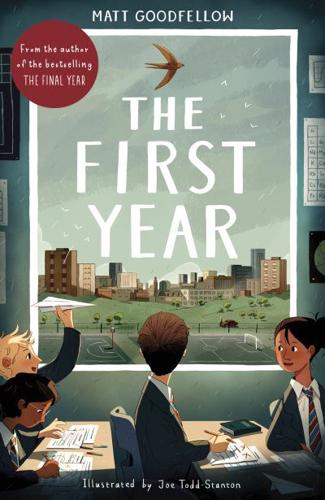
The First Year by Matt Goodfellow
Now in Year 7, Nate tackles the ups and downs of secondary school, alongside family struggles and his battle to control his emotions. Life seems to be looking up after his brother recovers, but a surprise shakes Nate’s newfound stability, and his anger returns. This sequel to The Final Year continues in heartfelt free verse, exploring themes of hope and growth. Illustrated by Joe Todd-Stanton, The First Year is powerful, real, and uplifting. Highly recommended.
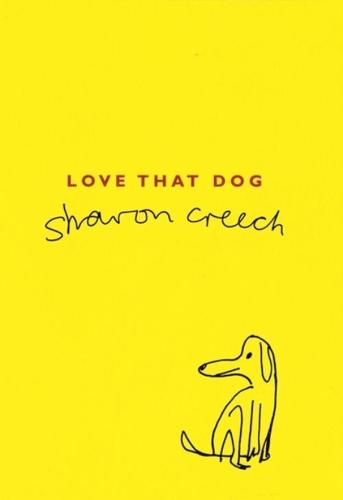
Love That Dog by Sharon Creech
This short verse novel for 9-12 year olds is told through Jack’s school poems and diary-like entries. Miss Stretchberry’s lessons and the poets she shares gradually help him find a personal voice. Jack writes about a dog, family memories, loss and the surprises of putting feelings into words, creating a warm introduction to poetry, form and emotional honesty.
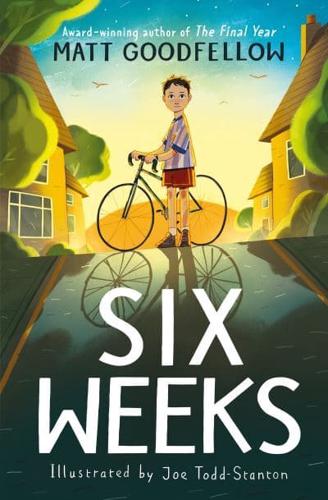
Six Weeks by Matt Goodfellow
After his mum dies, Alfie Piper faces six weeks of summer with his family relationships fractured by grief. Living with his dad, stepmum and baby sibling, and estranged from his stepdad since the funeral, Alfie takes to his bike as he tries to make sense of everything that has changed. Told in sparkling, sparse verse by Matt Goodfellow, with emotive illustrations by Joe Todd-Stanton, this outstanding and ultimately uplifting story for 10+ year olds explores bereavement, family, belonging and a boy working out how to move forward when the shape of home has changed completely.
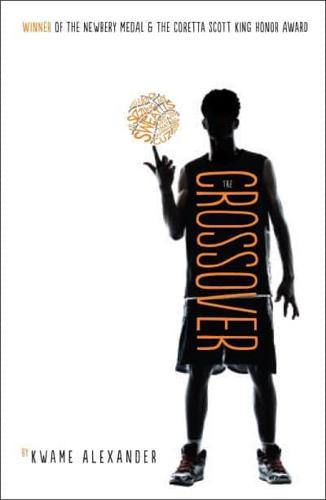
The Crossover by Kwame Alexander
For 12-17 year olds, this energetic novel in verse introduces twin brothers Josh and Jordan Bell, whose basketball talent and competitive family life shape every page. Their father was a champion player, and both boys dream of following in his footsteps. Games, arguments, loyalty and hardship test Josh’s bond with Jordan as the brothers learn that life, family and sport cannot be reduced to a winning score.
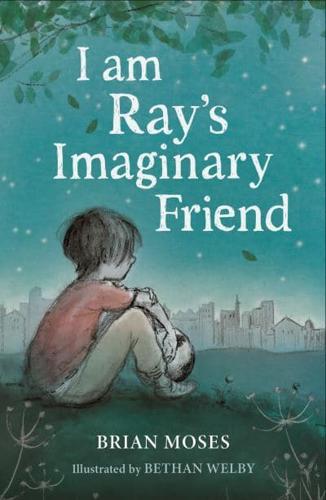
I Am Ray’s Imaginary Friend by Brian Moses, illustrated by Bethan Welby
Ray’s imaginary friend narrates this spellbinding illustrated verse story, stepping in at the moment Ray learns his parents are thinking about moving house. The friend becomes the confidant and holder of Ray’s fears and worries as he considers running away. But a new home brings new faces, including a refugee mother and child who join the family, and Ray slowly begins to feel at home. As he settles, the companion starts to wonder what his purpose now is. Thought-provoking, heart-warming and beautifully written, I Am Ray’s Imaginary Friend is an outstanding book to share with Year 6 children.
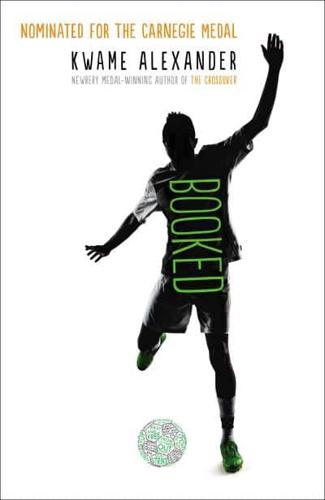
Booked by Kwame Alexander
This novel in verse for 12-17 year olds centres on twelve-year-old Nick, a football-mad boy who hates books. His parents’ break-up, school bullying, friendship and his hopes of impressing a girl all collide with the rhythms of the football pitch. Nick’s story celebrates language and reading as he works out how to respond to change, family tension and the everyday pressures of growing up.
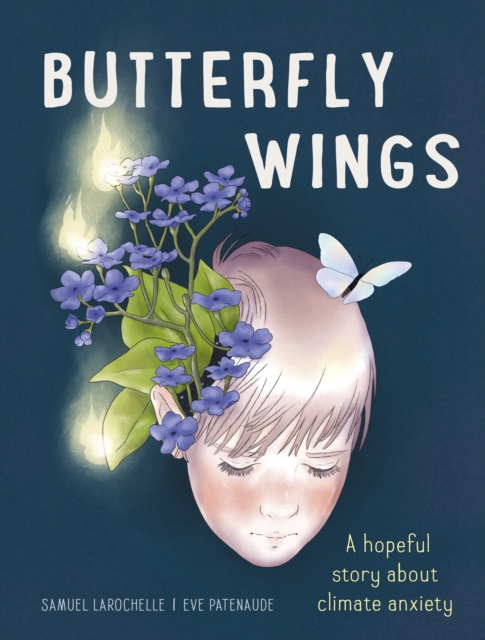
Butterfly Wings: A Hopeful Story About Climate Anxiety by Samuel Larochelle and Eve Patenaude
Florent is a sensitive 10-year-old who worries about the future of the planet, his family and the environment around him. After talking through his fears with his mothers, he is able to confront his anxieties. It’s a heartfelt paean to children who care deeply about the world they live in. A stunningly illustrated large format hardback verse story, Butterfly Wings is perfect to read, share and disucss with KS2 classes. Highly recommended for children aged 8+.
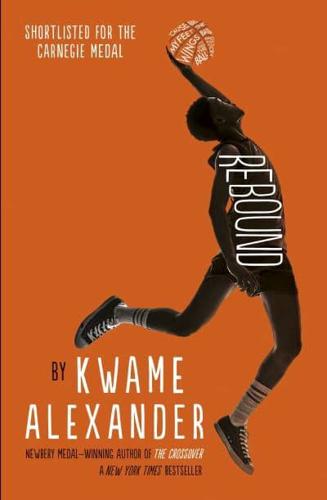
Rebound by Kwame Alexander, illustrated by Dawud Anyabwile
For 11-15 year olds, this prequel to The Crossover takes Charlie Bell back to 1988. Still mourning his father and trying to understand his feelings for his best friend CJ, Charlie is sent to stay with his grandparents after getting into trouble. His cousin Roxie introduces him to basketball, and the verse novel, illustrated by Dawud Anyabwile, charts a summer of family, friendship, grief and new direction.
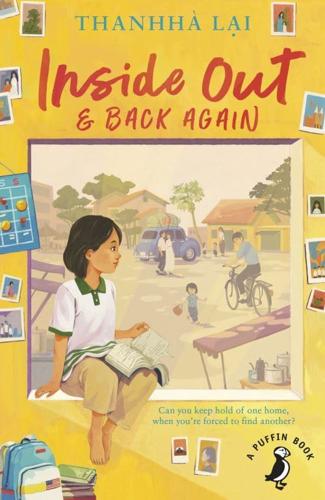
Inside Out & Back Again by Thanhhà Lai
This novel in free verse for 8-14 year olds follows ten-year-old Hà as the Vietnam War reaches her home in Saigon. Hà and her family flee on a refugee ship and begin again in the United States, where language, food, school and unfriendliness make each day unfamiliar. Her poems hold the sharp details of displacement alongside family love, resilience and the hope of finding a place to belong.
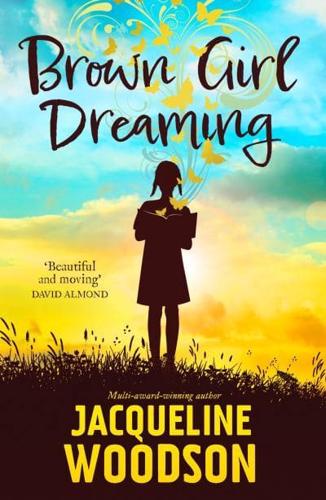
Brown Girl Dreaming by Jacqueline Woodson
This verse memoir for children from around 11 years traces Jacqueline Woodson’s childhood in the United States during the years shaped by the Civil Rights movement. Moving between family homes and places, the poems describe belonging, race, faith, memory and the first sparks of a lifelong love of writing. Brown Girl Dreaming gives young readers a child’s perspective on finding a voice, an identity and a place in the world.
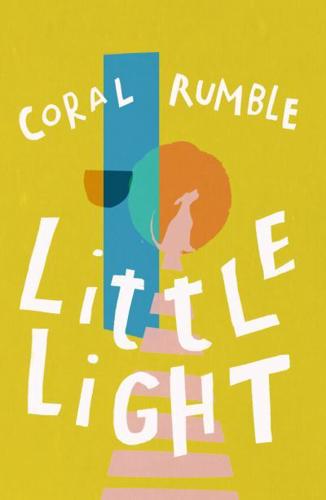
Little Light by Coral Rumble
This verse novel for 10+ year olds brings readers close to Ava, who lives with her mum and two younger siblings in a cramped room and faces taunts and hostility at school. Support comes from her best friend Roxy, her wise Trinidadian Nan and a stray dog she befriends. Coral Rumble’s poems move between loneliness, family love, courage and the possibility of finding light when life feels dark.
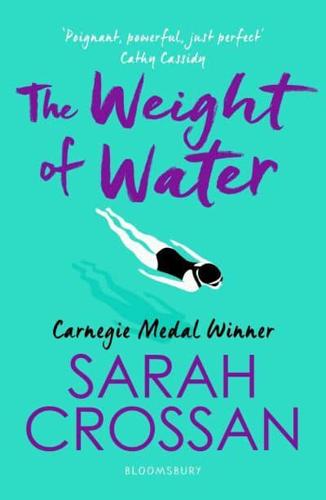
The Weight of Water by Sarah Crossan
This verse novel for 9+ year olds follows Kasienka, who leaves Poland with her mother and arrives in England searching for her missing father. At a new school, she encounters loneliness, bullying and language barriers, yet swimming offers a place where she can feel like herself. Family strain, migration, friendship and first love shape a spare, emotionally direct story about beginning again.
The Way of Dog by Zana Fraillon, illustrated by Sean Buckingham
Carnegie Award-nominated Zana Fraillon returns with this startlingly inventive verse novel. When orphaned puppy Scruffity finds himself alone, he begins a quest to find somewhere to call home. Embued with resilience, grit, determination and the power of friendship, this is a rewarding text to read alongside classics such as The Call of the Wild and Watership Down. This shorter text and evocative illustrations are also perfect for inspiring less confident upper primary-aged and lower secondary-aged readers.

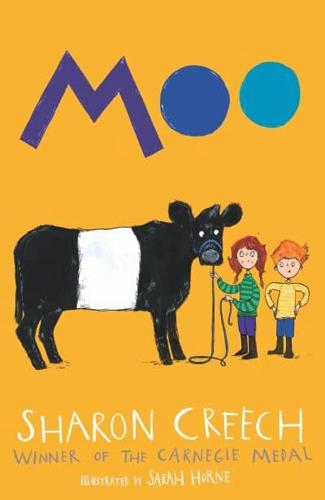
Moo by Sharon Creech
This novel for 8-12 year olds combines prose and verse to tell the story of Reena and her younger brother Luke after their family moves from the city to Maine. Reena is asked to work for the eccentric Mrs Falala, looking after a lively collection of animals that includes the stubborn cow Zora. The story brings together family change, rural life, responsibility, humour and unexpected friendship.
Verse novels for teens
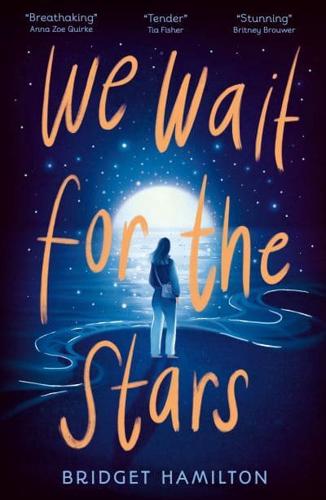
We Wait for the Stars by Bridget Hamilton
After losing her dad, Celeste feels as though family life and friendship have disintegrated beyond repair. Then Katie, the beach and Reuben, a fellow photographer, begin to offer something new, even as Celeste tries to bottle up grief and first attraction. For 13-18 year olds, this highly engaging romantic YA verse novel offers a sensitive and accessible exploration of bereavement, friendship issues and the complexities of teenage emotions. Highly recommended and perfect for teen summer holiday reading.
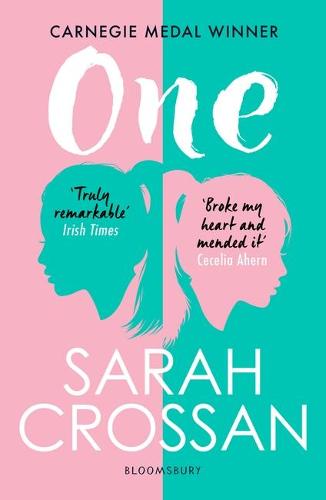
One by Sarah Crossan
This verse novel for 12+ year olds tells the story of Grace and Tippi, conjoined twins who are used to being treated as a single unit but want to be seen as two people. Starting at a new school opens space for friendships, difficult questions and first love. Sarah Crossan explores sisterhood, identity and the changing choices that face a family living with an extraordinary physical bond.
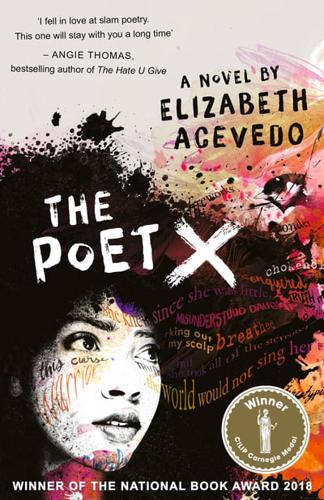
The Poet X by Elizabeth Acevedo
Xiomara Batista writes what she cannot easily say aloud, using poetry to push back against pressure at home, school and church. Elizabeth Acevedo’s verse novel is a powerful choice for finding voice, exploring faith, discussing body image, and discovering self-expression.
Not Going To Plan by Tia Fisher
Marnie’s just been expelled; Zed’s all about grades. They meet through tutoring, hardly a natural match, but a fragile friendship begins to form. Then Marnie’s world shifts again: an unplanned pregnancy after non-consensual sex. Told in alternating voices, the story doesn’t shy away from the hard stuff, consent, trust, and what comes next. The visual verse format adds urgency and space to breathe, making it a powerful, relatable read for teens facing big questions. Highly recommended for KS4.

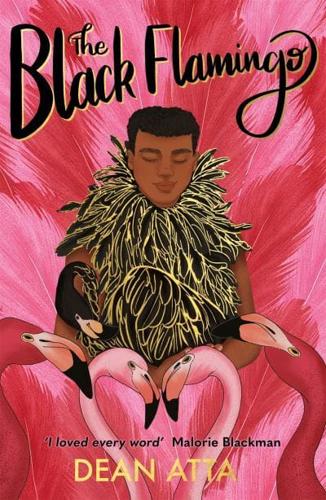
The Black Flamingo by Dean Atta, illustrated by Anshika Khullar
Michael grows up between cultures, questions and expectations before finding a fuller version of himself through drag. Written in verse for teens, Dean Atta’s unforgettable novel explores race, sexuality, family and performance with clarity, tenderness and a strong sense of voice.
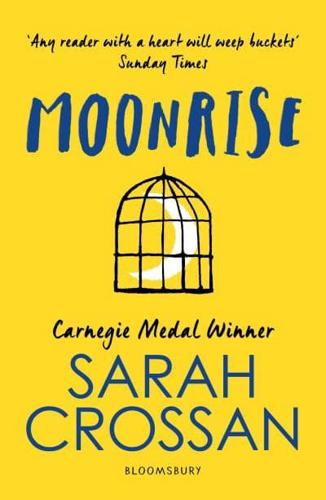
Moonrise by Sarah Crossan
This verse novel for 12+ year olds follows Joe, whose older brother Ed is on death row in Texas. As the execution date approaches, Joe spends time with Ed and confronts the history, love and anger that bind their family together. Sarah Crossan’s spare poems move between memory, present-day visits and the wider questions raised by capital punishment, making space for grief, loyalty and the search for justice.
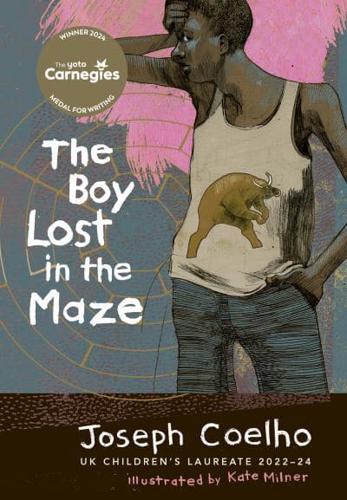
The Boy Lost in the Maze by Joseph Coelho, illustrated by Kate Milner
A gritty and innovative modern intertwining of Theseus and the Minotaur with a modern-day quest blends 20 chapters of interwoven narratives poetry with illustrator Kate Milner’s abstract forms and revitalised greek motifs. Personal, accessible and memorable, Theo’s journey of self-discovery is highly relatable and will resonate. A landmark coming-of-age verse novel, The Boy Lost in the Maze is ideal to read and discuss with students in years 9-11. Highly recommended for KS4.
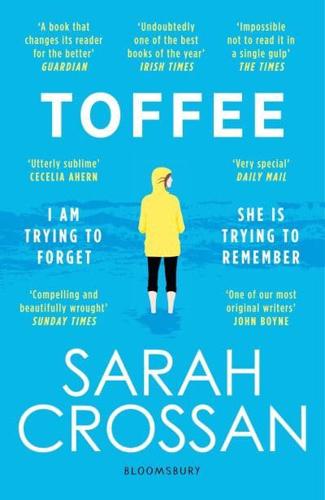
Toffee by Sarah Crossan
For 13+ year olds, this verse novel follows Allison after she runs away from home and is taken in by Marla, an older woman with dementia who mistakes her for an old friend called Toffee. As their bond grows, Allison starts to ask what home and family mean. The story considers identity, care, memory and the ways people can help one another through difficult beginnings.
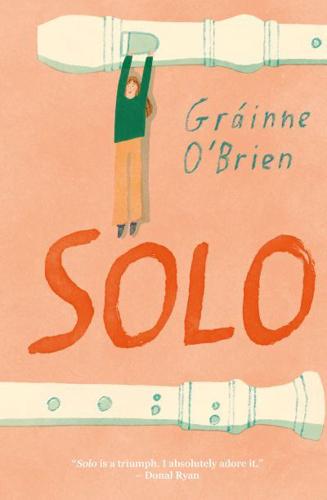
Solo by Grainne O’Brien
Daisy’s life revolves around music – until heartbreak and family struggles throw her off key. Drifting from her twin brothers and reeling from a breakup, she loses her creative spark. Then comes Flora, a new friend who helps her find harmony again. But with her father’s illness weighing heavy, Daisy has to face what’s ahead. Told in absorbing verse with a rhythm that mirrors her journey, Solo is a sparkling story of friendship, loss, and finding your way back to yourself. Highly recommended for KS4.
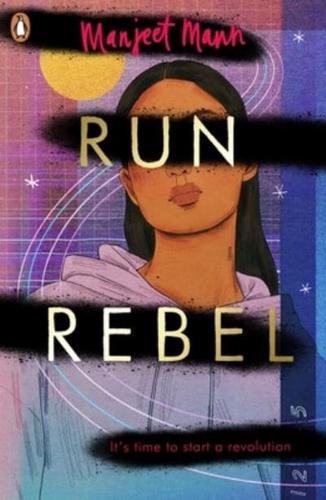
Run, Rebel by Manjeet Mann
Manjeet Mann’s YA verse novel centres on Amber, whose life is shaped by her father’s rules, expectations and fears. Running becomes a physical and emotional outlet as she tries to understand what is happening at home and what she wants for her mother, her sister and herself. The poems give Amber a direct, urgent voice as she confronts control, bullying, family loyalty and the desire to choose her own future.
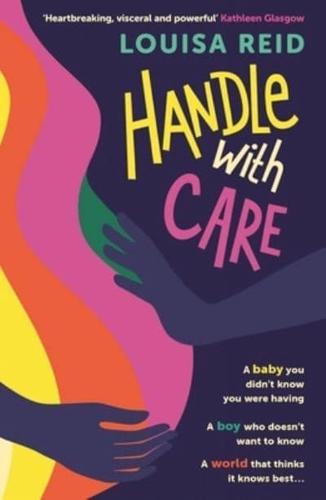
Handle With Care by Louisa Reid
After Ruby unexpectedly gives birth during a GCSE history lesson. she faces rumours and isolation when friendships and loyalties are tested to the limit. Told through alternating prose and verse, the story highlights themes of secrecy, responsibility, and emotional turmoil. Ruby’s decision to place her child for adoption does not bring the expected resolution, and the unflinching exploration of the characters and situations is one KS4 students are bound to be sucked into. The visceral and often startling novel examines complex teenage lives with a laser focus. Highly recommended, we think Handle With Care will be a breakout hit with 14+ year-olds.
The Crossing by Manjeet Mann
This novel in verse for 12-17 year olds brings together Natalie, living in Dover after a family loss, and Sammy, who has fled Eritrea and is trying to reach Europe. Natalie’s brother is involved with far-right hate, while swimming offers her a refuge. As the two teenagers’ lives meet, Manjeet Mann writes about displacement, grief, prejudice, courage and the possibility of hope across borders.

Wild East by Ashley Hickson-Lovence
14-year-old Ronny struggles as one of the few Black teens in a nearly all-white Norwich secondary. Facing new challenges after a tragedy prompts a move from East London to East Anglia, Ronny grapples with identity and ambition, finding solace and inspiration in poetry and rap. A highly accessible YA verse novel, it explores themes of city gangs, knife crime, the dangers of drugs, self-expression, and resilience, offering a relatable narrative with contemporary flair. Highly recommended for KS4.

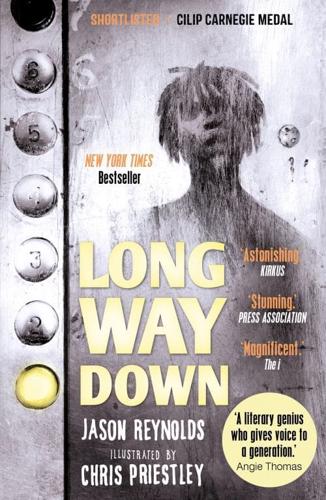
Long Way Down by Jason Reynolds, illustrated by Chris Priestley
Jason Reynolds’s verse novel, illustrated by Chris Priestley, follows fifteen-year-old Will during the brief lift journey after his brother has been shot. Will carries a gun and plans to follow the rules he has learned about revenge, but the people who appear between floors force him to revisit what he thinks he knows. The compressed elevator setting gives the story a powerful structure for examining grief, violence and choice.
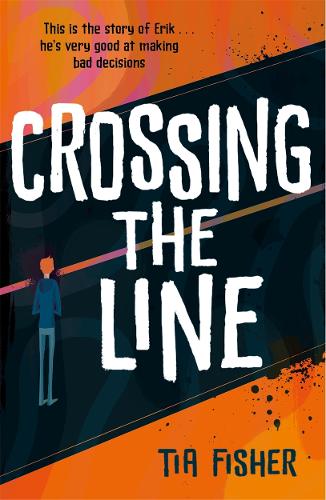
Crossing the Line by Tia Fisher
Written in verse, this gritty and visceral narrative follows teenaged Erik who juggles a difficult home life, school work and the consequences of being groomed by and owing money to a dangerous county lines gang. Crossing the Line is a memorable story of manipulation that will be useful to read and discuss alongside anti-exploitation resources in PSHE and book clubs. Highly recommended. Read our full review.
Punching the Air by Ibi Zoboi and Yusef Salaam
This YA novel in verse for 12+ year olds follows sixteen-year-old Amal Shahid after he is wrongly convicted and sent to prison. Words and art become ways for Amal to hold onto his identity and fight for the truth about what happened. Ibi Zoboi and Yusef Salaam combine a personal story of injustice with questions about race, creativity, friendship, family and the power of telling your own story.

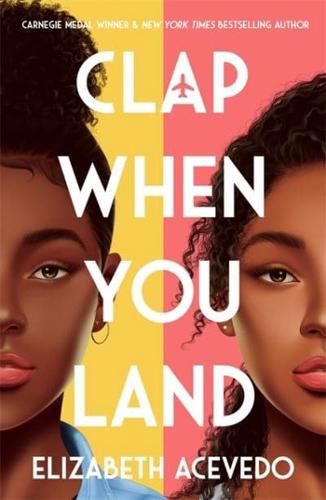
Clap When You Land by Elizabeth Acevedo
This novel in verse for 14+ year olds alternates between Camino Rios in the Dominican Republic and Yahaira Rios in New York. When their father dies in a plane crash, the girls discover each other and the secrets that have kept their lives apart. Elizabeth Acevedo writes about grief, love, distance, forgiveness and the complicated bonds between family members who are learning what they share.
Click the buttons below to purchase all of the books in this list of verse novels for children and teens, as well as class sets of any of these books and many more, from Bookshop.org UK. Or buy all the titles from this list from Amazon, ideal for gifts or your classroom library.
Buy from UK.Bookshop.Org
Buy from Amazon.co.uk
Disclosure: If you buy books using the buttons above: we may earn a commission from Bookshop.org, whose fees support independent bookshops; as an Amazon Associate schoolreadinglist.co.uk earns from qualifying purchases.
Schools & teachers: please respect copyright and don’t copy our list of verse novels for children and teens. If you find our book recommendations useful, please consider sharing on social media or linking to this page instead. Thanks.
Verse novel resources for teachers
- The National Literacy Trust’s Verse Novel Challenge provides resources for UK schools working with pupils aged 8 to 14, including teacher guidance, advice on reading verse novels aloud, a pupil reading-response framework and recommended reading lists for ages 8 to 12 and 11 to 14. The challenge itself has ended, but the supporting resources remain available to National Literacy Trust members.
- Oak National Academy has a five-lesson Year 6 unit based on Matt Goodfellow’s The Final Year. Pupils explore characterisation, relationships, poetry within a verse novel, the protagonist’s emotional journey and the book’s key themes, with lesson slides, worksheets and quizzes available to teachers in the UK.
- Oak National Academy also offers a Cloud Busting book-club unit for Year 6. The lessons introduce Malorie Blackman’s verse novel, explore fixed and free verse and forms including haiku, limerick and concrete poetry, and use discussion to investigate friendship, bullying and different perspectives.
- The Centre for Literacy in Primary Education’s teaching sequence for The Final Year is designed for Years 5 to 7 and can be developed into a five-week programme. Activities cover close reading, poetic form, rhythm and sound, performance, character and empathy, and support pupils in drafting and developing poetry of their own.
- CLPE’s Moonrise teaching sequence, based on Sarah Crossan’s verse novel, explores the form as a sequence of moments and images. It includes work on narrative, line breaks, language, performance, emotional response and evaluating how successfully the verse form tells the story.
- For secondary English, CLPE has produced a substantial Run, Rebel teaching sequence based on Manjeet Mann’s novel. It examines the economy of verse, experimental page structure and the performative qualities of the form, alongside close reading, discussion and pupils’ own writing.
- CLPE’s Booked teaching sequence uses Kwame Alexander’s football-themed verse novel to investigate page layout, white space, poetic language, narrative voice and performance. Activities encourage pupils to consider how individual poems combine to build a sustained narrative.
- Authorfy’s poetry classroom resources include downloadable materials for several verse novels and verse stories, including Matt Goodfellow’s The Final Year, Nadine Aisha Jassat’s The Hidden Story of Estie Noor and Serena Molloy’s The Tree That Sang to Me. Activities include poetry analysis, language work, drama, role-play and exploration of identity, friendship, family and belonging.
- Otter-Barry Books’ teacher resources include CLPE teaching notes and a Reading Leaf for Matt Goodfellow’s The Final Year, alongside discussion guides and classroom materials for other poetry and fiction titles.
- Guppy School provides teacher-developed classroom materials for Louisa Reid’s YA verse novels Gloves Off and Wrecked. The resources offer secondary teachers ways to explore issues including bullying, body image, responsibility, truth, forgiveness and redemption through reading, discussion, speaking and writing.
- Author Tia Fisher provides school resources for Crossing the Line, her verse novel about a teenager drawn into county-lines exploitation. Fisher’s classroom materials have been reviewed by teachers for use within the curriculum and provide a useful route into discussion of empathy and the choices facing the novel’s characters.
- The Carnegies’ 2024 teaching and shadowing resources include packs for verse novels such as Tia Fisher’s Crossing the Line, Joseph Coelho’s The Boy Lost in the Maze and Kwame Alexander’s The Door of No Return. The 2025 resources include Matt Goodfellow’s The Final Year. Activities are designed for reading groups but can also be adapted for individual or whole-class work.
- Teacher’s Pet provides free KS2 classroom resources for Nadine Aisha Jassat’s verse novel The House at the Edge of the World, with activities supporting English and PSHE and opportunities to explore race, belonging, identity and the book’s use of lyrical storytelling.
- For background and reading-for-pleasure ideas, BookTrust’s guide to using verse novels with young readers looks at accessibility, white space, emotional expression and the appeal of free verse, while Matt Goodfellow’s verse novel recommendations offer useful suggestions for extending a school or classroom collection.
- To extend work on the poetic techniques pupils encounter in verse novels, The Poetry Society’s Poetryclass provides free lesson plans and activities for different key stages covering poetry reading, writing and performance, created by experienced poets and teachers.
BISAC JUV057000, YAF044000. | Thema YFV.