Books about the Middle Ages for children and teens
Medieval books for children and teens take readers into castles, villages, monasteries, forests and plague-hit towns, but the best ones do more than wheel out knights and armour. Through fiction, nonfiction, legends, mysteries and graphic novels, they show how people worked, prayed, traded, travelled, feared, fought and survived. They give younger readers vivid worlds to picture, and older ones plenty to question: power, justice, faith, class, illness, war and the social and societal rigours of daily life. This list features books by Terry Deary, Michael Morpurgo, Linda Sue Park, Geoffrey Chaucer, Sally Nicholls, Philippa Gregory, Umberto Eco, Tariq Ali, Janina Ramirez, and Lauren Groff.
Middle Ages books for children and teens – our recommendations
Middle Ages books for 7-12 year olds – our recommendations
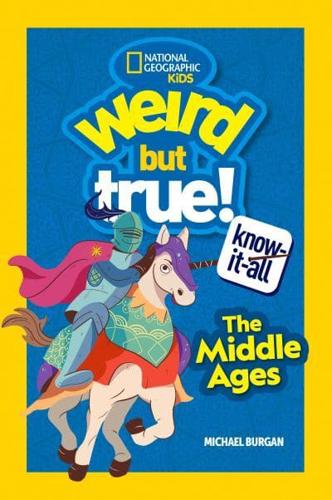
Weird But True! Know-It-All: Middle Ages by Michael Burgan
Castles, rulers, medicine, inventions and grimly funny facts give curious 8-12 year olds a wide-ranging introduction to the Middle Ages. The book moves beyond the usual European castle walls, taking in the Ottoman Empire, Great Zimbabwe, the Aztecs and Song China alongside Joan of Arc, Genghis Khan, plague cures, weapons and medieval daily life.
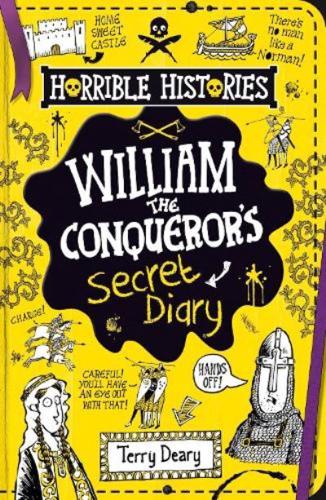
Horrible Histories: William the Conqueror’s Secret Diary by Terry Deary, illustrated by Mike Phillips
From Normandy to Hastings, William’s rise is turned into a sharp, comic secret diary for 7-8 year olds who like their history packed with fun. Family feuds, battles with the French, Matilda, church politics and the build-up to 1066 are all handled through William’s own imagined notes, with Mike Phillips’ illustrations adding the familiar Horrible Histories bite.
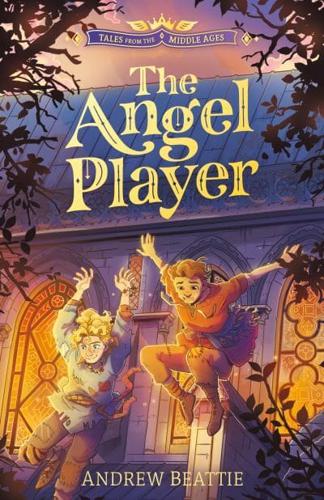
Tales from the Middle Ages: The Angel Player by Andrew Beattie, illustrated by Elena Dall’Aglio
England is in the grip of the Black Death when Will Hunter and a troupe of travelling players find a boy left barely alive by the roadside. 9-12 year olds can follow the dark mystery around Thomas Rose, whose magic tricks and claims of healing power make him look miraculous to some and dangerous to others.
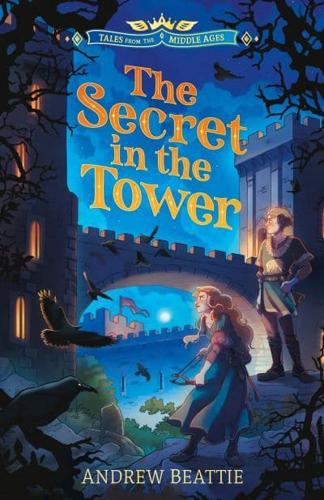
Tales from the Middle Ages: The Secret in the Tower by Andrew Beattie, illustrated by Elena Dall’Aglio and Corinne Caro
A London apothecary’s boy is dragged towards royal danger after soldiers mistake him for someone of noble birth. For UKS2 readers, Jack Broom’s exciting search for the truth takes him into the world of Richard III, Henry Tudor, the Tower of London and the Princes in the Tower, with Alice helping him uncover treason and hidden identities.
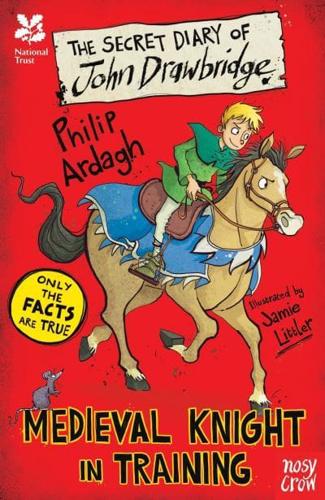
National Trust: The Secret Diary of John Drawbridge, a Medieval Knight in Training by Philip Ardagh, illustrated by Jamie Littler
At Widemoat Castle, John Drawbridge has plenty to learn before he can call himself a knight. The diary format works especially well for 7-9 year olds, mixing castle facts, lance practice, spiral staircases, trenchers and medieval manners with an attack by Welsh raiders and a plot John may be able to stop.
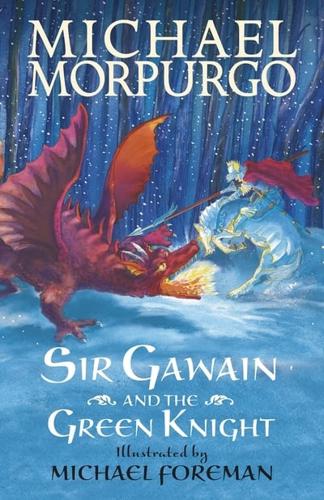
Sir Gawain and the Green Knight by Michael Morpurgo, illustrated by Michael Foreman
A green rider bursts into Camelot on New Year’s Eve and sets a challenge that sends Gawain into danger. Michael Morpurgo’s retelling gives 9-11 year olds an accessible insight into the Arthurian legend, with honour, fear and duty shaped into a brisk medieval adventure and Michael Foreman’s illustrations adding scale and atmosphere.
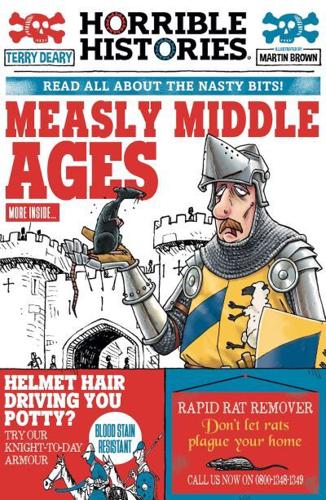
Horrible Histories: Measly Middle Ages (newspaper edition) by Terry Deary, illustrated by Martin Brown
Shaved chickens, jester jokes and ten-year-old treacle bring the Middle Ages into the Horrible Histories newspaper format. With short sections, cartoons and plenty of foul facts, 8-12 year olds can dip into medieval medicine, warfare, jokes, smells and strange customs. Highly recommended.
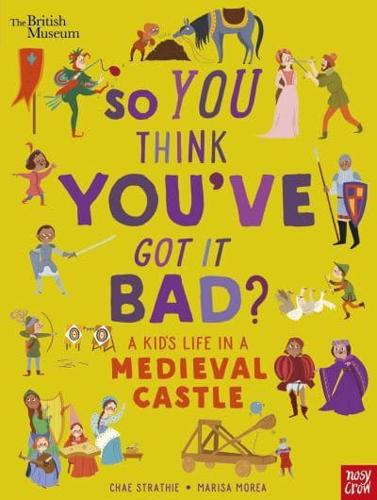
British Museum: So You Think You’ve Got It Bad? A Kid’s Life in a Medieval Castle by Chae Strathie, illustrated by Marisa Morea
Moats, sieges, stale smells and live blackbird pie make medieval castle life feel gloriously uncomfortable. Created with the British Museum, this fun LKS2 title uses Chae Strathie’s comic child’s-eye approach and Marisa Morea’s bright illustrations to explain food, toilets, teeth, defence and daily life inside a castle.
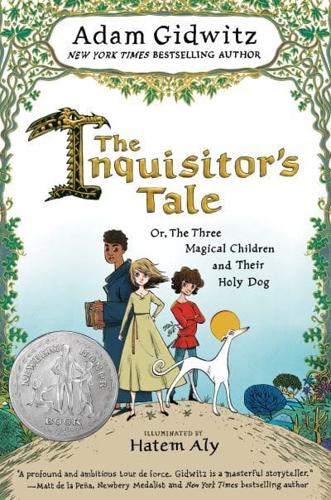
The Inquisitor’s Tale: Or, The Three Magical Children and Their Holy Dog by Adam Gidwitz, illustrated by Hatem Aly
At a French inn in 1242, travellers begin sharing stories about three children and a holy greyhound. A rich choice for more confident KS2 readers, the novel brings together Jeanne, Jacob, William and Gwenforte as they face prejudice, persecution, danger and a final confrontation at Mont Saint-Michel in a medieval tale shaped by many voices.
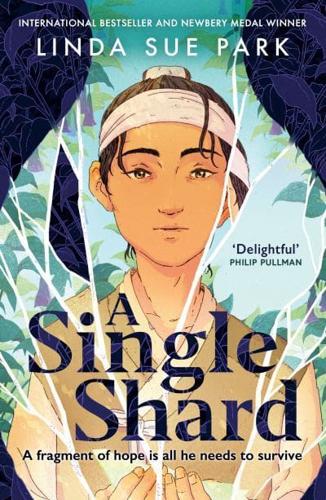
A Single Shard by Linda Sue Park
In a Korean village famed for pottery, 13-year-old Tree-ear watches master potter Min and longs to learn the craft himself. The Newbery Medal-winning story gives 8+ year olds a thought-provoking historical journey, as Tree-ear’s work, loyalty and dangerous mission to present Min’s pottery to the king change his future.
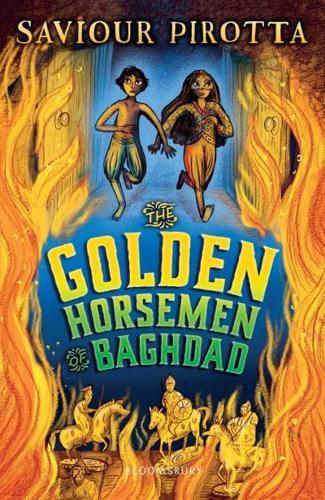
The Golden Horsemen of Baghdad by Saviour Pirotta, illustrated by Freya Hartas
Baghdad’s streets, workshops and royal court open up through Jabir, a 13-year-old boy trying to save his family from homelessness. An accessible adventure for readers aged 8+, the story follows his skill for carving, a commission from caliph Harun al-Rashid, twelve golden horsemen for Charlemagne and a threat that could send him back to prison.
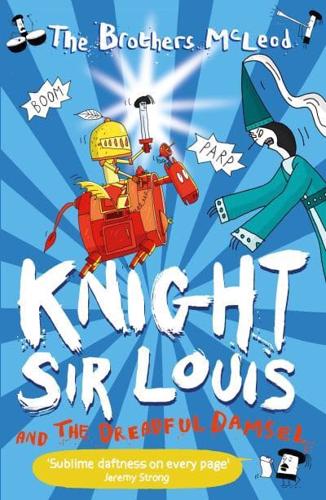
Knight Sir Louis and the Dreadful Damsel by Myles McLeod, illustrated by Greg McLeod
A ten-year-old knight with a mechanical horse called Clunkalot and a sword named Dave is sent to face the Damsel of Distresse. KS2 readers get a laugh-out-loud medieval quest, complete with dragons, goblins, enchantments, potatoes and the Stripy Knight, all delivered with the Brothers McLeod’s fast comic timing.
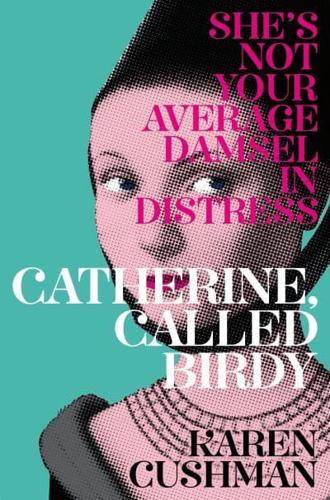
Catherine, Called Birdy by Karen Cushman
Fourteen-year-old Birdy records medieval life while trying to dodge the future planned for her by everyone else. For 12+ year olds, her diary captures a sharp, funny fight for self-determination as her mother pushes courtly manners and her father searches for a profitable husband, preferably without asking Birdy what she wants.
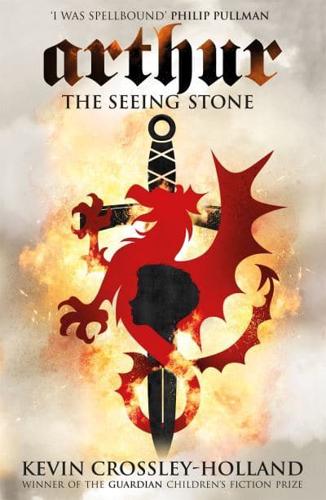
Arthur: The Seeing Stone by Kevin Crossley-Holland
In the Welsh Marches in 1199, Arthur de Caldicot is given a shining stone that reveals stories of his legendary namesake. A beautifully layered historical novel for 9+ year olds, the 100 short chapters connect manor life, family secrets and King Arthur’s world in the Guardian Children’s Fiction Prize-winning opening to the trilogy. Highly recommended.
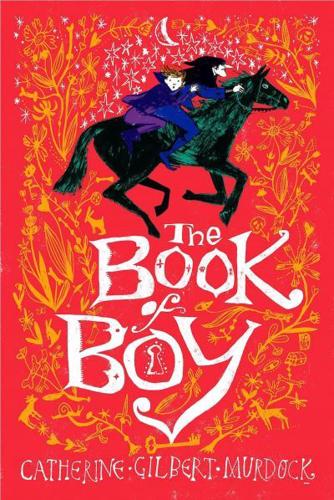
The Book of Boy by Catherine Gilbert Murdock, illustrated by Ian Schoenherr
In 1350, Boy’s quiet life as a goatherd changes when the mysterious pilgrim Secundus pulls him into a dangerous hunt for holy relics. For 8+ year olds, this brilliant Newbery Honor adventure blends medieval France, faith, secrets, theft and a moving question about who Boy really is beneath the way others see him.
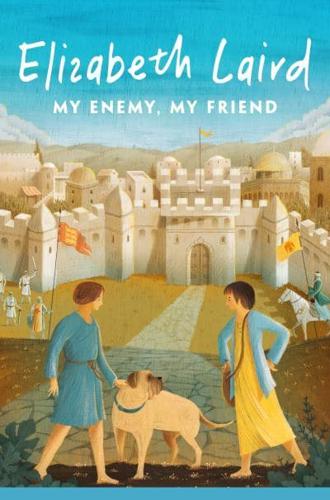
My Enemy, My Friend by Elizabeth Laird
Adam joins the Crusade hoping to save his mother’s soul, while Salim is sent from Acre to work for a travelling doctor as war draws closer. Perfect for 9-11 year olds, this reissued Elizabeth Laird novel uses two boys on opposite sides of the conflict to question what hatred and loyalty can do to young minds.
Middle Ages books for teens – our recommendations
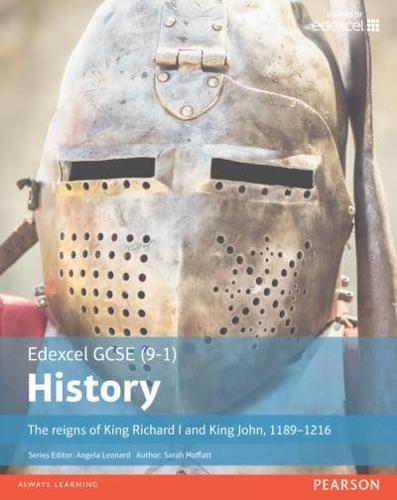
Edexcel GCSE (9-1) History The reigns of King Richard I and King John, 1189-1216 Student Book by Sarah Moffatt
Richard I’s crusading kingship and King John’s troubled reign are set out as a focused Edexcel GCSE option, with exam-style support rather than a broad narrative history. A useful resource for GCSE students aged, it helps them work through government, feudal society, the Church, succession and the political pressures that shaped England between 1189 and 1216.
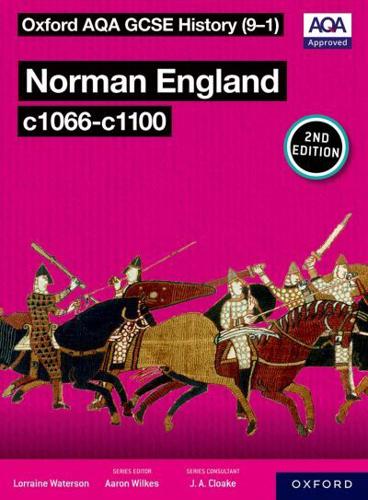
Oxford AQA GCSE History (9-1): Norman England c1066-c1100 Student Book Second Edition by Lorraine Waterson
Norman England from 1066 to 1100 is handled here as a tightly focused AQA GCSE Paper 2 study, with activities that build knowledge and exam confidence. For 14-16 year olds taking AQA GCSE History, the edition gives a clear insight into the conquest and its consequences.
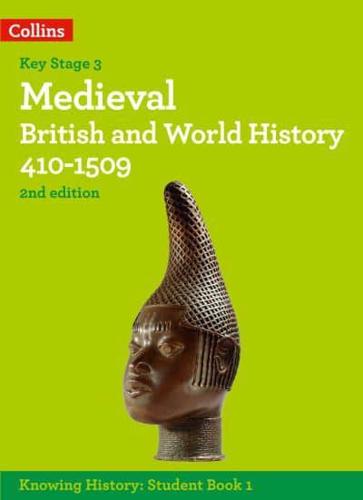
Medieval British and World History 410-1509 by Laura Aitken-Burt, Robert Selth, Robert Peal
Anglo-Saxon England sits alongside the Islamic world, the Crusades, medieval African kingdoms, Imperial China and the Mongols in this broad KS3 textbook course. Ideal for 11-14 year olds, the book gives schools a chronological, knowledge-rich route through 410-1509, with timelines, key vocabulary and global context that can support later GCSE work.
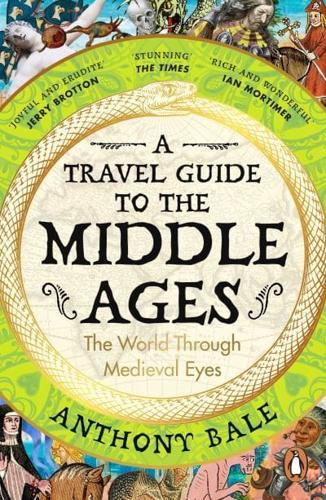
A Travel Guide to the Middle Ages: The World Through Medieval Eyes by Anthony Bale
Medieval travellers cross bazaars, holy sites, far-off kingdoms and places where fact and rumour blur in this lively popular history. A good option to stretch 16+ year olds, it suits readers who want to explore a wider medieval world in a global context, beyond castles and battles, drawing on accounts from Europe, north Africa, Russia, Iceland, Armenia and beyond.
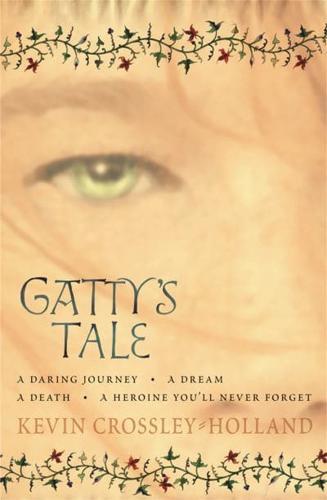
Gatty’s Tale by Kevin Crossley-Holland
A field girl from Caldicot is given the chance to leave the manor world behind and travel towards Jerusalem. For KS3 readers, Gatty’s pilgrimage story offers a generous companion to the Arthur trilogy, following a brave, curious fifteen-year-old as reading, singing, faith and hardship reshape what she thinks her life might become.
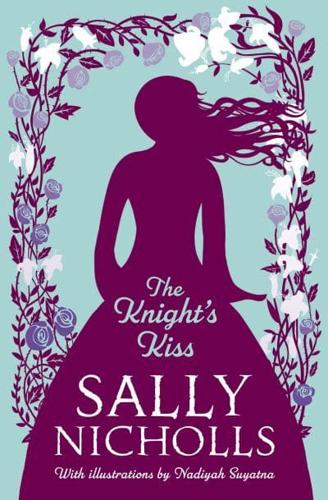
The Knight’s Kiss by Sally Nicholls, illustrated by Nadiyah Suyatna
Lady Elinor of Hardford loves Dan, her cousin and knight-in-training, but her father has arranged a far less appealing marriage to Sir William of Courtney. A compact and accessible Barrington Stoke romance for 11+ readers with a reading age of 7, it keeps this distinctly medieval dilemma pacey and emotionally direct.
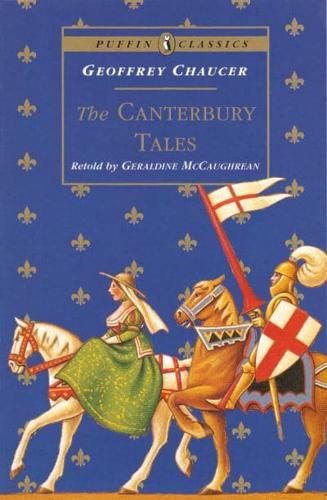
The Canterbury Tales by Geoffrey Chaucer, retold by Geraldine McCaughrean
Pilgrims on the road to Canterbury trade stories full of trickery, foolishness, romance and sharp social observation. Retold for 11+ year olds, this Puffin Classics version gives children and teens an accessible way into Chaucer’s medieval stories without losing the humour and character of the original.
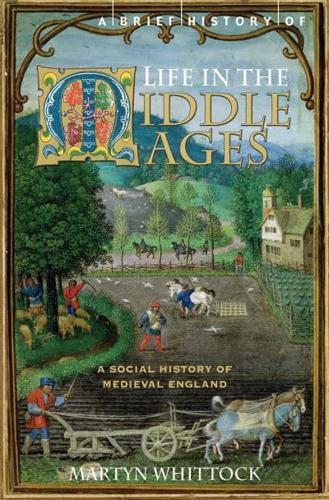
A Brief History of Life in the Middle Ages by Martyn Whittock
Ploughmen, townspeople, households and famous figures are used to build a picture of medieval Britain from everyday evidence as well as headline events. A thoughtful option for more mature teen readers, this absorbing nonfiction title suits students who want more context around ordinary life, belief, work, food, status and survival in the period.
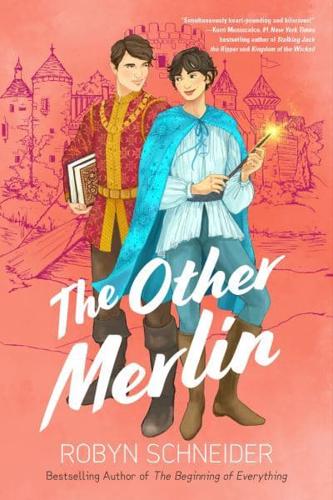
The Other Merlin by Robyn Schneider
Emry Merlin wants the magical future offered to her twin brother, so she takes his place at Camelot and steps into court politics, secrets and romance. For 14+ year olds, this first Emry Merlin novel turns Arthurian legend into a playful YA fantasy about disguise, ambition, attraction and the cost of being underestimated.
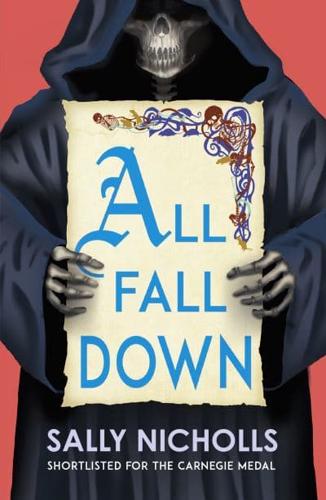
All Fall Down by Sally Nicholls
Rumours of sickness reach Isabel’s village near York before the Black Death tears through the life she knows. For 12+ year olds, the engrossing story keeps close to one fourteen-year-old girl’s family, farm work and fear, making the scale of the 1349 plague feel personal rather than a distant memory.
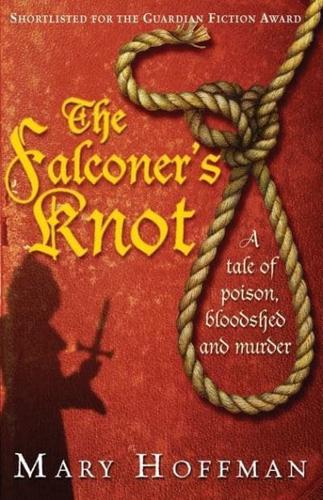
The Falconer’s Knot by Mary Hoffman
A murder accusation sends young Silvano into a Franciscan friary, while Chiara is placed in a neighbouring convent, and neither refuge stays peaceful for long. For 12+ year olds, this atmospheric Italian medieval mystery blends poison, art, friars, nuns and a quietly developing romance with plenty of intrigue. Highly recommended.
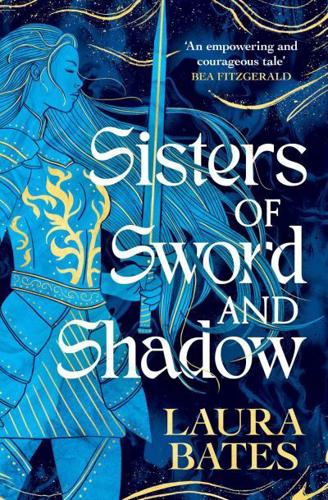
Sisters of Sword and Shadow by Laura Bates
Cass is being pushed towards an arranged marriage when a leather-clad female knight offers her a way out. A fierce Arthurian fantasy for 14+ year olds, it imagines a sisterhood of women training to fight, protect their community and challenge the narratives that have always left them on the margins.
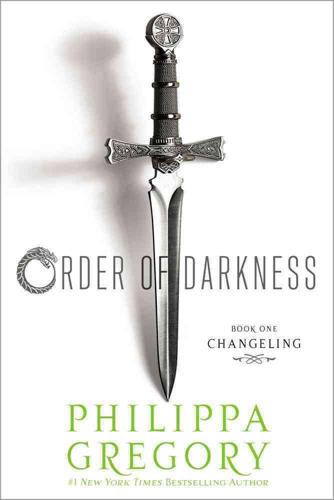
Changeling by Philippa Gregory
In 1453, Luca Vero is expelled from his monastery and sent to investigate signs that Christendom may be sliding towards the end times. The first Order of Darkness novel pairs him with Isolde, trapped in a nunnery, for a historical thriller of strange visions, inheritance, fear and forbidden knowledge. Ideal for KS4 book clubs.
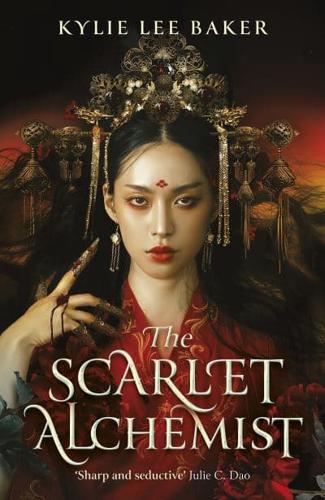
The Scarlet Alchemist by Kylie Lee Baker
Seventeen-year-old Fan Zilan can raise the dead, but in her alternate Tang dynasty world that skill is illegal, dangerous and impossible for the royal court to ignore. Ideal for more mature teens, this dark fantasy mixes imperial exams, alchemy, ambition, court politics and a heroine willing to cross frightening lines.
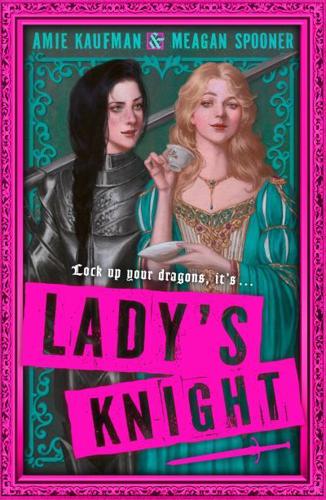
Lady’s Knight by Amie Kaufman and Meagan Spooner
Gwen can run a forge and wield a sword, but an undercover jousting stunt draws her into Lady Isobelle’s desperate plan to escape an unwanted marriage. A funny fantasy romance, it throws together tournaments, noble scheming, witches, dragons, prison breaks and a sapphic pairing with plenty of comic bite.
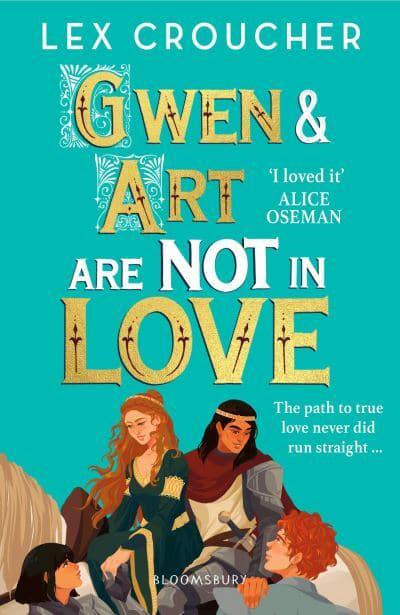
Gwen and Art Are Not in Love by Lex Croucher
Gwen and Arthur have been betrothed since childhood and can barely stand each other, until shared secrets make them reluctant allies. A joyful queer medieval romcom for 13+ year olds, the story pairs jousting, royal pressure and Arthurian echoes with love interests Bridget Leclair and Gabriel, Gwen’s serious brother. Read our full review.
Middle Ages books for sixth formers – our recommendations
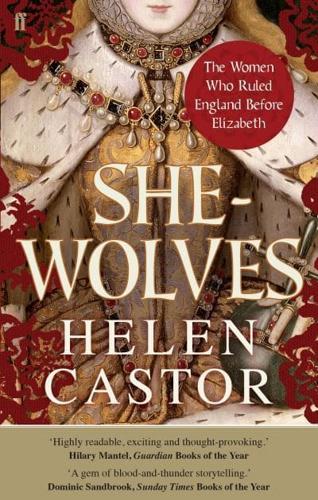
She-Wolves: The Women Who Ruled England Before Elizabeth by Helen Castor
Matilda, Eleanor of Aquitaine, Isabella of France and Margaret of Anjou stand at the centre of this account of power before England had an accepted queen regnant. Sixth-form readers will encounter a serious, highly readable study of medieval queenship, politics and the long argument over women’s right to rule.
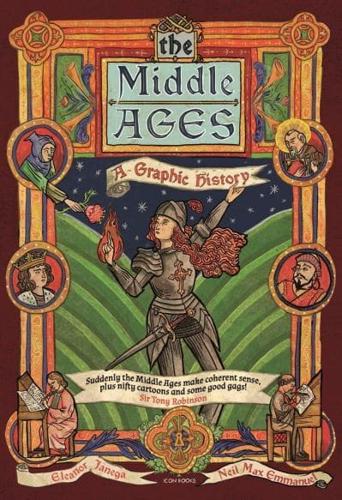
The Middle Ages: A Graphic History by Eleanor Janega, illustrated by Neil Max Emmanuel
Graphic history makes the medieval period feel busy, strange and intellectually alive rather than simply dark and brutal. Eleanor Janega and Neil Max Emmanuel use sharp facts and graphic novel style illustrated scenes to explore empires, Crusades, plague, religious change and marginalised lives, using illustration to challenge easy assumptions about the Middle Ages.
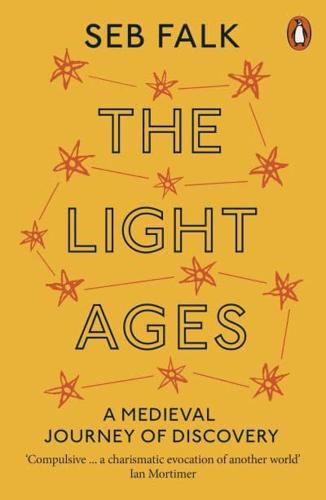
The Light Ages: A Medieval Journey of Discovery by Seb Falk
A fourteenth-century monk, John of Westwyk, becomes the route into medieval science, from astronomy and astrolabes to clocks, navigation and the first universities. More able readers will be fascinated by Seb Falk’s compelling argument that the so-called Dark Ages were full of experiment, observation and technical curiosity.
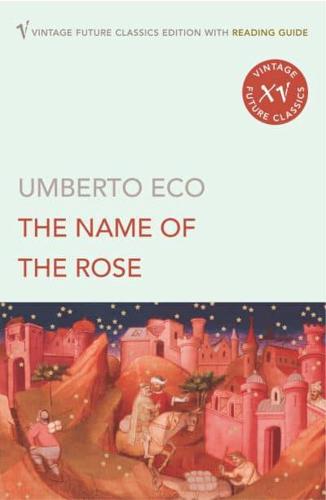
The Name of the Rose by Umberto Eco
A murder investigation in a wealthy Italian monastery in 1327 draws Brother William of Baskerville into a world of forbidden books, theological conflict and monastic politics. A demanding yet depply satisfying choice for sixth-form readers, this powerhouse novel works well for students interested in medieval thought, religious dispute, mystery fiction and the power of knowledge.
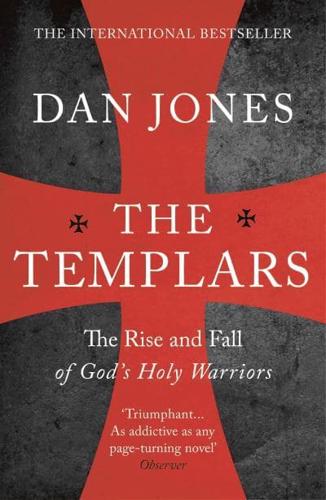
The Templars: The Rise and Fall of God’s Holy Warriors by Dan Jones
The Knights Templar rise from a small crusading brotherhood in Jerusalem to one of the medieval world’s most powerful and secretive military orders. Dan Jones gives sixth formers a clear, narrative account of crusading politics, religious warfare, international finance and the order’s dramatic destruction.
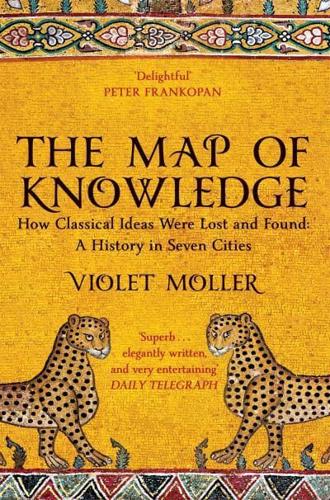
The Map of Knowledge by Violet Moller
Euclid, Galen and Ptolemy become the route into a history of how ancient ideas survived, moved and changed across the medieval world. This fascinating historical synthesis takes sixth-form readers from Alexandria to Baghdad, Cordoba, Toledo, Salerno, Palermo and Venice, showing how astronomy, mathematics and medicine passed between Islamic and Christian cultures.
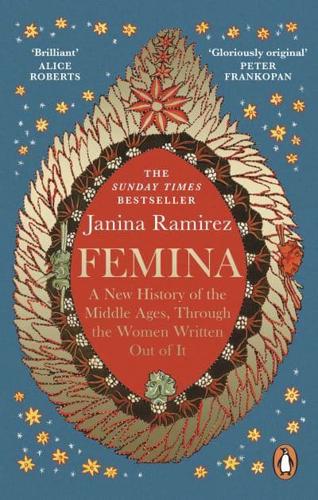
Femina: A New History of the Middle Ages, Through the Women Written Out of It by Janina Ramirez
Medieval history is re-examined through women whose names, objects and writings were pushed aside or misread. A powerful choice for 16+ readers, it introduces figures including Jadwiga, Margery Kempe and the Loftus Princess while asking how records, artefacts and later interpretation have shaped what survives.
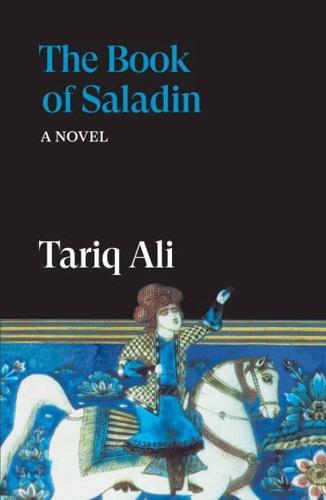
The Book of Saladin by Tariq Ali
Saladin’s life is imagined as a memoir dictated to Ibn Yakub, a Jewish scribe allowed to question the ruler’s household and court. This gripping and hard-hitting historical novel moves through Cairo, Damascus and Jerusalem, setting personal ambition, conquest and the Crusades inside a broader clash of faiths and empires.
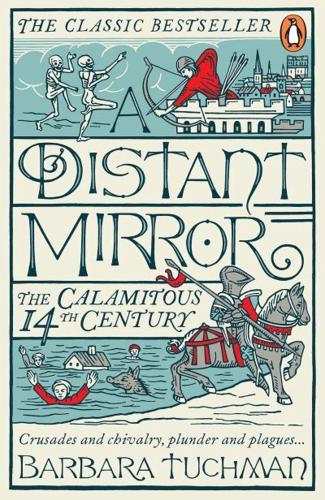
A Distant Mirror: The Calamitous 14th Century by Barbara Tuchman
Fourteenth-century Europe is shown through plague, war, taxation, faith, class and domestic life, with the French nobleman Enguerrand de Coucy providing a recurring thread. For more confident readers, this substantial narrative history gives sixth formers a wide-ranging euro-centric portrait of crisis, chivalry, politics and survival in the late Middle Ages.
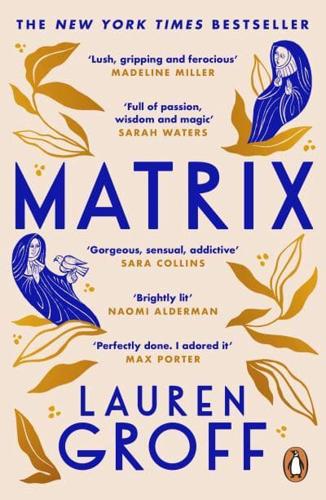
Matrix by Lauren Groff
Cast out of Eleanor of Aquitaine’s court, Marie de France is sent to a poor English abbey and forced to build a life from exile, hunger and hard authority. A rich literary option, this magnificent novel reimagines a twelfth-century woman’s ambition, desire, faith and leadership in a sharply enclosed female community.
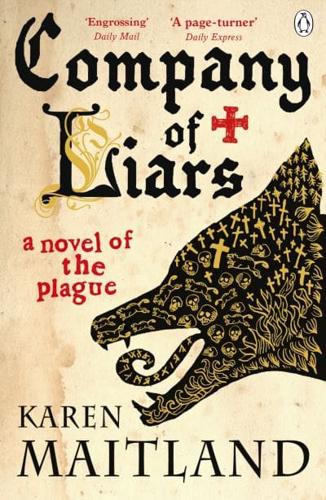
Company of Liars by Karen Maitland
In 1348, a scarred relic seller, musicians, a healer, a conjurer and a strange rune-reading child join a group trying to outrun plague in England. A dark historical thriller, it gives sixth formers a tense and relatable fictional route into the mindset of fear, superstition, social breakdown and hidden guilt during the Black Death.
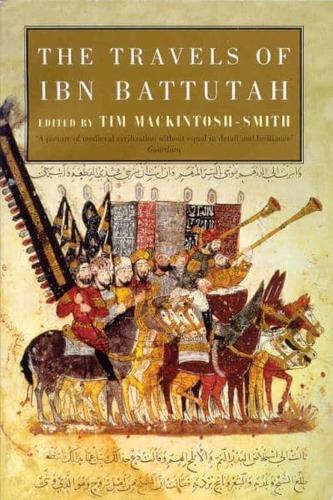
The Travels of Ibn Battutah by Ibn Battutah, edited by Tim Mackintosh-Smith
A 21-year-old traveller leaves Tangier in 1325 for Mecca and spends nearly three decades crossing Africa, the Middle East, South Asia, the Maldives, China and beyond. This edition gives sixth formers a vivid primary route into medieval travel writing, Islamic cultures, trade routes, geography and eyewitness observation.
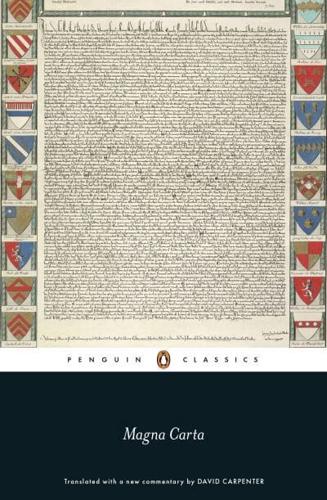
Magna Carta by David Carpenter
King John’s forced agreement with his rebellious barons becomes the starting point for a detailed study of text, translation, commentary and long-term political meaning. A focused account, it will suit students considering studying this period at university and explores medieval monarchy, law, rights, enforcement, thirteenth-century society and the document’s later constitutional importance. Highly recommended.
Click the buttons below to purchase all of the books in this Middle Ages books list, as well as class sets of any of these books and many more, from Bookshop.org UK. Or buy the 20 most popular titles from this list from Amazon – ideal for gifts or your classroom library.
Buy from UK.Bookshop.Org Buy from Amazon.co.uk
Disclosure: If you buy books using the buttons above: we may earn a commission from Bookshop.org, whose fees support independent bookshops; as an Amazon Associate schoolreadinglist.co.uk earns from qualifying purchases.
Schools & teachers: please respect copyright and don’t copy our Middle Ages books for children list. If you find our book recommendations useful, please consider sharing on social media or linking to this page instead. Thanks.
Middle Ages resources for teachers
- The National Archives’ Medieval women lesson uses wills, petitions, court records and financial documents to help KS3 pupils investigate women’s lives in medieval England and Ireland, with transcripts, teacher notes and source-based questions.
- The National Archives’ Medieval seals resource explores identity, status, law, gender and power through original seals, including Nicholaa de la Haye, John de Warenne, Desiree of London and Canterbury Cathedral.
- The National Archives’ Medieval castles lesson uses original documents on Framlingham, Portchester, Stokesay, Berwick, Alnwick and Pevensey to move castle teaching beyond simple attack-and-defence diagrams.
- The National Archives’ Chertsey resource gives pupils a source-led glimpse of a medieval village, using maps to identify buildings, compare past and present places and support local-history enquiry work.
- The National Archives’ Domesday Book material introduces pupils to one of the earliest surviving government records, with classroom tasks on landholding, taxation, power and Norman control after 1066.
- English Heritage’s Teaching Medieval History guide brings together KS2 and KS3 material on castles, monks, nuns, heraldry, medieval medicine, noblewomen and everyday life at English Heritage sites.
- English Heritage’s teaching resource library includes downloadable teachers’ kits and activities for Battle of Hastings Abbey, Clifford’s Tower, Dover Castle, Pevensey Castle, Richmond Castle and Tintagel Castle.
- Historic England’s teaching activities provide image-led local-history resources with downloadable PowerPoints, worksheets and teacher notes, including useful material for medieval and post-medieval towns, buildings and landscapes.
- The Royal Armouries’ Knights and Castles resource offers EYFS and KS1 teachers a free pack, videos, audio, home-learning activities and image banks on armour, tournaments, castle life and defensive design.
- The Royal Armouries’ Norman Conquest resource supports KS3 and KS4 work on 1066, the Anglo-Saxon Chronicle, Fulford, Stamford Bridge, Hastings, the Bayeux Tapestry and visual evidence from arms and armour.
- UK Parliament’s Simon de Montfort video is useful for KS2, KS3 history and citizenship lessons on Magna Carta, the emergence of Parliament and the development of local representation.
- The British Library Schools hub includes free medieval literature material for older students, with resources on Chaucer, women’s voices, Old English, Middle English and manuscript culture.
- The Historical Association’s Exploring and Teaching Medieval History in Schools is a strong CPD and planning resource for secondary departments, with articles on representation, sources, KS3 planning, GCSE topics and A-level medieval teaching.
- The Historical Association’s free secondary resources include medieval lesson sequences on the Normans, medieval village life, conquest, the People of 1381 and later medieval history.
- Ian Dawson’s Thinking History Medieval Lives resources provide free KS3 student texts, PowerPoints and teacher notes that challenge pupils’ assumptions about the Middle Ages and build enquiry-led understanding.
- The British Museum’s Sutton Hoo classroom resource uses jewellery, coins, helmets and excavation evidence to introduce KS2 pupils to Anglo-Saxon society through object-based historical enquiry.
- The National Trust’s Sutton Hoo schools page offers class visits, remote learning, replica artefact handling, collection loan boxes and SEND-friendly options for teaching Anglo-Saxon life, death and archaeology.
- Reading Museum’s Bayeux Tapestry school session uses its full-size replica, medieval objects, costume and role play to teach 1066, source reliability, Norman England and Saxon-Norman everyday life.
- Canterbury Cathedral’s Medieval Pilgrimage resource explores Thomas Becket, shrine culture, pilgrim badges, miracle windows and medieval religious travel, with primary-source material and downloadable classroom activity sheets.
- York Minster’s self-guided school resources include a Medieval Minster KS3 pack, York history fact sheets, Invaders and Settlers material and downloads for investigating a medieval cathedral.
- The Museum of the Order of St John provides a KS3 lesson pack on the Crusades and the Knights Hospitaller, using real medieval objects, teacher notes, a presentation and activity sheets.
- Cadw’s education packs include free PDF resources on Welsh castles, medieval treasure chests, Harlech and Caernarfon Castles, the Age of the Princes and Basingwerk Abbey.
- Cadw’s KS3 castle packs combine medieval Welsh history with literacy and STEM activities, including downloadable castle resources and curriculum links for classroom work or self-led site visits.
- Historic Environment Scotland’s learning resources collect free teaching materials, digital assets, medieval activities, Gaelic resources and site-based learning support for Scottish castles, abbeys and historic places.
- London Museum’s Medieval London collection is a useful object and story bank for lesson starters on medieval fashion laws, prisons, graveyards, household objects and everyday life in the city.
- Layers of London lets teachers and pupils explore historic map layers, build local-history projects and compare medieval survivals, street patterns and institutions with later developments across the city.
- Oak National Academy’s Magna Carta unit offers free Year 7 lesson videos, slide decks, worksheets and quizzes on King John, Magna Carta, Simon de Montfort and the survival of Magna Carta.
BISAC JUV016070, JNF025100, YAF024080, YAN025100, JUV016000, JNF025000, YAF024000, YAN025000, JUV016040, JNF025070, YAF024050, YAN025070, JUV022010, YAF030010. | Thema YFT, YFHH, YNH, YNJC, YNJ, 3KH, 3KL.