Wizardology: 20th Anniversary Edition by Dugald Steer – at a glance
The School Reading Lists’ five word review: Interactive wizard handbook with flaps.
Children’s book title: Wizardology.
Children’s authors: Dugald Steer.
Genre: Children’s fiction.
Published by: Templar Books.
ISBN: 9781835879092.
Recommended for children aged: 9+.
First published: Hardback June 2026.
This children’s book is ideal for: children who enjoy fantasy, detailed illustration, interactive books, notebooks, maps, facts, hidden details and imaginary worlds.
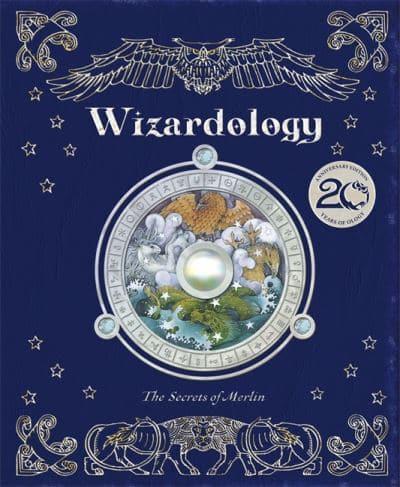
To see the latest price or order, click on the book cover image. As an Amazon Associate, schoolreadinglist.co.uk earns from qualifying purchases.
Our review:
Wizardology: 20th Anniversary Edition by Dugald Steer returns to one of the best-known titles in the Ology series. This highly illustrated and imaginative book is presented as a guide by Merlin for apprentices learning about wizards, magic, creatures, tools, potions and divination.
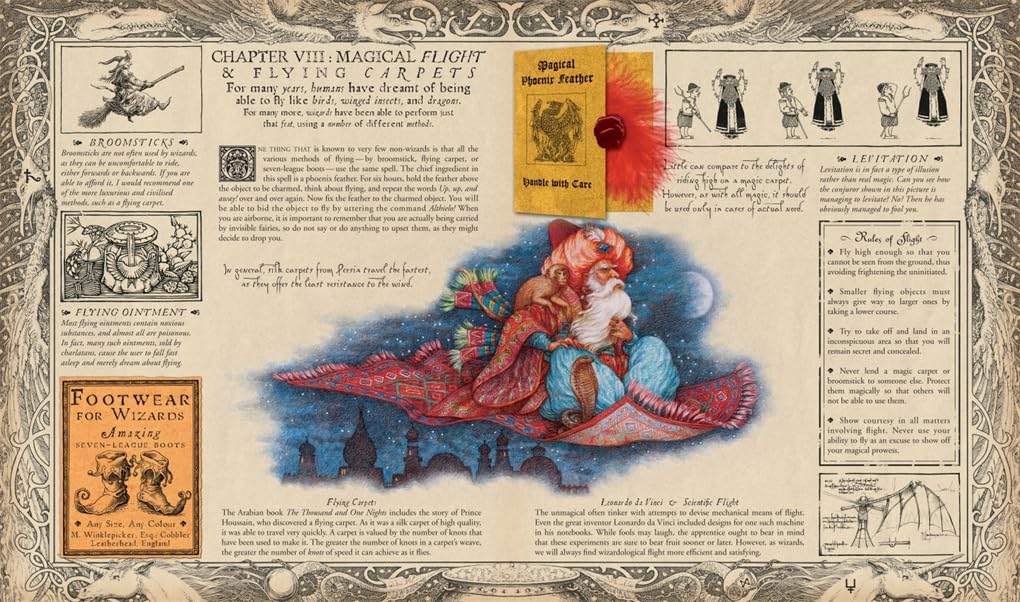
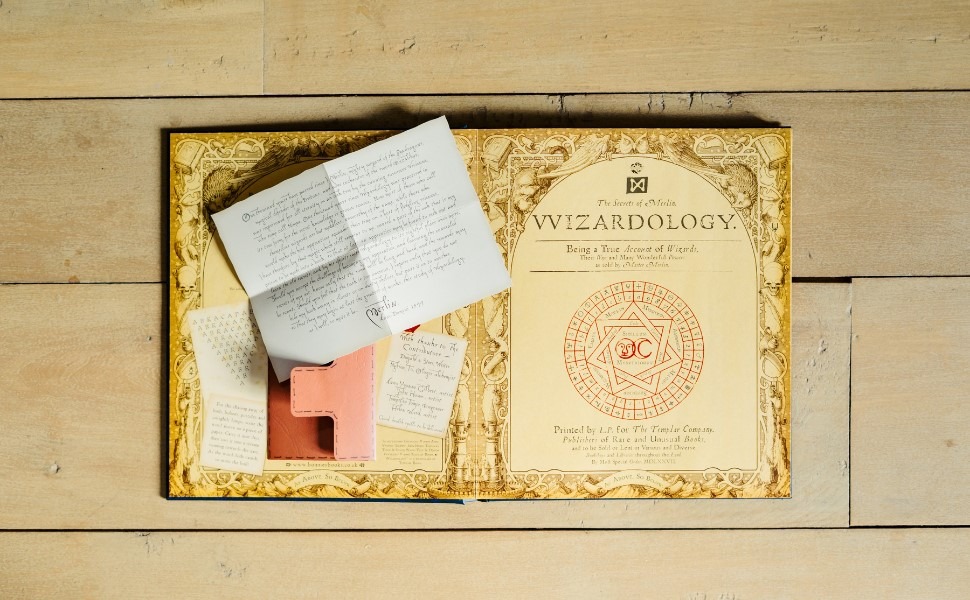
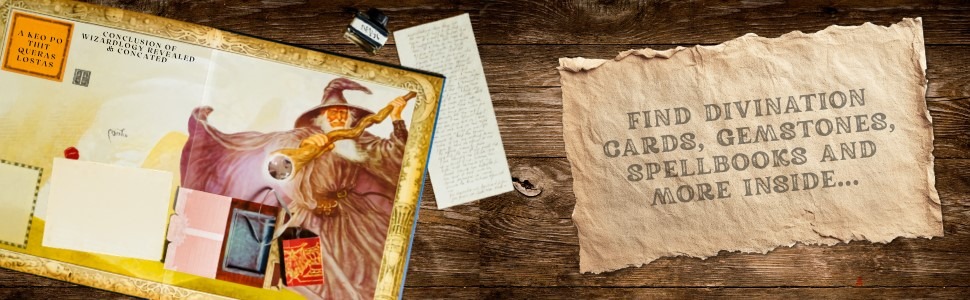
The anniversary edition keeps the super-engaging format that made this hardback gift book series stand out 20 years ago. This is not a standard chapter book. It is built as a mysterious physical object to read, handle and explore. The cover, page design, borders, inserts, flaps, surprises, cards, objects and fold-out details all form part of the reading experience.
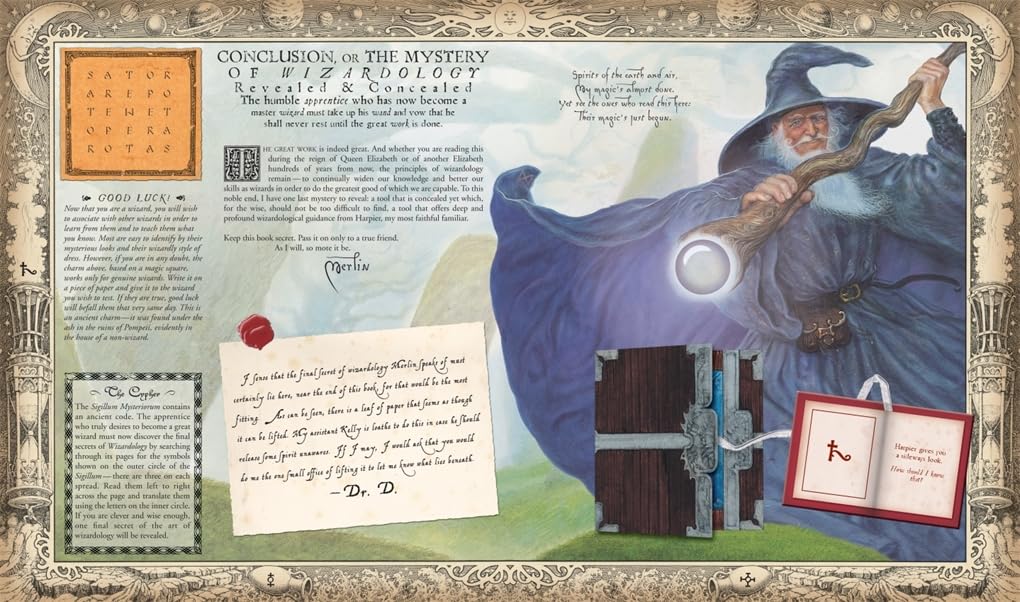
Each section covers a different part of the book’s imagined wizard world. Intrepid 9+ year-old readers move through subjects such as familiars, alchemy, crystal gazing, wands, potions and well-known wizards. Captions, labels, diagrams and short text blocks help break up the information, making the book easy to dip into rather than read in one sitting – ideal for classroom libraries in KS2.
The book itself works by cleverly treating its fantasy subject as fact. This gives primary-aged children a clear model for how information books are built, while also leaving room for imagination and invention. It uses the structure of a handbook, with entries, notes, artefacts and instructions, but the content belongs to a highly realised fantasy world of myth and magic.
For children who enjoy making books, maps, fact files or collections, Wizardology offers a brilliant starting point. It shows how layout, illustration, headings and small physical details can shape how a reader moves through a page. That makes it highly relevant for art, design, creative writing and collaborative classroom projects.
Our verdict:
Wizardology: 20th Anniversary Edition is well suited to readers who like fantasy, illustrated books and interactive formats. It also works well for children who are less drawn to long blocks of text, since there is plenty to inspect on each large-format double-paged spread.
The book is highly likely to appeal to upper Key Stage 2 readers, as well as older children in KS3 who remember the series or enjoy fantasy world-building. It can be read alone, shared at home, used in a book club, or placed in a classroom library where children can return to it in short bursts.
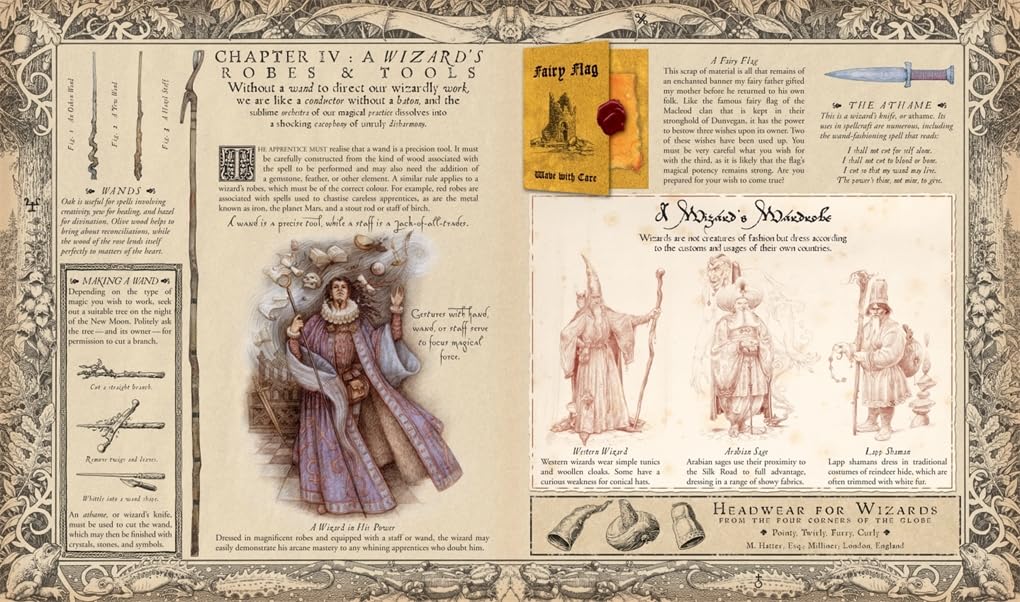
For teachers, particularly those in middle years, its value lies in the way it combines reading, design and imaginative writing. Pupils can study how the book creates authority through voice, layout and invented evidence. They can also use it as a model for their own guidebooks on invented worlds, historical topics or curriculum themes. It’s perfect for modelling how to structure ideas and how to present information in a captivating way.
This new edition also reminds readers that print books can offer forms of engagement that depend on paper, scale, touch and hidden detail, and not screens, animation or digital devices. In a classroom setting, that makes it a useful example of how book design is still a brilliant way to instil and develop curiosity and independent reading.
Teaching points and book club discussion ideas:
- How does the book make its invented world seem real?
- What features make this feel like a guide rather than a story?
- Choose one page and list the different ways information is presented.
- Create a class handbook for an invented subject, using headings, labels, diagrams and hidden details.
- Compare one spread with a nonfiction information book. What is similar? What is different?
- Design a new artefact that could be added to the book, such as a map, letter, spell card or field note.
- Write a short guide entry for a creature, object or place from your own fantasy world.
- Discuss why some readers prefer books with flaps, inserts, pictures and small details to explore.
Many thanks to Templar Books for the review copy.
To order a class set of this book, please click below to order via uk.bookshop.org, an organisation that supports local bookshops, or Amazon.co.uk.
Buy from UK.Bookshop.Org Buy from Amazon.co.uk
Disclosure: If you buy books using the buttons above, we may earn a commission from Bookshop.org, whose fees support independent bookshops; as an Amazon Associate, schoolreadinglist.co.uk earns from qualifying purchases.
Browse our Books for Year 5 list.