Early Reading Books for Children Learning to Read
Early reading books give children a manageable way into reading on their own. Short sentences, familiar words, repetition and helpful pictures keep things moving, while phonics based titles can reinforce sounds and patterns learnt at school. Crucially, the best books still feel like proper stories. They build fluency and confidence, but they also give children that important feeling of, “I read this myself.” This list features books by Julia Donaldson, Mo Willems, Tony Bradman, Narinder Dhami, Chitra Soundar, Ben Bailey Smith, Jenny McLachlan, Joanna Nadin, Saviour Pirotta, and Russell Punter.
Early Reading Books for Children Learning to Read books for children – our recommendations
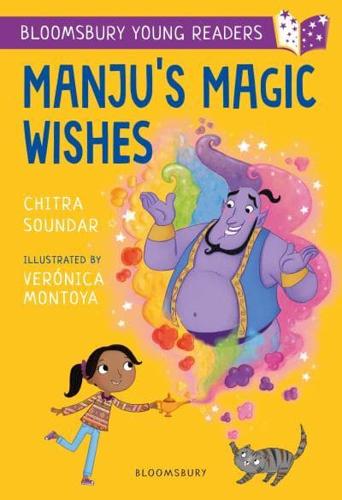
Manju’s Magic Wishes: A Bloomsbury Young Reader by Chitra Soundar, illustrated by Verónica Montoya
Manju needs a birthday present for her mum, but neither a toy elephant nor a robot seems quite right. When she and her cat Cumin discover Grandma’s magic lamp, seven wishes offer a tempting solution. Unfortunately, the magic soon fills the house with a rock band, aliens and pirates. This funny Purple Book Band story gives 6+ year olds a manageable independent read, with plenty of escalating silliness to keep the pages turning.
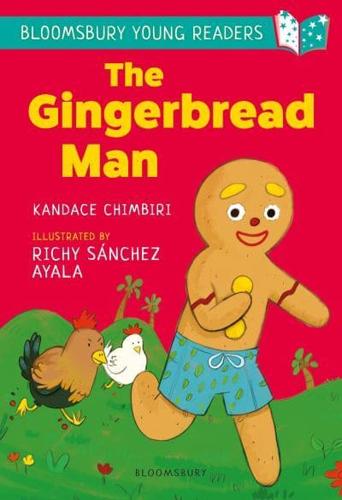
The Gingerbread Man: A Bloomsbury Young Reader by Kandace Chimbiri, illustrated by Richy Sánchez Ayala
An old woman hopes that baking a gingerbread man will bring her happiness, only for her creation to leap from the oven and make a dash for freedom. Soon much of the village is chasing him. Kandace Chimbiri gives the familiar tale a Caribbean twist and a fresh feel, while Richy Sánchez Ayala’s colourful illustrations support children tackling the story for themselves. This lively Turquoise Book Band retelling is well suited to 6+ year olds developing reading confidence.
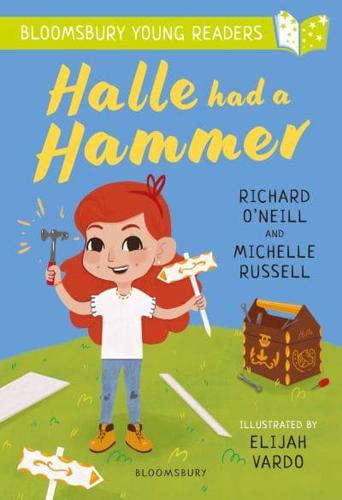
Halle had a Hammer: A Bloomsbury Young Reader by Richard O’Neill and Michelle Russell, illustrated by Elijah Vardo
Halle and her Romani Traveller family are skilled at making and repairing things, talents that prove useful when they visit a village preparing for its annual running race. After the previous year’s event was beset by problems, their truck full of tools and wood could help save the day. 6+ year olds can follow Halle’s practical problem solving in this Lime Book Band story, which brings a Travelling family into an upbeat tale about skills, cooperation and community.
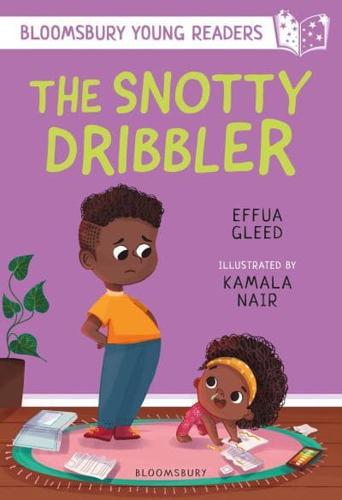
The Snotty Dribbler: A Bloomsbury Young Reader by Effua Gleed, illustrated by Kamala Nair
Blay is distinctly unimpressed with being a big brother. Baby Bethany is boring, annoying and, as the title suggests, rather snotty. His feelings become more complicated when she is taken to hospital one night and he realises just how much he worries about her. This warm sibling story for 6+ year olds mixes comedy with a believable change of heart. The White Book Band text and Kamala Nair’s bold illustrations make it an approachable step towards more sustained independent reading.
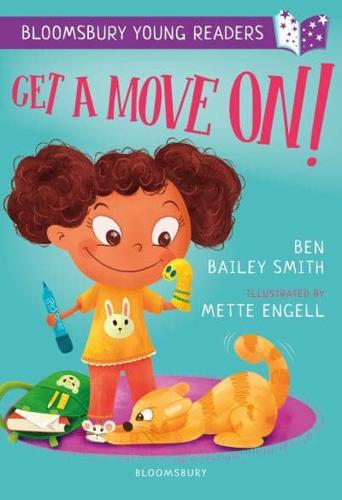
Get a Move On! A Bloomsbury Young Reader by Ben Bailey Smith, illustrated by Mette Engell
Monday morning at Maxine’s house is not going smoothly. Dad has ketchup on his sleeve and cannot find his yellow sock, Mum’s car refuses to start, and Maxine still has time in mind for toast and a puppet show. The everyday chaos gives Ben Bailey Smith plenty of room for comedy while keeping the story easy to follow. For 6+ year olds moving towards independent reading, this Purple Book Band story offers a familiar family setting, brisk pacing and plenty to smile about.
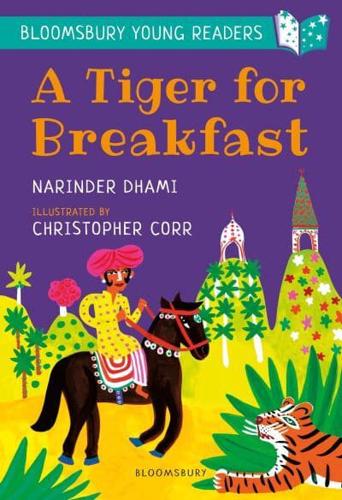
A Tiger for Breakfast: A Bloomsbury Young Reader by Narinder Dhami, illustrated by Christopher Corr
Ram the farmer faces a frightening demand from Bali the tiger: hand over his beautiful white cow or put his whole family in danger. Fortunately, Ram’s wife Reeta has a clever plan for dealing with the hungry tiger. Narinder Dhami retells an Indian folk tale with a strong problem solving thread and vibrant illustrations from Christopher Corr. The Turquoise Book Band story gives 6+ year olds a satisfying traditional tale to read with increasing independence.
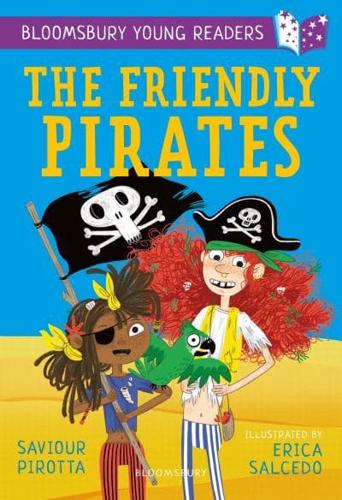
The Friendly Pirates: A Bloomsbury Young Reader by Saviour Pirotta, illustrated by Erica Salcedo
Adam, Amy and Ali have had enough of quiet life on Cutlass Island and long for the excitement of the big city. Their opportunity arrives with a passing ship, but hiding in a hamper full of costumes and tutus is only the start of an adventure involving sea monsters, ballet dancers and a swindling pirate. This Purple Book Band romp is pitched nicely for 6+ year olds, combining an accessible early reader format with the kind of gloriously unlikely pirate trouble that makes reading practice feel rather less like practice.
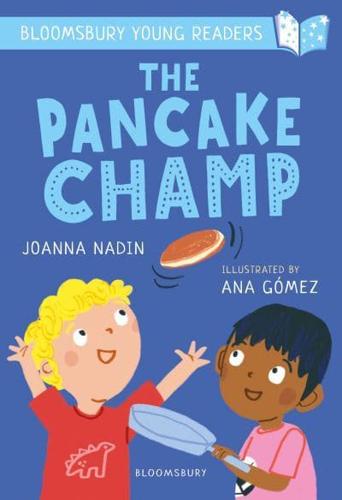
The Pancake Champ: A Bloomsbury Young Reader by Joanna Nadin, illustrated by Ana Gómez
Going to a new friend’s house for tea gives Manjit plenty to worry about. Perhaps Leon has a scary dog, perhaps his dad is a dragon, and worst of all, perhaps pancakes are on the menu. Joanna Nadin turns those anxieties into a funny story about friendship and trying unfamiliar food. 6+ year olds who recognise Manjit’s tendency to imagine the worst should find plenty to enjoy, while the Turquoise Book Band format and lively illustrations keep this first independent read inviting.
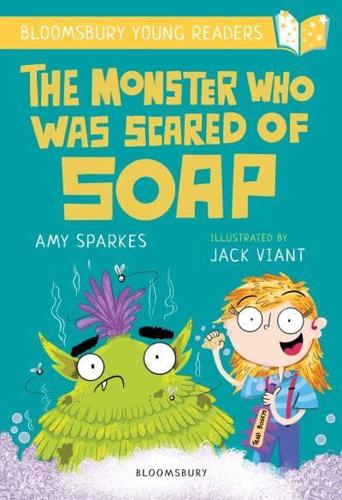
The Monster Who Was Scared of Soap: A Bloomsbury Young Reader by Amy Sparkes, illustrated by Jack Viant
Gerald is a monster with one particularly monstrous opinion: baths are horrible. His mum eventually calls in Maggie, a professional monster washer, in the hope that she can change his mind about getting clean. Amy Sparkes builds the joke into a cheerful story about bath time, friendship and facing something you dislike. This Gold Book Band comedy for 6+ year olds is short enough to feel achievable, with Jack Viant’s colourful illustrations providing plenty of visual support along the way.
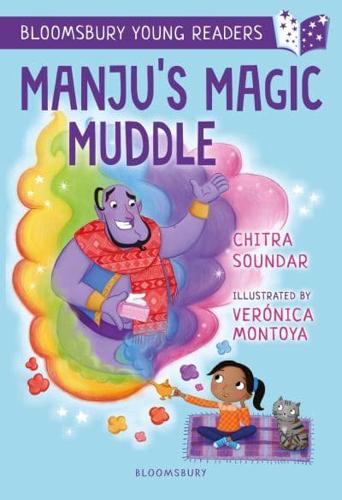
Manju’s Magic Muddle: A Bloomsbury Young Reader by Chitra Soundar, illustrated by Verónica Montoya
Bored at home, Manju summons the genie in search of some entertainment. Unfortunately he arrives with a dreadful cold and cannot hear her wishes properly, turning his already unpredictable magic into complete chaos. Children who met Manju and Cumin in Manju’s Magic Wishes will recognise the playful mixture of wishes and mishaps. The Gold Book Band story offers 6+ year olds a funny, manageable read, with misunderstandings providing both the plot and plenty of opportunities to predict what might go wrong next.
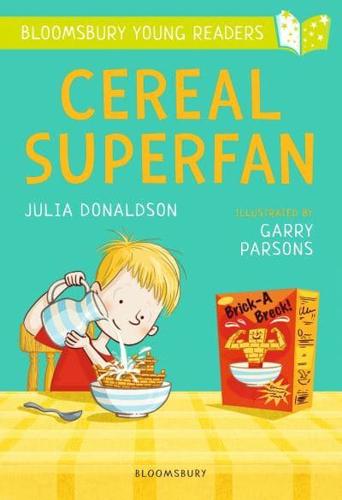
Cereal Superfan: A Bloomsbury Young Reader by Julia Donaldson, illustrated by Garry Parsons
Stephen Rice takes breakfast cereal very seriously, so running out of his favourite varieties is a genuine catastrophe. Then he discovers a competition offering a lifetime’s supply to whoever can invent the perfect cereal. Julia Donaldson turns the challenge into an inventive comic story, accompanied by Garry Parsons’ energetic illustrations. This Lime Book Band early reader lets 6+ year olds tackle a longer-feeling story without losing the visual fun, and Stephen’s cereal obsession gives the whole thing a wonderfully funny premise.
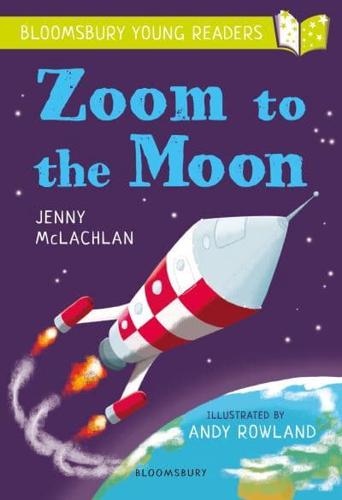
Zoom to the Moon: A Bloomsbury Young Reader by Jenny McLachlan, illustrated by Andy Rowland
A school trip to a space museum takes an unexpected turn when Reva and Bobby climb aboard Jupiter Two, a real rocket that has never actually made it into space. One countdown and a press of the big red button later, they are heading for the Moon. Space loving 6+ year olds can enjoy a proper adventure in a compact Lime Book Band format, with Andy Rowland’s illustrations helping children follow the action as Jenny McLachlan turns an ordinary museum visit into something considerably more exciting.
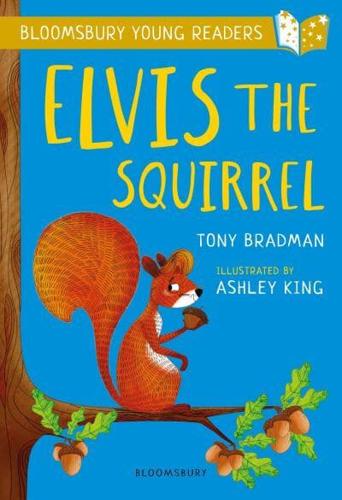
Elvis the Squirrel: A Bloomsbury Young Reader by Tony Bradman, illustrated by Ashley King
Elvis the squirrel is fond of food and adventure, but rescuing his best friend is a more serious challenge. Chuck has been carried away by Ronnie, the biggest and meanest raven in the wood, leaving Elvis to devise a plan and persuade the local garden birds to help. Friendship, wildlife and a touch of peril give this Gold Book Band story plenty of momentum. It is a lively independent read for 6+ year olds who enjoy animal characters and a rescue mission.
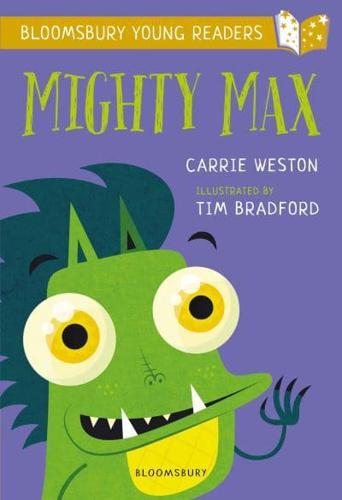
Mighty Max: A Bloomsbury Young Reader by Carrie Weston, illustrated by Tim Bradford
Max looks like the other monsters in his family, complete with yellow eyes, sharp teeth and a spiky tail, but he has one habit that sets him apart: he loves showing off. Performing tricks for the children visiting Blue Lake is fun until one display lands him in more trouble than expected. Carrie Weston’s warm monster adventure is designed for 6+ year olds gaining independence with books. The Gold Book Band format, short chapters and Tim Bradford’s illustrations make Max’s predicament pleasantly manageable.
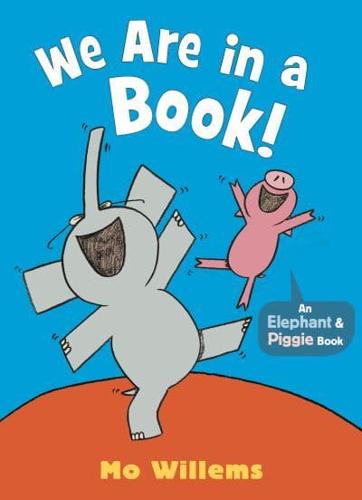
We Are in a Book! by Mo Willems
Gerald and Piggie make a remarkable discovery: someone is reading them. From there, Mo Willems turns the physical book itself into part of the joke as the friends enjoy their audience and begin wondering what happens when the pages run out. Told through speech bubbles and familiar, repeated language, the story gives children plenty they can tackle for themselves. For 4-8 year olds learning to read, the comic timing and expressive pictures make a deceptively simple text enormous fun to perform aloud.
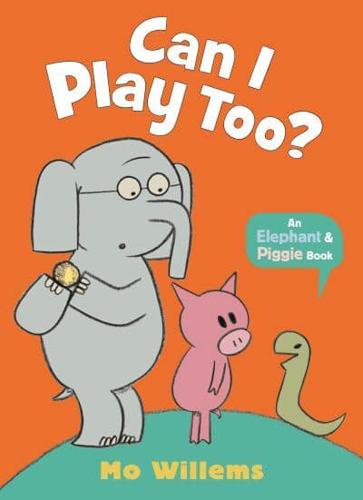
Can I Play Too? by Mo Willems
Gerald and Piggie are playing catch when Snake asks to join them. There is one fairly obvious complication: Snake has no arms. Rather than giving up, the friends experiment with ways to make the game work for everyone. The simple dialogue, speech bubbles and wonderfully expressive reactions carry much of the humour. This Elephant and Piggie story gives 4-8 year olds an accessible early reading experience while quietly exploring inclusion, adaptability and the pleasures of finding a solution together.
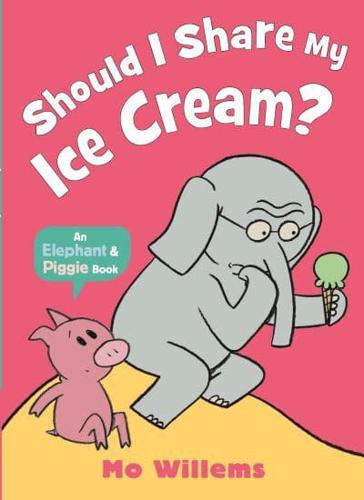
Should I Share My Ice Cream? by Mo Willems
Gerald has an ice cream and a dilemma: should he share it with his best friend Piggie? What sounds like a small decision becomes a very funny internal debate as Gerald weighs up generosity, temptation and the danger of thinking for far too long. Mo Willems uses sparse dialogue and expressive pictures to make every hesitation count. 4-8 year olds beginning to read independently can follow the story through familiar vocabulary and speech bubbles, with friendship providing the gentle emotional payoff.
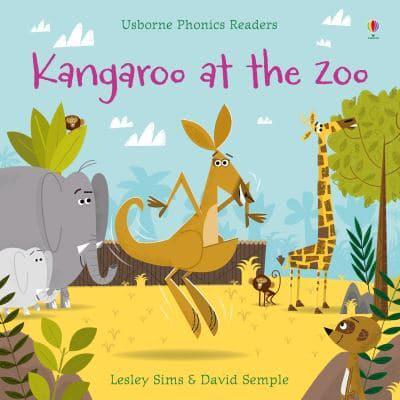
Kangaroo at the Zoo by Lesley Sims, illustrated by David Semple
A new kangaroo arrives at the zoo in this cheerful phonics story built around rhyme, repetition and plenty of animal fun. The short text gives beginning readers repeated opportunities to hear and recognise sound patterns, while David Semple’s colourful illustrations help carry the meaning. For 3+ year olds learning to read, it works particularly well for sharing together before children have a go at familiar words and phrases themselves. Notes for adults offer extra guidance on phonics and shared reading.
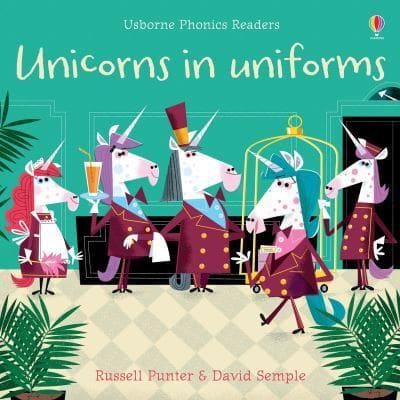
Unicorns in Uniforms by Russell Punter, illustrated by David Semple
The Snazzy Hotel is opening its doors, and its unicorn staff are smartly dressed and ready for their first VIP guest. Unfortunately, they are also spectacularly clumsy, and one mishap follows another. Russell Punter’s rhyming text turns the escalating hotel disasters into phonics practice with a comic payoff. 3+ year olds beginning to read can enjoy the lively wordplay, while notes for adults offer extra phonics support and online audio provides another way to explore the story. David Semple’s busy illustrations add plenty to spot along the way.
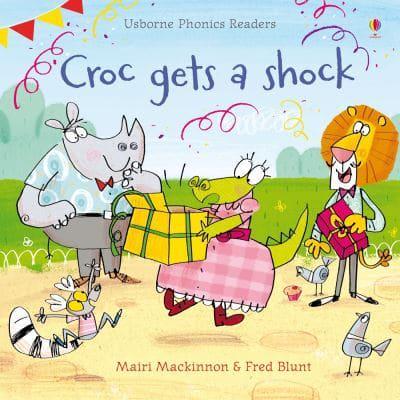
Croc gets a Shock by Mairi Mackinnon, illustrated by Fred Blunt
Croc is late for almost everything, including her own birthday party. She sleeps through the alarm, misses the bus and develops a stubborn case of hiccups, but a surprise present may yet rescue the day. Rhyming text and repeated sound patterns make the story useful for children beginning to decode words, while Fred Blunt’s lively illustrations keep Croc’s increasingly troublesome day easy to follow. This funny phonics reader gives 3+ year olds plenty of support as they begin tackling words and sentences for themselves, with guidance for adults included at the back.
Click the buttons below to purchase all of the books in this early reading books list, as well as class sets of any of these books and many more, from Bookshop.org UK. Or buy the 20 most popular titles from this list from Amazon – ideal for gifts or your classroom library.
Buy from UK.Bookshop.Org Buy from Amazon.co.uk
Disclosure: If you buy books using the buttons above: we may earn a commission from Bookshop.org, whose fees support independent bookshops; as an Amazon Associate schoolreadinglist.co.uk earns from qualifying purchases.
Schools & teachers: please respect copyright and don’t copy our books for children learning to read list. If you find our book recommendations useful, please consider sharing on social media or linking to this page instead. Thanks.
Early Reading Books for Children Learning to Read resources for teachers
- The Department for Education’s Reading Framework provides detailed guidance on teaching children to read, including systematic synthetic phonics, choosing and using decodable books, developing fluency, supporting children who fall behind and building a reading for pleasure culture.
- Schools in England can use the DfE’s validated systematic synthetic phonics programme list to check programmes designed to take children from the beginning of Reception towards fluent reading and the expected standard in the Year 1 phonics screening check.
- The English Hubs programme offers primary schools in England support with early reading, systematic synthetic phonics, early language and reading for pleasure, including CPD and, for eligible schools, more intensive support.
- The Education Endowment Foundation’s Improving Literacy in Key Stage 1 guidance brings together evidence and practical recommendations on phonics, reading accuracy, fluency, comprehension and helping pupils who need additional support.
- The National Literacy Trust offers free practitioner guidance on supporting reading in the early years, with advice on communication and language, preparing children for reading and planning high-quality experiences with books and stories.
- BookTrust’s guide to supporting reading as children start school combines research with practical ideas for teachers and early years professionals, including ways to balance learning to read with keeping books enjoyable and involving parents and carers.
- Oxford Owl provides a free eBook library for children aged 3-11, including phonics and early reading books from schemes such as Oxford Reading Tree and Read Write Inc. Registration is required, and books can be filtered to help children practise reading at an appropriate level.
- PhonicsPlay offers phonics games, decodable comics, teaching ideas and activities for practising skills such as blending and applying letter-sound knowledge. A selection of resources is available free, with additional materials for subscribers.
BISAC JUV043000, JNF045000. | Thema YPCA2, YPCA21, YPCA24.