Swimming books for children and teens
Swimming books for children and teens bring the excitement of the pool onto the page. Younger children can meet familiar characters taking their first swimming lessons, while older pupils discover team competitions, friendship stories, graphic novels and accounts of Olympic and Paralympic athletes. The selection includes learning to swim, building water confidence, artistic swimming and the dedication required to train at a high level. Fiction and non-fiction offer opportunities for reading across the curriculum, including sport, personal development and water safety. This list features books by Lucy Cousins, Jean Adamson, Claire Cashmore, David Almond, Johnnie Christmas, Ellie Simmonds, Charli Howard, Nat Luurtsema, Yusra Mardini, and Katie Ledecky.
Swimming books for children and teens – our recommendations
Swimming story picture books for 3-7 year olds
We Can Be Mermaids by Lanisha Butterfield, illustrated by Raissa Figueroa
Silver loves swimming and dreams of becoming a mermaid, but her dad can’t swim and always stays at the side of the pool. At home, Silver loves her mermaid world of stories, games and cupcakes, but she starts to worry that following her swimming dreams will mean leaving her dad behind. In this outstanding picture book for 3+ year olds, Lanisha Butterfield turns that worry into a warm-hearted story about family support, swimming accessibility and a love of the water. The illustrations by Raissa Figueroa are a particular highlight. Perfect for reading and sharing in EYFS classes.

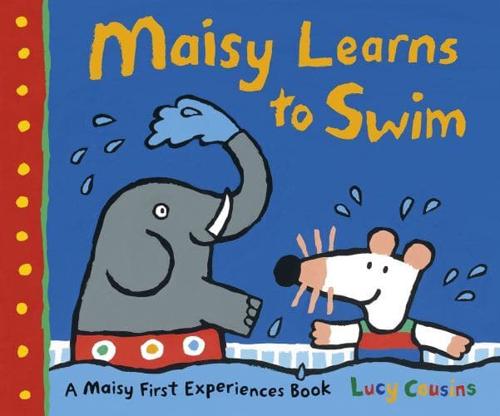
Maisy Learns to Swim by Lucy Cousins
Maisy is going to her first swimming lesson, and the unfamiliar changing room and enormous pool make her feel nervous. Friends Eddie and Tallulah join her, while Poppy the hippo teaches the group to float, kick and blow bubbles. In this picture-book story for 3-5 year olds, small steps build towards feeling comfortable in the water. Lucy Cousins uses recognisable first-lesson experiences and Maisy’s familiar animal friends to show what happens during a swimming session.
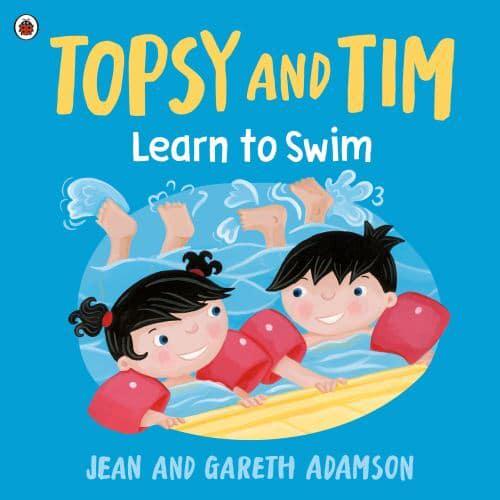
Topsy and Tim: Learn to Swim by Jean Adamson, illustrated by Belinda Worsley
Topsy and Tim visit the swimming pool and begin lessons together. The twins practise in the water, progress beyond using armbands and eventually take part in a swimming competition. Their experiences follow a sequence that children can recognise from swimming classes and school pool visits. Belinda Worsley’s illustrations accompany Jean Adamson’s everyday story, giving families a way to talk about changing rooms, instructors, equipment, confidence and the excitement of learning a new skill.
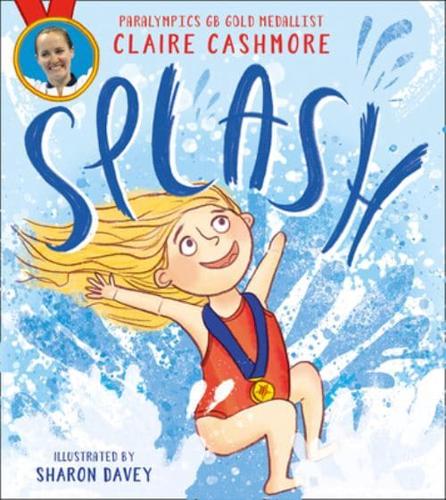
Splash by Claire Cashmore, illustrated by Sharon Davey
Claire enjoys keeping up with her older sisters, who call her Bear, but the swimming pool makes her uneasy. Born with a limb difference, she watches the others enjoying the water and must decide when she is ready to join them. Based on Paralympic swimmer Claire Cashmore’s childhood, this illustrated story centres on family encouragement, persistence and water confidence.
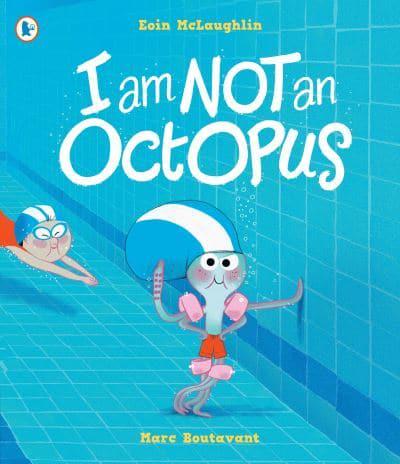
I Am Not An Octopus by Eoin McLaughlin, illustrated by Marc Boutavant
Terry insists he is an ordinary fellow, despite having several more arms than most people. He is fond of tuna and dreams of visiting Super Octopus Fantasea Adventure World, but there is one problem: he is frightened of water. Learning to swim becomes a question Terry must face. Eoin McLaughlin builds this comic picture book for 3-7 year olds around a character’s reluctance and growing courage.
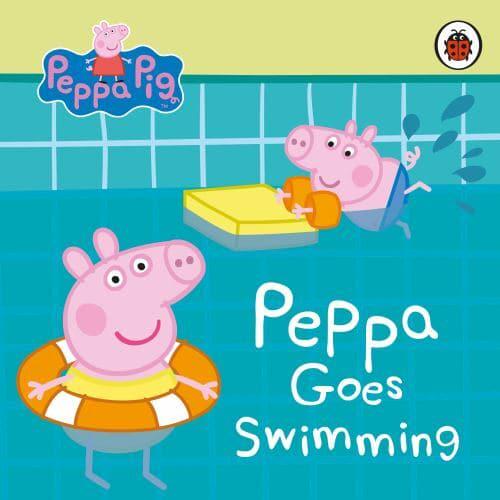
Peppa Pig: Peppa Goes Swimming by Peppa Pig
Peppa goes to the pool with George, Mummy Pig and Daddy Pig. It is George’s first swimming visit, and he feels nervous when he sees the water. With his family beside him, he begins to splash and enjoy himself. This short board-book story uses a familiar family outing to introduce the swimming pool to young children. The simple narrative gives parents and nursery staff an opening to discuss first visits, encouragement and playing in water with adult supervision.
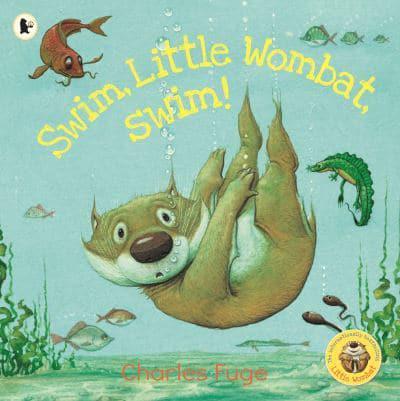
Swim, Little Wombat, Swim! by Charles Fuge
Little Wombat meets Platypus, an unusual new friend with an extraordinary talent for swimming. When Platypus offers to teach him, Wombat is keen to try, although Rabbit and Koala are unsure whether their friend belongs in the water. The resulting animal story brings friendship and learning together at the water’s edge.
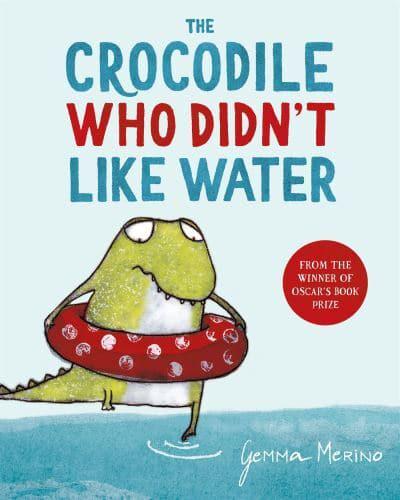
The Crocodile Who Didn't Like Water by Gemma Merino
A young crocodile feels different from his brothers and sisters because they love swimming and he prefers activities on land. He would rather climb trees, and he begins to wonder why water seems so much less appealing to him than to everyone else. Gemma Merino’s illustrated story uses the family’s poolside habits to develop a playful account of difference and self-discovery. Its contrasting animal characters invite discussion about confidence, expectations and enjoying activities in individual ways.
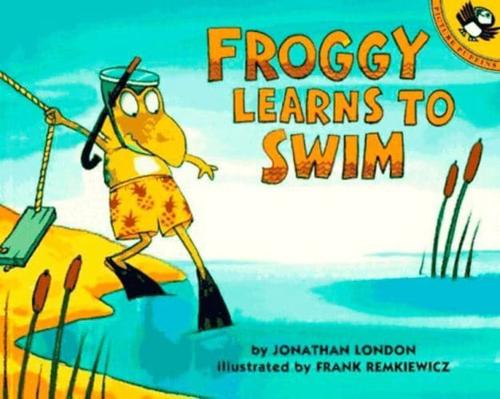
Froggy Learns to Swim by Jonathan London, illustrated by Frank Remkiewicz
Froggy is a frog with an unexpected problem: he is afraid of water. His mother encourages him to try swimming, and a series of practice attempts, movements and songs helps him gain confidence. Jonathan London’s lively dialogue and repeated sound effects turn the lesson into a read-aloud story, while Frank Remkiewicz illustrates Froggy’s changing expressions and enthusiastic antics. Children preparing for swimming lessons can recognise the mixture of hesitation, encouragement and pleasure that comes with learning to move through water.
Swimming books for children aged 7-12
The Girl Who Became a Fish by Polly Ho-Yen, illustrated by Sojung Kim-McCarthy
Young Ita is plagued by phobias is this immersive and heart-warming story for readers aged 7+. When she learns that she can turn into a fish, suddenly she is able to confront her fear of water. Polly Ho-Yen’s warm delivery deftly navigates themes of anxiety, transition and change, and young readers will be encouraged to think about how to overcome fears and confront what makes them uncomfortable. With charming and empathetic illustrations by Sojung Kim-McCarthy, this first independent chapter book is recommended for Years 2-4.

Son of the Sea by Richard Pickard
Casper dreams of swimming but has to hide his uniquely webbed feet. But then he discovers how he’s linked to the sea and his life changes forever. Perfect for more able readers in Year 4, Son of the Sea will make for an enthralling and thought-provoking class reader and or a sparkling tale of positivity for 9+ year-olds. Read Tracy Wood’s review.

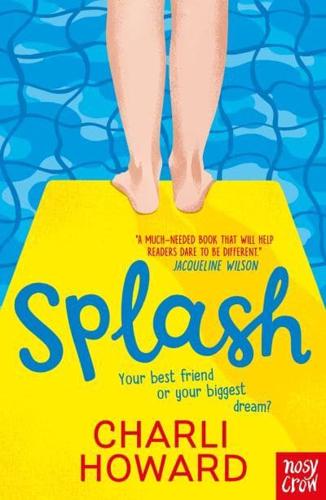
Splash by Charli Howard
Molly wants to become an Olympic swimmer, but life in her final year of primary school is complicated by her controlling friend Chloe and the unexpected return of her mother. A regional swimming competition gives her an opportunity to pursue her own ambitions. This contemporary novel for 9-12 year olds places swimming alongside friendship, self-image and independence. The scenes around training and competition give the story its sporting purpose, while Molly’s changing relationships drive her decisions.
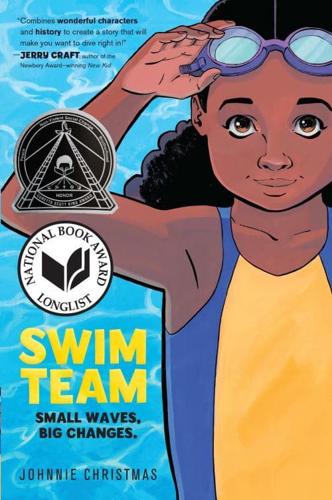
Swim Team by Johnnie Christmas
Bree arrives at a new school and discovers that her timetable has landed her in Swim 101. She fears the water, but Etta, an older neighbour and former swimmer, helps her practise. Soon Bree becomes involved in the school’s Mighty Manatees team and its hopes of success in competition. Johnnie Christmas tells the story through full-colour graphic-novel artwork, combining swimming races, team relationships and a strand of the sport’s history. The visual format makes the action clear for children who enjoy comics.
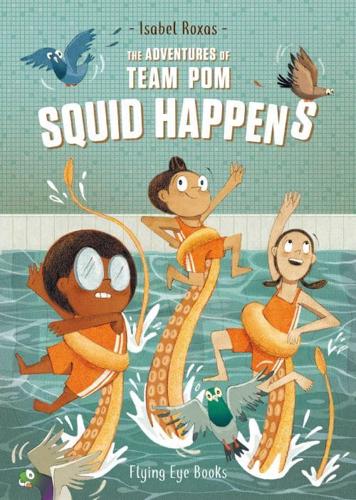
The Adventures of Team Pom: Squid Happens by Isabel Roxas
Agnes, Roberta and Ruby share a love of synchronised swimming and decide to form their own club, Team Pom. Their training competes with favourite television programmes, snacks and pigeon keeping, and their adventures take an unexpected turn when they encounter a giant squid in the pool. Isabel Roxas’s graphic novel for 8-12 year olds brings together aquatic routines, an unusual friendship group and absurd humour. Colourful comic panels and lively dialogue carry the story from swimming practice into an eccentric mystery.
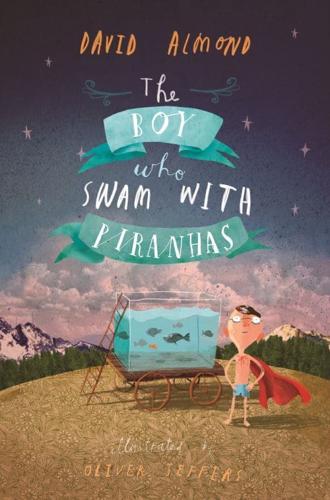
The Boy Who Swam with Piranhas by David Almond, illustrated by Oliver Jeffers
Stanley Potts lives with his aunt and uncle, whose fish-canning business has taken over their home. A journey away from Fish Quay leads Stan to Pancho Pirelli, a performer famous for swimming with piranhas. David Almond uses this remarkable aquatic act as part of a story about courage, independence and finding a different future. Oliver Jeffers contributes the illustrations. The novel for 9-12 year olds brings together a distinctive setting, eccentric characters and the prospect of an extraordinary swimming performance.
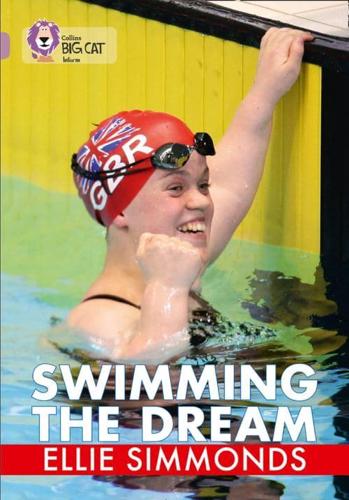
Swimming the Dream by Ellie Simmonds
Paralympic swimmer Ellie Simmonds recounts her early life and sporting achievements in this short illustrated autobiography from Collins Big Cat. Personal photographs accompany the story of her training, competitions, experiences of achondroplasia and ambitions as a young athlete. It’s an ideal non-fiction text for developing comprehension and sustained independent reading. Swimming is central throughout, making the book valuable for linking an athlete’s own account with conversations about determination, disability and Paralympic sport.
EDGE: Sporting Heroes: Adam Peaty by Roy Apps, illustrated by Alessandro Valdrighi
Roy Apps introduces breaststroke champion Adam Peaty through an illustrated sporting biography. The account traces Peaty’s development as a swimmer and his progress to Commonwealth gold medals and world records. Colour artwork by Alessandro Valdrighi includes graphic-novel-style panels, and the series uses off-white paper and a reading font intended to support access to the text. Its straightforward treatment of training and competition makes a major British swimming figure available to children who enjoy shorter sporting non-fiction.

Yusra Swims by Julie Abery, illustrated by Sally Deng
Julie Abery tells the true story of Yusra Mardini, a talented Syrian swimmer whose family circumstances force her to leave home. The journey to safety involves crossing the sea, and she eventually reaches Germany, where she resumes training and pursues her Olympic ambition. Sally Deng illustrates the narrative, which uses concise verse to move from Yusra’s childhood in Syria to her sporting achievements. This biographical picture book introduces children to swimming, displacement and the determination behind an international sporting journey.
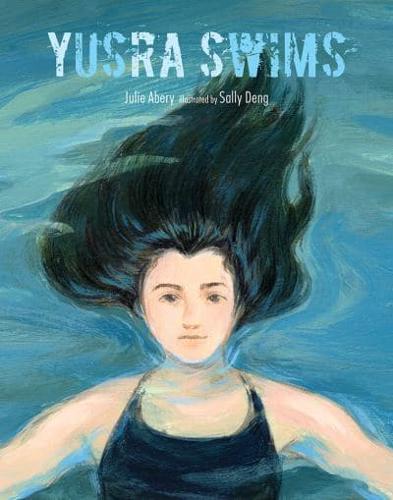
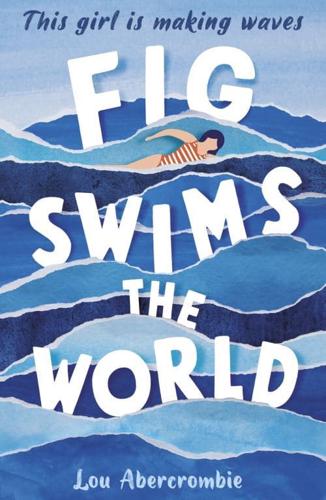
Fig Swims the World by Lou Abercrombie
Fig Fitzsherbert is caught up in family expectations and a challenge that turns her attention towards swimming. Her decision to attempt an extraordinary swimming journey is especially demanding because she has not yet learned to swim. Lou Abercrombie’s contemporary novel links the practical experience of learning a sport with questions about friendship, family and deciding what matters personally. It gives older primary children a character whose ambitions require practice, perseverance and the courage to begin something unfamiliar.
Swimming books for teens
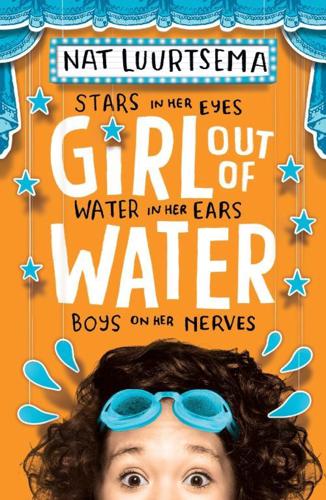
Girl Out of Water by Nat Luurtsema
Lou Brown’s plans fall apart when she fails to qualify at the Olympic swimming trials while her best friend Hannah succeeds. Her training routine and friendship change overnight, until three boys recruit her for a synchronised-swimming performance. Nat Luurtsema’s British teenage comedy uses competitive swimming as the starting point for a story about disappointment, belonging, friendship and finding a new interest. The awkward rehearsals and approaching talent show give Lou an entirely different way of working in the water.
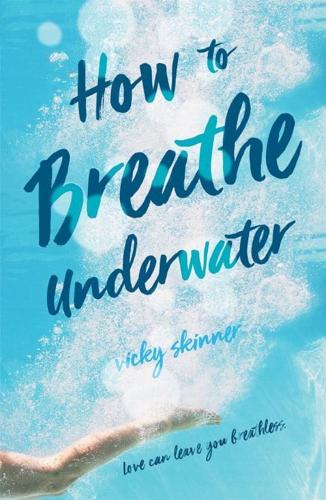
How to Breathe Underwater by Vicky Skinner
Kate has spent years working towards success in competitive swimming under the pressure of her father, who also coaches her. When a family betrayal leads to a move and a new school, she questions her commitment to the sport that has shaped her life. Meanwhile, a friendship with her neighbour Michael complicates her fresh start. This contemporary YA novel connects swim-team expectations and training with family relationships, personal choices and first love.
Coming Up for Air by Miranda Kenneally
Maggie is a dedicated swimmer, spending much of her time training for university scholarships and a chance to qualify for the Olympics. Her friend and teammate Levi has already secured an Olympic trial, adding to the pressure she feels. A university visit makes Maggie consider the school experiences she has missed outside the pool. In this absorbing YA romance, swimming remains central as Maggie balances ambitious sporting goals, friendship and changing feelings towards Levi.

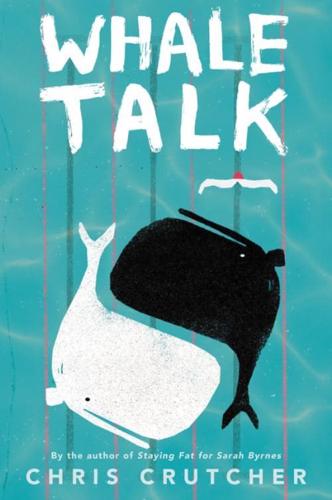
Whale Talk by Chris Crutcher
T. J. Jones is tired of the status that traditional school athletes enjoy at Cutter High, so he brings together a group of outsiders to form a swimming team. Their unusual project challenges the school’s assumptions about sporting achievement and who deserves recognition. Chris Crutcher’s YA novel combines training, team identity and sharp observations about prejudice, bullying and friendship. The swimmers’ experiences create a sporting story in which earning respect matters as much as results in the pool.
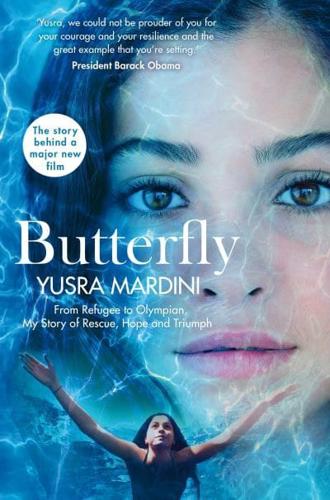
Butterfly: From Refugee to Olympian, My Story of Rescue, Hope and Triumph by Yusra Mardini
Yusra Mardini recounts her experience as a young competitive swimmer in Syria, her escape from war and the journey that eventually leads her to train in Germany. She describes helping to guide an overloaded boat to safety during the crossing to Greece and later representing the Refugee Olympic Team. Her memoir connects the disciplines of swimming with displacement, recovery and international competition. Older secondary pupils can consider how sporting ambition continues through profound changes in a young person’s life.
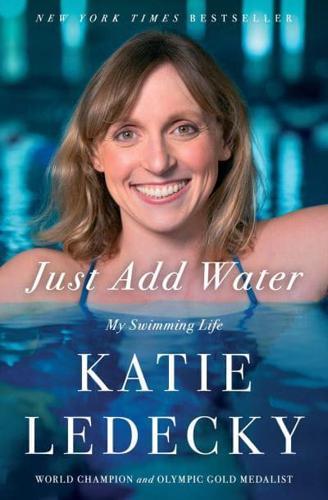
Just Add Water: My Swimming Life by Katie Ledecky
Olympic champion Katie Ledecky traces her relationship with swimming from childhood games at a local pool to international competition. She writes about family support, coaching, training, studying at Stanford University and managing expectations at major championships. The memoir also considers how she sets goals while retaining the pleasure she finds in competing. For older teenage swimmers, this first-person account supplies detail about the routine behind elite performance and the many people involved in an athlete’s progress.
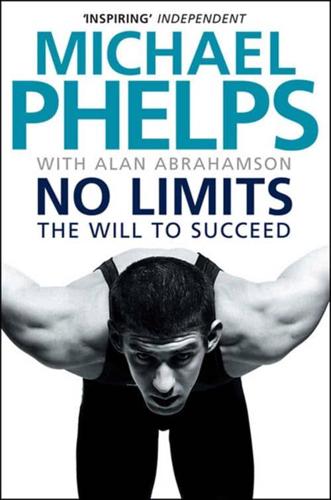
No Limits: The Will to Succeed by Michael Phelps and Alan Abrahamson
Olympic swimmer Michael Phelps and sportswriter Alan Abrahamson examine the work behind Phelps’s achievements in the pool. Training routines, preparation for competition, motivation and support from coaches and family all feature in the account, with particular attention to the 2008 Beijing Olympics. This sporting autobiography gives older secondary pupils material for thinking about setting goals, managing expectations and the practical commitment involved in top-level swimming. Phelps’s reflections link individual races to a longer sporting career.
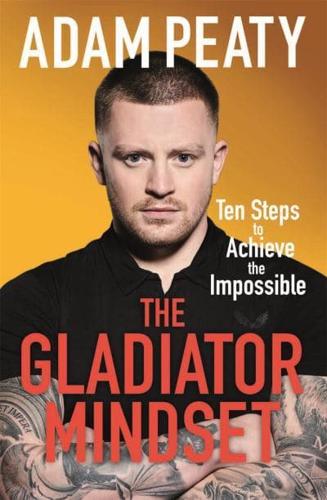
The Gladiator Mindset by Adam Peaty
British swimmer Adam Peaty sets out ten approaches to motivation, confidence and personal development, drawing on the thinking behind his sporting career. His advice addresses setting demanding goals, developing a resilient attitude and applying lessons from competition in everyday life. The handbook gives older secondary pupils a swimmer’s perspective on mental preparation and disciplined practice. Its connections to elite sport make it particularly relevant for teenagers interested in training, personal ambitions and the psychology of competitive performance.
Click the buttons below to purchase all of the books in this swimming books for children and teens list, as well as class sets of any of these books and many more, from Bookshop.org UK. Or buy all the titles from this list from Amazon – ideal for gifts or your classroom library.
Buy from UK.Bookshop.Org Buy from Amazon.co.ukDisclosure: If you buy books using the buttons above: we may earn a commission from Bookshop.org, whose fees support independent bookshops; as an Amazon Associate schoolreadinglist.co.uk earns from qualifying purchases.
Schools & teachers: please respect copyright and don’t copy our swimming books for children and teens list. If you find our book recommendations useful, please consider sharing on social media or linking to this page instead. Thanks.
Swimming resources for teachers
- The Department for Education sets out England’s national curriculum requirements for swimming and water safety, including swimming at least 25 metres, using different strokes effectively and performing safe self-rescue. Useful for planning and assessing school swimming provision in KS1 and KS2.
- Swim England provides a curriculum swimming and water safety resource pack, including guidance for primary schools, swimming teachers and pool operators. Topics include lesson planning, assessing swimming competence, supporting pupils with additional needs and using the Primary PE and Sport Premium.
- The Swim England School Swimming and Water Safety Charter offers registered schools access to digital teaching resources, swimming lesson plans, assessment guidance, videos and downloadable certificates. The programme supports teachers in delivering the three national curriculum swimming and water safety outcomes.
- Swim Safe, a joint initiative from Swim England and the RNLI, provides free classroom resources about outdoor swimming and water safety. Materials include PowerPoint presentations, lesson plans, assembly resources, classroom games and activity sheets exploring beach flags, water hazards and planning safe visits to the coast or lakes.
- The RNLI’s education website features free downloadable lesson plans, videos, interactive activities and printable resources for pupils aged 3-18. Topics include cold water shock, beach safety, identifying hazards, floating to survive and responding to emergencies. Resources are organised by age group and include links to UK curricula.
- The Royal Life Saving Society UK provides free water safety resources for 5-7 year olds and 7-11 year olds. These include assemblies, classroom lessons, role-play cards, posters, wordsearches and activities exploring swimming pool safety, beaches, rivers, canals and winter water hazards.
- For secondary schools, the Royal Life Saving Society UK offers downloadable water safety lessons and activity packs for 11-14 and 14-16 year olds. Resources include cross-curricular science and geography activities that encourage pupils to identify hazards, assess risks and make safer decisions around water.
- The Royal Life Saving Society UK’s SEND resource collection includes adapted water safety lesson plans, visual stories, symbol-supported materials, presentations and resources for pupils with visual impairments. There are separate resources for primary and secondary-aged learners, including accessible activities about swimming pools and open water.
- The Canal & River Trust’s Explorers programme offers free water safety teaching materials for EYFS, KS1 and KS2. Activities include hazard-spotting posters, worksheets, films, classroom challenges and games designed to help children recognise dangers around canals, rivers and other inland waterways.
- Education Scotland provides water safety teaching resources developed with Water Safety Scotland and partner organisations. Materials include lesson plans, activities, videos and illustrated guidance about cold water, lochs, rivers, coastal environments and emergency responses, with links to Scotland’s Curriculum for Excellence.
- Scottish Swimming’s Learn to Swim website features swimming technique demonstrations, water safety advice and games to develop confidence in the pool. Activities for preschool and school-aged children encourage fundamental aquatic skills, including breathing, movement and water confidence, alongside videos demonstrating different swimming strokes.
- For teachers in Wales, Water Safety Wales provides Curriculum for Wales-aligned lesson approaches, presentations, quizzes, wordsearches and hazard-identification activities. The Swim Wales Nofio Ysgol programme also provides information about the national school swimming and water safety initiative, including classroom resources, inclusive provision and swimming instruction for Years 4 and 5.
BISAC JUV032060, JNF054150, YAF059130. | Thema YFR, YNWW, YFB.