Shakespeare books for children and teens
Shakespeare books for children and teens open the door to enchanted forests, mistaken identities, fierce rivalries and unforgettable speeches. These recommendations range from picture-book retellings and illustrated biographies to historical adventures, contemporary YA reimaginings and thoughtful sixth-form reading. Together they introduce the plays, explore the world of Elizabethan theatre and show how writers continue to adapt Shakespeare’s characters and ideas. There are books for sharing aloud, studying in class and following up after a performance. This list features books by William Shakespeare, Michael Morpurgo, Malorie Blackman, Michael Rosen, Marcia Williams, Susan Cooper, Chloe Gong, Maggie O’Farrell, Emma Smith, and Judi Dench.
Shakespeare books for children and teens – our recommendations
Shakespeare picture books for 3-7 year olds
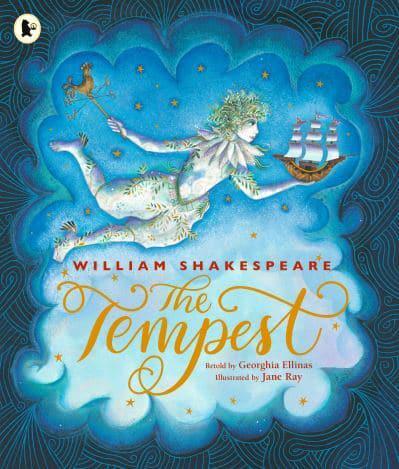
The Tempest by Georghia Ellinas, illustrated by Jane Ray
Ariel, the spirit at the centre of Shakespeare’s island play, tells the story in this richly illustrated retelling. Prospero’s magic brings a ship to the island, where old grievances, new friendships and hopes of reconciliation shape the action. Jane Ray’s pictures give the storm, its extraordinary setting and the characters a vivid visual presence. Ideal for 4-8 year olds, this picture book opens up themes of power, forgiveness and freedom through a story that works particularly well when shared aloud.
The First Works of Shakespeare by Adam Thompson
Six famous Shakespeare plays are introduced in their simplest form, with short descriptions of the stories, opening words from the plays and Erica Harrison’s vibrant board-book illustrations. For very young readers, it offers an accessible and engaging first look at Romeo and Juliet, A Midsummer Night’s Dream and other familiar stories. Highly recommended.

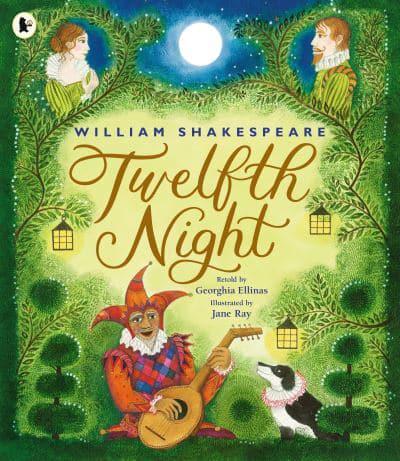
Twelfth Night by Georghia Ellinas, illustrated by Jane Ray
Feste the Fool takes charge of this colourful introduction to Shakespeare’s comedy of disguise and mixed-up identities. In Illyria, Viola’s arrival sets a chain of misunderstandings in motion, and affection does not always reach the person for whom it was intended. Jane Ray’s detailed artwork helps children follow the different characters and their changing fortunes. The picture-book retelling for 5-9 year olds brings humour, music and the excitement of a stage comedy into a format for sharing and discussion.
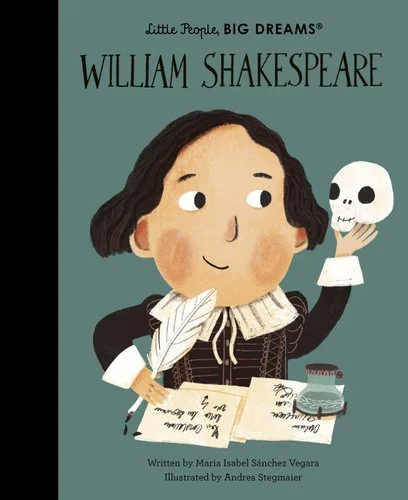
William Shakespeare by Maria Isabel Sánchez Vegara, illustrated by Andrea Stegmaier
How did a boy from Stratford-upon-Avon become one of the world’s most frequently performed playwrights? This illustrated biography in the Little People, BIG DREAMS series introduces Shakespeare’s early life, his interest in words and the plays that made his name. Andrea Stegmaier’s artwork presents a recognisable historical figure in bright, uncluttered scenes. Short passages of text make the biography a welcoming first encounter with Shakespeare himself, and a useful companion to picture-book versions of his stories.
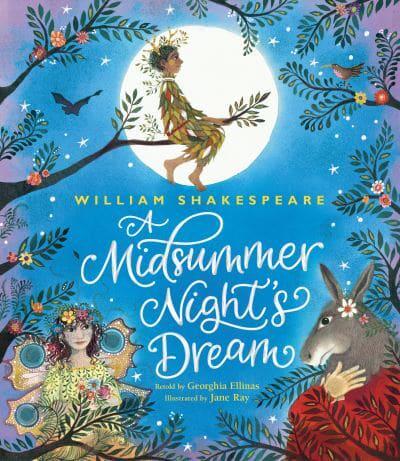
A Midsummer Night’s Dream by William Shakespeare, illustrated by Jane Ray
Four young lovers wander into an enchanted forest, where fairy magic turns their plans upside down. This Shakespeare’s Globe picture-book adaptation takes the comedy’s best-known ingredients, including mistaken affections and woodland mischief, and presents them through Jane Ray’s lavish illustrations. The artwork supplies plenty of detail to notice during a shared reading, while the story introduces the idea that characters in a play can be confused by appearances.
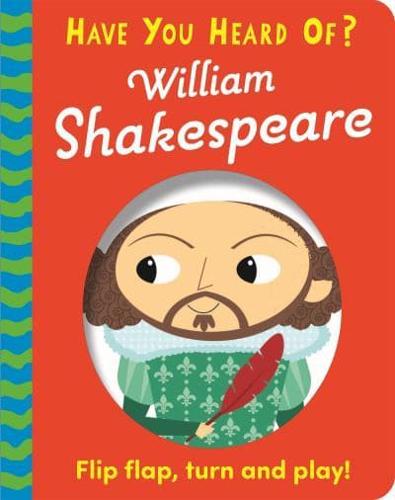
Have You Heard Of?: William Shakespeare by Pat-a-Cake, illustrated by Úna Woods
Lift-the-flap pages and a turning wheel bring the life of William Shakespeare into a small, interactive board book. Children can help William prepare for a play while discovering that his words and stories are still part of people’s lives. Úna Woods uses colourful illustrations and simple visual activities to give the biography a playful feel. Perfect for 3-5 year olds, this is especially handy for introducing the idea of a playwright before a first theatre visit or a dramatic storytelling activity.
A Midsummer Night’s Drama: A book at bedtime for little bards! by Louie Stowell and Isobel Lundie
When Bill the Bear and his woodland friends pull off a triumphal dramatic performance at the Glade, he gets so excited he can’t sleep! But Sir Bun Bun comes up with a cunning plan to help him drift off. With atmospheric and imaginative illustrations and theatrical references throughout, It’s the perfect fun bedtime story to introduce 3-6-year-old budding bards to Shakespeare.

The Tantrum by Louie Stowell and Isobel Lundie
This lively and engaging picture book introduces young readers to the world of theatre through the story of Bill Bear, who stages plays in a woodland theatre. When Bill falls off the stage during a rehearsal, his spectacular tantrum becomes the central drama. Structured like a play, the book helps children aged 3-6 understand big emotions while sparking an interest in theatre and Shakespeare. It’s ideal for reading aloud and discussing with EYFS classes. Highly recommended.

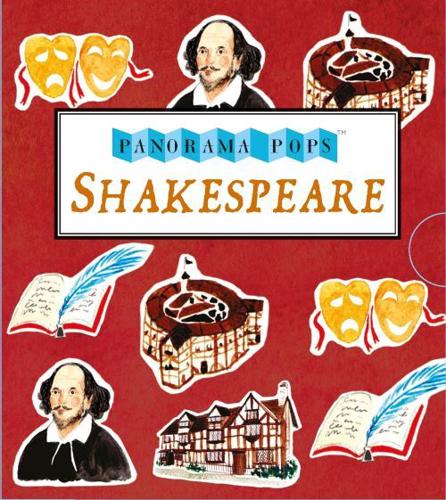
Shakespeare: Panorama Pops by Nina Cosford
Nina Cosford turns Shakespeare’s world into a miniature, three-dimensional exhibition that unfolds to roughly one and a half metres. One side introduces familiar plays, including Hamlet, Macbeth and Romeo and Juliet; the other visits important places connected with the playwright’s life. The bright pop-up illustrations allow children to encounter scenes and locations without needing to read a whole play first. Ideal for 5-12 year olds, this unusual fold-out book can also prompt conversations about Stratford-upon-Avon and the Globe Theatre.
Shakespeare books for children aged 7-12
The Boy Who Became Queen by Christina Balit
In Elizabethan London, orphan Jack earns pennies singing on the streets until his remarkable voice leads him into the Blackfriars boys’ troupe. A performance before Queen Elizabeth I brings him to Shakespeare’s attention, and he begins working at the Globe Theatre, learning about costumes, scenery and acting. His greatest opportunity arrives when he is chosen to play Titania in A Midsummer Night’s Dream. Christina Balit’s richly illustrated historical picture book introduces 6-8 year olds to the world of Elizabethan theatre and the tradition of boys performing female roles. Combining fictional adventure with historical details, it offers an engaging introduction to Shakespeare and the excitement of live performance. Highly recommended.

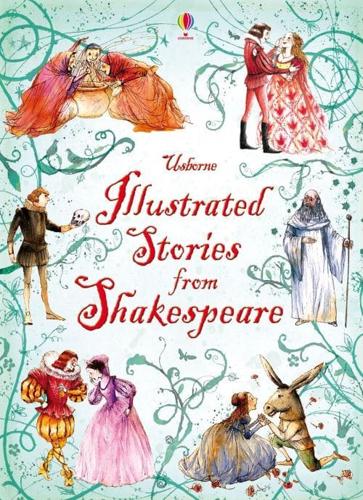
Illustrated Stories from Shakespeare by Lesley Sims
Six of Shakespeare’s plays are retold as illustrated stories in this substantial Usborne collection. Twelfth Night, Romeo and Juliet, The Tempest, A Midsummer Night’s Dream, Macbeth and Hamlet each begin with an introduction to the characters, helping children keep track of the unfolding drama. A short account of Shakespeare’s life supplies historical context, while the linked online material leads to performances and information about the Globe. For 7+ year olds, the collection makes a rewarding bridge between illustrated stories and the plays themselves.
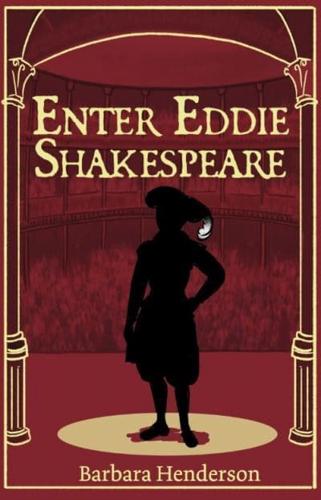
Enter Eddie Shakespeare by Barbara Henderson
Eleven-year-old Eddie runs away from Stratford in 1592 with three ambitions: reach London, find his older brother Will and become an actor. But Will is far from delighted to see him, and Eddie’s plans become more dangerous when he discovers a plot that could cost his brother his life. Upper primary readers can expect a brisk Shakespearean historical adventure that blends theatre, sibling friction and cliff-hanging suspense. Highly recommended.
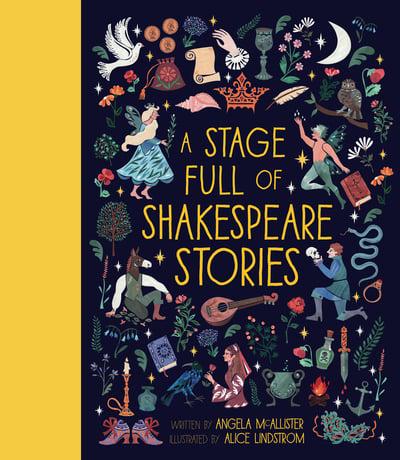
A Stage Full of Shakespeare Stories by Angela McAllister, illustrated by Alice Lindstrom
Twelve Shakespeare plays become richly illustrated prose stories in this handsome collection. Readers meet lovers, rulers, tricksters and magical beings across tragedies and comedies, with familiar favourites such as The Tempest, Romeo and Juliet and Twelfth Night included. Alice Lindstrom’s distinctive collage illustrations help give each story its own atmosphere and setting. The selection encourages children to compare characters and plots, and gives teachers several different plays to draw on for reading aloud, drama and creative writing.
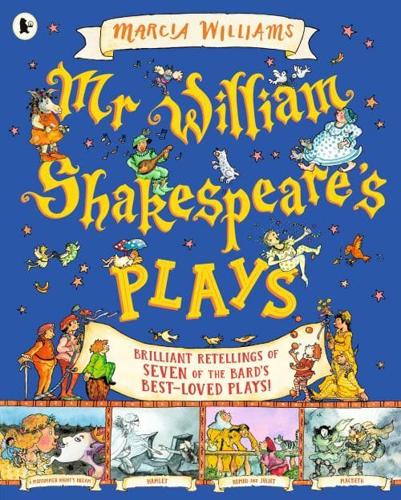
Mr William Shakespeare’s Plays by Marcia Williams
Shakespeare’s theatre bursts into comic-strip life in Marcia Williams’s illustrated adaptations. Seven plays unfold in busy panels, with the actors’ speeches and lively comments from the onlooking audience sharing the page. The result captures something of the noise and excitement of a public performance. This collection for 6+ year olds allows children to notice how a story changes when it becomes a play, and to discover famous Shakespearean characters through pictures, dialogue and humour.
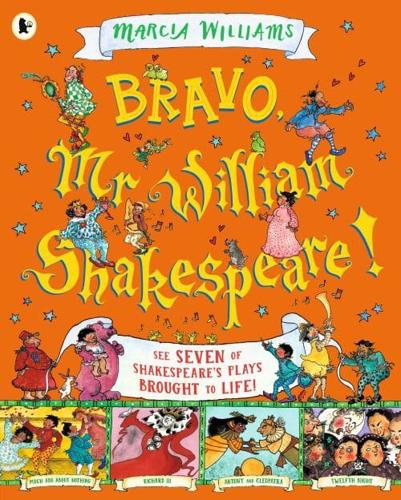
Bravo, Mr William Shakespeare!: See Seven of Shakespeare’s Plays Brought to Life! by Marcia Williams
Curtains rise on seven more Shakespeare stories in Marcia Williams’s exuberant comic-strip format. Plays including Twelfth Night, King Lear and Much Ado About Nothing are staged across crowded illustrated scenes, with characters speaking their lines and the audience reacting from the sidelines. The theatrical framing gives a clear sense of performance and lets children observe how different kinds of stories work on stage. For 6+ year olds, it also invites paired reading, character voices and short improvised scenes.
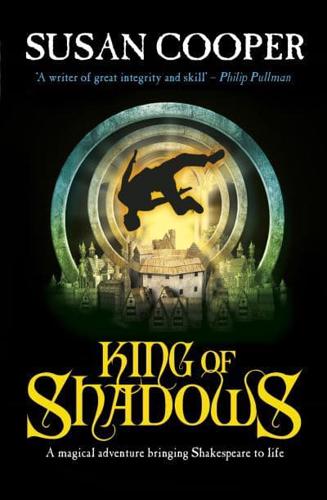
King of Shadows by Susan Cooper
Young actor Nat Field is preparing to perform with a Shakespearean theatre company when a mysterious change sends him back to Elizabethan London. There he encounters the Globe and Shakespeare himself, and becomes caught up in a world where the stage, the city and everyday life feel startlingly immediate. Susan Cooper blends historical detail with a time-travel mystery and a moving story about belonging. The novel gives children a memorable imaginative route into Shakespeare’s own period and the experience of acting his plays.
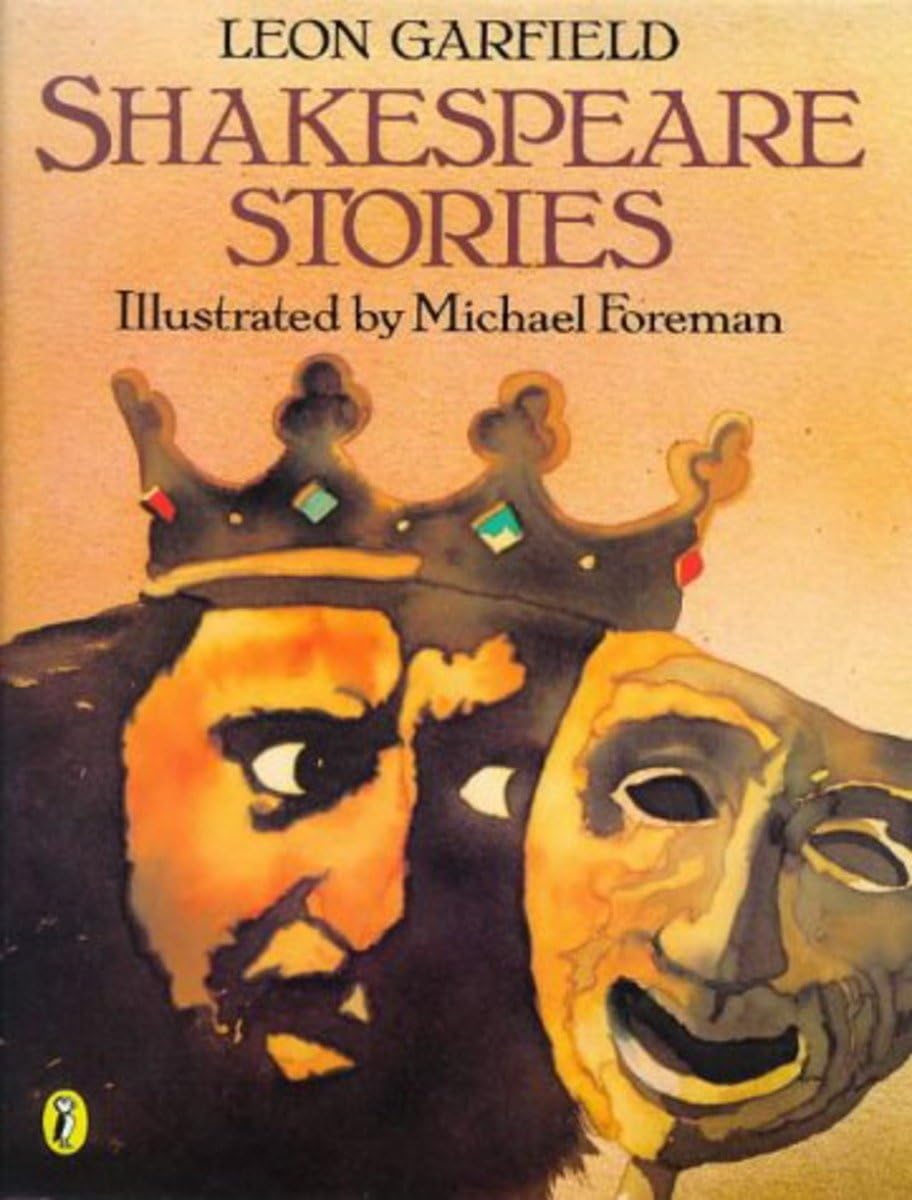
Shakespeare Stories by Leon Garfield, illustrated by Michael Foreman
Leon Garfield retells Shakespeare’s dramatic plots in flowing prose, retaining the conflicts, revelations and emotional turns that make the plays compelling. From romantic entanglements to questions of loyalty and power, the stories introduce the people and situations behind some of the best-known works in English literature. Michael Foreman’s illustrations accompany the retellings and help evoke their different settings. This paperback is especially useful for readers ready to move from shorter play adaptations towards longer, more literary storytelling.
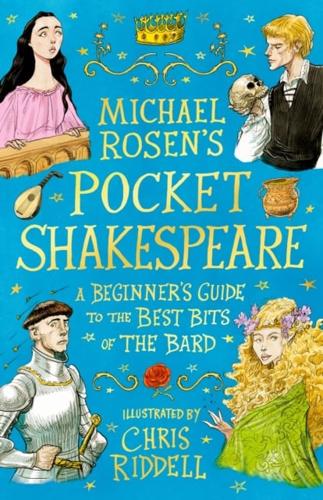
Michael Rosen’s Pocket Shakespeare: A Beginner’s Guide to the Best Bits of the Bard by Michael Rosen, illustrated by Chris Riddell
Shakespeare is introduced through highly accessible and fun chapters on love, plotting, insults, and more, with Michael Rosen selecting quotes and speeches and adding short notes on context and discussion. Useful glossaries are paired with each extract, and technical terms such as soliloquy and iambic pentameter are explained clearly. Chris Riddell’s lively illustrations, together with helpful first lines of plays, make the book easy to browse, dip into and use for looking up. Highly recommended.
Michael Morpurgo’s Tales from Shakespeare by Michael Morpurgo
Michael Morpurgo presents 10 classics using a deft storytelling touch to convey complex plots with a concise alacrity. Readers will understand and empathise with characters that can otherwise prove challenging. With compelling artwork by a who’s who of contemporary children’s illustrators including Barroux, Michael Foreman, Sam Usher, Dapo Adeola, Tom Clohosy Cole, Ian Beck, Peter Bailey, Alona Millgram and Joelle Avelino this fantastic hardback is an ideal gift for children aged 9+ in KS2, and also older students who need to build confidence before studying Shakespeare in KS3 or for GCSE. Highly recommended.

More Tales from Shakespeare by Michael Morpurgo
Michael Morpurgo returns with a spectacular second volume of Shakespeare retellings, this time covering eight more plays including Julius Caesar, Much Ado About Nothing, Othello and Antony and Cleopatra. Each story is accompanied by engaging illustrations from contemporary artists such as Axel Scheffler, Emily Gravett, Ed Vere and Dapo Adeola. This hardback collection, ideal for gifting, follows the style of the first volume and offers 8+ year olds an accessible introduction to Shakespeare. Highly recommended.

Shakespeare books for teens aged 13+
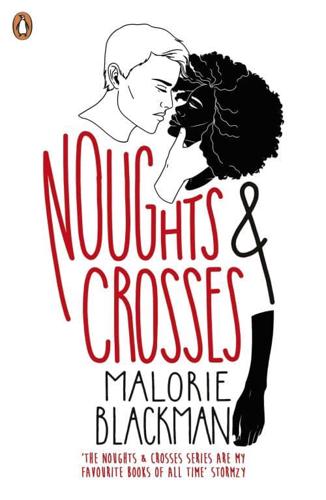
Noughts & Crosses by Malorie Blackman
Sephy is a Cross and Callum is a nought in a society shaped by deep divisions and unequal power. Their childhood friendship becomes a forbidden romance as political conflict and family loyalties draw them into dangerous territory. Malorie Blackman’s novel shares the star-crossed love and entrenched hostility of Romeo and Juliet, giving students a contemporary fictional lens through which to consider prejudice, identity and the consequences of division. Its powerful first-person voices also offer rewarding material for discussing perspective and character motivation.
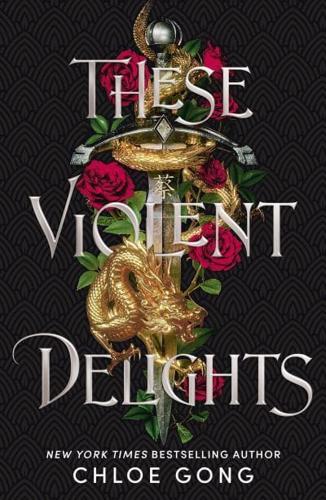
These Violent Delights by Chloe Gong
In 1920s Shanghai, the heirs of two rival gangs are forced towards one another when a strange threat spreads through the city. Juliette Cai and Roma Montagov share a painful past, and their families’ violent rivalry makes trust difficult. Chloe Gong recasts the central relationship and feuding households of Romeo and Juliet as a fast-moving historical fantasy. The novel’s rich city setting, supernatural danger and complicated loyalties give teenage readers plenty to discuss about adaptation, genre and the way familiar tragedies can be transformed.
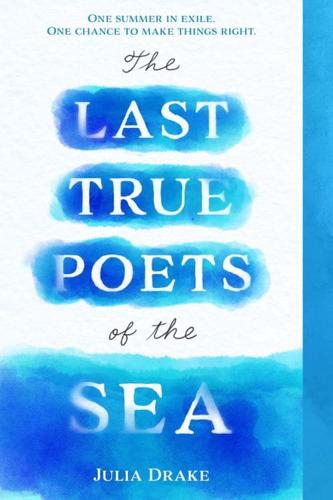
The Last True Poets of the Sea by Julia Drake
After a family crisis, Violet Larkin spends the summer in the Maine town of Lyric, where she begins investigating the shipwreck connected to her family’s history. New friendships and her growing feelings for Liv draw her into a search for belonging as well as answers about the past. Julia Drake’s contemporary YA novel draws inspiration from Twelfth Night, particularly its emotional crossings, questions of identity and maritime imagery. The connection provides a thoughtful starting point for comparing a modern coming-of-age story with Shakespeare’s comedy.
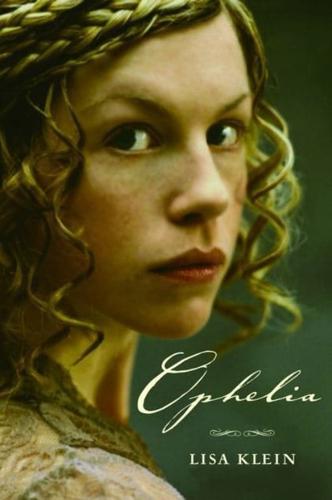
Ophelia by Lisa Klein
Ophelia steps out of the margins of Hamlet to tell the story in her own voice. At the Danish court, her relationships with Queen Gertrude and Prince Hamlet place her close to unfolding political and family dangers. Lisa Klein reimagines events through a character whose perspective becomes central to the novel, bringing questions of agency, loyalty and survival into focus. For students familiar with the original tragedy, this historical YA retelling creates a natural opportunity to discuss whose version of a story receives the most attention.
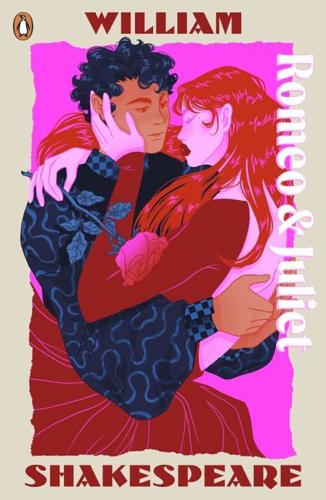
Romeo and Juliet by William Shakespeare
The feud between the Montagues and Capulets sets the stage for one of Shakespeare’s most famous tragedies. Romeo and Juliet fall in love despite the hostility surrounding their families, and secrecy, friendship and impulsive decisions shape what happens next. This Puffin Staged edition presents the original play in a volume designed to bring Shakespeare to teenage readers, with an foreward by novelist Jennifer Niven. Its dialogue is ideal for reading in parts and studying how dramatic tension builds through character exchanges and competing loyalties.
An Arrow to the Moon by Emily X.R. Pan
Hunter Yee and Luna Chang are drawn together even as the histories of their families make their connection complicated. Set in an American community and woven through with Chinese mythology, Emily X.R. Pan’s YA novel brings a magical dimension to a romance inspired by Romeo and Juliet. Strange occurrences and secrets deepen the mystery surrounding both households. The combination of contemporary teenage lives, myth and Shakespearean echoes rewards readers interested in how writers adapt familiar stories through different cultural traditions.

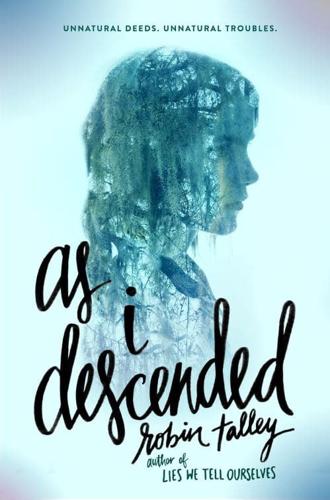
As I Descended by Robin Talley
At a prestigious boarding school, Maria Lyon and Lily Boiten are determined to win the future they imagine together. Their ambitions turn dangerous when supernatural forces and ruthless rivalries begin to shape events around them. Robin Talley relocates the hunger for power and unsettling atmosphere of Macbeth into a contemporary YA setting, with a central relationship between two girls. Ghostly encounters, school politics and mounting consequences make this a distinctive companion read for secondary students studying Shakespeare’s tragedy.
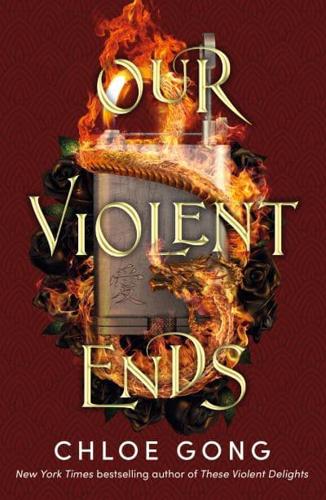
Our Violent Ends by Chloe Gong
The story of Juliette Cai and Roma Montagov continues in a Shanghai divided by gangs, political tension and extraordinary danger. Their complicated bond remains entwined with the struggle between rival families as the threats around them grow. Chloe Gong develops the Romeo and Juliet inspiration of These Violent Delights into a second historical fantasy novel, bringing the two-book narrative towards its conclusion. Teenagers who enjoy substantial, plot-driven reimaginings can compare the changing loyalties and dramatic stakes with Shakespeare’s original story.
Shakespeare books for sixth formers aged 16+
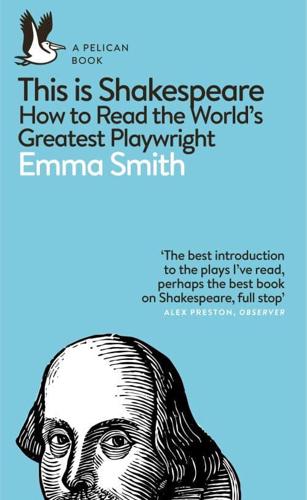
This Is Shakespeare: How to Read the World’s Greatest Playwright by Emma Smith
Emma Smith approaches Shakespeare’s plays as living works full of choices, uncertainty and possibilities for performance. Moving between familiar and less frequently discussed dramas, she considers how language, staging and questions left open by the scripts can lead to different interpretations. The writing is lively and informed by detailed literary scholarship. Sixth-form students will find rewarding ways to revisit set texts, challenge straightforward character judgements and develop arguments about why two productions of the same play can feel so different.
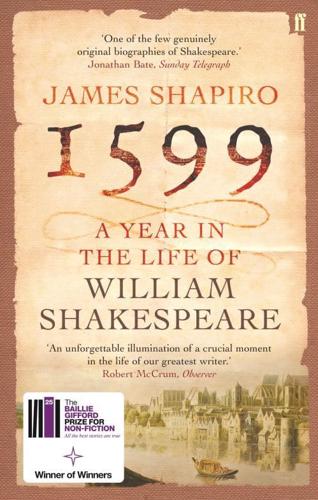
1599: A Year in the Life of William Shakespeare by James Shapiro
James Shapiro places Shakespeare within a single eventful year, 1599, when England faced political uncertainty and the Globe Theatre opened. Through the world around the playwright, the book illuminates the circumstances in which Henry V, Julius Caesar, As You Like It and Hamlet emerged. The historical account draws together theatre, public life and the realities of Elizabethan London. It is especially valuable for sixth-form discussions of context, allowing literary study to connect with the conditions in which Shakespeare wrote and worked.
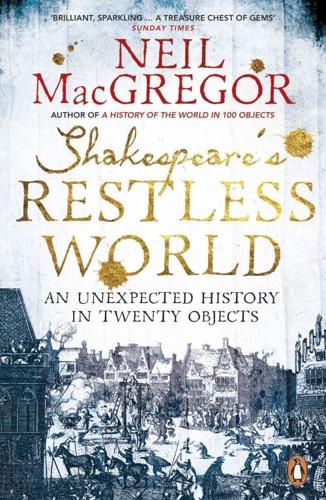
Shakespeare’s Restless World: An Unexpected History in Twenty Objects by Neil MacGregor
Twenty objects provide Neil MacGregor with unexpected routes into the England of Shakespeare’s lifetime. Everyday belongings, surviving artefacts and objects associated with public life reveal a society shaped by religious change, overseas contact, conflict and new ways of thinking. Each chapter connects a material object to wider experiences that would have been familiar to Shakespeare’s audiences. The book is well suited to older students who want to enrich close reading with a more tangible understanding of Tudor and early Stuart life.
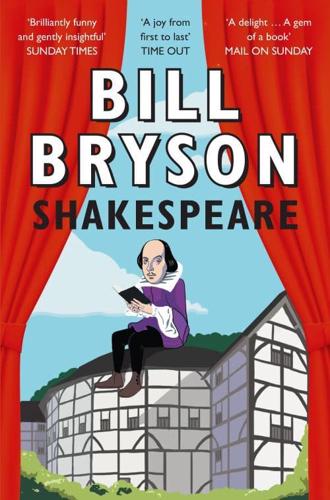
Shakespeare: The World as a Stage by Bill Bryson
What do we actually know about Shakespeare, and which familiar stories about him are uncertain? Bill Bryson investigates the surviving evidence of the playwright’s life, the London theatre scene and the long afterlife of his writing. His concise biography moves between established facts, historical puzzles and the inventiveness of Shakespeare’s language. For sixth-formers, the book makes a lively companion to literary biography and offers plenty of material for considering how a writer’s public reputation is formed over centuries.
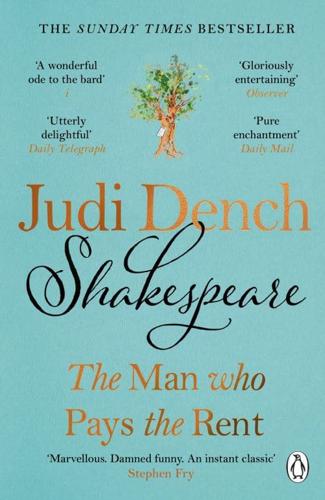
Shakespeare: The Man Who Pays The Rent by Judi Dench and Brendan O’Hea
In conversation with actor and director Brendan O’Hea, Judi Dench reflects on decades of performing Shakespeare. She revisits roles, fellow performers, rehearsals and decisions that shape how characters appear on stage. The resulting book is full of practical theatrical insight, showing the plays as material actors continually rediscover through voice, movement and interpretation. Sixth-form drama and English students can use these recollections to think about performance choices, memorable scenes and the relationship between a written script and a live production.
William Shakespeare: A Very Short Introduction by Stanley Wells
Shakespeare scholar Stanley Wells introduces the writer’s life, theatrical career, plays and poems in a compact study from Oxford University Press. The book considers the world in which the works were created and the ways they have continued to reach audiences through performance and reading. Its structured account makes it easy to pursue a particular question about genre, biography or Shakespeare’s literary reputation. For students preparing sixth-form essays, it is a practical foundation for further reading and well-informed discussion.
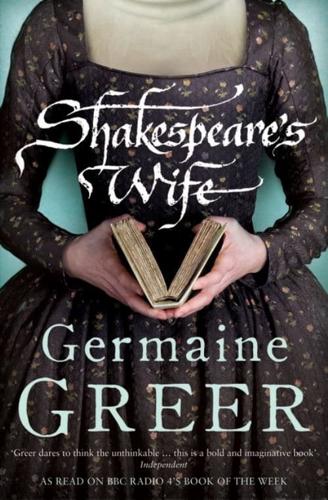
Shakespeare’s Wife by Germaine Greer
Anne Hathaway, Shakespeare’s wife, stands at the centre of Germaine Greer’s historical study. Drawing on records of family life, marriage, property and women’s work in early modern England, Greer examines the circumstances behind a figure who appears only occasionally in accounts of the playwright. The book opens up questions about what can be learned from incomplete historical evidence and how biographies are constructed. Older students can use it to broaden their understanding of gender, domestic life and the social world surrounding Shakespeare’s career.
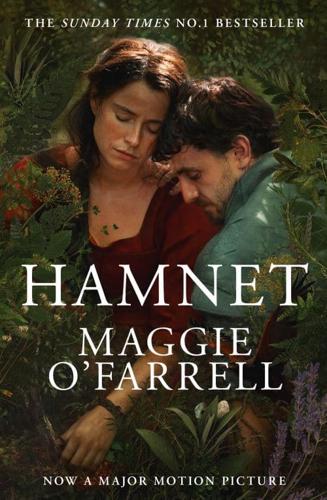
Hamnet by Maggie O’Farrell
In Stratford-upon-Avon in 1596, Judith, the young daughter of William Shakespeare, suddenly becomes seriously ill. Her twin brother Hamnet desperately searches for help while their mother Agnes is away tending her medicinal plants and their father is working in London. Maggie O’Farrell imagines the devastating consequences of illness and loss for Shakespeare’s family, placing Agnes and her children at the centre of a richly detailed historical novel. The story explores marriage, grief, memory and the possible emotional connections between Hamnet’s death and the later creation of Hamlet. Particularly rewarding for sixth-form readers, this moving fictional reimagining encourages discussion about the relationship between historical evidence, artistic invention and Shakespeare’s work.
Click the buttons below to purchase all of the books in this list of Shakespeare books for children and teens, as well as class sets of any of these books and many more, from Bookshop.org UK. Or buy all titles from this list from Amazon – ideal for gifts or your classroom library.
Buy from UK.Bookshop.Org Buy from Amazon.co.ukDisclosure: If you buy books using the buttons above: we may earn a commission from Bookshop.org, whose fees support independent bookshops; as an Amazon Associate schoolreadinglist.co.uk earns from qualifying purchases.
Schools & teachers: please respect copyright and don’t copy our list of Shakespeare books for children and teens. If you find our book recommendations useful, please consider sharing on social media or linking to this page instead. Thanks.
Shakespeare resources for teachers
- The Royal Shakespeare Company’s teaching resources include free downloadable lesson packs, production photographs, videos and classroom activities for KS1 through to A-level. Teachers can search by play, key stage and resource type, with materials covering Macbeth, Romeo and Juliet, Hamlet, Othello, The Tempest and other plays. Many activities use rehearsal techniques to help pupils explore character, language, dramatic choices and themes.
- Shakespeare’s Globe’s Teach Shakespeare platform provides hundreds of curriculum-based teaching resources, including complete lessons, individual classroom activities, performance clips and production insights. Teachers can search by play, character, scene, theme or language feature, and save activities for future lessons. The platform is free for teachers in UK state schools following registration, with subscriptions available for other schools.
- The Shakespeare Birthplace Trust’s teaching resources cover Shakespeare’s life, Elizabethan society, language and individual plays, with materials for KS1 through to KS5. The collection includes a timeline of Shakespeare’s life, reduced scripts, drama activities, plot summaries and creative writing exercises. Teachers can filter by key stage, topic and resource type, making it useful for both introductory lessons and more detailed text study.
- Shakespeare Week, organised by the Shakespeare Birthplace Trust, offers hundreds of free cross-curricular activities for primary schools. Registered teachers can download resources covering English, history, drama, art and other subjects, together with ideas for whole-school projects and performances. Shakespeare Week 2027 takes place from 15 to 21 March, although the teaching materials are available throughout the year.
- The BBC Teach Shakespeare collection features animated adaptations of Macbeth, A Midsummer Night’s Dream, Romeo and Juliet and The Tempest for KS2 pupils. Short episodes are supported by teacher notes, transcripts, character guides, sequencing exercises and writing activities. Additional resources include Shakespeare in Shorts, which retells six plays through animation and contemporary music, and films exploring Shakespeare’s life and theatre.
- The British Council’s Shakespeare Lives schools pack, developed with the Royal Shakespeare Company, contains free downloadable activities for pupils aged 7-14. Five themes explore leadership and power, family and relationships, identity and equality, fate and destiny, and justice and rules. The pack also includes a shortened version of Julius Caesar and guidance on using practical theatre techniques in the classroom. Several resources are available in Welsh.
- The Royal Shakespeare Company’s Tales from Shakespeare resources use Michael Morpurgo’s retellings to support literacy teaching across KS1, KS2 and KS3. Free downloadable packs for Macbeth, Romeo and Juliet, The Tempest and A Midsummer Night’s Dream offer active approaches to exploring stories and developing written work. Activities involve character exploration, freeze frames, rehearsal techniques and imaginative writing.
- Oak National Academy’s Shakespeare lessons include a free 28-lesson Year 7 unit on The Tempest, with teaching slides, worksheets, quizzes and video explanations. Pupils investigate Prospero, Ariel, Caliban and Miranda, explore how characters are presented, and develop their own monologues. Oak’s wider English curriculum also includes units on A Midsummer Night’s Dream and Othello, providing structured resources for KS3 teaching.
- Shakespeare’s Globe’s Playing Shakespeare teaching resources provide free lesson plans and activities for KS3 and KS4. Materials accompany productions of Romeo and Juliet, Macbeth, The Tempest, A Midsummer Night’s Dream, Much Ado About Nothing, Twelfth Night and other plays. Teachers can explore character relationships, themes, historical context and staging decisions. Selected past productions are also available to stream in classrooms for limited periods.
- The RSC Shakespeare Curriculum is an interactive teaching platform for KS3 and KS4, combining lesson plans, filmed performances, production photographs, digital playtexts, quizzes and assessment activities. Resources encourage pupils to investigate plays as actors and directors would, rather than relying solely on close textual analysis. The platform includes a dedicated SEND pathway and is free for UK state-funded secondary and SEND schools, with paid access for independent schools.
- Signing Shakespeare, developed by the Royal Shakespeare Company and the University of Birmingham, offers an accessible scheme of work for teaching Macbeth to deaf KS3 and KS4 students. Free resources include films of deaf performers, British Sign Language and Sign Supported English materials, visual presentations, drama activities and writing tasks covering the whole play. The approaches can also be adapted for other pupils and inclusive classrooms.
- The Folger Shakespeare Library’s teaching resources include classroom activities, downloadable lesson plans and practical strategies for introducing Shakespeare’s language through performance. Based in the United States, the library provides useful material for UK secondary teachers, including 20-minute introductions to plays, choral reading, close reading and exercises in cutting and interpreting scenes. A selection of resources is freely available, with additional materials accessible through teacher membership.
- The BBC Shakespeare Archive, hosted by the Educational Recording Agency, brings together television and radio recordings of Shakespeare’s plays, documentaries, interviews and educational programmes. Materials include performances and GCSE-focused broadcasts on Macbeth, Romeo and Juliet, Hamlet and other plays. The collection is particularly useful for comparing interpretations, analysing performance choices and exploring Shakespeare on stage and screen. Access is available to UK educational institutions holding an ERA Licence.
- The Shakespeare Birthplace Trust’s primary teacher CPD explores practical ways to introduce Shakespeare through drama, historical evidence, storytelling and cross-curricular learning. Workshops help teachers plan classroom activities, investigate the context in which the plays were written and develop whole-school Shakespeare projects. Outreach training can be arranged for schools or school groups, and the website also links to free classroom resources.
BISAC JUV007000, LIT015000. | Thema YFA, YNDS.