Self help books for children and teens
Self help books for children and teens can give young people practical ways to understand worries, build confidence, cope with change and develop habits that support their wellbeing. This selection includes activity books, workbooks and straightforward guides covering anxiety, resilience, self-esteem, puberty, school transitions and mental health. There are accessible choices for primary-age children as well as more detailed books written specifically for teenagers. This list features books by Matthew Syed, Marcus Rashford, Nicola Morgan, Juno Dawson, Ranj Singh, Zoe Williams, Poppy O’Neill, Lisa M. Schab, Jennifer Shannon, and Becky Goddard-Hill.
Self help books for children and teens – our recommendations
Self help books for children aged 5-12
Your Name Here: Fill This Book With Your Brain by Sophy Henn
Sophy Henn’s interactive book gives 8-13 year olds lots of time and space to explore their ideas, opinions and imagination away from a screen. Each page offers a child -centred question, prompt or challenge, ranging from favourite smells and perfect days to bigger questions about what matters most and what adults get wrong. Children can respond by writing, drawing or combining the two, gradually creating a highly individual and valuable record of their thoughts, creativity and personality. Not only will children love to complete this uniquely original book now, but they’ll love to reflect on it in years to come. Highly recommmended.
Diary of a Brilliant Kid: Top Secret Guide to Awesomeness by Andy Cope, Gavin Oattes and Will Hussey, illustrated by Amy Bradley
Part diary, part activity book and part personal development guide, this lively book encourages 8-12 year olds to think about what makes them happy, capable and uniquely themselves. Short activities, questions and ideas invite children to notice their strengths, consider their attitudes and experiment with positive habits. The conversational approach gives children plenty of opportunities to write and reflect, while Amy Bradley’s illustrations add energy and humour throughout.
Brill Kid – The Big Number 2: Awesomeness – The Next Level by Andy Cope, Gavin Oattes and Will Hussey, illustrated by Amy Bradley
This follow-up takes the same energetic approach to happiness, wellbeing and personal development, with ideas and activities ideal for 7-11 year olds. Children are encouraged to recognise what is already going well, strengthen helpful habits and think about how their choices affect the way they feel and act. The interactive format makes room for writing, reflection and practical challenges.
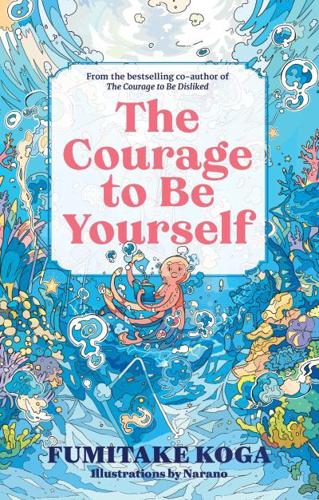
The Courage to Be Yourself by Fumitake Koga
Ockley hates being the only octopus at school, especially when that makes him the target of jokes. Meeting a wise old hermit crab begins to change the way he understands himself. This illustrated blend of story and self-help for 10+ year olds explores thoughts and feelings, the limits of what we can control, self-knowledge and self-acceptance, offering engaging and practical ideas for building confidence and resilience. Highly recommended.
Be Resilient! by Dr Sharie Coombes & Katie Abey
Including practical exercises and positive thinking activities, this blend of personal doodle diary and illustrated self-help guide includes practical advice on being positive, bouncing back from adversity and building a personal support network. Be Resilient! is a useful resource to help improve confidence, challenge students to realise their strengths and explore what will improve their resilience. Highly recommended for pupils in KS2 and transitioning to secondary school year 7.

Don’t Worry, Be Happy: A Child’s Guide to Overcoming Anxiety by Poppy O’Neill
Perfect for 7-11 year olds, this practical workbook introduces cognitive behavioural therapy techniques through activities children can complete at their own pace. Fiz, a friendly character who appears throughout the book, accompanies exercises designed to help children identify worries, understand anxious thoughts and practise ways of responding to them. There are spaces for drawing and writing alongside straightforward explanations.
No Worries! Mindful Kids by Lily Murray, with guidance from Dr Sharie Coombes, illustrated by Katie Abey
Writing, colouring, doodling and drawing are used to help 7+ year olds explore worries, sadness and stressful feelings in this interactive activity book. Dr Sharie Coombes introduces mindfulness-based ideas in short, manageable exercises that children can return to when they want a quiet opportunity to think about how they are feeling. Katie Abey’s illustrations bring colour and humour to the activities, creating a child-friendly workbook that combines creativity with emotional reflection.
You Grow Girl! by Zoe Williams
Zoe Williams addresses growing up with a friendly, factual guide to the physical and emotional changes that accompany puberty. Topics include periods and body changes, personal care, mental health and self-care, relationships and staying safe online. Questions that children may feel awkward raising elsewhere are handled in a direct and reassuring style. The result is a useful book for children approaching adolescence who want clear information alongside encouragement to feel comfortable with themselves and the changes ahead.
You Are a Champion by Marcus Rashford and Carl Anka
Marcus Rashford draws on experiences from his own life to discuss confidence, ambition, practice, learning and finding the courage to use your voice. Written with Carl Anka, the book combines personal stories with practical prompts that encourage children to think about their goals, the people who support them and the way setbacks can become part of learning.
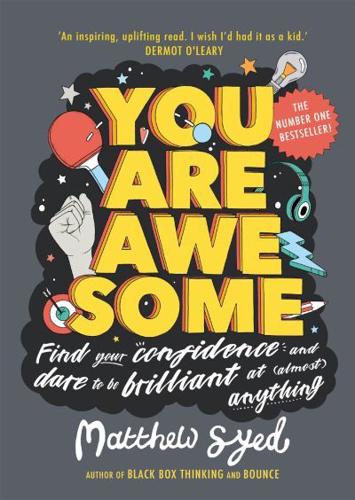
You Are Awesome: Find Your Confidence and Dare to Be Brilliant at (Almost) Anything by Matthew Syed, illustrated by Toby Triumph
Matthew Syed introduces children to the idea that abilities can develop through practice, persistence and learning from mistakes. Sporting stories and other real-world examples help explain how confidence grows when children are prepared to attempt something difficult and keep working at it.
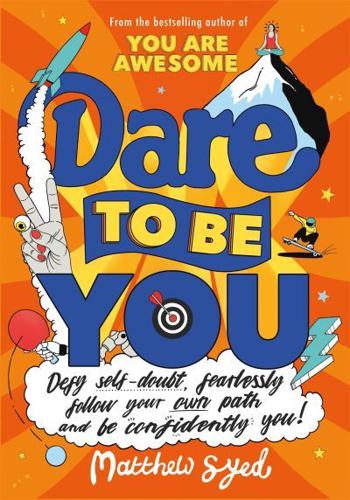
Dare to Be You by Matthew Syed, illustrated by Toby Triumph
Questions about fitting in, self-belief and individuality sit at the heart of Matthew Syed’s guide to becoming more comfortable with who you are. Through stories, examples and exercises, children are encouraged to examine self-doubt, recognise their own qualities and understand that different ways of thinking can be valuable.
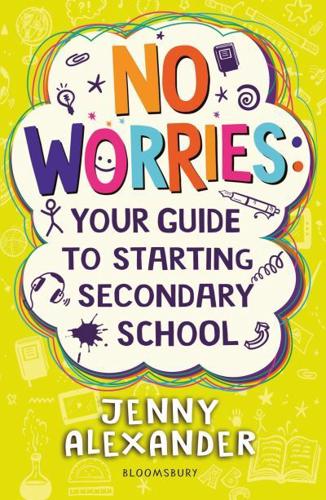
No Worries: Your Guide to Starting Secondary School by Jenny Alexander
Starting secondary school brings a collection of practical changes as well as new social situations, and Jenny Alexander tackles both in this friendly transition guide. Chapters cover finding your way around, friendships, homework and other everyday aspects of moving into a larger school environment. Quizzes, tips and humorous touches break the information into manageable pieces. Children preparing for Year 7 can dip into the sections that matter most to them and return to the book as different situations arise.
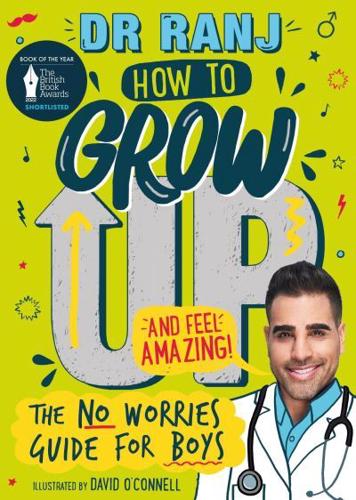
How to Grow Up and Feel Amazing! by Ranj Singh, illustrated by David O’Connell
Ranj Singh answers questions about puberty and growing up in a wide-ranging guide for boys approaching adolescence. Body changes, personal hygiene, emotions, mental wellbeing, relationships, bullying, consent and online life are among the subjects covered. Medical information sits alongside practical advice about looking after yourself and communicating with other people. David O’Connell’s illustrations add a light visual touch to subjects that children may otherwise find difficult to raise.
Self help books for teens aged 13-18
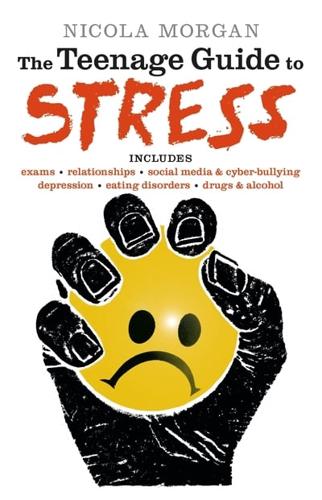
The Teenage Guide to Stress by Nicola Morgan
Nicola Morgan looks at what happens in the brain and body during stress and connects that science to situations teenagers may recognise from everyday life. This guide for 13+ year olds covers pressures involving school, exams, sleep, friendships, family life and difficult emotions, alongside practical strategies for managing them. Morgan’s explanations help teenagers understand why stress can feel so powerful while giving them ways to identify triggers, respond to pressure and recognise when additional support would be helpful.
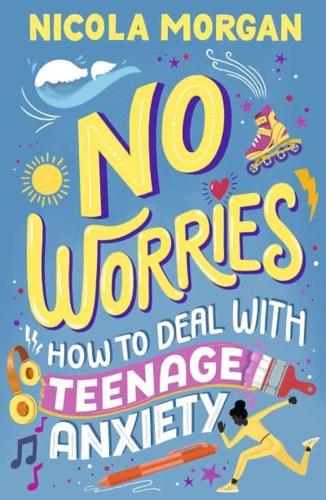
No Worries: How to Deal With Teenage Anxiety by Nicola Morgan
Anxiety is examined from both a scientific and practical perspective in Nicola Morgan’s guide to understanding worried thoughts and physical responses. Teenagers can learn about the mechanisms behind anxiety before trying strategies designed to calm the body, organise thoughts and make intimidating situations feel more manageable. Morgan uses short explanations and practical ideas rather than treating anxiety as a single experience, giving young people a toolkit they can adapt to school, friendships, family situations and other pressures.
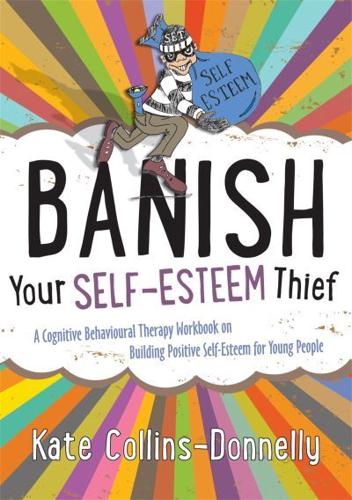
Banish Your Self-Esteem Thief by Kate Collins-Donnelly
This cognitive behavioural therapy workbook gives 13-18 year olds structured activities for examining the thoughts and habits that can affect self-esteem. Kate Collins-Donnelly helps teenagers notice unhelpful patterns, question negative beliefs and develop a more balanced view of their strengths and abilities. Exercises turn psychological ideas into tasks young people can complete on the page, making the book particularly useful for teenagers who prefer an active workbook format to a continuous advice book.
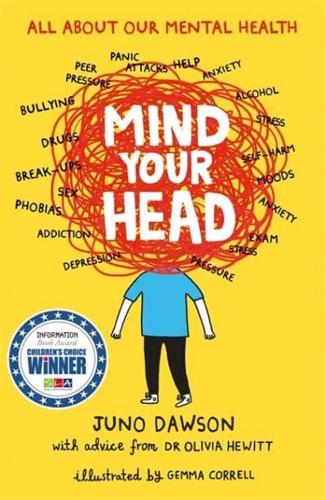
Mind Your Head by Juno Dawson, illustrated by Gemma Correll
Juno Dawson’s guide for 12-18 year olds opens up conversations about mental health using clear explanations, real-life accounts and practical guidance, with advice from clinical psychologist Dr Olivia Hewitt. Subjects include stress, anxiety, depression, body dysmorphia, self-harm, addiction and ways of finding help. Gemma Correll’s illustrations add humour and visual variety. The book also emphasises the value of talking openly about mental wellbeing and understanding the different forms that mental health difficulties can take.
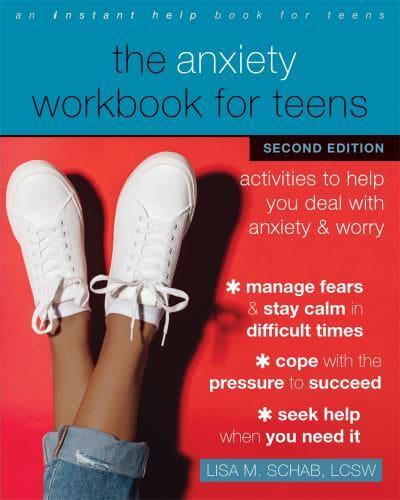
The Anxiety Workbook for Teens: Activities to Help You Deal with Anxiety and Worry by Lisa M. Schab
Lisa M. Schab’s workbook gives teenagers a substantial collection of written exercises for understanding anxiety and developing ways to respond to it. Activities look at worried thoughts, physical reactions, stressful situations and coping skills, inviting teens to connect each idea with their own experiences. This revised edition also reflects pressures encountered in contemporary teenage life. The accessible workbook structure suits young people who want to move between explanation and action, recording their thoughts and practising techniques as they go.
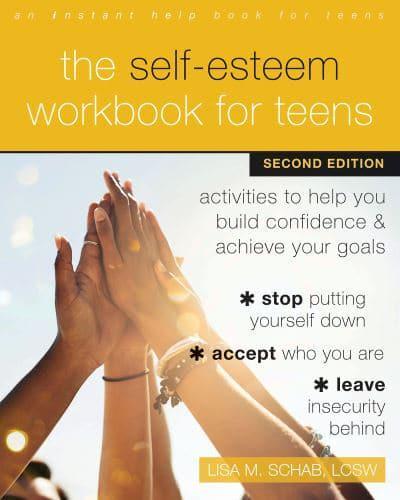
The Self-Esteem Workbook for Teens: Activities to Help You Build Confidence and Achieve Your Goals by Lisa M. Schab
This revised workbook helps teenagers examine how they see themselves and develop a healthier, more realistic sense of self-worth. Lisa M. Schab combines explanations with activities on strengths, body image, assertiveness, boundaries, social situations, criticism, setbacks and self-doubt. Social media and bullying are also addressed in the updated edition. Each section asks teens to take an active role by writing, reflecting and practising skills, giving the book a structured format that can be revisited over time.
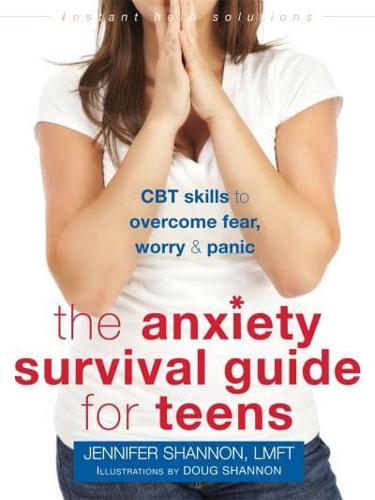
The Anxiety Survival Guide for Teens: CBT Skills to Overcome Fear, Worry, and Panic by Jennifer Shannon, illustrated by Doug Shannon
Jennifer Shannon introduces cognitive behavioural therapy techniques that teenagers can use to understand fear, worry and panic. Exercises focus on recognising anxious patterns, changing responses and gradually building confidence in situations that feel difficult. The guide translates CBT ideas into practical steps rather than presenting them as abstract theory, while Doug Shannon’s illustrations support the accessible format. It is designed for teenagers who want both an explanation of how anxiety works and skills they can practise in everyday situations.
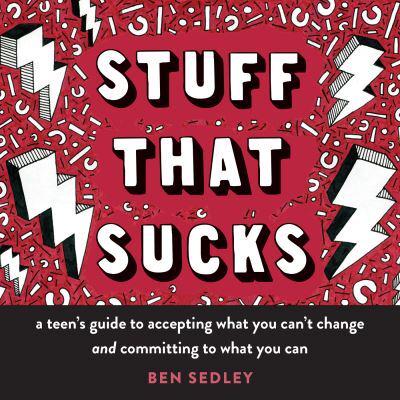
Stuff That Sucks: A Teen’s Guide to Accepting What You Can’t Change and Committing to What You Can by Ben Sedley
Ben Sedley uses ideas from acceptance and commitment therapy to help teenagers deal with painful thoughts, feelings and situations. The central approach encourages young people to make room for difficult emotions while identifying what matters to them and choosing actions that reflect those values. Written directly for teenagers, the guide uses explanations, examples and exercises to make ACT principles understandable without requiring prior knowledge of therapy. Its emphasis is on developing flexibility and moving towards a meaningful life.
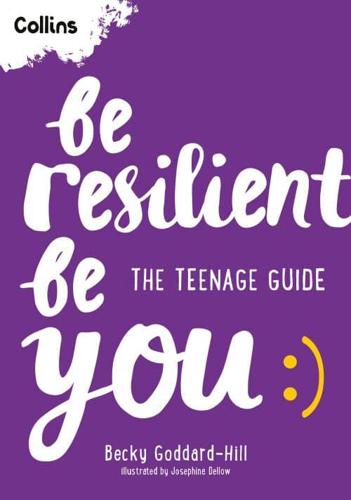
Be Resilient Be You: The teenage guide to handling all of life’s challenges by Becky Goddard-Hill and Collins Kids, illustrated by Josephine Dellow
Resilience is treated as something teenagers can practise and strengthen in this activity-led guide. Becky Goddard-Hill and Collins Kids introduce ways to recognise personal strengths, respond to problems, learn from mistakes and deal with pressures at school and at home. The activities can be tried independently or with family and friends, with short explanations of the ideas behind them.
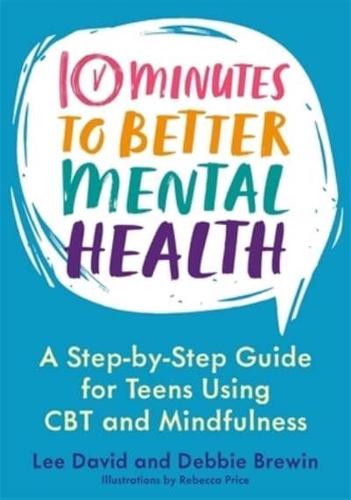
10 Minutes to Better Mental Health: A Step-By-Step Guide for Teens Using CBT and Mindfulness by Lee David and Debbie Brewin, illustrated by Rebecca Price
Short activities provide the organising principle for this practical guide to teenage mental health. Lee David and Debbie Brewin draw on cognitive behavioural therapy and mindfulness to help young people examine worries, build confidence, improve communication and develop healthier ways of responding to setbacks. Reading, reflection and things to try are broken into manageable sections, making the book easy to approach one topic at a time.
Click the buttons below to purchase all of the books in this self help books for children and teens list, as well as class sets of any of these books and many more, from Bookshop.org UK. Or buy all the titles from this list from Amazon – ideal for gifts or your classroom library.
Buy from UK.Bookshop.Org Buy from Amazon.co.uk
Disclosure: If you buy books using the buttons above: we may earn a commission from Bookshop.org, whose fees support independent bookshops; as an Amazon Associate schoolreadinglist.co.uk earns from qualifying purchases.
Schools & teachers: please respect copyright and don’t copy our self help books for children and teens list. If you find our book recommendations useful, please consider sharing on social media or linking to this page instead. Thanks.
Self-help for children and teens resources for teachers
- The PSHE Association’s Every Mind Matters resources provide lesson plans, videos, activities and teacher guidance for KS1-KS4. Topics include understanding emotions, kindness, self-care, healthy relationships and resilience, helping pupils develop practical strategies for looking after their wellbeing.
- The PSHE Association offers free KS1 and KS2 classroom posters exploring emotional regulation, managing distractions, dealing with unhelpful thoughts and understanding how the brain works. Animated guides also demonstrate slow breathing and muscle relaxation techniques. A free account is required to download the posters.
- YoungMinds provides downloadable activities and worksheets for helping children and young people build positive mental health. Resources encourage pupils to identify their strengths, recognise supportive relationships, reflect on achievements and explore the strategies that help them cope when things become difficult.
- Anna Freud’s primary self-care plan is a downloadable resource that helps children identify activities that support their emotional wellbeing. Pupils explore practical ways to look after themselves, including music, dance, mindfulness and creative activities, before developing a personalised plan they can use at school or home.
- Anna Freud also offers a self-care planning resource for secondary school and further education students. Young people work through physical, emotional, social and practical activities to develop their own wellbeing strategies. The plan can be reviewed and adapted as their circumstances and priorities change.
- Action for Happiness has developed primary school wellbeing toolkits for pupils aged 5-7 and 7-11. Based on its Ten Keys to Happier Living, the resources include an introductory assembly, 11 lessons, teacher guidance and children’s journals. Schools can request access to the downloadable materials by completing an online form.
- YoungMinds and Beano have created classroom resources exploring bravery and resilience for children aged 3-11. The packs include lesson plans, PowerPoint presentations and worksheets encouraging pupils to consider what being brave means, how to approach challenges and ways to develop confidence.
- The Education Endowment Foundation provides an evidence-informed guide to social and emotional learning in primary schools. Its six recommendations cover developing emotional vocabulary, self-regulation, positive self-talk, empathy, communication and problem-solving. Additional resources include planning templates, an audit tool and practical school case studies.
- The British Red Cross offers free wellbeing activities for children and teenagers aged 7-18. Downloadable lesson materials explore self-kindness, anxiety, loneliness, emotional awareness and supportive relationships. Activities include recognising feelings, identifying what pupils can control and creating a web of connections to trusted people.
- Place2Be provides school resources addressing confidence, self-expression, resilience, belonging and managing difficult emotions. Its Children’s Mental Health Week materials include assemblies, classroom activities and downloadable packs on themes such as Finding Your Brave, Growing Together, My Voice Matters and Know Yourself, Grow Yourself. Additional resources address exam stress.
- Mentally Healthy Schools features an animation and teaching toolkit developed by Anna Freud for pupils aged 11-13. The materials explain how anxiety affects the mind and body and introduce practical coping and emotional regulation strategies. Resources include a lesson, assembly materials and guidance for teachers and families.
- Mentally Healthy Schools’ self-care form-time activities offer five short sessions for KS3 and KS4 students. The PowerPoint resources explore connecting with others, physical activity, mindfulness and learning new skills, with a follow-up bullet journal activity to help teenagers develop sustainable self-care habits.
- Mentally Healthy Schools also provides separate primary and secondary/FE toolkits for responding to stressful situations. These bring together lesson plans, classroom activities and guidance to help pupils identify sources of stress, recognise emotional responses and develop strategies for managing challenging experiences at school and beyond.
- The Charlie Waller Trust offers free school mental health resources, including a Wellbeing Action Plan for children in KS2 and KS3. This helps pupils identify personal challenges and the strategies that support them. The charity also provides downloadable guides, posters, school policy materials and webinars for education staff.
- Childline’s Calm Zone offers practical self-help activities that teachers can introduce or signpost to pupils who feel worried, anxious or overwhelmed. Resources include breathing exercises, calming videos, creative activities, confidence-building games and suggestions for making personal coping kits to use during stressful moments.
- The NHS Every Mind Matters website includes self-care videos for young people covering sleep, social media, unhelpful thoughts and everyday mental wellbeing. The materials provide useful starting points for secondary PSHE lessons, tutor-time discussions and conversations about healthy habits and seeking additional support.
- The Reading Agency’s Reading Well for children recommends books selected with health professionals and families to support emotional wellbeing. Primarily aimed at children aged 7-11, the collection includes titles exploring worries, difficult feelings, everyday challenges and coping with change. Schools can use the list to develop wellbeing-focused library displays and recommended reading collections.
BISAC JNF053160, JNF024140, YAN051200, YAN024100. | Thema YXD, YXLD6.