Russia books for children and teens
These books about Russia range from Russian folktales and a country guide to novels set in Siberia, Leningrad and Moscow, a graphic memoir, and stories of the Romanovs and the Russian Revolution. The list combines fiction and non-fiction for children and teenagers, with geography, folklore and history connections for classroom reading and independent discovery. This list features books by Katherine Rundell, Katharine Orton, Sophie Anderson, Saviour Pirotta, James Mayhew, Anthony Horowitz, Ruta Sepetys, Candace Fleming, Amor Towles, and Marcus Sedgwick.
Russia books for children and teens – our recommendations
Russia books 7-12 year olds
Sasha and the Wolf by Ann Jungman
This charming collection of two stories follows Sasha, a young Russian boy who befriends Ferdy, a wolf cub, when they become lost together in the snowy countryside. Sasha must persuade the villagers that wolves need not be feared, but their friendship faces another challenge when a new railway threatens to bring strangers to their remote village. With lively dialogue, an appealing animal friendship and illustrations by Gaia Bordicchia, these adventures are ideal for independent reading or sharing with lower KS2 classes.

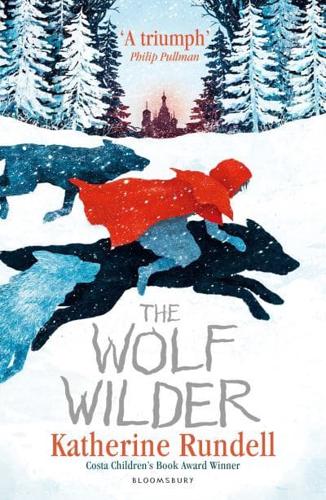
The Wolf Wilder by Katherine Rundell, illustrated by Gelrev Ongbico
Feodora and her mother live in Russia’s snowy woods, where they teach wolves once kept as pets to survive in the wild. When soldiers arrest her mother, Feo sets out for St Petersburg with her wolves, pursued by the Russian army. Katherine Rundell’s historical adventure mixes a wintry quest with a story about loyalty, courage and standing up to power. Gelrev Ongbico’s gorgeous illustrations add atmosphere to this brilliant tale of revolution and adventure.
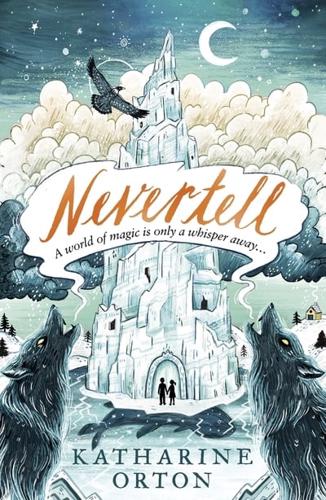
Nevertell by Katharine Orton
Born in a Soviet prison camp, Lina has never seen the world outside until she escapes with her best friend, Bogdan. The pair journey across a snowy Siberian wilderness while a vengeful sorceress and her shadow wolves pursue them. This fantasy for 9+ year olds brings magic into a story of friendship and survival, with the stark winter landscape shaping the children’s journey. Katharine Orton’s immersive adventure also provokes discussion by touching on the human world of political prisoners. It’s ideal for book clubs.
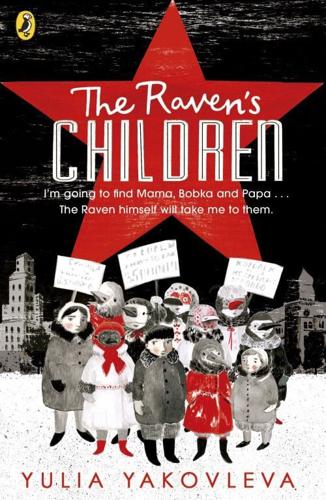
The Raven’s Children by Yulia Yakovleva, translated by Ruth Ahmedzai Kemp
Set in Leningrad in 1938, this historical novel for 10+ year olds begins when seven-year-old Shura’s parents and baby brother disappear. Neighbours whisper that the Raven, Stalin’s secret police, has taken them. Desperate to reunite his family, Shura sets out to find the Raven, encountering danger and unexpected help along the way.
The House with Chicken Legs by Sophie Anderson, illustrated by Elisa Paganelli
Marinka is the granddaughter of Baba Yaga, a guide who helps the dead pass into the afterlife. She lives with her grandmother in a house that travels on chicken legs, longing for a friend of her own age. When the familiar routine of guiding the dead changes, Marinka begins to question the life expected of her. This spellbinding fantasy draws on folklore as it explores friendship, family and finding one’s own path. Highly recommended.

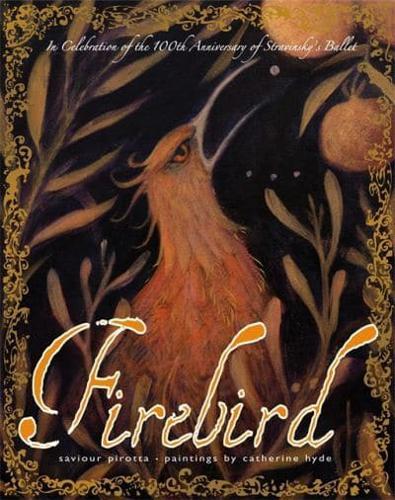
Firebird by Saviour Pirotta, illustrated by Catherine Hyde
In this retelling of a Russian folktale for 6-9 year olds, someone is stealing King Vaslav’s golden apples, and the legendary firebird is suspected. The king’s two elder sons return from their search defeated, so Prince Ivan sets off in their place. His quest takes him into a dark forest, where he meets a grey wolf, a horse with a golden mane and Princess Helen. The story is linked to the folktale that inspired Stravinsky’s ballet.
Koshka’s Tales: Stories from Russia by James Mayhew
Wise old cat Koshka tells five Russian folktales: The Snowmaiden, Sadko the Minstrel, Ivan the Greywolf and the Firebird, Vasilisa the Fair and Baby Yaga, and Tsar Saltan. James Mayhew retells the stories and illustrates them with art inspired by traditional Russian styles. Princes, witches, quests and magical creatures give this collection plenty of material for reading aloud or comparing with other folktales. Highly recommended.
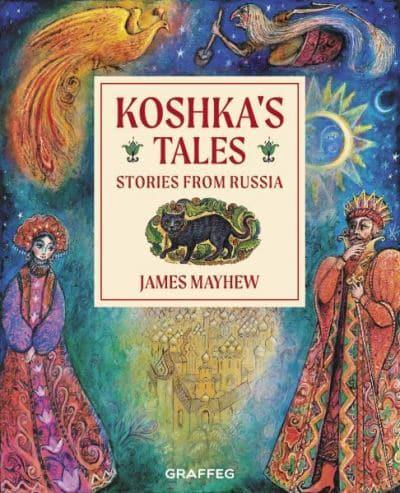
Russia by Rebecca Sabelko
A photo-led country guide for 3-8 year olds introduces Russia through its landscape, wildlife, language, food and population. Short sections pair simple text with photographs and facts, giving early readers a first look at the country and its people. Rebecca Sabelko’s book can support an introductory geography activity or provide basic background alongside stories set in Russia. It’s perfect for emergent readers.
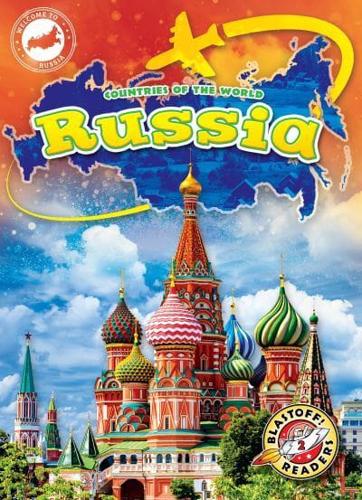
The Land and the People: Russia by Cath Senker
Cath Senker’s illustrated introduction moves from Russia’s varied landscapes and wildlife to life at home, school, festivals and work. St Basil’s Cathedral and St Petersburg’s palaces sit alongside details about family life, religion, cultural traditions and industries. Photographs, facts and statistics make this a browsing guide as well as a source for a geography project. The book builds a picture of Russia by connecting its land with the everyday experiences of its people.
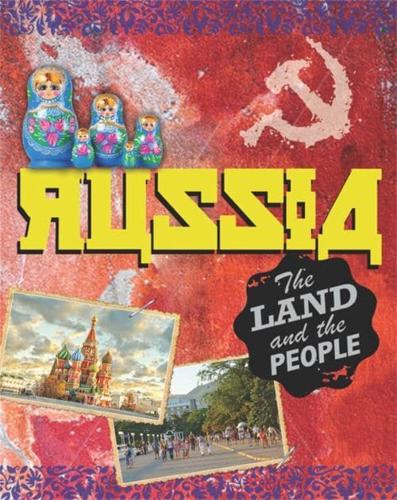
Breaking Stalin’s Nose by Eugene Yelchin
Ten-year-old Sasha Zaichik has spent years preparing to join the Young Pioneers and believes in the ideals of Stalin’s Soviet Union. On the eve of his induction ceremony, his father is arrested, overturning the world Sasha understands. This illustrated novel for 9+ year olds is set in Moscow during Stalin’s rule and presents events through Sasha’s changing view of family, loyalty and authority.
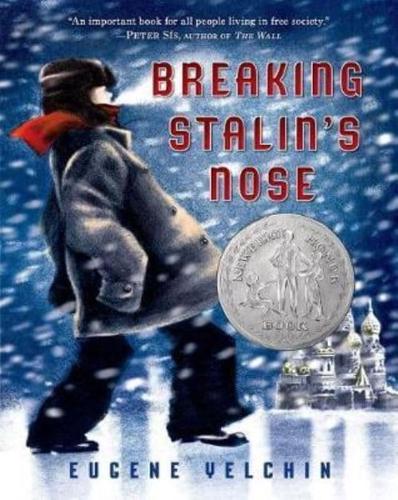
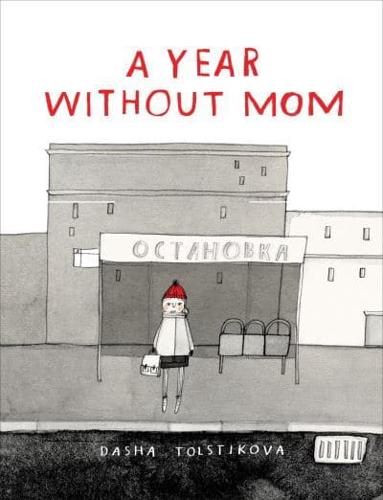
A Year Without Mom by Dasha Tolstikova
This graphic novel style memoir for 10+ year olds looks back at twelve-year-old Dasha’s year in Moscow after her mother leaves for America to study. In the early 1990s, as the Soviet Union collapses, Dasha stays with her grandparents and negotiates school, friendships and family life while political change forms the backdrop. Tolstikova combines drawn sequences with the visual feel of a childhood notebook, creating a personal account of separation, growing up and everyday life during a period of profound change in Russia. Highly recommended.
Russia books for teens
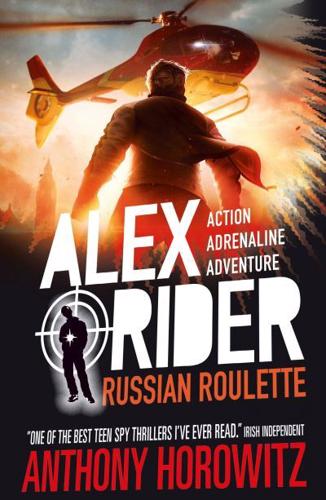
Russian Roulette by Anthony Horowitz
This super espionage novel for 12+ year olds traces Yassen Gregorovich’s story before he becomes an assassin who confronts Alex Rider. It begins with Yassen as a boy in Russia and follows the events that draw him into a world of crime, danger and espionage. Anthony Horowitz uses the prequel structure to fill in the past of a central character from the Alex Rider series, giving the story a different viewpoint on the novels’ familiar conflict.
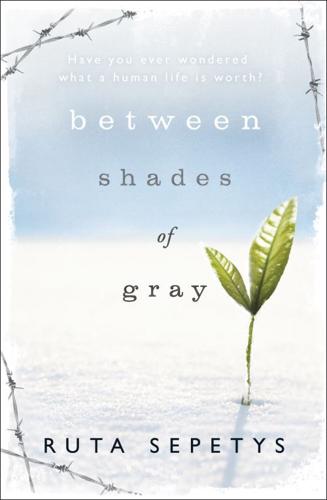
Between Shades of Gray by Ruta Sepetys
In 1941, Soviet authorities deport fifteen-year-old Lina and her family from Lithuania to Siberia. As they face forced labour and separation, Lina records people and events through her drawings, trying to hold on to her identity. Ruta Sepetys’s historical novel brings Stalin-era deportations into a personal story, following one teenager’s efforts to preserve hope and connection with her family. The book links Soviet history with the experiences of families displaced across the Baltic region. Highly recommended.
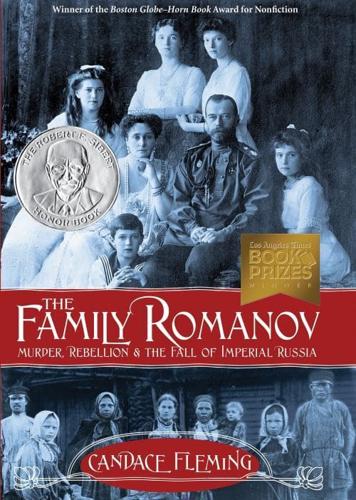
The Family Romanov: Murder, Rebellion, and the Fall of Imperial Russia by Candace Fleming
Candace Fleming recounts the lives of Tsar Nicholas II, Empress Alexandra and their four daughters alongside the upheaval experienced by ordinary Russians. The narrative moves from the family’s private world to the social tensions and revolution that ended imperial rule. Diaries, letters, photographs and contemporary accounts help build a documentary portrait of Russia’s last royal family. This brilliant young adult history connects political change with the people at its centre.
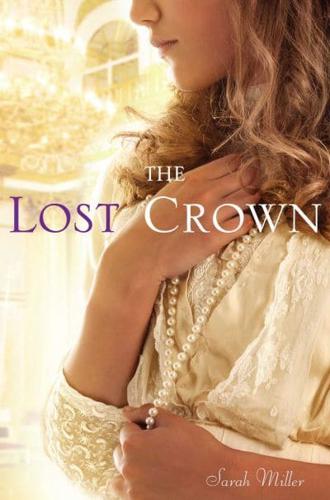
The Lost Crown by Sarah Miller
This historical novel for teens year olds is told in turn by Olga, Tatiana, Maria and Anastasia, the daughters of Nicholas II. Sarah Miller centres the sisters in the final years of imperial Russia, from the years of war through their family’s arrest after the revolution. Their individual voices bring a close domestic perspective to a period often described through political leaders and battles. The story follows the Romanov sisters and their family as their world changes dramatically.
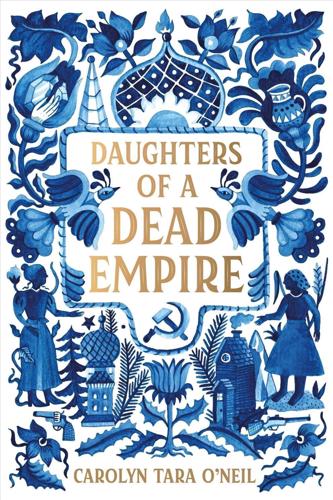
Daughters of a Dead Empire by Carolyn Tara O’Neil
In this alternate-history novel set in Russia in 1918, Anna, a fictionalised surviving Anastasia Romanov, escapes the massacre of her family and tries to flee south from Yekaterinburg. She offers a diamond to a peasant girl for help, unaware that the girl is a communist. This young adult thriller follows their journey across the Russian countryside during the Civil War. As the two young women travel together, their different backgrounds shape their ideas about class, loyalty and the future of the country.
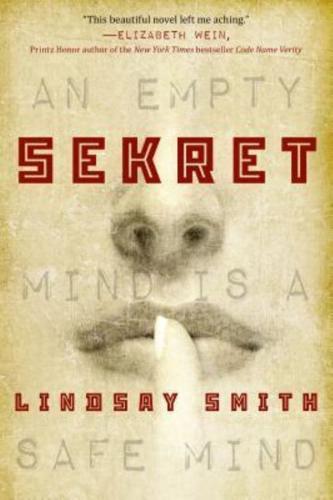
Sekret by Lindsay Smith
In Moscow in 1963, seventeen-year-old Yulia Chernina lives by rules that help her survive on the black market. When her psychic abilities attract the attention of Soviet authorities, she is drawn into a secret conflict involving the KGB and American intelligence. This supernatural Cold War thriller for 12+ year olds blends espionage with questions of control and self-determination. Highly recommended.
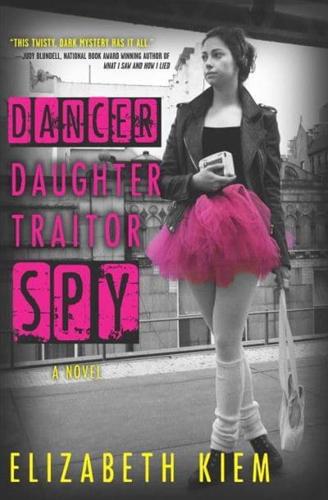
Dancer, Daughter, Traitor, Spy by Elizabeth Kiem
In Moscow in 1982, Marina is following in the footsteps of her mother, Sveta, a celebrated Bolshoi ballerina with mysterious psychic abilities. When Sveta disappears after uncovering a dangerous state secret, Marina and her father flee the Soviet Union for Brooklyn. There, Marina struggles to rebuild her dancing career while discovering that she has inherited her mother’s unusual gift. This fast-paced thriller for 14+ year olds combines ballet, family secrets, supernatural abilities and Cold War espionage as Marina searches for answers about her mother’s disappearance.
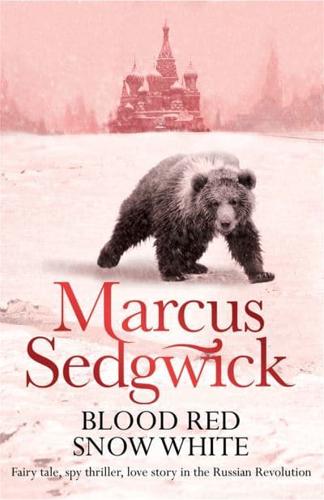
Blood Red, Snow White by Marcus Sedgwick
Marcus Sedgwick’s stunning YA novel retells the Russian Revolution through the life of Arthur Ransome, a British journalist who witnessed the revolutionary years in Russia. The story blends historical figures and events with a fairy-tale sensibility, using a three-part structure to present a country changed by revolution.
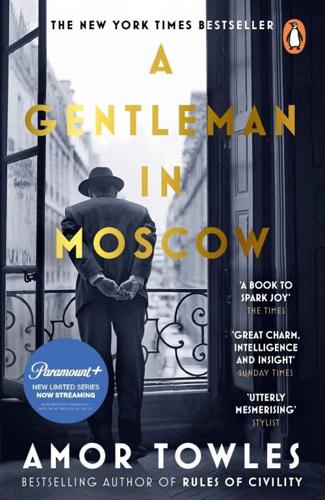
A Gentleman in Moscow by Amor Towles
For more mature sixth-formers, this outstanding novel begins in 1922, when Count Alexander Rostov is sentenced to house arrest in Moscow’s Metropol Hotel. Confined to the hotel, he watches decades of Soviet history unfold and forms unexpected relationships with hotel staff and guests. The story centres on how he builds a life under confinement, setting the hotel’s routines against Russia’s political changes. Amor Towles’s novel is an outstanding work of literary historical fiction.
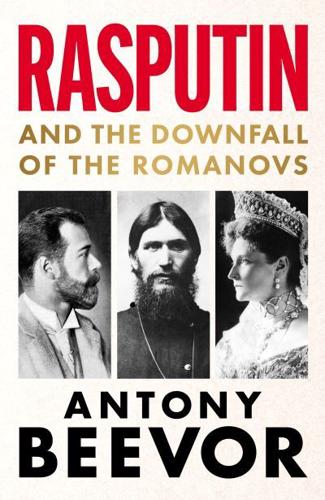
Rasputin: And the Downfall of the Romanovs by Antony Beevor
Sixth-form readers can examine Grigori Rasputin’s life and influence at the Romanov court in the final years of Tsarist Russia in this immersive and detailed account. Antony Beevor sets the Siberian holy man against the political and personal pressures surrounding Nicholas II, Alexandra and the imperial family, following the court’s scandal and declining authority towards revolution.
Click the buttons below to purchase all of the books in this Russia reading list, as well as class sets of any of these books and many more, from Bookshop.org UK. Or buy all 20 books in this list from Amazon – ideal for gifts or your classroom library.
Buy from UK.Bookshop.Org Buy from Amazon.co.uk
Disclosure: If you buy books using the buttons above: we may earn a commission from Bookshop.org, whose fees support independent bookshops; as an Amazon Associate schoolreadinglist.co.uk earns from qualifying purchases.
Schools & teachers: please respect copyright and don’t copy our Russia books list. If you find our book recommendations useful, please consider sharing on social media or linking to this page instead. Thanks.
Russia resources for teachers
- The British Council’s Russian language and culture education pack provides primary school teachers with lesson plans, assemblies and activities exploring the Cyrillic alphabet, Russian literature, food, celebrations and everyday life. Pupils can also learn about Russian space exploration and try a balloon rocket challenge.
- The Royal Geographical Society offers a six-lesson KS3 geography unit covering Russia’s physical landscapes, the Ural Mountains, climate, vegetation, soils, energy resources and economic development. Downloadable PowerPoints, worksheets, maps and assessment activities help pupils investigate the world’s largest country.
- Oak National Academy’s Year 9 geography resources include 12 free lessons examining Russia’s climate, biomes, population, natural resources, Indigenous peoples, cities and global influence. Teachers can download presentations, worksheets and quizzes, with activities involving geographical information systems and historical maps.
- The Royal Geographical Society’s Russian Arctic resources, developed with the University of Birmingham and WWF, provide KS3, GCSE and A level activities investigating Arctic ecosystems, permafrost, climate change and mineral extraction. Resources include posters, geographical data, worksheets and GIS investigations.
- Oak National Academy’s Russian Revolution history unit features six free Year 9 lessons exploring Tsarist Russia, Karl Marx, the Bolsheviks, the 1917 Revolution, the Russian Civil War and life under communism. Downloadable slides, worksheets and quizzes support historical enquiry and classroom discussion.
- The UK National Archives’ Russian Revolution examines original Foreign Office documents to explore the British government’s response to the events of 1917, including discussions about offering asylum to Tsar Nicholas II and his family. The resource supports source analysis and historical interpretation at GCSE and A level.
- For sixth form history classes, the National Archives’ Russia in Revolution workshop offers free online and in-person sessions investigating eyewitness accounts, diplomatic telegrams, military photographs and intelligence records from 1917 to 1921. The activities develop students’ evaluation of primary sources and differing historical interpretations.
- The National Archives’ Cold War on File collection provides original documents exploring relations between the Soviet Union and Western powers during and after the Second World War. Suitable for GCSE and A level history, the sources support enquiries into the wartime alliance, Stalin, Churchill and the emergence of the Iron Curtain.
- The Historical Association’s From St Neots to Siberia project offers five Year 9 history lessons examining British military involvement in the Russian Civil War. Lesson plans and supporting resources explore Allied intervention, Bolshevik propaganda and how British soldiers who served in Russia should be remembered.
- For GCSE English, Oak National Academy’s Animal Farm teaching resources help students examine George Orwell’s allegorical treatment of the Russian Revolution and Soviet communism. Activities investigate propaganda, political manipulation, corruption and the relationship between language and power.
- The Historical Association’s guidance on teaching about Russia’s invasion of Ukraine brings together educational links and advice for approaching sensitive historical and political issues. It includes suggestions for discussing the conflict with primary and secondary pupils, exploring its historical background and supporting children who may be anxious about international events.
- The British Red Cross provides guidance for discussing international conflicts, including the war in Ukraine, with children and young people aged 5 to 19. Useful for PSHE, citizenship and tutor time, the resource explores impartiality, humanitarian principles, responding to difficult questions and protecting pupils’ wellbeing.
- UNICEF UK’s Exploring War and Conflict resource offers downloadable classroom materials in English and Welsh to help teachers discuss conflict, children’s rights and displacement sensitively. The activities encourage age-appropriate conversations while considering the experiences of children affected by war and the importance of creating a supportive classroom environment.
BISAC JUV016040, JNF025070, JNF038060, YAF024050, YAN025070. | Thema YFT, YNH, YNM, 1DTA.