Rivers books for children and teens
Rivers shape landscapes and sustain habitats, but they also carry histories, myths and the lives of communities. This list of books about rivers for children and teens includes illustrated geography, hands-on activities, wildlife and conservation, alongside stories centred on floods, folklore and river deities. The books move from familiar UK waterways to rivers across the world, offering ways to connect topic work with independent reading. This list features books by Julie Vosburgh Agnone, Simon Chapman, Volker Mehnert, Susie Brooks, Gill Lewis, Clive Gifford, Mike Edwards, Sylvia Bishop, Darren Simpson, and Nikita Gill.
Rivers books for children and teens – our recommendations
Rivers books for children aged 5-12
Amazing Rivers: 100+ Waterways That Will Boggle Your Mind! by Julie Vosburgh Agnone, illustrated by Kerry Hyndman
An illustrated tour of more than 100 rivers brings together waterfalls, wildlife and traditions connected with waterways around the world. Julie Vosburgh Agnone presents short, fact-rich sections, while Kerry Hyndman’s artwork gives readers plenty to pause over and explore. From unusual creatures to religious celebrations beside rivers, the book moves between natural features and human stories.

Rivers: An incredible journey from source to sea by Simon Chapman, illustrated by Qu Lan
Simon Chapman traces six major rivers from their sources to the sea in this large-format illustrated book. The Nile, Amazon, Mississippi, Rhine, Ganges and Murray each bring together maps, landscapes, wildlife, people and history, showing how a river changes along its course. Fold-out pages add scale to the journey, while Qu Lan’s illustrations help connect river geography with the communities and cultures.

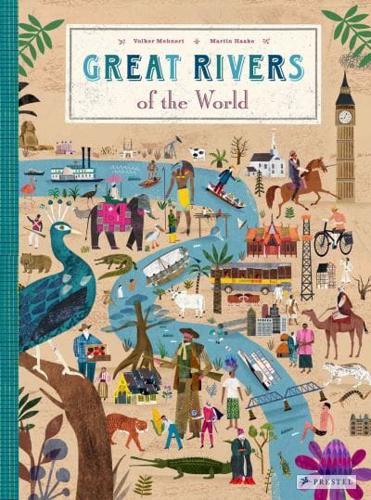
Great Rivers of the World by Volker Mehnert, illustrated by Martin Haake
Volker Mehnert and Martin Haake take readers along rivers across the world in an illustrated atlas that blends geography, history and culture. Each spread pairs a map with drawings and facts, while river biographies explain where waterways flow and why they matter to nearby communities. Cities, wildlife, landmarks and ecological health all feature in the book, giving 8+ year olds a broad, browsable introduction to the world’s great rivers.
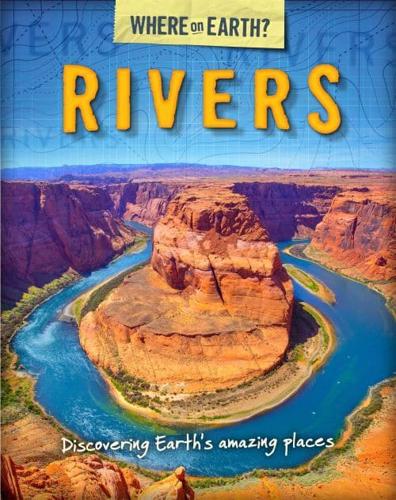
The Where on Earth? Book of: Rivers by Susie Brooks
From the Amazon to the Nile, Susie Brooks answers questions about rivers, water and the land around them. Short entries move between the age of river water, dangerous wildlife, festivals, waterfalls and the water cycle, with lively illustrations and quick facts across the spreads.
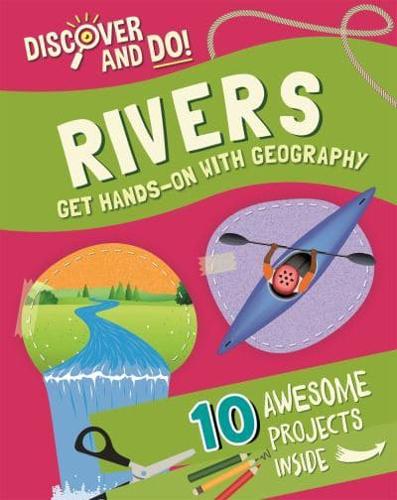
Discover and Do: Rivers by Jane Lacey
A practical geography title for 7+ year olds, this book combines river facts with simple activities. Jane Lacey introduces erosion, pollution, habitats and the ways people use rivers, then invites readers to make a model river, a filter and a canoe. Diagrams and instructions keep the ideas close to the hands-on tasks, so children can move between learning how rivers work and trying experiments or making projects of their own.
Song of the River by Gill Lewis, illustrated by Zanna Goldhawk
Cari and her mum try to rebuild their home and lives after a devastating flood. When they hear of a plan to reintroduce beavers to the area, Cari gets involved, aware that the animals’ changes to waterways could help prevent more flooding. Locals resist the project, and she must persuade them to give the beavers a chance.

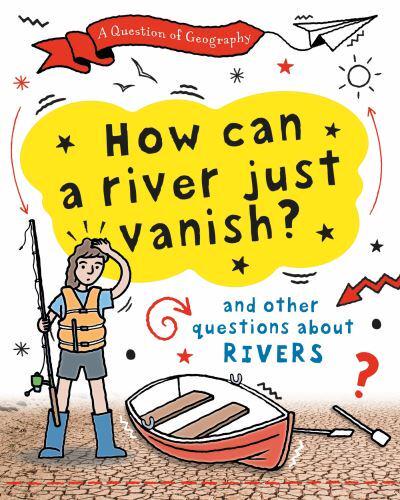
A Question of Geography: How Can a River Just Vanish? by Clive Gifford
Why aren’t rivers good climbers? Do you need an ox to make an oxbow lake? Clive Gifford uses questions like these to introduce river geography, from the meaning of sediment to the ways rivers shape the landscape. Short question-and-answer spreads make it easy to dip into a topic or read on to build a wider picture.
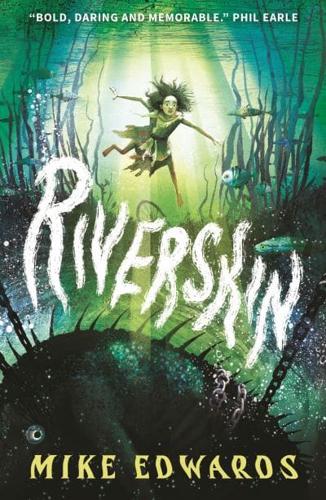
Riverskin by Mike Edwards
Tess lives with her Aunt Peg in the “turns”, a network of tunnels beneath the River Tees. When Aunt Peg begins to show signs of dementia, Tess needs to find someone else to keep her safe. She also starts to question the stories she has heard about her origins. Finding out more about her family means leaving the turns and encountering dry land for the first time.
Rivers books for teens
On Silver Tides by Sylvia Bishop
Kelda has always protected her sister Isla, whose inability to breathe underwater puts her at odds with the Lore of their silvermen community. As rivers in England grow sick and blame falls on Kelda’s family, the sisters flee upstream through a secret world woven into Britain’s waterways. Their fantasy adventure brings folklore together with an ecological thread about the health of rivers.

Thirst by Darren Simpson
In Maimsbury, villagers make a spring sacrifice to the River Yeelde in return for a year of plenty. Gorse has grown up accepting the custom, until a tragedy leads him to a blood-curdling discovery about what the river really demands. This folk-horror novel for readers aged 14+ draws on village superstition, dark secrets and the uneasy bond between a community and its waterway. Darren Simpson builds the story around a river that is both a source of life and a terrifying presence, particularly when the arrival of a Brim Year threatens to make the villagers’ sacrifices more sinister than ever.

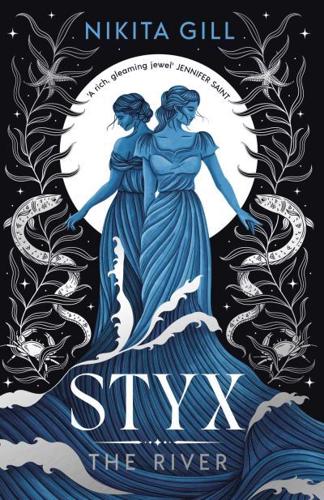
Styx: The River by Nikita Gill
Nikita Gill retells Greek mythology in verse through the story of Styx, the river goddess of the underworld. Born the first child of the Titans, Styx grows up among the gods and forms a close bond with her cousin Asteria while learning the arts of creation and magic. Family ties, sisterhood and power shape this YA novel in verse, which gives a mythic river a central voice in a new telling of the underworld.
Click the buttons below to purchase all the books in this list, as well as class sets of any of these books and many more, from Bookshop.org UK. Or buy all 11 titles from the list from Amazon, for gifts or your classroom library.
Buy from UK.Bookshop.Org Buy from Amazon.co.uk
Disclosure: If you buy books using the buttons above: we may earn a commission from Bookshop.org, whose fees support independent bookshops; as an Amazon Associate schoolreadinglist.co.uk earns from qualifying purchases.
Schools & teachers: please respect copyright and don’t copy our rivers books for children and teens list. If you find our book recommendations useful, please consider sharing on social media or linking to this page instead. Thanks.
Rivers resources for teachers
- The Royal Geographical Society provides a comprehensive five-lesson rivers unit for primary schools, featuring downloadable PowerPoints, lesson plans, worksheets and maps. Topics include the journey of a river from source to mouth, erosion and deposition, flooding, the River Thames, waterfalls and river fieldwork.
- Oak National Academy offers eight free Year 3 geography lessons exploring how rivers shape landscapes, river features, flooding and the importance of rivers to people and places. Resources include teaching slides, videos, worksheets and assessment quizzes.
- The Rivers Trust has developed a collection of free KS2 activity cards designed for schools and youth groups. Children can investigate where rivers begin, how water moves through river catchments and what affects river flow, using practical activities including building a water wall.
- The Canal & River Trust’s Explorers programme provides free downloadable river activities, teacher guidance, videos and games for primary-aged children. Resources investigate river formation, the differences between rivers and canals, freshwater wildlife and the migration of twaite shad along the River Severn.
- Ordnance Survey’s Mapzone features an interactive river landscapes project that uses real OS mapping to investigate how natural processes and human activities shape rivers. It is particularly useful for developing map-reading, geographical interpretation and enquiry skills.
- The Geographical Association offers KS2 fieldwork activities examining water, rivers and flooding. Pupils can investigate surface run-off and infiltration around their school, collect geographical data and recommend practical ways of reducing local flood risk.
- Earthwatch Education provides a free collection of 19 freshwater and citizen science resources for 7-11 year olds. Materials include presentations and activities investigating river pollution, plastic waste, local waterways, freshwater habitats, wildlife, water conservation and environmental action.
- For schools planning river fieldwork in built-up areas, the Geographical Association’s urban rivers resource suggests practical investigations that can be carried out without entering the water. Activities include annotated field sketches, identifying physical and human features, mapping and interpreting geographical evidence.
- The Field Studies Council provides detailed GCSE river fieldwork guidance covering sampling methods, channel width and depth, flow velocity, discharge calculations and recording geographical data. The resource also explains how to select appropriate investigation sites and use field measurements to examine downstream changes.
- For KS3 geography, the Geographical Association and Environment Agency have created three lessons exploring natural flood management in Kendal, Cumbria. Using Storm Desmond as a case study, pupils examine flood impacts, compare natural and engineered defences and evaluate flood management strategies through maps, photographs, videos and worksheets.
- Oak National Academy’s KS3 rivers unit contains 13 lessons covering drainage basins, erosion, transportation, deposition, river landforms, flood risk and river management. Pupils also investigate downstream changes through fieldwork and use geographical information systems to analyse flooding.
- Time for Geography offers a substantial collection of educational videos for GCSE, A-level, National 5 and Higher geography students. Topics include drainage basins, river erosion, waterfalls, floodplains, hard and soft engineering, sustainable drainage, fieldwork techniques and GCSE-style examination questions.
- STEM Learning features a practical engineering challenge in which secondary students design and build a programmable automatic flood barrier. Developed by the Institution of Engineering and Technology, the activity combines river flood management with electronics, computing, system design and programming.
- The Environment Agency’s live flood monitoring service provides real-world data for geographical investigations in England. Teachers and pupils can examine river levels, rainfall measurements, flood warnings and flood forecasts, using current observations to explore how rivers respond to rainfall and why flood risks change.
BISAC JUV029010, JNF037070. | Thema YFP, YNN, RGBG.