Plants, trees and forests books for children and teens
Children’s books about plants, trees and forests can open up a surprisingly busy world. From seeds, roots and leaves to ancient woodland and tropical rainforests, they show how plants grow and how wildlife depends on them. Forests also make wonderful settings for stories and adventures. Along the way, these books build children’s understanding of ecosystems and biodiversity, support science and geography, and may even tempt them outdoors to take a closer look for themselves. This list features books by Julia Donaldson, Peter Wohlleben, Nicola Davies, Yuval Zommer, Jonathan Drori, Katya Balen, Timothée de Fombelle, Holly Black, Joseph Coelho, and Frances Hardinge.
Plants, trees and forest books for children and teens – our recommendations
Plants, trees and forest picture books – our recommendations
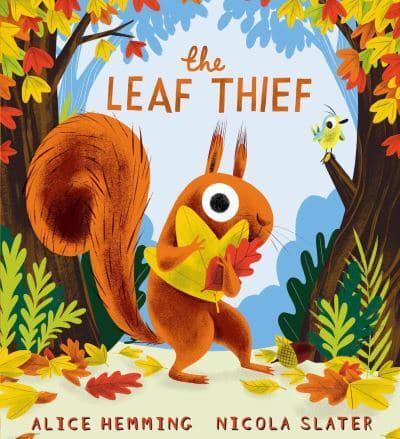
The Leaf Thief by Alice Hemming, illustrated by Nicola Slater
Squirrel is deeply suspicious when the leaves on his tree begin changing colour and disappearing. Convinced that a thief is at work, he sets out to discover who is stealing them, only to uncover the seasonal explanation behind the mystery. Alice Hemming’s autumn story, illustrated by Nicola Slater, turns falling leaves into a compelling comic investigation for 3+ year olds.
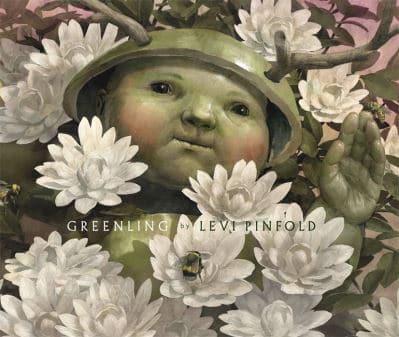
Greenling by Levi Pinfold
Mr Barleycorn discovers a green baby growing on his land and brings the child home, where ordinary domestic life gives way to extraordinary vegetation. Melons appear in the kitchen and apple growth invades the television as Greenling’s presence transforms the household and draws in the wider community. Levi Pinfold illustrates the spreading plant life in this stunning and thought-provoking modern fable for children aged 3+.
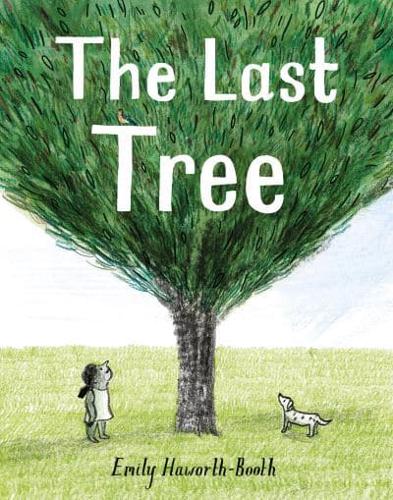
The Last Tree by Emily Haworth-Booth
A group of people searching for somewhere to live discovers a beautiful forest and begins building a settlement among the trees. As more trees are felled and fences go up, the community becomes increasingly cut off from the natural world, until only one tree remains. Emily Haworth-Booth’s ecological fable, aimed at ages 3 to 6, puts the children’s response to that last tree at the centre of the story. Ideal for discussion in EYFS and KS1. Highly recommended.
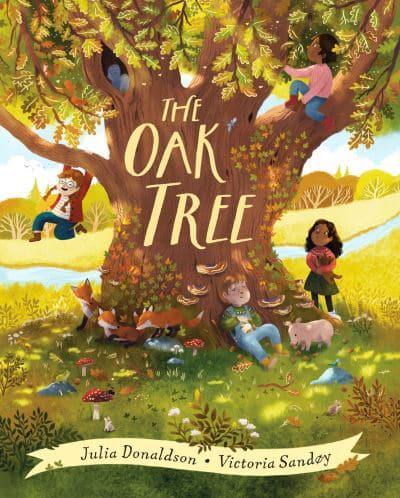
The Oak Tree by Julia Donaldson, illustrated by Victoria Sandøy
One oak stands while a thousand years of life unfold around it. Julia Donaldson follows the tree from a tiny acorn to a vast mature oak, observing the wildlife it shelters and the passing of generations before a new acorn begins the cycle again. Victoria Sandøy’s outstanding illustrations accompany the rhyming text in this thought-provoking view of nature.
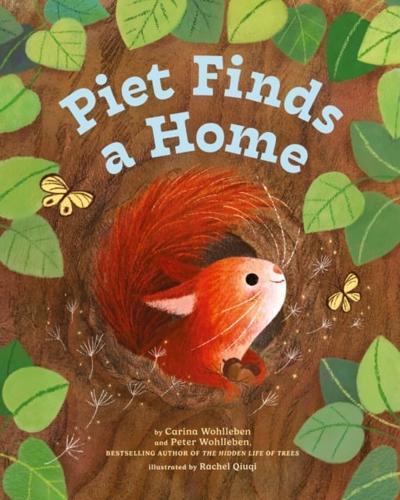
Piet Finds a Home by Peter Wohlleben and Carina Wohlleben, illustrated by Rachel Qiuqi
Piet the squirrel needs a new home, and Peter the forester suggests an old beech tree. Unsure at first, Piet settles in and watches the tree change through the seasons. As the charming picture book story unfolds, 3-7 year olds learn how roots take in water, leaves make sugar, and trees release moisture. Engaging informational sidebars and endnotes add further nature facts alongside the highly engaging narrative and illustrations. It’s perfect for shared reading in KS1.
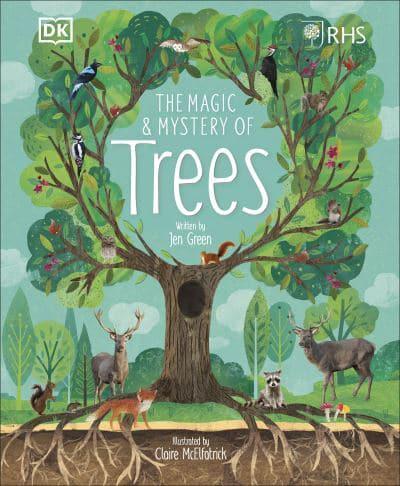
RHS The Magic and Mystery of Trees by Jen Green, illustrated by Claire McElfatrick
What happens beneath a tree’s bark, how do roots and fungi work together, and can trees communicate? Jen Green explores these questions alongside tree life cycles, forests around the world and the remarkable networks beneath the soil. Claire McElfatrick’s immersive illustrations support the science, while practical activities invite further investigation. Perfect for 7 to 9 year olds, this is a wide-ranging and fascinating introduction to the hidden life of trees.
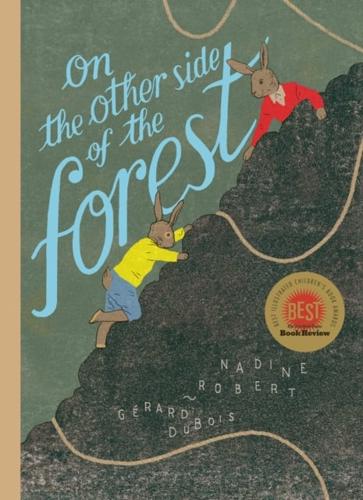
On the Other Side of the Forest by Nadine Robert, illustrated by Gérard DuBois
Beside a forest everyone avoids, Arthur watches his dad take on an ambitious project: building a tower high enough to see beyond the treetops. The work soon draws in the villagers, who help gather the materials and raise it stage by stage. The beautifully illustrated, thought-provoking and at times surreal story explores the unknown, and the rush of excitement to find out what lies on the other side. There’s a memorable twist at the end. It’s ideal for discussing with 4-8 year olds.
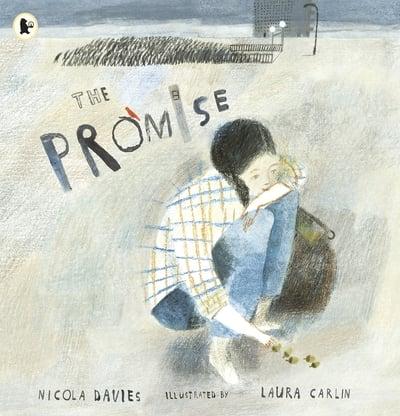
The Promise by Nicola Davies, illustrated by Laura Carlin
A girl living in a grey, neglected city tries to steal an old woman’s bag, but the woman makes her promise to use what she finds inside. The bag is filled with acorns, and planting them begins to change both the girl’s surroundings and her direction in life. Ideal for ages 5 to 9, Nicola Davies’s story follows the spread of those trees from one damaged city to another.
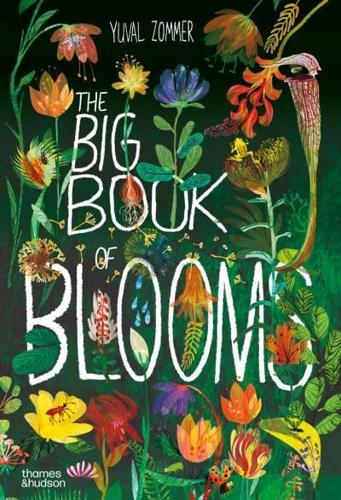
The Big Book of Blooms by Yuval Zommer
Flowers become much stranger once Yuval Zommer starts looking closely. This illustrated guide for ages 7+ year olds explores flower families, anatomy and life cycles, then introduces pollinators including bats, birds and beetles. Venus flytraps, giant water lilies and corpse flowers sit alongside sections on edible, fragrant and poisonous blooms, seed dispersal and growing plants, giving young botanists plenty to investigate beyond the garden border.
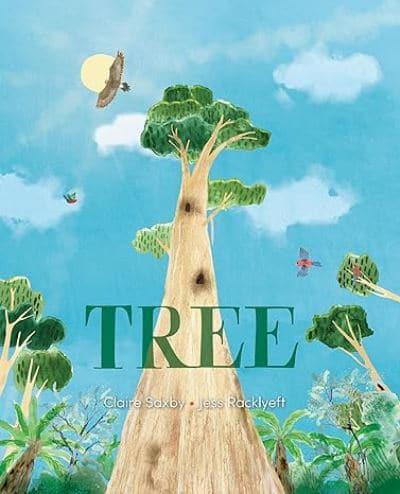
Tree by Claire Saxby, illustrated by Jess Racklyeft
Exploring the life of a towering mountain ash, Tree by Claire Saxby and Jess Racklyeft explores the intricate ecosystem of a forest. Teachers and students who enjoyed ‘Iceberg’ will love the way ‘Tree’ interweaves information with rich language and vivid illustrations. The spectacular fold-out pages in this stunning picture book will be hugely engaging for curious 5+ year old readers. Told from the tree’s perspective, young readers will empathise with its role as a provider of shelter for diverse creatures. Tree is highly recommended for primary school libraries. Download a free teaching resource.
Plants, trees and forest books for 7-12 year olds – our recommendations
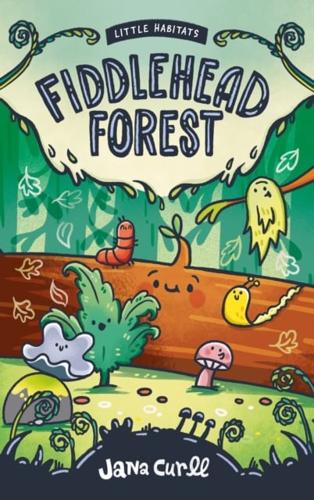
Fiddlehead Forest by Jana Curll
Piet the squirrel needs a new home, and Peter the forester suggests an old beech tree. Unsure at first, Piet settles in and watches the tree change through the seasons. As the charming picture book story unfolds, 3-7 year olds learn how roots take in water, leaves make sugar, and trees release moisture. Engaging informational sidebars and endnotes add further nature facts alongside the highly engaging narrative and illustrations. It’s perfect for shared reading in KS1.
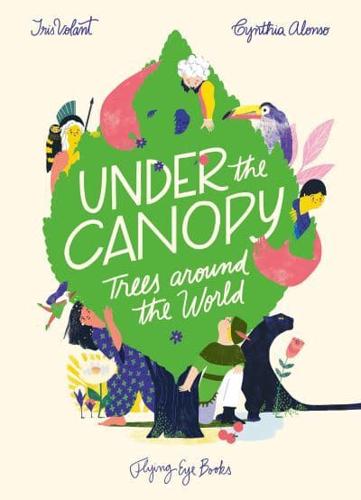
Under the Canopy: Trees Around the World by Iris Volant, illustrated by Cynthia Alonso
Baobabs, cedars, hawthorns and yews are among the trees Iris Volant visits in this global survey for ages 7+. The journey also reaches celebrated woodlands including the Amazon rainforest, Germany’s Black Forest and Sherwood Forest, connecting individual species with the places, histories and cultures around them. Cynthia Alonso’s impressive illustrations give each stop on the tour a distinct visual setting.
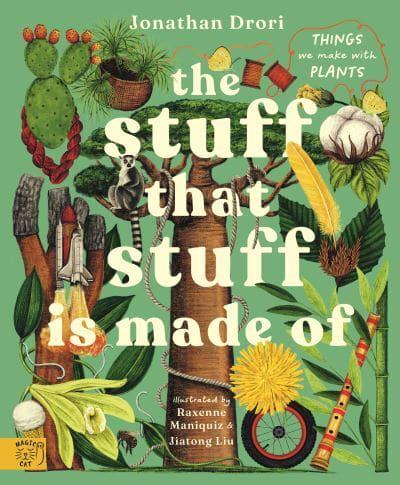
The Stuff that Stuff is Made Of: Things We Make With Plants by Jonathan Drori, illustrated by Raxenne Maniquiz and Jiatong Liu
Seaweed in ice cream, cork in spacecraft and dandelions in truck tyres show just how deeply plants are woven into manufactured objects. Jonathan Drori tells 30 stories about plant materials and human ingenuity, also tracing routes from papyrus to paper, cacao to chocolate and baobab to rope. Ideal for readers aged 7+ the book eefortlessly links botany with history, technology and everyday things. A fascinating read.
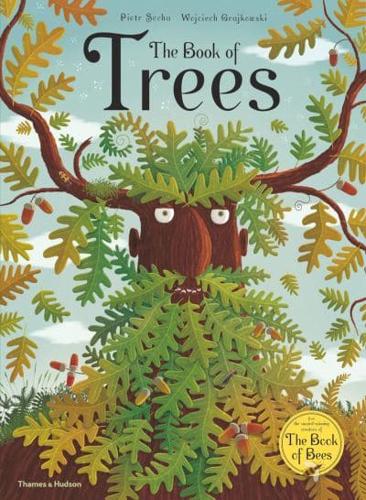
The Book of Trees by Wojciech Grajkowski, illustrated by Piotr Socha
How tall can a tree grow, how old can it become, and what has humanity built, believed and discovered around trees? Wojciech Grajkowski ranges from prehistoric forests to the present day, mixing natural history with cultural stories and extraordinary uses of wood. Piotr Socha’s large-scale illustrations make this an expansive visual encyclopaedia that’s perfect for KS2 classrooms.
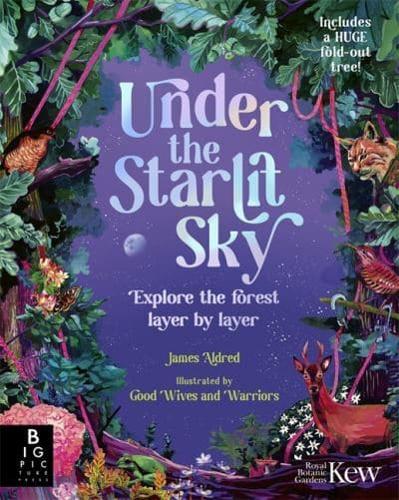
Under The Starlit Sky: Explore the Forest Layer By Layer by James Aldred, illustrated by Good Wives and Warriors
The Białowieża Forest comes to life through the highly illustrated and captivating story of a single oak tree. From its roots to its highest branches, 7-9 year olds will become fascinated by the creatures that rely on it – from dormice on the forest floor to owls in the canopy. Produced with the Royal Botanic Gardens, Kew, this beautifully illustrated hardback features a spectacular classroom-sized fold-out packed with detail, inviting children to explore the oak’s wild habitat and discover its many inhabitants together. It’s ideal for classroom reading in LKS2, or for nature loving children to enjoy at home with friends. Highly recommended.
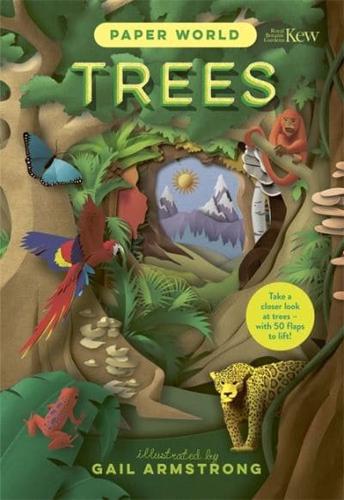
Paper World Trees: Stunning Interactive Non-fiction with Flaps and Paper-cut Artwork by Catherine Saunders, illustrated by Gail Armstrong
Ingenious paper engineering and design reveal the world of trees, from the variety of life they support to everything that happens beneath the soil. Fact-packed text covers types of forest, unusual tree adaptations and the mycorrhizal network, while Gail Armstrong’s vibrant artwork is presented with flaps and die-cuts on every spread. It’s the perfect blend of interactivity, chunks of short text and stunning artwork that will engross children in Years 3 and 4.
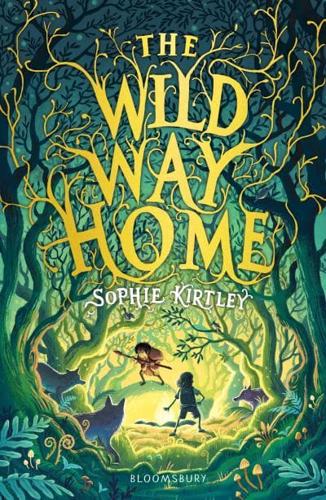
The Wild Way Home by Sophie Kirtley
Charlie has longed for a baby brother, but when Dara is born seriously ill on Charlie’s twelfth birthday, fear sends him running into Mandel Forest. There, the familiar woods become Stone Age wilderness and Charlie meets Harby, a boy with troubles of his own. Ideal for KS2, Sophie Kirtley’s time-slip adventure links two boys separated by thousands of years as each struggles with fear for his family.
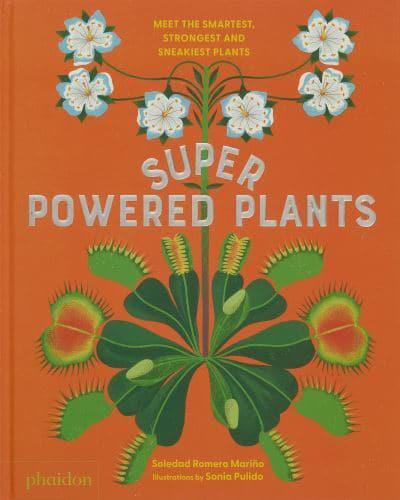
Superpowered Plants: Meet the Smartest, Strongest, and Sneakiest Plants by Soledad Romero Mariño, illustrated by Sonia Pulido
Plants do not need capes to possess remarkable survival skills. Perfect for UKS2 and LKS3, Soledad Romero Mariño profiles 22 species, treating each as a botanical ‘superpower’ story and explaining how plants withstand difficult habitats, defend themselves and outmanoeuvre threats. Sonia Pulido’s bold portraits give every species its own visual identity, while concise facts reveal the science behind the feats.
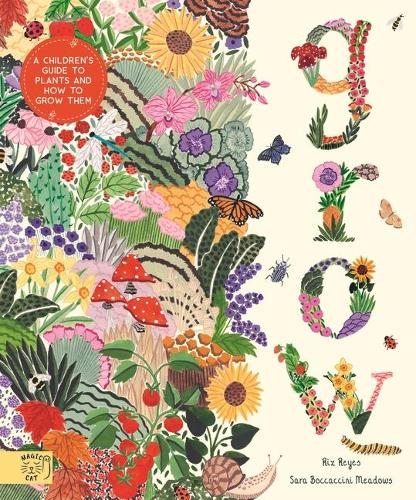
Grow: A Children’s Guide to Plants and How to Grow Them by Rizaniño Reyes, illustrated by Sara Boccaccini Meadows
Daffodils and mushrooms are among 15 ‘plant heroes’ in Rizaniño Reyes’s practical introduction to growing. Each profile combines facts about the plant with step-by-step guidance for raising and caring for it, whether there is a garden available or only a sunny windowsill. Sara Boccaccini Meadows illustrates this impressive 64-page guide, which draws on Reyes’s extensive horticultural expertise. Highly recommended.
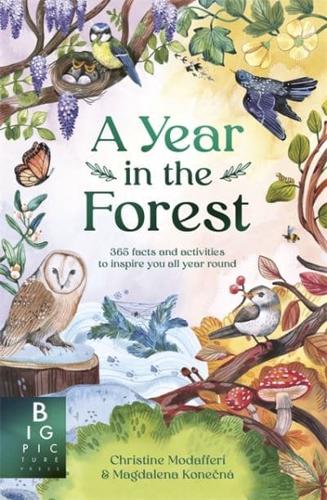
A Year in the Forest: 365 nature facts and activities to inspire you all year round by Christine Modafferi, illustrated by Magdalena Konecná
A different forest discovery awaits on every day of the year, mixing nature facts and short stories with hands-on activities, poems, drawing ideas and journalling prompts. KS2 children can explore woodland creatures and birdlife, mark dates such as Earth Day and World Wildlife Day, and consider practical approaches to sustainability and conservation. This outstanding and beautifully realised treasury for 8+ year olds suits independent browsing, shared reading or primary school libraries, with Magdalena Konecná’s illustrations making each entry super-inviting and easy to dip into. Highly recommended.
October, October by Katya Balen, illustrated by Angela Harding
October knows the trees, lake, rocks and stars around the woodland home she shares with her dad, and she has little interest in life beyond them. The year she turns eleven, she rescues a baby owl, her father falls from a tree and the mother she barely knows returns. Ideal for 9-12 year olds, this award wninning novel follows October as she is forced to confront a world beyond the woods.

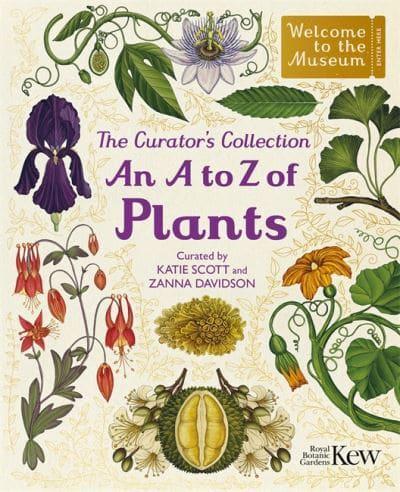
The Curator’s Collection: An A to Z of Plants: A pocket-sized Welcome to the Museum gift edition, illustrated by Katie Scott
From wild columbine to ginger root, this stunning alphabetical gallery hardback reveals the variety, complexity and beauty of the plant kingdom. Created in collaboration with the Royal Botanic Gardens, Kew, this compact edition draws on the world of Botanicum, pairing scientific detail with Katie Scott’s marvellous and intricate botanical illustrations. 9-12 year olds can browse one plant at a time, or compare unfamiliar species and discover how much diversity lies within the flora growing around the world. This versatile pocket-sized format also makes it an appealing reference book for nature topics, outdoor learning and primary school libraries. Highly recommended.
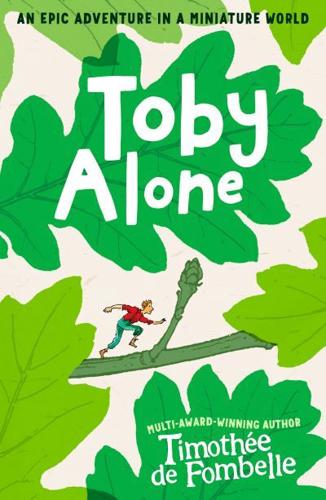
Toby Alone by Timothée de Fombelle, illustrated by François Place
Toby Lolness is only one and a half millimetres tall, yet the Great Oak Tree he inhabits is an entire world. When his scientist father discovers a powerful source of energy inside the tree and refuses to reveal how to exploit it, the family is exiled and Toby becomes a fugitive. This unforgettable middle grade fantasy turns the tree itself into a vast, threatened civilisation.
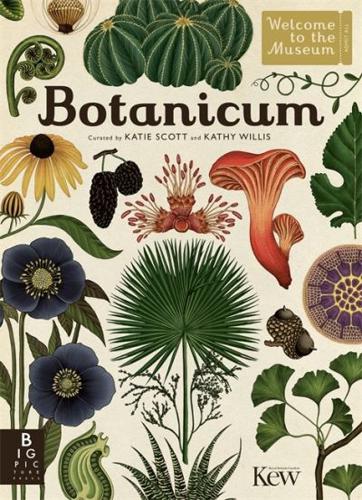
Botanicum by Kathy Willis, illustrated by Katie Scott
Step through the doors of an imaginary botanical museum and the plant kingdom is arranged in galleries rather than chapters. Botanist Kathy Willis introduces major groups of plants and the extraordinary variety within them, while Katie Scott supplies detailed plates in the distinctive Welcome to the Museum style. The impressive large-format presentation turns plant classification into a sequence of highly immersive curated visual displays. It’s idea for KS2 and KS3 readers.
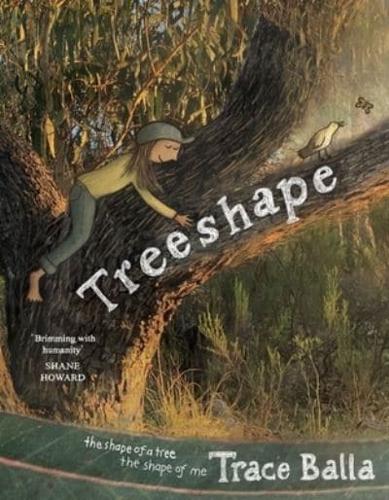
Treeshape by Trace Balla
A childhood love of climbing trees grows into a detailed and atmospheric graphic memoir about noticing birdsong, leaf light, butterfly movement and the living world. A thoughtful and memorable read for, it explores environmental activism, including protest against uranium mining at Jabiluka, alongside First Nations connection to Country, memory and care for habitats.
Plants, trees and forest books for teens – our recommendations
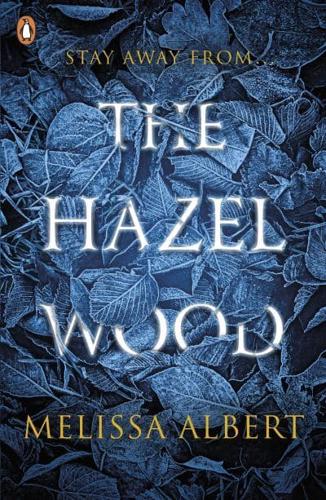
The Hazel Wood by Melissa Albert
Alice Proserpine knows what it is to live out of a suitcase. For years, she and her mother have kept moving, pursued by a streak of uncanny bad luck that seems impossible to escape. Then Alice’s reclusive grandmother dies, her mother is abducted by a figure from the grandmother’s notorious collection of dark fairy tales, and the fictional Hinterland begins to feel horribly real. With classmate Ellery Finch as her reluctant guide, Alice heads towards the forbidden Hazel Wood. This unsettling fantasy for 12-18 year olds plays cleverly with the crueller traditions of fairy tales.
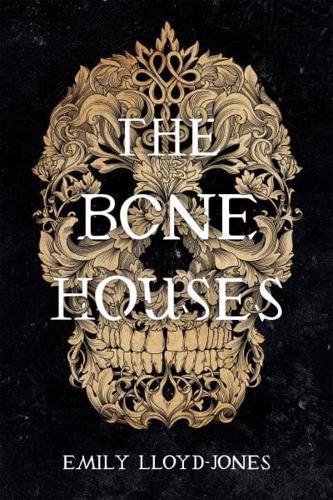
The Bone Houses by Emily Lloyd-Jones
Gravedigging is difficult enough without the corpses getting back up. Seventeen-year-old Ryn helps support her siblings by tending the graveyard in the remote village of Colbren, where reanimated bodies known as bone houses are blamed on an old curse. Their behaviour changes when apprentice mapmaker Ellis arrives, drawing the pair into the mountains in search of answers. Emily Lloyd-Jones mixes Welsh-inspired folklore, horror and adventure with a thoughtful story about grief and letting go. 12+ year olds who enjoy dark fantasy should relish its macabre premise and sharply drawn partnership.
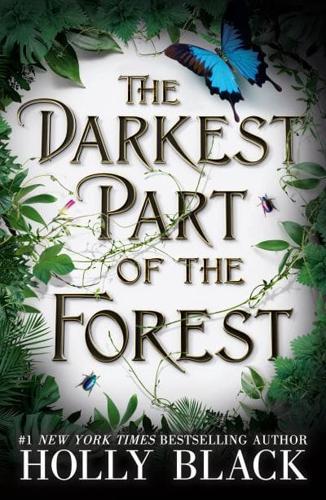
The Darkest Part of the Forest by Holly Black
Fairfold treats faeries as a tourist attraction. Hazel knows better. She and her brother Ben have grown up beside a forest where bargains have consequences, monsters are real and a horned faerie boy has slept for years inside an unbreakable glass coffin. When he finally wakes, memories and dangers Hazel thought were safely buried return with him. Holly Black gives 12+ year olds a delicious modern fairy tale in which enchantment is seductive, frightening and never entirely trustworthy, with secrets, romance and sibling loyalties woven through the supernatural threat.
The Girl Who Became a Tree: A Story Told in Poems by Joseph Coelho, illustrated by Kate Milner
Daphne is grieving, angry and adrift, retreating into the library and the distracting glow of her phone as she tries to make sense of what has happened to her family. Joseph Coelho sets her contemporary story alongside the Greek myth of Daphne and Apollo, moving through an inventive range of poetic forms as the two narratives begin to echo one another. Kate Milner’s illustrations extend the imagery of growth, entanglement and transformation. This ambitious verse novel for 13+ year olds is an excellent reminder that poetry can tell a gripping story as well as explore difficult emotions.

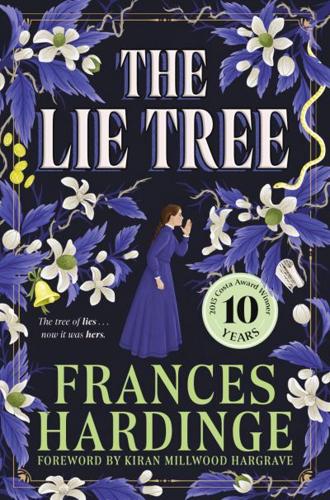
The Lie Tree by Frances Hardinge
Faith Sunderly wants knowledge in a society determined to underestimate her. After her naturalist father dies in mysterious circumstances, she discovers an extraordinary tree among his possessions. Feed it a convincing lie and it bears fruit that reveals a hidden truth, giving Faith a dangerous new way to investigate his death. Frances Hardinge turns that irresistible idea into a tense gothic mystery involving scientific ambition, reputation and the restrictions imposed on girls and women. The twists are compelling, but the questions about who controls truth make this particularly rewarding fiction for 12+ year olds.
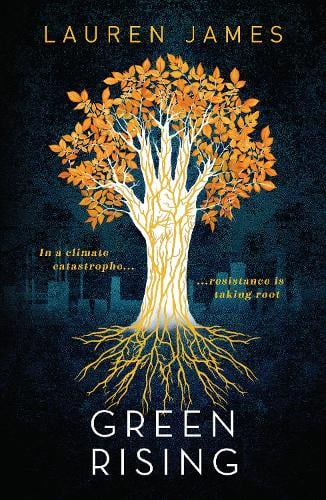
Green Rising by Wren James
Climate activist Gabrielle becomes an international sensation when plants begin growing from her skin. Soon other teenagers develop the same extraordinary Greenfingers ability, among them Hester, daughter of an oil tycoon, and Theo, whose fishing family is struggling as the environment changes. Bringing three people with sharply different interests together gives Wren James plenty of room to explore who holds power in a climate emergency and who pays for inaction. This compelling YA novel offers an insightful, political, and ultimately, uplifting take on climate change. Highly recommended.
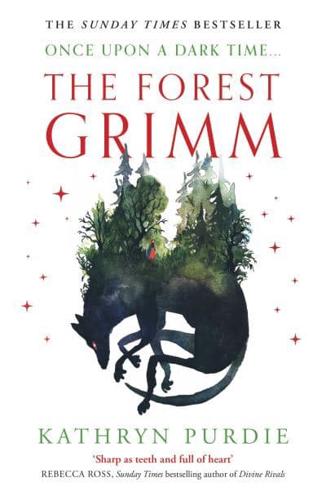
The Forest Grimm by Kathryn Purdie
The villagers of Grimm’s Hollow once used an enchanted book to make their wishes come true. After one wish was used to kill, the magic turned poisonous, the forest reclaimed the book and people who crossed its border began disappearing. Seventeen-year-old Clara enters anyway, hoping to break the curse and find her missing mother, with her closest friend Axel beside her. Kathryn Purdie reshapes elements of familiar Grimm tales into obstacles that feel recognisable without becoming predictable. For 13-18 year olds, the result is an atmospheric mixture of dangerous woodland, survival fantasy and slow-building romance.
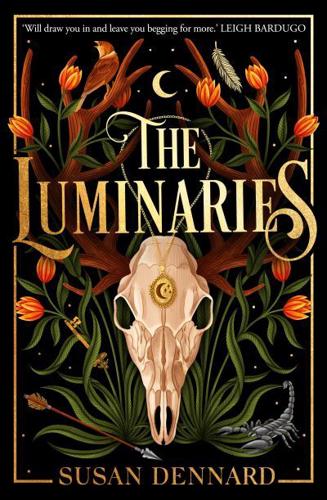
The Luminaries by Susan Dennard
In Hemlock Falls, the forest produces nightmares after dark and the Luminaries are trained to kill them. Sixteen-year-old Winnie Wednesday has wanted to join their ranks for years, but her family became outcasts when her father was exposed as a witch and traitor. The deadly hunter trials offer her a chance to restore their reputation, provided she survives them. Training with former best friend Jay Friday soon exposes mysteries the Luminaries themselves do not understand. Monsters, family secrets and the politics of belonging make this a thoroughly absorbing contemporary fantasy for 13-18 year olds.
Plants, trees and forest books for sixth formers – our recommendations
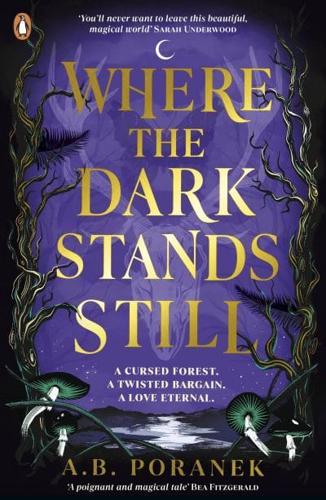
Where the Dark Stands Still by A. B. Poranek
Liska Radost has been taught to fear magic, which becomes a serious problem when she discovers that she possesses it herself. Her attempt to rid herself of that power takes her into the spirit-wood, where the Leszy, its demon warden, offers a bargain: a wish in exchange for a year of service. Life in his strange house gradually reveals secrets about the forest, its spirits and the Leszy himself. Drawing strongly on Polish folklore, A. B. Poranek creates a brooding fantasy in which fear of magic, belonging and a developing romance are tightly entwined. It is a powerful read for 16+ year olds.
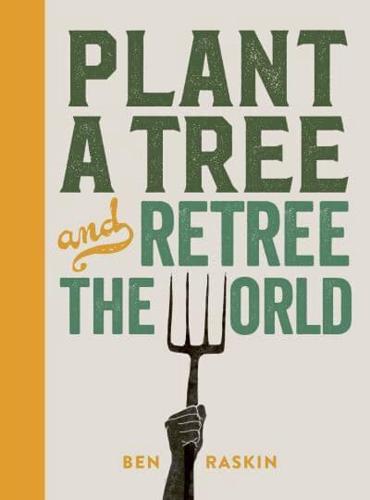
Plant a Tree and Retree the World by Ben Raskin, illustrated by Rosanna Morris
Planting trees is often presented as an environmental slogan; Ben Raskin is much more interested in how and why to do it properly. He explains the part trees play in regulating climate, enriching soil, supporting wildlife and improving urban environments before moving into propagation, planting and long-term care. Practical sections cover growing from seed and cuttings, grafting, mulching, pruning and pollarding, while a guide to 40 trees considers fruit, nuts, wildlife value and identification. Rosanna Morris’s illustrations give this useful combination of ecology and hands-on horticulture a distinctive visual character.
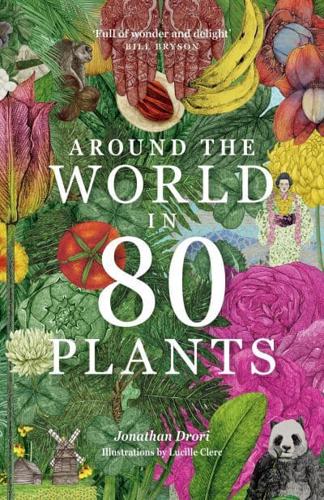
Around the World in 80 Plants by Jonathan Drori, illustrated by Lucille Clerc
Jonathan Drori uses 80 plants as starting points for stories about people, places and ideas. Tomatoes, dandelions and mangoes share the pages with mandrakes, Spanish moss and species whose histories are bound up with medicine, religion, trade, food or industry. What could have become a catalogue instead works as a highly readable journey through botany, history and folklore, full of surprising connections between familiar plants and human civilisation. Lucille Clerc’s illustrations are integral to the appeal, making this a book to both browse casually and then return to for deeper immersive reading. Highly recommended.
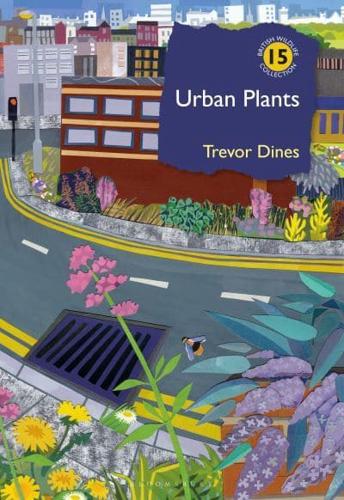
Urban Plants by Trevor Dines
A railway station car park, pavement crack or bombsite can be as botanically interesting as a meadow once Trevor Dines starts looking closely. He traces the plants that have colonised Britain’s villages, towns and cities, explaining how development, transport, disturbance and changing climate create opportunities for some species while eliminating others. Individual examples include London Rocket at the Tower of London and the recently evolved York Groundsel. Photographs, maps and diagrams support a detailed discussion that also takes in invasive species, herbicides, climate change and the exciting possibilities of urban rewilding.
Click the buttons below to purchase all of the books in this plants, trees and forest books list, as well as class sets of any of these books and many more, from Bookshop.org UK. Or buy the 20 most popular titles from this list from Amazon – ideal for gifts or your classroom library.
Buy from UK.Bookshop.Org Buy from Amazon.co.uk
Disclosure: If you buy books using the buttons above: we may earn a commission from Bookshop.org, whose fees support independent bookshops; as an Amazon Associate schoolreadinglist.co.uk earns from qualifying purchases.
Schools & teachers: please respect copyright and don’t copy our plants, trees and forest for children list. If you find our book recommendations useful, please consider sharing on social media or linking to this page instead. Thanks.
Plants, trees and forests resources for teachers
- The Woodland Trust provides a large collection of free, curriculum-linked outdoor learning resources, including tree and wildlife identification sheets, woodland activities, tree-planting guidance and ideas for exploring the natural environment in school grounds.
- Forestry England offers free resources for forest visits and classroom preparation, with activities covering tree growth, forest habitats, scientific enquiry, sustainable forestry and climate change for pupils from EYFS through to secondary school.
- The RHS school gardening resources include practical activities and guidance on growing plants, creating a school garden, growing food, understanding soils, plant care, gardening safely and using plants across the curriculum.
- Science and Plants for Schools has an extensive bank of plant science resources for primary, secondary and post-16 teaching. Topics include plant structure, germination, photosynthesis, reproduction, pollination, classification, habitats, adaptation and practical investigations.
- Royal Botanic Gardens, Kew provides free curriculum-linked resources for primary and secondary pupils exploring plant and fungal science, while its wider education programme includes materials on plant adaptations, life cycles, biodiversity, climate change and green careers.
- The Eden Project’s teaching resources include free lesson plans covering rainforest plants, adaptations, classification, pollination, leaves and plant uses. Activities range from EYFS and primary outdoor learning to secondary science and geography.
- The Natural History Museum offers free curriculum-linked articles, videos and downloadable resources for exploring urban nature, biodiversity and habitats, including activities that investigate trees, calculate the carbon stored in them and examine the environmental effects of planting woodland.
- The National Education Nature Park brings together plant activities and teaching resources for schools, with opportunities to identify plants, investigate trees and hedges, map habitats, improve school grounds and record changes in biodiversity.
- The Tree Council’s National Tree Week schools resource pack includes lesson slides, worksheets and activities examining why trees matter, the effects people have on trees and how pupils can identify common species.
- The Royal Forestry Society runs Teaching Trees and provides woodland education resources, curriculum-linked school visits, lesson materials and the Junior Forester Award, introducing children to woodland ecology, forest management and forestry careers.
- WWT’s curriculum resource packs include Plant Detectives and Tremendous Trees activities for different age groups. Pupils can investigate plant structure, photosynthesis, deciduous and evergreen trees, plant adaptations and the importance of plants to people and wildlife.
- STEM Learning’s National Tree Week collection brings together primary and secondary resources exploring trees, plant identification, habitats, biodiversity and the role trees play in ecosystems, with links to science, mathematics and environmental education.
- Countryside Classroom has a searchable collection of quality-assured teaching materials about the natural environment, including lesson plans and activities on forests, trees, woodland habitats, leaves, plant health and outdoor learning.
- For schools in Scotland, Forestry and Land Scotland provides learning resources covering trees, forestry, wildlife and outdoor learning, together with activity sheets and cross-curricular materials exploring Scotland’s forests and woodland heritage.
- Royal Botanic Garden Edinburgh offers free, open-access online learning resources and plant activities for primary pupils, secondary students, young adults and educators, covering plants, biodiversity and the natural world.
- For schools in Wales, Natural Resources Wales has a particularly useful trees and woodlands collection covering seed dispersal, measuring trees, woodland management, oak trees, tree biology, carbon, tree planting and practical outdoor activities.
- In Northern Ireland, DAERA’s forests and the curriculum resources provide fact sheets and worksheets for KS1 and KS2 pupils, designed to introduce trees and forests and support learning before and during visits to woodland.
BISAC JUV029040, JUV029050, JNF037030, JNF037040, JNF051100, YAF043000, YAF043010, YAN050040, YAN050080, YAN050090. | Thema YFP, YNNT, YNNB, YNNC, YXZG.