History of flight books for children and teens
Long before passenger jets, balloonists were taking to the skies and inventors were trying to build machines that could fly under their own power. These books about the history of flight introduce children and teens to the people who transformed aviation, from the Wright brothers and pioneering women pilots to wartime flying and modern aircraft. The selection includes illustrated histories, biographies and historical novels, with accessible choices for 5-12 year olds and more detailed reading for teenagers. This list features books by Emma Carroll, Elizabeth Wein, Sherri L. Smith, Katherine Woodfine, Sheila Kanani, Jakob Whitfield, Karen Bush Gibson, Heather Stemp, Adam Hancher, and Matt Ralphs.
History of flight books for children and teens – our recommendations
History of flight books for 5-12 year olds
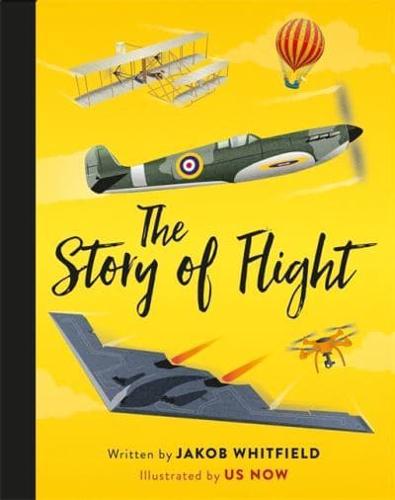
The Story of Flight by Jakob Whitfield, illustrated by Us Now
Jakob Whitfield’s illustrated guide traces human flight from early balloons and airships to stealth jets and drones. Along the way, it connects advances in aviation with changes in society, including wartime flight, women challenging barriers and environmental questions about flying. Us Now’s artwork brings the subject to life across the book. This visual introduction to aviation history for 7+ year olds shows how each new era grew from earlier experiments.
Flight for Freedom by Kristen Fulton and Torben Kuhlmann
Flight for Freedom tells the true story of the Wetzel family’s daring escape from East Germany in 1979 using a homemade hot air balloon. Set against the backdrop of the Berlin Wall and Cold War tensions, this picture book tells a compelling tale of bravery, perseverance, and the pursuit of freedom. With detailed maps and diagrams, it’s a captivating, fascinating, and original book to have in your classroom library.

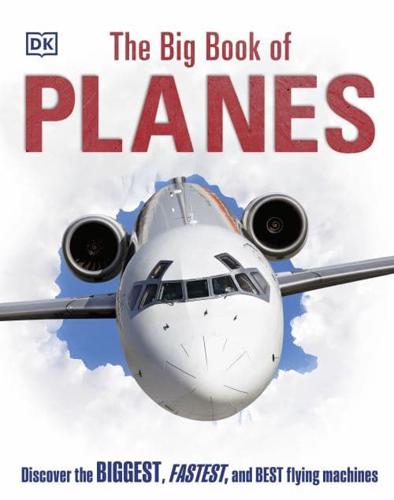
The Big Book of Planes by DK
DK’s illustrated reference book introduces jets, planes and other flying machines through close-up photographs and fascinating facts. It brings aircraft from the past and present together, pointing out their features and explaining what makes each one distinctive, from spy planes and stunt aircraft to microlights and jumbo jets. Short pieces of information and close-up images make it easy to dip into the 48-page volume, compare designs and follow questions about how aircraft work.
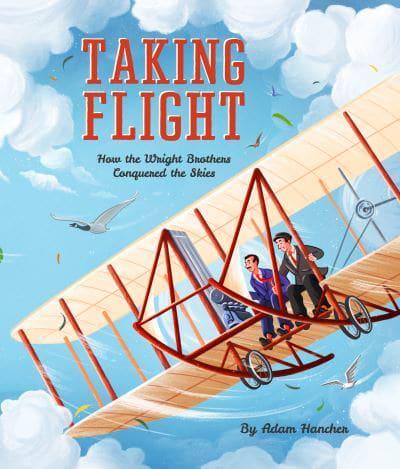
Taking Flight: How the Wright Brothers Conquered the Skies by Adam Hancher
Adam Hancher’s illustrated account recounts the Wright brothers’ pursuit of powered flight, from their early experiments to the flights that established their place in aviation history. The narrative focuses on Wilbur and Orville’s determination to build a machine they could control in the air, bringing their problem-solving process into view. Hancher’s expressive artwork gives the story its sense of movement, while concise text keeps the sequence clear for children discovering the brothers and their invention.
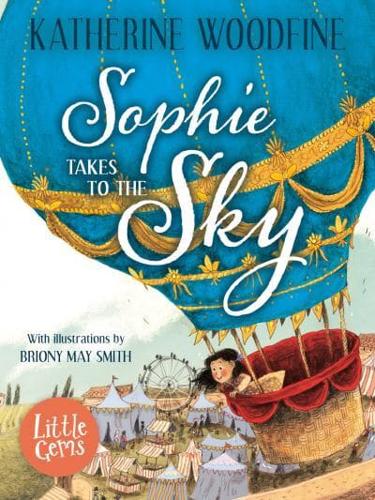
Sophie Takes to the Sky by Katherine Woodfine, illustrated by Briony May Smith
Sophie is frightened of almost everything, from noisy crowds to riding in a horse-drawn carriage. When a balloonist arrives at the town fair, she longs to watch his magnificent balloon take flight but is too scared to join the excitement. Katherine Woodfine imagines the childhood of Sophie Blanchard, who later became a pioneering French balloonist, in this illustrated historical story about overcoming fears. Briony May Smith’s illustrations capture the bustle of the fair and the wonder of early ballooning. Part of Barrington Stoke’s Little Gems series, this accessible story is perfect for 5+ year olds.
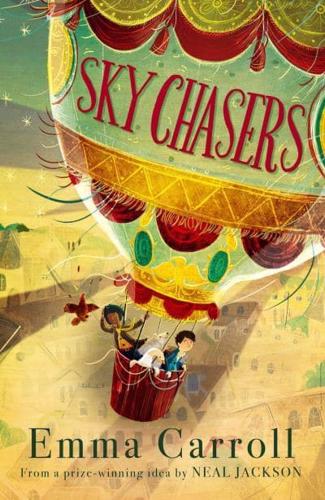
Sky Chasers by Emma Carroll
In France in 1783, orphan Magpie survives by stealing on the streets of Annonay. When she encounters Pierre Montgolfier and is hired to steal a mysterious box from his family, she becomes caught up in their experiments with hot-air balloons. Emma Carroll mixes real events from the early history of ballooning with a fictional adventure involving spies, dangerous secrets and the ambition to fly before the King and Queen of France. With its lively characters and intriguing historical setting, this novel gives 8-11 year olds an introduction to the excitement and uncertainty surrounding the first balloon flights.
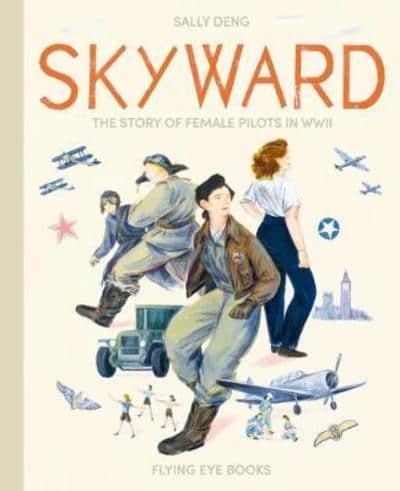
Skyward: The Story of Female Pilots in WWII by Sally Deng
Sally Deng’s illustrated story introduces three women pilots, Hazel, Marlene and Lilya, whose paths into aviation are shaped by the upheavals leading into and during the Second World War. The book blends fictionalised lives with historical context, following their training and wartime service across different countries. Its graphic, art-led storytelling gives the history of women in aviation a distinctive form, and 7-11 year olds can compare how the pilots’ experiences overlap and differ.
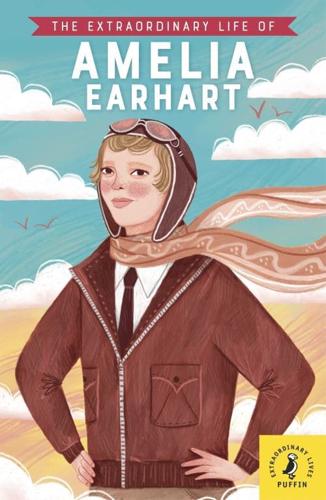
The Extraordinary Life of Amelia Earhart by Sheila Kanani, illustrated by Rachel Corcoran
Sheila Kanani’s illustrated biography follows Amelia Earhart from her early interest in flying to the records and long-distance journeys that made her famous. It covers her transatlantic flight and her attempt to circumnavigate the globe, then looks at the disappearance that has kept her story in public conversation.
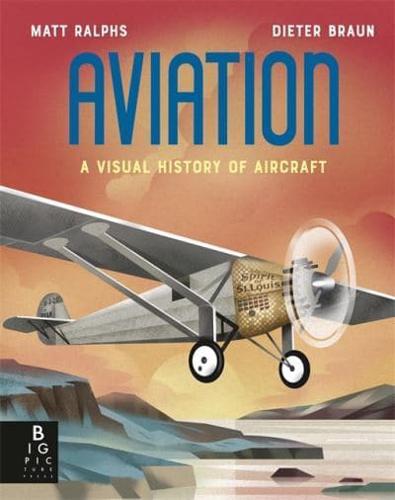
Aviation: A Visual History of Aircraft by Matt Ralphs, illustrated by Dieter Braun
Matt Ralphs and illustrator Dieter Braun take a visual tour from the Montgolfier brothers’ balloon to the Wright Flyer and Concorde. The book introduces biplanes, monoplanes, helicopters and other aircraft, showing how design changed as flying moved from experiment to everyday travel. Braun’s detailed illustrations give children plenty to compare, from aircraft shapes to different ways of flying. The result is a chronological introduction to aviation history that ranges across machines and milestones.
History of flight books for teens
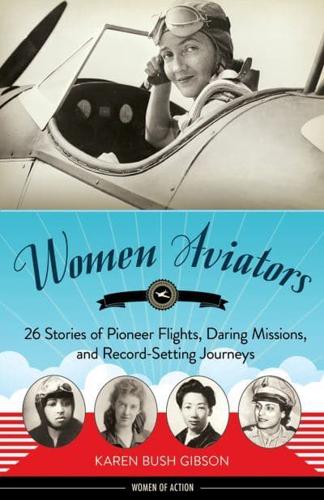
Women Aviators: 26 Stories of Pioneer Flights, Daring Missions, and Record-Setting Journeys by Karen Bush Gibson
Karen Bush Gibson profiles 26 women whose flying careers helped shape aviation, from early pioneers and wartime pilots to record-setting aviators. Short biographies place each person’s achievements in context, while photographs and sidebars add details about aircraft, competitions, military service and the barriers women faced. The chronological structure helps teenage readers follow changes in aviation and the opportunities open to women over time.
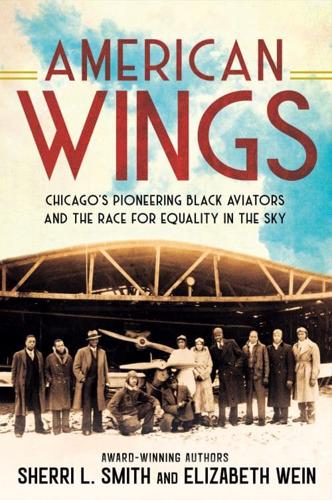
American Wings: Chicago’s Pioneering Black Aviators and the Race for Equality in the Sky by Sherri L. Smith and Elizabeth Wein
Sherri L. Smith and Elizabeth Wein tell the history of pioneering Black aviators in Chicago and the fight for equality in American aviation. The narrative follows a group of flyers and organisers in the decades between the First and Second World Wars, charting their work to learn, teach and expand access to flying. Archival photographs support the text. This YA history for 12+ year olds connects aviation with community, race and opportunity, bringing lesser-known pilots into view.
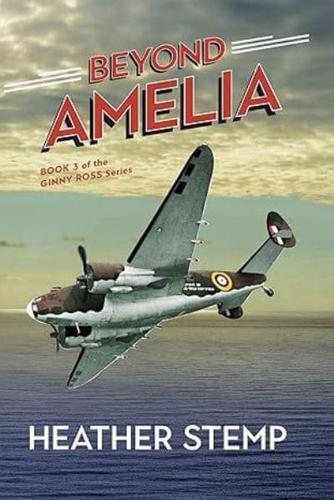
Beyond Amelia by Heather Stemp
In 1940, Ginny Ross is determined to use her flying skills to help the Allied war effort. Having trained at Purdue University and been mentored by Amelia Earhart, she is frustrated that women cannot serve as pilots in the US Army Air Corps. When she hears about a dangerous operation to ferry bombers from Newfoundland to Britain, she cuts her hair, adopts the identity of Jimmy Ross and joins the mission disguised as a man. Heather Stemp’s historical novel, the final instalment in the Ginny Ross trilogy, draws on the history of the Second World War’s Ferry Command, combining transatlantic flying, wartime danger and the constant risk of Ginny’s secret being discovered.
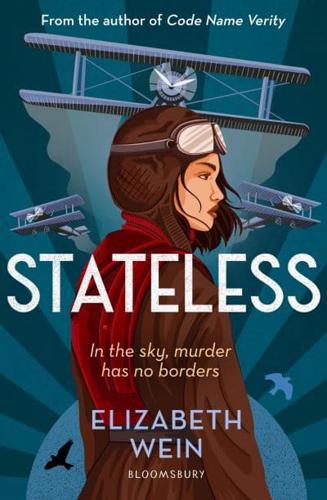
Stateless by Elizabeth Wein
Set during a 1937 air race around Europe, this YA novel follows Stella North, the British entrant and only woman competitor, whose Nansen passport identifies her as stateless. When another pilot’s plane is forced down and the death is treated as an accident, Stella begins investigating possible sabotage among the contestants. Elizabeth Wein builds an aviation mystery around interwar politics, competition and mistrust, with the race carrying the plot through Europe.
Click the buttons below to purchase all 12 books in this History of flight list, as well as class sets of any of these books and many more, from Bookshop.org UK. Or buy all 12 titles from this list from Amazon, ideal for gifts or your classroom library.
Buy from UK.Bookshop.Org Buy from Amazon.co.uk
Disclosure: If you buy books using the buttons above: we may earn a commission from Bookshop.org, whose fees support independent bookshops; as an Amazon Associate schoolreadinglist.co.uk earns from qualifying purchases.
Schools & teachers: please respect copyright and don’t copy our history of flight list. If you find our book recommendations useful, please consider sharing on social media or linking to this page instead. Thanks.
History of flight resources for teachers
- The Historical Association provides a series of cross-curricular KS1 and lower KS2 lessons exploring the history of flight. Activities include the story of Icarus, the Montgolfier brothers and their hot-air balloon, early aeroplanes and Amy Johnson’s solo flight to Australia. Downloadable teacher notes and an aeroplane template are included.
- The Royal Air Force Museum’s primary classroom resources feature a video introducing 100 years of flight, historical timelines, aeroplane development activities and stories about pioneering aviators. There are also downloadable literacy activities, historical investigations and materials for teaching the Battle of Britain.
- The National Archives offers a primary-source resource examining the life of Amy Johnson, the first woman to fly solo from Britain to Australia. Pupils can examine historical records, including her application for an aviator’s certificate, to investigate her achievements and the challenges facing early female pilots.
- The Bell Foundation has developed a free collection of teaching activities about the Wright brothers’ first powered flight, particularly suitable for pupils learning English as an additional language. Resources include illustrated story cards, vocabulary games, collaborative activities, downloadable teaching notes and PowerPoint presentations.
- Hamilton Trust provides a KS1 history unit about the first aeroplane flight in 1903. Pupils investigate early attempts at flying, learn about the Wright brothers and recreate their historic achievement through drama, music and role play. The unit includes lesson plans, teaching objectives, quizzes and suggested videos.
- The Royal Academy of Engineering’s Aiming for Awesome resources explore a century of RAF engineering achievements through ten activities for KS2 and KS3 pupils. Each focuses on a different decade, covering developments such as aircraft design, radar and aviation technology. Downloadable teacher guides and student booklets support practical science, engineering and design challenges.
- The Science Museum Group’s online aeronautics collection features thousands of historical aircraft, photographs, models and engineering artefacts. Teachers can explore Leonardo da Vinci’s flying-machine designs, George Cayley’s early aircraft concepts, the Wright Flyer, Amy Johnson’s Gipsy Moth and Concorde. The digitised objects provide useful visual sources for chronological comparisons and historical enquiries.
- The Royal Air Force Museum’s world aviation timeline provides a year-by-year account of important developments in flight. It is useful for researching aviation pioneers, record-breaking journeys, early passenger services and the technological changes that transformed aircraft during the twentieth century.
- Imperial War Museums’ AirSpace school trail is a downloadable activity sheet exploring aviation history and aircraft design at IWM Duxford. Pupils investigate significant events between 1903 and 1944, including the Wright brothers’ achievements, the development of passenger aviation, aerial photography and the Battle of Britain. Questions also examine aircraft materials and engineering.
- The RAF Museum’s secondary classroom resources include KS3 STEM videos explaining how aircraft materials, aerial cameras and radar have developed over time. Additional resources cover the forces of flight, engineering advances and the changing role of aviation during the twentieth century, providing useful links between history, science and design technology.
- National Museums Scotland offers free self-led school visits to the National Museum of Flight, supported by downloadable learning materials and activity resources. Teachers can use the museum’s historic aircraft collections to investigate the development of aviation, changing aircraft designs and the impact of flight on transport and society.
- Brooklands Museum provides curriculum-linked school visits and workshops for pupils from EYFS to KS4. Its historic aviation collections offer opportunities to investigate early aircraft development, record-breaking flights, engineering innovations and the evolution of passenger aeroplanes. The museum also offers hands-on Discovery Boxes for schools to borrow.
- NASA’s Learning to Fly: The Wright Brothers’ Adventure is a downloadable educational guide exploring the lives, experiments and engineering achievements of Wilbur and Orville Wright. Classroom activities include constructing models of their gliders, investigating early flight experiments and writing newspaper reports about their first successful powered flight.
- The United States Library of Congress provides a classroom resource about the Wright brothers, using historical primary sources to investigate their experiments with gliders, the development of aircraft controls and the first powered flights at Kitty Hawk. It is particularly useful for introducing source analysis and evaluating evidence about technological innovation.
BISAC TRA002010. | Thema YNTR.