Habitats and ecosystems books for children and teens
From rockpools and coral reefs to woods, rainforests and underground burrows, habitats and ecosystems books for children and teens help explain where living things grow, feed, shelter and depend on one another. This collection combines illustrated introductions to food chains and biodiversity with stories of conservation, rewilding and changing environments. The sections progress from picture books for younger children to detailed natural-history books and ecological fiction for secondary-age readers. This list features books by Julia Donaldson, DK, Yuval Zommer, Joe Todd-Stanton, Sarah Crossan, Naomi Klein, Rachel Griffin, Catherine Barr, Jen Green, and Wren James.
Habitats and ecosystems books for children and teens – our recommendations
Habitats and ecosystems picture books for 3-7 year olds
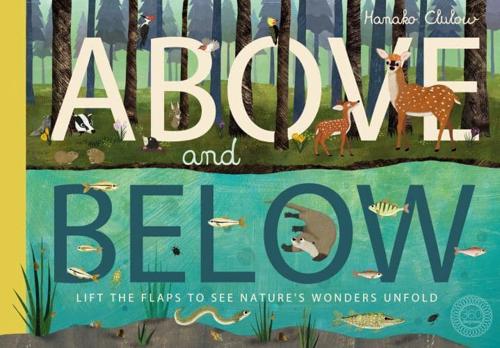
Above and Below by Patricia Hegarty, illustrated by Hanako Clulow
Turn a flap and a peaceful patch of forest becomes a busy world of roots, insects and burrowing animals. Patricia Hegarty and Hanako Clulow take readers above and below the surface of eight different habitats, from rivers and rainforests to the open sea. The ingenious split-page illustrations are full of surprises, revealing creatures that might otherwise go unnoticed and showing how they share their surroundings. There’s something wonderfully satisfying about discovering just how much life is hidden beneath our feet or below the water.
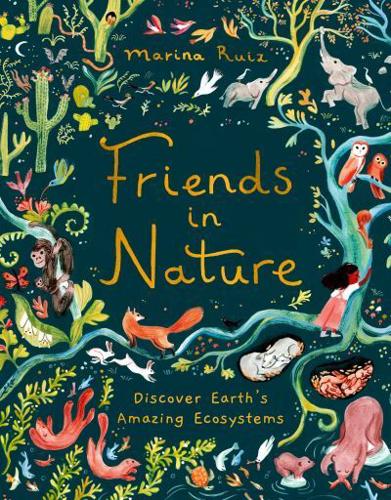
Friends in Nature by Marina Ruiz
An acacia tree with ant bodyguards, fish helping coral reefs thrive and birds carrying seeds through the rainforest are just some of the remarkable partnerships explored in this beautifully illustrated introduction to symbiosis. Marina Ruiz shows how different species help one another survive, revealing connections that are easy to miss when looking at animals individually. The examples are fascinating in their own right, but together they build a picture of nature as a vast network of relationships. Young readers will never look at a busy garden or woodland quite the same way again.
My First Ocean Atlas by Catherine Ard and Paul Daviz
From colourful coral reefs to the darkness surrounding deep-sea vents, this gorgeous hardback takes children on an underwater journey through the world’s oceans. Sharks, penguins and extraordinary deep-sea creatures fill Paul Daviz’s bold illustrations, while Catherine Ard introduces the different environments they inhabit. There’s plenty to discover on every page, including a recurring “Spot It” game that encourages readers to examine the pictures closely. Developed with marine biologist Dr David Ferrier, it’s a wonderfully inviting first atlas for children fascinated by the sea.

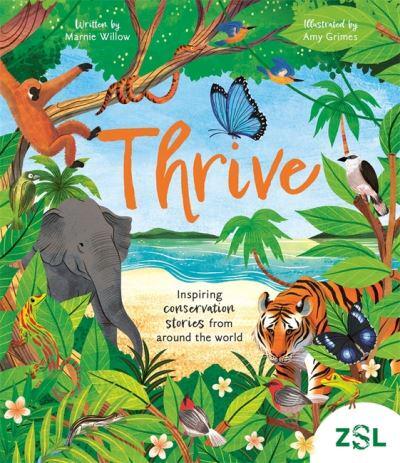
Thrive: inspiring conservation stories from across the world! by Marnie Willow, illustrated by Amy Grimes
What does it take to bring a threatened habitat back to life? Marnie Willow travels from mangrove forests in the Philippines and British hedgerows to the grasslands of the Gobi Desert, meeting the people working to protect remarkable places and wildlife. Darwin’s frogs, angel sharks and tigers in the Terai Arc feature among the conservation stories, each showing a different approach to helping nature recover. Amy Grimes’s rich illustrations make the environments particularly appealing to explore. An optimistic and absorbing book that celebrates the difference people can make.
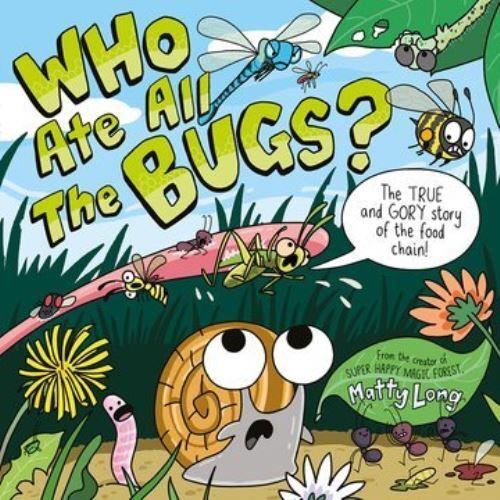
Who Ate All the Bugs? by Matty Long
Someone has been eating the bugs, and Matty Long turns the hunt for the culprit into a wonderfully silly wildlife mystery. As the investigation unfolds, readers discover who’s eating whom and why even the smallest insects have an important place in a food chain. Long’s energetic cartoon illustrations and playful humour keep the story moving, with plenty of opportunities to spot clues and make predictions. Beneath the comic adventure is a clever introduction to predators, prey and the complicated relationships between creatures sharing a habitat.
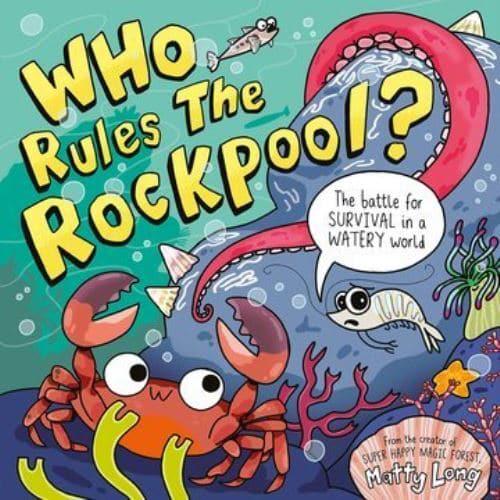
Who Rules the Rockpool? by Matty Long
Crab and Prawn are out of their depth when they find themselves in a much larger rockpool, surrounded by unfamiliar creatures. Their seaside adventure is packed with comic encounters, curious marine animals and the occasional surprise about life beneath the waves. Matty Long brings his usual exuberant cartoon humour to a habitat where predators, prey and competing neighbours must all share a relatively small space. The story also captures what makes rockpools so fascinating: an entire miniature world whose inhabitants have to cope with the sea coming and going.
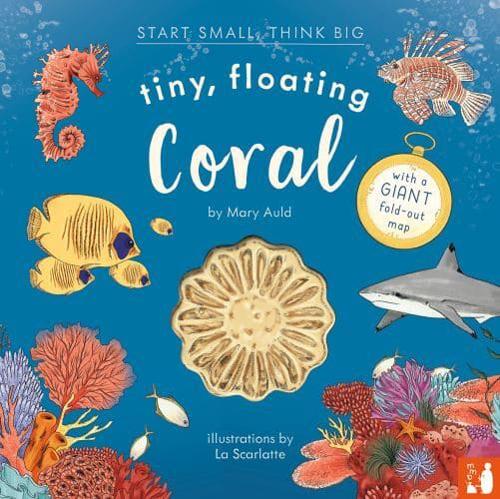
Tiny, Floating Coral by Mary Auld, illustrated by La Scarlatte
A tiny coral larva drifts through the ocean, carried by the currents towards a place where it can settle and grow. Mary Auld follows its extraordinary transformation into part of a thriving reef, gradually revealing the many marine creatures that will depend on this new underwater home. La Scarlatte’s illustrations bring the Great Barrier Reef to life, capturing both the delicate beginnings of coral and the bustling habitat it eventually helps create. Additional facts and a fold-out map extend the story, making this an especially appealing introduction to reef ecology.
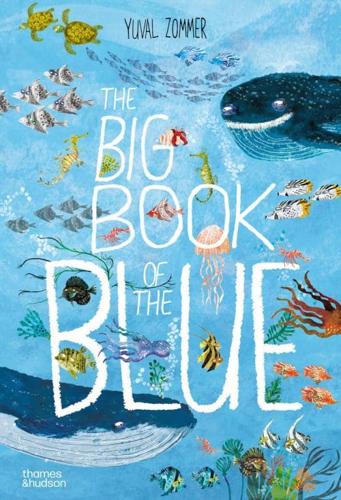
The Big Book of the Blue by Yuval Zommer
Yuval Zommer fills this magnificent oversized picture book with octopuses, crabs, jellyfish and all manner of extraordinary sea creatures. His distinctive illustrations are bursting with personality and unexpected details, while the accompanying facts explain how different animals swim, hunt, hide and survive. Readers can explore everything from shallow rockpools to the mysterious depths of the ocean, discovering new creatures as they go. With questions to answer and things to find on every spread, it’s the sort of book children will happily return to again and again.
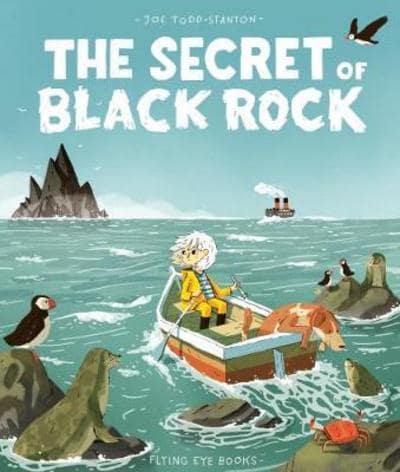
The Secret of Black Rock by Joe Todd-Stanton
Everyone knows Black Rock is dangerous, but Erin isn’t convinced by the frightening stories told about the mysterious place beyond her harbour. Determined to find out what’s really there, she ventures out to sea and discovers something far more wonderful than she imagined. Joe Todd-Stanton’s richly detailed illustrations reveal an underwater world teeming with life, turning Erin’s adventure into a moving story about curiosity, courage and protecting the natural world. A beautifully told picture book with a genuine sense of mystery and discovery.
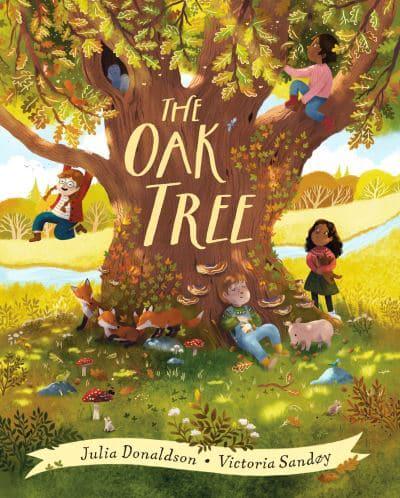
The Oak Tree by Julia Donaldson, illustrated by Victoria Sandøy
A tiny acorn becomes a mighty oak, and a thousand years of history unfold beneath its branches. People come and go, the surrounding landscape changes, and generations of birds, insects and other animals find food and shelter in the growing tree. Julia Donaldson’s gentle rhymes give this remarkable passage of time a lovely rhythm, while Victoria Sandøy’s detailed illustrations reveal the wildlife living among the leaves, bark and roots. Additional facts about oak trees complete a beautiful celebration of one of our most important woodland habitats.
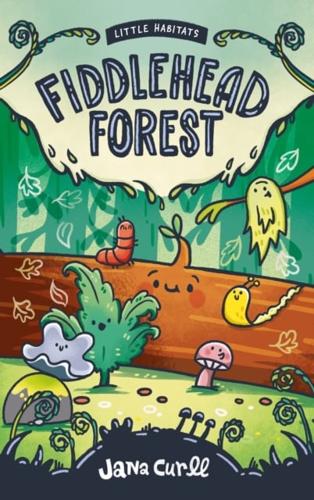
Fiddlehead Forest by Jana Curll
Fern is determined to rescue a fallen tree, and fortunately Millipede, Moth, Slug, Lichen and Mushroom are all willing to help. Unfortunately, their increasingly quirky attempts at tree repair don’t go quite as planned. Jana Curll fills this charming graphic story with visual jokes, puns and wonderfully expressive woodland characters, interspersed with short factual sections about biodiversity and the creatures that keep a forest healthy. The adventure takes a clever turn when the friends discover that a fallen trunk can provide an important home for new life. A funny, accessible choice for developing readers, with plenty of genuine science tucked among the chaos.
Habitats and ecosystems books for children aged 7-12
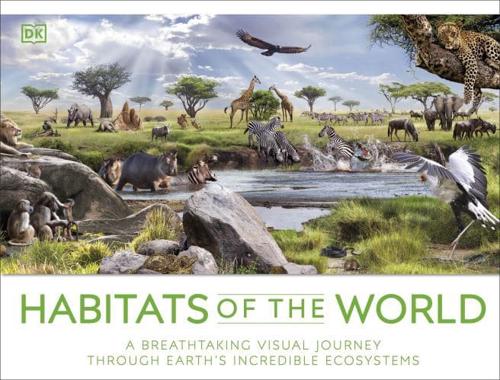
Habitats of the World by DK
Every habitat presents its inhabitants with different challenges, and this beautifully illustrated DK reference book makes those differences fascinating to explore. Sweeping landscape scenes introduce environments from around the world, populated by the plants and animals that have adapted to live there. Readers can examine the wildlife in detail while discovering how temperature, vegetation and geography shape each place. The generous illustrations are particularly effective at showing whole environments rather than isolated species, making this an excellent book for comparing ecosystems and discovering the extraordinary variety of life on Earth.
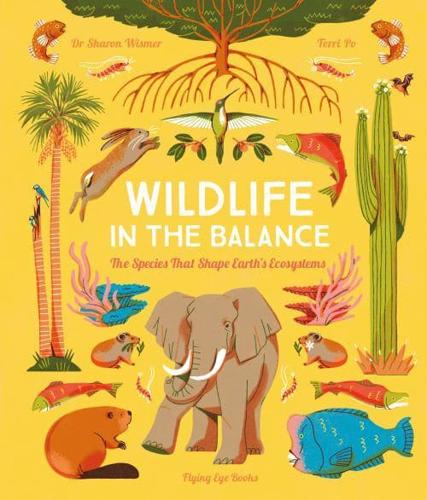
Wildlife in the Balance: The Species that Shape Earth’s Ecosystems by Sharon Wismer, illustrated by Terri Po
What do wolves, elephants, bees and beavers have in common? Each can have an extraordinary influence on the other living things around it. Sharon Wismer introduces twelve keystone species, revealing how their behaviour helps shape entire ecosystems. Terri Po’s illustrations take readers through forests, grasslands, deserts, tundra and aquatic habitats, where the connections between animals and their surroundings become clear. From changes in vegetation to the fortunes of neighbouring species, this absorbing natural-history book shows why protecting one creature can sometimes mean protecting a whole community of life.
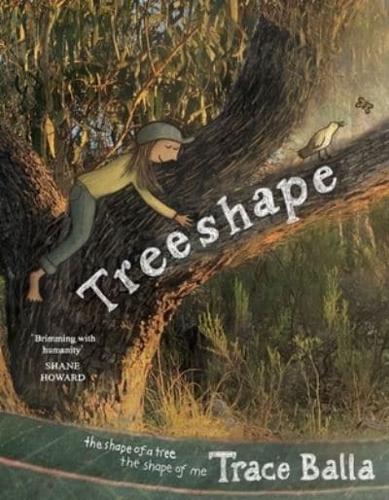
Treeshape by Trace Balla
Climbing trees, listening to birdsong and watching sunlight move through leaves become part of a lifelong fascination with the natural world in Trace Balla’s atmospheric graphic memoir. Her beautifully observed drawings capture small moments in nature before the story widens to explore environmental activism, memories of protests against uranium mining at Jabiluka and First Nations connections to Country. There’s a lovely sense of time and place throughout, with personal memories and environmental concerns woven together rather than treated as separate subjects. A thoughtful and rewarding read for older primary pupils and teens.
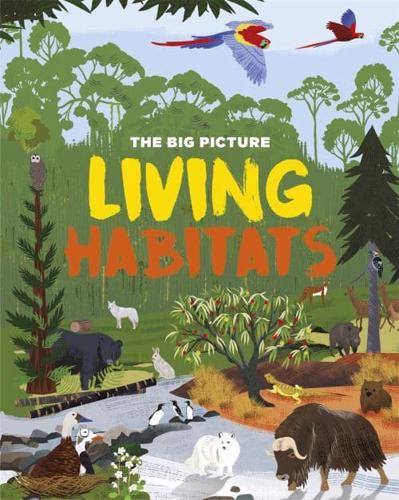
The Big Picture: Living Habitats by Jon Richards, illustrated by Josy Bloggs
The appeal of this impressive illustrated guide is its sense of scale. Twelve different habitats, including rainforests, grasslands, deserts, mountains and tundra, unfold across large panoramic scenes packed with wildlife. Jon Richards and Josy Bloggs combine these detailed pictures with clear explanations and infographics, revealing how climate, landscape and vegetation influence the animals that live there. The contrasting environments make comparisons particularly rewarding, while the inclusion of threatened species introduces the conservation challenges facing different parts of the world. A visually absorbing book with plenty to explore on each spread.
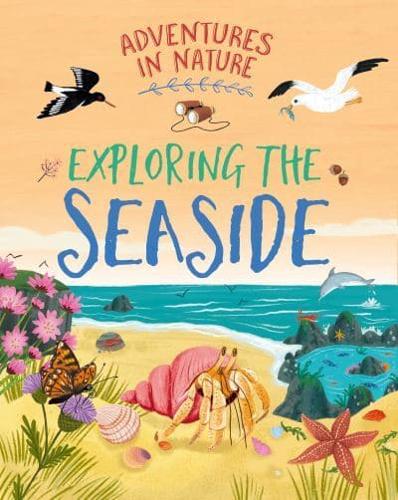
Adventures in Nature: Exploring the Seaside by Jen Green, illustrated by Lia Visirin
A walk along the coast can take you through several completely different habitats without ever leaving the beach. Jen Green explores cliffs, sand dunes, pebble beaches, shallow water and rockpools, introducing the creatures and plants that thrive in each environment. Seabirds, shells, food chains and coastal wildlife all feature, alongside practical ideas for observing nature firsthand. Lia Visirin’s attractive illustrations make the different settings easy to recognise, while the approachable explanations encourage readers to look more closely at what they find. A lovely companion for seaside trips and coastal nature studies.
Ultrawild: An Audacious Plan for Rewilding Every City on Earth by Steve Mushin
What if cities could be rewilded with habitat-printing robot birds and compost cannons? Steve Mushin lets his imagination run riot in this gloriously eccentric exploration of how engineering and invention might transform urban environments. The enormous hardback is crammed with comic strips, intricate diagrams, ingenious contraptions and densely packed explanations, rewarding readers who enjoy examining every last detail. Developed over seven years, the book combines serious environmental thinking with wonderfully outrageous ideas that are as entertaining as they are thought-provoking. An inspired choice for curious KS2 readers, particularly those who love comics, machines and ambitious scientific possibilities.

Cities Going Wild to Save the Planet by Catherine Barr and Christiane Engel
Cities don’t have to be concrete jungles. Catherine Barr explores imaginative ways of bringing wildlife back into urban spaces, from forests growing high above the streets to living walls, rain gardens and safer routes for birds. Examples from cities around the world reveal how small changes in design can create valuable homes for plants and animals. Christiane Engel’s colourful, bustling illustrations are full of creatures to spot, while practical activities encourage children to think about the nature around them. A bright, optimistic and beautifully presented book that makes urban rewilding feel exciting and achievable.

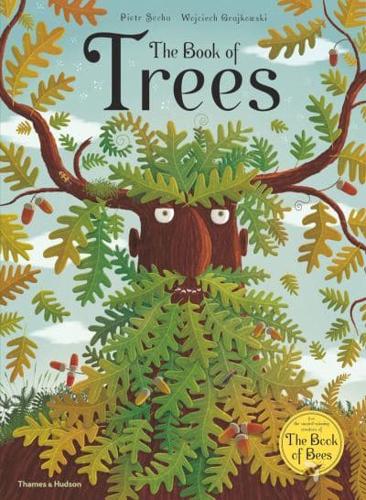
The Book of Trees by Piotr Socha and Wojciech Grajkowski
There’s much more to trees than trunks, branches and leaves, and this magnificent oversized book explores their world in extraordinary detail. Piotr Socha’s intricate illustrations and Wojciech Grajkowski’s informative text take readers from tangled root systems to towering forest canopies, examining different species, the wildlife they support and their importance throughout human history. The pictures are a particular delight, packed with things to notice and compare. Whether browsing the illustrations or reading the explanations, children will find plenty of reasons to appreciate these remarkable living structures and the habitats they create.
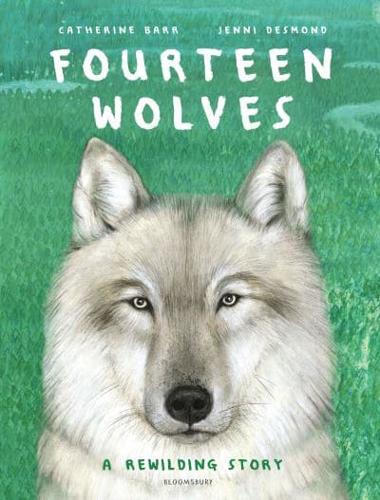
Fourteen Wolves: A Rewilding Story by Catherine Barr, illustrated by Jenni Desmond
When fourteen wolves were reintroduced to Yellowstone National Park in 1995, their return marked the beginning of a remarkable conservation story. Catherine Barr explains what had happened during the wolves’ absence and explores the changes associated with bringing these predators back into the landscape. Elk, trees, rivers and other wildlife all feature in a story that reveals the complicated connections holding an ecosystem together. Jenni Desmond’s beautiful illustrations capture the scale and wildness of Yellowstone, giving readers a vivid picture of the animals and their surroundings. A compelling introduction to rewilding and the importance of healthy food webs.
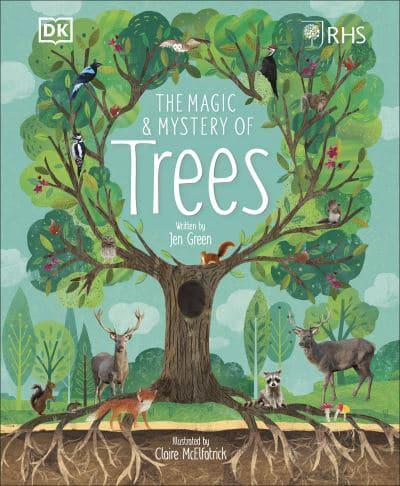
RHS The Magic and Mystery of Trees by Jen Green, illustrated by Claire McElfatrick
A tree might look like a quiet, ordinary part of the landscape, but there’s an astonishing amount going on beneath its bark and among its branches. Jen Green explores how trees grow, communicate and interact with the creatures living around them, travelling from the leaves high in the canopy to the roots spreading underground. Claire McElfatrick’s beautiful illustrations reveal the intricate details of woodland life, including the animals that depend on trees for food and shelter. With fascinating science and practical information about conservation, this is a captivating introduction to the hidden workings of a forest.
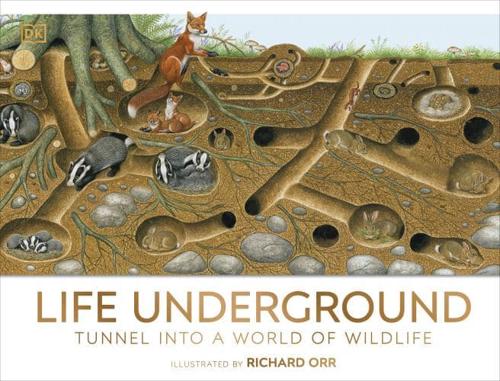
Life Underground: Tunnel into a World of Wildlife by DK, illustrated by Richard Orr
Beneath an ordinary-looking stretch of ground lies a surprisingly busy world of tunnels, burrows and hidden creatures. This beautifully illustrated book takes readers below the surface of habitats around the globe, from Arctic warrens to desert burrows and the rich soils of forests. Richard Orr’s detailed panoramic scenes reveal the animals living underground and the ingenious ways they find food, shelter and protection. The accompanying explanations bring these unfamiliar environments to life, making even a patch of garden soil seem like somewhere worth investigating.
Nature’s journeys by Sea and Sky by Lela Nargi and Xuan Le
Not every remarkable journey involves wings or feet. Jellyfish drift along ocean currents, tiny spiders travel through the air on silk threads, and seeds find extraordinary ways to reach new places. Lela Nargi follows these natural travellers across sea and sky, revealing the forces that carry them between habitats. Xuan Le’s delicate illustrations and clever peek-through pages make the journeys a visual delight, with each opening offering another glimpse into the interconnected natural world. A beautifully designed book that turns an often overlooked part of nature into something genuinely fascinating.

Marvellous Animal Homes: A Magic Lens Book by Jane Wilsher & Laurie Avon
What does the inside of a termite mound look like? How does a beehive compare with a bear’s den? Jane Wilsher takes readers inside some of the animal kingdom’s most extraordinary homes, revealing how different creatures build shelters and make use of their surroundings. Laurie Avon’s detailed illustrations are a pleasure to explore, particularly when the magic lens reveals hidden spaces and intricate structures. From underground burrows to homes high in the treetops, every spread offers another ingenious example of animal architecture. A wonderfully interactive book for children who love finding out how things work.

The Incredible Pop-up Frog: And other Wetland Creatures Hardcover by Ben Hoare, illustrated by Jasmine Floyd
Wetlands spring spectacularly to life in this extraordinary pop-up book, where every opening reveals another layer of wildlife above and below the water. Ben Hoare introduces three different wetland habitats, exploring the frogs, amphibians, insects and birds that depend on these rich environments. Jasmine Floyd’s gorgeous illustrations combine with ingenious flaps and paper engineering to create scenes that children can explore from several perspectives. The accessible factual explanations are just as rewarding as the visual surprises. A beautifully crafted hardback that makes discovering the wildlife of wetlands feel like an adventure.

Habitats and ecosystems books for teens
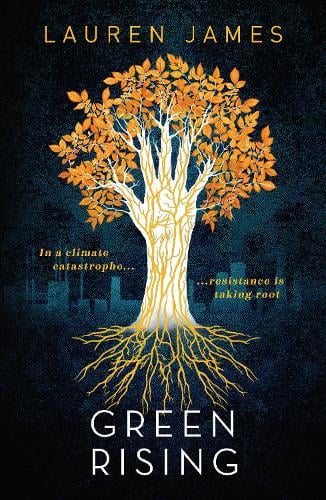
Green Rising by Wren James
Plants have started growing from teenagers’ skin, an extraordinary development in a world already facing ecological collapse. For climate activist Gabrielle, fishing-family boy Theo and oil-company heiress Hester, this strange new ability brings very different possibilities and dangers. As governments and powerful interests begin taking notice, the three teenagers find themselves caught in a struggle over how their powers should be used. Wren James combines an arresting science-fiction premise with convincing characters whose lives are shaped by the environmental crisis. A fast-moving, thought-provoking novel about climate action, power and the possibility of restoring a damaged world.
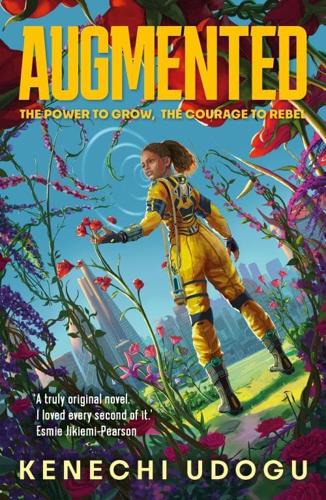
Augmented by Kenechi Udogu
In a future London devastated by extreme weather, plant life has almost disappeared and sixteen-year-olds undergo technological enhancements designed to benefit society. Akaego discovers that her voice can make plants grow, an extraordinary ability in a city desperate for greenery. But her rare talent attracts attention, and life at a prestigious academy soon draws her into a dangerous struggle over who should control it. Kenechi Udogu creates an unsettling vision of environmental loss, combining intriguing science-fiction ideas with political tension and a young protagonist whose gift could change the future.
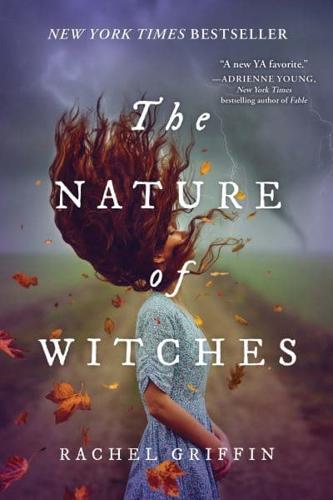
The Nature of Witches by Rachel Griffin
Most witches draw their power from a particular season, but Clara is an Everwitch, able to wield the magic of all four. As the climate becomes increasingly unstable, her extraordinary abilities may be the only hope of protecting the natural world. Unfortunately, learning to control them brings dangers of its own, particularly for the people she loves. Rachel Griffin weaves romance, difficult choices and atmospheric magic into a story where the changing seasons are central to everything that happens. A richly imagined fantasy with a compelling environmental premise.
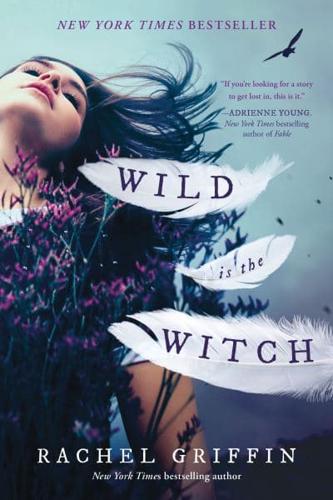
Wild Is the Witch by Rachel Griffin
Iris Gray has found a measure of peace working at a wildlife refuge in Washington State, where the forests provide a welcome escape from the complications of keeping her witchcraft secret. That peace disappears when a bird carries away a curse she has created, leaving Iris with a dangerous problem to solve. Her only option is to search the wilderness with Pike, an aspiring ornithologist whose company brings its own challenges. Rachel Griffin blends magic, romantic tension and a richly atmospheric Pacific Northwest setting, with birds and wildlife playing an unusually important part in the adventure.
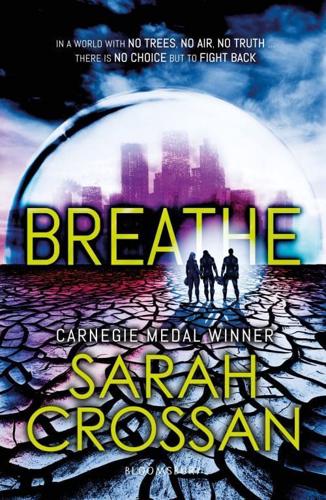
Breathe by Sarah Crossan
Trees have vanished, breathable air is scarce, and the survivors of an environmental catastrophe live inside enormous enclosed Pods. Oxygen is carefully controlled, making something as basic as breathing a question of privilege and power. For the teenagers growing up within this society, the world beyond the protective walls is both terrifying and increasingly difficult to ignore. Sarah Crossan builds a tense dystopian thriller around a chillingly simple idea: what happens when the natural systems keeping us alive are destroyed? The result is a gripping story of resistance, survival and environmental collapse.
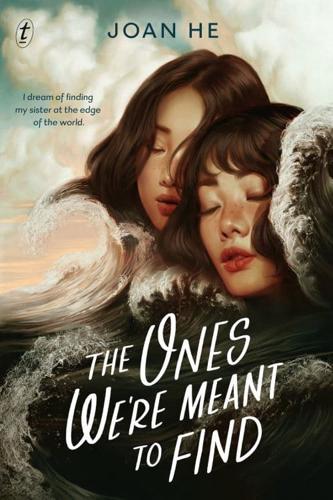
The Ones We’re Meant to Find by Joan He
Cee wakes on a deserted island with almost no memory of how she arrived there. Elsewhere, her sister Kasey lives in one of Earth’s remaining protected environments, surrounded by technology designed to shield humanity from ecological disaster. As both girls search for answers, their apparently separate stories begin to reveal a far more complicated mystery. Joan He creates two strikingly different worlds, contrasting Cee’s isolated natural surroundings with Kasey’s carefully controlled existence. An intriguing, twist-filled science-fiction novel that explores environmental collapse, scientific responsibility and the lengths people will go to for those they love.
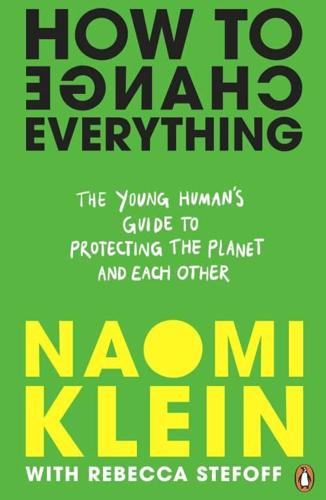
How To Change Everything by Naomi Klein and Rebecca Stefoff
From warming oceans and threatened coral reefs to devastating forest fires and young people taking part in climate strikes, Naomi Klein and Rebecca Stefoff investigate the environmental challenges facing the planet. They explain the science behind climate change while examining its effects on communities and the decisions being made by governments, businesses and campaigners. Reforestation projects, school initiatives and youth activism provide practical examples of people trying to make a difference. Accessible without oversimplifying the issues, this is an informative and challenging book for teenagers who want to understand both the climate crisis and the possibilities for change.
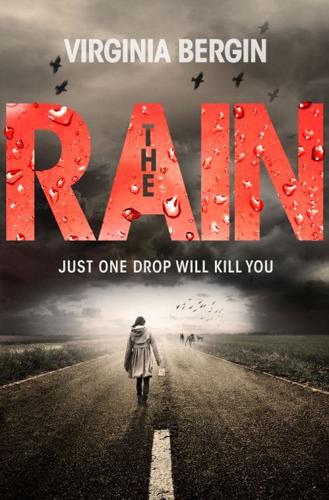
The Rain by Virginia Bergin
Ruby Morris has plenty of ordinary teenage worries until the rain starts killing people. Suddenly, a shower isn’t just an inconvenience: getting wet could be fatal. As the catastrophe spreads and familiar routines disappear, Ruby must navigate a world where one of nature’s most ordinary occurrences has become a terrifying threat. Virginia Bergin tells the story through Ruby’s vivid teenage perspective, mixing mounting danger with moments of dark humour and sharply observed behaviour. A gripping disaster thriller that turns the everyday water cycle into the stuff of nightmares.
Click the buttons below to purchase all of the books in this habitats and ecosystems list, as well as class sets of any of these books and many more, from Bookshop.org UK. Or buy 20 selected titles from this list from Amazon – ideal for gifts or your classroom library.
Buy from UK.Bookshop.Org Buy from Amazon.co.uk
Disclosure: If you buy books using the buttons above: we may earn a commission from Bookshop.org, whose fees support independent bookshops; as an Amazon Associate schoolreadinglist.co.uk earns from qualifying purchases.
Schools & teachers: please respect copyright and don’t copy our habitats and ecosystems book list. If you find our book recommendations useful, please consider sharing on social media or linking to this page instead. Thanks.
Habitats and ecosystems resources for teachers
- The Natural History Museum provides KS1 activities exploring animal diets, adaptations and habitats, including designing a bird with suitable wings, feet and beak. Its KS2 resources include classification keys, investigating invertebrates, studying lichens and exploring how organisms adapt to different environments.
- The Woodland Trust offers free outdoor learning resources, including wildlife identification sheets, Nature Detectives activities, woodland habitat information, printable worksheets and tree identification guides. Materials are linked to the English curriculum for KS1, KS2 and KS3, with activities suitable for schools throughout the UK.
- The RSPB’s Wild Challenge provides practical activities for investigating local habitats, conducting wildlife surveys, pond dipping, identifying plants and creating biodiversity action plans. Its Habitat Explorers activity encourages pupils to map their school grounds and assess how effectively different habitats support wildlife.
- STEM Learning has assembled a collection of primary science activities covering biodiversity, food chains, minibeast habitats and interdependence. Resources include marine food chain games, minibeast investigation cards and activities exploring the relationships between plants, animals and their environments.
- The Royal Horticultural Society explains how to demonstrate food webs using a ball of string, helping pupils visualise the relationships between producers, predators and prey. The activity also explores how the removal of a species or changes to a habitat can affect the wider ecosystem.
- Oak National Academy’s KS2 science resources include free lesson slides, worksheets and quizzes covering classification, environmental changes and the protection of habitats. Its KS3 ecosystems unit examines food webs, adaptations, biodiversity, pollination and the movement of substances through food chains.
- WWF’s education resources feature downloadable lesson plans, classroom presentations and activities exploring rainforests, oceans, freshwater ecosystems, polar environments and endangered species. Teachers can filter resources by age group, curriculum subject and environmental theme, including biodiversity and UK nature.
- The Eden Project offers curriculum-linked teaching materials for EYFS through to KS4, including rainforest adaptations, minibeast investigations and outdoor science activities. Its Invisible Rainforest experience uses augmented reality, 360-degree views and live data to allow pupils to explore a tropical rainforest biome from the classroom.
- The National Education Nature Park provides practical resources for surveying and mapping habitats within school grounds. Activities include identifying microhabitats, investigating wildflower areas, mapping hedgerows and comparing different types of vegetation. Pupils can contribute their findings to a national habitat map and monitor changes in biodiversity over time.
- For KS3, the Natural History Museum’s Exploring Urban Nature resources include ecology investigation cards, activities examining the relationship between natural and built environments, and a habitat fragmentation game. These resources help pupils investigate biodiversity, urban development and the consequences of habitat loss.
- For secondary geography, the Geographical Association provides teaching activities and supporting materials exploring environmental systems, ecosystem services, conservation and sustainability. Its twelve resource packs span KS1 to KS5 and include curriculum links and suggested activities for investigating how human activity affects natural environments.
BISAC JNF051100, JNF037020, JNF037040. | Thema YNNB, YXZG.