Gypsy, Roma, Traveller, Showman and Boater books for children and teens
Children’s and teen books about Gypsy, Roma, Traveller, Showman and Boater communities range from picture books and poetry to fiction, memoir and history. They explore family, identity, traditions, prejudice, fairgrounds, travelling and life on the waterways. This broad range of titles gives young readers valuable representation, challenges stereotypes and opens up honest conversations about belonging, resilience and cultural pride. This list features books by Kiran Millwood Hargrave, Kevin Brooks, Elizabeth Wein, Siobhan Dowd, Rumer Godden, Jess Butterworth, Richard O’Neill, Oein DeBhairduin, Annie Murray, and Mikey Walsh.
Gypsy, Roma, Traveller, Showman and Boater books for children and teens – our recommendations
Gypsy, Roma, Traveller, Showman and Boater picture books – our recommendations
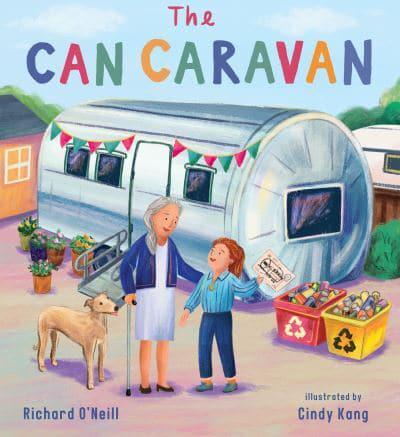
The Can Caravan by Richard O’Neill, illustrated by Cindy Kang
When Mrs Tolen breaks her hip, Janie worries that her neighbour will have to leave the caravan she loves. A school visit to a recycling centre sparks a plan to adapt the old caravan and make it safe and comfortable again. For 4+ year-olds, this warm and beautifully illustrated picture book connects practical problem-solving, recycling and intergenerational care with contemporary Traveller life.
The Lost Homework by Richard O’Neill, illustrated by Kirsti Beautyman
Sonny has lost his homework book and is worried about how his teacher will react. As he searches for it, the reader follows a busy weekend that includes attending his cousin’s wedding, helping his neighbours and restoring a caravan. The thought-provoking story shows how Sonny uses calculation, practical knowledge and other skills outside the classroom before ending with a clever explanation for the missing homework. Highly recommended.

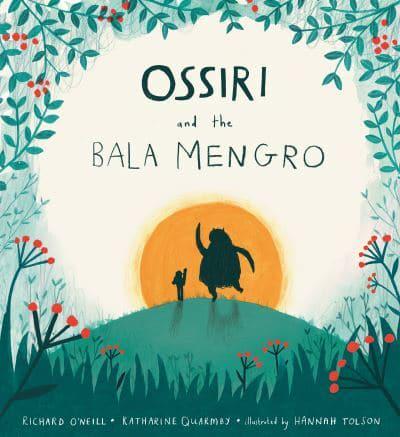
Ossiri and the Bala Mengro by Richard O’Neill and Katharine Quarmby, illustrated by Hannah Tolson
Ossiri longs to make music, so she builds an instrument from a willow branch and recycled objects. It sounds dreadful, but she keeps practising in the hills, even though her family warns her not to wake the fearsome Bala Mengro. 4+ year-olds can enjoy this immersive Traveller folk tale about persistence, resourcefulness and the unexpected listener who may appreciate Ossiri’s unusual sound.
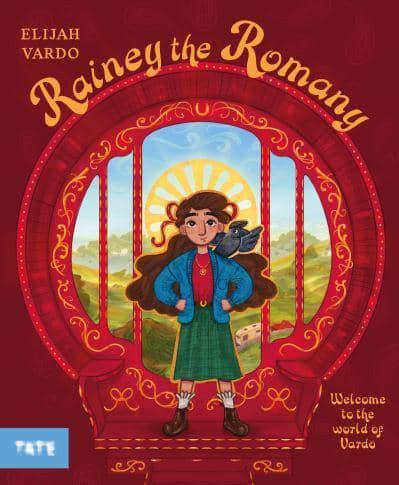
Rainey the Romany by Elijah Vardo
Rainey is nervous about starting a new school, but sharing the songs, stories and bright colour of her Romany Gypsy traditions gives her classmates the chance to discover her heritage. But just as she begins to feel she belongs, her parents are ready to move on to the next Stopping Place, and Rainey wants to show them she can keep her roots alive while growing in one place, in this moving and thought-provoking story for 5-8 year olds. It’s ideal to discuss with KS1 and LKS2 children.
Yokki and the Parno Gry by Richard O’Neill and Katharine Quarmby, illustrated by Marieke Nelissen
Yokki is a gifted storyteller who lifts his family’s spirits with tales of a magical white horse called the Parno Gry. When difficult times leave the family struggling, his story offers hope and begins to take on an unexpected life of its own. This highly illustrated Traveller-family folk tale for KS1 readers celebrates imagination, storytelling and the strength found within family and community. Highly recommended.

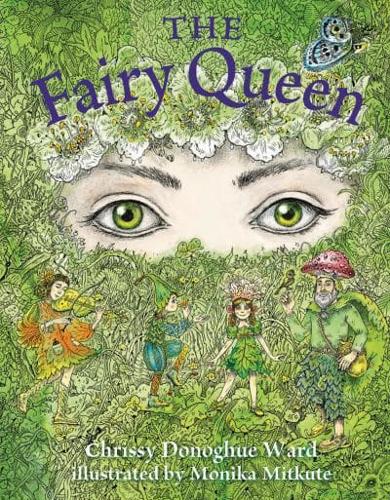
The Fairy Queen by Chrissy Donoghue Ward, illustrated by Monika Mitkute
When a cruel king and queen arrive in Ireland, the Traveller king escapes with his grandchildren into the woods. The Fairy Queen devises an extraordinary disguise to hide the Travellers from the soldiers searching for them, transforming them into leprechauns. For children in EYFS and KS1, this Irish Traveller folktale brings together persecution, escape, cleverness and magical protection.
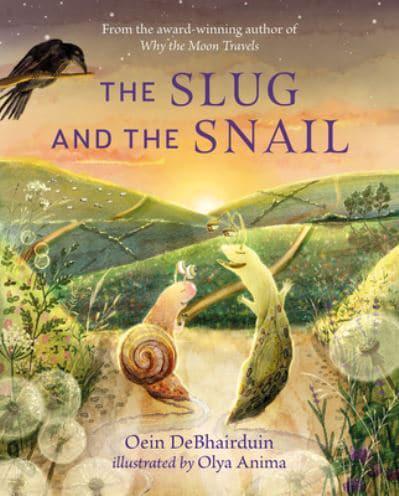
The Slug and the Snail by Oein DeBhairduin, illustrated by Olya Anima
Two slug brothers set out together until a crow asks why they have no homes. Embarrassed, the younger brother makes himself a shell and begins calling himself a snail, creating a rift between them. This Irish Traveller folktale explores identity, shame and reconciliation as the brothers learn to respect their different ways of moving through the world. Ideal for reading and sharing in EYFS and KS1.
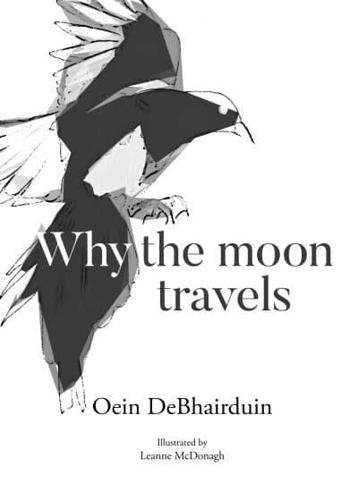
Why the Moon Travels by Oein DeBhairduin, illustrated by Leanne McDonagh
Brave vixens, prophetic owls, steadfast horses, spirits, giants and fairies inhabit these twenty tales from the oral tradition of the Irish Traveller community. Oein DeBhairduin retells stories gathered from family and community memory, while Leanne McDonagh’s illustrations give each one a distinctive visual presence. A good text to read and share with groups in KS1 and KS2.
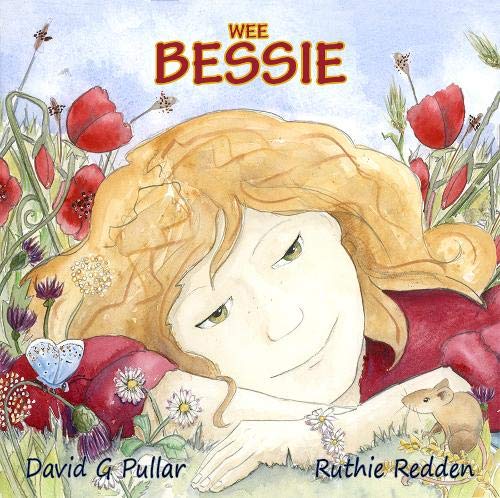
Wee Bessie by David G. Pullar, illustrated by Ruthie Redden
Inspired by the childhood of Scottish Traveller storyteller Betsy Whyte, this illustrated story follows young Bessie Townsley as she travels with her family and faithful dog, Ricky. Written by Betsy Whyte’s great-grandson, David G. Pullar, it introduces 3-6-year-olds to family life, nature, school and seasonal travelling through Bessie’s experiences in 1930s Scotland.
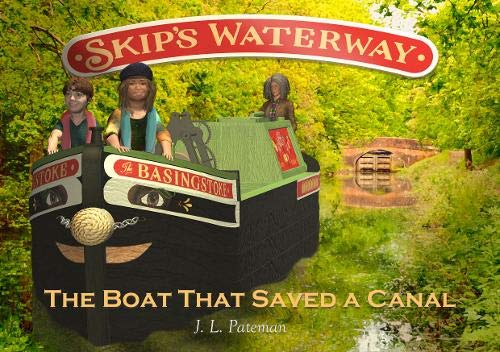
Skip’s Waterway: The boat that saved a canal by JL Pateman
When the neglected Basingstoke Canal is threatened with closure, young Emma and her crew set out to prove that boats can still travel along it. Their narrowboat Baisey, pulled by Kitty the barge horse, must negotiate locks, obstructions and difficult stretches of water before reaching Basingstoke. Inspired by the canal’s history, this illustrated adventure for younger children introduces boats, waterways and the campaign to save a canal.
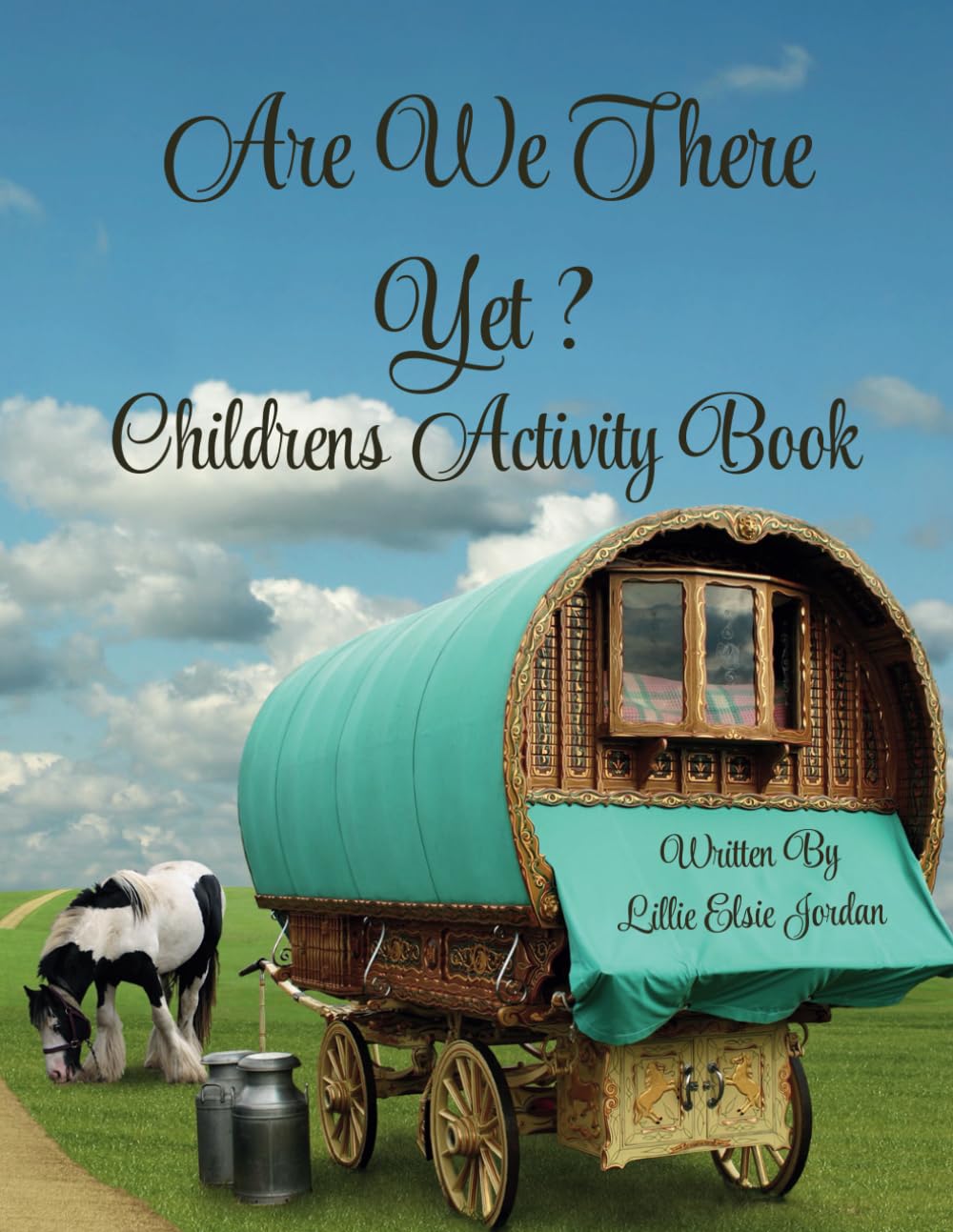
Are We There Yet? by Lillie Elsie Jordan
Fairs, travelling life and familiar family experiences provide the context for educational activities created with Gypsy, Roma and Traveller children in mind. The book encourages readers to explore culture, traditions and heritage while completing practical tasks connected to their own lives. Designed for adaptable use for primary-aged children, it offers families and educators a learning resource built around recognisable community experiences.
Gypsy, Roma, Traveller, Showman and Boater books for 7-12-year-olds – our recommendations
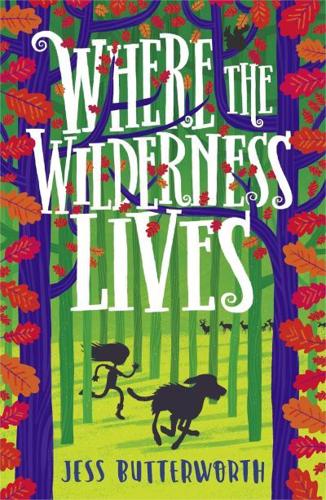
Where the Wilderness Lives by Jess Butterworth, illustrated by Rob Biddulph
Cara lives aboard a canal boat in Wales with her mother, three siblings and their dog, Willow. When the children pull a locked safe from the water, they attract the attention of dangerous pursuers and are forced to escape. Travelling first along the canal and then into the forests and mountains, the siblings must work together to find safety. For UKS2 children, this gripping adventure places the family’s life afloat at the centre of a journey through the Welsh wilderness. Highly recommended.
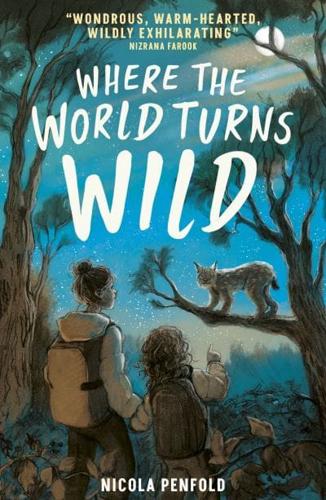
Where the World Turns Wild by Nicola Penfold
Juniper and her younger brother Bear live in a tightly controlled city where nature has been destroyed and every aspect of life is artificially managed. Because the siblings are resistant to the tick-borne disease that keeps people behind the city walls, its leader, Portia Steel, wants to use their blood to protect others. Forced to escape, they begin a dangerous journey towards Ennerdale, where they hope to find their father and the ReWilder community. Along the way, a lynx and a band of Romany Gypsies offer vital protection. 9+ year-olds will enjoy this tense ecological adventure about freedom, survival and humanity’s responsibility towards the natural world. Highly recommended.
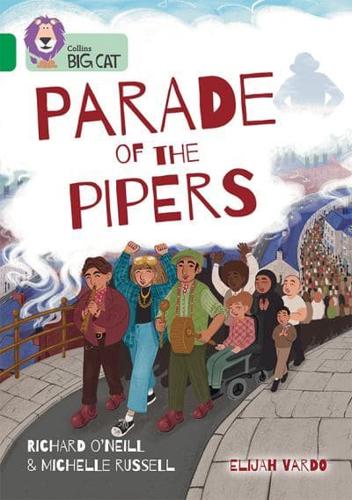
Parade of the Pipers by Richard O’Neill and Michelle Russell, illustrated by Elijah Vardo
A group of Travelling recyclers agrees to clear a town overwhelmed by rubbish, but their practical methods, music and storytelling begin to change more than the streets around them. Ideal for LKS2 readers, this Band 15/Emerald reader reworks the Pied Piper story through questions about waste, overconsumption and the value of knowledge developed through repairing, reusing and recycling discarded materials.
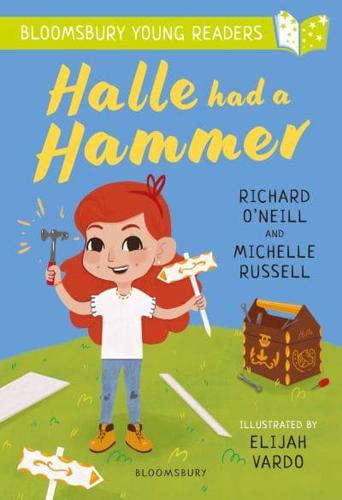
Halle had a Hammer: A Bloomsbury Young Reader by Richard O’Neill and Michelle Russell, illustrated by Elijah Vardo
When Halle’s Romani Traveller family arrives in a village, their truck is packed with tools, wood and the skills to repair and build almost anything. The annual running race ran into trouble the previous year, and Halle’s hammer may help prevent another disaster. Ideal for 6+ year-olds, this illustrated early reader celebrates practical ingenuity and the work shared across a travelling family.
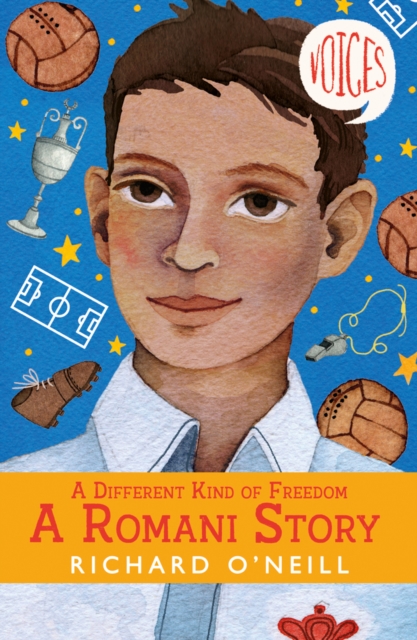
A Different Kind of Freedom: A Romani Story by Richard O’Neill, illustrated by Alette Straathof
Lijah is a Romani boy growing up in nineteenth-century Sheffield, where he helps his family collect scrap metal and faces prejudice at school. He also loves football, although his father wants him to concentrate on the family’s work. Inspired by the achievements of Romani footballer Rab Howell, Lijah begins practising in secret and considers how he might pursue his talent while remaining connected to his family. Highly recommended.
The Show Must Go On by Richard O’Neill and Michelle Russell, illustrated by Mitch Miller
Mary Ann lives with her travelling Showman family in a yard that is threatened by developers. Told in the first person, this Year 2 Lime B Plus reader follows her efforts to protect the family’s home and bring the wider community together. Suitable for KS1 and supported lower-KS2 reading, this well-written story provides a clear starting point for discussing Showmen’s yards, community life and the pressures created by redevelopment.

The Diddakoi by Rumer Godden
After her grandmother dies, half-Gypsy Kizzy is left alone in a community where she has already faced cruel treatment for being Diddakoi. Then her wagon is burned and her horse, Joe, may be taken away. UKS2 and LKS3 readers can follow Kizzy’s fight to keep the companion and way of life she loves in this unsentimental story about bereavement, prejudice and belonging. An atmospheric and memorable classic.
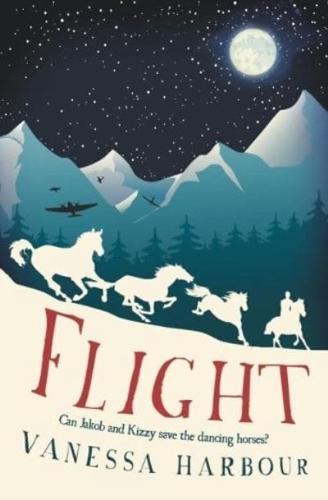
Flight by Vanessa Harbour
In Austria in 1945, orphaned Jakob and his guardian Herr Engel are hiding a group of Lipizzaner stallions coveted by the Nazis. When they must move the horses to safety, they are joined by Kizzy, an orphaned Roma girl whose courage and practical knowledge become central to their dangerous journey through Nazi-held territory. For more confident 9+ year-old readers, this gripping wartime adventure combines suspense, friendship and the formidable challenge of protecting the horses. Highly recommended.
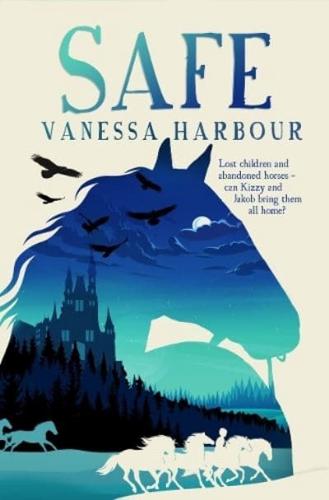
Safe by Vanessa Harbour
In the chaotic final days of the Second World War, Jakob and Kizzy are deceived into crossing a border on a dangerous mission involving rare horses. After an attack drives them into an apparently deserted mansion, they find forty abandoned horses and a group of displaced children who also need help. This tense and well-paced sequel for 9+ year-olds turns their journey home into a large-scale rescue.
Gypsy, Roma, Traveller, Showman and Boater books for teens – our recommendations
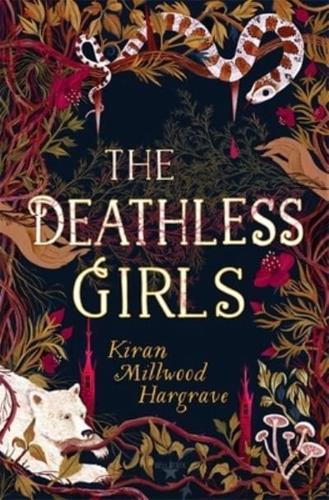
The Deathless Girls by Kiran Millwood Hargrave
On the day of their divining, seventeen-year-old twins Lil and Kizzy are seized from their Traveller community and taken to Boyar Valcar’s castle, where Lil is forced into the kitchens and Kizzy faces a darker fate. This Gothic reimagining of Dracula’s brides gives 12+ year-olds a compelling story of captivity, sisterhood and resistance, with Lil’s growing bond with fellow prisoner Mira at its heart.
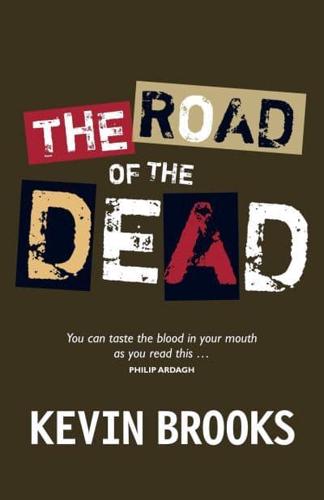
The Road of the Dead by Kevin Brooks
When fourteen-year-old Ruben senses that his sister Rachel has been murdered, he and his older brother Cole leave their half-Roma family in London and travel to the remote Dartmoor village where she died. Ruben’s ability to hear thoughts draws them into a violent investigation involving local corruption, intimidation and a longstanding feud. For more mature teen readers, this bleak thriller explores grief, brotherhood and the determination to bring Rachel’s body home.
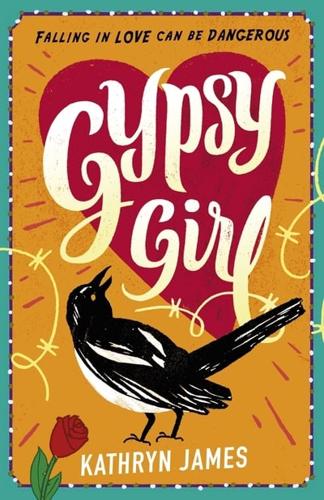
Gypsy Girl by Kathryn James
After Sammy Jo fights off local thugs to protect wealthy Gregory, she draws the attention of the dangerous McCloud and finds herself caught between escalating threats and a forbidden attraction. This moving romantic thriller for 14+ year-olds places its tough, quick-thinking Gypsy heroine at the centre of a story shaped by danger, divided loyalties and survival.
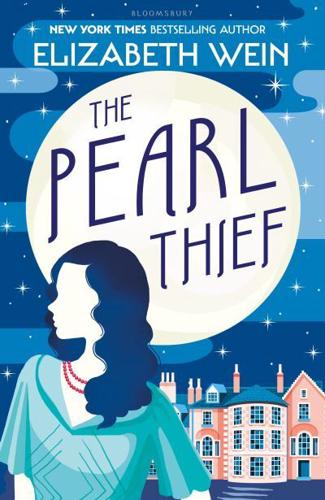
The Pearl Thief by Elizabeth Wein
Returning to her family’s Scottish estate in the summer of 1938, sixteen-year-old Julie Beaufort-Stuart is attacked and left with gaps in her memory. As she investigates a missing scholar, a body in the river and stolen family pearls, suspicion falls on Highland Traveller siblings Euan and Ellen McEwen. This atmospheric historical mystery for 13+ year-olds examines class, prejudice and belonging as Julie challenges the assumptions surrounding her new friends.
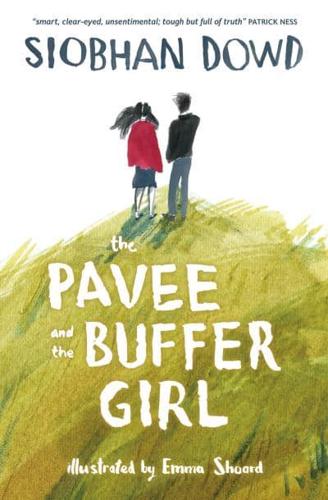
The Pavee and the Buffer Girl by Siobhan Dowd, illustrated by Emma Shoard
Jim Curran and his Pavee family arrive in an Irish seaside town, where suspicion quickly becomes racist abuse and violence. Kit, a girl in Jim’s class who is also treated as an outsider, becomes his secret friend as hostility towards the camp worsens. This illustrated, dyslexia-friendly edition for 13+ year-olds confronts prejudice while depicting the warmth and closeness of Jim’s family and community.
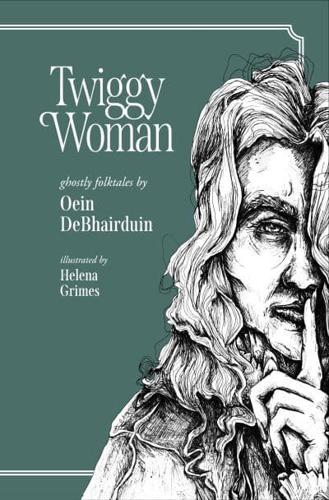
Twiggy Woman by Oein DeBhairduin, illustrated by Helena Grimes
Ghosts and uncanny encounters emerge from stories preserved within the oral tradition of the Irish Traveller community. Reimagined for contemporary readers and accompanied by Helena Grimes’s eerie illustrations, the collection moves between everyday life and a darker supernatural world. Its unsettling subject matter, offset by lyrical storytelling, makes it an atmospheric and thought-provoking choice for 14+ year-olds.
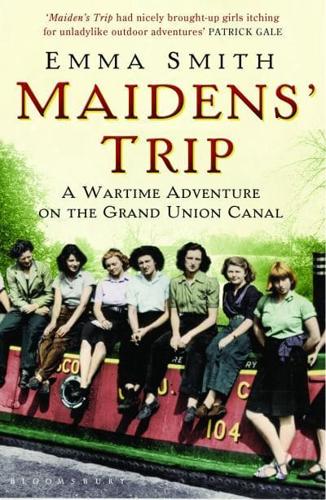
Maidens’ Trip by Emma Smith
In 1943, three eighteen-year-old women join the Grand Union Canal Carrying Company to replace boaters serving in the war. They learn to handle a pair of seventy-two-foot canal boats, carrying steel from London to Birmingham and coal from Coventry while mastering locks, ropes, engines and tunnels. This funny, sharply observed memoir offers teens a first-hand account of wartime work and life on Britain’s waterways.
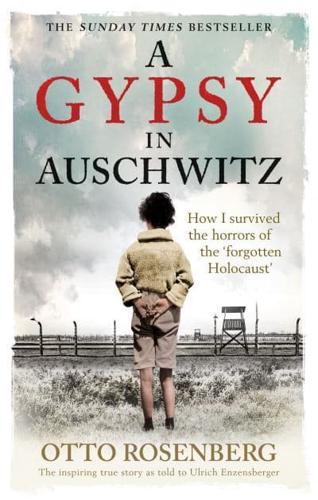
A Gypsy In Auschwitz: How I Survived the Horrors of the ‘Forgotten Holocaust’ by Otto Rosenberg
Otto Rosenberg is nine when his Sinti family is detained in Nazi Berlin and forced into an encampment outside the city. At fifteen, he is deported to Auschwitz before enduring Buchenwald and Bergen-Belsen, forced labour, starvation, illness and appalling violence. A direct and accessible testimony for older teen readers, his memoir records both an individual struggle for survival and the frequently overlooked persecution of Sinti and Roma people.
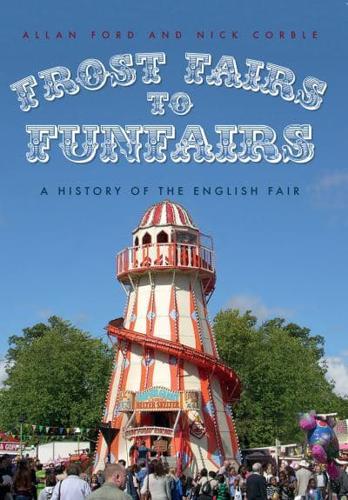
Frost Fairs to Funfairs: A History of the English Fair by Allan Ford and Nick Corble
From medieval trading gatherings and celebrations on the frozen River Thames to travelling funfairs filled with mechanical rides, this illustrated history traces the changing purpose and appearance of the English fair. Showpeople, fairground engineering, transport and entertainment are considered alongside the social history of the communities that sustained them. It provides teen readers with useful background to a familiar attraction with a much longer and more complex past.
Gypsy, Roma, Traveller, Showman and Boater books for sixth formers – our recommendations
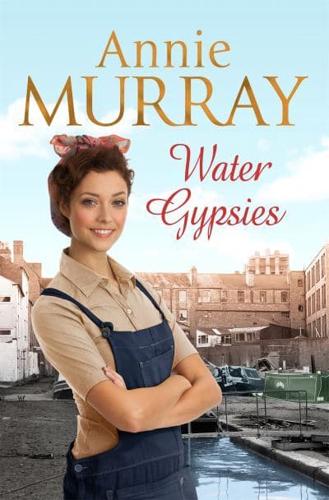
Water Gypsies by Annie Murray
By 1942, Maryann Bartholomew has built a life with her husband Joel and their children aboard the narrowboat Esther Jane, but punishing work, bereavement and another pregnancy push her towards crisis. When Joel is injured, wartime volunteers Sylvia and Dot join the boats, while a figure from Maryann’s past begins appearing at Tyseley Wharf. For adult sixth-formers, this historical novel presents canal life alongside domestic hardship and mounting danger.
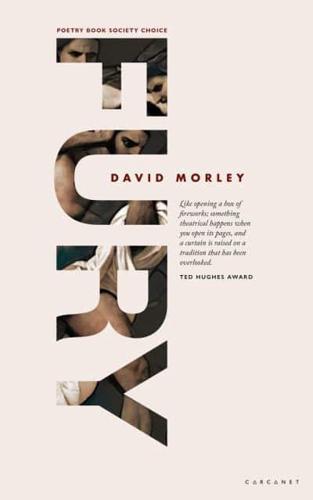
FURY by David Morley
Romani language, political anger and close observation of the natural world meet in poems concerned with people and experiences too often pushed aside. The collection moves between Romani communities past and present, environmental damage and voices subjected to confinement or silence. Its linguistic experimentation and demanding political material make it a rewarding poetry choice for confident sixth-form readers.
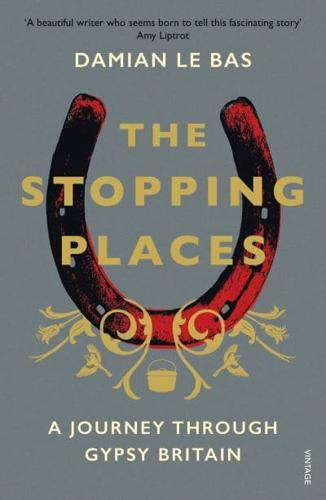
The Stopping Places: A Journey Through Gypsy Britain by Damian Le Bas
Travelling by van through Britain, Damian Le Bas searches for the old encampment sites known within Traveller communities as stopping places or atchin tans. His route takes him through winter roads, summer landscapes, horse fairs and Gypsy churches as he investigates his own Romani inheritance and the survival of a frequently misunderstood culture. Sixth formers will find an absorbing mixture of memoir, travel writing and social history.
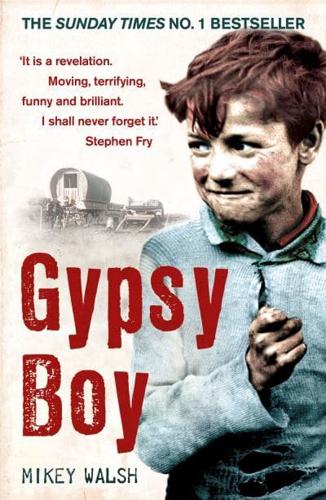
Gypsy Boy: The bestselling memoir of a Romany childhood by Mikey Walsh
Growing up on caravan sites across the UK, Mikey Walsh receives little formal schooling and rarely mixes with anyone outside his close Romany community. Alongside its loyalty and cultural continuity, his family life contains severe violence, abuse and secrets that eventually force him to choose between staying and escaping. Because of its distressing content, this candid childhood memoir is more appropriate for mature sixth-form readers.
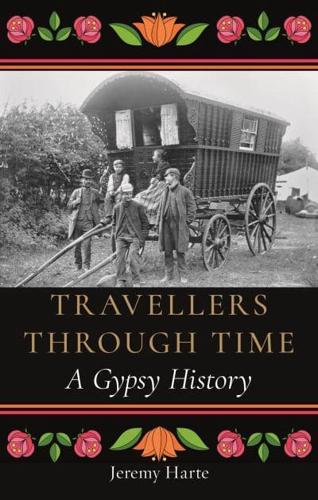
Travellers through Time: A Gypsy History by Jeremy Harte
Beginning with the arrival of Romany people in Tudor England, this substantial history traces travelling life through five centuries. Woodland crafts, language, artistic traditions, weddings, funerals, persecution and changing relationships with wider society all form part of the account. Sixth-form readers studying history, identity or social prejudice will find detailed evidence that looks beyond both hostile and romanticised stereotypes.
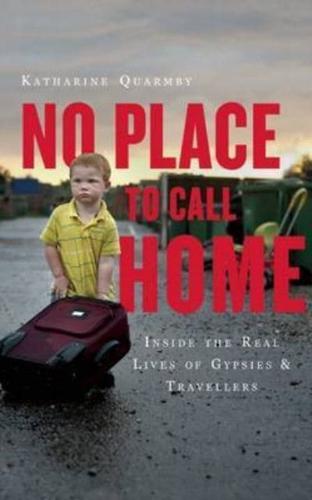
No Place to Call Home: Inside the Real Lives of Gypsies and Travellers by Katharine Quarmby
The eviction of Dale Farm provides the central thread for a wider investigation into the treatment of Gypsy and Traveller communities in Britain and Europe. Personal accounts sit alongside the history of forced movement, hostile policies, discrimination and repeated struggles to secure lawful places to live. A searching non-fiction choice, it examines how prejudice is translated into decisions about housing, planning and belonging. Highly recommended.
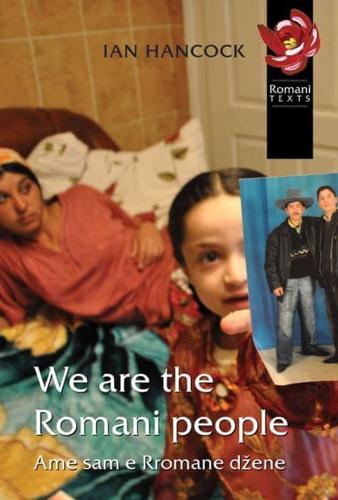
We Are the Romani People by Ian Hancock
History, language, politics, food, health and social customs are brought together in an introduction written from within the Romani community. Chapters examine migration from India, slavery, the Holocaust, antigypsyism and stereotypes, before considering Romani organisations, notable individuals and useful elements of the language. Its breadth and detailed historical material make it particularly valuable for sixth-form students.
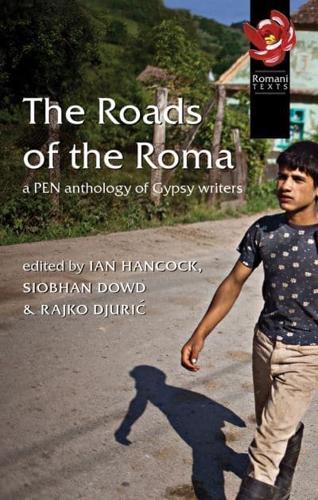
The Roads of the Roma: A PEN Anthology of Gypsy Writers, edited by Siobhan Hancock and Siobhan Dowd
Forty-three poems and prose extracts by Romani writers from twenty countries appear alongside a chronology covering centuries of persecution and resistance. Slavery, expulsions, pogroms, genocide, identity and cultural survival are addressed through work translated into English, often for the first time. The anthology brings together direct literary perspectives from Romani writers working across different countries, languages and traditions.
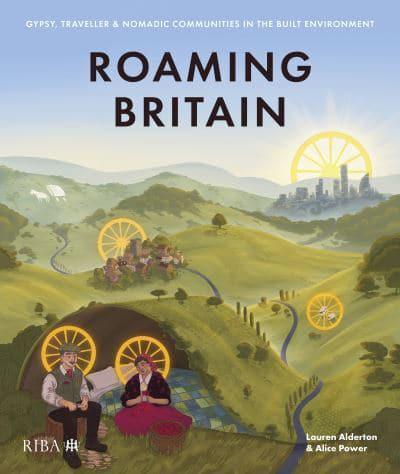
Roaming Britain: Gypsy, Traveller and Nomadic Communities in the Built Environment by Alice Power and Lauren Alderton
Photographs, drawings and historical material document how Gypsy, Traveller and other nomadic communities have lived within and moved through Britain’s built environment. The book considers mobile homes, stopping places, permanent sites and the effects of planning and housing policy, while arguing for more inclusive approaches to design. Architecture and geography students will find a distinctive study of space, mobility and belonging.
Click the buttons below to purchase all of the books in this Gypsy Roma, Traveller, Showman and Boater books list, as well as class sets of any of these books and many more, from Bookshop.org UK. Or buy the 20 most popular titles from this list from Amazon – ideal for gifts or your classroom library.
Buy from UK.Bookshop.Org Buy from Amazon.co.uk
Disclosure: If you buy books using the buttons above: we may earn a commission from Bookshop.org, whose fees support independent bookshops; as an Amazon Associate schoolreadinglist.co.uk earns from qualifying purchases.
Schools & teachers: please respect copyright and don’t copy our Gypsy Roma, Traveller, Showman and Boater books for children list. If you find our book recommendations useful, please consider sharing on social media or linking to this page instead. Thanks.
Gypsy, Roma, Traveller, Showman and Boater resources for teachers
- Friends, Families and Travellers publishes annual Gypsy, Roma and Traveller History Month education packs containing historical timelines, classroom activities, assembly ideas, reading suggestions and guidance for teaching about Romany Gypsy, Roma, Irish Traveller, New Traveller, Showman and Liveaboard Boater communities.
- The Friends, Families and Travellers teaching resources collection brings together books, films, oral histories, heritage projects and classroom materials designed to introduce young people to the distinct histories and cultures of Gypsy, Roma and Traveller communities.
- Travellers’ Times offers a free education pack for upper KS2 and lower KS3 based around its animated film Roads from the Past, with an assembly, presentation, lesson ideas and a lifestyle, history and culture guide for teachers.
- The Historical Association provides primary and secondary teaching materials, subject knowledge podcasts, display slides, historical sources and links covering migration, employment, persecution, the Romani genocide and the history of Gypsy, Roma and Traveller people in Britain.
- A New Direction’s Exploring Home and Tradition is a free KS2 English and PSHE resource using discussion, hot seating, illustrations, character profiles and creative activities to explore the homes, heritages and traditions of Romany Gypsy, Roma and Irish Traveller families.
- The Roma Oral History Learning Resource contains eight adaptable sections for KS2 and KS3, linking Roma experiences to PSHE, British values, English life stories, Second World War history, geography and Gypsy, Roma and Traveller History Month.
- Friends, Families and Travellers’ Roma and Sinti Holocaust resource uses historical background, photographs, written sources and individual case studies to support secondary teaching about Nazi persecution and the genocide of Roma and Sinti people.
- The Gypsy, Traveller, Roma, Showmen and Boaters’ Pledge for Schools, led by Buckinghamshire New University, gives schools a practical framework for improving access, inclusion, retention and educational outcomes across the whole school community.
- The Traveller Movement’s BESTIE Toolkit combines the experiences of Gypsy, Roma and Traveller young people with practical guidance, case studies and principles for teachers, youth workers and other professionals developing inclusive support.
- Hampshire County Council’s EMTAS guide covers pupils from Gypsy, Roma, Irish Traveller, Showman, Circus, Boater and New Traveller backgrounds, with advice on cultural inclusion, attendance, transition, distance learning, family engagement and classroom resources.
- The Fairground Heritage Trust offers school visits, outreach and curriculum-linked workshops exploring fairground history, art, engineering, games and life in a Showman’s living wagon, alongside access to historic objects and working rides.
- London Canal Museum’s KS2 teachers’ notes explore how canals were built and how working Boater families lived, dressed, decorated their narrowboats, cared for boat horses and carried goods around Britain.
- The Canal & River Trust provides free classroom activities, videos, school visits, workshops, webinars and assemblies covering canal history, waterways, geography, wildlife, engineering and water safety.
- The National Education Union’s anti-racism charter includes discussion starters and school self-evaluation activities to help staff recognise institutional racism and challenge discrimination against Gypsy, Roma and Traveller pupils.
BISAC JUV074000, JNF069000, YAF014000, YAN061000, JUV039120, JNF053140, YAF058190, YAN051180. | Thema YXM, YXN, YXP, 5PBR.